
By Brian Watson | Health and Wellness Writer | Calgary, Alberta, Canada
Updated: November 11, 2026 | Medically Reviewed by Canadian Healthcare Professionals
The Bottom Line Up Front
Tirzepatide—known commercially as Mounjaro and Zepbound—has exploded in popularity across social media. But viral claims spread faster than verified facts, and many assertions about this injectable medication don’t survive contact with clinical evidence.
Here’s what the research actually demonstrates: Patients taking the 15mg dose achieved average weight loss of 20.9% over 72 weeks in controlled trials, making this one of the most effective weight management interventions currently available. The medication works by activating both GIP and GLP-1 receptors, which suppresses appetite and improves metabolic function—without the catastrophic side effects that dominate online discussions.
Most gastrointestinal effects are mild to moderate, cluster during dose escalation, and resolve within 8 to 12 weeks for the majority of users.
This guide separates evidence from anecdote by examining the most persistent myths circulating online and providing research-backed responses drawn from peer-reviewed literature.
One Patient’s Journey: Scott from Hamilton
I’m Scott Henderson, and I live in Hamilton, Ontario. When I began researching Tirzepatide in early 2024, I burned countless hours scrolling Reddit threads and watching TikTok videos. Half of what I encountered terrified me. The other half seemed too good to be true.
At 218 lbs and 5’10”, I’d tried nearly everything over the previous decade. Keto worked for a few months. Intermittent fasting helped somewhat. But nothing lasted because I couldn’t escape the constant mental chatter about food.
After consulting my doctor and conducting my own research, I started at 2.5mg in March. The first few weeks were unremarkable—some mild nausea when I ate too quickly, nothing dramatic. By month three, I noticed something unexpected: I would forget to eat lunch. Not because I felt ill, but because I simply wasn’t hungry.
Eight months later, I weigh 171 lbs. That’s 47 lbs gone. More significantly, my A1C dropped from 6.1 to 5.4, and my blood pressure normalized without medication changes.
My Protocol
- Starting dose: 2.5mg weekly for 4 weeks
- Escalation: Standard 4-week increases to 10mg maintenance
- Protein intake: Minimum 100g daily, prioritized at every meal
- Exercise: Resistance training 3x weekly, walking 20 minutes daily
- Injection day: Sunday mornings, consistent timing each week
The myths I read online about constant vomiting, losing all your muscle, or needing to stay near a bathroom? None of that matched my experience. Was there an adjustment period? Certainly. But nothing resembling the horror stories on social media. I wish I’d found balanced information earlier instead of letting fear delay my decision by nearly a year.
— Scott H., Hamilton, Ontario
Understanding Tirzepatide: The Science Behind the Medication
Before examining specific myths, understanding what Tirzepatide actually does provides essential context for evaluating online claims. This medication represents a meaningful advance in metabolic medicine, building on decades of research into gut hormones and appetite regulation.
Tirzepatide belongs to a class called incretin mimetics. These drugs imitate hormones your body naturally produces after eating. What distinguishes Tirzepatide from older medications in this class is its dual mechanism. While drugs like semaglutide (Ozempic, Wegovy) activate only GLP-1 receptors, Tirzepatide activates both GLP-1 and GIP receptors simultaneously.
Key Point
This dual GIP/GLP-1 activation explains why Tirzepatide produces roughly 47% greater weight loss compared to semaglutide in head-to-head trials. This isn’t marketing language—the SURMOUNT-5 trial demonstrated average weight loss of 50.3 lbs with Tirzepatide versus 33.1 lbs with semaglutide over 72 weeks.
GLP-1 (glucagon-like peptide-1) works primarily by slowing gastric emptying, meaning food remains in your stomach longer and you feel satisfied with smaller portions. It also signals fullness to your brain and helps regulate blood sugar by improving insulin secretion when you eat.
GIP (glucose-dependent insulinotropic polypeptide) adds another layer of metabolic benefit. This hormone enhances insulin secretion, may improve fat metabolism, and appears to reduce some of the nausea associated with GLP-1 activation alone. Clinical data suggests GIP activation is why Tirzepatide tends to be better tolerated than pure GLP-1 medications despite producing superior weight loss results.
The medication is administered once weekly via subcutaneous injection, typically in the abdomen, thigh, or upper arm. Rotating injection sites prevents localized tissue irritation. The half-life of approximately 5 days means the medication maintains consistent blood levels throughout the week with proper dosing.
Did You Know?
Tirzepatide was originally developed for type 2 diabetes management and received FDA approval for that indication in May 2022 under the brand name Mounjaro. Its remarkable weight loss effects in clinical trials led to FDA approval specifically for weight management under the brand name Zepbound in November 2023.
Understanding this foundation helps contextualize why many social media claims about Tirzepatide miss the mark. The mechanism is well-characterized, supported by extensive clinical research, and the safety profile has been established through trials involving thousands of participants over multiple years.
Myth 1: Tirzepatide Is Dangerous and Untested
One of the most persistent myths circulating on Reddit and TikTok is that Tirzepatide is somehow experimental, rushed to market, or inadequately tested. This claim appears frequently in comments suggesting the medication has unknown long-term effects that pharmaceutical companies are hiding.
The clinical reality tells a completely different story. Tirzepatide underwent the standard rigorous FDA approval process, including Phase 1, Phase 2, and Phase 3 clinical trials conducted over several years before receiving approval. The SURPASS trials (for diabetes) and SURMOUNT trials (for weight management) enrolled thousands of participants and produced extensive safety and efficacy data.
Tirzepatide Clinical Trial Program
| Trial Series | Indication | Participants | Duration |
|---|---|---|---|
| SURPASS 1-5 | Type 2 Diabetes | 6,200+ | 40-52 weeks |
| SURMOUNT 1-4 | Weight Management | 5,000+ | 72 weeks |
| SURMOUNT 5 | Head-to-Head vs Semaglutide | 751 | 72 weeks |
The SURMOUNT-1 trial specifically examined Tirzepatide for chronic weight management in adults without diabetes. Results showed participants receiving the 15mg dose lost an average of 22.5% of body weight over 72 weeks. For someone weighing 220 lbs, that represents nearly 50 lbs of weight loss. Importantly, the study tracked safety outcomes throughout this extended period.
Concerns about thyroid cancer risk often appear in social media discussions. The FDA mandated a boxed warning about thyroid C-cell tumors based on rodent studies—not human data. This precautionary warning exists for all GLP-1 receptor agonists. In human clinical trials, no increased thyroid cancer risk has been observed, though the medication is contraindicated in patients with personal or family history of medullary thyroid carcinoma or Multiple Endocrine Neoplasia syndrome type 2.
My Perspective
Having reviewed the clinical data extensively, I find characterizations of Tirzepatide as dangerous or untested fundamentally misleading. The medication has undergone more extensive pre-approval testing than many commonly used pharmaceuticals. The real danger lies in spreading misinformation that prevents people who could genuinely benefit from seeking appropriate medical care.
The discontinuation rate due to adverse events in the SURMOUNT-1 trial was approximately 6% for Tirzepatide versus 1.4% for placebo. This means 94% of participants tolerated the medication well enough to continue treatment throughout the 72-week study period. Compare this to many commonly prescribed medications with significantly higher discontinuation rates.
Post-market surveillance continues to monitor safety as millions of patients now use the medication in real-world settings. As of late 2025, no unexpected safety signals have emerged that weren’t identified during clinical trials. FDA Adverse Event Reporting System data shows adverse events consistent with the known side effect profile—primarily gastrointestinal in nature.
Myth 2: You Will Lose All Your Muscle
Perhaps no myth generates more anxiety among potential Tirzepatide users than concerns about muscle loss. Reddit threads are filled with users claiming they lost significant muscle mass, with some suggesting the medication directly attacks muscle tissue. TikTok videos showing before-and-after photos sometimes emphasize supposed muscle wasting as a cautionary tale.
Clinical evidence paints a much more nuanced picture. A body composition substudy within the SURMOUNT-1 trial used dual-energy X-ray absorptiometry (DXA) scans to precisely measure changes in fat mass versus lean mass. Results showed approximately 75% of weight lost came from fat mass, with approximately 25% from lean mass. This ratio is comparable to or better than what occurs with other successful weight loss interventions.
Key Point
Lean mass loss during weight reduction is normal physiology, not a medication defect. Any significant caloric deficit will result in some lean mass loss. The important metric is the ratio of fat loss to lean mass loss, and Tirzepatide maintains a favorable ratio of approximately 3:1 fat to lean mass loss.
A systematic review published in 2025 examined all available evidence on Tirzepatide and skeletal muscle. Researchers concluded that treatment is associated with reductions in fat mass while maintaining relative preservation of lean mass. More importantly, indicators of muscle composition and quality remained stable or showed signs of improvement in most participants.
The critical factor determining muscle preservation during Tirzepatide treatment isn’t the medication itself but the behavioral choices made during treatment. Three evidence-based strategies dramatically reduce lean mass loss:
Muscle Preservation Strategies
1. Adequate Protein Intake
Consume 1.2 to 1.6 grams of protein per kilogram of body weight daily. For a 180 lb person, that translates to roughly 100 to 130 grams of protein per day. Prioritize protein at every meal.
2. Resistance Training
Engage in strength training 2 to 4 times per week. This provides the mechanical stimulus your body needs to prioritize muscle preservation during caloric deficit.
3. Avoid Extreme Calorie Restriction
Don’t intentionally starve yourself while taking the medication. The appetite suppression alone creates sufficient caloric deficit. Extreme restriction accelerates muscle breakdown.
A 2025 prospective cohort study of 200 adults prescribed either semaglutide or Tirzepatide found that participants who followed guidance from obesity medicine specialists on protein intake and resistance training maintained significantly more muscle mass compared to those who didn’t receive or follow such guidance. Preserving muscle while reducing body fat becomes achievable when proper protocols are followed.
Did You Know?
Some muscle loss attributed to Tirzepatide in social media posts is actually measurement artifact. Lean mass includes water, connective tissue, and organ tissue in addition to skeletal muscle. Fat cells themselves contain lean components. When fat cells shrink, the lean tissue within them registers as lean mass loss even though actual muscle fibers remain intact.
The bottom line: muscle loss is manageable, not inevitable. Blaming Tirzepatide for muscle wasting typically reflects inadequate protein intake, lack of resistance exercise, or excessively rapid weight loss rather than a pharmacological effect of the medication itself.
Myth 3: Side Effects Are Unbearable
Social media platforms amplify extreme experiences. A quick scroll through Tirzepatide discussions on Reddit reveals horror stories of people describing constant vomiting, severe diarrhea, and weeks spent unable to function normally. These posts generate significant engagement because dramatic content performs well algorithmically. What gets less attention are the thousands of users having unremarkable experiences with mild, transient side effects.
Clinical trial data provides a more accurate picture of what typical users experience. In the SURMOUNT-1 trial, the most common adverse events were gastrointestinal: nausea (25%), diarrhea (21%), constipation (16%), and vomiting (10%). These percentages tell only part of the story. The severity and duration of these effects matter more than their mere occurrence.
Side Effect Comparison: Tirzepatide vs Semaglutide
| Side Effect | Tirzepatide 15mg | Semaglutide 2.4mg |
|---|---|---|
| Nausea | 25% | 44% |
| Diarrhea | 21% | 30% |
| Vomiting | 10% | 24% |
| Constipation | 16% | 24% |
| Discontinuation Rate | 6% | 11% |
Several patterns emerge from the clinical data that social media discussions often miss. First, side effects are dose-dependent and typically peak during the escalation period. Someone experiencing significant nausea at 5mg during week 6 will likely find it resolves substantially by week 12 once their body adjusts. Second, the slow titration schedule exists specifically to minimize these effects. Jumping too quickly through doses dramatically increases side effect severity.
My Perspective
The way side effects are discussed online often lacks crucial context. Describing nausea as “unbearable” when it occurs for 30 minutes after eating too quickly is very different from persistent nausea that prevents normal functioning. The majority of Tirzepatide users experience the former, not the latter. Proper expectations and management strategies make a substantial difference.
Management strategies significantly reduce side effect burden. Eating smaller portions, avoiding high-fat meals (which delay gastric emptying further), staying well hydrated, and taking the medication on a consistent schedule all help. Many users find that eating too quickly or consuming previously typical portion sizes triggers most of their discomfort. Slowing down and listening to new fullness cues resolves most issues.
The GIP component of Tirzepatide appears to provide a tolerability advantage over pure GLP-1 medications. The lower nausea and vomiting rates compared to semaglutide suggest that GIP activation actually buffers some of the gastrointestinal effects that GLP-1 alone produces. This may explain why Tirzepatide achieves greater weight loss while being better tolerated.
Key Point
The 6% discontinuation rate in clinical trials means 94% of participants found side effects manageable enough to continue treatment for the full study duration. Real-world adherence rates support this. Most people experience some adjustment period but find long-term use comfortable.
Serious adverse events remain rare. Pancreatitis occurred in less than 0.2% of participants. Gallbladder disease occurred in 1-2%, which is elevated compared to placebo but not unexpected given that rapid weight loss itself increases gallstone risk regardless of method. These risks warrant awareness and monitoring but don’t support characterizing the medication as inherently dangerous.
Myth 4: You Regain Everything When You Stop
This myth contains a kernel of truth that gets distorted into something misleading. Yes, weight regain occurs when people discontinue Tirzepatide without implementing sustainable lifestyle changes. However, framing this as a failure of the medication fundamentally misunderstands the nature of obesity as a chronic condition requiring ongoing management.
The SURMOUNT-4 trial specifically examined what happens when participants stop Tirzepatide after achieving significant weight loss. Results showed participants who switched to placebo after 36 weeks of treatment regained approximately two-thirds of their lost weight over the following 52 weeks. Participants who continued treatment maintained their weight loss.
This pattern is consistent with every weight loss intervention ever studied, from dietary changes to bariatric surgery. Obesity involves persistent changes in hunger hormones, metabolic rate, and satiety signaling that actively defend against weight loss. These biological mechanisms don’t disappear because you lost weight. They persist and work to restore previous weight when the intervention stops.
Did You Know?
Studies of contestants from The Biggest Loser television show revealed that participants regained most of their lost weight within years of the competition, and their resting metabolic rates remained suppressed even after weight regain. This metabolic adaptation occurs regardless of how weight is lost. Tirzepatide helps counteract these biological forces.
Framing Tirzepatide as requiring lifelong use ignores that most chronic conditions require ongoing treatment. People don’t criticize blood pressure medications because hypertension returns when you stop taking them. The same logic should apply to obesity treatment. For many individuals, sustained pharmacological support represents the most effective strategy for long-term weight management.
That said, some individuals successfully transition off medication by implementing significant behavioral changes during treatment. Using the window of reduced appetite to establish new eating patterns, exercise habits, and relationship with food can provide a foundation for maintenance. Success rates vary considerably based on individual factors, including the degree of underlying metabolic dysfunction, psychological relationship with food, and commitment to lifestyle modification.
My Perspective
The criticism that “you have to take it forever” reflects bias against pharmaceutical solutions for obesity that doesn’t exist for other chronic conditions. Weight regain after stopping treatment isn’t a personal failure or medication failure. It reflects the chronic, relapsing nature of obesity as a medical condition. Effective long-term management often requires ongoing treatment, and that’s okay.
For those concerned about long-term medication use, discussing maintenance strategies with a healthcare provider makes sense. Some patients successfully reduce to lower maintenance doses. Others find that periodic treatment cycles work for their situation. The key is developing a sustainable, individualized approach rather than assuming that stopping medication entirely is the only acceptable outcome.
Myth 5: It’s Just a Quick Fix That Doesn’t Last
Related to but distinct from the weight regain myth is the characterization of Tirzepatide as a “quick fix” or “easy way out” that doesn’t produce lasting results. This criticism often carries moral undertones suggesting that pharmaceutical weight loss is somehow less legitimate or valuable than achieving it through “willpower” alone.
Calling 72-week clinical trials “quick” requires a creative definition of the word. The SURMOUNT studies followed participants for nearly a year and a half, with weight loss continuing throughout the trial period for most participants. Results at 72 weeks showed continued efficacy without evidence of the medication losing effectiveness over time.
The “easy way out” framing ignores the substantial behavioral changes successful Tirzepatide users make. The medication reduces appetite and food noise, but users still need to make food choices, manage portion sizes, prioritize protein intake, and incorporate physical activity. It provides biological support for behavior change that would otherwise fight against overwhelming hormonal signals.
Key Point
Tirzepatide works best as part of a comprehensive approach including dietary modification and increased physical activity. Clinical trials required lifestyle intervention components. The medication enhances the effectiveness of behavioral strategies by reducing the biological barriers that make adherence so difficult.
Consider the alternative scenario. Research consistently shows that traditional diet and exercise interventions produce average weight loss of 3-5% that regains within 1-2 years for most participants. The biological drive to regain weight overwhelms conscious efforts to maintain caloric restriction. Calling an approach that produces 20%+ weight loss with improved maintenance a “quick fix” compared to one that produces 3-5% loss seems backwards.
The lasting effects of Tirzepatide extend beyond the number on the scale. Participants in clinical trials showed improvements in cardiovascular risk factors, metabolic markers, and quality of life measures. Blood pressure, cholesterol levels, and blood glucose control improved. These changes represent genuine health benefits that persist as long as treatment continues.
Did You Know?
A 2024 study showed that Tirzepatide reduced progression to type 2 diabetes by 94% in people with prediabetes over three years. This represents disease prevention, not just weight management. Calling something that prevents chronic disease development a “quick fix” misses the profound long-term health implications.
The characterization of pharmaceutical weight loss as cheating reflects anti-fat bias more than medical reality. Obesity is a complex condition with genetic, environmental, hormonal, and behavioral components. Effective treatment addresses these multiple factors. Using medication that corrects underlying hormonal dysfunction is no more cheating than using insulin for diabetes or inhalers for asthma.
Myth 6: It’s Only for Celebrities and the Wealthy
Media coverage of Tirzepatide and similar medications often focuses on celebrity use and high costs, creating the impression that these treatments are exclusively for the privileged. While cost remains a legitimate concern, the situation is more complex than social media discourse suggests.
In Canada, prescription coverage varies by province and private insurance plan. Many employer-sponsored benefits programs now cover weight management medications when prescribed for appropriate indications. Health Canada approval of these medications has expanded coverage options compared to earlier years when they were considered purely cosmetic.
For those without insurance coverage, the cost picture has evolved. The research peptide market offers access to Tirzepatide at significantly lower price points than brand-name medications. While these products aren’t identical to FDA-approved formulations and require more user knowledge about reconstitution and administration, they represent a legitimate option for individuals conducting personal research under appropriate guidance.
My Perspective
The healthcare access disparity around weight management medications is real and deserves criticism. However, dismissing the medications entirely because of cost concerns doesn’t help people who can access them. Advocacy for better coverage is important. So is providing accurate information to those who have found ways to access treatment.
The celebrity association has created stigma that discourages some people from considering treatment. Fear of being judged for “taking the easy way” or wanting to “look like a celebrity” prevents individuals with serious obesity-related health conditions from exploring effective options. This stigma serves no one except those who profit from perpetuating the myth that willpower alone should be sufficient.
Cost trends suggest improving accessibility over time. As patents expire and generic versions become available, prices typically decline substantially. The enormous demand for these medications has also prompted multiple pharmaceutical companies to develop competing products, which should increase competition and drive costs down. The situation in 2025 is better than 2023, and 2027 will likely be better still.
Myth 7: Tirzepatide Is Only for People with Diabetes
This myth stems from Tirzepatide’s origins as a diabetes medication. Mounjaro received initial FDA approval for type 2 diabetes management in 2022, and early adoption focused on that population. However, the story didn’t end there.
The FDA approved Tirzepatide specifically for chronic weight management under the brand name Zepbound in November 2023. This approval was based on the SURMOUNT trial program, which enrolled participants without diabetes. The indication covers adults with obesity (BMI 30 or greater) or adults with overweight (BMI 27 or greater) who have at least one weight-related health condition such as high blood pressure, dyslipidemia, or sleep apnea.
Tirzepatide Brand Names and Indications
| Brand Name | Indication | Approval Year |
|---|---|---|
| Mounjaro | Type 2 Diabetes | May 2022 |
| Zepbound | Chronic Weight Management | November 2023 |
| Zepbound | Obstructive Sleep Apnea | December 2024 |
The weight loss effects observed in non-diabetic populations are actually more pronounced than in people with diabetes. This makes pharmacological sense. People with diabetes often have more resistant metabolic dysfunction. Non-diabetic individuals may respond more dramatically to the same medication because their metabolic systems retain more flexibility.
Key Point
Tirzepatide is now explicitly approved for weight management in people without diabetes. The claim that it’s “only for diabetics” is factually incorrect as of November 2023. Prescribers can legally and appropriately prescribe it for weight management in qualifying patients regardless of diabetes status.
Additional indications continue to expand. In December 2024, the FDA approved Zepbound for moderate to severe obstructive sleep apnea in adults with obesity. This reflects growing recognition that Tirzepatide offers benefits beyond blood sugar control or weight reduction alone. The medication addresses multiple aspects of metabolic health simultaneously.
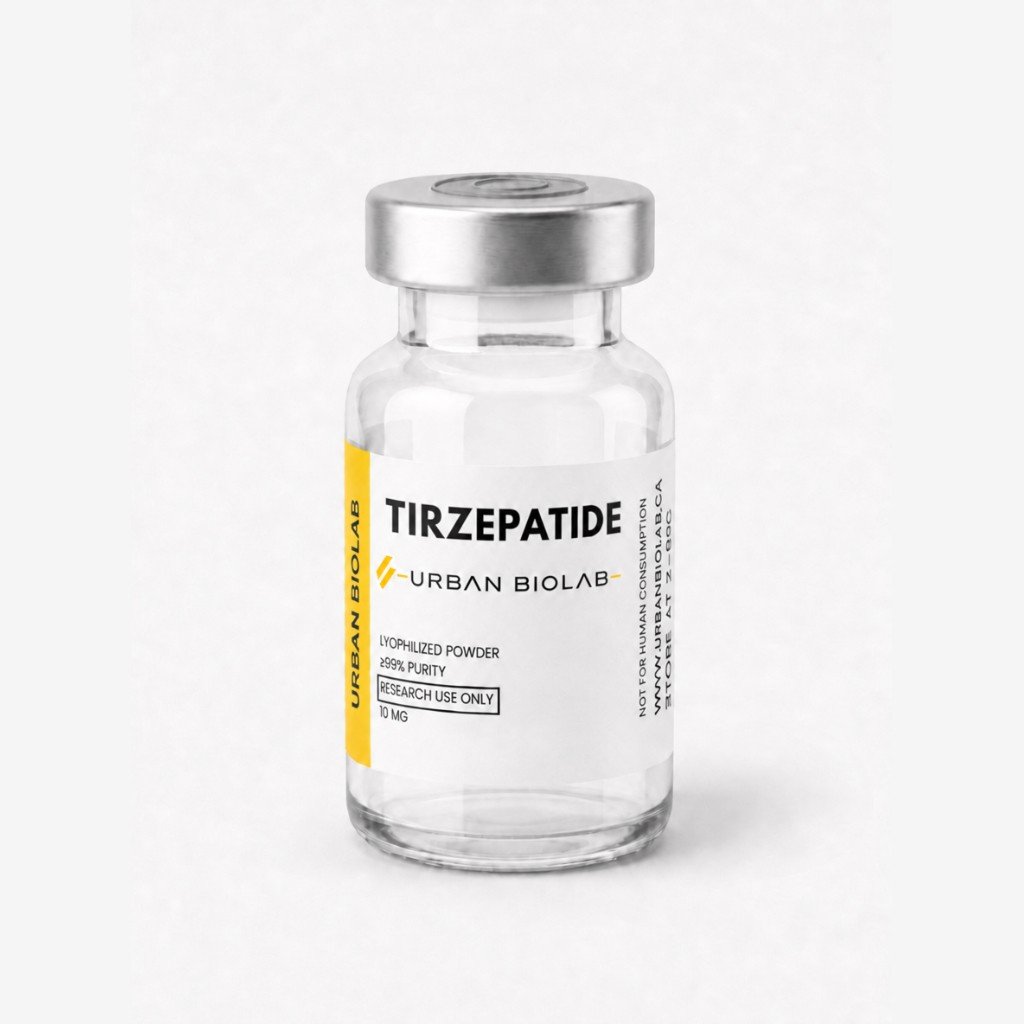
Tirzepatide 60MG
Tirzepatide 10mg is a synthetic research peptide classified as a dual GIP and GLP-1 receptor agonist, widely studied for its role in glucose metabolism, insulin signaling, and appetite regulation pathways. In laboratory research settings, Tirzepatide is of interest for investigations into metabolic regulation, energy balance, and endocrine system signaling.
Myth 8: It Completely Eliminates Your Appetite
TikTok videos showing people eating tiny portions and declaring they “cannot eat anymore” have created unrealistic expectations about how Tirzepatide affects appetite. Some potential users expect complete appetite elimination. Others fear they’ll be unable to eat enough to maintain basic nutrition.
The reality is more moderate. Tirzepatide reduces appetite and enhances satiety, but it doesn’t eliminate hunger entirely. Most users report reduced interest in food between meals, feeling satisfied with smaller portions, and decreased “food noise” (the constant background thoughts about what to eat next). These effects allow for comfortable caloric restriction without the intense hunger that typically derails diet attempts.
The mechanism involves multiple pathways. Delayed gastric emptying means food stays in the stomach longer, extending the physical sensation of fullness. Central nervous system effects reduce appetite signaling in the brain. GIP and GLP-1 receptors in the brain help regulate the reward aspects of eating. Together, these create a comprehensive reduction in the drive to eat without completely suppressing it.
Did You Know?
Many Tirzepatide users report that the most dramatic change isn’t reduced hunger but eliminated “food noise.” This refers to the constant mental preoccupation with food, planning meals, thinking about what to eat next, and struggling to resist cravings. For people who have always experienced intense food-related thoughts, the quiet is often described as revelatory.
Concerns about inadequate nutrition are valid and require attention. Reduced appetite can make it harder to consume adequate protein, which is essential for muscle preservation and overall health. Users should prioritize protein-rich foods, consider eating on a schedule even when not particularly hungry, and possibly use protein supplements to meet targets. The goal is healthy, sustainable caloric reduction, not starvation.
Appetite effects vary by dose and individual response. The escalation schedule allows users to find a dose that provides meaningful appetite suppression without making eating uncomfortable. Some individuals find lower doses (5mg, 7.5mg) provide sufficient effect with better tolerability than maximum doses. Working with healthcare providers to find the optimal individual dose prevents both inadequate response and excessive suppression.
My Perspective
The social media portrayal of complete appetite elimination does a disservice to potential users by setting unrealistic expectations. When people expect to feel no hunger whatsoever and then experience normal mild hunger, they may conclude the medication isn’t working. Accurate expectations lead to better outcomes. Tirzepatide substantially reduces appetite. It doesn’t make you a robot that never wants food.
Myth 9: Ozempic Face Makes You Look Old
The term “Ozempic face” originated on social media to describe facial volume loss and aging appearance associated with GLP-1 weight loss medications. While the name references semaglutide, the same concerns apply to Tirzepatide. This has become one of the most visually compelling myths because before-and-after photos showing gaunt faces generate significant engagement.
Facial volume changes are a real phenomenon that occurs with any significant weight loss, regardless of method. The face naturally stores fat, and substantial fat loss throughout the body includes the face. Rapid or extensive weight loss can lead to a more aged appearance as facial fat pads shrink. This isn’t unique to GLP-1 medications and occurs with surgical weight loss, very low calorie diets, and any other intervention producing significant fat reduction.
Several factors influence how facial changes manifest. Age plays a significant role, as older individuals have less skin elasticity and may experience more pronounced changes. The amount and rate of weight loss matter, with more dramatic and rapid losses producing more noticeable facial changes. Individual fat distribution patterns affect whether facial fat loss is proportionally significant.
Key Point
“Ozempic face” is not a medication side effect. It’s a consequence of significant fat loss that happens to include the face. The same phenomenon occurs with any effective weight loss method. Attributing it specifically to GLP-1 medications misrepresents the underlying physiology.
Management strategies exist for those concerned about facial changes. Slower weight loss rates may allow skin to adapt more gradually. Dermal fillers can restore facial volume for those who desire it. Some providers recommend facial treatments during weight loss to maintain desired appearance. These are personal choices rather than medical necessities.
The social media focus on this issue often reflects broader discomfort with weight loss medications. Highlighting facial changes serves to discourage use by suggesting that improved body composition comes at the cost of aged appearance. For most users, improved health markers and quality of life far outweigh cosmetic concerns that can be addressed if desired.
Myth 10: It Causes Fertility Problems
Claims about Tirzepatide affecting fertility circulate on both Reddit and TikTok, with posts suggesting the medication causes permanent reproductive damage or makes pregnancy impossible. These claims cause understandable concern for younger users interested in future family planning.
Current evidence doesn’t support claims of permanent fertility damage from Tirzepatide. No clinical trial data indicates lasting effects on reproductive function. The medication is discontinued before planned pregnancy attempts, and no evidence suggests effects persist after discontinuation.
However, there is an important interaction worth understanding. Tirzepatide can reduce the effectiveness of oral contraceptives because delayed gastric emptying and potential vomiting affect hormone absorption. The prescribing information recommends using additional non-hormonal contraception for the first 4 weeks after starting treatment and for 4 weeks after any dose increase.
Did You Know?
Many providers recommend switching to non-oral contraceptive methods (IUD, implant, injection) while using GLP-1 medications. These methods bypass the gastrointestinal system entirely and aren’t affected by delayed gastric emptying. This eliminates concerns about reduced contraceptive effectiveness.
Interestingly, some users report improved fertility while using GLP-1 medications, likely due to weight loss effects. Obesity can impair fertility through various mechanisms including hormonal disruption and inflammation. Weight loss often improves ovulatory function in women with polycystic ovary syndrome (PCOS) and can improve sperm parameters in men. Several unplanned pregnancies have occurred in individuals who believed they were infertile.
For those planning pregnancy, the current recommendation is to discontinue Tirzepatide at least 2 months before attempting conception. This allows the medication to fully clear the system. While no evidence indicates harm from inadvertent early pregnancy exposure, the cautious approach reflects limited data on effects during pregnancy.
Key Point
No evidence supports permanent fertility damage from Tirzepatide. The medication should be discontinued before planned pregnancy, and contraception considerations exist during treatment. These are manageable issues, not permanent consequences. Discuss family planning with your healthcare provider before starting treatment.
What Reddit Actually Gets Right
Not everything on Reddit is misinformation. The platform hosts active communities of Tirzepatide users sharing genuine experiences, practical tips, and emotional support. Some of the best peer-to-peer advice comes from these communities when approached with appropriate skepticism.
Injection technique discussions on Reddit often provide useful practical guidance. Users share tips about injection site rotation, warming the medication before injection to reduce discomfort, and proper needle disposal. These practical details sometimes get more attention in user communities than in clinical settings where time is limited.
Side effect management strategies emerge from collective experience. Recommendations about eating patterns (smaller meals, avoiding fatty foods, eating slowly), timing of doses, and what to expect during escalation phases often align with clinical guidance but come with real-world context that helps normalize the adjustment period.
My Perspective
Reddit communities can be valuable support systems when approached as peer support rather than medical advice. Reading about others’ experiences with similar challenges provides emotional validation and practical tips. The key is distinguishing between shared experiences and medical claims, applying appropriate skepticism to specific health recommendations.
Progress tracking and accountability happen organically in these communities. Users share weekly updates, discuss plateaus, and celebrate milestones. This social support component can enhance adherence and motivation. Knowing others face similar experiences reduces isolation and helps normalize the weight loss journey.
Realistic expectation setting often comes from Reddit better than from marketing materials. Users discuss that weight loss isn’t linear, plateaus happen, and the journey has ups and downs. This counters the overly optimistic presentations that can set people up for disappointment when their experience doesn’t match idealized outcomes.
The communities also help identify problematic providers and sources. Users share experiences with telehealth services, discuss quality concerns about various suppliers, and flag red flags they’ve encountered. This collective intelligence can help newcomers navigate a complex landscape.
TikTok Trends vs Clinical Reality
TikTok presents unique challenges for health information because the platform rewards engagement over accuracy. Short-form video format encourages oversimplification and dramatic claims. The algorithm promotes content that generates strong emotional reactions, whether positive or negative. Understanding these dynamics helps contextualize what appears on the platform.
Before-and-after content dominates Tirzepatide TikTok, with users showcasing dramatic transformations. While inspiring, these videos often omit crucial context: duration of treatment, lifestyle changes made, starting weight, and whether results are typical. Selection bias means the most dramatic results get the most views, creating unrealistic expectations.
Horror story content generates significant engagement. Videos describing severe side effects, emergency room visits, or terrifying experiences accumulate views precisely because they provoke fear. These represent outlier experiences, not typical outcomes, but algorithmic amplification makes them seem more common than clinical data supports.
TikTok Claims vs Clinical Reality
| TikTok Claim | Clinical Reality |
|---|---|
| “Lost 50 lbs in 3 months” | Average is 10-15 lbs in first 12 weeks at lower doses |
| “Constant vomiting for weeks” | Vomiting affects 10% of users, usually mild and transient |
| “Lost all my muscle mass” | 75% of weight loss is fat mass with proper protocol |
| “Works immediately” | Meaningful weight loss typically begins by week 4-8 |
| “Made me look 20 years older” | Facial changes proportional to overall fat loss |
Misinformation spreads easily when videos make confident claims without citations. A creator asserting that Tirzepatide “destroys your metabolism” reaches thousands of viewers with no requirement to provide evidence. The burden falls on viewers to fact-check claims, which most don’t have time or expertise to do.
Key Point
TikTok health content should be treated as entertainment and conversation starter, not medical guidance. The platform’s structure inherently distorts information by rewarding engagement over accuracy. Use clinical sources, peer-reviewed research, and qualified healthcare providers for actual medical decisions.
Positive trends do exist on TikTok. Some creators produce evidence-based content with appropriate nuance. Healthcare professionals use the platform to correct misinformation and provide balanced perspectives. Following these accounts while critically evaluating dramatic claims helps navigate the platform more safely.
How to Start Tirzepatide Safely
For those who have evaluated the evidence and decided to explore Tirzepatide, starting safely requires understanding the proper approach. The dose escalation schedule exists specifically to minimize side effects and should not be rushed.
The standard escalation protocol begins at 2.5mg weekly for at least 4 weeks. This starting dose produces minimal weight loss but allows the body to adjust to the medication’s effects. Most users experience little at this dose, which is intentional. Rushing past it invites unnecessary side effects.
Subsequent increases follow a structured schedule. After 4 weeks at 2.5mg, the dose increases to 5mg for another 4 weeks, then 7.5mg, then 10mg, then 12.5mg, and finally 15mg if needed. Each step allows assessment of response and tolerability. Many users find effective appetite suppression at intermediate doses and don’t need to reach maximum.
Safe Starting Checklist
Medical Evaluation
Discuss personal and family medical history with a provider. Certain conditions (thyroid cancer history, pancreatitis history, pregnancy) contraindicate use.
Baseline Labs
Consider baseline blood work including fasting glucose, A1C, lipid panel, liver function, and kidney function to monitor improvements over time.
Dietary Preparation
Stock protein-rich foods, plan smaller portions, and prepare for changed eating patterns before starting.
Hydration Focus
Adequate water intake helps reduce constipation risk and supports overall wellbeing during weight loss.
Consistent Timing
Choose a consistent day and time for weekly injections. Many users prefer weekend mornings to manage any adjustment effects during days off.
Side effect management begins before the first dose. Understanding that nausea is possible allows preparation. Having bland foods available, knowing to eat slowly and stop at first fullness, and planning to avoid large or fatty meals during the adjustment period all help.
Protein intake deserves particular attention from the start. Establishing habits of prioritizing protein at every meal, tracking intake to ensure adequacy, and possibly incorporating protein supplements sets the foundation for muscle preservation throughout treatment.
My Perspective
I recommend starting resistance training before or simultaneously with Tirzepatide rather than waiting. Building the habit early, while energy is still high and routine is being established, makes maintaining it through treatment much easier. The muscle preservation benefits compound over time.
Regular monitoring throughout treatment helps optimize outcomes. Tracking weight, body measurements, side effects, and subjective energy and wellbeing provides data for adjusting approach. Some users find that certain doses work better than others for their individual response pattern.
Frequently Asked Questions
How long does it take to see results with Tirzepatide?
Most users notice appetite changes within the first 1-2 weeks, though initial doses (2.5mg) produce minimal effect for many people. Meaningful weight loss typically becomes apparent by weeks 4-8 as doses increase. Clinical trials showed progressive weight loss continuing through 72 weeks. Individual timelines vary based on starting weight, dose response, and lifestyle factors.
Can I drink alcohol while taking Tirzepatide?
Alcohol isn’t contraindicated, but tolerance often decreases significantly. Many users report feeling intoxicated more quickly and experiencing worse effects the next day. Alcohol may worsen nausea, particularly during the dose escalation phase. Moderation is advisable, and many users choose to reduce or eliminate alcohol consumption during treatment.
What happens if I miss a dose?
If less than 4 days (96 hours) have passed since the missed dose, take it as soon as remembered and resume the regular schedule. If more than 4 days have passed, skip the missed dose and take the next dose on the regular day. Don’t double up doses to compensate for a missed injection.
Is Tirzepatide safe for people over 65?
Age alone doesn’t contraindicate Tirzepatide use. Clinical trials included participants up to age 75, and efficacy was maintained across age groups. Older adults should start with the lowest doses and escalate slowly, with particular attention to protein intake and muscle preservation strategies. More frequent medical monitoring may be appropriate.
Does Tirzepatide interact with other medications?
Tirzepatide can affect absorption of oral medications due to delayed gastric emptying. Oral contraceptives may have reduced effectiveness. Blood pressure and diabetes medications may require dose adjustments as weight loss improves these conditions. Always disclose all medications to prescribers and monitor for needed adjustments.
How do I store Tirzepatide properly?
Unused Tirzepatide should be stored in the refrigerator at 36 to 46 degrees Fahrenheit. Once in use, pens may be stored at room temperature (up to 86 degrees Fahrenheit) for up to 21 days. Keep away from direct heat and light. Don’t freeze. Check expiration dates and inspect for discoloration or particles before use.
Can I switch from Semaglutide to Tirzepatide?
Yes, switching between medications is common. After your last semaglutide dose, wait 7 days before starting Tirzepatide at 2.5mg. Follow the standard escalation schedule regardless of previous semaglutide dose. Some initial adjustment symptoms may occur as the body adapts to GIP receptor activation not present in semaglutide.
Will I need to take Tirzepatide forever?
Obesity is a chronic condition, and long-term management often requires ongoing treatment. Some individuals successfully maintain weight loss after discontinuation with significant lifestyle changes established during treatment. Others benefit from continued medication for sustained results. Discuss individual circumstances with a healthcare provider to develop an appropriate long-term strategy.
What should I do if side effects are severe?
Mild to moderate nausea, diarrhea, or constipation are common and usually manageable. Severe or persistent symptoms warrant medical attention. Staying at the current dose longer before escalating often helps. Returning to a lower tolerated dose is always an option. Severe abdominal pain could indicate pancreatitis and requires immediate medical evaluation.
Is compounded Tirzepatide safe?
Compounded medications aren’t FDA approved and quality can vary between sources. As of October 2024, Tirzepatide was removed from the FDA shortage list, ending the legal basis for most compounding. For research purposes, quality verification through third-party testing documentation, certificates of analysis, and supplier reputation becomes essential for those exploring this option.
Glossary of Terms
GLP-1 (Glucagon-Like Peptide-1)
A hormone produced in the gut after eating that stimulates insulin release, suppresses glucagon, slows gastric emptying, and signals satiety to the brain. Tirzepatide activates GLP-1 receptors as part of its mechanism.
GIP (Glucose-Dependent Insulinotropic Polypeptide)
A hormone that enhances insulin secretion in response to food intake and may improve fat metabolism. Tirzepatide’s activation of GIP receptors, in addition to GLP-1, distinguishes it from older medications and may contribute to improved tolerability.
Incretin
A category of hormones released by the gut in response to eating that enhance insulin secretion. GLP-1 and GIP are both incretin hormones. Incretin mimetics are medications that replicate these hormones’ effects.
Gastric Emptying
The process of food moving from the stomach into the small intestine. Tirzepatide slows gastric emptying, which extends feelings of fullness after meals and contributes to reduced food intake.
Dose Escalation
The gradual increase of medication dose over time. Tirzepatide follows a structured escalation schedule (2.5mg to 5mg to 7.5mg, etc.) to minimize side effects while achieving therapeutic effect.
Lean Mass
Body weight that isn’t fat, including muscle, bone, organs, and water. During weight loss, some lean mass loss is normal and expected alongside fat loss.
Subcutaneous Injection
Injection into the fatty tissue layer just beneath the skin. Tirzepatide is administered via subcutaneous injection, typically in the abdomen, thigh, or upper arm.
Half-Life
The time required for half of a drug to be eliminated from the body. Tirzepatide has a half-life of approximately 5 days, supporting once-weekly dosing.
A1C (Hemoglobin A1C)
A blood test measuring average blood sugar levels over approximately 3 months. Tirzepatide significantly improves A1C in both diabetic and non-diabetic users.
BMI (Body Mass Index)
A calculation using height and weight to estimate body fat. BMI of 30+ indicates obesity; BMI 27+ with comorbidities may qualify for Tirzepatide prescription for weight management.
References
- Jastreboff AM, Aronne LJ, Ahmad NN, et al. Tirzepatide Once Weekly for the Treatment of Obesity. New England Journal of Medicine. 2022;387(3):205-216.
- Aronne LJ, et al. Continued treatment with tirzepatide for maintenance of weight reduction in adults with obesity: The SURMOUNT-4 randomized clinical trial. JAMA. 2024.
- U.S. Food and Drug Administration. FDA Approves New Medication for Chronic Weight Management. November 2023.
Medical Disclaimer
This content is provided for informational purposes only and should not be considered medical advice. Tirzepatide is a prescription medication that should only be used under the supervision of a qualified healthcare provider. Individual results vary, and not everyone is a suitable candidate for this medication. Always consult with a healthcare professional before starting any new treatment. The information presented reflects data available as of December 2025 and may be updated as new research emerges.
Tirzepatide 60MG
Tirzepatide 10mg is a synthetic research peptide classified as a dual GIP and GLP-1 receptor agonist, widely studied for its role in glucose metabolism, insulin signaling, and appetite regulation pathways. In laboratory research settings, Tirzepatide is of interest for investigations into metabolic regulation, energy balance, and endocrine system signaling.