The premium synthetic research peptide highlighted here is KPV (Lysine-Proline-Valine), a short amino acid fragment derived from alpha-melanocyte-stimulating hormone (α-MSH). It is widely studied for its role in anti-inflammatory signaling, immune response modulation, and cellular protection pathways. This targeted mechanism has made KPV a focal point in laboratory research exploring inflammatory regulation, gut health models, and tissue recovery processes. In controlled laboratory environments, it is extensively studied for its involvement in cytokine regulation, inflammatory signaling pathways, and immune system response models. Researchers utilize this peptide to investigate how selective signaling may reduce inflammatory markers and support balanced immune activity. These mechanisms are particularly relevant in studies focused on inflammation control and recovery pathways.
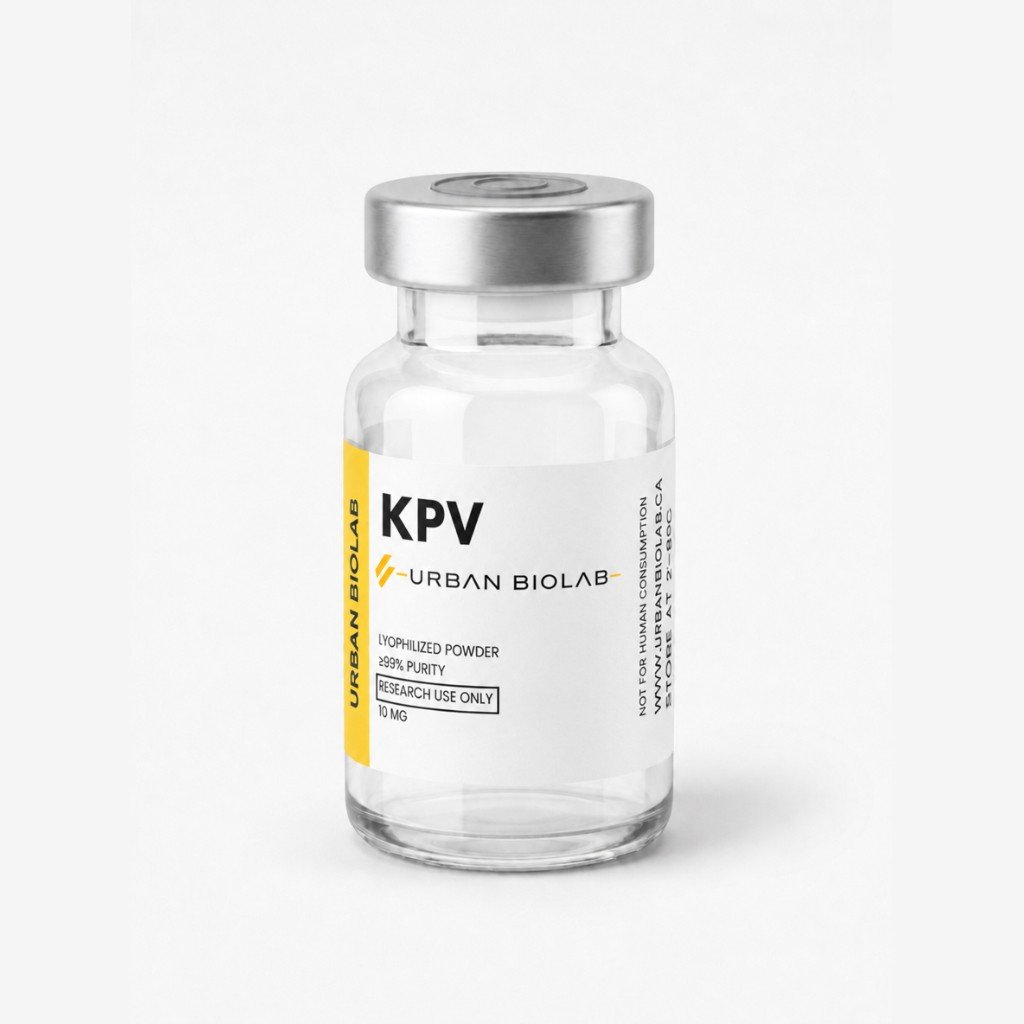
KPV 10MG
Lyophilized Powder, ≥99% Purity
$69.95
Quantity & Discount
KPV 10mg is a short-chain peptide fragment studied for its role in anti-inflammatory signaling, immune modulation, and gut health pathways. In laboratory settings, KPV is widely explored in research focused on cytokine regulation, inflammation control, and tissue recovery models.
Additional information
| Size | 10MG |
|---|
KPV is also explored in experimental models related to gastrointestinal health and epithelial barrier integrity. Laboratory studies examine how this peptide may influence gut lining stability, microbial interaction pathways, and localized inflammatory responses within digestive systems. These insights are valuable for understanding how peptides interact with complex biological environments. Supplied in a premium lyophilized (freeze-dried) powder form, the 10mg format ensures optimal stability, precise measurement, and consistent reconstitution under proper laboratory conditions. This format is well suited for dose-response studies and extended experimental protocols. Accurate peptide calculations during reconstitution help maintain consistent molarity across batches, ensuring reproducibility in in-vitro research models. What distinguishes KPV in modern research is its ability to isolate specific functional regions of larger peptide hormones. By focusing on a short active sequence, researchers can investigate how targeted peptide fragments influence inflammation and immune signaling without broader systemic activation. This precision makes KPV highly valuable in controlled experimental settings. To preserve peptide integrity, strict cold-chain storage is recommended. Once reconstituted with bacteriostatic water, vials should be stored between 2°C and 8°C. Proper storage ensures stability and maintains biological activity throughout multi-phase research studies, supporting consistent and reliable data collection. The targeted anti-inflammatory properties of KPV continue to generate strong interest within the scientific community. It remains a valuable addition to peptide libraries focused on immune modulation, inflammation research, and recovery-focused studies. Researchers often integrate KPV into broader experimental frameworks to better understand how peptide fragments influence localized and systemic inflammatory responses.
Store between 2°C and 8°C. Protect from light. Reconstitute only the amount needed.
KPV (10mg) is supplied strictly for laboratory research use only. It is not intended for human or animal consumption, medical treatment, or diagnostic purposes. All handling and use must comply with applicable laboratory regulations and research standards.
For laboratory research use only. Not for human or veterinary consumption.
Related products
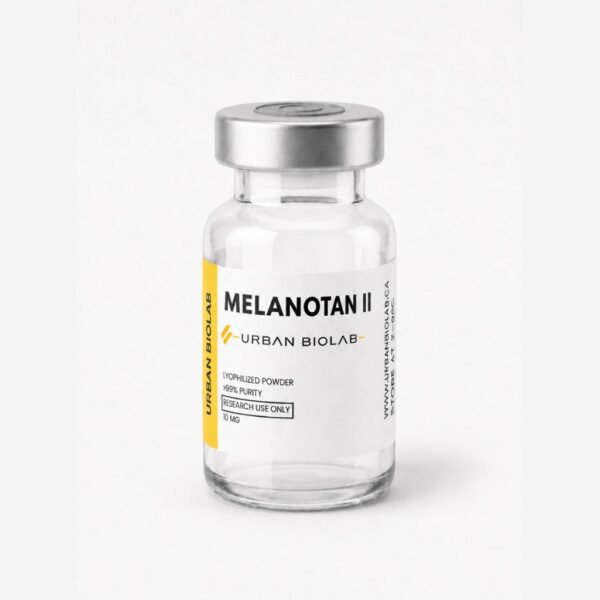
MT-2 (Melanotan-2 Acetate) 10MG
Lyophilized Powder, ≥99% Purity