David S. Anderson, BHSc
Health Science Researcher & Medical Writer
Vancouver, BC | 12 Years in Peptide Research
The Bottom Line
If you’ve read my previous deep dives, you know I tend to follow two things: the science and the money. When those two point in different directions, you usually find a story worth telling.
Research peptides are one of those stories.
They sit outside the traditional pharmaceutical pipeline. While Big Pharma spends an average of $2.23 billion** to bring a single drug to market—and shells out roughly **$379 million a year on lobbying—compounds like BPC-157, TB-500, and GHK-Cu have quietly accumulated decades of peer-reviewed research suggesting real regenerative potential.
The catch? You can’t patent what nature already made. And without patent protection, there’s no billion-dollar incentive to navigate the FDA approval maze.
That leaves promising therapeutics stuck in regulatory limbo. Not because the science is absent, but because the business case is broken.
This article is my attempt to lay out that landscape clearly—especially for Canadians trying to make sense of a space that mainstream medicine mostly ignores.
What You’ll Learn
- Why pharmaceutical economics kills certain compounds before they ever reach patients
- How lobbying shapes regulatory reality
- The basic science of peptide therapeutics
- What three decades of BPC-157 research actually shows
- How TB-500 works systemically—and why it’s been ignored
- Why GHK-Cu may be one of the most fascinating regenerative molecules ever studied
- The real reasons these compounds lack FDA approval
- How research peptides compare with approved medications
- The Canadian legal and regulatory picture
- Quality control risks—and how to spot them
- Where regenerative medicine might be headed
The Economics Behind Pharmaceutical Drug Development
Let’s start with the numbers, because they explain almost everything.
According to Deloitte’s 2024 report on pharmaceutical innovation, the average cost for a major drug company to develop one successful drug hit **$2.23 billion**. That’s up from $2.12 billion the year before. The trend line isn’t flattening.
Why so expensive? Because the pipeline is brutal.
From initial discovery to patient availability takes 10 to 15 years. Researchers spend years identifying targets, synthesizing compounds, and running preclinical tests before a single human trial begins. The Congressional Budget Office estimates costs range from under $1 billion to over $2 billion when you factor in capital costs and all the failures.
And there are plenty of failures.
Only about 10% of drugs entering preclinical trials ever reach human testing. Of those that make it to clinical trials, many die in Phase II or Phase III. In 2024 alone, companies spent $7.7 billion on trials for drug candidates that were ultimately terminated.
Every success has to pay for dozens of failures.
Now ask yourself: what happens when a compound can’t be patented?
A substance that already exists in the human body can’t be patented in its original form. A peptide sequence published decades ago is in the public domain. Anyone can synthesize it. No company can monopolize it.
That’s the kiss of death for pharmaceutical investment.
It’s not that the science doesn’t support these compounds. It’s that the financial math doesn’t work. Shareholders expect returns. A modest-revenue product spread across many competitors doesn’t deliver those returns—no matter how many patients it might help.
Lobbying Power and Political Influence
The pharmaceutical industry doesn’t just play the game. It helps write the rules.
In 2023, pharmaceutical and health product companies spent approximately $379 million** on lobbying in the United States. That was more than any other industry—insurance came in second at around **$157 million.
Between 1999 and 2018, the industry spent $4.7 billion** on federal lobbying alone. That’s an average of **$233 million per year for two decades. PhRMA, the industry’s main trade group, accounted for $422 million** of that. The top 20 companies and organizations added another **$2.2 billion.
Campaign contributions add another layer. During that same period, the industry contributed $414 million to presidential and congressional candidates, party committees, and outside spending groups.
And the money is strategic. Research published in PMC found that 39 of the 40 senators and representatives who received the most pharmaceutical contributions sat on committees with jurisdiction over health-related legislation. Twenty-four held senior positions on those committees.
When drug pricing reform gains momentum, lobbying spending spikes. A 2024 Politico analysis found that 17 of the 29 pharmaceutical companies and groups spending $500,000 or more in the first quarter increased their lobbying investment compared to the previous year. The Pharmaceutical Care Management Association alone boosted spending by **71%**—from $2.8 million to $4.8 million in a single quarter.
This isn’t just about prices. It’s about regulatory frameworks, approval pathways, and the very definition of legitimate medicine. Compounds that threaten existing revenue streams face institutional resistance that goes far beyond scientific review.
The Science of Peptide Therapeutics
Peptides aren’t exotic. Your body is full of them.
They’re short chains of amino acids—usually 2 to 50—that act as signaling molecules. They regulate healing, metabolism, inflammation, and cellular repair. Insulin is a peptide. Glucagon is a peptide. Oxytocin is a peptide.
The difference between an approved peptide drug and a research peptide often comes down to patent status and commercial viability, not fundamental safety or mechanism.
Research peptides work through well-characterized biological pathways. They bind to receptors, activate signaling cascades, modulate gene expression, and influence how cells behave. Scientists understand these mechanisms at the molecular level. The research is published. The foundation exists.
What’s missing is the billion-dollar investment required to navigate regulatory approval for something that can’t be owned.
A 2024 systematic review in PMC looked at peptide therapies for soft tissue regeneration. It found that compounds like BPC-157 show significant potential for healing tendons, ligaments, skeletal muscle, and bone. The review noted that oral and intra-articular peptides offered distinct advantages, with different routes providing localized or systemic benefits. The authors called for more research—but they also gave the therapeutic potential clear scientific validation.
The field has expanded dramatically over the last few decades. Researchers have identified numerous peptide sequences that upregulate healing, promote cell migration, stimulate blood vessel formation, and modulate inflammation. These compounds tend to work through multiple complementary mechanisms rather than a single target. That’s great for therapeutic breadth—but it complicates the standardized testing protocols regulators prefer.
BPC-157 Research: Decades of Evidence
Body Protection Compound 157 is probably the most studied research peptide in this category.
It was first isolated and characterized in 1993 by Dr. Predrag Sikiric and colleagues at the University of Zagreb in Croatia. It’s a 15-amino acid peptide derived from a protein found naturally in human gastric juice. Since then, it has accumulated over 130 publications across three decades.
What makes BPC-157 unusual is its stability. It contains four proline residues in an unusual configuration that lets it survive in gastric juice for over 24 hours. Most peptides degrade quickly in the digestive system. BPC-157 doesn’t. That means both oral and injectable administration are viable.
Preclinical evidence shows consistent healing benefits across multiple tissue types:
- Tendons: accelerated repair with fibroblast migration through FAK-paxillin pathway activation
- Ligaments: improved biomechanical properties in animal models
- Muscle: enhanced satellite cell activation and reduced inflammatory infiltration
- Gastrointestinal tract: repair of mucosal damage, restored tight junction integrity, protection against NSAID-induced ulcers
The mechanisms are well-characterized. VEGFR2-driven angiogenesis increases vessel formation by 129% to 152% in published research. Growth hormone receptor upregulation amplifies proliferative signals. Selective nitric oxide modulation balances vasodilation against inflammatory damage. The peptide influences over 4,000 genes related to regeneration and healing.
What sets BPC-157 apart is its wide dose range. Animal studies show comparable efficacy from 10 nanograms per kilogram to 10 micrograms per kilogram. No lethal dose has been identified even at levels 1,400 times higher than therapeutic ranges.
But here’s the hard part: human clinical trial data is minimal. One small retrospective study and cancelled Phase I results are basically all we have. Recent systematic reviews say BPC-157 shows robust regenerative and cytoprotective effects in preclinical studies—but should be considered investigational until well-designed clinical trials are done.
That’s not a scientific failure. It’s a funding failure.
TB-500 and Systemic Healing Mechanisms
TB-500 is a synthetic fragment of thymosin beta-4, a 43-amino acid peptide that exists naturally in nearly all human and animal cells. Thymosin beta-4 plays fundamental roles in cell migration, wound healing, and tissue regeneration.
TB-500 works differently from BPC-157—which is why the two are often stacked.
TB-500 binds to actin, one of the most abundant proteins in human cells. That influences cell motility and shape. It promotes chemotaxis—the process that drives cells toward injury sites. It enhances angiogenesis through cell surface ATP synthase interaction and reduces inflammation through microRNA-146a upregulation.
Clinical evidence for TB-500 is actually stronger than for many research peptides.
- A 73-participant study on venous ulcers showed 45% faster healing compared to controls.
- A separate 40-participant safety study showed tolerability up to 1,260 mg daily—a remarkably high dose.
These are human trials. That’s more than many compounds in this category can claim. Yet FDA approval has never been pursued.
TB-500 shows particular promise for muscle injuries—strains, tears, atrophy. Users report benefits across multiple injury sites simultaneously because the compound distributes systemically. Inflammation reduction happens throughout the body, not just at the injection site.
Cardiovascular applications may be the most exciting frontier. Early studies show the peptide promotes cardiac tissue regeneration after myocardial infarction. Mouse models show functional improvements in damaged heart tissue. That could address a massive unmet need—but progressing to human trials requires funding and regulatory navigation that no pharmaceutical company has been willing to pursue.
Why? Partly because TB-500 has a history of use in athletic contexts and is banned by WADA. That stigma discourages mainstream research funding. Academic researchers face ethics review challenges studying unapproved substances in humans. The underground market reduces commercial incentive. The result: regulatory limbo despite demonstrated potential.
GHK-Cu and Gene Expression Reset
GHK-Cu—glycyl-L-histidyl-L-lysine copper complex—may be the most fascinating regenerative peptide ever studied.
It was discovered in 1973 by Dr. Loren Pickart, who isolated it from human plasma albumin. Since then, it has accumulated over four decades of research. And its biological reach is extraordinary.
GHK-Cu influences 31.2% of the human genome—over 4,000 genes involved in repair, inflammation, and cellular function. It upregulates genes associated with healing while suppressing those linked to inflammation and cancer promotion.
That broad regulatory activity explains why it works across so many tissue types.
The peptide exists naturally in human plasma at concentrations around 200 nanograms per milliliter at age 20. By age 60, that drops to roughly 80 nanograms per milliliter. That age-related decline correlates with reduced regenerative capacity. The biological plausibility for supplementation rests on restoring something the body already makes and uses.
Human clinical trials support the research:
- A 12-week facial cream study with 71 women with photoaging showed increased skin density and thickness, reduced laxity, improved clarity, and reduced fine lines.
- An 8-week randomized double-blind trial comparing GHK-Cu in a nano-lipid carrier to Matrixyl 3000 showed a 55.8% reduction in wrinkle volume versus control and 31.6% reduction versus the comparison product.
Animal wound healing studies are equally impressive. Rat studies show a 64.5% reduction in wound size compared to 45.6% for vehicle-treated wounds and 28.2% for controls. Healing accelerated alongside reduced inflammatory markers and decreased activity of elastin-degrading enzymes. Diabetic wound models show enhanced collagen synthesis, better epithelialization, and activation of tissue repair machinery.
Safety studies spanning four decades show a favorable toxicity profile. Dr. Pickart estimated the lethal dose at approximately 22,500 mg for humans—about 300 times the effective therapeutic dose. A 2016 Nature Scientific Reports study showed GHK-Cu produced no cytotoxicity to human skin cells at concentrations up to 5,800 micromolar over 72 hours and did not induce inflammatory biomarkers.
The copper binding is key. When complexed with copper, GHK silences copper’s redox activity and prevents toxic free copper effects while enabling safe copper delivery into cells. That’s regenerative benefit without the oxidative damage risk of unbound copper.
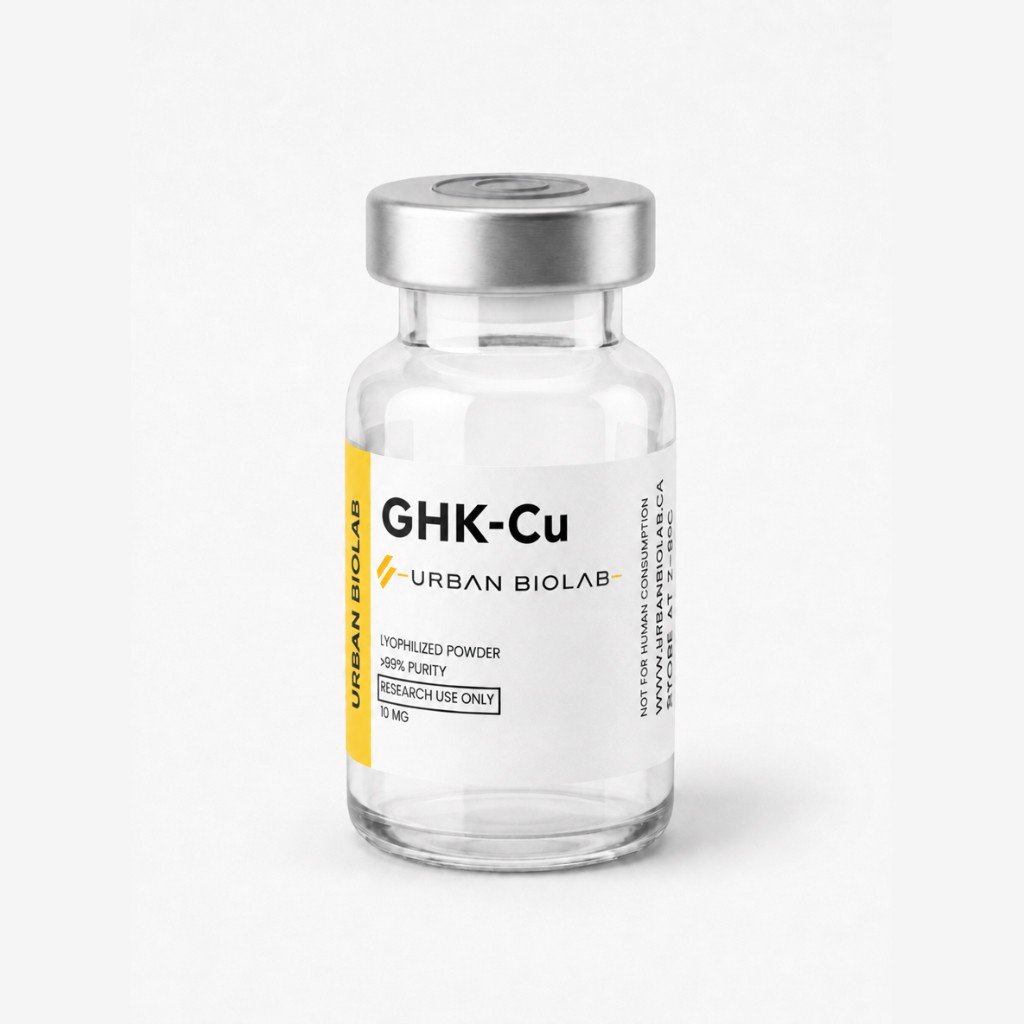
GHK-Cu 80MG
GHK-Cu 80mg is a copper-binding research peptide complex widely studied for its role in cellular signaling, tissue remodeling, and regenerative biology pathways. In laboratory research settings, GHK-Cu has attracted interest for investigations into wound-healing models, collagen synthesis pathways, and antioxidant activity, making it a valuable compound in skin, tissue, and cellular regeneration research.
Why These Compounds Lack FDA Approval
Let’s be blunt: lack of FDA approval does not mean lack of science. It means lack of economic incentive.
Patent protection is the fundamental problem. Naturally occurring compounds like GHK-Cu can’t be patented in their original form. Peptide sequences published decades ago are in the public domain. The FDA approval process requires enormous investment—precisely when it cannot generate the exclusive market position needed to recoup that investment.
The approval pathway itself is a poor fit. Clinical trials are designed for single-mechanism drugs with well-defined targets. Peptides that work through multiple complementary pathways challenge that framework. BPC-157 influences angiogenesis, cell migration, growth hormone sensitivity, and nitric oxide systems simultaneously. Designing trials to capture that complexity is hard. Regulators haven’t standardized it.
The underground market kills commercial incentive. Why spend $2 billion on FDA approval when the target customer base already buys from research chemical suppliers? The commercial calculation fails even if approval succeeds.
Institutional inertia does the rest. Medical schools teach approved drugs. Insurers reimburse approved treatments. Physicians worry about liability. The entire healthcare infrastructure reinforces the approved/unapproved distinction in ways that have nothing to do with therapeutic merit.
Academic researchers face their own barriers. Ethics boards question studies involving unapproved substances. Funding agencies prefer research aligned with industry interests. Career advancement follows publication in mainstream journals that favor approved categories. The incentive structure doesn’t reward research on unpatentable compounds.
The net effect is a systemic bias against treatments that can’t generate expected returns. This bias operates independently of scientific merit. It creates blind spots in mainstream medicine where effective treatments remain invisible simply because no commercial entity profits from their visibility.
The Canadian Regulatory Landscape
Health Canada operates independently from the FDA, but often reaches similar conclusions. Research peptides occupy a legal gray zone in Canada.
BPC-157 is not classified as a controlled substance. Possession for personal use doesn’t violate drug control laws. However, it remains illegal to sell as a health product. Health Canada has issued advisories warning that unauthorized injectable peptides bypass safety reviews and may contain contaminants, incorrect doses, undisclosed steroids, and high-risk ingredients.
TB-500 faces more explicit prohibition. Health Canada has declared it illegal to sell, classifying it as a prescription drug without authorization. The agency has actively seized unauthorized TB-500 products from companies including Canada Peptide and Prime Research of Sherbrooke, Quebec. Public advisories warn of infection, allergic reactions, adverse drug interactions, and complications from unknown ingredients.
Enforcement focuses primarily on vendors, not individual users. Canadians ordering research peptides for personal use from international sources generally face minimal legal risk—though that’s not an endorsement. The gray market means quality verification becomes the individual’s responsibility.
The Canadian healthcare context matters too. Long wait times, limited coverage, and pharmaceutical costs create motivation to explore alternatives. Provinces vary, but common frustrations drive interest in self-directed health optimization.
Health Canada’s approach reflects the same structural constraints as the FDA. Agency staff evaluate compounds based on submitted evidence packages. Companies must fund and submit those packages. Without commercial incentive, compounds remain unauthorized regardless of available research. The barriers are structural, not scientific.
Comparing Evidence: Peptides Versus Approved Medications
A fair assessment requires comparing research peptides against approved alternatives. The assumption that approval equals superior evidence doesn’t always hold up.
Timeline of evidence: BPC-157 research began in 1993. GHK-Cu dates to 1973. TB-500 derives from thymosin beta-4 research that includes human trials. Many approved pharmaceuticals never receive this much sustained scientific attention after approval.
Trial limitations: Phase III trials typically last one to four years with carefully selected participants. They often exclude the complex cases physicians see in practice. Post-market surveillance catches problems trials missed. Approval doesn’t guarantee long-term safety or effectiveness across diverse populations.
Preclinical depth: Research peptides lack structured trial data, but they benefit from decades of preclinical investigation. The mechanisms of action for BPC-157 are characterized at molecular and cellular levels with a depth many approved medications never achieve. Scientists know why these peptides work—even if the traditional approval pathway hasn’t been completed.
Anecdotal evidence: Global communities of users share detailed experiences, protocols, and outcomes. Anecdotes lack rigor, but they provide real-world information about effectiveness across varied conditions, side effect profiles, and long-term tolerability that trials often can’t capture.
Risk-benefit calculations differ. Approved drugs come with documented side effects, interactions, and dosing guidelines. Research peptides carry long-term uncertainty but also demonstrate safety profiles that decades of use haven’t contradicted. Preclinical safety data for BPC-157 and GHK-Cu shows wider therapeutic windows than many approved medications possess.
Neither regulatory status nor evidence quantity alone determines what’s best for an individual. Dismissing research peptides solely because they lack approval ignores substantial science. Embracing them uncritically ignores legitimate uncertainties.
Quality Control and Sourcing Challenges
This is where the conversation gets real.
The unregulated nature of research peptide markets creates quality control challenges that represent the most significant practical risk. Without pharmaceutical manufacturing standards, product quality varies dramatically between suppliers—and even between batches from the same source.
Testing reveals alarming issues:
- Contamination rates range from 12% to 58% depending on product category
- Incorrect amino acid sequences appear in approximately 30% of tested peptide samples
- Endotoxin contamination exceeds safety thresholds in 65% of tested products according to some analyses
- Product mislabeling affects roughly 20% of samples per USADA testing data
The consequences go beyond receiving inactive product. Contaminated preparations have caused documented liver damage. Endotoxins trigger immune responses ranging from injection site reactions to systemic illness. Heavy metal residues accumulate with repeated use. Cross-contamination produces unpredictable effects.
Quality verification is possible, but it requires effort. Third-party testing services provide independent analysis. Certificates of Analysis from reputable labs document peptide sequence confirmation via mass spectrometry, purity percentage from HPLC, endotoxin levels, and sterility testing. Some vendors use QR codes linking to independently hosted lab reports—though COA forgery remains a concern.
Red flags when selecting suppliers:
- No purity documentation
- Significantly below-market pricing
- Unclear sourcing information
- No sterility testing documentation
- Improper storage or handling practices
Reputable suppliers maintain cold chain shipping, use appropriate vials and stoppers, and provide detailed handling instructions. The price difference between quality-assured and questionable products usually reflects real differences in manufacturing standards.
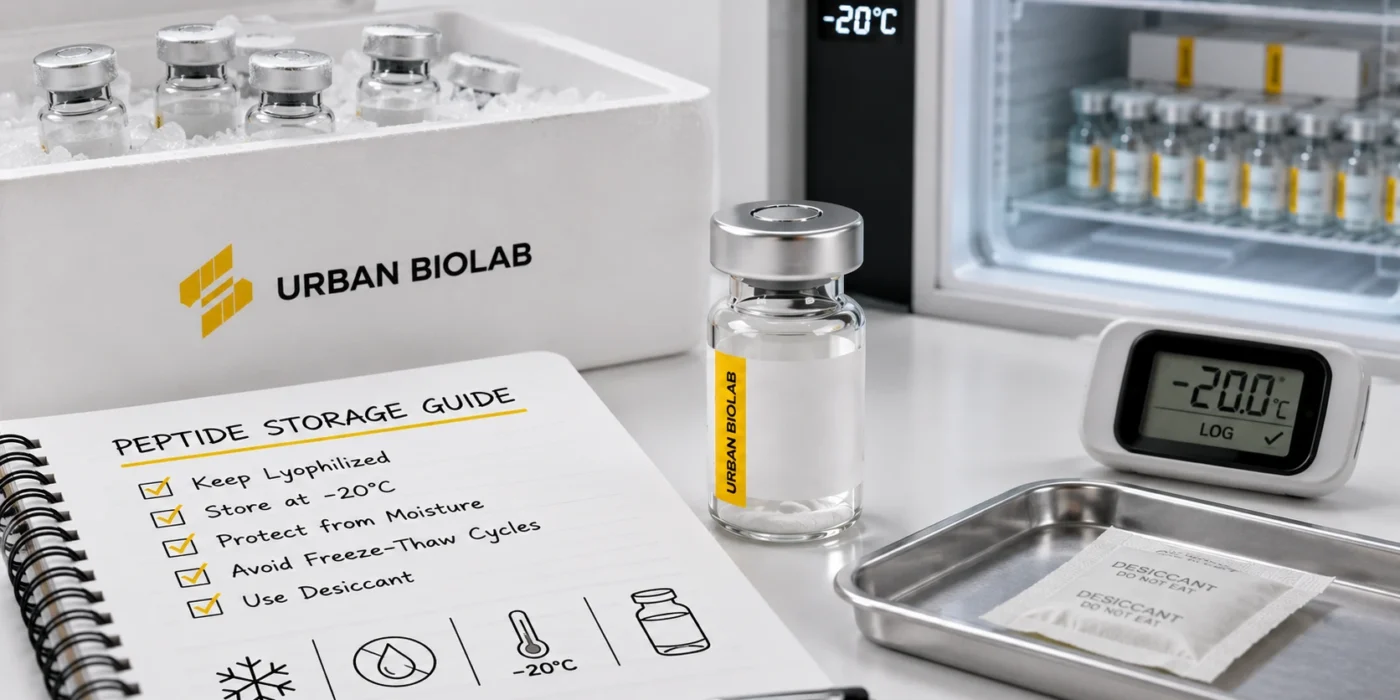
Storage after purchase matters too. Peptides require refrigeration, protection from light, and sterile reconstitution. Improper storage degrades potency. Contaminated bacteriostatic water or reused syringes introduce infection risks.
The paradox: the compounds best supported by scientific research carry practical risks that approved pharmaceuticals don’t. That doesn’t invalidate therapeutic potential—but it means users must assume responsibilities that regulatory systems normally handle.
The Future of Regenerative Medicine
Despite the barriers, the field keeps moving.
Oral bioavailability is improving. BPC-157 arginine salt formulations achieve greater than 90% bioavailability compared to roughly 3% for standard forms. That makes effective oral administration practical for the first time. Similar delivery innovations may expand access.
Combination protocols leverage synergy. The TB-500 and BPC-157 combination—often called the Wolverine Stack—produces results users report as 25% to 50% faster than either compound alone. TB-500 provides systemic support and muscle regeneration while BPC-157 delivers targeted tendon and ligament repair with anti-inflammatory effects. Triple combinations adding GHK-Cu address tissue healing, systemic inflammation, and collagen synthesis through multiple pathways.
Compounding pharmacies once offered a physician-supervised pathway. FDA scrutiny and Health Canada enforcement have pushed many out of the market. These actions push compounds deeper into gray-market territory while reducing access to pharmaceutical-grade preparations.
Academic research continues accumulating evidence. Cardiovascular applications for TB-500 could address massive unmet needs if progressed through trials. Neurodegenerative applications for BPC-157 and GHK-Cu remain under investigation. The foundation strengthens even as commercialization pathways remain blocked.
Public awareness and advocacy may eventually shift the regulatory landscape. As more Canadians learn about these compounds, demand for legitimate access pathways increases. The current system satisfies neither those seeking treatments nor those concerned about safety in unregulated markets. Reform would serve both—but institutional inertia and industry influence create substantial resistance.
International developments may influence Canadian policy. Some countries have more flexible frameworks. Medical tourism creates pressure for evolution. The internet enables information sharing that regulatory boundaries can’t contain. These forces gradually erode barriers, though the timeline remains uncertain.
Technology advances may make the current regulatory model obsolete. Personalized medicine doesn’t fit traditional approval frameworks designed for standardized pharmaceuticals. Peptides that modulate gene expression rather than blocking single targets align better with emerging precision medicine concepts. The future may bring regulatory structures that accommodate these compounds more naturally than systems designed for twentieth-century drug development.
Frequently Asked Questions
What exactly are research peptides and how do they differ from pharmaceutical drugs?
Research peptides are short chains of amino acids—typically 2 to 50—that function as signaling molecules. They work by amplifying or supporting existing biological processes rather than blocking or artificially stimulating specific receptors like most pharmaceutical drugs. Many are synthetic versions of compounds that occur naturally in the human body. The primary difference from approved pharmaceuticals is regulatory status, not fundamental safety or mechanism. Research peptides haven’t completed the approval process that requires roughly $2.23 billion and 10 to 15 years of clinical trials.
Why don’t pharmaceutical companies pursue approval for promising peptides?
The business model depends on patent protection. Naturally occurring peptides can’t be patented in their original form. Sequences published decades ago are in the public domain. Competitors could synthesize and sell them immediately upon approval. No company invests billions in a compound it can’t monopolize. The financial math doesn’t work regardless of therapeutic potential.
Are research peptides legal in Canada?
It varies by peptide and intended use. BPC-157 isn’t a controlled substance, so personal possession doesn’t violate drug control laws—but selling it as a health product is illegal. TB-500 is explicitly prohibited for sale and classified as a prescription drug without authorization. Enforcement focuses on vendors. Canadians ordering for personal use from international sources generally face minimal legal risk, though quality verification becomes their responsibility.
What evidence supports peptide therapeutic claims?
BPC-157 has over 130 publications demonstrating regenerative effects in animal models. TB-500 has human clinical trials showing 45% faster wound healing in a 73-participant study. GHK-Cu has over 40 years of research including human trials documenting skin rejuvenation. The limitation isn’t absence of evidence—it’s the type of large-scale human trials required for regulatory approval, which companies have no financial incentive to conduct.
How do I verify peptide quality when purchasing from research suppliers?
Examine third-party testing documentation. Look for Certificates of Analysis from independent labs showing identity confirmation via mass spectrometry, purity from HPLC, endotoxin levels, and sterility testing. Reputable suppliers maintain cold chain shipping and provide handling instructions. Be wary of prices significantly below market, suppliers without testing documentation, and COAs that can’t be independently verified.
What are the main risks of using research peptides?
The primary risks stem from quality control in unregulated markets. Studies find contamination rates of 12% to 58%, with 30% containing incorrect amino acid sequences and 65% exceeding endotoxin thresholds. Contaminated preparations have caused liver damage and serious infections. Secondary risks include unknown long-term safety profiles and legal considerations that vary by jurisdiction.
Can peptides replace conventional medical treatment?
They should be considered complementary, not replacements. They work best as part of comprehensive health strategies that include proper diagnosis, conventional treatment where appropriate, adequate rest, optimal nutrition, and professional medical guidance. The evidence supports peptides as potential accelerants of natural healing—not magic solutions. Consult healthcare providers familiar with these compounds.
How does pharmaceutical lobbying affect peptide availability?
The industry spends more on lobbying than any other sector—approximately $379 million in 2023 alone. This influence shapes regulatory frameworks, approval pathways, and the definition of legitimate medicine. Between 1999 and 2018, the industry recorded $4.7 billion in federal lobbying. Campaign contributions strategically target legislators on health committees. This creates institutional resistance to reforms that might facilitate access to non-patentable compounds.
How do peptides compare to traditional NSAIDs for injury recovery?
They work through fundamentally different mechanisms. NSAIDs reduce inflammation and pain but can impair tissue regeneration by suppressing the inflammatory phase of healing. Peptides like BPC-157 actively promote healing through angiogenesis, cell migration, and collagen synthesis while also reducing inflammation through different pathways. Studies suggest BPC-157 can protect against NSAID-induced gastric damage. Many users find peptides accelerate actual tissue repair while NSAIDs primarily manage symptoms. The right choice depends on whether pain management or tissue regeneration is the goal.
What distinguishes pharmaceutical-grade from research-grade peptides?
Pharmaceutical-grade peptides meet stringent standards: purity typically above 98%, validated sterility, documented endotoxin levels below safety thresholds, and full traceability. Research-grade products may have lower purity requirements and less rigorous testing. The distinction matters significantly for injectables where contaminants can cause serious reactions. COA documentation, third-party verification, and supplier reputation help identify higher-quality products even when marketed as research chemicals.
Glossary of Terms
Angiogenesis
The formation of new blood vessels from existing ones. This process delivers oxygen and nutrients to healing tissues and is a key mechanism through which regenerative peptides accelerate recovery.
BPC-157
Body Protection Compound 157. A 15-amino acid synthetic peptide derived from a protein found in human gastric juice. It demonstrates regenerative properties across multiple tissue types in preclinical research.
Certificate of Analysis (COA)
Documentation from laboratory testing that verifies peptide identity, purity, and absence of contaminants. Quality COAs include HPLC purity data, mass spectrometry confirmation, and endotoxin testing results.
FAK-Paxillin Pathway
A cellular signaling cascade involving focal adhesion kinase that promotes cell migration to injury sites. BPC-157 activates this pathway to enhance healing.
GHK-Cu
Glycyl-L-histidyl-L-lysine copper complex. A naturally occurring tripeptide found in human plasma that affects gene expression related to regeneration and healing. Concentrations decline with age.
HPLC
High-Performance Liquid Chromatography. An analytical technique used to determine peptide purity by separating components in a mixture. Results are typically expressed as percentage purity.
Peptide
A short chain of amino acids linked by peptide bonds, typically containing 2 to 50 amino acids. Peptides function as signaling molecules that regulate various biological processes.
Preclinical Research
Scientific studies conducted in laboratory settings and animal models before human clinical trials begin. This phase establishes safety and mechanism of action data.
TB-500
A synthetic 43-amino acid peptide derived from naturally occurring thymosin beta-4. It promotes systemic healing through cell migration enhancement and angiogenesis.
VEGFR2
Vascular Endothelial Growth Factor Receptor 2. A protein that, when activated, promotes blood vessel formation. BPC-157 works partly through this pathway to increase angiogenesis by 129% to 152%.
References
- Deloitte Centre for Health Solutions. Measuring the Return from Pharmaceutical Innovation 2024. Deloitte Insights.
- Wouters OJ, Lobbezoo I, Kanavos PG. Lobbying Expenditures and Campaign Contributions by the Pharmaceutical and Health Product Industry in the United States, 1999–2018. JAMA Internal Medicine. 2020;180(5):688–697.
- Gwyer D, Wragg NM, Wilson SL. Local and Systemic Peptide Therapies for Soft Tissue Regeneration: A Narrative Review. Peptides. 2024.
This article is for educational and informational purposes only. It is not medical advice, diagnosis, or treatment. Always consult a qualified healthcare provider before making decisions about therapeutic interventions.