Written by Dr. Chris Wood, MD, CCFP
Sports Medicine Physician | 12 Years Clinical Experience
Toronto, Ontario, Canada
Last Updated: 2026-09-30
The Short Answer
BPC-157 is a 15-amino acid peptide that occurs naturally in human gastric juice. In animal studies, it’s shown remarkable ability to accelerate healing in tendons, ligaments, and joints—often speeding up recovery by 60-70% compared to controls.
The typical research protocol involves injecting 0.25-0.5 mg daily under the skin, with most users reporting noticeable improvements within 1-2 weeks for acute injuries.
What makes BPC-157 interesting is that unlike NSAIDs, which mask pain while potentially slowing healing, this peptide appears to address tissue damage at its source—promoting blood vessel formation, organizing collagen fibers, and enhancing the body’s own repair mechanisms.
One Athlete’s Experience
Marcus Reynolds, 34, from Mississauga, Ontario, spent three years dealing with a stubborn shoulder injury. Every bench press felt like gambling—some days were fine, others brought grinding pain that stopped his workout cold.
Physical therapy helped manage symptoms. Anti-inflammatories got him through tough sessions. But nothing fixed the underlying problem.
After researching BPC-157 on powerlifting forums, he found a Canadian supplier with third-party testing and ran 0.3 mg daily injected near the shoulder capsule for six weeks.
Week two brought the first real change—less grinding during warmups. By week four, the shoulder moved smoothly through ranges that used to catch. Week six, he tested his old bench weight. Clean reps. No hesitation. No grinding.
Eight months later, the shoulder has stayed solid through a complete training cycle.
What Is BPC-157 and Why Are Athletes Using It?
BPC-157 stands for Body Protection Compound-157. It’s a synthetic peptide made of 15 amino acids, derived from a protein found naturally in human stomach juice where it helps protect and heal the stomach lining.
Researchers first isolated this specific fragment in the 1990s when Croatian scientists were investigating its protective effects on the gastrointestinal tract. What caught the athletic community’s attention was the discovery that these healing properties extended far beyond the gut—accelerating recovery in tendons, ligaments, muscles, and bones across dozens of animal studies.
Why athletes gravitate toward it:
Conventional options for chronic joint pain are limited. NSAIDs reduce inflammation temporarily but may actually impair long-term tissue healing. Corticosteroid injections provide relief but weaken tendons over time. Surgery carries significant risks. Physical therapy helps but progress can be painfully slow.
BPC-157 represents something different. Rather than masking symptoms, it appears to enhance the body’s own repair mechanisms—upregulating growth factors, promoting blood vessel formation, and organizing collagen fibers during healing.
Why Traditional Treatments Often Fall Short
Joint pain from training typically involves tendons, ligaments, cartilage, or the joint capsule. Each structure heals differently, and some—particularly tendons—present real challenges.
The tendon problem:
Tendons receive relatively poor blood supply compared to muscles. Reduced blood flow means slower nutrient delivery, waste removal, and immune cell migration. When tendon injuries heal, they often form disorganized scar tissue rather than properly aligned collagen fibers. This inferior repair tissue lacks the tensile strength of healthy tendon, creating chronic weak points that re-injure easily.
Complete tendon healing can require 3-6 months under optimal conditions. Partial tears and chronic tendinopathy may never fully resolve.
Why standard treatments disappoint:
- NSAIDs reduce inflammation and pain but may inhibit tendon repair when used during the healing phase. The inflammation they suppress is part of the normal repair cascade.
- Corticosteroid injections offer powerful anti-inflammatory effects but repeated injections weaken tendons, potentially increasing rupture risk.
- Physical therapy remains the gold standard, but requires patience measured in weeks or months.
- PRP injections aim to accelerate healing but evidence remains mixed, costs run $500-1,500 per injection, and most protocols require multiple treatments.
This landscape of imperfect options explains BPC-157’s appeal.
How BPC-157 Works: The Mechanisms
BPC-157 operates through several interconnected pathways:
Angiogenesis (blood vessel formation)
This is perhaps the most important mechanism. Studies show increases of 129-152% in angiogenesis at injury sites treated with BPC-157. This enhanced blood supply delivers oxygen, nutrients, and repair cells to areas that previously received insufficient support. For tendons and ligaments with naturally poor vascularity, this could prove transformative.
Collagen synthesis and organization
During normal healing, the body produces collagen somewhat chaotically, resulting in scar tissue with fibers running in multiple directions. BPC-157 appears to improve fiber alignment during repair, potentially creating stronger healed tissue.
Growth hormone receptor upregulation
By increasing these receptors, the peptide amplifies the body’s response to its own growth hormone signals.
Anti-inflammatory effects
Unlike NSAIDs that broadly suppress inflammatory pathways, BPC-157 appears to selectively reduce excessive inflammation while preserving the beneficial aspects needed for proper healing.
What the Research Actually Shows
Here’s where honesty matters: virtually all published research involves animal studies.
A 2025 systematic review identified 544 articles on BPC-157 published between 1993 and 2024. After filtering for quality, 36 studies met inclusion criteria. Of these, 35 were preclinical animal experiments. Only one retrospective human study exists.
The animal data is remarkably consistent:
- Tendon healing studies show BPC-157 accelerating recovery from Achilles tendon transection in rats, with treated animals regaining tendon strength significantly faster than controls
- Ligament studies demonstrate restoration of biomechanical properties following MCL transection
- Muscle injury research shows reduced inflammatory infiltration and faster satellite cell activation
The single human study:
16 patients received 4 mg BPC-157 injected directly into painful knees. Results showed 87.5% experienced pain relief, with benefits lasting 6-12 months. While encouraging, this small retrospective study without placebo control cannot establish efficacy.
Community evidence:
Online communities contain thousands of detailed self-reports. Consistent patterns emerge: users frequently describe rapid improvements in chronic tendinopathy resistant to other treatments. Response rates appear highest for inflammatory joint conditions and acute soft tissue injuries. Chronic structural damage like advanced arthritis shows minimal benefit.
Community consensus suggests approximately 60-70% of users report clear benefits for appropriate applications.
Which Conditions Respond Best
Tendinopathy and Tendinitis (Strongest use case)
Tennis elbow, patellar tendinopathy, Achilles tendinopathy, and rotator cuff tendinitis all involve degenerated tendon tissue with disorganized collagen and inadequate blood supply. BPC-157 directly addresses these problems.
Ligament Injuries
Grade I and II sprains represent appropriate applications. The tissue retains structural integrity while requiring enhanced repair. Complete ruptures requiring surgery present different considerations.
Cartilage and Osteoarthritis (Lower expectations)
BPC-157 enhances tissue repair but cannot regenerate destroyed articular cartilage. Some arthritis-related pain involves inflamed joint capsules rather than cartilage itself—BPC-157 may help these inflammatory components.
Post-Surgical Recovery
Surgery creates controlled tissue damage that must heal through normal repair pathways. BPC-157 enhances these pathways. Post-surgical protocols typically run 8-12 weeks at 0.5-0.75 mg daily.
The Protocol
Reconstitution:
BPC-157 ships as lyophilized powder requiring mixing with bacteriostatic water. For a standard 5 mg vial, use 2 mL of water, creating a concentration of 2.5 mg per mL.
Inject water slowly against the inside wall of the vial—never spray directly onto the powder. Gently swirl until dissolved. Store reconstituted solution in refrigerator at 2-8°C. Never freeze.
Dosing:
| Protocol Type | Daily Dose | Duration |
|---|---|---|
| Starting | 0.25 mg | Assess tolerance |
| Standard | 0.25-0.5 mg | 4-8 weeks |
| Aggressive | 0.5-0.75 mg | Severe injuries |
Injection sites:
For specific joint injuries, inject 1-2 inches from the affected area. The peptide migrates naturally toward damaged tissue, so systemic injection provides some benefit even for localized injuries.
What to expect:
- Days 1-3: Usually nothing notable
- Week 1: Ultra-responders notice improvements; most notice subtle signals
- Weeks 2-3: The typical response window—clear improvement for most responders
- Weeks 4-6: Consolidation of gains
- Weeks 6-8+: Continued healing for chronic conditions
Combining with Other Approaches
The TB-500 Stack
Often called the “Wolverine Stack,” combining BPC-157 with TB-500 shows synergistic effects. Anecdotal reports suggest approximately 60% better outcomes versus either peptide alone. BPC-157 enhances local repair while TB-500 promotes systemic cell mobility.
Physical Therapy Integration
BPC-157 doesn’t replace appropriate rehabilitation. The peptide enhances tissue repair, but proper loading patterns guide how that tissue remodels. Eccentric exercises prove particularly valuable for tendinopathy.
Nutritional Support
Collagen synthesis requires adequate protein intake—at least 0.7g per pound of bodyweight daily. Vitamin C is essential for collagen synthesis. Omega-3 fatty acids reduce systemic inflammation.
Sleep Optimization
Growth hormone secretion peaks during deep sleep. BPC-157 upregulates growth hormone receptor expression, making adequate sleep even more important during treatment.
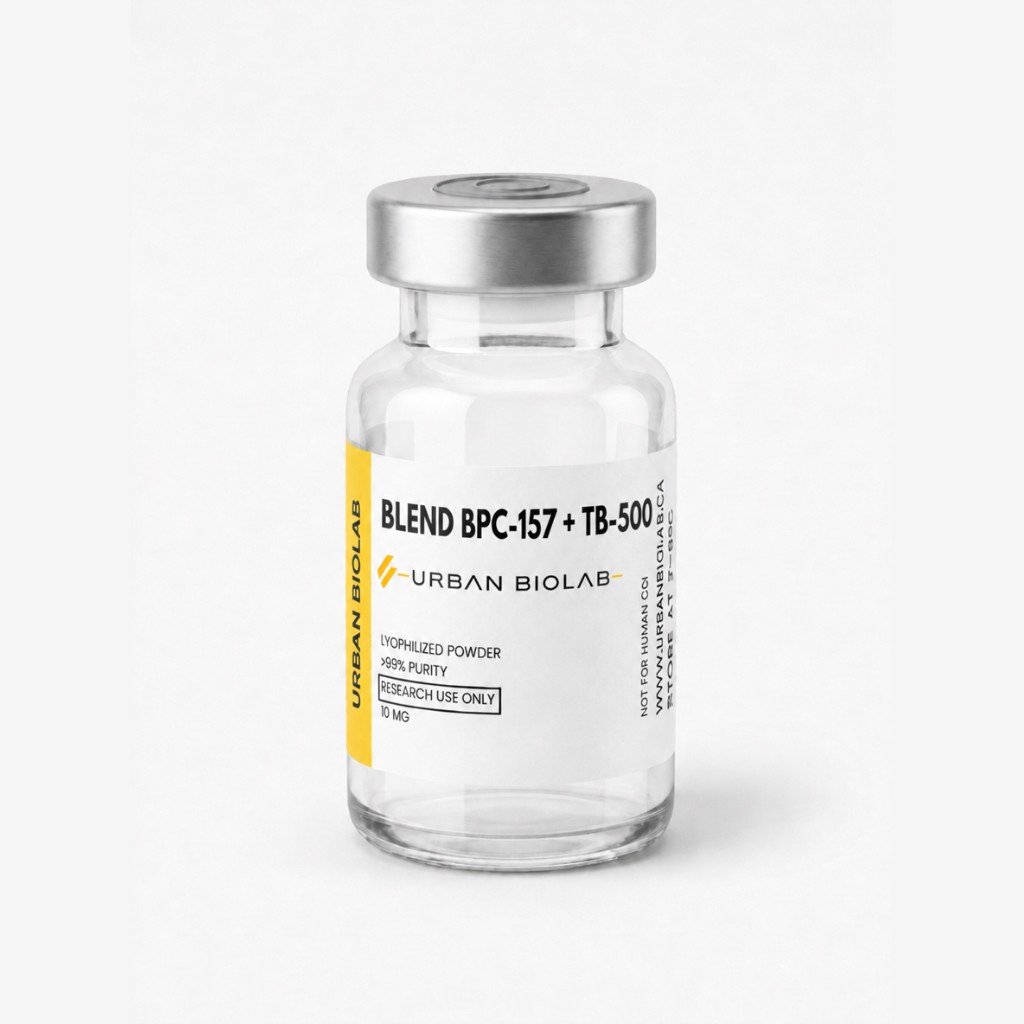
BPC-157 + TB-500 Blend 20MG
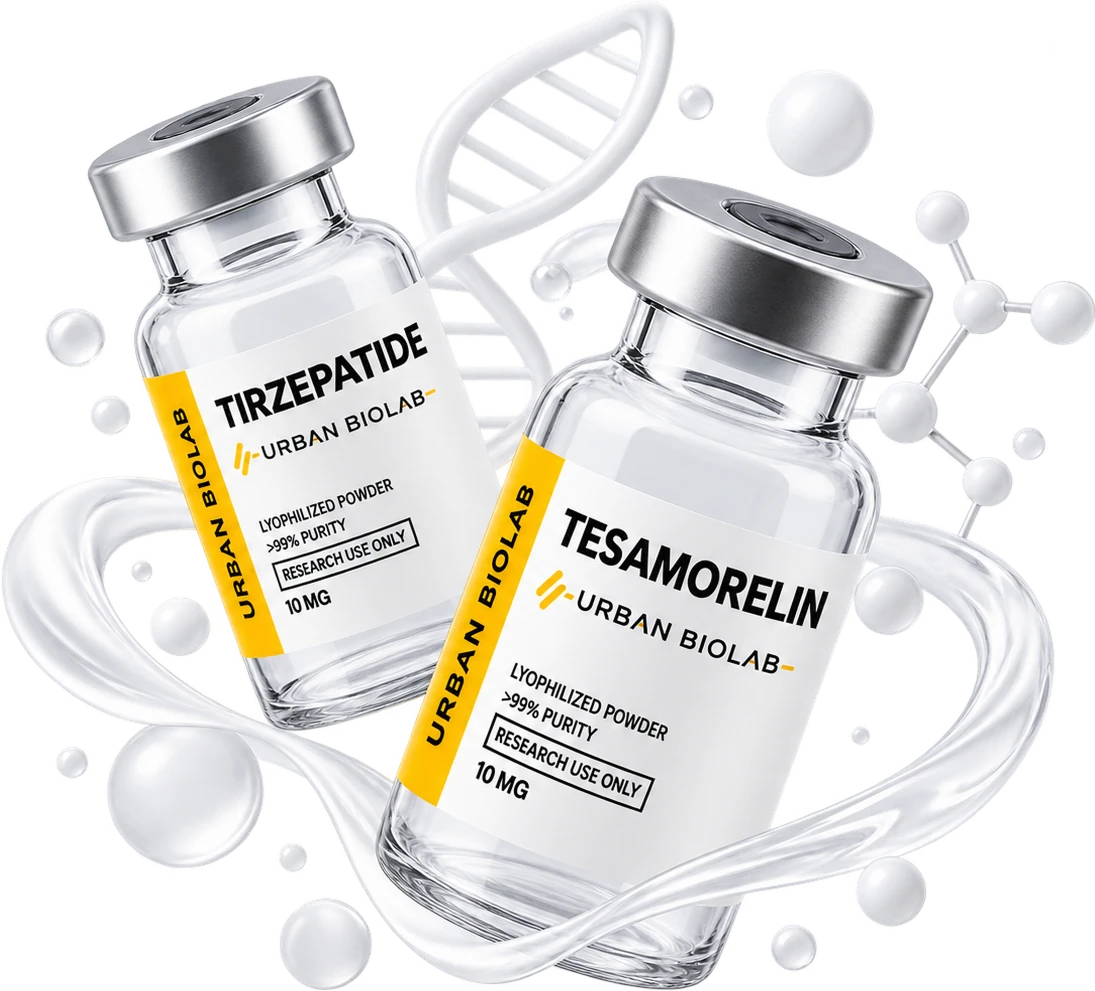
BPC-157 + TB-500 is a combined research peptide blend featuring two widely studied compounds known for their roles in tissue repair, cellular regeneration, and recovery-related signaling pathways. In laboratory research settings, this combination is of interest for investigations into connective tissue models, cell migration, angiogenesis, and regenerative biology, offering a complementary approach to studying complex repair mechanisms.
Quality Matters: Sourcing
Product quality represents the single largest variable determining outcomes. Studies of gray market peptides reveal disturbing contamination rates: incorrect amino acid sequences in 30% of samples, excessive endotoxin levels in 65% of products.
What to look for:
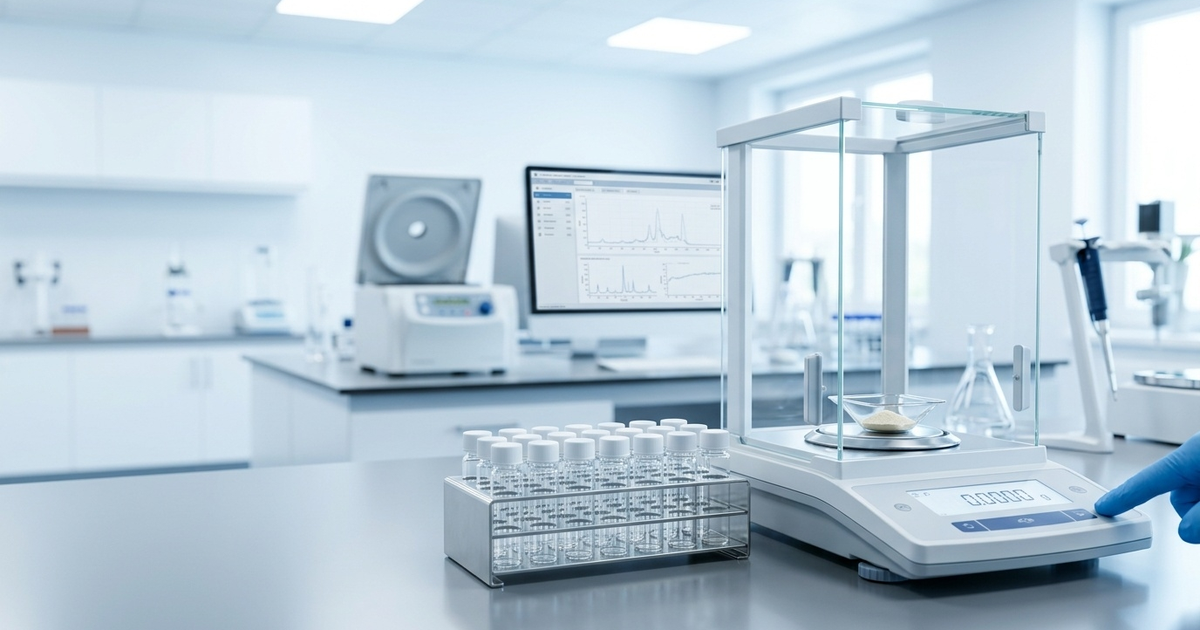
- Third-party Certificates of Analysis (COAs) for your specific batch
- HPLC-MS testing confirming identity and purity
- Purity 98%+ minimum, 99%+ preferred
- Endotoxin testing below 2 ng/mL
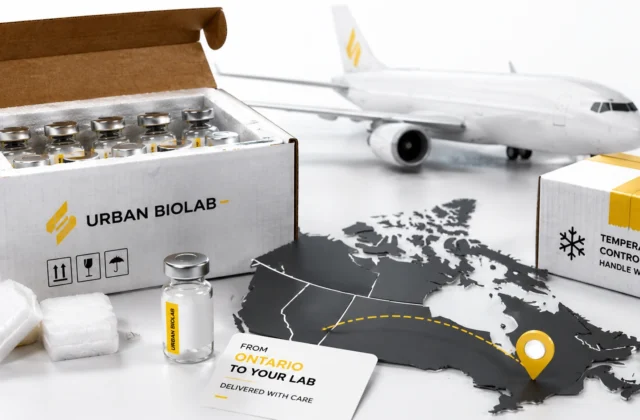
- Proper cold-chain shipping
Red flags:
- Suspiciously low prices
- Absent or vague documentation
- Poor storage and shipping practices
The 40-60% premium for verified quality products represents investment in actual results.
Safety Considerations
BPC-157 demonstrates a remarkably favorable safety profile in animal studies. Thousands of self-experimenters have used it over decades with minimal reported problems.
Common side effects (when they occur):
- Injection site reactions (temporary redness, swelling)
- Nausea (usually resolves with dose adjustment)
- Headaches (may relate to blood pressure changes)
- Sleep disturbance (morning dosing typically resolves)
Theoretical concerns:
BPC-157’s promotion of angiogenesis raises theoretical concerns about tumor growth. No evidence connects BPC-157 to cancer, but some researchers recommend avoiding it in anyone with known malignancy.
Who should avoid:
- Pregnant or nursing women
- Anyone with active cancer or history of cancer
- Individuals on immunosuppressive therapy
- Those under 18
Frequently Asked Questions
How quickly does it work?
Acute injuries often show improvement within 7-14 days. Chronic tendinopathy may require 3-4 weeks for noticeable change.
Can I still work out?
Yes, and controlled activity often enhances results. Avoid movements that aggravate the specific joint issue.
How long should I run a protocol?
Acute injuries: 4-6 weeks. Chronic conditions: 6-8 weeks minimum. Post-surgical: 8-12 weeks.
Does it show up on drug tests?
Not on standard panels, but WADA prohibits peptide hormones. Competitive athletes should verify current prohibited lists.
Can it heal old injuries?
It can address chronic soft tissue injuries that retain capacity to heal. Structural damage like destroyed cartilage or bone spurs won’t benefit.
Is it legal in Canada?
It occupies a gray area. Health Canada doesn’t approve it for therapeutic use. Personal possession for research purposes is generally not prosecuted, though importation creates complications.
The Bottom Line
BPC-157 offers something different from conventional treatments: instead of suppressing inflammation or masking pain, it may actually accelerate genuine tissue repair. The animal evidence is compelling, the mechanisms are plausible, and the anecdotal human reports are consistent.
But the human clinical trial data simply doesn’t exist yet. This is a calculated risk based on preclinical evidence and community experience—not a proven therapy.
For athletes dealing with chronic joint pain who have exhausted conventional options, BPC-157 represents a rational experiment. Source carefully, start conservatively, and combine with appropriate rehabilitation and nutrition.
The difference between life-changing results and total failure often comes down to product quality and realistic expectations.
This article is for informational purposes only and does not constitute medical advice. Consult a healthcare provider before using any peptide.