
By Simon McTavish, MSc
Medical Research Writer | Metabolic Health & Obesity Medicine
Ottawa, Ontario
Last Updated: October 1, 2026
The Short Answer
Retatrutide, a triple receptor agonist, delivers an average of 24.2% weight loss over 48 weeks in clinical trials. Gastric sleeve surgery produces 25-30% weight loss. The gap between pharmaceutical and surgical intervention has essentially closed.
For Canadians with a BMI between 35-40, this means a weekly injection taking under 60 seconds may achieve what previously required a 60-90 minute surgery and 2-4 weeks of recovery. The injection is fully reversible. The surgery is not.
But here’s what matters: both paths demand lifelong commitment. Retatrutide through continued weekly dosing. Surgery through permanent dietary changes and potential revision procedures. Neither is a quick fix.
A Personal Perspective from Edmonton
When my doctor told me I needed to lose 80 pounds or face serious health consequences, I felt trapped. At 232 pounds, I was pre-diabetic, and my blood pressure medication had been increased twice in a single year. I faced a choice: wait 18 months for bariatric surgery through Alberta’s provincial system, or explore newer pharmaceutical options.
I chose Retatrutide.
Starting at 1 mg weekly in February, I followed a standard titration schedule, gradually increasing to 12 mg over four months. Eight months later, I’d lost 51 pounds. My A1C dropped from 6.3 to 5.4, and my doctor reduced my blood pressure medication. The first few weeks brought some stomach discomfort, but nothing compared to what my brother described recovering from his sleeve gastrectomy.
I can eat normal foods. I travel without worrying about special meal requirements. My daily routine stayed the same. Sometimes I wonder if I made the right call by not choosing surgery. Then I step on the scale and remember why a weekly injection works for my lifestyle.
— Allen Donnelly, 44, Edmonton, Alberta
Understanding Your Options in Canada
The landscape of obesity treatment has transformed dramatically over the past three years. Where bariatric surgery once stood alone as the only intervention capable of producing substantial, sustained weight loss, pharmaceutical options now approach surgical efficacy.
Bariatric surgery has been the gold standard since the 1960s. The gastric sleeve, Roux-en-Y gastric bypass, and adjustable gastric banding procedures have helped millions achieve significant weight reduction. These interventions work by restricting stomach capacity, altering gut hormone signaling, or both. Results are undeniable: patients typically lose 25-35% of their total body weight within the first year.
Retatrutide represents the newest generation of incretin-based therapies. Unlike earlier medications that activated one or two receptors, Retatrutide simultaneously targets three: GIP (glucose-dependent insulinotropic polypeptide), GLP-1 (glucagon-like peptide-1), and glucagon receptors. This triple mechanism produces weight loss results that clinical researchers have described as unprecedented.
The Key Takeaway
Retatrutide achieved 24.2% average weight loss at 48 weeks in Phase 2 trials. This places it within striking distance of gastric sleeve surgery results (25-30%) while avoiding surgical risks entirely. For many patients, this narrows the gap between pharmaceutical and surgical intervention to near parity.
Canadian patients face unique considerations. Provincial healthcare coverage for bariatric surgery varies significantly, with wait times ranging from 12-24 months in most provinces. Pharmaceutical options, while potentially faster to access, often require private payment or supplemental insurance coverage.
Weight Loss Results: How They Compare
Clinical trial data provides the foundation for any meaningful comparison. Let’s examine what the research actually shows.
| Intervention | Average Weight Loss | Timeline |
|---|---|---|
| Retatrutide (12 mg) | 24.2% | 48 weeks |
| Gastric Sleeve | 25-30% | 12 months |
| Gastric Bypass | 30-35% | 12 months |
Retatrutide Phase 2 trial data showed participants losing an average of 24.2% of their body weight over 48 weeks at the 12 mg dose. Individual responses ranged from 21% to over 27% depending on baseline BMI and adherence. For a person weighing 220 pounds, this translates to approximately 53 pounds of weight loss within a year.
Gastric sleeve surgery produces 25-30% total body weight loss at 12 months, with some patients achieving 35% or higher. Five-year data shows most patients maintain 20-25% weight loss, though regain patterns vary considerably.
Gastric bypass remains the most effective surgical option, with 30-35% weight loss at one year and strong maintenance through five years. However, the procedure carries higher complication rates and requires more extensive follow-up care.
Dose-Response Relationship
Retatrutide efficacy correlates directly with dosage:
- 1 mg weekly: 8.9% average weight loss, minimal side effects
- 4 mg weekly: 17.3% average weight loss, moderate GI effects
- 8 mg weekly: 22.1% average weight loss, manageable with titration
- 12 mg weekly: 24.2% average weight loss, peak GI effects weeks 4-8
BMI Category Results
Both interventions show interesting patterns across BMI categories. For Retatrutide, patients with Class 1 obesity (BMI 30-35) achieved the highest percentage weight loss at 26.8%, while patients with Class 3 obesity (BMI 40+) averaged 21.3%. However, absolute pounds lost often favored higher BMI patients despite lower percentages.
What to Expect: Procedure Breakdown
Retatrutide: The Weekly Injection
Retatrutide administration follows a straightforward subcutaneous injection protocol. Patients self-inject once weekly, typically in the abdomen, thigh, or upper arm. The process takes less than 60 seconds once technique is established.
The titration schedule spans 16-20 weeks, gradually increasing from 1 mg to the maintenance dose of 8-12 mg. This slow escalation minimizes gastrointestinal side effects and allows the body to adapt.
Injection Protocol Overview:
- Frequency: Once weekly, same day each week
- Sites: Abdomen, thigh, or upper arm (rotate sites)
- Storage: Refrigerated at 2-8°C
- Titration period: 16-20 weeks to reach maintenance dose
- Administration time: Under 60 seconds
Bariatric Surgery: The Surgical Process
Bariatric surgery requires significantly more preparation and recovery time. The pre-surgical process typically includes psychological evaluation, nutritional counseling, and supervised weight loss of 5-10% to reduce surgical risks. Many Canadian programs require 6-12 months of preparation before surgery scheduling.
The surgery itself lasts 60-90 minutes for sleeve gastrectomy and 2-3 hours for gastric bypass. Most procedures are performed laparoscopically. Hospital stays average 1-2 nights.
Surgical Process Overview:
- Pre-surgical preparation: 6-12 months
- Surgery duration: 60-90 minutes (sleeve) or 2-3 hours (bypass)
- Hospital stay: 1-2 nights average
- Recovery period: 2-4 weeks before returning to normal activities
- Dietary progression: Liquid to solid foods over 6-8 weeks
The Practical Difference
Retatrutide patients maintain normal eating patterns and daily routines from day one. Surgical patients face a mandatory 2-4 week recovery followed by permanent dietary restrictions and eating behavior modifications.
Risks and Complications
Retatrutide Side Effects
The most common side effects involve the gastrointestinal system. These typically peak during weeks 4-8 and diminish as the body adapts.
| Side Effect | Incidence | Management |
|---|---|---|
| Nausea | 28% | Usually mild, resolves by week 12 |
| Diarrhea | 24% | Peaks weeks 4-8, responsive to diet |
| Constipation | 21% | Manageable with fiber and hydration |
| Vomiting | 17% | Often related to overeating |
Serious adverse events occurred infrequently. Pancreatitis affected 0.3% of participants, gallbladder events occurred in 1.4%, and acute kidney injury was reported in 0.7%. The overall discontinuation rate due to side effects was 11.2% at the 12 mg dose.
Bariatric Surgery Complications
Surgical complications fall into immediate perioperative risks and long-term sequelae.
| Complication | Risk | Notes |
|---|---|---|
| Surgical Site Infection | 2-5% | Higher risk with higher BMI |
| Staple Line Leak | 1-3% | Most serious early complication |
| Blood Clots | 0.5-1% | Reduced with early mobilization |
| 30-Day Mortality | 0.1-0.3% | Varies by procedure and patient |
Long-term complications affect a significant percentage of surgical patients. Nutritional deficiencies occur in 30-50% of bypass patients and 15-20% of sleeve patients, requiring lifelong supplementation. Gallstone formation affects 30-40% within two years. Strictures requiring dilation occur in 5-10% of patients.
Weight regain represents another concern. Studies show 20-30% of surgical patients regain significant weight within 5 years.
Cost Comparison for Canadian Patients
Retatrutide Costs
Retatrutide remains in clinical trials pending FDA approval, with expected market availability in late 2026 or early 2027. Pricing has not been officially announced, but market analysis suggests monthly costs will fall between $1,200 and $1,500 CAD.
Projected Annual Costs:
- Medication: $14,400-$18,000 CAD
- Supplies: $100-$200 CAD
- Monitoring: Covered by provincial health plans
Research peptide suppliers offer Retatrutide at significantly lower costs for those in jurisdictions where research use is permitted. Quality suppliers with third-party testing provide research-grade peptides at $150-$400 CAD monthly.
Bariatric Surgery Costs
| Option | Cost |
|---|---|
| Provincial coverage (approved patients) | $0 (12-24 month wait) |
| Private surgery in Canada | $18,000-$25,000 CAD |
| Medical tourism (Mexico, abroad) | $8,000-$15,000 CAD |
| Annual supplements (lifetime) | $300-$600 CAD |
Long-Term Cost Analysis
Over 10 years, pharmaceutical treatment at $15,000 annually totals $150,000, while surgery at $20,000 plus $500 annual supplements totals $25,000. However, this simplistic calculation ignores surgical revision rates (10-15% over 10 years), pharmaceutical discontinuation costs, and the value of avoiding surgical risks.
Recovery Timeline: A Stark Contrast
Retatrutide Recovery
| Week | What to Expect |
|---|---|
| 1 | First injection. Reduced appetite within 24-48 hours. No activity restrictions. |
| 2-4 | Appetite suppression consistent. Mild nausea possible. Normal activities continue. |
| 5-8 | Dose escalation. GI side effects may peak. Average weight loss 8-12%. |
| 9-16 | Continued titration. Side effects diminishing. Average weight loss 15-20%. |
| 17+ | Maintenance dosing. Routine weekly injections. Continued weight loss. |
Bariatric Surgery Recovery
| Week | What to Expect |
|---|---|
| Day 1-2 | Hospital stay. Clear liquids only. Early mobilization. |
| Week 1 | Home recovery. Full liquid diet. Limited activity. No lifting over 10 pounds. |
| Weeks 2-3 | Pureed diet. Light activity. Some return to desk work. |
| Weeks 4-6 | Soft foods. Most return to work. Light exercise. |
| Weeks 7-8 | Regular textures. Normal activity resumes. Full exercise permitted. |
| Month 3+ | Most restrictions permanent. Vitamin supplementation mandatory. |
Retatrutide patients experience zero downtime. Surgical patients require 2-4 weeks before returning to work and 6-8 weeks before resuming all normal activities.
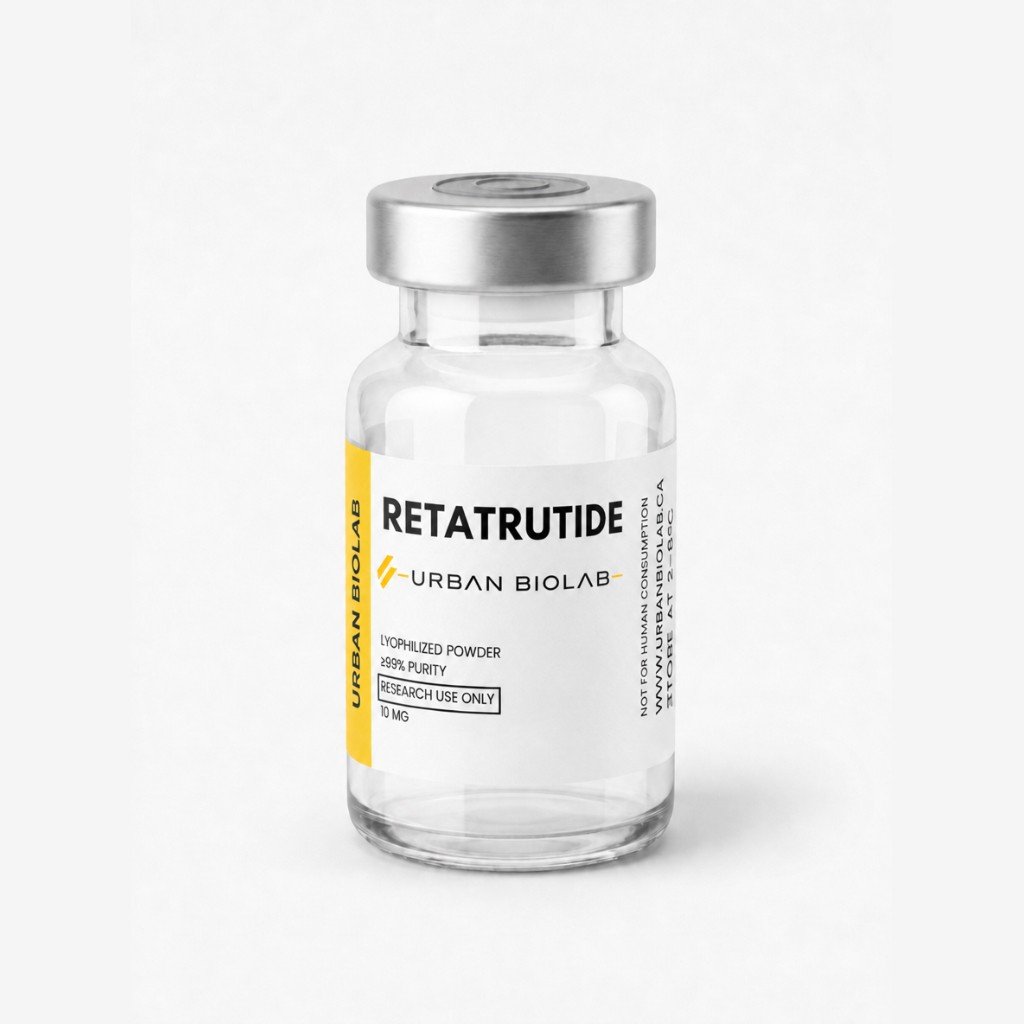
RT (Retatrutide) 10MG
RT10 is a cutting-edge investigational peptide designed for advanced scientific exploration in metabolic health and weight management research. Known for its unique mechanism as a triple agonist (GLP-1, GIP, and glucagon receptors), it has shown promising potential in preclinical studies related to appetite regulation, fat metabolism, and glycemic control.
Long-Term Maintenance
Retatrutide Maintenance
Retatrutide requires continued weekly injections to maintain weight loss. Studies of similar medications show that discontinuation leads to weight regain within 6-12 months. This reflects obesity biology rather than medication failure.
The advantage lies in flexibility. Doses can be adjusted based on response and tolerability. Treatment can be paused or discontinued if circumstances change. No permanent anatomical changes limit future options.
Surgical Maintenance
Post-surgical maintenance demands more complex lifestyle modifications:
Lifelong Requirements:
- Eating modifications: Small portions, protein prioritization, slow eating, avoiding drinking with meals
- Mandatory supplements: Multivitamin, B12, calcium citrate, vitamin D, iron
- Prohibited foods: High-sugar foods causing dumping syndrome, carbonated beverages
- Follow-up schedule: Every 3 months year one, then decreasing frequency
Studies show only 60% of bariatric surgery patients maintain recommended supplementation protocols at 5 years. This compliance gap contributes to long-term deficiency-related complications.
Who Should Consider Each Option
Ideal Candidates for Retatrutide
- BMI 30-40 with or without obesity-related conditions
- Prefer to avoid surgical intervention and associated risks
- Value maintaining reversibility and treatment flexibility
- Can commit to weekly self-injection long-term
- Have access to medication through prescription, insurance, or research suppliers
- Want to maintain normal eating patterns without permanent restrictions
- Prioritize minimal recovery time and no work disruption
Ideal Candidates for Bariatric Surgery
- BMI 40+ or BMI 35+ with serious obesity-related conditions
- Have tried pharmaceutical options without adequate response
- Prefer one-time intervention over ongoing medication
- Have access to provincially covered surgery and can accommodate wait times
- Are comfortable with permanent dietary modifications
- Can commit to lifelong supplementation and follow-up
Medical Contraindications
Retatrutide: Personal or family history of medullary thyroid carcinoma, MEN2, pancreatitis history, severe gastrointestinal disease, pregnancy or breastfeeding.
Surgery: Inability to tolerate general anesthesia, uncontrolled psychiatric conditions, active substance abuse, inability to comply with post-surgical requirements.
Metabolic Benefits Beyond Weight Loss
Retatrutide Metabolic Effects
| Marker | Improvement |
|---|---|
| A1C Reduction | 2.02% (from 8.1% to 6.08%) |
| Triglyceride Reduction | 28% |
| Blood Pressure | -6.8 mmHg systolic |
| Diabetes Remission | 87% achieved A1C under 7.0% |
Liver health markers also improve substantially. Patients with non-alcoholic fatty liver disease show reduced liver fat content and improved liver function tests. Sleep apnea symptoms often improve or resolve with 10-15% weight loss.
Surgical Metabolic Effects
Bariatric surgery produces rapid metabolic changes, often before significant weight loss occurs. Type 2 diabetes remission rates reach 60-80% following gastric bypass and 40-60% following sleeve gastrectomy. The STAMPEDE trial demonstrated superior diabetes control compared to intensive medical therapy at 5 years.
Reversibility and Flexibility
Retatrutide: Fully Reversible
Retatrutide is completely reversible. Patients can discontinue treatment at any time without permanent physiological changes. While weight regain follows discontinuation, no lasting anatomical or functional alterations occur.
This reversibility offers several advantages:
- Treatment can be paused during pregnancy
- Doses can be adjusted based on response
- Patients can transition to other medications if better options emerge
- No bridge is burned by trying pharmaceutical intervention first
Surgery: Permanent Changes
Bariatric surgery creates permanent anatomical changes. Sleeve gastrectomy removes 80% of the stomach permanently. While gastric bypass can technically be reversed, reversal surgery carries significant risks and rarely restores normal anatomy.
Accessing Treatment in Canada
Accessing Retatrutide
Retatrutide remains in Phase 3 clinical trials with expected FDA approval in late 2026 or early 2027. Health Canada approval typically follows by 6-12 months.
Current Access Options:
- Clinical trial participation: Free medication and close monitoring, though randomization may place participants in placebo groups
- Research peptide suppliers: Third-party tested peptides with certificates of analysis, typically $150-$400 CAD monthly
Quality Verification Checklist:
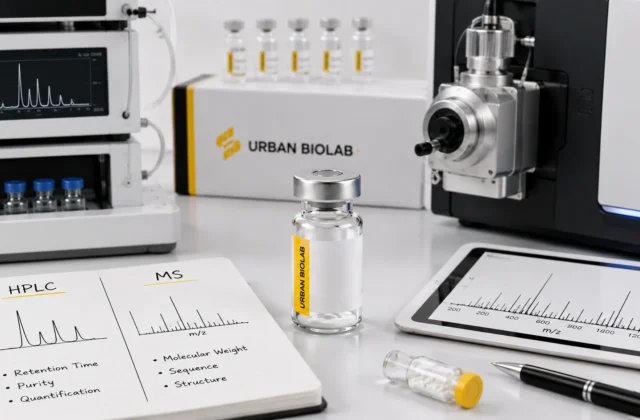
- Third-party testing: HPLC/MS verification from independent laboratory
- Certificate of analysis: Documentation showing 95%+ purity
- Sterile manufacturing: Proper aseptic production processes
- Clear storage and handling instructions
- Detailed reconstitution protocols
Accessing Bariatric Surgery
Provincial bariatric surgery programs exist across Canada with varying wait times. Ontario averages 18-24 months from referral to surgery. British Columbia and Alberta report similar timelines.
Most provinces mandate a supervised weight loss period of 6-12 months before surgery approval. Psychological evaluations assess readiness for permanent lifestyle changes.
Private surgical options in Canada cost $18,000-$25,000 and typically offer surgery within weeks. Medical tourism to Mexico reduces costs but introduces quality and follow-up concerns.
Making Your Decision
Choosing between Retatrutide and bariatric surgery involves weighing multiple factors against personal priorities.
Decision Framework
Timeline urgency: Do you need results immediately, or can you wait? Surgery through provincial programs means 18-24 month waits. Retatrutide research peptides offer faster access.
Risk tolerance: How do you weigh surgical risks (0.1-0.3% mortality, 2-5% major complications) against pharmaceutical side effects (28% nausea, 11% discontinuation)?
Permanence preference: Do you value the finality of surgical intervention or the flexibility of reversible treatment?
Lifestyle considerations: Weekly injections require consistent self-administration for life. Surgery requires permanent eating behavior modifications. Which aligns better with your lifestyle?
Financial situation: Can you sustain ongoing medication costs ($15,000+ annually) or manage high upfront surgical costs?
My Recommendation
For most patients in the BMI 35-40 range without urgent comorbidities, I recommend trying pharmaceutical intervention first. Retatrutide offers comparable efficacy to surgery while preserving reversibility and avoiding surgical risks. If pharmaceutical options prove inadequate or intolerable, surgery remains available. The opposite sequence burns bridges: post-surgical patients have limited pharmaceutical options for additional weight loss if needed.
Frequently Asked Questions
Is Retatrutide really as effective as bariatric surgery?
Clinical trial data shows Retatrutide producing 24.2% average weight loss at 48 weeks, compared to 25-30% for gastric sleeve surgery. For patients with BMI 35-40, outcomes are essentially comparable.
Can I try Retatrutide and still have surgery later if needed?
Yes. Pharmaceutical weight loss does not preclude later surgical intervention. Some surgeons prefer operating on patients who have achieved preliminary weight loss.
How long do I need to take Retatrutide to maintain weight loss?
Current evidence suggests indefinite treatment is required. Weight regain begins within weeks of discontinuation and reaches approximately 67% of lost weight within one year.
What happens if I cannot tolerate Retatrutide side effects?
Approximately 11% of patients at the 12 mg dose discontinued due to side effects. Slower titration reduces severity. Dose reduction to 8 mg still produces 22% weight loss with improved tolerability.
Does bariatric surgery have a higher success rate long-term?
Long-term data favors surgery, though the comparison is somewhat unfair since Retatrutide data only extends to 48 weeks. Surgical patients maintain 20-25% weight loss at 5 years.
Which option has better diabetes remission rates?
Gastric bypass shows the highest diabetes remission rates at 60-80%. Retatrutide achieved 87% of diabetic patients reaching A1C targets under 7.0%.
How does Retatrutide compare to Wegovy or Zepbound?
Retatrutide (24.2% weight loss) exceeds both semaglutide/Wegovy (14.9%) and tirzepatide/Zepbound (20.9%) in Phase 2 trials.
What is the cost difference over 10 years?
Retatrutide costs approximately $150,000 over 10 years. Surgery costs approximately $25,000. However, surgical revision rates and medication discontinuation may necessitate eventual surgical intervention.
How quickly does each option produce results?
Retatrutide produces noticeable weight loss within 4-8 weeks, with peak results at week 48. Bariatric surgery produces rapid early weight loss, with most patients losing 50% of excess weight within 6 months.
Can either option cause excess skin issues?
Rapid, substantial weight loss from either intervention can result in excess skin. Pharmaceutical weight loss occurs more gradually, which may allow better skin adaptation.
Glossary
Bariatric Surgery: Surgical procedures that promote weight loss by restricting stomach capacity, altering nutrient absorption, or both.
BMI (Body Mass Index): A calculation using height and weight to estimate body fat. Weight in kilograms divided by height in metres squared.
Dumping Syndrome: A condition after bariatric surgery when food moves too quickly from the stomach to the small intestine, causing nausea, cramping, and diarrhea.
Gastric Bypass: A procedure creating a small stomach pouch and rerouting the small intestine to connect directly to this pouch.
Gastric Sleeve: A procedure removing approximately 80% of the stomach, leaving a tube-shaped stomach.
GIP: Glucose-dependent insulinotropic polypeptide, a hormone stimulating insulin release.
GLP-1: Glucagon-like peptide-1, a hormone regulating blood sugar and promoting satiety.
Retatrutide: A triple receptor agonist medication activating GIP, GLP-1, and glucagon receptors simultaneously.
Titration: Gradually increasing medication dosage over time to minimize side effects.
Triple Receptor Agonist: A medication activating three distinct hormone receptors simultaneously.
References
- Jastreboff AM, Kaplan LM, Frias JP, et al. Triple-Hormone-Receptor Agonist Retatrutide for Obesity: A Phase 2 Trial. New England Journal of Medicine. 2023;389(6):514-526.
- Arterburn DE, Telem DA, Kushner RF, Courcoulas AP. Benefits and Risks of Bariatric Surgery in Adults: A Review. JAMA. 2020;324(9):879-887.
- Schauer PR, Bhatt DL, Kirwan JP, et al. Bariatric Surgery versus Intensive Medical Therapy for Diabetes: 5-Year Outcomes (STAMPEDE Trial). New England Journal of Medicine. 2017;376(7):641-651.
Medical Disclaimer
This article provides educational information based on clinical trial data and published medical literature. It should not replace personalized medical advice from a qualified healthcare provider. Treatment decisions for obesity require comprehensive evaluation of individual medical history, comorbidities, contraindications, and personal circumstances. Always consult with a physician before starting any weight loss treatment, whether pharmaceutical or surgical.