
By Steve Bennett | Health & Wellness Researcher | Halifax, Nova Scotia
Last Updated: October 18, 2026
The Short Answer (For Those Who Want to Skip the Science)
Retatrutide takes the crown with a staggering 24.2% average weight loss at 48 weeks—making it the most powerful weight loss medication ever tested in clinical trials.
Tirzepatide lands in second place with 20.9% weight loss at 72 weeks, and it boasts the lowest nausea rate at just 25%.
Semaglutide rounds out the trio at 14.9% weight loss at standard doses, though a new 7.2mg formulation is pushing that number to 20.7%. It also has the longest safety track record, dating back to 2017.
All three are once-weekly injections with similar gastrointestinal side effects that typically fade by week 12.
The catch? Retatrutide isn’t FDA approved yet (expected 2026-2027), while Tirzepatide (Mounjaro/Zepbound) and Semaglutide (Ozempic/Wegovy) are available now by prescription.
For a 180 lb person, here’s what that looks like in real terms:
- Retatrutide: ~44 lbs lost
- Tirzepatide: ~38 lbs lost
- Semaglutide: ~27 lbs lost
A Real Patient’s Journey
“I spent three years bouncing between different diets. Keto worked for a bit, then stalled. Tried intermittent fasting, lost maybe 12 lbs before my willpower gave out. When my doctor mentioned these newer weight loss medications, I was skeptical but desperate enough to try.
Started with Semaglutide in January 2024. Good results at first—lost about 22 lbs over five months. Then everything plateaued. My doctor switched me to Tirzepatide in June, and things picked up again. Another 18 lbs gone by October.
The side effects were manageable. Some queasy mornings during the first month on each medication, nothing that stopped me from living my life. I kept protein shakes in the fridge for days when solid food felt like too much effort.
Down 40 lbs total now. Blood pressure normalized. Off one of my medications. My energy levels are completely different. The research on Retatrutide has me interested for the future, but for now, Tirzepatide is doing exactly what I need.”
— Nathan Crawford, 47, Edmonton, Alberta
Nathan’s Protocol:
- Medication: Tirzepatide (started 2.5mg weekly, now at 10mg)
- Injection day: Sunday evenings after dinner
- Daily protein: 90-100g minimum
- Water intake: 2 litres daily
Table of Contents
- Understanding These Three Medications
- Weight Loss Results Compared
- How Each Medication Works
- Side Effect Profiles
- Dosing and Administration
- Cost and Insurance Coverage
- Availability and Access in Canada
- Cardiovascular Benefits
- Metabolic Health Improvements
- Which Medication is Right for You
- What Happens When You Stop
- Switching Between Medications
- Long-Term Safety Data
- Frequently Asked Questions
- Glossary
- References
Brand Name Quick Reference
| Medication | Brand Names | Status |
|---|---|---|
| Retatrutide | Not yet branded | In clinical trials (expected 2026-2027) |
| Tirzepatide | Mounjaro (diabetes) / Zepbound (weight loss) | FDA & Health Canada Approved |
| Semaglutide | Ozempic (diabetes) / Wegovy (weight loss) | FDA & Health Canada Approved |
Note: Same active ingredient, different brand names based on approved indication. Dosing protocols may vary between diabetes and weight loss formulations.
At-a-Glance Comparison
| Metric | Retatrutide | Tirzepatide | Semaglutide |
|---|---|---|---|
| Weight Loss | 24.2% | 20.9% | 14.9% |
| Nausea Rate | 28% | 25% | 44% |
| FDA Approved | No (2026-2027) | Yes | Yes |
| Monthly Cost (CAD) | TBD | $1,100 | $1,300 |
| Mechanism | Triple Agonist | Dual Agonist | Single Agonist |
| Injection Frequency | Weekly | Weekly | Weekly |
Understanding These Three Medications
The weight loss medication landscape has transformed dramatically over the past five years. Three medications now dominate clinical and commercial discussions:
- Retatrutide — the newest triple receptor agonist
- Tirzepatide — dual receptor agonist (Mounjaro/Zepbound)
- Semaglutide — single receptor agonist (Ozempic/Wegovy)
Each represents a different generation of incretin-based therapy. Semaglutide arrived first and established GLP-1 agonists as viable weight loss treatments. Tirzepatide added a second receptor target and pushed efficacy higher. Retatrutide introduces a third receptor and delivers results that would have seemed impossible just a decade ago.
Did You Know?
Before GLP-1 agonists, the most effective FDA-approved weight loss medications produced only 5-10% average weight loss. Retatrutide’s 24.2% represents more than double that benchmark, fundamentally changing what patients and physicians consider achievable through pharmacotherapy.
For Canadians exploring weight management options, understanding the differences between these three medications is essential for informed decision-making. Provincial healthcare coverage varies significantly, and the choice between FDA-approved options versus research peptides involves considerations unique to the Canadian market.
This comparison synthesizes data from multiple Phase 2 and Phase 3 randomized controlled trials, head-to-head studies, and post-market surveillance reports. The goal is providing actionable information rather than marketing claims or fear-based cautions.
Weight Loss Results Compared
Weight loss efficacy is the primary reason anyone considers these medications. The clinical trial data is unambiguous: Retatrutide produces the highest weight loss ever recorded in obesity pharmacotherapy trials, followed by Tirzepatide, then Semaglutide.
Understanding these numbers requires context. Clinical trials control for many variables that real-world use cannot, including dietary adherence, exercise habits, and medication compliance. Yet the consistency across multiple trials and thousands of participants provides confidence in the relative rankings.
Retatrutide: The Phase 2 TRIUMPHANT-2 Trial
The 48-week trial enrolled 338 participants with an average starting weight of 231 lbs. At the 12mg dose, participants achieved 24.2% weight loss, translating to approximately 56 lbs for someone at that starting weight. The 8mg dose produced 22.8% weight loss (about 53 lbs). Response rates were exceptional: 91.7% of participants achieved at least 10% weight loss.
The trial data revealed several important patterns:
- Weight loss velocity remained strong throughout the 48 weeks without clear plateau
- Participants at the highest dose continued losing approximately 1-2% body weight monthly even in the final weeks
- Subgroup analysis showed consistent results across age groups, baseline BMI categories, and diabetes status
- Men and women achieved similar percentage weight loss, though absolute pounds lost varied with starting weight
Tirzepatide: SURMOUNT-1 and SURMOUNT-5 Trials
The 72-week SURMOUNT-1 trial enrolled 2,539 participants with similar starting weights. At the 15mg dose, participants achieved 20.9% weight loss (approximately 48 lbs for a 231 lb person). The 10mg dose produced 19.5% weight loss. Response rates remained strong with 89% achieving at least 10% weight loss.
The longer trial duration for Tirzepatide (72 weeks versus 48 for Retatrutide) provides more insight into the weight loss trajectory. Most participants approached plateau between weeks 60-72, suggesting the full potential of the medication had been reached.
The SURMOUNT-5 head-to-head trial directly compared Tirzepatide 15mg to Semaglutide 2.4mg over 72 weeks. Tirzepatide produced 20.2% weight loss versus 13.7% for Semaglutide in the same population—demonstrating approximately 50% greater efficacy under identical conditions. This remains the most compelling evidence that dual agonism provides meaningful clinical advantages over single agonism.
Semaglutide: STEP 1 and STEP UP Trials
The 68-week STEP 1 trial enrolled 1,961 participants. At the standard 2.4mg dose, participants achieved 14.9% weight loss (approximately 34 lbs for a 231 lb person). Response rates showed 68% achieving at least 10% weight loss.
A newer high-dose 7.2mg formulation tested in the STEP UP trial showed 20.7% weight loss, bringing it closer to Tirzepatide’s results.
The STEP program included multiple trials across different populations:
- STEP 2 focused on patients with type 2 diabetes and showed reduced efficacy (9.6% weight loss)
- STEP 3 combined medication with intensive behavioral therapy and achieved 16.0% weight loss
- The upcoming high-dose formulation represents a significant development
Key Takeaway
For a 200 lb Canadian considering these options, expected weight loss would be approximately 48 lbs on Retatrutide, 42 lbs on Tirzepatide, or 30 lbs on standard-dose Semaglutide. Those differences matter clinically. The extra 18 lbs between Semaglutide and Retatrutide can mean the difference between needing versus not needing blood pressure medication, or fitting comfortably in an airplane seat.
Important Context for These Numbers
These percentages represent averages. Individual responses vary significantly based on:
- Adherence to medication protocol
- Lifestyle modifications
- Baseline metabolic health
- Genetic factors
Approximately 15-20% of patients experience exceptional response (over 30% weight loss) across all three medications, while 5-10% experience minimal response (under 5% weight loss).
Trial duration matters when comparing results. Retatrutide data comes from 48-week trials while Tirzepatide data spans 72 weeks and Semaglutide 68 weeks. Weight loss typically continues beyond initial trial endpoints if medication continues, though velocity decreases after 6-9 months.
Response predictors appear similar across all three medications:
- Higher baseline weight predicts higher absolute weight loss
- Younger age correlates with slightly better response
- Adherence to dietary modifications significantly impacts outcomes
- Early response in the first 12 weeks tends to predict ultimate success
In the top quartile of responders, Retatrutide participants lost over 30% of body weight, some approaching 35%. This represents genuinely transformative results: a 250 lb person dropping to 165 lbs.
Expected Weight Loss for a 200 lb Person
| Medication | Weight Loss | Percentage |
|---|---|---|
| Retatrutide | 48 lbs | 24.2% |
| Tirzepatide | 42 lbs | 20.9% |
| Semaglutide | 30 lbs | 14.9% |
How Each Medication Works
Understanding the mechanism of action explains both efficacy differences and side effect profiles. Each medication works by mimicking naturally occurring hormones that regulate appetite, blood sugar, and metabolism.
Semaglutide: Single Receptor Activation (GLP-1 Only)
Semaglutide activates only GLP-1 (glucagon-like peptide-1) receptors in the gut and brain. This produces:
- Appetite suppression through hypothalamic signaling
- Delayed gastric emptying (feeling full longer)
- Improved insulin secretion while reducing glucagon secretion
GLP-1 receptor activation has been the foundation of incretin-based therapy for over 15 years with extensive safety data. The limitation is that single-receptor activation can only push metabolic pathways so far before diminishing returns occur.
Tirzepatide: Dual Receptor Activation (GIP + GLP-1)
Tirzepatide adds GIP (glucose-dependent insulinotropic polypeptide) receptor activation to GLP-1 activity. This combination produces:
- Enhanced insulin secretion
- Improved fat metabolism
- Potential central nervous system effects on appetite beyond GLP-1 alone
Personal Opinion
I find the GIP addition fascinating from a scientific standpoint. For years, researchers thought GIP was purely a glucose-regulating hormone. Discovering that it synergizes with GLP-1 for weight loss opened entirely new therapeutic possibilities. The 40% improvement in weight loss from Semaglutide to Tirzepatide suggests GIP is doing far more than just adding to GLP-1 effects.
The innovation here is that GIP activation appears to complement GLP-1 effects synergistically rather than merely additively. This explains why Tirzepatide produces significantly more weight loss than Semaglutide despite both activating GLP-1 receptors.
Retatrutide: Triple Receptor Activation (GIP + GLP-1 + Glucagon)
Retatrutide adds glucagon receptor activation to GIP and GLP-1 activity. This produces all the effects of Tirzepatide plus:
- Increased energy expenditure through thermogenesis
- Enhanced fat oxidation and breakdown
- Improved metabolic rate
- Potential additional central appetite regulation
The breakthrough is that glucagon receptor activation was previously thought counterproductive for weight loss since glucagon raises blood sugar. However, when combined with GLP-1 activity, glucagon effects shift toward increased energy expenditure rather than hyperglycemia. The net result is unprecedented weight loss that exceeds either dual or single agonist approaches.
Receptor Activation Comparison
| Medication | GLP-1 | GIP | Glucagon | Classification |
|---|---|---|---|---|
| Semaglutide | ✓ | ✗ | ✗ | Single Agonist |
| Tirzepatide | ✓ | ✓ | ✗ | Dual Agonist |
| Retatrutide | ✓ | ✓ | ✓ | Triple Agonist |
Side Effect Profiles
Side effects determine real-world adherence more than efficacy numbers. A medication producing 24% weight loss but causing intolerable nausea is less useful than one producing 20% weight loss with manageable side effects. The good news is that all three medications have similar and predictable side effect profiles that typically resolve with time.
Comparative Side Effect Rates from Clinical Trials
| Side Effect | Retatrutide 12mg | Tirzepatide 15mg | Semaglutide 2.4mg |
|---|---|---|---|
| Nausea | 28% | 25% | 44% |
| Diarrhea | 23% | 21% | 30% |
| Constipation | 17% | 16% | 24% |
| Vomiting | 12% | 10% | 24% |
| Discontinuation Rate | 7% | 6% | 11% |
Did You Know?
Tirzepatide shows the best tolerability despite being more mechanistically complex than Semaglutide. This suggests GIP co-activation may actually reduce GLP-1-related side effects rather than add to them. Patients who experienced intolerable nausea on Semaglutide often find Tirzepatide much more tolerable.
Side Effect Timeline
Gastrointestinal side effects follow a predictable pattern across all three medications:
- Peak during dose escalation periods (typically weeks 4-10)
- Correlate with dose increases rather than absolute dose
- Improve significantly after 12 weeks on a stable dose
- Respond well to dietary modifications including smaller meals, avoiding high-fat foods, and emphasizing protein
The typical pattern for most patients looks like this:
| Timeline | Experience |
|---|---|
| Weeks 1-4 | Mild symptoms beginning |
| Weeks 5-8 | Peak side effects |
| Weeks 9-12 | Rapid improvement |
| Month 4+ | Minimal to no symptoms |
Managing Side Effects
Proactive management makes the difference between tolerating treatment and discontinuing. Key strategies include:
- Starting anti-nausea strategies before symptoms peak (week 1, not week 6)
- Eating smaller and more frequent meals (5-6 small meals instead of 3 large ones)
- Staying aggressively hydrated (64-80 oz daily minimum)
- Avoiding high-fat foods during peak weeks
The key insight from clinical trials and real-world experience is that side effects are predictable and time-limited. Patients who understand they will feel worse in weeks 5-8 before feeling better can mentally prepare and push through.
Specific Management Strategies
For nausea:
- Ginger supplements
- Vitamin B6 (25mg three times daily)
- Over-the-counter medications like dimenhydrinate (Gravol)
- Eating cold foods rather than hot foods
- Keeping meals bland and simple during peak weeks
For constipation:
- Increasing fiber intake gradually
- Staying well hydrated
- Using osmotic laxatives like polyethylene glycol as needed
For injection site reactions:
- Rotating sites
- Allowing medication to reach room temperature before injection
- Injecting slowly over 5 seconds rather than quickly
- Ice before injection and hydrocortisone cream after
Did You Know?
Patients who start anti-nausea medications in week 1 (before significant symptoms appear) report 40% less severe nausea during peak weeks compared to those who wait until symptoms become intolerable. Proactive management dramatically improves the treatment experience.
Dosing and Administration
Proper dose escalation separates successful treatment from early discontinuation. Rushing to maximum doses causes unnecessary side effects and poor adherence. All three medications require gradual titration over 3-5 months.
Standard Dose Escalation Protocols
Retatrutide
| Weeks | Dose |
|---|---|
| 1-4 | 2mg weekly |
| 5-8 | 4mg weekly |
| 9-12 | 8mg weekly |
| 13+ | 12mg weekly (maintenance) |
Time to maintenance: 12 weeks
Tirzepatide
| Weeks | Dose |
|---|---|
| 1-4 | 2.5mg weekly |
| 5-8 | 5mg weekly |
| 9-12 | 7.5mg weekly |
| 13-16 | 10mg weekly |
| 17+ | 12.5-15mg weekly |
Time to maintenance: 16-20 weeks
Semaglutide
| Weeks | Dose |
|---|---|
| 1-4 | 0.25mg weekly |
| 5-8 | 0.5mg weekly |
| 9-12 | 1.0mg weekly |
| 13-16 | 1.7mg weekly |
| 17+ | 2.4mg weekly |
Time to maintenance: 16 weeks
Key Takeaway
Most patients begin experiencing appetite suppression within 2-4 weeks, but maximum weight loss effects require reaching maintenance doses after 3-5 months of escalation. Patience during titration pays off with better tolerability and sustained results.
Injection Technique
All three medications use once-weekly subcutaneous injection. Approved sites include:
- The abdomen (except 2 inches around the navel)
- Front and outer thigh
- Back of upper arm
Most patients find the abdomen easiest and least uncomfortable.
Rotation protocol: Divide the abdomen into 4 quadrants and rotate clockwise. Never inject the same spot twice in a row. Keep at least 1 inch distance from previous injection sites.
Cost and Insurance Coverage
Cost determines access for most patients. Without insurance coverage, these medications are prohibitively expensive for many Canadians.
Monthly Cost Comparison (CAD)
| Medication | Cost | Notes |
|---|---|---|
| Retatrutide | TBD | Not yet priced (expected 2026-2027) |
| Tirzepatide | $1,100 | Mounjaro/Zepbound retail pricing |
| Semaglutide | $1,300 | Wegovy retail pricing |
Canadian Insurance Coverage
Provincial coverage varies significantly across Canada:
- Ontario, British Columbia, Alberta, and Quebec have varying criteria for coverage
- Typically require documented obesity-related comorbidities and prior failed weight loss attempts
- Private insurance coverage is improving but remains inconsistent
- Many plans now cover Wegovy and Zepbound for weight loss indications, though prior authorization is typically required
Personal Opinion
The cost barrier is the biggest obstacle to treatment access in Canada. These medications work exceptionally well, but $1,100-1,300 monthly puts them out of reach for most Canadians without insurance coverage. Research peptide suppliers offer a more accessible alternative for those comfortable with that route, though this approach requires more personal responsibility for quality verification.
Research Peptide Alternative
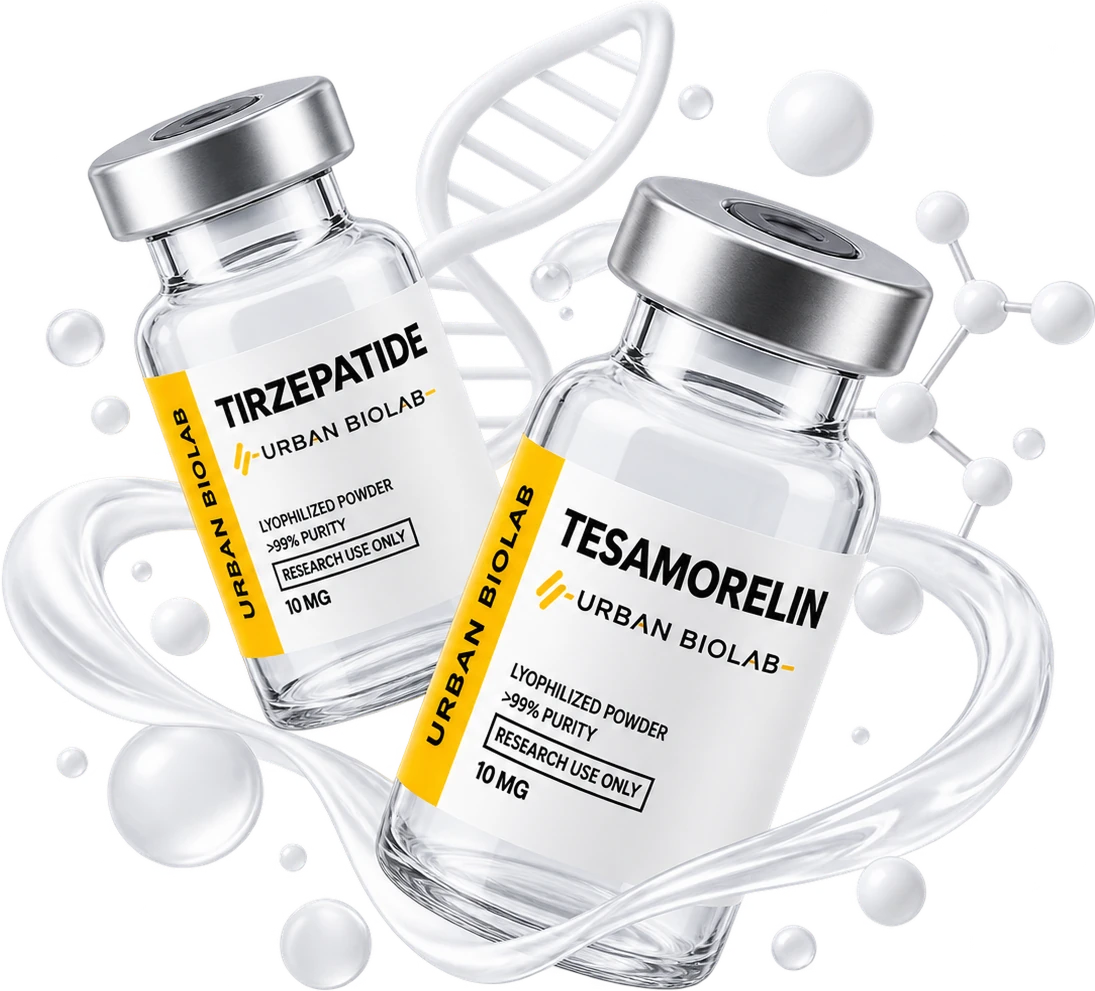
For Canadians without insurance coverage, research peptide suppliers provide third-party tested compounds at significantly lower cost. Quality suppliers offer:
- HPLC/MS verification
- Certificates of analysis showing 98%+ purity
- Canadian shipping within 2-4 days
Availability and Access in Canada
Availability differs substantially between these medications, particularly for Canadian patients.
Semaglutide (Wegovy/Ozempic)
- Health Canada approved and widely available by prescription
- Supply shortages have occurred but stabilized in 2025
- Available through most Canadian pharmacies with valid prescription
- Telemedicine options available through platforms like Maple and Felix
Tirzepatide (Mounjaro/Zepbound)
- Health Canada approved for diabetes (Mounjaro) with Zepbound approval for obesity in late 2024
- Growing availability through Canadian pharmacies
- Supply constraints exist but improving monthly
- Some Canadians access through cross-border pharmacy programs
Retatrutide
- Not yet approved by any regulatory agency
- Phase 3 trials ongoing with FDA approval expected 2026-2027
- Health Canada approval typically follows FDA by 6-12 months
- Currently available only through clinical trial participation or research peptide suppliers
Availability Summary
| Medication | Health Canada Status | Pharmacy Availability | Research Peptide Option |
|---|---|---|---|
| Semaglutide | Approved | Widely available | Available |
| Tirzepatide | Approved | Growing availability | Available |
| Retatrutide | Not yet approved | Not available | Available |
Cardiovascular Benefits
Weight loss medications are increasingly evaluated for cardiovascular benefits independent of weight reduction. This matters significantly for patients with established heart disease or high cardiovascular risk.
Semaglutide: Proven Cardiovascular Protection
The SELECT trial (2023) demonstrated 20% reduction in major adverse cardiovascular events (MACE) over 40 months in patients with established cardiovascular disease and obesity but without diabetes.
The specific reductions observed included:
- 28% reduction in cardiovascular death
- 18% reduction in non-fatal myocardial infarction
- 7% reduction in non-fatal stroke
The number needed to treat (NNT) to prevent one major cardiovascular event was approximately 67 patients treated for one year—which compares favorably to many established cardiovascular medications.
This data makes Semaglutide the clear choice for patients with:
- Established coronary artery disease
- Prior heart attack
- Peripheral artery disease
- Prior stroke combined with obesity
Importantly, the cardiovascular benefits appeared independent of the degree of weight loss achieved. Patients who lost modest amounts of weight still experienced cardiovascular protection, suggesting direct vascular and metabolic effects beyond what weight reduction alone would explain.
Tirzepatide: Cardiovascular Trial Ongoing
The SURMOUNT-MMO trial is evaluating cardiovascular outcomes with Tirzepatide. Results expected 2025-2026. Preliminary data suggests potential benefits similar to or exceeding Semaglutide based on mechanism and metabolic improvements observed in other trials.
Retatrutide: Cardiovascular Data Pending
No dedicated cardiovascular outcome trial initiated yet. Phase 2 data shows promising improvements in cardiovascular risk markers including:
- Blood pressure reductions comparable to Tirzepatide
- Favorable lipid changes
Key Takeaway
If you have established heart disease, Semaglutide currently has the strongest evidence for cardiovascular protection. For patients without heart disease focused primarily on weight loss, Tirzepatide or Retatrutide may offer superior results while cardiovascular outcome data continues to accumulate.
Metabolic Health Improvements
Beyond weight loss, all three medications improve multiple metabolic parameters that contribute to long-term health outcomes.
Blood Sugar Control
All three medications significantly improve glycemic control in patients with type 2 diabetes or prediabetes:
- Tirzepatide shows the most potent glucose-lowering effects (HbA1c reductions of 2.0-2.5%)
- Semaglutide produces HbA1c reductions of 1.5-2.0%
- Retatrutide shows similar potency to Tirzepatide in early data
Diabetes Prevention
The SURMOUNT-4 trial demonstrated that Tirzepatide reduced progression from prediabetes to type 2 diabetes by 94% over three years. This represents a paradigm shift in diabetes prevention approaches.
The implications for Canadian healthcare are significant. With approximately 6 million Canadians living with prediabetes, preventing even a fraction of progression to diabetes could save billions in healthcare costs and improve quality of life for millions.
Blood Pressure Reduction
All three medications produce meaningful blood pressure reductions of 5-10 mmHg systolic, partly from weight loss and partly from direct vascular effects. Many patients reduce or eliminate blood pressure medications during treatment.
Lipid Improvements
- Triglycerides decrease significantly (20-30%) with all three medications
- HDL cholesterol increases modestly (5-10%)
- LDL cholesterol effects are variable but generally neutral to slightly improved
Did You Know?
Many patients experience improvements in sleep apnea, joint pain, energy levels, and mood that exceed what would be expected from weight loss alone. The metabolic improvements appear to have systemic effects beyond simple caloric deficit.
Which Medication is Right for You?
No single medication is best for all patients. Individualized decision-making based on patient-specific factors determines optimal outcomes.
Semaglutide May Be Best For:
- Patients with established cardiovascular disease (only one with proven MACE reduction)
- Patients prioritizing longest real-world safety data (7+ years post-approval)
- Patients with insurance coverage for Wegovy but not Zepbound
- Patients who experienced good results on Semaglutide and want to stay on proven therapy
- Patients willing to wait for high-dose 7.2mg formulation for efficacy comparable to Tirzepatide
Tirzepatide May Be Best For:
- Patients wanting maximum currently-approved efficacy with excellent tolerability
- Patients with type 2 diabetes seeking best glycemic control
- Patients with prediabetes who want maximum diabetes prevention benefit
- Patients who experienced intolerable nausea on Semaglutide
- Patients with insurance coverage for Zepbound
Retatrutide May Be Best For:
- Patients willing to wait for FDA approval to access highest efficacy option
- Patients who have plateaued on Tirzepatide or Semaglutide
- Patients comfortable with less long-term safety data in exchange for superior efficacy
- Patients accessing research peptides who prioritize maximum weight loss
Contraindications (All Three)
Do not use if you have:
- Personal or family history of medullary thyroid carcinoma
- Multiple Endocrine Neoplasia syndrome type 2 (MEN 2)
- Pregnancy or planning pregnancy within 2-3 months
- History of severe allergic reaction to medication components
What Happens When You Stop
Understanding weight regain patterns is essential for realistic expectations and long-term planning.
The Regain Reality
The STEP 1 Extension Trial and SURMOUNT-4 data show that approximately two-thirds of weight lost returns within one year of discontinuation. This is not failure or lack of willpower. This is the biology of obesity.
The metabolic adaptations that promote weight regain are complex and powerful:
- Leptin levels drop rapidly as weight is lost, increasing hunger signals
- Ghrelin (the hunger hormone) increases
- Metabolic rate decreases beyond what would be expected from reduced body mass alone
These adaptations evolved to prevent starvation during food scarcity and remain active in modern humans despite abundant food availability.
What the medications do is essentially override these adaptations while active. When medication stops, all these biological drives reassert themselves simultaneously.
Expected Weight Trajectory After Stopping
| Timeline | Weight Regain |
|---|---|
| Month 0 | Stop medication at goal weight |
| Months 1-3 | 15-20% of lost weight returns |
| Months 4-6 | 30-40% of lost weight returns |
| Month 12 | 50-67% of lost weight returns |
Factors That Influence Regain
Patients who maintain more weight after discontinuation typically share certain characteristics:
- They established strong exercise habits during treatment
- They developed sustainable eating patterns rather than relying solely on appetite suppression
- They had shorter duration of obesity before treatment
- They discontinued gradually rather than abruptly
Personal Opinion
I think the framing around weight regain needs to shift. We do not expect patients with hypertension to stop blood pressure medication and maintain normal readings. Obesity is a chronic metabolic condition. These medications manage it effectively, but they do not cure it. Planning for long-term use is more realistic than planning for short-term treatment followed by maintenance without medication.
Switching Between Medications
Switching between these medications is common and generally safe under medical supervision.
Semaglutide to Tirzepatide
- Take last dose of Semaglutide
- Wait 7 days
- Start Tirzepatide at 2.5mg and follow standard escalation
Most patients tolerate this direct transition well. Some may experience initial side effects as Tirzepatide adds GIP receptor activation.
Tirzepatide to Semaglutide
- Take last dose of Tirzepatide
- Wait 7 days
- Start Semaglutide at 0.5mg (or 1.0mg if previously on high Tirzepatide dose)
- Follow standard escalation
Some patients report increased nausea when switching from Tirzepatide to Semaglutide due to loss of GIP-mediated tolerability benefits.
Switching to Retatrutide (When Available)
- Take last dose of current medication
- Wait 7 days
- Start Retatrutide at 2mg
- Follow standard escalation
Given the triple mechanism, starting low is particularly important even if previously on maximum dose of another medication.
Key Takeaway
There is no perfect dose equivalency between these medications. Most physicians start with the lowest dose of the new medication and titrate up regardless of previous medication dose. This minimizes side effect risks and allows patients to acclimate to the new medication profile.
Long-Term Safety Data
Safety profiles become clearer with longer observation periods. Each medication has different amounts of real-world data.
Semaglutide: 7+ Years Post-Approval
The most extensive safety record among the three medications. Post-marketing surveillance involving millions of patients has not revealed unexpected serious adverse events beyond what was seen in clinical trials.
The thyroid cancer concerns identified in rodent studies have not materialized in human populations, with ongoing monitoring showing no increased risk compared to background rates.
The SELECT cardiovascular outcomes trial provided comprehensive reassurance about long-term cardiovascular safety, demonstrating not only safety but actual cardiovascular protection.
Tirzepatide: 3+ Years Post-Approval
Growing safety database with several million patient-years of exposure now documented. No unexpected serious adverse events have emerged beyond known class effects.
The cardiovascular outcomes trial (SURMOUNT-MMO) is ongoing and will provide definitive cardiovascular safety and efficacy data when completed in 2025-2026.
The dual mechanism has not introduced novel safety concerns compared to GLP-1 monotherapy. Overall safety profile appears similar to Semaglutide with potentially better gastrointestinal tolerability.
Retatrutide: Limited to Trial Data
Only 48-week Phase 2 data available currently. Longer-term safety requires ongoing Phase 3 trials and post-marketing surveillance after approval.
The triple mechanism theoretically carries more potential for unexpected effects, though Phase 2 data has been reassuring with no unexpected serious adverse events identified.
The glucagon component is the primary theoretical concern since glucagon receptor activation can affect glucose metabolism and potentially liver function. However, early data suggests the GLP-1 component adequately counterbalances any hyperglycemic effects, and liver function markers have been favorable.
Safety Comparison
| Safety Metric | Retatrutide | Tirzepatide | Semaglutide |
|---|---|---|---|
| Real-World Data | None (trials only) | 3+ years | 7+ years |
| CV Outcomes Trial | Not started | Ongoing | Completed (positive) |
| Thyroid Safety | Monitoring ongoing | No concerns emerged | No concerns emerged |
| Pancreatitis Risk | 0.3% | 0.2% | 0.3% |
Frequently Asked Questions
Which medication causes the most weight loss?
Retatrutide leads with 24.2% average weight loss at 48 weeks, followed by Tirzepatide at 20.9% over 72 weeks, and Semaglutide at 14.9% over 68 weeks at standard doses. For a 200 lb person, that translates to 48 lbs (Retatrutide), 42 lbs (Tirzepatide), or 30 lbs (Semaglutide). The new high-dose Semaglutide 7.2mg formulation shows 20.7% weight loss, making it competitive with Tirzepatide when approved.
Is Retatrutide available in Canada?
Retatrutide is not yet approved by Health Canada or any regulatory agency. FDA approval is expected in late 2026 to early 2027, with Health Canada approval typically following by 6-12 months. Currently, Retatrutide is only available through clinical trial participation or from research peptide suppliers for research purposes.
Which has fewer side effects?
Tirzepatide shows the lowest nausea rate at 25%, compared to 28% for Retatrutide and 44% for Semaglutide. All three medications have similar types of side effects, primarily gastrointestinal (nausea, diarrhea, constipation), that typically resolve by week 12. Discontinuation rates due to side effects are lowest for Tirzepatide (6%), followed by Retatrutide (7%), and Semaglutide (11%).
Can I switch from Ozempic to Mounjaro?
Yes, switching between these medications is common and generally safe under medical supervision. After your last Semaglutide (Ozempic/Wegovy) dose, wait 7 days then start Tirzepatide (Mounjaro/Zepbound) at the lowest dose (2.5mg) and follow standard escalation. Most patients tolerate this transition well, and many find Tirzepatide more tolerable than Semaglutide.
How do the mechanisms differ?
- Semaglutide is a single agonist activating only GLP-1 receptors
- Tirzepatide is a dual agonist activating both GIP and GLP-1 receptors
- Retatrutide is a triple agonist activating GIP, GLP-1, and Glucagon receptors
More receptor targets generally correlate with greater weight loss. The glucagon receptor activation in Retatrutide increases energy expenditure and fat oxidation, while GIP activation in both Retatrutide and Tirzepatide enhances insulin secretion and may reduce GLP-1-related nausea.
Do I need to take these medications forever?
Current evidence suggests long-term use is necessary to maintain weight loss. When medications are discontinued, approximately two-thirds of lost weight typically returns within one year. This is not failure but rather the biology of obesity. These medications manage the condition effectively but do not cure it. Planning for chronic treatment, similar to blood pressure or diabetes medications, is more realistic than planning for short-term use.
Can I drink alcohol while taking these medications?
Alcohol is not strictly contraindicated, but tolerance typically decreases significantly. Many patients report feeling intoxicated more quickly with less alcohol consumption. Alcohol may also worsen nausea and other GI side effects, particularly during the first 12 weeks. Start with significantly less than your previous typical consumption and avoid alcohol for 2-3 days after each injection when side effects peak.
What if I experience severe nausea?
Severe nausea typically peaks during weeks 6-8 and resolves by week 12. Management strategies include:
- Over-the-counter anti-nausea medications (ginger, vitamin B6, Gravol)
- Eating smaller and more frequent meals
- Avoiding high-fat foods
- Staying well hydrated
- Eating cold foods instead of hot during peak weeks
If nausea remains intolerable, your physician may slow dose escalation or try a different medication.
Are these medications safe during pregnancy?
No. All three medications are contraindicated during pregnancy. Stop medication at least 2 months before attempting pregnancy due to unknown effects on fetal development. If you become pregnant while taking any of these medications, stop immediately and contact your healthcare provider. Do not use these medications while breastfeeding.
How much do these medications cost in Canada?
Without insurance:
- Semaglutide (Wegovy) costs approximately $1,300 CAD monthly
- Tirzepatide (Zepbound) costs approximately $1,100 CAD monthly
- Retatrutide pricing is not yet established
Provincial coverage varies, and many private insurance plans now cover these medications with prior authorization. Research peptide suppliers offer significantly lower-cost alternatives for those without insurance coverage.
Will I keep the weight off if I stop taking the medication?
Research shows that approximately two-thirds of weight lost typically returns within 12 months of discontinuation. This is the biology of obesity rather than personal failure. The medications suppress metabolic adaptations that defend higher body weight, and those adaptations return when medication stops. Planning for long-term or indefinite treatment is more realistic than expecting short-term use followed by maintained weight loss.
Can I take these medications if I have diabetes?
Yes, all three medications can be used by patients with type 2 diabetes. In fact, Semaglutide (as Ozempic) and Tirzepatide (as Mounjaro) were first approved specifically for diabetes before receiving separate approvals for weight loss. These medications improve blood sugar control significantly, often allowing patients to reduce or eliminate other diabetes medications. However, if you take insulin or sulfonylureas, your diabetes medications may need adjustment to prevent hypoglycemia as weight loss improves insulin sensitivity.
How do I choose between these three medications?
The best choice depends on your specific situation:
- Semaglutide is ideal if you have established cardiovascular disease (proven heart protection), want the longest safety track record, or have insurance that covers Wegovy but not alternatives
- Tirzepatide is optimal if you want maximum available efficacy with excellent tolerability, have type 2 diabetes, or experienced intolerable nausea on Semaglutide
- Retatrutide makes sense if you want the absolute highest efficacy and are comfortable with newer medications or accessing research peptides
Discussing your health history, insurance coverage, and priorities with a healthcare provider helps determine the best fit.
What happens if I miss a dose?
For all three medications:
- If you miss a dose and remember within 5 days, take it as soon as you remember
- If more than 5 days have passed, skip the missed dose and take your next dose on the regularly scheduled day
- Never double up doses to make up for a missed one
Missing a single dose typically has minimal impact, but missing multiple consecutive doses may require restarting at a lower dose to avoid increased side effects when resuming.
Do these medications interact with birth control?
These medications can potentially reduce the effectiveness of oral contraceptives (birth control pills) due to delayed gastric emptying and possible vomiting during peak side effect weeks. This is particularly concerning during the first 12 weeks of treatment.
Using additional non-hormonal contraception (condoms) for the first 4 weeks after starting medication and after each dose increase provides extra protection. If you vomit within 4 hours of taking oral contraceptives, use backup contraception for that cycle. Many physicians recommend non-oral contraceptive methods (IUD, implant, patch, ring) that are not affected by GI changes.
Can I exercise while taking these medications?
Yes, and exercise is encouraged. Resistance training is particularly important because rapid weight loss can result in muscle loss alongside fat loss. Maintaining or building muscle through strength training 2-3 times weekly improves body composition outcomes and helps maintain metabolic rate.
However, during peak side effect weeks (5-8), you may need to reduce exercise intensity if nausea or fatigue is significant. Listen to your body and prioritize consistency over intensity.
How much protein should I eat while on these medications?
Aim for 0.7-1.0 grams of protein per pound of goal body weight daily. For someone targeting 160 lbs, that means 110-160 grams of protein daily. This higher protein intake helps preserve muscle mass during rapid weight loss.
Since appetite suppression makes eating larger volumes difficult, prioritizing protein at every meal and snack is essential. Many patients find protein shakes or Greek yogurt helpful for meeting targets on days when solid food feels like too much effort.
Glossary
GLP-1 (Glucagon-Like Peptide-1)
A naturally occurring hormone produced in the intestines that regulates appetite, slows gastric emptying, and improves insulin secretion. All three medications activate GLP-1 receptors.
GIP (Glucose-Dependent Insulinotropic Polypeptide)
A gut hormone that enhances insulin secretion and appears to synergize with GLP-1 for weight loss. Activated by both Tirzepatide and Retatrutide.
Glucagon
A hormone that raises blood sugar and increases energy expenditure. When combined with GLP-1 activation (as in Retatrutide), promotes thermogenesis and fat oxidation rather than hyperglycemia.
Triple Agonist
A medication that activates three different receptor types simultaneously. Retatrutide is the first triple agonist for weight loss, targeting GIP, GLP-1, and glucagon receptors.
Dual Agonist
A medication that activates two receptor types. Tirzepatide is a dual agonist targeting GIP and GLP-1 receptors.
Gastric Emptying
The rate at which food leaves the stomach. All GLP-1 agonists slow gastric emptying, which contributes to feeling full longer but also causes some GI side effects.
Dose Escalation
The process of gradually increasing medication dose over weeks or months to minimize side effects and allow the body to adapt. All three medications require 3-5 months of escalation.
MACE (Major Adverse Cardiovascular Events)
A composite endpoint in cardiovascular trials including cardiovascular death, non-fatal heart attack, and non-fatal stroke. Semaglutide has proven MACE reduction in the SELECT trial.
HbA1c
Hemoglobin A1c, a blood test measuring average blood sugar over 2-3 months. Lower values indicate better glucose control. Normal is below 5.7%, prediabetes is 5.7-6.4%, diabetes is 6.5% or higher.
Research Peptide
A synthesized peptide compound sold for research purposes. In Canada, research peptides like Retatrutide, Tirzepatide, and Semaglutide are available from specialized suppliers before or alongside pharmaceutical approval.
Subcutaneous Injection
An injection into the fatty tissue just below the skin. All three medications use weekly subcutaneous injection, typically in the abdomen, thigh, or upper arm.
Thermogenesis
The process of heat production in the body, which burns calories. Glucagon receptor activation in Retatrutide enhances thermogenesis, contributing to its superior weight loss efficacy.
References
- Jastreboff AM, Kaplan LM, Frias JP, et al. Triple-Hormone-Receptor Agonist Retatrutide for Obesity – A Phase 2 Trial. New England Journal of Medicine. 2023;389(6):514-526.
- Jastreboff AM, Aronne LJ, Ahmad NN, et al. Tirzepatide Once Weekly for the Treatment of Obesity. New England Journal of Medicine. 2022;387(3):205-216.
- Wilding JPH, Batterham RL, Calanna S, et al. Once-Weekly Semaglutide in Adults with Overweight or Obesity. New England Journal of Medicine. 2021;384(11):989-1002.
Disclaimer: This article is for informational purposes only and does not constitute medical advice. Always consult with a qualified healthcare provider before starting, stopping, or switching any medication. Individual results may vary.