Tendon injuries frustrate athletes, weekend warriors, and anyone who depends on their body for work or daily life. Recovery takes weeks or months, and conventional treatments rarely accelerate the body’s natural healing timeline. This reality has driven interest in compounds that might genuinely speed tissue repair.
BPC-157 stands out among these compounds because of its extensive animal research background. Unlike many peptides with thin or inconsistent evidence, this one has been studied across multiple injury models with remarkably consistent results. But what does the science actually demonstrate? Let me walk through the research honestly, separating what we know from what remains speculation.
The Foundation: Achilles Tendon Research
The most compelling evidence comes from studies using complete Achilles tendon transection in rats. This isn’t a minor strain—it’s a full structural failure requiring the body to rebuild tissue architecture from scratch. The Achilles tendon, connecting calf muscles to the heel, endures enormous mechanical loads, making it an ideal testing ground for healing interventions.
When researchers treated these injuries with BPC-157, several outcomes stood out:
Mechanical strength improved significantly. Treated tendons withstood greater force before failing compared to controls. This matters because healed tendon tissue that remains weak simply shifts the injury risk rather than resolving it.
Functional recovery accelerated. The Achilles Functional Index—which measures gait and weight-bearing—showed marked improvement in treated animals. They returned to near-normal movement patterns faster than untreated controls.
Tissue quality was superior, not just healing speed. This distinction is critical. Some interventions accelerate scar formation without producing functional tissue. BPC-157 treated tendons showed collagen fibers organized in parallel bundles aligned with the tendon’s longitudinal axis—the hallmark of proper tendon architecture. Control tendons displayed the disorganized, random collagen orientation typical of weak scar tissue.
The histological details revealed something important: BPC-157 doesn’t simply speed up the healing process. It appears to guide that process toward higher-quality outcomes. Cell density normalized more rapidly in treated groups, suggesting efficient tissue remodeling rather than prolonged inflammation.
Dose-response studies added practical insight. Lower doses produced modest improvements, while higher doses hit a ceiling beyond which additional peptide provided diminishing returns. This finding suggests that more isn’t always better—a useful principle for anyone considering human application.
How It Works: Cellular Mechanisms
Understanding how BPC-157 produces these effects helps evaluate whether the animal research might translate to humans.
Fibroblast activation and migration represent the primary mechanism. The peptide activates the FAK-paxillin signaling pathway in a dose-dependent manner, drawing tendon fibroblasts to injury sites where they synthesize new collagen and extracellular matrix. Without adequate fibroblast presence, tissue reconstruction stalls.
Growth hormone receptor upregulation provides another critical pathway. Microarray analysis revealed a 2.29-fold increase in growth hormone receptor expression—ranking among the top genes affected by BPC-157. This amplifies growth hormone signaling, enhancing cellular proliferation and collagen synthesis.
Angiogenesis—the formation of new blood vessels—supplies oxygen and nutrients essential for healing. BPC-157 promotes robust vascular growth into injured regions, transforming poorly perfused damaged tissue into well-supplied healing environments. This vascular effect extends beyond tendon cells to improve the entire injury microenvironment.
The molecular cascade involves multiple downstream effects. VEGF expression increases, driving blood vessel formation. Nitric oxide production improves blood flow and reduces inflammation. Matrix metalloproteinases show optimized activity patterns that facilitate tissue reorganization without excessive degradation.
Gene expression profiling reveals broader influence. Collagen type I and III genes—the primary structural proteins in tendons—show upregulated expression. Decorin and biglycan, proteoglycans that regulate collagen fibril assembly, increase in treated tissues. This genetic orchestration creates conditions for quality tissue regeneration rather than quick but weak scar formation.
One practical detail deserves mention: BPC-157 demonstrates remarkable stability in the harsh inflammatory environment of damaged tissue. Many growth factors degrade rapidly under these conditions. This durability means once-daily dosing suffices rather than requiring multiple daily administrations.
Beyond the Achilles: Broader Applications
Tendon-to-bone healing presents unique challenges because it involves an interface between tissues with different mechanical properties. Research using these models showed BPC-157 restored structural and functional integrity at this critical junction, addressing both tendon repair and bone attachment.
Myotendinous junction defects—where muscle meets tendon—responded equally well. These injuries occur frequently in explosive athletic movements and historically heal poorly due to mechanical stress at the transition zone. BPC-157 treatment restored function across this challenging injury pattern.
Perhaps most intriguingly, corticosteroid-impaired tendons showed significant recovery with BPC-157 treatment. Corticosteroids, commonly prescribed for inflammatory conditions, paradoxically compromise tendon healing and increase rupture risk by suppressing collagen synthesis and degrading extracellular matrix. BPC-157 counteracted these negative effects, restoring healing capacity even during ongoing steroid exposure. For anyone managing chronic conditions requiring steroid treatment, this protective effect holds particular relevance.
Comparative Outcomes: What the Numbers Show
| Injury Model | Measurement | Control Group | BPC-157 Group | Outcome |
|---|---|---|---|---|
| Achilles Transection | Load to Failure | Baseline | Significantly Increased | Superior Strength |
| Achilles Transection | Functional Index | Impaired Gait | Near-Normal Gait | Restored Function |
| Achilles Transection | Collagen Organization | Disorganized Fibers | Organized Architecture | Better Quality |
| Muscle Healing | Load to Failure | Standard Recovery | 716±45 Units | Enhanced Strength |
| Ligament Repair | Biomechanics | Reduced Properties | Near-Normal Levels | Functional Restoration |
Practical Application: What Research Suggests
Translating animal research to human application requires careful consideration. The protocols below reflect research models adjusted for human weight and physiology.
Administration approach: Subcutaneous injection near the affected tendon concentrates the peptide at the healing site, maximizing local effects while minimizing total dosage requirements. Systemic administration via abdominal injection provides an alternative for multiple injury sites or locations that are difficult to access.
Dosing: A 180-pound individual using protocols derived from animal studies typically employs 250-500 mcg daily. Consistency matters as much as amount—daily administration maintains steady tissue concentrations supporting continuous healing processes.
Timing relative to injury: Acute injuries show the most dramatic responses. The inflammatory phase of healing provides optimal conditions for BPC-157’s mechanisms to enhance natural repair. Chronic tendinopathies with established dysfunctional tissue respond more variably.
Duration: Research protocols typically span 4-8 weeks, aligning with the biological timeline of tendon healing. Shorter durations may provide symptomatic relief without complete structural repair. Longer protocols ensure regenerated tissue achieves adequate maturity before treatment cessation.
Tendon-Specific Considerations
Different tendons present different challenges and may respond differently to treatment.
Rotator cuff tendons experience constant mechanical stress from daily arm movements. Their vascular supply decreases with age, making BPC-157’s angiogenic properties particularly relevant for older individuals. Research suggests these tendons respond well to interventions enhancing collagen organization and reducing inflammation.
Patellar tendons connecting the kneecap to the shin bear enormous loads during jumping, running, and squatting. Patellar tendinopathy responds poorly to conservative treatments and requires healing that restores load-bearing capacity, not just tissue continuity. Research demonstrating improved load to failure directly addresses this need.
Tennis elbow (lateral epicondylitis) involves tendon degeneration affecting far more people than just tennis players. Computer work, manual labor, and repetitive gripping all contribute. The chronic nature—with degeneration rather than acute inflammation—presents different challenges than acute tears. BPC-157’s effects on fibroblast survival under oxidative stress may explain reported benefits for these degenerative conditions.
Achilles tendinopathy represents the most researched application given the animal models used. Runners, hikers, and anyone experiencing Achilles pain can reference the extensive evidence base showing improved collagen organization, enhanced vascularity, and restored functional capacity.
The Mechanical Loading Partnership
BPC-157 accelerates cellular healing, but optimal tissue remodeling requires appropriate mechanical stimulus. Tendons adapt to stress through mechanotransduction—mechanical forces trigger cellular responses that strengthen tissue architecture. Controlled loading during healing produces superior functional outcomes compared to immobilization or premature return to full activity.
Early phase (days 1-7): Relative rest allows BPC-157 to initiate cellular repair. Gentle range of motion exercises without resistance maintain synovial fluid nutrition while avoiding mechanical disruption. For Achilles injuries, ankle circles and controlled dorsiflexion. For rotator cuff injuries, pendulum exercises and passive range work.
Proliferative phase (weeks 2-4): Progressive loading begins. BPC-157’s enhancement of collagen synthesis creates opportunity for mechanical guidance of tissue architecture. Isometric exercises at multiple angles load the tendon without lengthening it through range of motion. A patellar tendinopathy protocol might include wall sits at 60, 90, and 120 degrees of knee flexion, held for 30-45 seconds.
Strengthening phase (weeks 3-4 onward): Eccentric loading represents the gold standard for tendon strengthening. Achilles protocols using heel drops from a step, performed slowly over 3-4 seconds, show consistent success. The combination of BPC-157’s cellular enhancement with eccentric loading’s mechanical stimulus creates synergistic healing.
Pain monitoring should guide progression rather than calendar-based advancement. Exercises producing pain above 3/10 during activity or significant soreness lasting beyond the following day indicate excessive loading. Research suggests 10-20% load increases weekly as a sustainable progression rate.
Combining with TB-500
Research on peptide combinations reveals complementary mechanisms between BPC-157 and TB-500. BPC-157 handles localized tissue repair through direct effects on fibroblasts and collagen synthesis. TB-500 promotes cell migration and systemic flexibility through different molecular pathways.
The combination—sometimes called the “Wolverine Stack” in research communities—typically employs BPC-157 at 250-500 mcg daily with TB-500 at 2-5 mg weekly. These peptides should never combine in the same vial as mixing compromises stability. Separate administration preserves molecular integrity.
BPC-157 reduces inflammation through specific transcription factor pathways while TB-500 works via microRNA upregulation. These parallel anti-inflammatory mechanisms provide broader inflammation control than either alone. For severe tendon injuries requiring multiple healing signals, combination protocols show promise based on their distinct molecular actions.
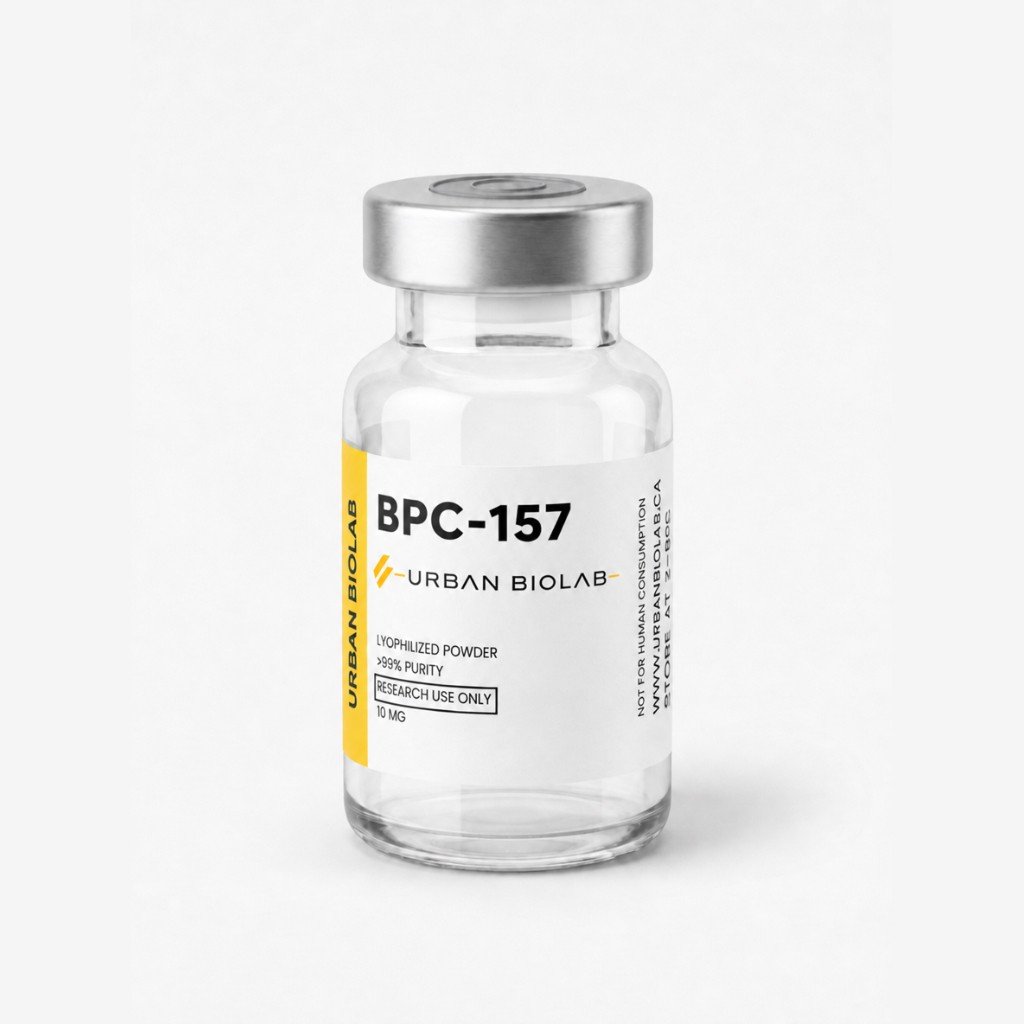
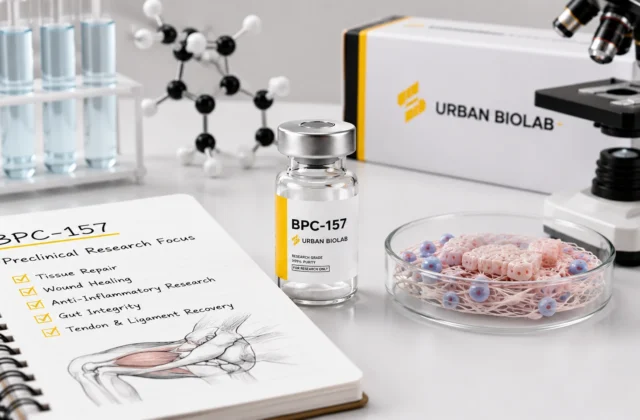
BPC-157 10MG
BPC-157 10mg is a well-known research peptide derived from a protective gastric protein, widely studied for its role in cellular repair, tissue regeneration, and recovery pathways. In laboratory research settings, BPC-157 has been explored for its interactions with angiogenesis, growth factor signaling, and inflammatory response modulation. Its stability and broad research interest make it a staple compound in regenerative and peptide-based studies.
Critical Limitations
Honest assessment requires acknowledging what research hasn’t established.
Animal models don’t perfectly translate to humans. Rat tendons heal faster due to metabolic rate differences. Injury models create standardized damage unlike variable human tendinopathies. Animal research establishes mechanisms and possibilities rather than guarantees.
Human clinical trials remain scarce. Despite decades of animal studies, published human trials are limited. A Phase I safety trial enrolling 42 healthy volunteers completed in 2015 but never released results. This absence of human data creates uncertainty about dose translation, individual response variation, and long-term safety.
Long-term durability questions persist. Studies typically follow healing for weeks to months, providing insight into acute recovery but not years-long tissue durability. Whether BPC-157 enhanced tendons maintain strength over decades requires time-based research not yet available.
Individual response varies substantially. Some individuals show dramatic rapid responses while others experience minimal effects. Genetic differences in growth hormone receptors, baseline healing capacity, and peptide metabolism likely contribute. Research hasn’t identified predictors of response.
Quality: The Variable That Determines Outcomes
Peptide purity dramatically affects therapeutic outcomes. Research-grade BPC-157 used in animal studies typically exceeds 98% purity. Lower purity means contaminants, degradation products, or incorrect peptides that don’t contribute to healing and may trigger immune responses.
Third-party testing through independent laboratories provides verification. Certificates of Analysis should specify testing methodology—typically HPLC for purity assessment and mass spectrometry for sequence verification. The amino acid sequence of BPC-157 is Gly-Glu-Pro-Pro-Pro-Gly-Lys-Pro-Ala-Asp-Asp-Ala-Gly-Leu-Val. Suppliers unable to provide sequence verification should be avoided regardless of price.
Endotoxin testing ensures the peptide is free from bacterial contaminants. Research-grade peptides should contain less than 1 EU/mg. High endotoxin levels explain some reported side effects attributed to peptides when contamination is the actual cause.
Storage and handling protect peptide integrity. Lyophilized powder remains stable at room temperature for short periods but refrigeration extends shelf life. Once reconstituted, solutions require consistent refrigeration and should be used within 30 days.
Regulatory status varies. In Canada, BPC-157 is not approved for human therapeutic use by Health Canada, existing in a regulatory gray area. This status means quality control falls to individual researchers and suppliers rather than regulatory oversight, making due diligence critical.
What the Evidence Actually Supports
The research on BPC-157 for tendon repair demonstrates clear mechanisms, consistent animal model outcomes, and biological plausibility. Tendon healing represents one of the most robust areas of BPC-157 research compared to other applications.
Strong evidence supports:
- Accelerated healing in complete tendon transection models
- Superior tissue quality with organized collagen architecture
- Multiple tendon types responding positively
- Protection against corticosteroid-impaired healing
- Well-characterized cellular and molecular mechanisms
Moderate evidence supports:
- Functional improvements in various tendinopathy models
- Synergistic effects with mechanical loading
- Complementary mechanisms with TB-500
Limited evidence exists for:
- Human clinical outcomes (very few published trials)
- Long-term durability of enhanced tissue
- Optimal human dosing protocols
- Predictors of individual response
Moving Forward
The research on BPC-157 for tendon repair is more substantial than for many compounds marketed for similar purposes. Understanding what studies actually show—rather than marketing interpretations or anecdotal claims—provides the foundation for informed decisions.
For those considering BPC-157 for tendon injuries, the animal research demonstrates accelerated healing, improved tissue quality, and restoration of function. The translation from animal models to human application requires acknowledging limitations while recognizing the strength of underlying mechanisms and consistency across multiple independent studies.
Tendon healing remains a complex biological process that no single intervention can shortcut entirely. BPC-157 appears to genuinely accelerate and improve quality of healing based on available research. But it works best as part of comprehensive approach including appropriate mechanical loading, nutritional support, and realistic expectations about timelines.
The biological necessity of tissue maturation doesn’t disappear regardless of intervention. Collagen must cross-link, organize along stress lines, and achieve adequate strength before tendons can safely bear full loads. Research suggesting 4-8 week protocols aligns with these fundamental healing timelines.
For Canadians navigating the gray market for research peptides, quality verification through third-party testing and certificates of analysis becomes essential. The peptide you receive matters as much as the protocol you follow.
This article summarizes published research on BPC-157 for educational purposes. It does not constitute medical advice. Anyone considering peptide therapy should consult qualified healthcare providers and understand the regulatory status of these compounds in their jurisdiction.