The Remarkable Story of Regenerative Medicine’s Most Studied Peptide
When Dr. Loren Pickart made his groundbreaking discovery in 1973 at the Cardiovascular Research Institute, he likely didn’t anticipate that a simple tripeptide would become one of the most extensively researched regenerative compounds in modern science. What he observed was striking: aged liver tissue suddenly began producing proteins as if it were young again when exposed to a naturally occurring plasma factor.
That factor was GHK-Cu—a copper-binding tripeptide that has since accumulated over four decades of scientific validation. Today, this remarkable molecule stands as one of the most thoroughly documented regenerative peptides available, with research demonstrating its influence on an astonishing 31.2% of the human genome.
Understanding the Molecular Structure
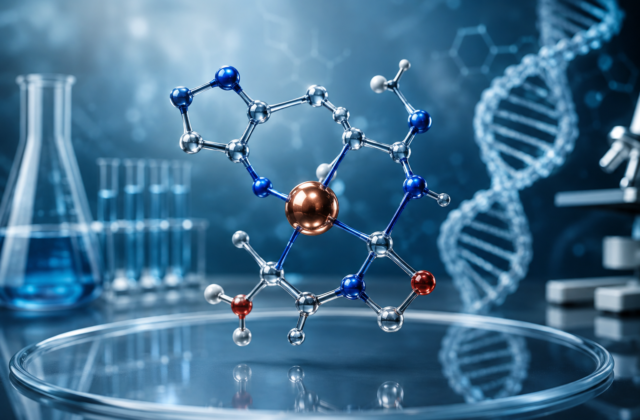
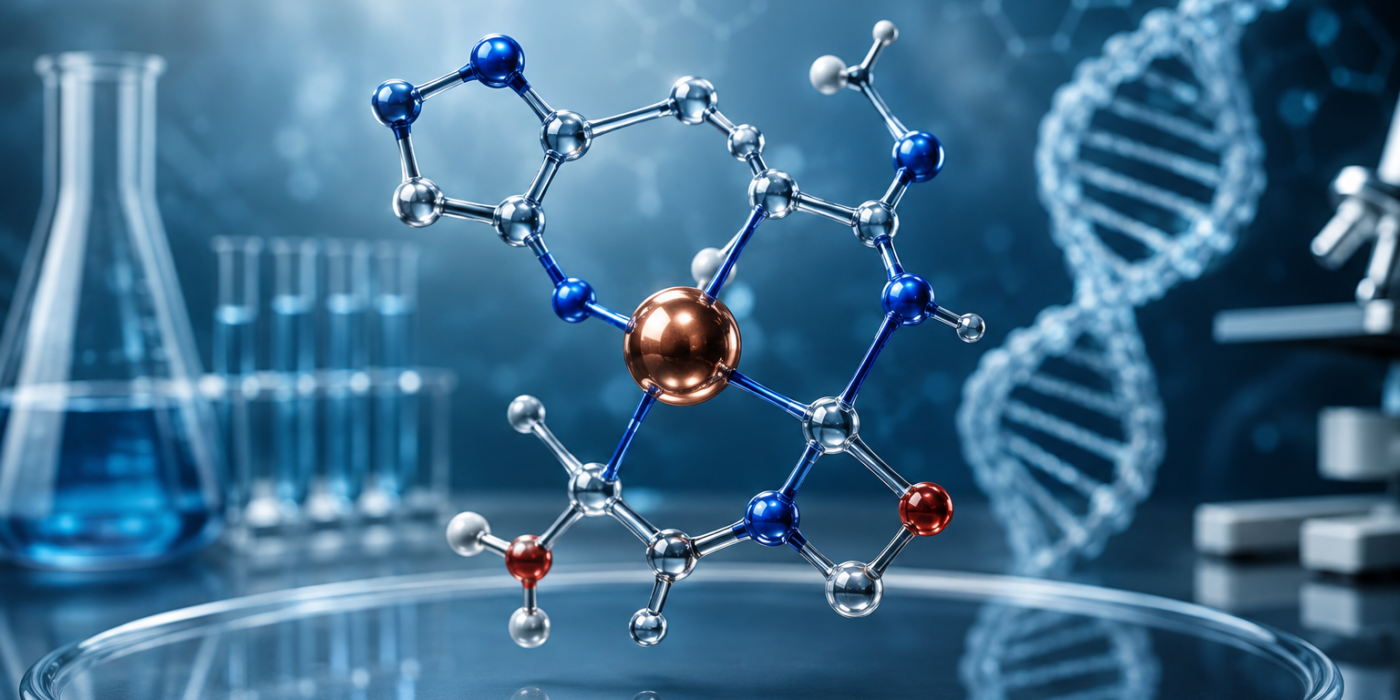
GHK-Cu consists of three amino acids—glycine, histidine, and lysine—bound to a copper(II) ion. This small molecule, weighing just 340-404 g/mol, creates an extraordinarily stable complex through a square-planar pyramid configuration. The binding affinity (pK = 16.44) ranks among the strongest of any tripeptide, approximately ten million times higher than comparable peptides and rivaling albumin’s copper-binding capacity.
This exceptional stability serves a critical purpose: it allows safe copper delivery without the toxic effects of free copper ions. When complexed with GHK, copper’s redox activity is effectively silenced, preventing oxidative damage while enabling controlled transport into cells where copper serves as an essential cofactor for numerous enzymes.
The Age-Related Decline
Natural GHK levels in human plasma tell a compelling story about aging:
- Age 20: ~200 ng/mL
- Age 60: ~80 ng/mL
- Total decline: 60%
This dramatic reduction correlates directly with age-related tissue degradation and decreased regenerative capacity. The peptide is released from extracellular matrix proteins during tissue injury, functioning as what scientists call a “matrikine” damage signal that activates repair mechanisms.
Gene Expression: A Master Regulator
Perhaps the most profound aspect of GHK-Cu’s biology is its comprehensive gene modulation. Research shows the peptide affects approximately 4,000 human genes (31.2% of the genome) at a ≥50% expression change threshold. Of these, 59% are upregulated while 41% are downregulated—generally shifting patterns from diseased toward healthier states.
DNA Repair and Tumor Suppression
The peptide significantly enhances DNA repair pathways, stimulating 47 repair genes including ATM (upregulated 80% in breast cancer cells, 120% in prostate cells). More strikingly, tumor suppressor genes show dramatic activation:
- TP73: +938%
- USP29 (stabilizes p53): +1,056%
- BRCA1, PTEN: upregulated
This tumor-protective signature led the Broad Institute Connectivity Map to select GHK-Cu as the best agent among 1,309 bioactive molecules for reversing metastatic colon cancer gene signatures.
Growth Factor Modulation
GHK-Cu orchestrates growth factor expression across multiple pathways:
- VEGF: dose-dependent increases promoting angiogenesis
- bFGF: +230% when combined with LED irradiation
- BDNF: stimulated for neurological support
- ANGPT1: +487% for vascular stabilization
- BMP-2: upregulated for bone regeneration
Inflammatory Suppression
The peptide suppresses inflammation through multiple mechanisms, including:
- Fibrinogen beta chain reduction of 475%
- TNF-α and IL-6 decrease via NF-κB pathway suppression
- 127 genes in COPD patients shifting from destruction to repair patterns
Collagen and Extracellular Matrix Remodeling
GHK-Cu stimulates collagen production through converging pathways, achieving up to 70% increases in collagen I at optimal 1 nanomolar concentration. Collagen III increases for tissue flexibility, while collagen IV shows a remarkable 25.4-fold increase when combined with hyaluronic acid.
Comprehensive Matrix Enhancement
Beyond collagen, the peptide supports:
| Component | Effect |
|---|---|
| Elastin | +30% at all concentrations |
| Decorin | +302% at 1 nM |
| Glycosaminoglycans | Biphasic accumulation |
| Dermatan/Chondroitin Sulfate | Increased production |
Metalloproteinase Balance
GHK-Cu demonstrates sophisticated biphasic MMP regulation—facilitating removal of damaged matrix proteins at low concentrations while preventing excessive degradation at higher concentrations. TIMPs increase across all tested concentrations, creating an elevated TIMP:MMP ratio that promotes healthy matrix turnover without excessive scarring.
Clinical Applications Across Systems
Skin Regeneration
Clinical trials demonstrate profound skin rejuvenation:
12-week facial study (71 women):
- Increased skin density and thickness
- Reduced laxity and fine lines
- Improved clarity
Comparative collagen production:
- GHK-Cu: 70% improvement
- Vitamin C: 50% improvement
- Retinoic Acid: 40% improvement
8-week randomized trial vs. Matrixyl® 3000:
- 55.8% wrinkle volume reduction vs. control
- 31.6% reduction vs. Matrixyl® 3000
- 32.8% wrinkle depth reduction vs. control
Wound Healing
Animal studies show dramatic acceleration:
- GHK-treated rats: 64.5% wound size reduction (13 days)
- Vehicle-treated: 45.6%
- Controls: 28.2%
Systemic administration in one body area improved healing at distant locations, demonstrating whole-body enhancement of collagen production and angiogenesis.
Hair Growth
GHK-Cu demonstrates efficacy comparable to 5% minoxidil, with:
- Increased hair follicle size and shaft thickness
- Extended anagen (growth) phase
- Shortened telogen (rest) phase
- Up to 90% inhibition of type 1 5-alpha reductase
Advanced delivery systems achieved follicle entry into growth phase in 6 days versus 9 days for minoxidil.
Respiratory Tissue
COPD fibroblasts restored to normal function at 10 nM concentration, with 127 genes shifting from destruction to repair patterns. Pulmonary fibrosis models showed reduced inflammatory infiltration and interstitial thickness.
Neurological Applications
Cognitive improvement in aged mice (10 mg/kg, 5x/week, 3 weeks):
- Faster escape hole finding in maze tests
- Decreased brain inflammation
- Increased histone deacetylase 2 labeling
Anti-anxiety effects at 0.5 μg/kg produced effects within 12 minutes, while anti-aggression effects reduced physical attacks 5-fold at the same dose.
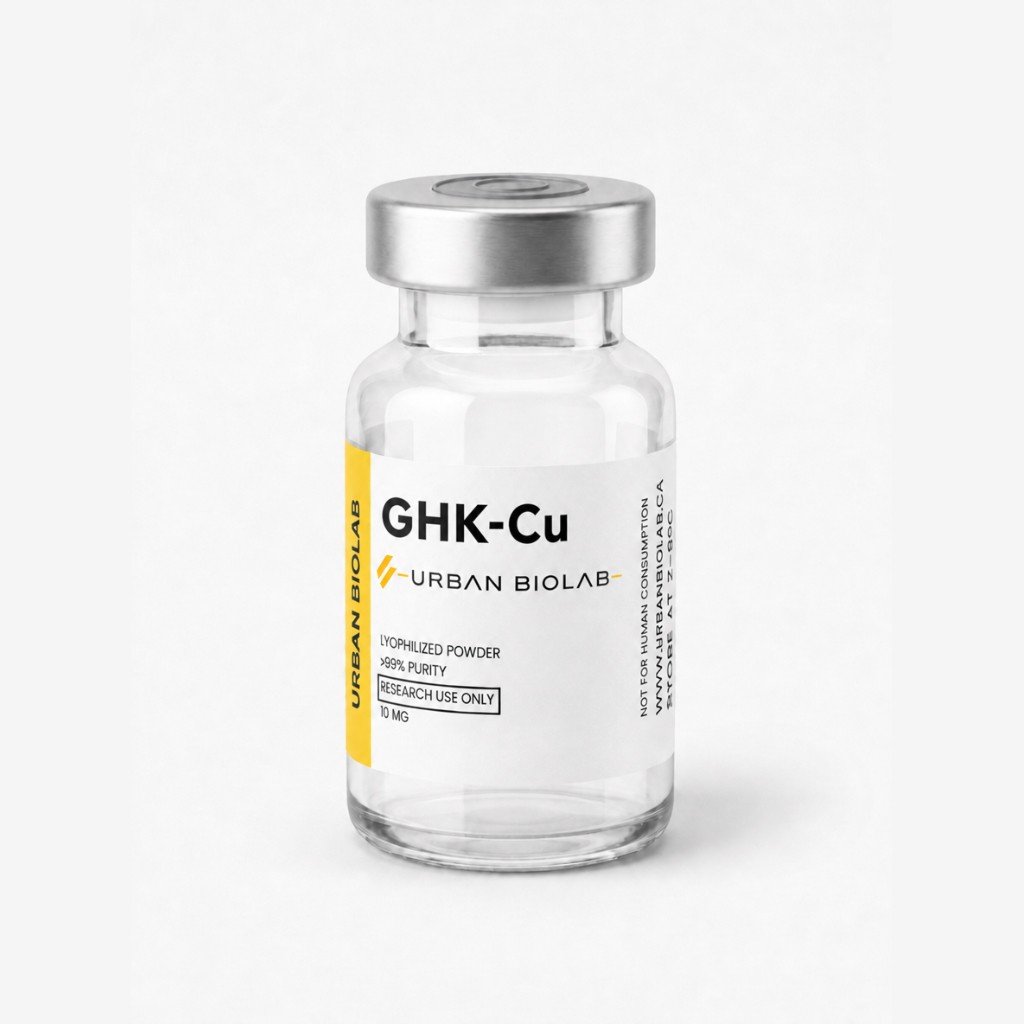
GHK-Cu 80MG
GHK-Cu 80mg is a copper-binding research peptide complex widely studied for its role in cellular signaling, tissue remodeling, and regenerative biology pathways. In laboratory research settings, GHK-Cu has attracted interest for investigations into wound-healing models, collagen synthesis pathways, and antioxidant activity, making it a valuable compound in skin, tissue, and cellular regeneration research.
Practical Dosing Protocols
Standard Injectable Dosing
| Application | Dose |
|---|---|
| Anti-aging/Skin | 1-2 mg daily |
| Wound healing | 2-3 mg daily or 2 mg 2-3x/week |
| Hair growth | 1-2 mg daily |
| Intensive protocols | 2-5 mg daily (medical supervision) |
Reconstitution
50 mg vial + 3 mL bacteriostatic water:
- Concentration: ~16.7 mg/mL
- 1 mg dose = 6 units (100-unit insulin syringe)
- 2 mg dose = 12 units
100 mg vial + 3 mL bacteriostatic water:
- Concentration: 33.3 mg/mL
- 1 mg dose = 3 units
- 2 mg dose = 6 units
Properly reconstituted GHK-Cu displays a characteristic dark blue color.
Cycling Protocols
Standard: 8-12 weeks on, 3-6 weeks off
Conservative: 4-6 weeks on, 2-4 weeks off
Extended (clinical): 12-16 weeks on, 4-6 weeks off
Storage
Lyophilized powder:
- Optimal: -20°C (2-3 years)
- Refrigerated: 2-8°C (12-24 months)
Reconstituted solution:
- 2-8°C refrigeration
- Protect from light
- Use within 30 days
- Never freeze
Safety Profile
Adverse Effects
Common:
- Injection site reactions (redness, swelling, mild pain)
- Bruising
- Transient burning sensation
Less common:
- Mild dizziness
- Temporary nausea/headache
- Mild fatigue at higher doses
Copper Toxicity Assessment
Theoretical concerns contrast sharply with actual risk:
- Toxic dose estimate: ~22,500 mg
- Typical weekly dose: 6 mg
- Safety margin: ~3,750-fold
GHK-Cu delivers copper chelated to the peptide (not free ionic copper), with redox activity silenced. Unlike copper salts, GHK-Cu does not cause oxidative damage and actually exhibits antioxidant properties.
Contraindications
Absolute:
- Wilson’s Disease
- Copper allergy
- Pregnancy/breastfeeding
Relative:
- Active cancer (requires supervision)
- Severe organ dysfunction
- Copper overload conditions
Peptide Stacking
Compatible Combinations
GLOW Blend:
- 50 mg GHK-Cu
- 10 mg TB-500
- 10 mg BPC-157
- Dose: 1.7-2.5 mg daily
KLOW Blend:
- 50 mg GHK-Cu
- 10 mg BPC-157
- 10 mg TB-500
- 10 mg KPV
- Dose: 2-2.5 mg daily
BPC-157 notably reduces GHK-Cu injection site discomfort.
Timing Considerations
- Vitamin C: Use topically at different times
- Retinoids/strong acids: Avoid combining topically
- GH peptides: Can use concurrently but inject separately
Quality Verification
Red Flags
- No purity documentation
- No Certificate of Analysis
- No labeling
- Significantly below-market pricing
Verification Steps
- Request COA showing ≥95% purity for injections
- Verify cold-chain shipping
- Confirm recent third-party testing (within 6 months)
- Check for proper labeling
Evidence Foundation
Human Clinical Trials
Multiple well-designed studies demonstrate skin rejuvenation efficacy, with GHK-Cu outperforming vitamin C and retinoic acid in comparative collagen production trials.
Animal Studies
Robust efficacy data across wound healing, hair growth, and organ protection models.
Molecular Research
Comprehensive gene expression profiling establishing effects on 31.2% of the human genome.
Safety Data
Four decades of research with favorable toxicity profiles and no documented cases of copper toxicity at recommended doses.
Summary
GHK-Cu represents one of the most thoroughly researched regenerative compounds available, with documented effects spanning:
- Gene expression modulation (4,000+ genes)
- Collagen and ECM synthesis
- Wound healing acceleration (30-50% faster)
- Hair follicle regeneration
- Anti-inflammatory and antioxidant activity
- Neurological support
- Respiratory tissue repair
Its remarkable safety profile, established through decades of research, combined with its broad-spectrum regenerative effects, positions GHK-Cu as a cornerstone compound for evidence-based regenerative medicine applications.
This overview synthesizes published research on GHK-Cu copper peptide. Injectable use in humans represents off-label experimental application requiring appropriate medical supervision.