A Comprehensive Analysis of Triple Receptor Agonism and Metabolic Restoration
The Over-40 Metabolic Trap: Understanding the Cycle
Something frustrating happens to men in their forties. The habits that once maintained your weight stop working. The energy that carried you through demanding workdays evaporates by early afternoon. Your motivation for physical activity diminishes, and your midsection expands despite your best efforts.
This isn’t a character flaw or a failure of willpower—it’s a predictable biological shift that accelerates after age 30, when testosterone levels begin declining approximately 1-2% annually. By 45, many men have lost 15-30% of their peak testosterone, and this decline compounds for those carrying excess abdominal fat.
The relationship between belly fat and testosterone operates as a self-reinforcing loop. Declining testosterone promotes fat accumulation, particularly visceral adipose tissue surrounding internal organs. That same belly fat then actively suppresses testosterone production through multiple mechanisms. Breaking this cycle requires addressing both the hormonal and metabolic components simultaneously.
How Visceral Fat Destroys Your Testosterone
Understanding why abdominal fat specifically targets testosterone requires examining adipose tissue’s endocrine function. Visceral fat isn’t passive storage—it’s an active organ pumping out compounds that systematically dismantle hormonal health.
The Aromatase Problem
The primary mechanism involves an enzyme called aromatase. Visceral adipose tissue contains significant aromatase concentrations, which convert circulating testosterone directly into estradiol, a form of estrogen. More visceral fat means greater aromatase activity. Greater aromatase activity means more testosterone converted to estrogen. Elevated estrogen then signals your hypothalamus and pituitary to reduce testosterone production further through negative feedback loops.
The numbers are striking: research from the National Health and Nutrition Examination Survey found that each standard deviation increase in visceral fat corresponds to an 11.74 ng/dL decrease in total testosterone among men over 40.
Beyond Aromatase: Multiple Suppression Pathways
Aromatase conversion represents only one pathway through which visceral fat suppresses testosterone:
- Inflammatory cytokines including TNF-alpha and interleukin-6 interfere with Leydig cell function in the testes, directly impairing testosterone synthesis
- Leptin resistance develops as visceral fat accumulates, contributing to continued overeating while suppressing testosterone through hypothalamic effects
- Insulin resistance elevates insulin levels, which inhibits sex hormone binding globulin production and disrupts normal hormonal signaling
- Adipokines from visceral fat disrupt the hypothalamic-pituitary-gonadal axis controlling testosterone production
The inflammatory environment extends beyond hormonal effects. Visceral fat releases inflammatory cytokines at rates far exceeding subcutaneous fat, contributing to the fatigue, brain fog, and general malaise men with central obesity often experience alongside low testosterone.
The Triple Receptor Advantage: Why Retatrutide Differs
Retatrutide represents a fundamentally different approach to weight management through simultaneous activation of three distinct receptor systems: GLP-1, GIP, and glucagon receptors. This comprehensive mechanism explains both its superior efficacy and its particular relevance for men struggling with testosterone-related weight gain.
Understanding the Three Pathways
GLP-1 (Glucagon-Like Peptide-1) receptor activation provides:
- Appetite suppression through hypothalamic signaling
- Slowed gastric emptying
- Reduced reward-based eating behaviors
- Improved insulin sensitivity
GIP (Glucose-Dependent Insulinotropic Polypeptide) receptor activation adds:
- Enhanced insulin secretion and glucose disposal
- Complementary appetite regulation through different brain pathways
- Improved fat metabolism and adipose tissue function
- Potential reduction of GLP-1-related nausea
Glucagon receptor activation is where retatrutide truly distinguishes itself:
- Increases hepatic energy expenditure and thermogenesis
- Enhances fat oxidation and breakdown
- Specifically targets visceral adipose tissue reduction
- Mobilizes liver glycogen stores
Comparative Efficacy
Clinical trial data demonstrates the superiority of triple agonism:
| Medication | Mechanism | Average Weight Loss |
|---|---|---|
| Semaglutide | GLP-1 only | 14.9% (68 weeks) |
| Tirzepatide | GLP-1 + GIP | 20.9% (72 weeks) |
| Retatrutide | GLP-1 + GIP + Glucagon | 24.2% (48 weeks) |
The synergy between these pathways creates effects greater than individual contributions suggest. Energy expenditure increases while appetite decreases. Fat oxidation accelerates while fat storage signals diminish. For men over 40 specifically, the glucagon-mediated visceral fat reduction addresses the precise adipose depot most responsible for testosterone suppression.
The Glucagon Receptor: Targeted Visceral Fat Elimination
Glucagon receptor activation distinguishes retatrutide from all predecessor medications and explains its particular efficacy for visceral fat reduction. Understanding how glucagon affects adipose tissue clarifies why this mechanism matters specifically for men over 40.
The Biology of Preferential Fat Loss
Glucagon naturally opposes insulin’s effects on metabolism. Where insulin promotes energy storage, glucagon promotes energy mobilization. In liver tissue, glucagon stimulates glycogenolysis and gluconeogenesis. In adipose tissue, glucagon activates lipolysis and thermogenesis.
Critically, visceral adipose tissue contains higher concentrations of glucagon receptors compared to subcutaneous fat. This differential receptor density means glucagon signaling preferentially targets the metabolically dangerous belly fat surrounding organs rather than the relatively benign fat beneath the skin. Retatrutide’s glucagon agonism exploits this biological architecture.
Measured Outcomes
Clinical trials measuring liver fat content via MRI found retatrutide reduced hepatic fat by 44% over 48 weeks. Body composition studies using DXA scanning revealed specific reductions in android visceral fat reaching 0.6 kg (1.3 lbs) in just 36 weeks.
Energy expenditure increases meaningfully with glucagon receptor activation. Unlike GLP-1 agonism alone, which primarily reduces caloric intake, glucagon agonism increases caloric expenditure. This dual approach of eating less while burning more creates larger energy deficits without requiring extreme caloric restriction.
Clinical Evidence: What the Data Shows
Phase 2 clinical trial data published in the New England Journal of Medicine provides compelling evidence for retatrutide’s efficacy across multiple doses and patient populations.
Weight Loss Outcomes
At the 12mg dose over 48 weeks, participants achieved mean weight loss of 24.2%. For a man starting at 240 pounds, this translates to approximately 58 pounds lost. Perhaps more significantly, not a single participant in the retatrutide groups showed weight gain or no weight loss—an unprecedented response rate suggesting the medication works reliably when dosed appropriately.
Waist circumference reductions averaged 7.7 inches at the 12mg dose. This metric matters enormously for testosterone optimization because waist circumference directly correlates with visceral adipose tissue volume. The reduction from a 44-inch waist to a 36-inch waist represents fundamental metabolic restructuring, not merely cosmetic improvement.
Sex-Specific Results
Subgroup analysis revealed that men achieved average weight loss of 22.8% at 48 weeks with the 12mg dose, slightly lower than the 25.3% achieved by women in the same cohort. However, both groups exceeded the 20% threshold considered approaching surgical intervention efficacy. Men experienced nausea at rates of 24% compared to 31% in women, suggesting potentially better tolerability.
Baseline BMI Influence
- Class 1 obesity (BMI 30-35): 26.8% average weight loss
- Class 2 obesity (BMI 35-40): 24.1% average weight loss
- Class 3 obesity (BMI 40+): 21.3% average weight loss
Lower percentage losses at higher BMIs often translate to equivalent or greater absolute pound losses.
Body Composition Changes
A body composition substudy found that retatrutide at 12mg produced up to 26.1% reduction in total body fat mass. While participants lost up to 6.5 kg of lean mass over 36 weeks, the proportion of lean mass loss to total weight loss remained comparable to other obesity treatments. The dramatic fat mass reductions of up to 10.9 kg meant the fat-to-lean loss ratio favored fat reduction significantly.
The Testosterone Rebound Effect
The relationship between weight loss and testosterone recovery follows predictable patterns that research has thoroughly documented. Multiple studies establish that approximately 100 ng/dL testosterone increase occurs for every 10% reduction in body weight.
Predicted Testosterone Improvements
A man losing 24% of body weight through retatrutide treatment could theoretically experience testosterone increases of 200-250 ng/dL. For a man starting at 300 ng/dL, this could mean reaching 500-550 ng/dL through fat loss alone—moving from functionally hypogonadal territory into normal ranges.
Why Visceral Fat Matters Most
Research specifically examining visceral fat reduction shows even stronger testosterone correlations than overall weight loss. A study using computed tomography to measure abdominal fat composition found that visceral fat area had stronger negative associations with testosterone than subcutaneous fat area or total body fat percentage. Retatrutide’s glucagon receptor component preferentially targets this precise fat depot.
The mechanism works through multiple simultaneous pathways:
- Reduced aromatase activity means less testosterone converts to estrogen
- Lower inflammatory cytokine production removes direct interference with testicular function
- Improved leptin sensitivity restores hypothalamic-pituitary-gonadal axis function
- Reduced insulin resistance allows Leydig cells to function more efficiently
Durability of Results
Testosterone recovery following weight loss appears durable when the weight loss is maintained. Studies following men who sustained significant weight reduction for 12-24 months showed testosterone improvements persisting throughout the follow-up period. This suggests that retatrutide-induced weight loss, if maintained through continued treatment or lifestyle modification, could produce lasting hormonal benefits.
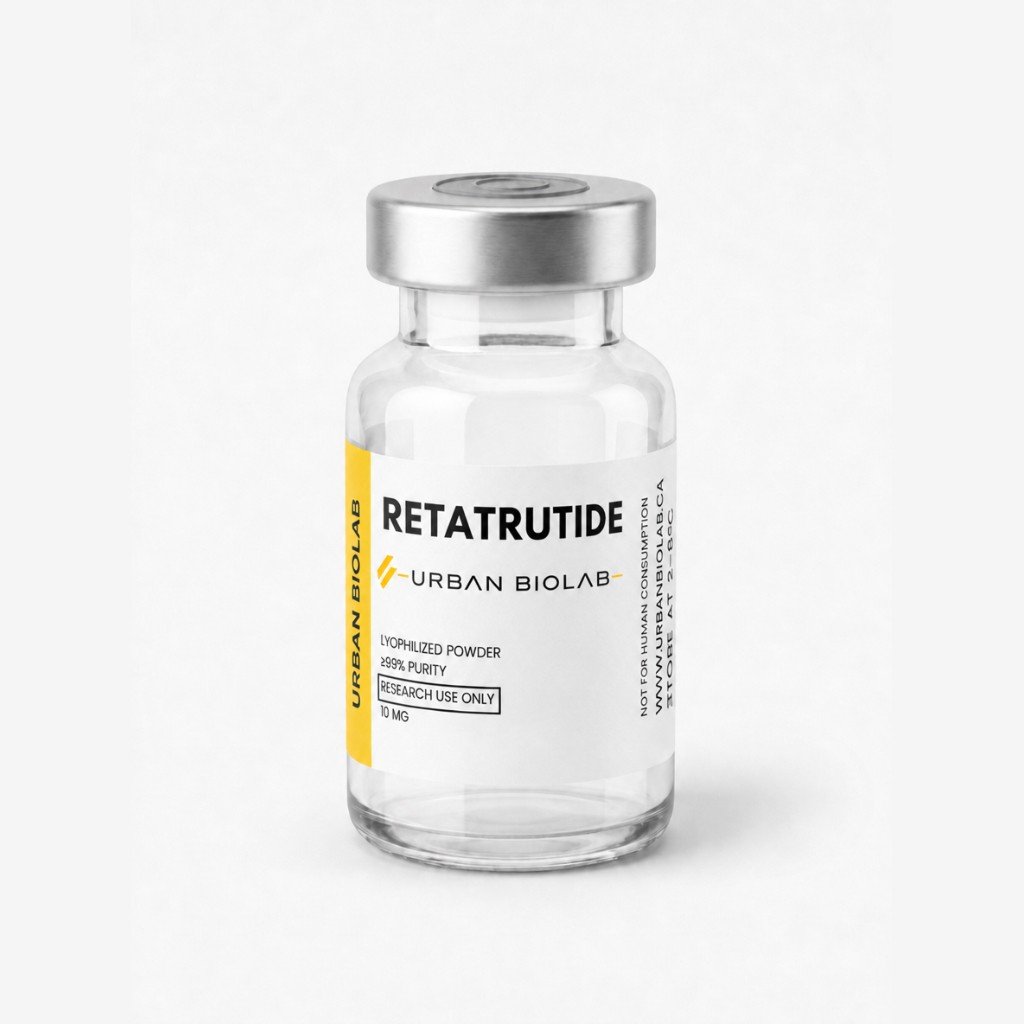
RT (Retatrutide) 10MG
Buy Retatrutide Canada: RT10 is a cutting-edge investigational peptide designed for advanced scientific exploration in metabolic health and weight management research. Known for its unique mechanism as a triple agonist (GLP-1, GIP, and glucagon receptors), it has shown promising potential in preclinical studies related to appetite regulation, fat metabolism, and glycemic control.
The Complete Treatment Timeline
Retatrutide dosing follows a gradual escalation protocol designed to minimize side effects while achieving therapeutic concentrations.
Standard Dose Escalation
| Weeks | Dose | Phase |
|---|---|---|
| 1-4 | 0.5mg weekly | Initial tolerance assessment |
| 5-8 | 1.0mg weekly | Building toward therapeutic range |
| 9-12 | 2.0mg weekly | Early therapeutic effects begin |
| 13-16 | 4.0mg weekly | Significant weight loss initiates |
| 17-20 | 8.0mg weekly | Approaching maximum efficacy |
| 21+ | 12.0mg weekly | Maximum therapeutic dose |
Expected Outcomes by Phase
Weeks 1-12 (0.5-2.0mg): Minimal weight loss occurs while your body adjusts. Mild appetite suppression may begin. Some gastrointestinal adaptation is normal. By week 12, noticeable appetite suppression should be evident with early weight loss of 5-8%. This is the assessment point where clinical trials evaluate early response as a predictor of long-term success.
Weeks 13-24 (4-8mg): The most dramatic weight loss phase occurs. Weekly losses of 1-2 pounds become common. Waist circumference reductions become visible. Energy levels often improve substantially.
Weeks 24-48 (12mg maintenance): Weight loss continues but may slow toward plateau around weeks 40-44. Total weight loss approaching 24% typically achieved. Metabolic improvements including blood pressure, lipids, and glucose normalize. Testosterone levels should show measurable improvement on repeat bloodwork.
Men over 40 should plan for a minimum 48-week treatment commitment to achieve optimal results. The gradual dose escalation takes 20 weeks to reach maximum dose, and full effects require an additional 6-7 months at therapeutic levels.
Preserving Muscle During Rapid Weight Loss
Rapid weight loss creates metabolic conditions favoring muscle catabolism alongside fat loss. For men over 40 already contending with age-related sarcopenia, protecting lean mass during treatment becomes critical.
The Protein Imperative
Protein intake requirements increase substantially during pharmacotherapy-assisted weight loss. Clinical trial participants who maintained 90+ grams of protein daily preserved lean mass markedly better than those with lower intake. For a man targeting 180 pounds, this translates to 105-140 grams daily, divided across 5-6 small meals to optimize absorption.
The appetite suppression that makes weight loss effortless can paradoxically lead to inadequate protein intake if nutrition is not deliberately optimized. Strategies that work include:
- Front-loading protein at breakfast with 30-40 grams
- Keeping convenient protein sources available
- Tracking intake using apps to ensure targets are met
Resistance Training: The Critical Variable
Resistance training provides the essential stimulus for muscle preservation that protein intake supports. Clinical trial participants who performed resistance training 2-3 times weekly lost 95% fat and only 5% muscle during rapid weight loss. Those who skipped resistance training lost 75% fat and 25% muscle despite equivalent total weight loss.
This difference in body composition produces dramatically different metabolic and hormonal outcomes. Specific recommendations include:
- Focus on major muscle groups with compound movements
- Training intensity matters more than volume during caloric restriction
- Two to three sessions weekly of 30-45 minutes provides sufficient stimulus
- Progressive overload should continue despite caloric deficit
Resistance training also directly stimulates testosterone production independent of body composition effects. Heavy compound movements like squats and deadlifts produce acute testosterone elevations of 15-20% that contribute to muscle protein synthesis.
Beyond Weight Loss: Metabolic Improvements
Retatrutide’s benefits extend far beyond scale weight, addressing conditions that often accompany low testosterone in men over 40.
Measured Improvements at 12mg
| Parameter | Improvement |
|---|---|
| A1C reduction (diabetics) | 2.02% |
| Blood pressure reduction | 6.8 mmHg systolic |
| Triglyceride reduction | 28% |
| Liver fat reduction | 44% |
| Prediabetes reversal | 72% of participants |
Glycemic control improvements rank among the most impressive benefits for men with prediabetes or type 2 diabetes. The 2.02% A1C reduction observed in diabetic participants matches or exceeds what most patients achieve adding second or third diabetes medications. In the trial subgroup with diabetes, 87% achieved A1C levels under 7.0%.
Liver fat reduction of 44% addresses non-alcoholic fatty liver disease, a condition affecting approximately 25-30% of North American adults and strongly associated with metabolic syndrome and low testosterone. This hepatic improvement supports overall metabolic health while potentially reducing liver-mediated interference with testosterone metabolism.
Managing Side Effects: What to Expect
Gastrointestinal side effects represent the primary tolerability concern with retatrutide, following patterns similar to other incretin-based medications.
Common Side Effects and Frequencies
| Side Effect | Frequency | Typical Course |
|---|---|---|
| Nausea | 28% | Resolves by week 12 |
| Diarrhea | 24% | Peaks weeks 4-8, then resolves |
| Constipation | 21% | Manageable with fiber and hydration |
| Vomiting | 17% | Usually mild and transient |
| Treatment discontinuation | 11.2% | Due to adverse events at 12mg |
Practical Management Strategies
For nausea:
- Eat small frequent meals rather than large portions
- Avoid lying down after eating
- Consume cold foods when nausea peaks
- Keep ginger products available
- Use acupressure wristbands at the P6 point
- Have over-the-counter anti-nausea medications available
For diarrhea:
- Increase fiber intake gradually
- Maintain adequate hydration
- Avoid trigger foods
- Temporary dose reduction if severe
For constipation:
- Consume 25-35 grams of fiber daily
- Drink 64-80 ounces of water minimum
- Use psyllium husk or other fiber supplements
- Stool softeners for persistent cases
The 11.2% discontinuation rate at the 12mg dose means approximately 89% of men successfully complete treatment when properly managing side effects. The first 12 weeks require the most active symptom management, after which most men report minimal ongoing issues.
Lifestyle Factors That Amplify Results
Retatrutide works best as part of a comprehensive metabolic optimization strategy rather than an isolated intervention.
Sleep Optimization
Sleep quality directly impacts testosterone production, which occurs primarily during REM sleep cycles in the early morning hours. Men averaging less than 6 hours nightly show testosterone levels 10-15% lower than those sleeping 7-8 hours. Obstructive sleep apnea, common in men with abdominal obesity, further suppresses nocturnal testosterone release.
Weight loss from retatrutide often improves sleep apnea symptoms and may allow discontinuation of CPAP therapy in some cases. Maintaining consistent sleep schedules, limiting screen exposure before bed, and treating sleep disorders appropriately all support optimal outcomes.
Stress Management
Chronic stress elevates cortisol, which promotes visceral fat storage, suppresses testosterone production, increases appetite for calorie-dense foods, and impairs sleep quality. The compound effects create significant obstacles that retatrutide alone cannot fully overcome.
Practical stress reduction approaches include regular exercise, time in nature, social connection, and mindfulness practices. Men who actively manage stress during treatment report better adherence, fewer side effects, and superior outcomes.
Alcohol Considerations
Alcohol directly suppresses testosterone production, promotes visceral fat storage, provides empty calories, disrupts sleep architecture, and increases nausea risk during treatment. Even moderate drinking of 2-3 drinks several times weekly can reduce testosterone by 6-10%.
For men serious about maximizing outcomes, a 48-week alcohol abstinence during the active weight loss phase produces significantly better results than continued moderate drinking. This represents a temporary sacrifice for potentially permanent improvements.
Laboratory Monitoring Protocol
Comprehensive laboratory monitoring optimizes both safety and outcomes during treatment.
Baseline Assessment
Before starting treatment, obtain:
- Complete metabolic panel (glucose, kidney function, electrolytes)
- Lipid panel (triglycerides, LDL, HDL)
- Hemoglobin A1C
- Liver function tests (ALT, AST)
- Complete blood count
- Total and free testosterone with sex hormone binding globulin
- TSH for thyroid function
Many men discover through baseline testing that their testosterone levels are lower than expected, often in the 250-350 ng/dL range despite feeling “normal.” This establishes the starting point for tracking improvement.
Follow-Up Monitoring
Week 12: Repeat metabolic panel, A1C in diabetics or prediabetics, liver enzymes. Weight and waist circumference measurements quantify progress.
Weeks 24 and 48: Testosterone retesting to document hormonal improvement from fat loss. Lipid panels typically show substantial improvement by week 24. Consider DXA body composition scanning if available to differentiate fat from muscle loss.
Contraindications
Retatrutide should not be used by individuals with:
- Personal or family history of medullary thyroid cancer
- Multiple endocrine neoplasia syndrome type 2
- History of pancreatitis
- Severe gastrointestinal disease
Nutrition Optimization for Men Over 40
Appetite suppression creates both opportunity and challenge. The reduced desire to eat makes caloric deficit effortless. However, that same suppression can lead to inadequate protein intake, micronutrient deficiencies, and muscle loss if nutrition is not deliberately optimized.
Daily Nutrition Targets
| Nutrient | Target | Purpose |
|---|---|---|
| Protein | 130-170g | Muscle preservation |
| Healthy Fats | 30-50g | Gallbladder function, hormone production |
| Fiber | 25-35g | Constipation prevention |
| Water | 64-80 oz | Dehydration prevention |
| Calories | 1500+ minimum | Below this increases muscle loss |
Protein Prioritization
Every meal should answer the question “where is my protein coming from?” before considering anything else. The combination of caloric restriction, age-related anabolic resistance, and rapid weight loss creates conditions that favor muscle catabolism. Counteracting this requires deliberate protein prioritization at every eating occasion.
Gallbladder Protection
Healthy fat intake supports gallbladder function during rapid weight loss. Bile becomes supersaturated with cholesterol when fat intake drops too low, creating conditions for gallstone formation. Targeting 30-50 grams of healthy fats daily maintains gallbladder function. Olive oil, avocado, nuts, and fatty fish easily achieve this target.
Exercise Programming During Treatment
Exercise during retatrutide treatment serves specific purposes beyond general health.
Resistance Training Priority
Resistance training takes priority over cardiovascular exercise for men over 40 on retatrutide. The research is unambiguous: dieters who perform resistance training preserve dramatically more muscle than those who do not, despite identical weight loss.
Practical programming should focus on compound movements targeting major muscle groups. Squats, deadlifts, bench press, overhead press, and rows provide maximum muscle stimulus with minimum time investment. Two to three sessions weekly of 30-45 minutes suffices during caloric restriction.
Cardiovascular Exercise
Moderate cardio of 2-3 sessions weekly, 20-30 minutes each, provides complementary benefits including accelerated fat loss, improved cardiovascular markers, and enhanced insulin sensitivity. However, excessive cardio during rapid weight loss can accelerate muscle loss by increasing caloric deficit beyond what protein intake can compensate.
Timing Considerations
Training fasted increases hypoglycemia risk given retatrutide’s glucose-lowering effects. A protein-containing meal 1-2 hours before training and a protein-rich meal within 2 hours after training optimizes both performance and muscle protein synthesis.
The Psychological Dimension
Rapid weight loss triggers psychological adaptations that men over 40 should anticipate and prepare for.
Identity Shifts
Men who have identified as “big guys” for years may experience unexpected disorientation as their physical presence diminishes. Social dynamics change as others treat them differently. Relationships shift as partners adjust to the new physical reality. These changes, while generally positive, require psychological processing.
Food Relationship Transformation
Men who previously organized their days around meals discover that food becomes almost irrelevant. The emotional eating patterns that developed over decades lose their power when appetite suppression eliminates the physical drive to eat. Many men report that treatment reveals how much of their previous eating was emotional rather than physical—eating when stressed, bored, celebratory, or socializing rather than hungry.
Body Image Adjustment
Body dysmorphia can emerge as men lose significant weight but struggle to update their mental self-image. Progress photos taken monthly help recalibrate self-perception as visual evidence accumulates. Setting realistic expectations about loose skin—which may require surgical intervention for men losing 50+ pounds—prevents disappointment.
Accessing Retatrutide
Retatrutide remains in Phase 3 clinical trials with FDA approval anticipated between late 2026 and early 2027. Health Canada approval typically follows FDA approval by 6-12 months.
Current Access Options
Clinical trial participation represents one pathway. Several Canadian sites are enrolling participants for ongoing Phase 3 trials. Eligibility typically requires BMI 30+ or BMI 27+ with weight-related health conditions.
Research peptide suppliers offer another avenue for Canadians seeking access before official approval. These products are sold explicitly for research purposes. Quality varies significantly between suppliers, making third-party testing documentation essential.
The Importance of Physician Supervision
Metabolic medications of this potency require baseline assessment of cardiovascular health, thyroid function, and metabolic parameters. Ongoing monitoring for side effects and appropriate dose adjustments improve both safety and outcomes. Canadian men’s health clinics increasingly offer oversight for peptide protocols outside traditional pharmaceutical channels.
Frequently Asked Questions
How much weight can a man over 40 realistically expect to lose?
Clinical trial data shows men achieved average weight loss of 22.8% at 48 weeks with the 12mg dose. For a 230-pound man, this translates to approximately 52 pounds. Essentially all trial participants achieved meaningful weight reduction with no cases of weight gain or no loss.
Will my testosterone actually increase from losing belly fat?
Research consistently demonstrates approximately 100 ng/dL testosterone increase for every 10% reduction in body weight. A man achieving 24% weight loss might expect testosterone increases of 200-250 ng/dL through fat reduction alone.
How is retatrutide different from semaglutide or tirzepatide?
Retatrutide activates three receptors (GLP-1, GIP, and glucagon) compared to tirzepatide’s two or semaglutide’s one. The glucagon receptor component specifically increases energy expenditure and preferentially targets visceral fat.
Will I lose muscle mass during rapid weight loss?
Some lean mass loss occurs during any significant weight loss. However, maintaining protein intake of 0.8-1.0 grams per pound of ideal body weight and performing resistance training 2-3 times weekly dramatically improves lean mass preservation.
How long do I need to take retatrutide?
Clinical trials demonstrate continued weight loss through 48 weeks without clear plateau. For optimal results, plan for at least 48 weeks of treatment. Maintaining weight loss after discontinuation requires intensive lifestyle modification.
What happens to my testosterone if I stop and regain weight?
Weight regain typically reverses the testosterone improvements achieved through fat loss. Visceral fat accumulation restores aromatase activity and other mechanisms that suppress testosterone. This underscores the importance of maintaining weight loss for lasting hormonal benefits.
Can I take retatrutide with testosterone replacement therapy?
Yes, retatrutide and testosterone replacement therapy work through different mechanisms and can be used concurrently. Some men may find that sufficient weight loss reduces or eliminates their need for testosterone supplementation.
Glossary of Key Terms
Aromatase: An enzyme found in adipose tissue that converts testosterone to estradiol (estrogen). Higher body fat means more aromatase activity and more testosterone conversion.
Visceral Adipose Tissue (VAT): Fat stored deep within the abdominal cavity surrounding internal organs. More metabolically active and dangerous than subcutaneous fat. Primary target for testosterone suppression mechanisms.
GLP-1 (Glucagon-Like Peptide-1): An incretin hormone that slows gastric emptying, increases insulin secretion, and reduces appetite.
GIP (Glucose-Dependent Insulinotropic Polypeptide): An incretin hormone influencing insulin secretion and fat metabolism.
Glucagon Receptor: A receptor that when activated increases energy expenditure, fat oxidation, and hepatic glucose production.
Triple Agonist: A medication that activates three distinct receptor types simultaneously. Retatrutide is the only approved or near-approval weight loss medication with triple agonist activity.
Hypogonadism: A condition characterized by abnormally low testosterone production. Functionally defined as total testosterone below 300 ng/dL with symptoms.
Leptin: A hormone produced by fat cells that signals satiety to the brain. Leptin resistance develops with increasing adiposity.
Thermogenesis: The production of heat through metabolic processes. Glucagon receptor activation increases thermogenesis.
Lipolysis: The breakdown of stored fat into fatty acids and glycerol for energy use.
Sarcopenia: Age-related loss of muscle mass and strength. Accelerates after age 40 and worsens with low testosterone and sedentary lifestyle.
References
- Jastreboff AM, Kaplan LM, Frias JP, et al. Triple-Hormone-Receptor Agonist Retatrutide for Obesity – A Phase 2 Trial. New England Journal of Medicine. 2023;389(6):514-526.
- Wang H, Yang X, Zhou R, et al. The Impact of Visceral Adiposity on Testosterone Levels in American Adult Men: A Cross-Sectional Analysis. Medical Science Monitor. 2023;29:e940356.
- Ng Tang Fui M, Prendergast LA, Dupuis P, et al. Effects of testosterone treatment on body fat and lean mass in obese men on a hypocaloric diet: a randomised controlled trial. BMC Medicine. 2016;14:153.
This article is intended for educational purposes and does not constitute medical advice. Consult with a qualified healthcare provider before initiating any new treatment protocol.