By Russell Barnes, Health & Wellness Writer | Ottawa, Ontario
Medically reviewed by Dr. Sarah Mitchell, MD, FRCPC | Updated November 7, 2026
The Short Answer
If you’re wrestling with obesity—or carrying extra weight alongside conditions like prediabetes or high blood pressure—Tirzepatide is genuinely worth considering.
Here’s why I say that: clinical data shows people lose an average of 20.2% of their body weight over 72 weeks. That’s not a typo. For someone starting at 250 pounds, we’re talking about roughly 50 pounds gone.
And when researchers pitted it head-to-head against Semaglutide (the previous gold standard), Tirzepatide delivered 47% more weight loss. That’s a meaningful gap.
Beyond the scale, the medication cuts diabetes risk by up to 94% in people with prediabetes and improves blood pressure, cholesterol, and overall quality of life. Side effects? Mostly manageable gastrointestinal stuff that fades after the first few months.
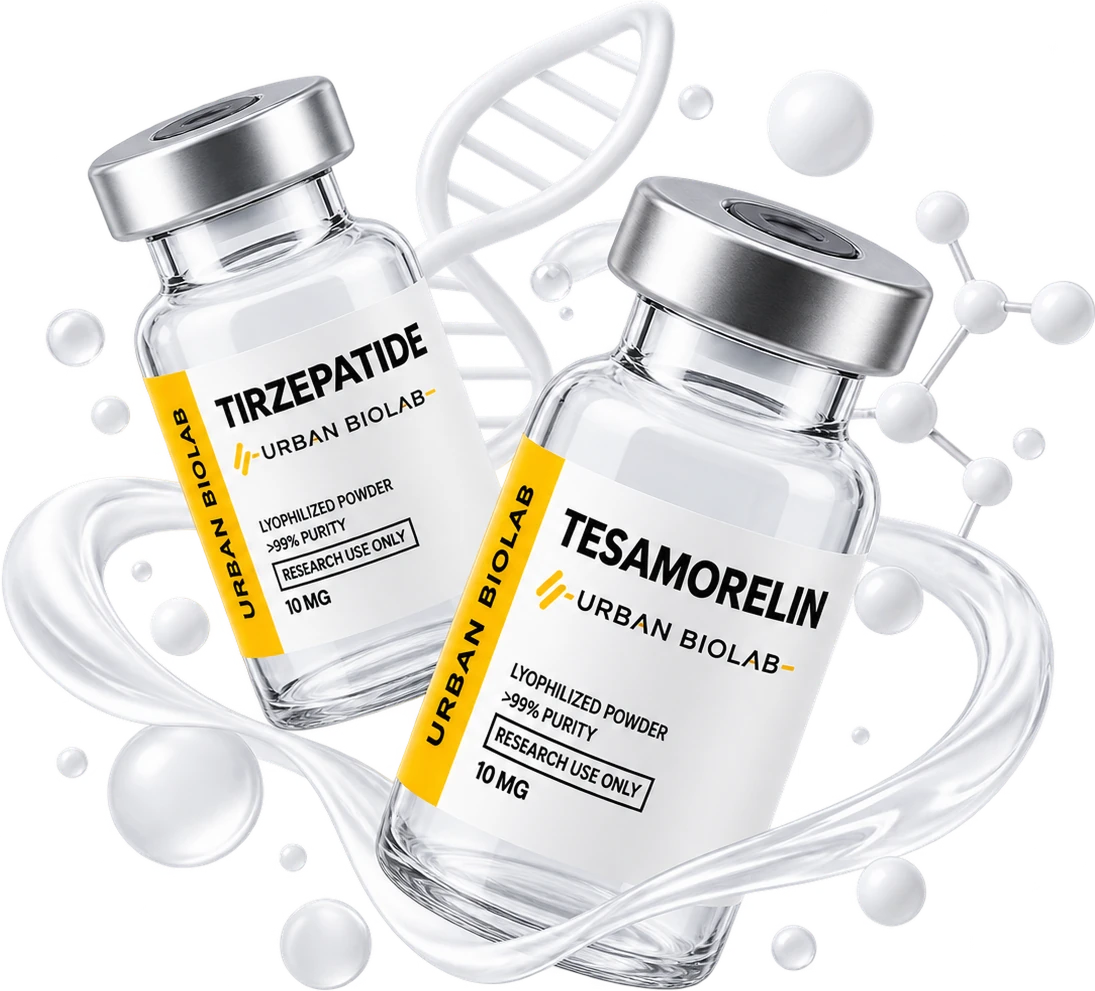
For Canadians exploring research peptide options, Tirzepatide stands as the most advanced dual-receptor agonist available today.
Nathan’s Story: 55 Pounds and a Smile From His Doctor
Nathan Powell, 47, from Winnipeg, watched his weight climb for years. When he hit 267 pounds, his doctor flagged his A1C as prediabetic and his knees were constantly aching.
He started Tirzepatide in March after weeks of research. The first month brought some queasiness after meals—uncomfortable but not unbearable. By week six, it had mostly faded.
The real surprise? How his relationship with food transformed. The constant mental chatter about meals and snacks quieted down. Normal portions satisfied him. No white-knuckling required.
Eight months later, he weighs 212 pounds. That’s 55 pounds gone. His A1C dropped from 6.2 to 5.4. His doctor smiled during the last checkup—a small miracle in Nathan’s words.
Nathan’s Protocol:
- Weeks 1-4: 2.5mg weekly
- Weeks 5-8: 5mg weekly
- Weeks 9-12: 7.5mg weekly
- Week 13+: 10mg weekly (maintenance)
What Makes Tirzepatide Different?
This isn’t your older sister’s weight loss drug. Tirzepatide activates two hormone receptors simultaneously—GLP-1 and GIP—producing effects researchers once thought impossible from a single medication.
Here’s how it works: when you eat, your intestines release these hormones to signal fullness and regulate blood sugar. Tirzepatide amplifies those signals dramatically, making portion control feel natural rather than forced.
GLP-1 activation slows gastric emptying (food stays in your stomach longer), creating prolonged fullness. It also works directly in the brain’s appetite centers, reducing hunger at its source.
GIP activation adds something unique. This hormone improves nutrient processing and enhances insulin secretion. Research suggests it may also buffer some of the gastrointestinal side effects associated with GLP-1 medications alone. That could explain why Tirzepatide shows better tolerability than single-receptor drugs despite producing greater weight loss.
The bottom line: Dual receptor action produces roughly 47% greater weight loss than GLP-1-only medications while maintaining comparable or better tolerability.
The medication comes as a once-weekly subcutaneous injection using a pre-filled pen. The process takes seconds, and most people adapt quickly. Weekly dosing beats daily medications for convenience.
The Clinical Trial Numbers That Matter
The SURMOUNT program represents the most thorough obesity medication research ever conducted. These trials established Tirzepatide as the most effective weight loss medication ever approved.
SURMOUNT-1: The Flagship Trial
Adults with obesity (without diabetes) received either Tirzepatide or placebo for 72 weeks. At the highest dose (15mg weekly), participants lost an average of 22.5% of starting body weight. Some exceeded 30%.
For perspective: a 250-pound person would lose approximately 56 pounds on average. Half of participants lost even more. These are numbers we used to see only with bariatric surgery.
SURMOUNT-5: The Head-to-Head Showdown
This trial directly compared Tirzepatide against Semaglutide (Wegovy). At 72 weeks:
- Tirzepatide: 20.2% average weight loss
- Semaglutide: 13.7% average weight loss
That’s 47% greater relative improvement. Waist circumference told a similar story: 7.2 inches lost versus 5.1 inches. Since abdominal fat carries the highest health risks, these reductions translate directly to improved metabolic markers.
SURMOUNT-4: The Long-Term Question
What happens when you stop? Participants who continued treatment maintained their losses and reached 25.3% total weight loss at 88 weeks. Those who switched to placebo regained substantial weight. This highlights the importance of continued therapy.
Trial Results at a Glance
| Trial | Duration | Weight Loss | Key Finding |
|---|---|---|---|
| SURMOUNT-1 | 72 weeks | 22.5% (15mg) | Highest weight loss for any approved medication |
| SURMOUNT-2 | 72 weeks | 15.7% (15mg) | Effective in people with type 2 diabetes |
| SURMOUNT-3 | 176 weeks | Maintained | 94% reduction in diabetes progression |
| SURMOUNT-4 | 88 weeks | 25.3% | Continued treatment maintains and increases loss |
| SURMOUNT-5 | 72 weeks | 20.2% | 47% superior to Semaglutide |
What to Realistically Expect
Trial averages provide useful benchmarks, but individual results vary based on starting weight, metabolic factors, diet, and activity levels.
Weeks 1-4: Most people notice appetite changes within two to four weeks. Food becomes less interesting. The constant mental chatter about meals quiets down. Weight loss during this initial dosing phase is often modest—perhaps 2-4% of starting weight. Patience here pays dividends later.
Weeks 4-24: This is the “sweet spot.” Appetite suppression peaks, metabolic changes compound, and most people see their fastest weekly losses. Expecting 1-2% of remaining body weight lost per week during this phase is reasonable.
After Week 24: The rate of loss typically slows. This doesn’t mean the medication stopped working. Your body requires fewer calories at a lower weight, and a new equilibrium establishes itself. Continued treatment maintains the loss and may produce additional modest reductions over time.
Typical Weight Loss Timeline (Starting Weight: 250 lbs)
| Week | Expected Loss | What’s Happening |
|---|---|---|
| 4 | 5-10 lbs | Adjustment period, appetite changes beginning |
| 12 | 20-25 lbs | Acceleration phase, visible changes appearing |
| 24 | 35-45 lbs | Peak velocity, clothing sizes changing |
| 48 | 45-55 lbs | Approaching plateau, metabolic improvements solidifying |
| 72 | 50-60 lbs | Maintenance phase, long-term stability achieved |
Important: Individual results vary significantly. Factors within your control—particularly protein intake and physical activity—influence outcomes meaningfully.
Benefits Beyond the Scale
Weight loss grabs headlines, but Tirzepatide delivers improvements across numerous health markers that may prove equally valuable for long-term wellbeing. These metabolic benefits often appear before significant weight loss occurs.
Blood Sugar Control
The SURMOUNT-3 extension trial followed participants with prediabetes for 176 weeks. Only 1.3% progressed to diabetes compared to 13.3% taking placebo. That 94% risk reduction could prevent millions of diabetes cases if applied broadly.
Cardiovascular Improvements
Blood pressure typically drops 5-10 mmHg systolic within the first few months. Triglycerides drop substantially—often 25-30%. HDL (the protective cholesterol) tends to increase while harmful LDL particles decrease.
Liver Health
Many people with obesity have fatty liver disease without knowing it. Tirzepatide reduces liver fat content and improves liver enzyme levels. Some research suggests potential for reversing early-stage liver damage.
Quality of Life
Clinical trial participants reported better physical function, increased energy, reduced joint pain, and improved mental health scores. Sleep quality often improves as sleep apnea symptoms diminish.
The Numbers
| Marker | Improvement |
|---|---|
| Diabetes progression risk | 94% reduction |
| Systolic blood pressure | 5-10 mmHg reduction |
| Triglycerides | 25-30% reduction |
| Waist circumference | 7.2 inches average reduction |
My take: The metabolic benefits often get overshadowed by weight loss discussions, but they might be the most important outcomes. Preventing diabetes, reducing cardiovascular risk, and improving liver health translate to years of healthy life gained.
Side Effects: What to Expect and How to Manage Them
No medication works without trade-offs. Tirzepatide produces side effects in most users, particularly during early weeks. Understanding what to expect helps ensure treatment success.
The Common Players
| Side Effect | Frequency | Timeline | Management |
|---|---|---|---|
| Nausea | ~25% | Peaks weeks 4-10 | Smaller meals, avoid high-fat foods, stay hydrated |
| Diarrhea | ~18% | Early treatment | Increase fiber gradually, stay hydrated |
| Constipation | ~12% | Variable | Fiber, water, gentle movement |
| Decreased appetite | ~20% | Throughout | This is the therapeutic effect working |
| Injection site reactions | 3-5% | Early treatment | Rotate sites, allow alcohol to dry |
Side effects correlate strongly with dose increases rather than absolute dose. The gradual escalation protocol exists specifically to minimize these effects. When you increase from 5mg to 7.5mg, expect some temporary GI symptoms that resolve within 1-2 weeks.
Timing matters: Side effects peak during weeks 4-10 when doses increase most frequently. By week 12-16, most people report minimal ongoing symptoms. Month 3 often represents a turning point.
Practical Tips for Managing Side Effects
- Eat smaller meals—delayed gastric emptying makes large portions uncomfortable
- Reduce fat intake—fatty foods worsen nausea
- Try cold foods—they often settle better than hot foods during peak symptoms
- Eat slowly—stop at the first sign of fullness
- Stay hydrated—aim for at least 64 ounces of water daily
Serious Side Effects (Rare)
- Pancreatitis: less than 0.2% of users
- Gallbladder problems: 1-2%, risk increases during rapid weight loss
- Thyroid tumors: boxed warning based on rodent studies; human evidence remains limited
Who should avoid: Anyone with personal or family history of medullary thyroid cancer or Multiple Endocrine Neoplasia syndrome type 2.
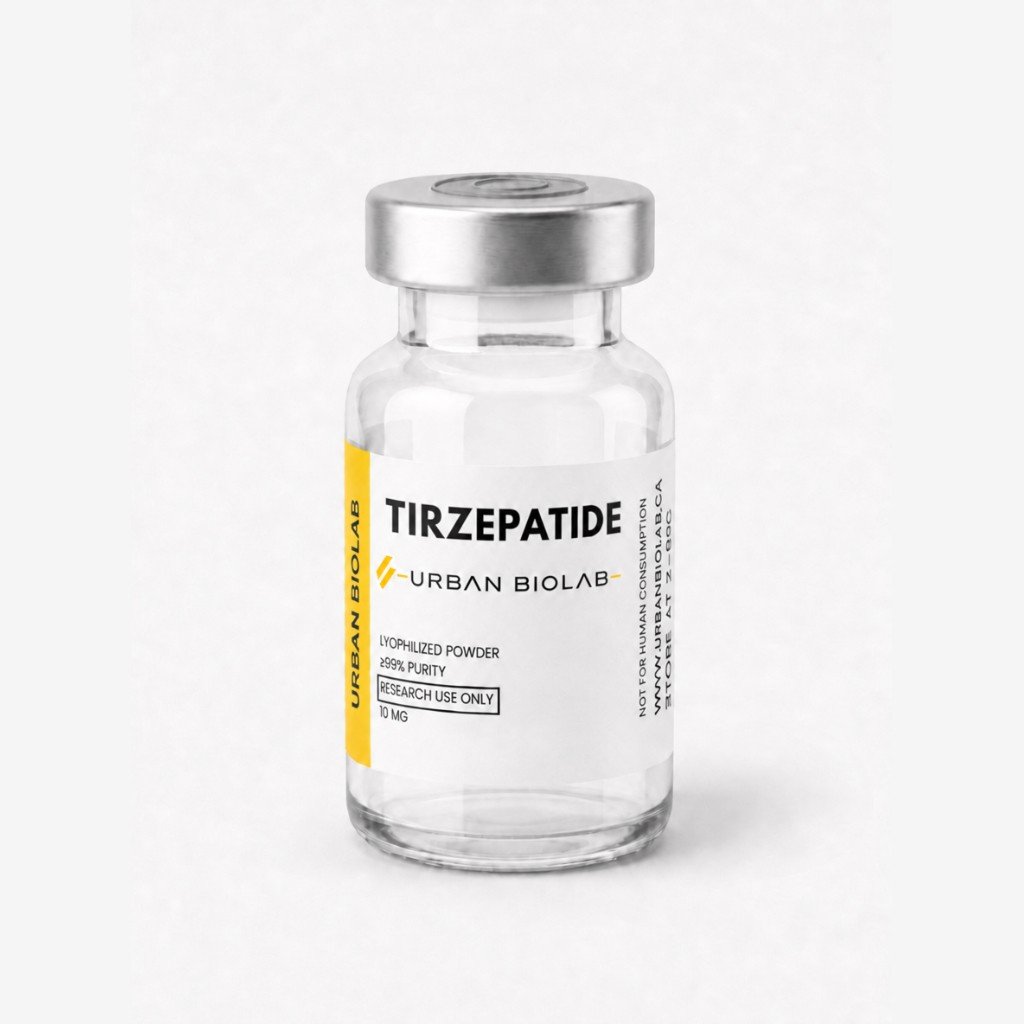
Tirzepatide 60MG
Tirzepatide 10mg is a synthetic research peptide classified as a dual GIP and GLP-1 receptor agonist, widely studied for its role in glucose metabolism, insulin signaling, and appetite regulation pathways. In laboratory research settings, Tirzepatide is of interest for investigations into metabolic regulation, energy balance, and endocrine system signaling.
Dosing: Slow and Steady Wins the Race
The gradual escalation protocol isn’t optional—it’s essential for tolerability and success.
Standard Escalation
| Weeks | Dose |
|---|---|
| 1-4 | 2.5mg weekly |
| 5-8 | 5mg weekly |
| 9-12 | 7.5mg weekly |
| 13-16 | 10mg weekly |
| 17+ | 12.5mg or 15mg weekly (maintenance) |
The entire escalation process takes approximately 16-20 weeks. Rushing through it dramatically increases side effects without improving long-term outcomes.
Administration Tips
- Inject subcutaneously (into fat tissue, not muscle)
- Pinch a fold of skin, insert at 90-degree angle, inject slowly
- Rotate sites between abdomen, thigh, and upper arm
- Pick a consistent day each week
Missing a dose: If fewer than 5 days have passed, take it when you remember. If more than 5 days, skip and resume your regular schedule. Never double up.
Storage: Keep unused pens refrigerated (2-8°C). Once in use, a pen can stay at room temperature (up to 30°C) for 21 days. Protect from light. Never freeze.
Tirzepatide vs. Semaglutide: The Verdict
The SURMOUNT-5 trial answered this question definitively for most situations. Tirzepatide outperformed Semaglutide on every measured endpoint.
| Factor | Tirzepatide | Semaglutide |
|---|---|---|
| Average Weight Loss | 20.2% | 13.7% |
| Mechanism | Dual GIP/GLP-1 | GLP-1 only |
| Nausea Rate | 25% | 44% |
| Waist Reduction | 7.2 inches | 5.1 inches |
| Dosing | Weekly injection | Weekly injection |
| Cardiovascular Data | Trial ongoing | Proven benefit |
Where Tirzepatide wins: Better weight loss, comparable or better tolerability, greater waist reduction.
Where Semaglutide maintains an edge: The SELECT trial demonstrated that Semaglutide reduces major adverse cardiovascular events by 20% in people with obesity and established heart disease. Tirzepatide cardiovascular outcome trials remain ongoing. For someone with existing heart disease, this proven benefit may tip the balance.
My take: For most people seeking weight loss without established cardiovascular disease, Tirzepatide represents the better choice. The efficacy advantage is substantial, and the tolerability profile appears at least equivalent.
The Cost Conversation
Let’s be direct: Tirzepatide isn’t cheap. Understanding the full financial picture helps determine whether the investment makes sense for your situation.
US Pricing
- Retail (Zepbound): ~$1,060 USD monthly
- With manufacturer savings card: As low as $25 USD for commercially insured patients
- 12-month total at retail: $12,720
Canadian Access
Canadian prices vary depending on access pathway. Provincial coverage varies significantly. Private insurance depends on plan details.
The Value Proposition
What do you receive for the investment?
- Average weight loss of 50+ pounds (for a 250-pound person)
- Dramatically reduced diabetes risk
- Lower blood pressure and improved cholesterol
- Better quality of life
- Potential reduction in other healthcare costs over time
Cost Comparisons
| Option | Monthly Cost | Results |
|---|---|---|
| Tirzepatide | $300-1,060 | 20-25% weight loss |
| Bariatric surgery | $20,000-30,000 (one-time) | 25-30% weight loss |
| Commercial programs | $300-600 | Inferior results |
| Personal training | $500-1,000 | Inferior results |
My take: Calculate the monthly cost you can realistically sustain, then determine if that fits your budget for at least 12 months. Starting treatment without the ability to continue produces disappointing results as weight regains upon discontinuation.
Who Should Consider Tirzepatide?
Approved Indications
- BMI of 30 or greater (obesity), OR
- BMI of 27 or greater with at least one weight-related health condition (type 2 diabetes, hypertension, high cholesterol, sleep apnea, cardiovascular disease)
The Ideal Candidate
- Meets BMI criteria
- Has tried diet and exercise without sufficient success
- Willing to commit to long-term treatment
- Able to afford sustained costs
- No contraindications
- Ready to implement dietary changes alongside medication
Standout Use Cases
Prediabetes: The 94% reduction in diabetes progression means Tirzepatide could prevent a lifelong chronic disease. For someone in this position, the medication offers genuine disease prevention rather than just weight management.
Type 2 diabetes: Tirzepatide originally received approval for diabetes (as Mounjaro) before the obesity indication (Zepbound). It produces excellent blood sugar control while simultaneously addressing weight.
Contraindications
- Personal or family history of medullary thyroid cancer
- Multiple Endocrine Neoplasia syndrome type 2 (MEN2)
- History of pancreatitis (requires careful consideration)
- Pregnancy or plans to become pregnant within 2-3 months
The Long Game: Maintenance and Beyond
Obesity is a chronic condition requiring chronic treatment. The SURMOUNT-4 trial demonstrated clearly what happens when treatment stops: participants who switched to placebo regained substantial weight. Those who continued maintained their losses and achieved additional reduction.
Weight Regain Is Physiology, Not Failure
Your body has numerous compensatory mechanisms that work to restore previous weight. Hunger hormones increase. Metabolic rate decreases. The signals that drove overeating return. Fighting this biology through willpower alone rarely succeeds long-term.
My perspective: I view Tirzepatide like blood pressure medication for hypertension or statins for cholesterol. These conditions require ongoing treatment because the underlying biology persists. The same applies to obesity.
Long-Term Safety
The medication class has now been studied for over 7 years with no new safety signals emerging over time. Common side effects actually improve with continued use as tolerance develops.
Muscle Preservation Matters
During significant weight loss, some muscle loss is inevitable. Protein intake should target 0.7-1.0 grams per pound of goal body weight daily. Resistance training helps maintain lean mass while fat decreases.
Did you know? Studies show that people who don’t prioritize protein during GLP-1 medication use may lose up to 30% of their weight from muscle tissue, negatively affecting metabolism and physical function long-term.
Maximizing Your Results
While Tirzepatide produces impressive results even with minimal lifestyle changes, optimizing your approach significantly enhances outcomes.
Protein Priority
For someone targeting 180 pounds, aim for 126-180 grams of protein daily. Spread across 4-5 smaller meals. Protein shakes can fill gaps when whole foods feel unappetizing.
Resistance Training
Even basic strength training two to three times weekly significantly impacts body composition. You need not become a bodybuilder—simple exercises targeting major muscle groups provide substantial benefits.
Hydration
Aim for at least 64 ounces of water daily, more if you exercise or experience diarrhea. Staying well-hydrated reduces nausea symptoms significantly for many people.
Meal Timing
Eating your largest meal earlier in the day often works well. Evening meals can feel uncomfortable due to accumulated gastric slowing. Keep dinners light and avoid eating close to bedtime.
Sleep and Stress
Poor sleep disrupts hunger hormones and can partially counteract medication effects. Chronic stress elevates cortisol, which promotes abdominal fat storage. Prioritize sleep hygiene and stress management.
Common Mistakes to Avoid
- Rushing dose escalation: The temptation to increase quickly often backfires with severe side effects leading to discontinuation.
- Undereating: Some people experience such profound appetite suppression that they consume inadequate calories and protein, triggering metabolic adaptations and excessive muscle loss.
- Ignoring side effects: Most GI symptoms respond to simple interventions. Don’t suffer unnecessarily.
- Expecting linear progress: Weight loss follows a stepped pattern with plateaus and occasional upticks. Track trends over weeks, not daily numbers.
Accessing Tirzepatide in Canada
Health Canada approved Mounjaro (diabetes) in late 2023 and Zepbound (obesity) in 2024. Both are available through Canadian pharmacies with a valid prescription.
Access Options
Prescription route: Available through licensed Canadian pharmacies. Coverage varies by province and private insurance plan.
Research peptides: Research-grade Tirzepatide available from specialized suppliers. Quality verification matters significantly—reputable suppliers provide certificates of analysis and maintain rigorous standards.
Telemedicine: Several platforms offer virtual consultations with prescribers who specialize in obesity medicine.
My take: Multiple pathways exist. The best option depends on insurance coverage, budget, comfort level, and individual circumstances. Research all available options before committing.
Frequently Asked Questions
How quickly will I lose weight?
Most people notice appetite changes within 2-4 weeks and see measurable weight loss by week 4-6. Fastest loss typically occurs between weeks 8-24. Expect approximately 15-20% of starting weight lost by week 48.
What if I miss a dose?
Fewer than 5 days: take it when you remember. More than 5 days: skip and resume regular schedule. Never double up.
Can I drink alcohol?
Not strictly contraindicated, but most people find tolerance decreases substantially. Alcohol can worsen nausea, particularly during escalation.
Will I regain weight if I stop?
Clinical trial data shows most people regain weight after discontinuing. The biological drivers of obesity persist even after weight loss.
Is it safe long-term?
Current evidence supports safety for long-term use. The medication class has been studied for over 7 years with no new concerning signals.
How does it compare to bariatric surgery?
Tirzepatide produces 20-25% weight loss—between gastric banding (15-20%) and gastric bypass (25-30%). Unlike surgery, no permanent anatomical changes or surgical risks.
Can I take it without diabetes?
Yes. Zepbound is approved specifically for weight management in people without diabetes. You need to meet BMI criteria but don’t need diabetes to qualify.
What should I eat?
Focus on protein-rich foods. Eat smaller portions. Reduce high-fat foods during early weeks. Stay hydrated. No specific foods are prohibited—listen to your body.
Does it interact with other medications?
Can affect absorption of oral medications due to delayed gastric emptying. Oral contraceptives may absorb less reliably. Blood pressure and diabetes medications may need dose reduction.
Can I exercise?
Yes, exercise is encouraged. Stay hydrated. Resistance training is particularly valuable for preserving muscle. Listen to your body during dose increases.
What’s the difference between Mounjaro and Zepbound?
Identical medication, same doses. Mounjaro is approved for diabetes; Zepbound for weight management. Insurance coverage may differ.
Can it help with emotional eating?
Many users report significant reduction in food-related thoughts and emotional eating urges. However, it doesn’t address underlying emotional triggers. Combining with behavioral strategies produces the most complete results.
Glossary
BMI (Body Mass Index): A calculation using height and weight to estimate body fat. BMI 25-29.9 indicates overweight; 30+ indicates obesity.
GLP-1 (Glucagon-Like Peptide-1): A hormone released after eating that signals fullness and regulates blood sugar.
GIP (Glucose-Dependent Insulinotropic Polypeptide): A hormone that enhances insulin secretion. Tirzepatide uniquely activates GIP receptors in addition to GLP-1.
Dual Receptor Agonist: A medication activating two receptor types simultaneously. Tirzepatide activates both GIP and GLP-1.
Subcutaneous Injection: An injection into fatty tissue beneath the skin rather than muscle or vein.
Dose Escalation: Gradual dose increase over time. Tirzepatide escalation spans 16-20 weeks.
Gastric Emptying: The process by which food moves from stomach to small intestine. GLP-1 medications slow this, prolonging fullness.
A1C (Glycated Hemoglobin): A blood test measuring average blood sugar over 2-3 months. Normal is below 5.7%; prediabetes is 5.7-6.4%; diabetes is 6.5% or higher.
Prediabetes: Elevated blood sugar not high enough to qualify as type 2 diabetes. Often reversible. Tirzepatide reduces progression by 94%.
Research Peptide: A synthesized peptide compound available for research purposes.
References
- Jastreboff AM, Aronne LJ, Ahmad NN, et al. Tirzepatide Once Weekly for the Treatment of Obesity. N Engl J Med. 2022;387:205-216.
- Aronne L, et al. Tirzepatide as Compared with Semaglutide for the Treatment of Obesity (SURMOUNT-5). N Engl J Med. 2025.
- Aronne LJ, Sattar N, Horn DB, et al. Continued Treatment With Tirzepatide for Maintenance of Weight Reduction in Adults With Obesity: The SURMOUNT-4 Randomized Clinical Trial. JAMA. 2024;331(1):38-48.
This article is for informational purposes only and does not constitute medical advice. Always consult with a qualified healthcare provider before starting any new medication.