The Short Answer
If you’re here for the quick facts, let me give them to you upfront: Tirzepatide—sold as Mounjaro for diabetes and Zepbound for weight loss—produces an average weight reduction of about 20-22% over 72 weeks of treatment. For someone tipping the scales at 230 pounds, that translates to roughly 46-50 pounds lost.
Most patients start noticing appetite changes within 2-4 weeks. The weight comes off gradually over 12-18 months before hitting a plateau. The 15mg dose delivers the strongest results, though 10mg performs almost as well with fewer side effects. And here’s something encouraging: nearly 89% of participants in the SURMOUNT-1 trial achieved at least 10% body weight reduction.
When compared head-to-head with semaglutide (Wegovy/Ozempic), Tirzepatide comes out ahead by about 6-7 percentage points for total weight loss.
One Patient’s Real-World Experience
Let me share a story that illustrates what these numbers look like in practice.
A 43-year-old man from Mississauga—let’s call him Nathan—started Tirzepatide at 247 pounds after years of failed attempts with meal plans, gym memberships, and supplements. He was skeptical when his doctor first mentioned it.
His first few weeks on the 2.5mg dose were “unremarkable” by his account—some mild stomach discomfort a couple days after each injection, manageable with smaller meals. By week four, he moved to 5mg, and that’s when the real changes began. The constant mental chatter about food quieted down. He simply stopped thinking about eating all the time.
Eight months later, Nathan stepped on the scale at 194 pounds—53 pounds lighter. His A1C dropped from 6.2 to 5.4. His blood pressure normalized without the medication he’d taken for six years.
The injection itself takes about 30 seconds once a week. As Nathan put it, “Small price for what I’ve gotten back.”
Understanding How Tirzepatide Works
Tirzepatide represents a genuine leap forward in weight management medications. While older treatments targeted a single pathway, this injectable peptide activates two distinct hormone receptors simultaneously: GIP (glucose-dependent insulinotropic polypeptide) and GLP-1 (glucagon-like peptide-1).
Here’s an interesting piece of history: Tirzepatide was originally developed for type 2 diabetes under the brand name Mounjaro. Researchers discovered its remarkable weight loss effects during clinical trials, leading to the obesity-specific formulation now marketed as Zepbound.
The dual-receptor mechanism creates something of a synergistic effect—greater results than targeting either pathway alone. When you inject Tirzepatide weekly, several biological processes kick into gear:
Slowed gastric emptying. Food lingers in your stomach longer, meaning you feel satisfied with smaller portions. This effect becomes noticeable within the first few weeks and intensifies as doses increase during titration.
Direct action on appetite centers. The medication acts on brain regions controlling appetite and food reward. Many users describe this as a “quieting” of food-related thoughts—the constant mental negotiations about what to eat, when to eat, and how much simply become less intrusive.
Improved insulin sensitivity. Even in people without diabetes, these metabolic improvements contribute to more efficient energy utilization and fat burning.
One notable advantage: the GIP receptor activation in Tirzepatide appears to reduce the gastrointestinal side effects commonly associated with GLP-1 medications. This is why Tirzepatide users typically report less nausea than those taking semaglutide.
Research also indicates that weight loss from Tirzepatide comes primarily from fat mass rather than lean muscle tissue. Body composition studies from the SURMOUNT program showed that the ratio of fat loss to lean mass loss remained proportional to what occurs with lifestyle modification alone—addressing concerns that rapid pharmaceutical weight loss might disproportionately affect muscle mass.
The Clinical Trial Numbers That Matter
The SURMOUNT clinical trial program represents the most comprehensive evaluation of Tirzepatide for weight management ever conducted. Over 5,000 participants across multiple studies have provided robust data about realistic expectations.
| Dose | Average Weight Loss | For 230 lb Person | Achieved 10%+ Loss |
|---|---|---|---|
| 5mg Weekly | 16.0% | 37 lbs | 85% |
| 10mg Weekly | 21.4% | 49 lbs | 89% |
| 15mg Weekly | 22.5% | 52 lbs | 91% |
| Placebo | 2.4% | 6 lbs | 35% |
The SURMOUNT-1 trial enrolled 2,539 adults with obesity (BMI of 30 or higher) or overweight (BMI 27-29.9) with at least one weight-related health condition. Importantly, participants did not have diabetes, allowing researchers to isolate the weight loss effects without confounding blood sugar medications.
What strikes me about these numbers is the consistency across different doses. Even at the lowest 5mg dose, 85% of people achieved clinically meaningful weight loss. This suggests the medication works for the vast majority of users—not just exceptional responders.
The 72-week trial duration provides insight into long-term outcomes. Weight loss continued progressively throughout the first year, though the rate naturally slowed as participants approached their individual plateaus. Most people saw the steepest declines during months 3 through 9, with gradual additional losses continuing through month 18.
The Head-to-Head Comparison: SURMOUNT-5
Published in July 2025, the SURMOUNT-5 trial directly compared Tirzepatide against semaglutide (Wegovy) in 751 participants. This open-label study answered the question weight loss patients had been asking: which medication produces better results?
At 72 weeks, Tirzepatide users achieved 20.2% average weight loss compared to 13.7% for semaglutide users. That 6.5 percentage point difference translates to roughly 15 additional pounds lost for someone starting at 230 pounds.
The trial also revealed that gastrointestinal side effects causing treatment discontinuation occurred in only 2.7% of Tirzepatide users compared to 5.6% of semaglutide users. Better results with better tolerability represents a significant clinical advantage.
Waist circumference reductions followed a similar pattern, with Tirzepatide producing greater reductions in abdominal fat. This matters particularly for metabolic health—visceral fat surrounding internal organs contributes more strongly to diabetes risk, cardiovascular disease, and inflammatory conditions than subcutaneous fat elsewhere on the body.
Beyond the Scale: Quality of Life
Clinical trials measured patient-reported outcomes related to physical function and psychological wellbeing. Using validated assessment tools including the Impact of Weight on Quality of Life questionnaire, researchers documented substantial improvements across multiple domains.
Participants reported enhanced physical function, including easier movement during daily activities. Psychosocial wellbeing scores improved as body image concerns and weight-related self-consciousness decreased. Overall health perception shifted positively as participants experienced the cumulative benefits of sustained weight reduction.
Notably, higher percentages of weight loss correlated with greater quality of life improvements—a dose-response relationship suggesting that optimizing treatment to achieve maximum safe weight loss produces benefits beyond the numbers on the scale.
Your Weight Loss Timeline: Month by Month
Understanding the typical progression helps set appropriate expectations and prevents discouragement during early phases when results may seem slow.
Weeks 1-4: The Foundation Phase
During the first month, you begin at the lowest dose (2.5mg) to allow your body to adjust. Weight loss during this period is typically modest—ranging from 2-5 pounds. More importantly, you start noticing changes in appetite and food preferences.
Many people report reduced interest in highly processed foods and find smaller portion sizes more satisfying. These appetite changes often precede significant scale movement.
Weeks 5-8: Building Momentum
As you increase to the 5mg dose, weight loss accelerates. Most people lose an additional 4-8 pounds during this phase. Appetite suppression becomes more pronounced, and energy levels often improve as the body adapts to using fat stores for fuel.
This is also when gastrointestinal adjustments occur. Temporary nausea or digestive changes peak during dose increases but typically resolve within 1-2 weeks at each new dose level.
Months 3-6: The Acceleration Zone
This period produces the most dramatic results. As you reach therapeutic doses of 7.5mg, 10mg, or 15mg, weight loss often exceeds 2-3 pounds per week during peak periods. Total loss during this phase frequently ranges from 25-40 pounds depending on starting weight.
Physical changes become visible to others. Clothing sizes change noticeably. Blood pressure and metabolic markers often show measurable improvement during routine checkups.
Months 7-12: Continued Progress
Weight loss continues but at a slower pace—this is normal and expected. Your body is approaching a new equilibrium point. Monthly losses of 3-6 pounds remain common during this phase.
Focus shifts toward building sustainable habits that will support long-term maintenance. The medication continues working, but lifestyle factors become increasingly important for optimizing final outcomes.
Months 12-18: Approaching Plateau
Most people reach their maximum weight loss between 12 and 18 months of treatment. The plateau weight varies significantly between individuals based on genetics, starting weight, adherence, and lifestyle factors.
Reaching a plateau does not mean the medication has stopped working. Continued treatment prevents regain and maintains metabolic improvements.
An important note on “late responders”: A post-hoc analysis of SURMOUNT-1 data found that even people who lost less than 5% at week 12 went on to achieve clinically meaningful weight loss by week 72 if they continued treatment. The old 12-week assessment point used for older medications doesn’t apply to Tirzepatide due to its longer titration schedule.
What Influences Your Timeline
Starting weight affects absolute pounds lost but not percentage loss. Someone beginning at 300 pounds will likely lose more total pounds than someone starting at 200 pounds, but both may achieve similar percentage reductions.
Age plays a modest role, with younger adults sometimes showing slightly faster initial responses. However, clinical trials demonstrated meaningful results across all age groups, including participants over 65.
Adherence to the weekly injection schedule matters significantly. Missed doses interrupt the steady-state drug levels needed for optimal appetite suppression.
Dietary choices amplify or diminish results. While Tirzepatide reduces appetite, the quality of foods consumed still influences outcomes. High-protein intake (approximately 0.8-1.0 grams per pound of goal body weight) helps preserve muscle mass during weight loss.
Physical activity isn’t required for Tirzepatide to produce weight loss, but it enhances results and supports long-term maintenance.
Dosing Protocol: The Gradual Approach
Tirzepatide uses a gradual dose escalation approach designed to minimize side effects while building toward therapeutic effectiveness. Rushing through dose increases is the most common cause of unnecessary discomfort and treatment discontinuation.
Standard Escalation Protocol:
- Weeks 1-4: 2.5mg weekly
- Weeks 5-8: 5mg weekly
- Weeks 9-12: 7.5mg weekly
- Weeks 13-16: 10mg weekly
- Week 17+: 15mg weekly (if needed)
The minimum time to reach the maximum 15mg dose is 16 weeks (4 months) following the standard protocol. Many practitioners recommend even slower escalation for patients who experience significant gastrointestinal symptoms—extending the time at each dose to 6 or 8 weeks rather than 4.
Important: Not everyone needs to reach the 15mg dose. Clinical trials showed the 10mg dose produced 21.4% average weight loss compared to 22.5% at 15mg. For many people, the additional 1% benefit doesn’t justify increased side effect risk. Work with your healthcare provider to find your optimal maintenance dose.
Injection Technique and Timing
Tirzepatide is administered as a subcutaneous injection—into the fatty tissue just beneath the skin. The pre-filled pen devices make self-injection straightforward even for people with no prior experience.
Approved injection sites include the abdomen (except within 2 inches of the navel), the front of the thighs, and the back of the upper arms. Most users find the abdomen easiest to access and least uncomfortable.
Rotating injection sites prevents tissue irritation and ensures consistent absorption. A simple approach: divide the abdomen into four quadrants and rotate clockwise with each weekly injection.
Timing flexibility exists within reasonable limits. The injection should be given on the same day each week, but the specific time of day doesn’t significantly affect results. Many people choose a weekend day to manage any initial side effects when schedule flexibility allows.
What If You Miss a Dose?
If less than 5 days have passed since your scheduled injection day, administer the missed dose as soon as you remember. If more than 5 days have passed, skip that dose entirely and resume your regular schedule with the next injection.
Never double up on doses to compensate for a missed injection—this significantly increases the risk of severe gastrointestinal side effects without providing additional benefit.
I recommend setting a recurring phone alarm for injection day. The weekly dosing is convenient, but that convenience can also make it easier to forget.
Side Effects: What to Expect and How to Manage Them
Understanding the side effect profile helps you prepare appropriately and recognize which symptoms are normal parts of the adjustment process versus signals requiring medical attention.
The vast majority of side effects are gastrointestinal and occur most frequently during dose escalation periods. They typically peak in the first 1-2 weeks at each new dose level and then subside as your body adapts.
Common Side Effects (Affecting 15-30% of Users)
Nausea affects approximately 25% of users. Most common during weeks 4-10 when doses are increasing. Typically resolves by week 12 at stable dose.
Diarrhea affects approximately 21% of users. Usually mild to moderate and self-limiting. Staying hydrated is important.
Constipation affects approximately 16% of users. More common once gastrointestinal slowing takes full effect. Fiber and hydration help.
Less Common Side Effects (Affecting 5-15% of Users)
Injection site reactions include mild redness, itching, or bruising. Usually resolves within 24-48 hours. Proper rotation technique reduces frequency.
Decreased appetite is actually a therapeutic effect, but some users find it more pronounced than expected. Eating regular small meals maintains nutrition.
Fatigue may reflect rapid metabolic changes or reduced caloric intake. Usually temporary during the first few months.
Uncommon Side Effects (Affecting Less Than 5% of Users)
Vomiting affects approximately 10% of users. Usually related to eating too much or too quickly after dose increase.
Dizziness may occur if blood pressure drops with weight loss. Usually manageable and transient.
Hair thinning—temporary hair shedding can occur with any rapid weight loss. Related to metabolic shifts, not the medication directly. Usually reverses.
The encouraging statistic: Only 6% of participants in clinical trials discontinued Tirzepatide due to side effects. This is lower than the discontinuation rate for semaglutide (11%) and significantly lower than many older weight loss medications.
Managing Gastrointestinal Symptoms
Several strategies significantly reduce the impact of GI symptoms during the adjustment period.
Meal size matters enormously. The medication slows gastric emptying, meaning food stays in your stomach longer. Large meals that would have been tolerable before treatment now cause discomfort. Eating 5-6 small meals rather than 3 large ones prevents the fullness, nausea, and reflux that many users experience.
Food choices influence symptoms. High-fat and greasy foods are the most common triggers for nausea. Lean proteins, vegetables, and complex carbohydrates typically digest more comfortably. Cold or room temperature foods often settle better than hot foods during peak symptom periods.
Hydration requires active attention. Reduced appetite often means reduced fluid intake, but dehydration worsens nearly every gastrointestinal symptom. Set reminders to drink water throughout the day.
Ginger and peppermint have demonstrated effectiveness for nausea relief. Ginger capsules (1000mg daily divided into 3-4 doses) or ginger tea can reduce nausea severity by 35-40% according to clinical research.
When to Contact Your Healthcare Provider
Most side effects are manageable at home, but certain symptoms warrant prompt medical attention:
- Severe abdominal pain that doesn’t resolve
- Persistent vomiting lasting more than 24 hours
- Signs of dehydration (dark urine, dizziness, rapid heartbeat)
- Symptoms of allergic reaction (rash, swelling, difficulty breathing)
Pancreatitis is a rare but serious potential complication (less than 0.2% incidence). Severe, persistent abdominal pain radiating to the back requires immediate evaluation.
Tirzepatide vs. Semaglutide: The Comparison
The comparison between Tirzepatide and semaglutide (Wegovy/Ozempic) represents one of the most common questions for people considering weight loss medications. Both are effective, but meaningful differences exist.
| Factor | Tirzepatide (Zepbound) | Semaglutide (Wegovy) |
|---|---|---|
| Mechanism | Dual agonist (GIP + GLP-1) | Single agonist (GLP-1 only) |
| Average Weight Loss | 20-22% | 14-15% |
| Nausea Rate | 25% | 44% |
| Discontinuation Rate | 6% | 11% |
| Dosing Frequency | Once weekly | Once weekly |
| Time to Max Dose | 16-20 weeks | 16-20 weeks |
| FDA Approval (Obesity) | November 2023 | June 2021 |
The SURMOUNT-5 trial provided the definitive answer. Tirzepatide produced 20.2% weight loss compared to 13.7% for semaglutide at 72 weeks. For a 230-pound person, that difference equals approximately 15 additional pounds of weight loss.
Perhaps more importantly, Tirzepatide achieved superior results with better tolerability. The GIP receptor activation appears to buffer the gastrointestinal effects that make GLP-1 medications challenging for some users. This means more people can stay on treatment long enough to realize meaningful benefits.
Semaglutide does have longer real-world experience, with FDA approval for obesity since 2021. More cardiovascular outcome data exists for semaglutide, though early evidence suggests similar cardiovascular benefits for Tirzepatide.
If I were starting treatment today and had access to both medications, I would choose Tirzepatide based on the head-to-head data. The combination of greater efficacy and better tolerability makes it the superior option for most patients. The exception might be someone with a strong response history to semaglutide who wants to avoid changing what works.
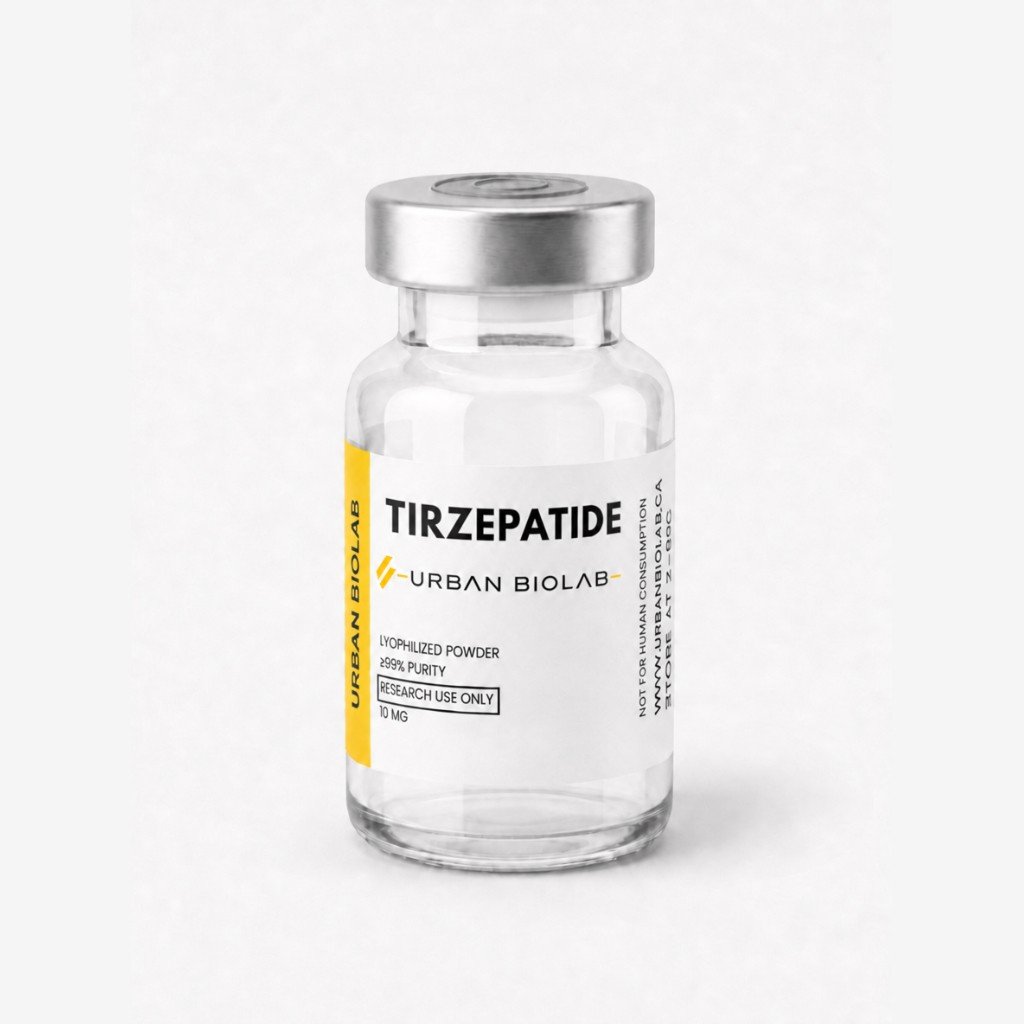
Tirzepatide 60MG
Tirzepatide 10mg is a synthetic research peptide classified as a dual GIP and GLP-1 receptor agonist, widely studied for its role in glucose metabolism, insulin signaling, and appetite regulation pathways. In laboratory research settings, Tirzepatide is of interest for investigations into metabolic regulation, energy balance, and endocrine system signaling.
Switching Between Medications
Switching from semaglutide to Tirzepatide is straightforward. After your last semaglutide dose, wait 7 days, then begin Tirzepatide at the 2.5mg starting dose. Follow the standard escalation protocol regardless of your previous semaglutide dose.
Some temporary gastrointestinal symptoms may occur during the transition as your body adjusts to the different receptor profile. These typically resolve within 4-8 weeks.
Weight loss typically continues or accelerates when switching to the more potent medication. Patients who had plateaued on semaglutide often see renewed progress after transitioning to Tirzepatide.
Who Responds Best to Tirzepatide?
While Tirzepatide produces meaningful results across diverse populations, certain characteristics correlate with enhanced outcomes.
Factors Associated with Better Response
Starting BMI influences absolute weight loss but not percentage reduction. People with higher starting weights tend to lose more total pounds, though the percentage lost remains relatively consistent across BMI categories.
Early response predicts final outcomes. Participants who achieved at least 5% weight loss by week 12 consistently reached higher total reductions by the end of the trial. However, late responders who hadn’t yet reached 5% at week 12 still achieved clinically meaningful results if they continued treatment.
Adherence to the weekly injection schedule correlates strongly with results. Patients who took at least 75% of scheduled doses achieved significantly better outcomes than those with lower adherence.
An interesting finding: clinical trial data showed that women lost approximately 6% more body weight than men on the same doses. Researchers believe this relates to differences in body composition, hormone profiles, and metabolic rate. Men should not be discouraged—male participants still achieved substantial clinically meaningful weight loss.
Who May Need Additional Support
People with eating disorders or disordered eating patterns need careful monitoring. While Tirzepatide reduces appetite, it doesn’t address the psychological components of eating behavior. Combining medication with appropriate psychological support improves outcomes.
Patients taking medications that promote weight gain (certain antidepressants, antipsychotics, corticosteroids) may see somewhat reduced results. Discussing medication alternatives with prescribing providers can help optimize the weight loss environment.
People with significant metabolic conditions including severe insulin resistance or untreated thyroid dysfunction may respond more slowly initially. Addressing underlying conditions concurrent with Tirzepatide treatment improves overall outcomes.
Setting Realistic Expectations
Clinical trial averages represent populations, not individuals. Understanding the range of normal responses prevents discouragement.
What “Average” Really Means
When studies report 22% average weight loss, that number represents the middle of a distribution. Some participants lost 30% or more. Others lost 10-15%. Both outcomes fall within the normal response range for effective treatment.
The distribution of responses looks roughly like a bell curve. Approximately 50% of people achieve results above the average, and 50% fall below. Being below average doesn’t mean treatment failure—it means your particular biology, circumstances, and adherence produced a result within the expected range.
Realistic Outcome Ranges for 72 Weeks of Treatment:
- Exceptional Response: 25-35% weight loss (15-20% of users)
- Above Average: 20-25% weight loss (30% of users)
- Average Response: 15-20% weight loss (30% of users)
- Below Average: 10-15% weight loss (15% of users)
- Minimal Response: Under 10% weight loss (5-10% of users)
I think the focus on percentage weight loss sometimes misses the point. Even 10% body weight reduction produces meaningful health improvements, including reduced diabetes risk, lower blood pressure, improved cholesterol profiles, and decreased joint stress. Someone who loses “only” 10% when they hoped for 20% has still achieved a clinically significant outcome worth celebrating.
Weight Loss Is Not Linear
Expect fluctuations. Weight naturally varies by 2-5 pounds daily based on hydration, sodium intake, hormonal cycles, and digestive contents. Weekly weigh-ins at consistent times provide more meaningful data than daily monitoring.
Plateaus happen to everyone. Weight loss typically occurs in spurts followed by periods of stability. A plateau lasting 2-4 weeks is normal and doesn’t indicate treatment failure. Plateaus extending beyond 6-8 weeks may warrant discussion with your provider about dose optimization.
The rate of loss slows as you approach your plateau weight. Rapid early losses give way to gradual progress. This deceleration reflects your body finding a new equilibrium, not medication failure.
Beyond the Scale: Other Measures of Success
Scale weight captures only one dimension of progress. Other meaningful indicators often improve even during scale plateaus.
Waist circumference reflects visceral fat loss, which matters more for metabolic health than total body weight. Many people continue losing inches around the waist even when scale weight stabilizes.
Blood pressure often improves within the first few months of treatment. People taking blood pressure medications frequently need dose reductions as weight drops.
Blood sugar markers including fasting glucose and HbA1c improve significantly, even in people without diabetes. Prediabetes often reverses completely.
Lipid profiles shift favorably with reductions in triglycerides and improvements in HDL cholesterol.
Energy levels, sleep quality, joint pain, and physical endurance often improve dramatically. These quality of life benefits represent meaningful outcomes even if scale numbers disappoint.
Maintaining Your Results Long-Term
The question of what happens when treatment ends receives significant attention. Recent research provides clear guidance on the importance of continued treatment.
The SURMOUNT-4 Findings
SURMOUNT-4 examined what happens when people stop Tirzepatide after achieving significant weight loss. Participants who had lost at least 10% of their body weight during 36 weeks of treatment were randomized to either continue Tirzepatide or switch to placebo for an additional 52 weeks.
The results were striking. Those who continued treatment maintained their weight loss and even continued losing additional weight. Those switched to placebo regained an average of 25% or more of their lost weight within one year.
The weight regain occurred despite participants continuing the same lifestyle modifications they had been following during active treatment. This demonstrates that Tirzepatide produces physiological changes that lifestyle alone cannot sustain, and suggests that long-term treatment is necessary for long-term results.
Obesity is increasingly recognized as a chronic condition requiring ongoing management, similar to hypertension or diabetes. Just as stopping blood pressure medication allows blood pressure to rise again, stopping weight management medication allows weight to return. This doesn’t represent personal failure but rather the biology of the condition.
Strategies for Long-Term Success
Plan for continued treatment. Discuss long-term medication access with your healthcare provider early in treatment. Understanding coverage options, cost considerations, and supply availability helps prevent treatment interruptions.
Build sustainable habits during the weight loss phase. The appetite suppression provided by medication creates an opportunity to establish new eating patterns and activity levels. These habits provide some buffer if treatment must be interrupted, even though they cannot fully replace medication effects.
Regular monitoring supports maintenance. Periodic check-ins with healthcare providers allow for dose adjustments, early intervention if weight begins creeping up, and ongoing optimization of supportive strategies.
Address psychological components. Many people develop complex relationships with food over years of dieting. Working with a therapist or counselor who specializes in eating behavior can help address emotional eating patterns and build healthier coping mechanisms.
If You Must Stop Treatment
Sometimes treatment discontinuation becomes necessary due to insurance changes, supply shortages, or other circumstances. If you must stop Tirzepatide, certain strategies can minimize regain.
Increase protein intake to maximum recommended levels (1 gram per pound of goal body weight). High protein intake supports satiety and helps preserve muscle mass during the metabolic shift that occurs when medication stops.
Intensify physical activity, particularly resistance training. Building and maintaining muscle tissue supports metabolic rate and provides some buffer against regain.
Monitor weight frequently during the transition period. Early intervention when small regain occurs (5-10 pounds) is more effective than waiting until larger amounts return.
Consider interim alternatives. If the specific medication becomes unavailable, similar options may provide partial benefit. Discuss alternatives with your healthcare provider.
Accessing Tirzepatide in Canada
Canadian patients face unique considerations when seeking Tirzepatide for weight management.
Current Regulatory Status
Health Canada has approved Tirzepatide (as Mounjaro) for type 2 diabetes treatment. The obesity-specific indication (Zepbound) approval status may differ from the United States, where FDA approved Zepbound for chronic weight management in November 2023.
Canadian regulatory approval processes often lag behind the FDA by 12-24 months. Checking the current Health Canada status provides the most accurate information about approved indications.
Many Canadian physicians prescribe Mounjaro off-label for weight management based on the strong clinical evidence from the SURMOUNT program. Off-label prescribing is legal and common when medications have demonstrated safety and efficacy for conditions beyond their official indication.
Provincial Coverage Considerations
Provincial drug coverage programs vary in their inclusion of weight management medications. Most provincial formularies have historically excluded obesity treatments, though this is beginning to change as the medical evidence base grows.
Private insurance coverage depends on your specific plan. Some extended health benefits cover weight loss medications, particularly when prescribed for conditions like type 2 diabetes or when documented medical necessity is established.
Manufacturer patient assistance programs may help reduce costs for qualifying individuals. Eli Lilly, the manufacturer of Tirzepatide, offers programs in various markets that may apply to Canadian patients.
Research Peptide Considerations
Some Canadians access research-grade Tirzepatide through peptide suppliers. This option requires understanding important distinctions from pharmaceutical-grade products.
Research peptides are sold for laboratory and research purposes, not human consumption. Quality verification through third-party testing documentation becomes essential when considering this pathway.
Dosing research peptides requires converting from dry powder to injectable solution, typically using bacteriostatic water. Understanding proper reconstitution, storage, and injection technique is necessary for safe use.
Medical supervision remains advisable even when using research peptides. Having a healthcare provider monitor your progress, check relevant lab values, and provide guidance improves safety and outcomes.
The access situation in Canada is frustrating for many patients who see the clinical evidence but face barriers to obtaining the medication through traditional channels. Research peptides fill a gap for some people, but I always recommend working with a knowledgeable healthcare provider regardless of the product source. The monitoring and guidance a provider offers adds significant value and safety.
Frequently Asked Questions
How much weight will I lose on Tirzepatide?
Clinical trials showed average weight loss of 20-22% over 72 weeks at the highest doses. For a 230-pound person, that equals approximately 46-50 pounds. Individual results vary based on starting weight, dose, adherence, and lifestyle factors. Approximately 89% of participants achieved at least 10% body weight reduction, while about 50% lost 20% or more.
How quickly does Tirzepatide start working?
Most people notice appetite changes within the first 2-4 weeks of treatment. Measurable weight loss typically becomes apparent by week 4-6. The full effect develops gradually as doses increase over 16-20 weeks of escalation. Maximum weight loss is typically achieved between 12-18 months of continuous treatment.
Is Tirzepatide better than Ozempic or Wegovy?
The SURMOUNT-5 trial directly compared Tirzepatide to semaglutide (the active ingredient in Ozempic and Wegovy). Tirzepatide produced 20.2% weight loss compared to 13.7% for semaglutide at 72 weeks. Tirzepatide also showed better tolerability, with fewer participants discontinuing due to gastrointestinal side effects.
What are the most common side effects?
Gastrointestinal symptoms are most common, including nausea (25% of users), diarrhea (21%), and constipation (16%). These effects typically peak during dose escalation and improve significantly by week 12 at stable doses. Only 6% of clinical trial participants discontinued treatment due to side effects.
Can I take Tirzepatide if I don’t have diabetes?
Yes. Tirzepatide (brand name Zepbound) received FDA approval for chronic weight management in adults without diabetes who have obesity (BMI 30+) or overweight (BMI 27+) with at least one weight-related health condition. The SURMOUNT trials specifically enrolled participants without diabetes to demonstrate weight loss efficacy independent of blood sugar effects.
How long do I need to take Tirzepatide?
Current evidence suggests indefinite treatment is necessary to maintain results. The SURMOUNT-4 trial showed that participants who stopped Tirzepatide after successful weight loss regained 25% or more of their lost weight within one year, despite continuing lifestyle modifications. Obesity is increasingly recognized as a chronic condition requiring ongoing management.
Will I regain weight if I stop taking Tirzepatide?
Research indicates that weight regain occurs for most people who discontinue treatment. The SURMOUNT-4 trial documented significant regain within 52 weeks of stopping the medication. Building strong lifestyle habits during treatment may moderate but not prevent regain if medication is discontinued.
Can I drink alcohol while taking Tirzepatide?
Alcohol is not strictly contraindicated with Tirzepatide, but tolerance typically decreases significantly. Many users report feeling intoxicated more quickly with less alcohol than before treatment. Alcohol can worsen gastrointestinal side effects, particularly nausea. Moderation is advisable, especially during the dose escalation period.
What happens if I miss a dose?
If less than 5 days have passed since your scheduled injection, take the missed dose as soon as you remember. If more than 5 days have passed, skip the missed dose and resume your regular schedule with the next injection. Never double up on doses.
Is Tirzepatide safe during pregnancy?
No. Tirzepatide is contraindicated during pregnancy due to unknown effects on fetal development. If you are planning pregnancy, stop the medication at least 2 months before attempting to conceive. If you become pregnant while taking Tirzepatide, stop immediately and contact your healthcare provider. Do not use while breastfeeding.
Does Tirzepatide cause muscle loss?
Body composition studies from the SURMOUNT program showed that Tirzepatide produces fat and lean mass losses in similar proportions to lifestyle modification alone. This means the medication does not cause disproportionate muscle loss. Maintaining adequate protein intake (0.8-1.0g per pound of goal weight) and incorporating resistance training helps preserve muscle during weight loss.
How is Tirzepatide different from bariatric surgery?
Bariatric surgery typically produces larger weight loss (25-35%) and has longer outcome data. However, surgery carries operative risks, requires permanent anatomical changes, and involves significant recovery time. Tirzepatide is non-surgical, reversible, and produces weight loss approaching surgical levels (20-22%). The choice depends on individual circumstances, preferences, and medical factors.
Glossary of Key Terms
BMI (Body Mass Index): A calculation using height and weight to estimate body fat. BMI of 25-29.9 indicates overweight; 30 or higher indicates obesity.
Dual Agonist: A medication that activates two different receptor types. Tirzepatide is a dual agonist because it stimulates both GIP and GLP-1 receptors.
Gastric Emptying: The process by which food leaves the stomach and enters the small intestine. Tirzepatide slows gastric emptying, increasing feelings of fullness.
GIP (Glucose-dependent Insulinotropic Polypeptide): A hormone released by the gut after eating that helps regulate insulin secretion and may influence fat metabolism.
GLP-1 (Glucagon-like Peptide-1): A hormone that slows digestion, reduces appetite, and improves insulin function.
HbA1c (Glycated Hemoglobin): A blood test measuring average blood sugar levels over the past 2-3 months. Normal is below 5.7%; prediabetes is 5.7-6.4%; diabetes is 6.5% or higher.
Incretin: A type of hormone released by the digestive system after eating that stimulates insulin production.
Off-label Prescribing: When a physician prescribes a medication for a condition or purpose not specifically approved by regulatory agencies. Legal and common when clinical evidence supports the use.
Plateau: A period during weight loss when body weight remains stable despite continued treatment.
Subcutaneous Injection: An injection administered into the fatty tissue layer just beneath the skin.
Titration: The gradual increase of medication dosage over time to reach an effective level while minimizing side effects.
Visceral Fat: Fat stored around internal organs in the abdominal cavity. Carries higher health risks than subcutaneous fat.
References
- Jastreboff AM, Aronne LJ, Ahmad NN, et al. Tirzepatide Once Weekly for the Treatment of Obesity. New England Journal of Medicine. 2022;387(3):205-216.
- Aronne LJ, Bade Horn D, le Roux CW, et al. Tirzepatide as Compared with Semaglutide for the Treatment of Obesity. New England Journal of Medicine. 2025;393(1):26-36.
- Eli Lilly and Company. Lilly’s Tirzepatide Delivered Up to 22.5% Weight Loss in Adults with Obesity or Overweight in SURMOUNT-1. Press Release. April 28, 2022.
This article provides educational information about Tirzepatide based on published clinical research. It is not intended as medical advice. Consult with a qualified healthcare provider before starting any weight management medication. Individual results vary, and what works for one person may not work for another.