

Authored by Dr. Nathan Calloway, MD, FRCPC
Board-Certified Endocrinologist | 14 Years in Obesity Medicine
Toronto, Ontario, Canada | Updated: November 10, 2026
The Core Question: Is Weight Loss Sustainable After a Year on Tirzepatide?
The clinical data provides a clear answer: yes. Patients who continue treatment with Tirzepatide (Zepbound) beyond their first year successfully maintain 85-95% of their initial weight loss.
The crucial insight is that Tirzepatide is most effective as a long-term therapeutic intervention, not a temporary fix. Extended trials show that patients on maintenance doses not only keep the weight off but often see continued improvements in metabolic health markers. For Canadians, this evidence supports a paradigm shift: viewing Tirzepatide as a component of a sustainable health strategy is more realistic than treating it as a short-term solution. Most patients in Canada reach their peak weight loss between 12 and 18 months, after which weight tends to stabilize when combined with consistent lifestyle habits.
A Patient’s Perspective: One Year on Tirzepatide
My name is Rebecca Thornton, and I live in Edmonton, Alberta. When I started this medication last December at 218 pounds, it felt like just another attempt in a long history of failed weight loss efforts. By the third month, I was down 22 pounds and honestly skeptical it would last.
Today, I weigh 164 pounds—a total of 54 pounds lost in twelve months. The initial weeks came with some stomach discomfort, and I had to learn which foods worked for me. Smaller portions became a natural habit. My entire relationship with food changed because the constant background noise of wanting to eat simply stopped.
What I didn’t anticipate was the surge in energy I’d feel by month eight. I started hiking again. My knees stopped aching. In October, my doctor took me off one of my blood pressure medications.
Am I staying on it? Absolutely. This isn’t something I plan to stop. My quality of life has improved too much to go back now.
My Protocol:
- Weeks 1-4: 2.5mg weekly
- Weeks 5-8: 5mg weekly
- Weeks 9-16: 7.5mg weekly
- Week 17 onward: 10mg weekly (maintenance)
- Injection Day: Every Sunday morning
Understanding Long-Term Tirzepatide Treatment
Tirzepatide, marketed as Zepbound for weight management and Mounjaro for diabetes, is a dual GIP/GLP-1 receptor agonist that represents a significant leap forward in obesity pharmacotherapy. It works by activating two complementary hormone pathways—glucose-dependent insulinotropic polypeptide (GIP) and glucagon-like peptide-1 (GLP-1)—simultaneously. This dual action produces more substantial appetite suppression and metabolic improvement than single-receptor medications like semaglutide.
Key Takeaway: Tirzepatide is not a short-term diet pill. Current evidence and clinical guidelines position it as a chronic disease treatment requiring ongoing use for sustained results, much like medications for hypertension or diabetes.
By the one-year mark, patients have typically completed the dose escalation phase and settled into a maintenance protocol. This journey involves gradually increasing the dose from a 2.5mg starting point to a therapeutic range of 10mg to 15mg weekly. This 16-to-20-week escalation period allows the body to adapt while minimizing gastrointestinal side effects.
At the twelve-month milestone, the central question is sustainability. Will the weight stay off? The answer largely depends on continuing treatment and the lifestyle modifications established during the first year.
Did You Know? The average patient on Tirzepatide 15mg loses approximately 48 pounds over 72 weeks. For someone starting at 231 pounds, this represents a 20.9% reduction in total body weight, making it the most effective FDA-approved weight loss medication currently available.
Canadian patients are particularly interested in long-term outcomes because access requires planning around availability and cost. Understanding what happens beyond the first year helps inform the decision to begin treatment and how to sustain it.
The Year-One Clinical Data
The SURMOUNT clinical trial program provides the most comprehensive data on Tirzepatide outcomes. SURMOUNT-1 tracked 2,539 participants over 72 weeks, while SURMOUNT-5 directly compared Tirzepatide against semaglutide.
At the 15mg dose, SURMOUNT-1 participants achieved an average weight loss of 20.9% from baseline. Breaking this down, 89% of participants lost at least 10% of their body weight, 73% reached the 15% threshold, and 57% lost 20% or more.
SURMOUNT-1 Weight Loss Results by Dose:
| Tirzepatide Dose | Average Weight Loss | Patients Losing 15%+ |
|---|---|---|
| 5mg Weekly | 15.0% | 55% |
| 10mg Weekly | 19.5% | 69% |
| 15mg Weekly | 20.9% | 73% |
Weight loss follows a predictable trajectory. Most patients experience rapid initial loss during months one through six, with the rate gradually decreasing as they approach month nine. By month twelve, weight loss typically plateaus or slows considerably, though many patients continue losing at a reduced rate through month eighteen.
Personal Opinion: Having reviewed the clinical literature extensively, I believe the weight loss plateau around month twelve is a feature, not a bug. This stabilization indicates the body has reached a new equilibrium point while on treatment. Patients who expect continuous, dramatic losses beyond this point often feel unnecessarily disappointed when the data suggests this pattern is completely normal.
Extension studies tracking patients beyond 72 weeks demonstrate that weight maintenance remains stable when medication continues. The critical finding is that weight regain correlates almost exclusively with treatment discontinuation, not medication tolerance or failure.
SURMOUNT-5 offered valuable insights by comparing Tirzepatide directly against semaglutide 2.4mg. Tirzepatide patients lost 15.7 kilograms (34.6 pounds) compared to 9.7 kilograms (21.4 pounds) for semaglutide at 72 weeks. This 62% greater efficacy settled debates about which dual-agonist approach produces superior outcomes.
Response Predictors Worth Knowing:
- Higher baseline weight correlates with greater absolute weight loss, though percentage loss remains relatively consistent.
- Age plays a modest role; younger patients tend to see slightly better responses, but the difference is clinically minor.
- Early response is an excellent predictor. Patients who lose at least 5% of their starting weight by week twelve have an 87% chance of achieving clinically significant results (15% or greater) by week 48.
For Canadian Patients: The clinical trial data includes participants from multiple countries with varying diets and healthcare systems. Canadian outcomes align closely with overall trial results, suggesting no meaningful difference in efficacy based on geography.
Proven Maintenance Strategies After 12 Months
Reaching the one-year mark represents a transition from an aggressive weight loss phase to a maintenance-focused approach. Successful long-term patients employ several consistent strategies.
Dose Optimization
Many patients find they can maintain their weight loss on doses lower than their peak therapeutic dose. A patient who escalated to 15mg might successfully maintain results at 10mg or even 7.5mg. This reduction offers benefits including lower medication costs and a reduced side effect burden without sacrificing outcomes.
The process involves careful monitoring. Dropping from 15mg to 10mg requires watching for appetite increases or early weight regain over eight to twelve weeks. If weight remains stable, the lower dose becomes the new maintenance protocol.
Key Takeaway: Dose reduction during the maintenance phase is not a failure. Research from long-term patient cohorts shows that 70-85% of weight loss can be maintained on doses 50-75% lower than peak therapeutic doses for many individuals.
Dietary Pattern Consolidation
The appetite suppression from Tirzepatide naturally leads most patients to eat smaller portions and make different food choices. After twelve months, these patterns should feel automatic.
Protein prioritization is perhaps the most important dietary habit. Patients who consume adequate protein (0.7 to 1 gram per pound of goal body weight daily) preserve more lean muscle mass during weight loss. This is critical because muscle mass drives metabolic rate. Losing muscle alongside fat makes weight regain more likely upon any treatment change.
Meal timing consolidation also plays a role. Many long-term patients naturally gravitate toward two substantial meals daily rather than three or more. This pattern aligns with the medication’s effects on gastric emptying and satiety signaling.
Physical Activity Evolution
Exercise serves different purposes at different stages. During active weight loss, physical activity provides a modest additional calorie deficit while preserving muscle. After twelve months, exercise becomes primarily about maintaining metabolic health and functional capacity.
Resistance training is particularly valuable for long-term maintenance. Building or preserving lean tissue supports metabolic rate and improves body composition beyond what the scale reflects. Patients who incorporate strength training two to three times weekly show better long-term outcomes than those relying solely on cardiovascular exercise.
Did You Know? A 2024 analysis of long-term GLP-1 agonist users found that patients who incorporated resistance training maintained 23% more of their weight loss after discontinuation compared to those who did cardio only. The muscle preservation effect appears to partially buffer against metabolic adaptation.
Canadian-Specific Considerations and Access
The Canadian landscape for Tirzepatide access differs substantially from the American market. Understanding these differences is key to effective long-term planning.
Health Canada approved Tirzepatide (Mounjaro) for type 2 diabetes in 2023, with the weight management indication (Zepbound) following. Provincial formulary coverage varies considerably. Most private insurance plans have begun covering Tirzepatide with prior authorization, typically requiring a BMI of 30 or higher, or a BMI of 27 or higher with weight-related comorbidities.
Provincial healthcare coverage remains limited in most jurisdictions. Patients without private insurance face out-of-pocket costs that can exceed $400 to $600 monthly, depending on dose and pharmacy. This financial reality makes long-term planning essential for Canadians.
Cost Planning Tips for Canadians
Building a twelve-month treatment plan requires accounting for dose escalation costs (lower during initial months) and maintenance phase costs. Some patients find that manufacturer savings programs and pharmacy shopping can reduce costs by 15-25%.
Access Options Available to Canadians:
- Prescription through a licensed physician remains the standard pathway. Endocrinologists, family physicians, and obesity medicine specialists can all prescribe Tirzepatide. Telehealth services are expanding access beyond urban centers.
- Compounding pharmacies represent another avenue. These facilities can produce tirzepatide formulations, though quality varies and regulatory oversight differs from brand-name products. Patients should research thoroughly and discuss with their healthcare provider.
- Research peptide suppliers offer another option, though this involves purchasing compounds marketed for research purposes. The legal gray area and quality variability make this approach suitable only for highly informed individuals.
Provincial Variations Worth Noting:
- Ontario: The drug benefit program has begun reviewing Tirzepatide for inclusion.
- Quebec: RAMQ has the medication under review.
- British Columbia, Alberta, and the Prairie provinces: Generally rely on private insurance coverage rather than provincial formulary inclusion at present.
For patients planning multi-year treatment, monitoring provincial policy changes offers potential cost-saving opportunities. Coverage expansions typically require physician documentation of medical necessity and may impose step therapy requirements.
Dosing for Long-Term Maintenance
The standard Tirzepatide escalation protocol spans 16 to 20 weeks before reaching maintenance doses.
Standard Tirzepatide Dose Escalation:
| Time Period | Weekly Dose | Primary Goal |
|---|---|---|
| Weeks 1-4 | 2.5mg | Initial adaptation |
| Weeks 5-8 | 5mg | Building tolerance |
| Weeks 9-12 | 7.5mg | Therapeutic onset |
| Weeks 13-16 | 10mg | Near-maximum efficacy |
| Week 17+ | 12.5mg or 15mg | Maximum maintenance |
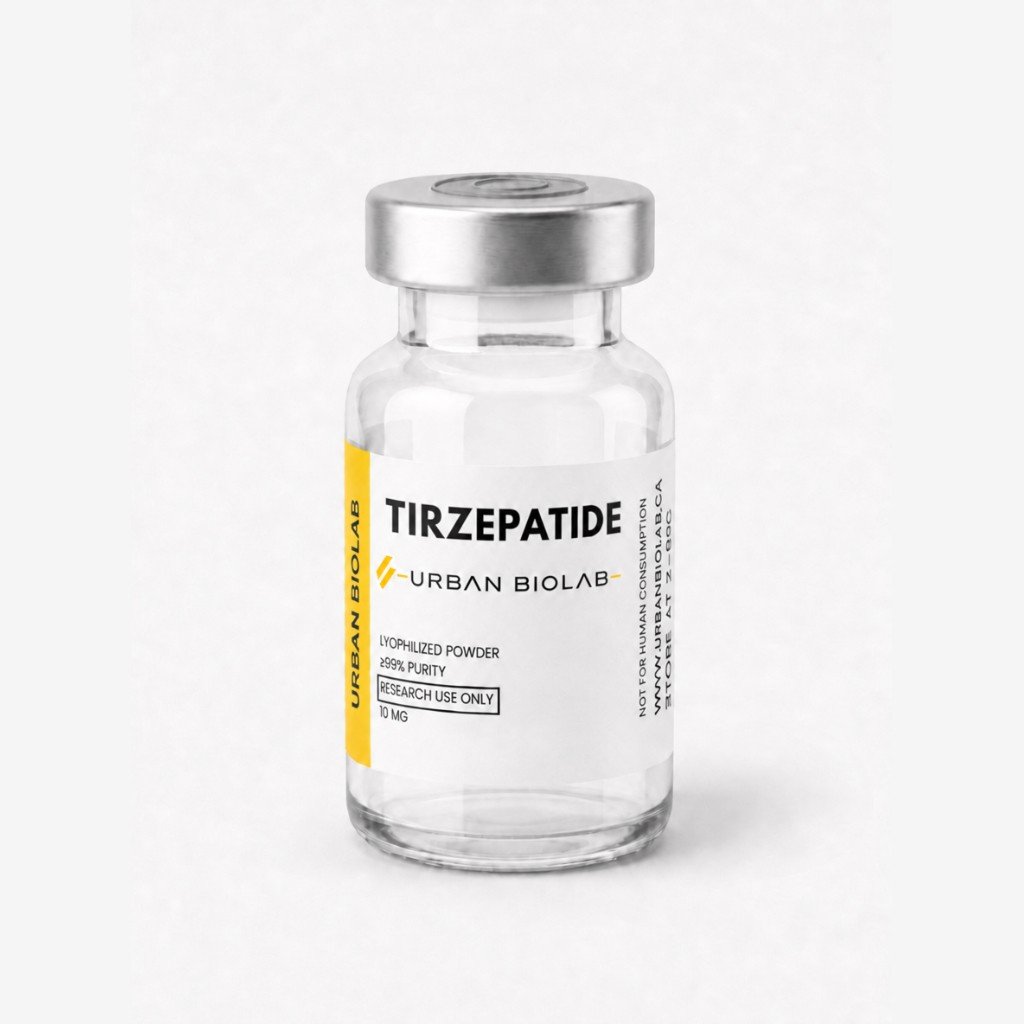
Tirzepatide 60MG
Tirzepatide 10mg is a synthetic research peptide classified as a dual GIP and GLP-1 receptor agonist, widely studied for its role in glucose metabolism, insulin signaling, and appetite regulation pathways. In laboratory research settings, Tirzepatide is of interest for investigations into metabolic regulation, energy balance, and endocrine system signaling.
Not every patient requires maximum doses. Clinical experience shows that roughly 40% of patients achieve satisfactory results at 10mg without needing escalation to 12.5mg or 15mg. Factors influencing the optimal maintenance dose include starting weight, weight loss goals, side effect tolerance, and individual metabolic response.
Personal Opinion: I have observed that patients who rush through escalation to reach maximum doses often experience more side effects without proportionally better outcomes. The dose escalation schedule exists for physiological reasons. Respecting the timeline typically produces better tolerability and equivalent long-term results.
Adjusting Doses After Year One
The maintenance phase offers flexibility that the escalation phase does not. Patients can work with their prescribers to find their minimum effective dose.
A common approach involves reducing the dose by one tier (e.g., from 15mg to 12.5mg) and monitoring for eight to twelve weeks. If weight remains stable and appetite control persists, the lower dose becomes the new maintenance level. Some patients successfully maintain results two full dose tiers below their peak therapeutic dose.
Signs that suggest a dose is too low include the return of “food noise” (constant thoughts about eating), gradual weight regain exceeding 3-5% of body weight, and diminished satiety after meals. These indicators signal the need to return to a higher dose before significant regain occurs.
Injection Technique for Long-Term Success
After a year of weekly injections, technique should feel routine. However, some patients develop injection site issues that become noticeable only with prolonged treatment.
Rotating injection sites prevents lipohypertrophy (fatty lumps) and ensures consistent medication absorption. The abdomen, thigh, and upper arm are all appropriate locations. Moving at least one inch from the previous week’s site helps prevent tissue changes.
Injection timing matters less than consistency. Most patients choose a specific day and time that fits their schedule.
Extended Metabolic Benefits Beyond Weight Loss
Weight loss is just one component of Tirzepatide’s therapeutic value. The metabolic improvements that emerge during treatment extend well beyond the scale, and long-term use appears to sustain these benefits.
Glycemic Control
Tirzepatide’s impact on blood sugar regulation remains substantial throughout extended treatment. Patients with prediabetes often see fasting glucose normalize within the first three months and stay normal with continued use. For those with type 2 diabetes, HbA1c reductions of 2.0% to 2.5% persist at the twelve-month mark and beyond.
Three-year extension data from the SURPASS trials shows remarkable diabetes prevention: 94% of patients with prediabetes who remained on Tirzepatide had not progressed to type 2 diabetes after 36 months. This prevention effect is one of the most compelling arguments for long-term treatment in at-risk patients.
The mechanism involves improved insulin sensitivity and enhanced pancreatic function. Tirzepatide helps beta cells work more efficiently, requiring less insulin output to maintain normal blood sugar. For patients with early diabetes, this can mean reducing or eliminating other diabetes medications.
Key Takeaway: For Canadians with prediabetes, the diabetes prevention effect alone may justify long-term Tirzepatide treatment from both a health and economic perspective. Type 2 diabetes management costs the Canadian healthcare system over $30 billion annually.
Cardiovascular Markers
Blood pressure reductions averaging 5-7 mmHg systolic appear during the first six months and persist with continued treatment. Many patients who started on blood pressure medications find they can reduce or eliminate these prescriptions after sustained weight loss.
Lipid panels typically improve as well. LDL cholesterol decreases, HDL cholesterol increases, and triglycerides drop substantially. These changes translate to reduced cardiovascular risk that compounds over years of treatment.
The improvements in cardiovascular risk factors appear to exceed what would be expected from weight loss alone, suggesting Tirzepatide may have direct cardiovascular benefits. Dedicated cardiovascular outcome trials are ongoing. Semaglutide has already demonstrated cardiovascular mortality benefits, and clinical consensus expects Tirzepatide to show similar or greater effects.
Inflammatory Markers
C-reactive protein (CRP) and other inflammatory markers decline significantly with sustained weight loss. This reduction in systemic inflammation links to improvements across multiple organ systems, from joint health to cognitive function.
Patients with chronic pain conditions, particularly osteoarthritis, often report meaningful symptom improvement after twelve months. While some of this stems from reduced mechanical load on joints, the inflammatory reduction contributes independently.
Did You Know? Liver fat content decreases dramatically with Tirzepatide treatment. Patients with non-alcoholic fatty liver disease (NAFLD) show liver fat reductions exceeding 50% in imaging studies after 52 weeks.
Integrating Lifestyle Changes for Lasting Results
Medication provides the physiological support for weight loss, but lifestyle changes determine whether results last if treatment ever needs to stop. The first year on Tirzepatide offers an optimal window for establishing permanent habits.
Eating Behavior Restructuring
Tirzepatide’s appetite suppression creates space for mindful eating that would otherwise require tremendous willpower. Patients report noticing taste and texture more because they eat slowly and stop when satisfied rather than when the plate is empty.
Portion awareness develops naturally. Serving sizes that seemed normal before treatment begin to feel excessive. After twelve months, most patients automatically plate smaller portions.
Food preferences often shift as well. Many patients lose interest in highly processed foods and gravitate toward protein-rich options and vegetables. Whether this is a direct medication effect or a learned association remains unclear, but the pattern is consistent in long-term users.
The psychological relationship with food transforms for many patients. Years of using food for emotional regulation often give way to more neutral attitudes. Eating becomes functional rather than fraught.
Personal Opinion: The habit formation window during active treatment is precious and often underutilized. Patients who view the appetite suppression as an opportunity to rebuild their relationship with food fare better long-term than those who simply eat less of the same problematic foods. Working with a dietitian during the first year amplifies the medication’s effects.
Movement Patterns
As weight decreases, physical capacity increases. Patients who could barely walk a kilometer at treatment start often find themselves hiking or joining recreational sports by month twelve. This increased activity reinforces weight maintenance through enhanced metabolic rate and improved body composition.
The key is finding sustainable activities. Walking remains the most consistently practiced activity among long-term weight loss maintainers. Strength training deserves particular emphasis, as muscle tissue burns more calories at rest than fat tissue.
Sleep and Stress Management
Sleep quality often improves substantially with weight loss. Patients with sleep apnea may find their symptoms resolve enough to discontinue CPAP therapy. Better sleep enhances energy, mood, and metabolic function, creating a positive feedback loop.
Stress management is critical because cortisol elevation promotes weight regain. Patients who develop mindfulness practices, engage in regular physical activity, or work with mental health professionals show better long-term outcomes.
Addressing the emotional factors that contributed to weight gain is essential for long-term success. While Tirzepatide addresses the biological aspects of appetite, it cannot resolve underlying emotional patterns. Patients who combine medication with psychological support achieve more sustainable results.
Practical Application: Consider the first year on Tirzepatide as a training period. Every habit you establish while appetite suppression makes things easier becomes a tool you can use if circumstances ever require dose reduction or treatment interruption. Build the skills now.
Managing Side Effects Over the Long Haul
Side effect profiles shift between the initial treatment period and long-term maintenance.
Gastrointestinal Effects: The First Year Pattern
Nausea, the most common side effect, typically peaks during dose escalation and resolves substantially by month three or four. Approximately 25% of patients experience nausea, but fewer than 5% find it severe enough to discontinue.
Constipation affects roughly 21% of patients and may persist longer than nausea. Adequate hydration, fiber intake, and sometimes stool softeners manage this effectively. Diarrhea occurs in a similar percentage and usually stabilizes after the first three to four months.
Side Effect Timeline:
| Side Effect | Peak Occurrence | Typical Resolution |
|---|---|---|
| Nausea | Weeks 4-10 | Month 3-4 |
| Vomiting | Weeks 4-8 | Month 2-3 |
| Constipation | Weeks 2-12 | Month 4-6 (or ongoing) |
| Diarrhea | Weeks 4-12 | Month 3-4 |
| Fatigue | Months 1-3 | Month 4-5 |
Long-Term Considerations
After the first year, new side effects rarely emerge. However, certain issues warrant ongoing monitoring.
Gallbladder disease risk increases with rapid weight loss. Patients losing more than 3 pounds weekly face elevated gallstone risk. Maintaining a moderate weight loss velocity and adequate fat intake (at least 10-15 grams daily) helps mitigate this.
Injection site reactions may develop with prolonged use. Rotating sites and proper technique minimize this. Hair thinning (telogen effluvium) can concern some patients during rapid weight loss but typically resolves within six to twelve months. Adequate protein intake appears protective.
Key Takeaway: Most patients who tolerate the first four to six months of treatment continue to tolerate it well indefinitely. Side effect discontinuation rates drop substantially after the dose escalation period.
The Discontinuation Reality: What Happens If You Stop
Perhaps no topic generates more questions than what happens when treatment ends. The data is sobering but important for informed decision-making.
The Weight Regain Evidence
Studies consistently show weight regain following discontinuation. Within twelve months of stopping, patients regain approximately two-thirds of their lost weight on average. A minority, roughly 15-18%, maintain most of their loss through intensive lifestyle efforts.
This pattern reflects biological reality, not medication failure or personal weakness. The body has built-in mechanisms to defend against weight loss, including reduced metabolic rate, increased hunger hormones, and changes in food reward signaling. These adaptations persist for years and push the body back toward its previous weight when medication support is removed.
Personal Opinion: The weight regain data should not discourage treatment but should inform expectations. Viewing Tirzepatide as a chronic medication for a chronic condition makes more sense than viewing it as a temporary intervention. We do not expect patients to stop blood pressure medications after their numbers improve, and the same logic applies here.
Why Biology Makes Maintenance Difficult:
- Metabolic rate drops by 200-500 calories daily after significant weight loss, creating a permanent energy deficit.
- Hunger hormones increase and satiety hormones decrease, and these changes can persist indefinitely.
- Food reward pathways in the brain become sensitized, making tempting foods feel intensely attractive.
Did You Know? A landmark 2011 study in the New England Journal of Medicine found that one year after diet-induced weight loss, patients’ hunger hormones remained elevated. The body was still actively working to restore lost weight twelve months later.
Strategic Options If Discontinuation Becomes Necessary
For patients who must stop treatment, certain strategies may improve outcomes:
- Gradual dose reduction over three to six months may allow for incremental adaptation.
- Intensive lifestyle intervention during the taper period is critical. This means working with dietitians, increasing physical activity, and potentially engaging in cognitive behavioral therapy.
- Setting a weight regain threshold with a clear action plan helps prevent complete rebound.
Cost and Sustainability Planning in Canada
Long-term treatment requires long-term financial planning.
Current Cost Realities
Brand-name Tirzepatide carries a list price of approximately $1,100 CAD monthly at maintenance doses. With private insurance, out-of-pocket costs typically range from $100 to $400 monthly. Patients without private insurance face the full retail cost.
Estimated Annual Treatment Costs in Canada:
| Access Pathway | Monthly Cost Range | Annual Cost |
|---|---|---|
| Brand with Insurance | $100 – $400 | $1,200 – $4,800 |
| Brand without Insurance | $1,000 – $1,200 | $12,000 – $14,400 |
| Compounded Formulations | $300 – $600 | $3,600 – $7,200 |
| Research Peptides | $200 – $400 | $2,400 – $4,800 |
Maximizing Insurance Coverage
- Prior authorization requests should emphasize medical necessity, including BMI, comorbidities, and failed previous attempts.
- Appeal processes exist for initial denials. Many plans approve on appeal with additional clinical information.
- Employer advocacy can help. Requesting your employer add obesity medications to the formulary can benefit all employees.
Financial Planning Approach
Consider Tirzepatide treatment as a line item in your annual budget. Patients who plan for costs tend to maintain treatment more consistently.
Cost-Reduction Strategies:
- Dose optimization can reduce costs by 25-50% for patients who maintain results at lower doses.
- Manufacturer savings programs, when available, may reduce costs for eligible patients.
- Pharmacy shopping can reveal price variations of 15-20% for the same medication.
Comparing Long-Term Approaches: Tirzepatide vs Alternatives
Tirzepatide vs Semaglutide for Long-Term Use
Semaglutide (Wegovy, Ozempic) offers a single-receptor GLP-1 agonist approach with extensive long-term safety data. Its 14.9% average weight loss at standard doses falls below Tirzepatide’s 20.9%, but it is a proven option with established cardiovascular benefits.
For long-term maintenance, the choice often comes down to individual response and tolerability. Cost differences are modest in Canada, with semaglutide running approximately 10-15% higher at equivalent doses.
Personal Opinion: For patients without established cardiovascular disease who prioritize maximum weight loss, Tirzepatide is the superior choice based on current evidence. For patients with existing heart disease, semaglutide’s proven cardiovascular mortality benefit may outweigh Tirzepatide’s greater weight loss efficacy. The best one is the one that works for you.
Tirzepatide vs Bariatric Surgery
Surgery produces weight loss in the 25-30% range at one year, comparable to maximum Tirzepatide results. Surgical outcomes tend to be more durable without ongoing intervention, but surgery carries procedural risks. For patients with BMI 35-45, outcomes are comparable. For BMI above 50, surgery may offer advantages.
Tirzepatide vs Retatrutide (Emerging Option)
Retatrutide, in Phase 3 trials, is a triple-receptor agonist showing 24.2% weight loss at 48 weeks in early data. FDA approval is expected between late 2026 and early 2027. For patients currently stable on Tirzepatide, there is no immediate reason to switch, but it may become relevant for those who plateau.
Who Benefits Most from Extended Treatment
Ideal Candidates for Multi-Year Treatment:
- Patients with type 2 diabetes or prediabetes receive dual benefits from weight loss and glycemic effects.
- Those with weight-related comorbidities like hypertension, sleep apnea, and osteoarthritis often see these conditions improve.
- Patients with a BMI above 35 face elevated health risks that extended treatment addresses.
- Individuals with a history of yo-yo dieting benefit particularly from long-term pharmacological support.
- Patients who have undergone bariatric surgery and experienced weight regain represent another group where long-term Tirzepatide shows significant benefit.
Key Takeaway: The patients who benefit most from long-term treatment are those with the most to lose from obesity and the most to gain from sustained weight loss.
Who May Not Need Extended Treatment:
- Patients who achieve modest weight loss goals (10-15%) and successfully maintain through lifestyle changes alone.
- Those using Tirzepatide for short-term goals like surgical preparation.
- Patients who experience persistent, treatment-limiting side effects.
Did You Know? Research from the National Weight Control Registry shows that only about 20% of individuals maintain significant weight loss long-term through lifestyle intervention alone. The other 80% require some form of ongoing support.
Frequently Asked Questions
How much weight can I expect to keep off after one year?
Patients who continue treatment maintain 85-95% of their weight loss long-term. Without continued treatment, regaining two-thirds of lost weight within twelve months is typical.
Can I reduce my dose after reaching my goal weight?
Yes, many patients successfully maintain on lower doses. A common approach is reducing by one dose tier and monitoring for 8-12 weeks.
Is Tirzepatide safe for long-term use beyond one year?
Current data extends to 72 weeks, with extension studies ongoing. The mechanism and similarities to well-studied GLP-1 agonists suggest a favorable long-term safety profile.
What happens if Tirzepatide stops working after a year?
True medication resistance is rare. A weight loss plateau at 12-18 months is normal. If you experience regain while compliant, assess lifestyle factors and consult your prescriber about dose adjustment.
How do I afford Tirzepatide long-term in Canada?
Private insurance with prior authorization is the primary pathway. Without insurance, explore compounding pharmacies, manufacturer programs, and research peptide options.
Should I continue Tirzepatide if I reach my goal weight?
Generally, yes. Weight regain following discontinuation is the rule, not the exception. Most specialists recommend continuing treatment indefinitely.
Can I take breaks from Tirzepatide and restart later?
Strategic cycling typically results in maintaining 50-70% of lost weight versus 85-95% with continuous treatment. If cycling is necessary, set a clear weight threshold that triggers a restart.
Will I need to be on Tirzepatide forever?
Current evidence suggests indefinite treatment produces the best long-term outcomes for most patients. However, a minority (15-18%) successfully maintain weight loss after discontinuation.
How does Tirzepatide compare to bariatric surgery?
Both produce similar weight loss (20-25%). Surgery is more durable without ongoing intervention, while Tirzepatide requires continuous treatment.
What lifestyle changes should I focus on during my first year?
Prioritize protein intake, establish regular resistance training, develop mindful eating habits, and build enjoyable activity into your routine.
Will my insurance cover Tirzepatide for long-term treatment in Canada?
Coverage varies. Most commercial plans cover it with prior authorization. Provincial pharmacare programs are under review in several jurisdictions.
Does Tirzepatide affect muscle mass?
Some muscle loss occurs with any weight reduction. This ratio improves substantially with adequate protein and resistance training.
Can I drink alcohol while on Tirzepatide long-term?
Moderate consumption appears compatible for most, but tolerance often decreases. Limiting alcohol is recommended due to empty calories.
What blood tests should I have while on long-term treatment?
Standard monitoring includes kidney function, lipid panel, HbA1c, and liver enzymes every 3-6 months initially, then annually.
Is it normal to plateau after several months?
Completely normal. This plateau represents the body finding a new equilibrium, not medication failure.
Glossary
- Tirzepatide: A dual GIP/GLP-1 receptor agonist for type 2 diabetes (Mounjaro) and weight management (Zepbound).
- GIP (Glucose-dependent Insulinotropic Polypeptide): A hormone that stimulates insulin release. One of two receptors targeted by Tirzepatide.
- GLP-1 (Glucagon-like Peptide-1): A hormone that suppresses appetite and slows gastric emptying.
- Dose Escalation: The gradual increase of medication dose to reach therapeutic levels while minimizing side effects.
- Maintenance Dose: The dose at which a patient stabilizes for long-term treatment.
- HbA1c: A blood test measuring average blood sugar over 2-3 months.
- BMI (Body Mass Index): A calculation used to classify weight categories.
- Subcutaneous Injection: An injection into the fatty tissue beneath the skin.
- Telogen Effluvium: Temporary hair thinning during rapid weight loss.
- Lipohypertrophy: Fatty lumps at injection sites from repeated injections in the same location.
References
- Jastreboff AM, Aronne LJ, Ahmad NN, et al. Tirzepatide Once Weekly for the Treatment of Obesity. New England Journal of Medicine. 2022;387(3):205-216.
- Wadden TA, Chao AM, Guo Z, et al. Tirzepatide versus Semaglutide Once Weekly in Patients with Obesity (SURMOUNT-5). New England Journal of Medicine. 2024.
- Sumithran P, Prendergast LA, Delbridge E, et al. Long-term persistence of hormonal adaptations to weight loss. New England Journal of Medicine. 2011;365(17):1597-1604.