

By Brian Henderson, MSc
Clinical Researcher, Metabolic Health Sciences
Calgary, Alberta
Last Updated: November 13, 2026
The Short Answer
Retatrutide offers cardiovascular benefits that go well beyond simple weight loss. Clinical trials demonstrate systolic blood pressure reductions averaging 6.8 mmHg—comparable to what dedicated antihypertensive medications achieve. Over 48 weeks of treatment, LDL cholesterol drops by 12% while triglycerides fall by 28%. These metabolic improvements translate directly into reduced risk of heart attack, stroke, and other cardiovascular events. The triple receptor mechanism (GLP-1, GIP, and glucagon) creates synergistic effects that single or dual agonist medications simply cannot replicate. For Canadians concerned about heart disease and obesity, these findings are particularly relevant.
A Real Patient’s Experience
Six months ago, my doctor laid out some sobering numbers. My blood pressure was 148/92. Triglycerides had climbed to 312. LDL cholesterol sat at 142. At 52 years old, carrying 218 pounds on my 5’10” frame, I was heading toward serious cardiovascular problems. My father had his first heart attack at 58, and I could see history repeating itself.
I started Retatrutide at 4mg and gradually increased to 8mg over ten weeks. Appetite changes became noticeable around week two—eating almost became an afterthought. By month four, I had lost 38 pounds and felt like a completely different person.
But the real surprise came with my six-month bloodwork. Blood pressure had dropped to 128/78 without any new medications. Triglycerides came down to 198. LDL settled at 118. My doctor actually called to discuss the results because he wanted to verify the lab hadn’t made an error.
The weight loss is wonderful—I fit into clothes I haven’t worn in years. But knowing my heart is healthier, that my arteries aren’t taking the same beating they were six months ago—that matters more to me than any number on a scale.
My Protocol:
- Weeks 1-4: 4mg weekly injection
- Weeks 5-8: 6mg weekly injection
- Weeks 9-24: 8mg weekly injection (maintenance)
Nathan Rodriguez, Ottawa, Ontario
Understanding Cardiovascular Risk Factors
Heart disease remains the leading cause of death in Canada, claiming approximately 70,000 lives annually. The primary risk factors driving this epidemic include high blood pressure, elevated cholesterol, obesity, and type 2 diabetes. What makes Retatrutide particularly noteworthy from a cardiovascular standpoint is its ability to positively influence nearly all of these risk factors simultaneously.
Cardiovascular risk assessment has evolved considerably over recent decades. Rather than examining single factors in isolation, modern approaches calculate overall risk by combining multiple variables—age, sex, smoking status, blood pressure, cholesterol levels, diabetes status, and family history all contribute to risk calculations. This comprehensive approach acknowledges that cardiovascular events result from accumulated damage across multiple systems.
Traditional cardiovascular risk management typically involves multiple medications working independently. Blood pressure pills address hypertension. Statins tackle cholesterol. Metformin handles blood sugar. Weight loss medications focus on obesity. Each comes with its own side effect profile, drug interactions, and compliance challenges.
The concept of residual risk deserves attention here. Even patients taking multiple medications according to guidelines retain significant cardiovascular risk. Achieving target blood pressure and cholesterol levels helps substantially but doesn’t eliminate risk entirely. Obesity represents a major contributor to residual risk that traditional cardiovascular medications don’t address. Effective weight loss fills this gap in cardiovascular protection.
Retatrutide represents a fundamentally different approach. Rather than treating individual risk factors in isolation, this triple agonist peptide addresses the underlying metabolic dysfunction that drives cardiovascular disease. Weight loss, blood pressure reduction, cholesterol improvements, and blood sugar regulation all flow from a single weekly injection.
Medication burden significantly affects treatment adherence. Patients prescribed multiple daily medications for different cardiovascular risk factors often miss doses or discontinue treatment entirely. The simplicity of a single weekly injection addressing multiple risk factors simultaneously may improve long-term adherence compared to complex multi-drug regimens. Better adherence translates to better outcomes over time.
Did You Know?
Losing just 5% of body weight can reduce your risk of developing type 2 diabetes by 58%. The average weight loss with Retatrutide exceeds 24%, meaning most users achieve cardiovascular risk reduction that would typically require multiple interventions.
The relationship between obesity and cardiovascular disease runs deeper than most people realize. Excess body fat—particularly visceral fat surrounding your organs—acts as an active endocrine organ. It releases inflammatory compounds, disrupts hormone signaling, and directly contributes to arterial damage. When you reduce this fat through effective weight loss, you’re not just changing your appearance. You’re fundamentally altering your body’s inflammatory and metabolic state.
Blood pressure elevation in obesity stems from multiple mechanisms. Increased blood volume places greater demand on the heart. Hormonal changes from adipose tissue affect kidney function and sodium retention. Inflammation stiffens arterial walls. Addressing obesity directly can normalize blood pressure without pharmaceutical intervention in many cases, though Retatrutide appears to provide additional blood pressure lowering effects beyond what weight loss alone would predict.
Blood Pressure Improvements With Retatrutide
Clinical trial data demonstrates that Retatrutide produces significant and sustained blood pressure reductions. Across Phase 2 trials, participants experienced an average systolic blood pressure decrease of 6.8 mmHg. For context, the antihypertensive medication lisinopril typically reduces systolic blood pressure by 8-10 mmHg. Retatrutide approaches pharmaceutical blood pressure control through metabolic optimization rather than direct vascular intervention.
The significance of a 6.8 mmHg reduction extends beyond the raw number. Population studies consistently show that every 5 mmHg reduction in systolic blood pressure correlates with approximately 10% lower risk of major cardiovascular events. This means Retatrutide users may be achieving meaningful cardiovascular protection simply as a secondary benefit of their weight management treatment.
Blood pressure readings consist of two numbers for good reason. Systolic pressure (the top number) measures force during heart contraction, while diastolic pressure (the bottom number) reflects force between heartbeats. Both matter for cardiovascular health, though systolic pressure tends to receive more clinical attention in adults over 50. Retatrutide improves both values, though systolic improvements are more pronounced.
Blood Pressure Reduction Data
| Metric | Result |
|---|---|
| Average systolic reduction | 6.8 mmHg |
| Time to see initial changes | 4-8 weeks |
| Users showing improvement | 85% |
The blood pressure benefits emerge through several interconnected pathways. Weight loss reduces the physical burden on the cardiovascular system. Less body mass means less tissue requiring blood supply, which directly reduces cardiac workload. The heart doesn’t have to pump as hard to circulate blood through a smaller body.
GLP-1 receptor activation produces direct effects on blood vessels independent of weight loss. These receptors exist throughout the cardiovascular system, and their activation promotes vasodilation and reduces vascular stiffness. The GIP receptor component may add additional cardiovascular benefits through effects on endothelial function, though this mechanism is less thoroughly characterized.
Personal Observation
I find the blood pressure data particularly compelling because it suggests Retatrutide may help patients reduce or eliminate blood pressure medications over time. Working with your physician to adjust antihypertensive doses as weight drops and metabolic health improves represents one of the most satisfying aspects of this treatment approach.
Diastolic blood pressure also improves, though the effect is somewhat smaller than systolic improvements. This pattern mirrors what we see with weight loss generally, where systolic pressure shows greater responsiveness to metabolic interventions. The combined effect on both pressure measurements translates to meaningful reductions in cardiovascular risk over time.
For individuals already taking blood pressure medications, Retatrutide’s effects create an important consideration. Blood pressure may drop more rapidly than expected, potentially causing symptoms of hypotension like dizziness or lightheadedness. Regular home monitoring becomes essential, and medication adjustments should be discussed proactively with your healthcare provider rather than waiting for symptoms to develop.
Cholesterol and Lipid Profile Changes
The lipid panel improvements with Retatrutide treatment represent some of the most clinically significant cardiovascular benefits. Triglyceride reductions averaging 28% approach what some prescription medications achieve, while LDL cholesterol drops by approximately 12%. These changes directly reduce the raw materials that contribute to atherosclerotic plaque formation.
Understanding your lipid panel requires knowing what each component represents. Total cholesterol provides an overview, but the breakdown matters more. LDL particles deposit cholesterol into arterial walls, literally building the plaques that cause heart attacks and strokes. HDL particles remove cholesterol from these deposits and transport it back to the liver. Triglycerides represent stored energy that, when elevated, correlates with increased cardiovascular risk through mechanisms not fully understood.
Triglycerides deserve particular attention in this discussion. Elevated triglycerides correlate strongly with cardiovascular events, yet they often receive less attention than LDL cholesterol in clinical practice. The 28% reduction seen with Retatrutide would move many patients from high risk categories into normal ranges. For someone starting at 300 mg/dL triglycerides, this would mean dropping to around 216 mg/dL—a meaningful shift toward healthier values.
The relationship between triglycerides and cardiovascular risk involves multiple pathways. High triglycerides often accompany insulin resistance, creating a metabolic environment that promotes arterial damage. Triglyceride-rich lipoproteins can directly contribute to plaque formation. Additionally, elevated triglycerides typically correlate with smaller, denser LDL particles that penetrate arterial walls more easily than their larger counterparts.
Lipid Profile Changes at 48 Weeks
| Marker | Average Change | Clinical Impact |
|---|---|---|
| Triglycerides | -28% | Major risk reduction |
| LDL Cholesterol | -12% | Moderate improvement |
| HDL Cholesterol | +8% | Cardioprotective boost |
| Total Cholesterol | -15% | Overall profile improvement |
LDL cholesterol, the so-called “bad cholesterol,” shows meaningful reductions though not as dramatic as triglycerides. The 12% decrease would take someone from 150 mg/dL to approximately 132 mg/dL. While statins produce larger LDL reductions, the Retatrutide effect comes alongside all the other metabolic benefits rather than as a standalone intervention.
HDL cholesterol, often called “good cholesterol,” typically increases during weight loss and metabolic improvement. Higher HDL levels help transport cholesterol away from arterial walls back to the liver for processing. This reverse cholesterol transport represents a protective mechanism against plaque formation. Trial data suggests Retatrutide users see modest HDL improvements, contributing to an overall healthier lipid ratio.
Key Takeaway
The lipid improvements with Retatrutide emerge gradually over weeks and months. Don’t expect immediate changes on your first follow-up bloodwork. The 48-week trial data represents the full evolution of these benefits, with most meaningful changes appearing after 12-24 weeks of consistent treatment.
The mechanisms driving these lipid changes involve both direct metabolic effects and weight loss consequences. Reduced body fat means fewer triglycerides circulating in the bloodstream. Improved insulin sensitivity allows better regulation of lipid metabolism. The glucagon receptor activation component may contribute additional effects on hepatic lipid production, though the precise contribution remains an area of active investigation.
The Triple Receptor Advantage for Heart Health
Understanding why Retatrutide produces such comprehensive cardiovascular benefits requires examining its unique triple receptor mechanism. Unlike Semaglutide (single GLP-1 agonist) or Tirzepatide (dual GIP/GLP-1 agonist), Retatrutide activates three distinct metabolic hormone receptors simultaneously. Each receptor contributes specific cardiovascular benefits that combine synergistically.
The concept of receptor agonism may benefit from brief explanation. Hormones work by binding to specific receptors on cell surfaces, triggering responses inside the cell. Agonist medications mimic natural hormones, activating the same receptors. By designing molecules that activate multiple receptors simultaneously, pharmaceutical scientists can achieve effects that single-receptor medications cannot match.
The GLP-1 receptor component provides the foundation. GLP-1 receptors exist throughout the cardiovascular system, not just in the pancreas and gut where they regulate appetite and insulin. Activation of cardiac GLP-1 receptors appears to provide direct cardioprotective effects including improved cardiac function and reduced inflammation in heart tissue. The SELECT trial proved that GLP-1 agonism alone reduces major cardiovascular events by 20% in at-risk patients.
GLP-1 receptor activation also influences the autonomic nervous system in ways that benefit cardiovascular health. The shift toward parasympathetic tone reduces resting heart rate variability, decreases cardiac workload, and promotes arterial relaxation. These neurological effects complement the metabolic improvements to provide multifaceted cardiovascular protection.
GIP receptor activation adds another layer of metabolic regulation. While GIP’s cardiovascular effects are less thoroughly characterized than GLP-1, emerging research suggests it plays roles in fat metabolism and energy expenditure that indirectly benefit heart health. The combination with GLP-1 also appears to reduce the gastrointestinal side effects that sometimes limit GLP-1 only treatments, improving tolerance and long-term adherence.
The interaction between GIP and GLP-1 activation demonstrates pharmacological synergy. When both receptors activate together, the combined effect exceeds what either would produce individually. This explains why Tirzepatide produces approximately 40% more weight loss than Semaglutide despite both activating GLP-1 receptors. The additional GIP component amplifies the GLP-1 effects rather than simply adding to them.
Triple Receptor Activation Pathways
| Receptor | Cardiovascular Benefits |
|---|---|
| GLP-1 | Appetite suppression, insulin secretion, direct cardiac protection, blood vessel relaxation |
| GIP | Enhanced insulin response, fat metabolism regulation, improved tolerability |
| Glucagon | Increased energy expenditure, enhanced fat oxidation, metabolic rate boost |
The glucagon receptor component represents the most novel aspect of Retatrutide’s mechanism. Glucagon traditionally gets viewed as the opposite of insulin, raising blood sugar rather than lowering it. In the context of Retatrutide, the glucagon receptor activation shifts metabolic function toward increased energy expenditure and enhanced fat burning. This thermogenic effect contributes to the superior weight loss results compared to dual agonists.
From a cardiovascular perspective, the glucagon component’s contribution to increased energy expenditure and fat oxidation translates to greater reductions in the visceral fat deposits most strongly associated with cardiovascular disease. The preferential loss of metabolically active visceral fat, rather than subcutaneous fat, produces disproportionate cardiovascular benefits relative to total weight lost.
Did You Know?
The glucagon receptor activation in Retatrutide was once considered potentially problematic for cardiovascular health based on older research. However, when combined with simultaneous GLP-1 and GIP activation, the net cardiovascular effect appears protective rather than harmful. The synergy between receptor pathways produces outcomes that none could achieve individually.
Reducing Inflammation Markers
Chronic low-grade inflammation underlies much of cardiovascular disease pathology. Elevated inflammatory markers like C-reactive protein (CRP) and interleukin-6 (IL-6) predict cardiovascular events independent of traditional risk factors like cholesterol and blood pressure. Retatrutide treatment produces significant reductions in these inflammatory markers, suggesting benefits that extend beyond the numbers typically tracked in routine bloodwork.
The inflammation-cardiovascular connection deserves deeper exploration. Arterial plaques are not simply cholesterol deposits stuck to vessel walls. They represent active inflammatory processes where immune cells, oxidized lipids, and cellular debris interact in destructive ways. The inflammatory response can destabilize plaques, causing ruptures that trigger heart attacks and strokes. Reducing systemic inflammation helps stabilize existing plaques while slowing the formation of new ones.
High sensitivity CRP (hsCRP) serves as the most commonly measured inflammatory marker in cardiovascular risk assessment. Values above 3 mg/L indicate high cardiovascular risk, while values below 1 mg/L suggest lower risk. Weight loss through any means typically reduces hsCRP, but the magnitude of reduction with GLP-1 based therapies appears to exceed what weight loss alone would predict.
The anti-inflammatory effects likely stem from multiple mechanisms acting in concert. Reduced visceral fat means fewer inflammatory cytokines being released from adipose tissue. Improved insulin sensitivity reduces the inflammatory signaling associated with insulin resistance. Direct effects of GLP-1 receptor activation on immune cells may contribute additional anti-inflammatory benefits.
Visceral fat, the deep abdominal fat surrounding organs, behaves almost like an endocrine organ producing hormones and inflammatory signals. Unlike subcutaneous fat stored under the skin, visceral fat actively secretes compounds like tumor necrosis factor alpha and interleukin-6 that drive systemic inflammation. The preferential loss of visceral fat with GLP-1 therapies produces disproportionate improvements in inflammatory status compared to weight lost from other body regions.
Inflammation affects more than just your arteries. Reduced systemic inflammation from Retatrutide treatment may improve joint pain, energy levels, and general sense of wellbeing that many people attribute solely to weight loss. The metabolic and inflammatory improvements often precede the scale changes patients most eagerly await.
For practical purposes, requesting an hsCRP measurement at baseline and again after 6 months of treatment can provide tangible evidence of inflammatory improvement. Many patients find this additional data point motivating, particularly when weight loss has reached a plateau but metabolic improvements continue.
Clinical Trial Cardiovascular Data
The Phase 2 trial data for Retatrutide provides the foundation for understanding its cardiovascular benefits. While a dedicated cardiovascular outcomes trial has not yet been completed (the gold standard for proving cardiovascular protection), the available metabolic data strongly suggests meaningful cardioprotection.
Clinical trials evaluate medications through different types of endpoints. Surrogate endpoints are measurable markers like blood pressure and cholesterol that correlate with disease outcomes but don’t directly measure events. Hard endpoints are actual clinical events like heart attacks, strokes, and deaths. Retatrutide data currently consists of impressive surrogate endpoint improvements, while hard endpoint data awaits future trials.
Across 338 participants over 48 weeks, the cardiovascular risk markers showed consistent improvement across all dose groups. The 12mg dose, which produced the greatest weight loss, also showed the most pronounced cardiovascular benefits. However, even the 4mg dose produced clinically meaningful improvements in blood pressure, triglycerides, and other markers.
The dose-response relationship observed in trials provides useful clinical guidance. Higher doses produce greater benefits, but the relationship isn’t perfectly linear. The jump from 4mg to 8mg produces substantial additional benefit, while the jump from 8mg to 12mg shows somewhat diminishing returns. This pattern helps physicians and patients balance efficacy against tolerability when selecting doses.
Trial participants reflected a diverse population including individuals with and without type 2 diabetes, varying degrees of obesity, and different demographic backgrounds. The cardiovascular improvements appeared consistent across subgroups, suggesting broad applicability of benefits rather than effects limited to specific patient populations.
Phase 2 Trial Cardiovascular Highlights
| Metric | Result |
|---|---|
| Total participants | 338 |
| Trial duration | 48 weeks |
| Achieved 10%+ weight loss | 91.7% |
The diabetes subgroup within the trials provides particularly relevant cardiovascular data. Patients with type 2 diabetes face dramatically elevated cardiovascular risk, making metabolic improvements especially valuable. These participants showed A1C reductions of 2.02% alongside the blood pressure and lipid improvements, representing comprehensive cardiovascular risk modification.
Importantly, no concerning cardiovascular safety signals emerged from the trial data. The glucagon receptor activation that some researchers worried might raise cardiovascular risk has not produced adverse effects in human trials. Heart rate increases averaged only 2-4 beats per minute, comparable to drinking a cup of coffee, and no increase in cardiovascular events was observed during the study period.
Personal Observation
While we await dedicated cardiovascular outcomes trials for Retatrutide, I believe the constellation of metabolic improvements points strongly toward cardioprotection. The proven cardiovascular benefits of Semaglutide in the SELECT trial establish that GLP-1 agonism provides heart protection. Retatrutide adds two additional mechanisms while producing superior metabolic results. The logical inference supports cardiovascular benefit.
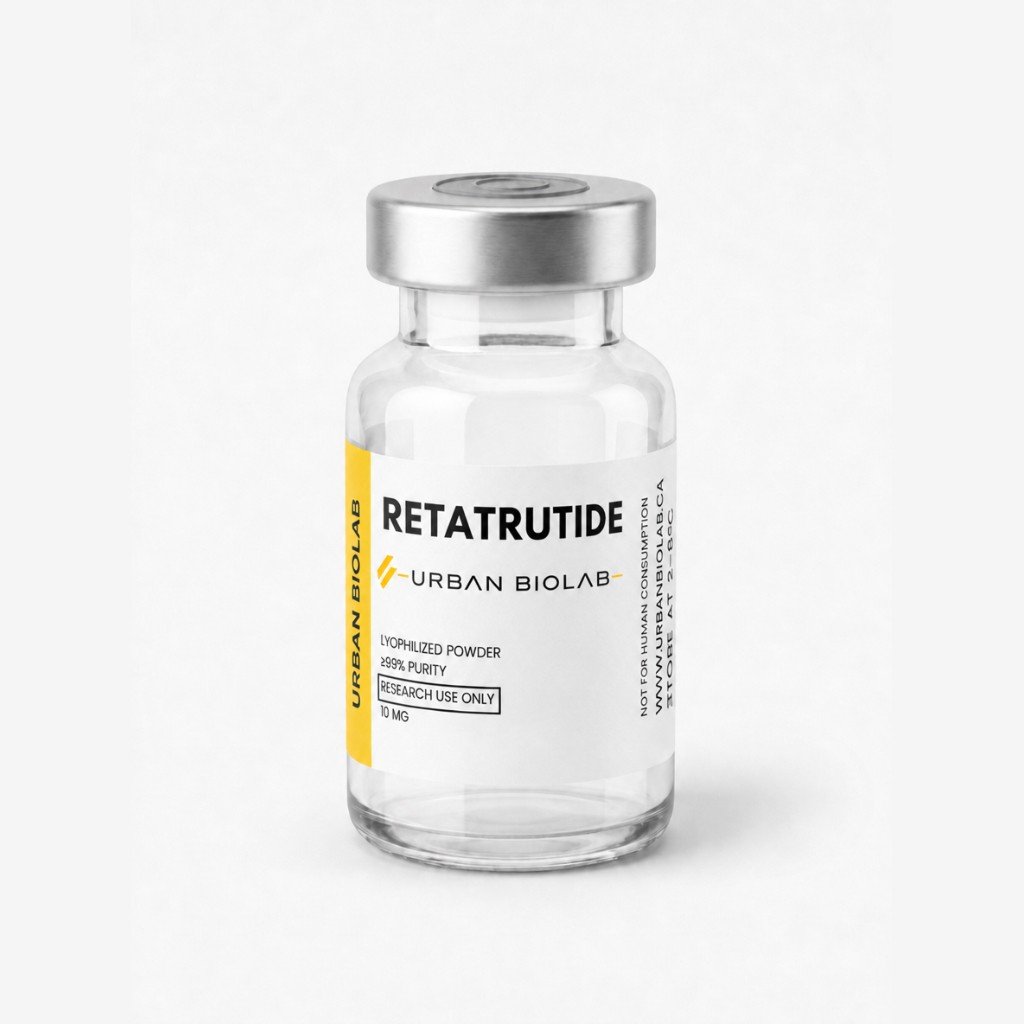
RT (Retatrutide) 10MG
Buy Retatrutide Canada: RT10 is a cutting-edge investigational peptide designed for advanced scientific exploration in metabolic health and weight management research. Known for its unique mechanism as a triple agonist (GLP-1, GIP, and glucagon receptors), it has shown promising potential in preclinical studies related to appetite regulation, fat metabolism, and glycemic control.
Timeline of Cardiovascular Improvements
Understanding when to expect cardiovascular benefits helps set appropriate expectations and guides monitoring decisions. Unlike weight loss, which provides visible and frequent feedback, cardiovascular improvements happen largely invisibly. Knowing the typical timeline helps maintain motivation and ensures you’re tracking the right metrics at the right times.
Weeks 1-4: Early Metabolic Shifts
Blood sugar regulation begins improving almost immediately. Blood pressure changes are minimal at this stage. Focus remains on tolerating the medication and establishing the routine. Cardiovascular benefits are accumulating invisibly as metabolic function improves at the cellular level.
Weeks 5-12: Measurable Changes Begin
Blood pressure improvements become detectable with home monitoring. Weight loss accelerates during this period. Early lipid changes may appear on bloodwork, particularly triglyceride reductions. Many patients report improved energy and reduced fatigue reflecting better cardiovascular function.
Weeks 13-24: Acceleration Phase
This represents the sweet spot for cardiovascular improvement. Blood pressure, lipids, and inflammatory markers all show substantial progress. The 17% average weight loss by week 24 translates to meaningful reductions in cardiac workload. Many patients on blood pressure medications can discuss dose reductions with their physicians.
Weeks 25-48: Consolidation and Optimization
Cardiovascular improvements stabilize and deepen. The full 24% weight loss produces maximum blood pressure and lipid benefits. Long-term arterial remodeling begins as reduced inflammation allows blood vessels to regain elasticity. Cardiovascular risk profile approaches that of someone who was never obese.
Comparing Cardiovascular Benefits Across GLP-1 Medications
Canadian patients often ask how Retatrutide’s cardiovascular benefits compare to currently available options like Semaglutide (Wegovy/Ozempic) and Tirzepatide (Mounjaro/Zepbound). While direct comparison is complicated by different trial designs and durations, the available data allows reasonable estimates.
Comparing medications across different trials introduces important caveats. Patient populations differ between studies. Trial durations vary. Outcome measures may not be perfectly aligned. These limitations don’t prevent useful comparison, but they do require careful interpretation rather than simple number-to-number comparison.
Semaglutide has the strongest evidence base for cardiovascular protection. The SELECT trial enrolled over 17,000 patients with established cardiovascular disease and demonstrated a 20% reduction in major adverse cardiovascular events. This represents hard endpoint data showing actual reductions in heart attacks, strokes, and cardiovascular deaths. No other obesity medication has proven this level of cardiovascular protection.
The SELECT trial results established GLP-1 receptor activation as cardioprotective in ways that previous surrogate marker improvements only suggested. Before SELECT, physicians could reasonably argue that blood pressure and cholesterol improvements might not translate to fewer events. After SELECT, the debate ended. GLP-1 medications save lives and prevent cardiovascular events.
Tirzepatide shows impressive surrogate marker improvements, with blood pressure reductions of 5-10 mmHg systolic and significant lipid improvements. However, the cardiovascular outcomes trial (SURMOUNT-MMO) remains ongoing, so we cannot yet confirm whether these surrogate improvements translate to reduced events.
The SURMOUNT-MMO trial should provide definitive answers about Tirzepatide’s cardiovascular benefits within the next few years. Preliminary data and mechanistic understanding both suggest positive results, but the medical community rightly demands completed trials before making definitive claims.
Cardiovascular Profile Comparison
| Parameter | Retatrutide | Tirzepatide | Semaglutide |
|---|---|---|---|
| BP Reduction | 6.8 mmHg | 5-10 mmHg | 3-5 mmHg |
| Triglyceride Drop | 28% | 25% | 18% |
| LDL Reduction | 12% | 8% | 5% |
| Proven CV Protection | Pending | Pending | Yes (SELECT) |
Retatrutide shows the most impressive surrogate marker data of all three medications. The 28% triglyceride reduction, 6.8 mmHg blood pressure drop, and superior weight loss all suggest cardiovascular benefits that may exceed the competitors. However, until a dedicated outcomes trial confirms these benefits translate to fewer heart attacks and strokes, Semaglutide remains the only option with proven cardiovascular event reduction.
Key Takeaway
For Canadian patients with established heart disease, Semaglutide currently offers the strongest evidence-based cardiovascular protection. For those primarily seeking metabolic optimization and aggressive weight loss, Retatrutide’s superior surrogate markers suggest it may ultimately prove more cardioprotective once outcome trial data becomes available.
The Diabetes and Heart Disease Connection
Type 2 diabetes and cardiovascular disease share so many risk factors and pathophysiological mechanisms that some researchers consider them different manifestations of the same underlying metabolic disorder. Understanding this connection illuminates why Retatrutide’s combined effects on blood sugar and cardiovascular risk markers prove so valuable.
The metabolic syndrome concept captures this interrelationship. Individuals with central obesity, insulin resistance, elevated triglycerides, low HDL cholesterol, and high blood pressure face dramatically elevated cardiovascular risk. These factors cluster together because they share common underlying causes. Addressing one factor often improves others, and addressing all simultaneously through metabolic optimization produces the greatest benefit.
Patients with type 2 diabetes face 2-4 times higher cardiovascular disease risk compared to those without diabetes. This excess risk stems from multiple factors including accelerated atherosclerosis, increased inflammatory state, abnormal blood clotting tendencies, and the metabolic damage caused by chronic hyperglycemia. Traditional diabetes management focused primarily on blood sugar control, but modern approaches recognize that cardiovascular risk reduction deserves equal or greater priority.
Hyperglycemia itself damages blood vessels through several mechanisms. Elevated glucose attaches to proteins in arterial walls through a process called glycation, stiffening vessels and promoting plaque formation. High glucose levels increase oxidative stress, damaging the delicate endothelial cells lining blood vessels. The inflammatory response to this damage accelerates atherosclerosis beyond what would be expected from cholesterol levels alone.
Retatrutide addresses this interconnected risk comprehensively. The A1C reductions of 2.02% in diabetic trial participants exceed what many second or third line diabetes medications achieve. Simultaneously, the blood pressure and lipid improvements tackle the cardiovascular risk that accompanies diabetes. Rather than treating diabetes and cardiovascular risk as separate problems requiring separate solutions, Retatrutide provides unified treatment.
For patients with prediabetes, Retatrutide may offer particularly compelling value. Preventing the progression from prediabetes to established diabetes eliminates years of hyperglycemic damage before it occurs. The cardiovascular benefits begin immediately rather than after damage has accumulated. This preventive approach represents a fundamental shift from treating established disease to maintaining metabolic health.
For diabetic patients considering Retatrutide, the cardiovascular benefits may actually be more important than the blood sugar effects. While A1C control matters for preventing microvascular complications (eye, kidney, nerve damage), cardiovascular events represent the leading cause of death in diabetes. The metabolic improvements position Retatrutide as potentially the most comprehensive single intervention for diabetic patients.
The insulin sensitivity improvements deserve specific mention. Insulin resistance drives both type 2 diabetes and cardiovascular disease through overlapping mechanisms. As insulin resistance improves with Retatrutide treatment, cells throughout the body respond better to normal insulin signals. This improved insulin sensitivity reduces the compensatory hyperinsulinemia that contributes to arterial damage and promotes more normal metabolic function across multiple organ systems.
Practical Monitoring Guidelines
Tracking cardiovascular improvements requires the right measurements at the right intervals. While your physician will guide specific monitoring based on your individual situation, understanding the general framework helps you participate actively in your cardiovascular health management.
Home monitoring represents one of the most valuable tools for cardiovascular health tracking. Blood pressure cuffs, glucose monitors, and weight scales provide frequent feedback that office visits simply cannot match. The ability to track trends over weeks and months reveals patterns that single point measurements miss. Investing in quality home monitoring equipment pays dividends in health awareness and treatment optimization.
Creating a simple tracking system improves the value of home monitoring. A spreadsheet, notebook, or smartphone app that records daily or weekly measurements over time reveals trends invisible in individual readings. Bringing this data to medical appointments enables more informed discussions with your healthcare provider about treatment adjustments.
Recommended Monitoring Schedule
Blood Pressure
Home monitoring provides more accurate assessment than occasional office readings. Check morning blood pressure 2-3 times weekly during dose escalation, then weekly once stable. Record readings in a log to share with your physician. Report any consistent readings below 100/60 or persistent readings above 140/90.
Lipid Panel
Baseline lipid panel before starting treatment establishes comparison point. Repeat at 6 months to assess initial response. Annual monitoring thereafter unless results prompt more frequent testing. Fasting lipid panels provide most accurate triglyceride measurements.
Inflammatory Markers
Request hsCRP at baseline if not included in standard bloodwork. Repeat at 6 months to document improvement. This optional but informative marker helps demonstrate cardiovascular benefit independent of traditional risk factors.
Blood Sugar Markers
Fasting glucose and HbA1c at baseline. For diabetic patients, more frequent monitoring per established diabetes management protocols. For non-diabetics, repeat at 6 months to assess metabolic improvement. Watch for hypoglycemia if taking diabetes medications that require dose adjustment.
Beyond laboratory monitoring, paying attention to functional cardiovascular indicators provides valuable feedback. Many patients notice improved exercise tolerance as cardiovascular health improves. Activities that previously caused shortness of breath or fatigue become easier. Stairs that once required rest breaks become manageable. These functional improvements often precede measurable changes in laboratory values.
Cardiovascular Health in the Canadian Context
Canada faces unique cardiovascular health considerations that make Retatrutide’s benefits particularly relevant. Our population shows high rates of obesity, with over 30% of Canadian adults classified as obese and another 35% as overweight. Cold winters limit year-round outdoor physical activity for many residents, contributing to sedentary lifestyles that compound metabolic problems.
Regional variations in cardiovascular health exist across Canada. Indigenous communities face disproportionately higher rates of diabetes and cardiovascular disease. Atlantic provinces show higher obesity rates than the national average. Northern communities face unique challenges accessing specialized cardiovascular care. Understanding these variations helps contextualize the potential impact of effective obesity treatment.
The Canadian healthcare system covers cardiovascular disease treatments, but preventive medications like GLP-1 agonists typically require private insurance or out-of-pocket payment. This creates disparities in access to the most effective weight management and cardiovascular risk reduction tools. Understanding the cardiovascular benefits of Retatrutide helps patients advocate for coverage and make informed decisions about self-funding treatment.
Some provincial drug formularies are beginning to cover GLP-1 medications under specific criteria, typically requiring documented obesity with comorbidities and failure of lifestyle interventions. The expanding evidence for cardiovascular benefits strengthens the case for broader coverage. Patients working with their physicians to document failed weight loss attempts and cardiovascular risk factors improve their chances of obtaining coverage.
Provincial healthcare systems increasingly recognize the connection between obesity treatment and cardiovascular cost savings. The expenses associated with managing hypertension, hyperlipidemia, diabetes, and their cardiovascular complications far exceed the costs of effective weight loss intervention. As evidence for GLP-1 cardiovascular benefits strengthens, policy discussions about broader coverage continue across Canadian provinces.
Canadian dietary patterns present both advantages and challenges. Access to high-quality protein sources including wild-caught fish supports the protein-focused nutrition recommended during GLP-1 treatment. However, long winters can lead to increased consumption of processed foods and decreased fresh vegetable intake. Awareness of these seasonal patterns helps patients optimize their nutrition throughout the year.
Did You Know?
Heart disease and stroke cost the Canadian economy an estimated $20.9 billion annually in direct healthcare costs and lost productivity. Effective obesity treatment that reduces cardiovascular events could substantially decrease this burden while improving quality of life for millions of Canadians.
Canadian research institutions actively participate in GLP-1 agonist research, including cardiovascular outcomes studies. Patients interested in clinical trial participation may find opportunities through major academic medical centers in cities like Toronto, Montreal, Calgary, and Vancouver. Trial participation provides access to investigational treatments while contributing to the evidence base that ultimately benefits all Canadians.
Lifestyle Factors That Amplify Benefits
Retatrutide produces impressive cardiovascular improvements on its own, but combining pharmacological intervention with lifestyle modification amplifies the benefits substantially. The medication creates a metabolic environment where healthy behaviors produce enhanced results compared to either approach alone.
The synergy between medication and lifestyle changes operates through multiple channels. Reduced appetite makes dietary modifications feel achievable rather than punishing. Weight loss improves mobility and energy for exercise. Positive results reinforce motivation to maintain healthy habits. Each improvement builds on the others, creating momentum toward better cardiovascular health.
Dietary modification during Retatrutide treatment deserves attention beyond simply eating less. The reduced appetite makes it easier to choose nutrient-dense foods rather than calorie-dense convenience options. Focusing on heart-healthy dietary patterns like Mediterranean or DASH diets provides cardiovascular benefits that complement the medication’s effects. Reduced saturated fat intake enhances cholesterol improvements. Sodium reduction amplifies blood pressure benefits.
Protein intake requires particular attention during rapid weight loss. The body preferentially preserves muscle when adequate protein is consumed, ensuring that weight lost comes primarily from fat. Muscle tissue is metabolically active and contributes to cardiovascular health through multiple pathways. Targeting 0.7-1.0 grams of protein per pound of ideal body weight supports optimal body composition during treatment.
Key Takeaway
Think of Retatrutide as creating an opportunity window. The medication makes healthy changes easier to implement and more impactful when you do implement them. The cardiovascular benefits you achieve will reflect both the medication’s direct effects and the lifestyle improvements you layer on top. Patients who combine medication with active lifestyle engagement consistently achieve better outcomes than those relying on medication alone.
Cardiovascular Exercise
150 minutes weekly of moderate aerobic activity provides independent cardiovascular benefits. Walking, cycling, swimming, or any sustained activity that elevates heart rate. Start slowly and increase duration as weight loss improves exercise capacity. The combination produces greater cardiovascular improvement than either intervention alone.
Resistance Training
Strength training 2-3 times weekly preserves muscle mass during rapid weight loss. Muscle tissue is metabolically active and supports cardiovascular health. Focus on major muscle groups with progressive resistance. Can be done with weights, resistance bands, or bodyweight exercises.
Stress Management
Chronic stress elevates cortisol and inflammatory markers that worsen cardiovascular risk. Mindfulness, meditation, yoga, or other relaxation practices complement Retatrutide’s anti-inflammatory effects. Even 10-15 minutes of daily stress reduction practice produces measurable cardiovascular benefits.
Sleep Optimization
Poor sleep quality worsens insulin resistance and increases cardiovascular risk. Aim for 7-9 hours of quality sleep nightly. Weight loss often improves sleep apnea symptoms that previously disrupted rest. Better sleep supports hormonal balance that enhances Retatrutide’s metabolic effects.
Smoking cessation, if applicable, represents perhaps the single most impactful additional cardiovascular intervention. Smoking negates many of the cardiovascular benefits that weight loss and metabolic improvement would otherwise provide. The appetite suppression from Retatrutide may actually facilitate smoking cessation by reducing the weight gain that often accompanies quitting.
Alcohol moderation supports cardiovascular health and enhances medication tolerance. Reduced alcohol intake means fewer empty calories competing with nutrient-dense foods. It also reduces the liver’s metabolic burden, supporting better lipid metabolism and medication processing.
Frequently Asked Questions
How quickly will I see blood pressure improvements with Retatrutide?
Most users notice measurable blood pressure reductions within 4-8 weeks of starting treatment. The improvements continue to develop over the full 48-week treatment course. Initial changes may be subtle, so consistent home monitoring helps track progress. Patients already on blood pressure medications should watch for symptoms of low blood pressure and discuss medication adjustments with their physician as needed.
Can Retatrutide replace my cholesterol medication?
Retatrutide produces meaningful improvements in cholesterol and triglycerides, but it should not be viewed as a direct replacement for statin therapy in patients with established cardiovascular disease or high LDL cholesterol. The 12% LDL reduction from Retatrutide is modest compared to the 30-50% reductions achievable with statins. For many patients, the combination of both therapies provides optimal cardiovascular protection. Any changes to statin therapy should be discussed with your cardiologist or primary care physician.
Is Retatrutide safe for people with existing heart disease?
Phase 2 trial data did not identify cardiovascular safety concerns with Retatrutide. The mild heart rate increase of 2-4 beats per minute is generally well tolerated. However, dedicated cardiovascular outcomes trials have not yet been completed for Retatrutide specifically. Patients with existing heart disease should discuss the risk-benefit profile with their cardiologist. Currently, Semaglutide has the strongest evidence for cardiovascular protection in patients with established heart disease based on the SELECT trial results.
How do cardiovascular benefits compare between Retatrutide doses?
Higher doses of Retatrutide (8mg and 12mg) produce greater cardiovascular improvements compared to lower doses, primarily because they drive more weight loss. However, even the 4mg dose shows clinically meaningful improvements in blood pressure, triglycerides, and other cardiovascular markers. The optimal dose balances efficacy against tolerability. Many patients achieve satisfactory cardiovascular benefits at 8mg without needing to escalate to the maximum 12mg dose.
Will the cardiovascular improvements persist if I stop taking Retatrutide?
This represents one of the most important questions in obesity medicine. Experience with similar medications suggests that cardiovascular improvements are largely maintained only while treatment continues. When patients stop GLP-1 based therapies, weight regain typically occurs within 6-12 months, and cardiovascular risk markers tend to return toward baseline. For sustained cardiovascular benefit, most patients need to continue treatment indefinitely, similar to blood pressure or cholesterol medications.
Does Retatrutide interact with blood thinners or other cardiac medications?
No significant drug interactions have been identified between Retatrutide and common cardiac medications including blood thinners (warfarin, apixaban), antiarrhythmics, or other cardiovascular drugs. The main consideration is that improved metabolic function may alter the requirements for medications treating conditions influenced by weight and metabolic health. Blood pressure medications frequently need dose reductions as weight decreases. Diabetes medications require careful adjustment to avoid hypoglycemia.
What heart rate changes should I expect?
Average heart rate increases by 2-4 beats per minute with Retatrutide, attributable to the glucagon receptor activation component. This is comparable to the effect of consuming caffeine and is generally not clinically significant for healthy hearts. About 4% of trial participants noticed increased awareness of their heartbeat. Resting heart rates consistently above 100 beats per minute or symptoms like palpitations, chest discomfort, or shortness of breath warrant medical evaluation.
How does liver fat reduction benefit cardiovascular health?
Retatrutide reduces liver fat by approximately 44% according to MRI measurements in trial subgroups. Non-alcoholic fatty liver disease (NAFLD) is strongly associated with cardiovascular disease independent of other risk factors. The liver plays a central role in lipid metabolism, and fatty liver impairs its ability to process cholesterol and triglycerides properly. Reducing liver fat improves overall lipid handling and reduces production of inflammatory compounds that accelerate atherosclerosis.
Should I get a cardiac stress test before starting Retatrutide?
Routine cardiac stress testing is not required before starting Retatrutide for most patients. However, patients with known or suspected coronary artery disease, unexplained chest pain, or significant cardiac risk factors should undergo appropriate cardiovascular evaluation before initiating any weight loss program that will include increased physical activity. Your physician can determine what pre-treatment cardiac evaluation, if any, is appropriate based on your individual risk profile.
Can Retatrutide help with heart failure?
Emerging research suggests GLP-1 receptor agonists may provide benefits for patients with heart failure, particularly heart failure with preserved ejection fraction (HFpEF), which is closely linked to obesity. Weight loss reduces cardiac workload and may improve symptoms. Some trials of Semaglutide in heart failure populations have shown promising results. However, Retatrutide has not been specifically studied in heart failure patients, so its role in this population remains uncertain.
Glossary
Atherosclerosis
The buildup of fatty plaques inside arterial walls that narrows blood vessels and can lead to heart attacks and strokes. This process is accelerated by high cholesterol, high blood pressure, diabetes, and inflammation.
Cardiovascular Risk Factors
Characteristics or conditions that increase the likelihood of developing heart disease or stroke. Major modifiable risk factors include high blood pressure, high cholesterol, diabetes, obesity, and smoking.
Dyslipidemia
Abnormal levels of lipids (fats) in the blood, including elevated LDL cholesterol, triglycerides, or low HDL cholesterol. Dyslipidemia is a major contributor to atherosclerosis and cardiovascular disease.
Endothelial Function
The ability of the inner lining of blood vessels (endothelium) to regulate blood flow, prevent clotting, and maintain vascular health. Impaired endothelial function is an early marker of cardiovascular disease.
GLP-1 (Glucagon-Like Peptide-1)
A hormone produced in the intestines that regulates appetite, insulin secretion, and has direct effects on the cardiovascular system. GLP-1 receptor agonists like Retatrutide mimic this hormone’s effects.
HDL Cholesterol
High-density lipoprotein cholesterol, often called “good cholesterol.” HDL particles transport cholesterol away from arterial walls back to the liver, providing a protective effect against atherosclerosis.
hsCRP (High-Sensitivity C-Reactive Protein)
A blood marker of inflammation that predicts cardiovascular risk independent of cholesterol levels. Elevated hsCRP indicates increased inflammatory activity that accelerates arterial damage.
Hypertension
High blood pressure, defined as consistent readings above 130/80 mmHg. Hypertension damages blood vessels over time and is a major risk factor for heart attack, stroke, and kidney disease.
Insulin Resistance
A condition where cells respond poorly to insulin, requiring higher insulin levels to maintain normal blood sugar. Insulin resistance underlies type 2 diabetes and contributes directly to cardiovascular disease.
LDL Cholesterol
Low-density lipoprotein cholesterol, often called “bad cholesterol.” LDL particles deposit cholesterol into arterial walls, contributing directly to plaque formation and atherosclerosis.
MACE (Major Adverse Cardiovascular Events)
A composite endpoint in cardiovascular trials that typically includes cardiovascular death, non-fatal heart attack, and non-fatal stroke. Reducing MACE is the gold standard for proving cardiovascular benefit.
Systolic Blood Pressure
The top number in a blood pressure reading, representing pressure in arteries when the heart contracts. Systolic pressure tends to rise with age and responds well to weight loss interventions.
Triglycerides
A type of fat found in blood that stores excess calories. High triglyceride levels are associated with increased cardiovascular risk and often accompany obesity and diabetes.
Triple Agonist
A medication that activates three different receptor types simultaneously. Retatrutide activates GLP-1, GIP, and glucagon receptors, producing broader metabolic effects than single or dual agonists.
Visceral Fat
Fat stored deep in the abdomen surrounding internal organs. Visceral fat is metabolically active, producing inflammatory compounds and hormones that directly increase cardiovascular disease risk.
References
- Jastreboff AM, Kaplan LM, Frias JP, et al. Triple-hormone-receptor agonist retatrutide for obesity: A phase 2 trial. New England Journal of Medicine. 2023;389:514-526. Available at: https://www.nejm.org/doi/full/10.1056/NEJMoa2301972
- American Heart Association. Diabetes and Cardiovascular Disease. Heart.org. 2024. Available at: https://www.heart.org/en/health-topics/diabetes/diabetes-and-cardiovascular-disease
- Lincoff AM, Brown-Frandsen K, Colhoun HM, et al. Semaglutide and cardiovascular outcomes in obesity without diabetes (SELECT). New England Journal of Medicine. 2023;389:2221-2232. Available at: https://www.nejm.org/doi/full/10.1056/NEJMoa2307563
Medical Disclaimer
This article provides educational information about Retatrutide and cardiovascular health based on clinical trial data and published research. It does not constitute medical advice and should not replace consultation with a qualified healthcare provider. Individual results vary, and medication decisions should be made in partnership with your physician based on your complete medical history and circumstances. Retatrutide is currently in clinical trials and not yet approved by Health Canada or the FDA for general use.