
The Short Answer
What sets Retatrutide apart from every other weight management medication on the market comes down to one crucial mechanism: it activates glucagon receptors.
While medications like Ozempic and Mounjaro primarily work by reducing appetite, Retatrutide introduces a metabolic edge that actually elevates how many calories your body expends.
This triple agonist formulation—combining GIP, GLP-1, and glucagon—produces an average weight reduction of 24.2% over 48 weeks in clinical research.
The glucagon element specifically triggers thermogenesis and improves fat oxidation, transforming your body into a more efficient calorie-burning engine even while at rest.
For someone weighing 220 pounds, this equates to roughly 53 pounds of weight loss without any surgical procedure.
Canadians should pay particular attention to this mechanism because it tackles both aspects of the energy balance equation: decreasing intake while increasing output.
A Real Patient’s Experience
I’m Derek Henderson, and I call Winnipeg, Manitoba home. At 52 years old and weighing 268 pounds, I had resigned myself to the idea that my metabolism was permanently broken. Two years of cycling through different strategies got me absolutely nowhere. When a friend brought up Retatrutide and described how the glucagon component actually accelerates metabolism rather than simply eliminating appetite, something resonated with me. I knew I had to try it and see the results firsthand.
The first month felt different right away. Not that nauseous, can’t-eat sensation some people describe with other medications. It was more like my body simply began operating at a higher temperature. I noticed feeling warmer after meals, which apparently is that thermogenic effect everyone talks about.
Jump ahead eight months and I’m now at 196 pounds. What amazes me most is how much energy I have these days. My wife keeps telling me I’m like a completely different person… and I feel like one, that’s for certain. I highly recommend Retatrutide!
Derek’s Dosing Schedule
- Weeks 1-4: 2mg per week
- Weeks 5-8: 4mg per week
- Weeks 9-16: 8mg per week
- Weeks 17 and beyond: 10mg per week (maintenance)
Derek H., 52, Winnipeg, Manitoba
Understanding How Glucagon Differs From Other Weight Loss Approaches
Every weight loss medication that preceded Retatrutide functioned on essentially the same premise: get people to eat less. GLP-1 agonists reduce appetite. GIP agonists amplify that reduction. The entire pharmaceutical strategy for treating obesity has focused on decreasing the “calories in” side of the equation.
This strategy works, as the success of medications like Ozempic and Mounjaro demonstrates. But operating within only half of the energy equation restricts what’s possible. Regardless of how effectively appetite diminishes, metabolic adaptations eventually stall progress. The body responds to reduced caloric intake by lowering caloric expenditure, creating a constantly shifting target that defeats countless weight loss efforts.
Retatrutide disrupts this pattern by activating glucagon receptors alongside GLP-1 and GIP. Glucagon is the hormone your pancreas releases when blood sugar drops, signaling your body to mobilize stored energy. By directly activating glucagon receptors, Retatrutide increases the “calories out” portion of the equation in ways earlier medications simply couldn’t accomplish.
Essential Insight
Retatrutide is the first obesity medication that simultaneously decreases appetite AND elevates metabolic rate. This dual mechanism explains why clinical results surpass anything previously achieved with pharmaceutical weight loss.
Traditional weight loss produces a metabolic slowdown. When you eat less, your body compensates by burning fewer calories. This adaptive thermogenesis has derailed countless diet attempts, with metabolisms slowing by 200-500 calories daily following significant weight loss. The body interprets caloric restriction as potential starvation and responds by conserving energy.
Glucagon receptor activation appears to counteract this adaptation. Rather than your metabolism slowing as you lose weight, the glucagon component keeps energy expenditure elevated. Research indicates this may actually boost resting metabolic rate, meaning you burn more calories even while sleeping.
The Historical Puzzle of Glucagon
For decades, researchers steered clear of glucagon as a weight loss target due to one significant concern: glucagon elevates blood sugar. In diabetic patients particularly, raising glucagon seemed counterproductive. Why would you activate a hormone that increases glucose when obesity and diabetes so often coexist?
The breakthrough emerged from recognizing that glucagon’s effects depend heavily on what else is occurring metabolically. When glucagon receptors activate alongside GLP-1 receptors, the blood sugar elevation gets neutralized. GLP-1 stimulates insulin release, which counterbalances glucagon’s glucose-raising effects. What remains is the metabolic boost without the hyperglycemia risk.
Did You Know
Glucagon was identified in 1923, just two years after insulin, yet its therapeutic potential for weight loss wasn’t seriously investigated until the 2010s. Scientists spent nearly a century viewing it exclusively as a blood sugar hormone.
Phase 2 clinical trials confirmed this balance works in practice. Participants receiving Retatrutide showed improved A1C levels (averaging 2.02% reduction) alongside their weight loss, demonstrating that glucagon activation doesn’t create blood sugar problems when paired with GLP-1 activity.
The Triple Agonist Advantage Explained
Understanding why three receptors outperform one or two requires examining what each receptor contributes to weight regulation. Consider it as three distinct levers your body uses to control energy balance, with Retatrutide pulling all three at once.
The concept of multiple receptor targeting represents a broader evolution in pharmaceutical development. Earlier generations of medications typically targeted single pathways, following the principle of specificity. Modern drug design increasingly recognizes that complex conditions like obesity involve multiple interconnected systems. Addressing multiple pathways simultaneously can produce effects that single-target approaches cannot achieve.
For weight regulation specifically, the body has numerous redundant systems protecting against starvation. From an evolutionary perspective, this redundancy kept our ancestors alive during food scarcity. In modern environments of caloric abundance, these same protective systems make weight loss difficult. Overcoming these defenses requires intervention at multiple points, which explains why multi-receptor agonists outperform single-receptor approaches.
GLP-1 Receptor: The Appetite Regulator
GLP-1 (glucagon-like peptide-1) has been the foundation of modern obesity pharmacotherapy since Victoza received approval in 2010. This hormone naturally releases from your intestines after eating, signaling your brain that food has arrived. Medications that mimic GLP-1 extend and amplify this signal.
When GLP-1 receptors activate in the hypothalamus, appetite decreases significantly. Patients describe feeling satisfied with smaller portions and experiencing reduced food cravings. Gastric emptying also slows, meaning food stays in your stomach longer, extending the feeling of fullness after meals.
Single-receptor GLP-1 medications like semaglutide (Ozempic, Wegovy) produce impressive results through this mechanism alone. The 14.9% average weight loss from Wegovy trials established a new standard for pharmaceutical intervention. Yet that standard has already been surpassed.
GIP Receptor: The Synergy Enhancer
GIP (glucose-dependent insulinotropic polypeptide) represents the second generation of incretin therapy. This hormone also releases from intestinal cells after eating, and for years scientists thought its primary role involved insulin secretion. Newer research reveals GIP receptors throughout the brain and adipose tissue affect far more than just insulin.
Adding GIP activation to GLP-1 produces synergistic effects exceeding what either hormone achieves alone. Tirzepatide (Mounjaro, Zepbound) demonstrated this with 20.9% average weight loss, outperforming semaglutide’s 14.9% by a substantial margin. The combination appears to enhance central nervous system appetite suppression while also improving how fat tissue responds to metabolic signals.
Personal Perspective
When tirzepatide results emerged showing dual agonism beat single agonism by nearly 40%, the logical next question became obvious: what about triple? The pharmaceutical industry’s answer is Retatrutide, and the early data suggests that logic holds.
Interestingly, GIP activation may also reduce some GLP-1 related side effects. The nausea rates for tirzepatide (25%) fall below semaglutide (44%) despite producing greater weight loss. This improved tolerability makes dual and triple agonists more practical for long-term use.
Glucagon Receptor: The Metabolic Accelerator
Glucagon receptor activation is what truly distinguishes Retatrutide from its predecessors. While GLP-1 and GIP primarily work by reducing how much energy goes in, glucagon increases how much energy goes out. This shifts the entire approach from pure appetite suppression to active metabolic enhancement.
When glucagon binds to its receptors on liver cells, it triggers glycogenolysis (breakdown of stored glycogen) and gluconeogenesis (production of new glucose). But the metabolic effects extend far beyond blood sugar regulation. Glucagon receptors in adipose tissue stimulate lipolysis, the breakdown of stored fat into usable fatty acids. Receptors in brown adipose tissue activate thermogenesis, literally generating heat from calories.
The net result is a body that burns more fuel around the clock. Basal metabolic rate increases. Fat oxidation improves. Energy expenditure rises even during rest and sleep. Combined with the appetite suppression from GLP-1 and GIP, this creates a comprehensive attack on excess body fat from multiple angles.
Receptor Activation Comparison
- Semaglutide (Wegovy): GLP-1 only → 14.9% weight loss
- Tirzepatide (Zepbound): GLP-1 + GIP → 20.9% weight loss
- Retatrutide: GLP-1 + GIP + Glucagon → 24.2% weight loss
How Glucagon Drives Thermogenesis and Fat Oxidation
Thermogenesis is the technical term for heat production from metabolic processes. Every calorie your body burns generates some heat as a byproduct, which is why exercise makes you warm. Glucagon receptor activation increases this thermogenic effect, essentially transforming your body into a more efficient calorie-burning furnace.
The relationship between glucagon and thermogenesis has been studied in laboratory settings for decades, but only recently has pharmaceutical development caught up to leverage this connection for weight management. Early researchers observed that glucagon administration increased oxygen consumption and body temperature in test subjects, clear indicators of elevated metabolic activity.
What makes this particularly valuable for weight loss is that thermogenic calorie burning occurs independent of conscious effort. You don’t have to exercise harder or restrict calories further. The increased energy expenditure happens automatically, around the clock, as a direct result of receptor activation. For people who have struggled with plateaus on conventional approaches, this passive metabolic boost can make the difference between stalled progress and continued loss.
The Brown Fat Connection
Adults retain small deposits of brown adipose tissue (BAT), primarily around the collar bones, spine, and kidneys. Unlike regular white fat that stores energy, brown fat burns energy to produce heat. This happens through uncoupling protein 1 (UCP1), which short-circuits normal cellular energy production to generate warmth instead of ATP.
Glucagon receptor activation stimulates brown fat activity. Blood flow to brown fat deposits increases. UCP1 expression rises. The result is measurably higher energy expenditure from thermogenesis. Some researchers believe this mechanism partially explains why lean individuals seem to burn calories more efficiently, as their brown fat remains more active.
Essential Insight
Brown fat activation through glucagon signaling may help explain why Retatrutide users often report feeling warmer, especially after eating. This increased heat production represents calories being burned rather than stored.
Cold exposure has long been known to activate brown fat, which is why some biohackers recommend cold showers or ice baths for metabolic benefits. Retatrutide appears to produce similar brown fat activation pharmacologically, without the discomfort of freezing temperatures.
The practical significance of brown fat activation extends beyond theoretical interest. People with more active brown fat tend to be leaner and have better metabolic health. Until recently, activating brown fat required uncomfortable cold exposure that most people wouldn’t sustain. Pharmaceutical activation through glucagon signaling provides the same metabolic boost without environmental manipulation.
Research continues to explore the relationship between brown fat activity and long-term weight maintenance. Individuals who maintain weight loss successfully tend to have higher brown fat activity than those who regain. While causality isn’t established, the correlation suggests brown fat activation could support lasting results beyond initial weight loss.
Enhanced Lipolysis in White Fat
Beyond activating brown fat, glucagon signals white adipose tissue to release stored triglycerides. This process, called lipolysis, breaks large fat molecules into glycerol and free fatty acids that can be burned for energy. Under normal conditions, insulin suppresses lipolysis to promote fat storage. Glucagon does the opposite.
When you lose weight through calorie restriction alone, your body often reduces lipolysis as part of the adaptive response to preserve energy stores. The glucagon component of Retatrutide maintains lipolytic activity even during the caloric deficit created by reduced appetite. Fat stores remain accessible for energy rather than being defended by metabolic adaptations.
This enhanced fat oxidation may also explain the body composition improvements seen in trials. Participants losing weight on Retatrutide appear to lose a higher proportion of fat mass versus lean mass compared to diet alone. Preserving muscle while shedding fat produces better functional outcomes and maintains metabolic health.
Hepatic Metabolic Effects
The liver plays a central role in glucagon signaling, and hepatic effects contribute significantly to Retatrutide’s metabolic benefits. Glucagon receptor activation in the liver stimulates fatty acid oxidation within hepatocytes, reducing hepatic lipid accumulation. For the substantial population of overweight individuals with non-alcoholic fatty liver disease (NAFLD), this could provide therapeutic benefits beyond weight loss alone.
Clinical trial data showed improvements in liver enzyme levels alongside weight reduction, suggesting meaningful hepatic metabolic changes. While dedicated liver outcome studies haven’t been completed, the mechanism supports potential benefits for metabolic-associated fatty liver disease (MAFLD).
Did You Know
The liver processes approximately 1.5 liters of blood every minute. Glucagon receptor activation in liver cells affects whole-body metabolism because the liver touches so much of your circulating blood volume.
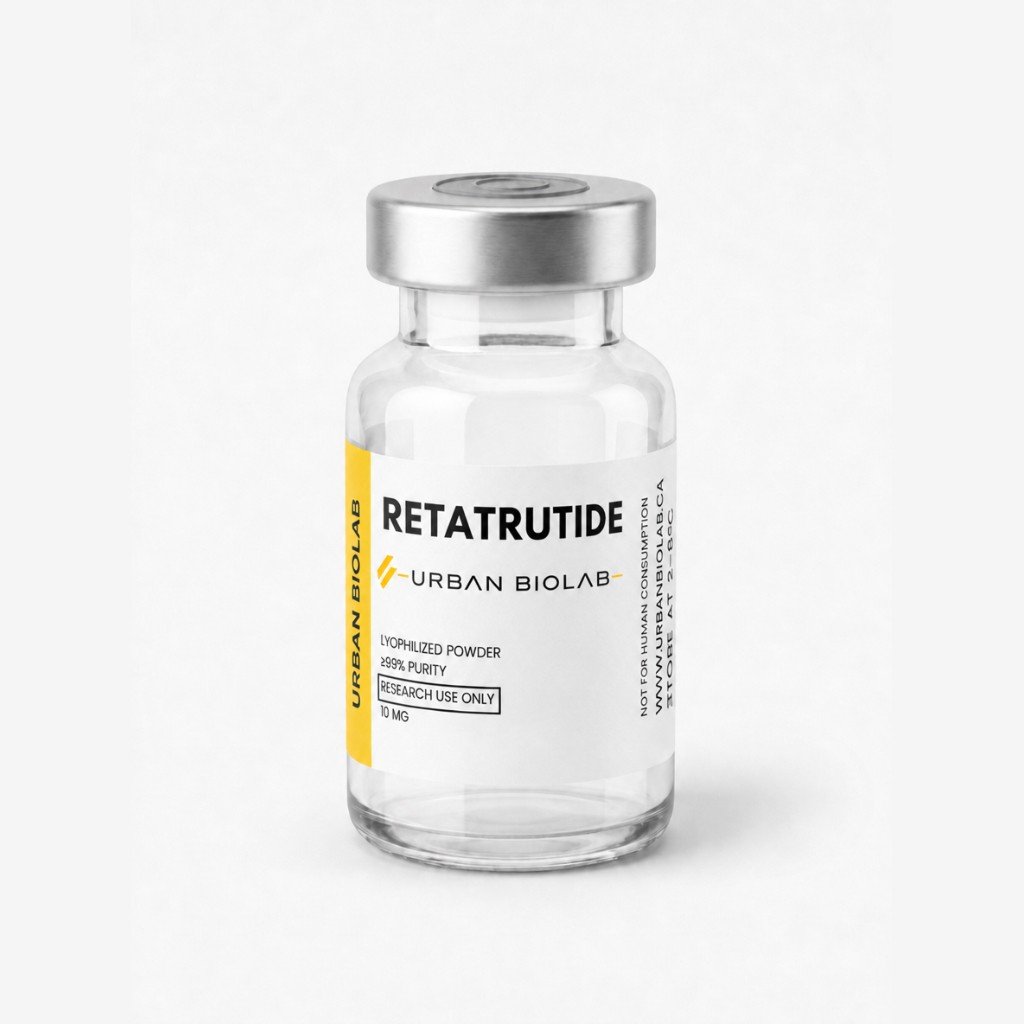
RT (Retatrutide) 10MG
Buy Retatrutide Canada: RT10 is a cutting-edge investigational peptide designed for advanced scientific exploration in metabolic health and weight management research. Known for its unique mechanism as a triple agonist (GLP-1, GIP, and glucagon receptors), it has shown promising potential in preclinical studies related to appetite regulation, fat metabolism, and glycemic control.
Clinical Evidence Supporting Superior Fat Burning
Phase 2 clinical trials for Retatrutide enrolled 338 adults with obesity or overweight with weight-related comorbidities. The 48-week study tested multiple dose levels against placebo, providing robust data on efficacy across the dose range.
The trial design reflects pharmaceutical industry standards for obesity medication development. Participants followed standardized lifestyle interventions including dietary guidance and physical activity recommendations. This mirrors real-world treatment scenarios where medication augments rather than replaces healthy habits. Importantly, the lifestyle component was identical across all dose groups and placebo, isolating the medication’s contribution to observed results.
Enrollment criteria required adults aged 18-75 with BMI of 30 or higher, or BMI of 27 or higher with at least one weight-related comorbidity such as hypertension, dyslipidemia, or sleep apnea. This population represents the typical candidates for obesity pharmacotherapy in clinical practice.
Weight Loss Outcomes by Dose
Results showed clear dose-dependent improvements, with each dose increase delivering approximately 3 additional percentage points of weight loss:
| Weekly Dose | Weight Loss | For 220 lb Person |
|---|---|---|
| 1mg | 8.7% | 19 lbs |
| 4mg | 15.2% | 33 lbs |
| 8mg | 21.1% | 46 lbs |
| 12mg | 24.2% | 53 lbs |
The 12mg dose delivered weight loss approaching gastric sleeve surgery outcomes (typically 25-30%) without any surgical intervention. For individuals who don’t qualify for or want to avoid bariatric surgery, this represents a significant advancement in available options.
Beyond Average Numbers
Averages tell only part of the story. Individual responses varied substantially, with some participants achieving over 27% weight loss at the 12mg dose. Response predictors included higher baseline weight (which correlated with greater absolute weight loss), younger age, and adherence to recommended dietary modifications.
Early response proved predictive of ultimate success. Participants who lost 5% of their body weight by week 12 generally went on to achieve the largest total weight losses. This early checkpoint can help identify who may benefit most from continuing treatment at higher doses.
Personal Perspective
The consistency of the dose-response curve suggests we’re not yet at the ceiling of what’s achievable. Phase 3 trials testing the 12mg dose may reveal whether weight loss continues beyond 48 weeks or plateaus around that timeframe.
Metabolic Improvements Alongside Weight Loss
Weight loss represents the primary outcome, but metabolic improvements may matter more for long-term health. Trial participants showed significant changes across multiple metabolic markers:
A1C levels dropped by an average of 2.02% in participants with type 2 diabetes, bringing 87% of diabetic participants below the 7.0% target that defines good diabetes control. This occurred even as glucose-raising glucagon receptors were being activated, demonstrating the effective counterbalance from GLP-1 activity.
Blood pressure improved alongside weight loss. Lipid profiles showed favorable changes with reduced triglycerides and improved HDL cholesterol. These cardiovascular risk factor improvements could translate into reduced heart disease risk over time.
Liver enzymes decreased in participants with elevated baseline levels, suggesting reduced hepatic fat accumulation. Given the prevalence of fatty liver disease among overweight individuals, this represents a potentially important secondary benefit.
Comparing Retatrutide to Single and Dual Agonists
The progression from single to dual to triple agonist therapy shows consistent improvement with each added receptor target. Understanding what drives these differences helps set appropriate expectations for treatment outcomes.
Making direct comparisons between obesity medications requires acknowledging significant caveats. Different clinical trials enroll different patient populations, follow different protocols, and measure outcomes at different time points. Trial participants may have different baseline characteristics, making cross-trial comparisons imperfect. Nonetheless, the magnitude of differences observed across medication classes strongly suggests genuine efficacy differences beyond statistical noise.
For Canadian patients evaluating options, these comparisons provide practical guidance. Semaglutide has the longest track record and widest availability. Tirzepatide offers improved efficacy for those who plateau on single-agonist therapy. Retatrutide represents the next frontier for those seeking maximum pharmaceutical weight loss potential.
Efficacy Comparison
Direct head-to-head trials between these medications haven’t been conducted, so comparisons rely on separate trial populations. Acknowledging this limitation, the pattern remains striking:
Semaglutide 2.4mg (Wegovy) produced 14.9% average weight loss over 68 weeks in the STEP-1 trial. This single GLP-1 agonist approach set initial standards for pharmaceutical weight loss.
Tirzepatide 15mg (Zepbound) achieved 20.9% weight loss over 72 weeks in SURMOUNT-1, improving on semaglutide by approximately 40% through adding GIP activation.
Retatrutide 12mg reached 24.2% at just 48 weeks, exceeding tirzepatide by another 16% while requiring less time to achieve. The trajectory suggests weight loss may have continued beyond 48 weeks had the trial duration extended.
Essential Insight
Each additional receptor target adds approximately 30-40% to weight loss efficacy. The glucagon receptor appears to contribute at least as much as GIP did when added to GLP-1 alone.
Side Effect Profile Comparison
More receptors might logically produce more side effects, but clinical data doesn’t clearly support this concern. Gastrointestinal side effects dominate all three medication classes, with interesting patterns across treatments:
Nausea rates: Retatrutide 12mg showed 28% incidence, lower than semaglutide’s 44% despite greater weight loss. Tirzepatide fell between at 25%. The presence of GIP activation may actually reduce GLP-1 related nausea.
Discontinuation rates tell the real tolerability story. Approximately 7% of Retatrutide 12mg participants stopped due to side effects, comparable to tirzepatide (6%) and better than semaglutide (11%). Most GI effects peaked during weeks 4-8 and resolved by week 12 for the majority of participants.
Did You Know
The gradual dose escalation protocol (starting at 2mg and increasing monthly) significantly reduces gastrointestinal side effects compared to starting at full dose. This titration approach lets your body adapt to the medication incrementally.
Mechanism Implications
The additional metabolic effects from glucagon activation create meaningful differences in how weight loss occurs. While all three medications reduce appetite, only Retatrutide also increases energy expenditure.
This may explain why some users report different subjective experiences. Semaglutide and tirzepatide users often describe simply not wanting to eat. Retatrutide users frequently mention feeling more energetic, warmer, and more metabolically active. These qualitative differences align with the thermogenic effects of glucagon receptor activation.
Body composition outcomes may also differ, though data remains limited. The theoretical advantage of maintaining lipolysis and metabolic rate during weight loss would be better preservation of lean mass. Muscle loss during rapid weight loss creates metabolic disadvantages; maintaining muscle through glucagon activation could improve long-term outcomes.
Who Benefits Most From Glucagon-Enhanced Weight Loss
Not everyone needs the most potent available option. Understanding who benefits most from the glucagon component helps match treatment to individual circumstances.
The pharmaceutical landscape for obesity treatment has expanded dramatically over the past five years. Options range from modest interventions to aggressive pharmacotherapy. Choosing the right intervention requires considering individual goals, medical history, response to previous treatments, and practical factors like cost and availability. Retatrutide occupies the most aggressive end of this spectrum, making it most appropriate for specific patient profiles.
Working with a healthcare provider to evaluate candidacy involves reviewing multiple factors. Treatment history, current health status, weight loss goals, and realistic expectations all influence the appropriate medication choice. The glucagon component adds value for specific situations while potentially providing no additional benefit for others.
History of Metabolic Slowdown
Individuals who have lost and regained weight multiple times often develop significant metabolic adaptation. Their resting metabolic rate runs lower than predicted for their body size, making further weight loss exceptionally difficult. The glucagon component’s ability to boost metabolism rather than suppress it may specifically benefit this population.
If previous weight loss attempts succeeded initially but stalled despite continued calorie restriction, metabolic adaptation is likely involved. Retatrutide’s dual action addresses both appetite and metabolic rate, potentially overcoming the plateau that ended previous efforts.
Higher Weight Loss Goals
For individuals with substantial weight to lose, the additional efficacy from triple agonism matters more. Someone targeting 30 pounds of loss might achieve excellent results with any GLP-1 medication. Someone needing to lose 100 pounds benefits more from the compounded effects of multiple receptor activation.
The approximately 24% weight loss from Retatrutide means a 300-pound individual could potentially reach 228 pounds, losing 72 pounds. With semaglutide’s 15%, the same person might lose 45 pounds. That 27-pound difference (from 273 vs 228 pounds) represents meaningful additional health improvement for high-BMI individuals.
Personal Perspective
For people with BMI over 40 who are considering bariatric surgery, Retatrutide offers a genuine pharmaceutical alternative. The results approach surgical outcomes without the permanent anatomical changes, recovery time, or surgical risks.
Metabolic Syndrome Presentations
Individuals with metabolic syndrome, characterized by the combination of central obesity, high blood pressure, elevated blood sugar, abnormal cholesterol, and triglyceride levels, may particularly benefit from Retatrutide’s multi-system effects. The triple receptor activation addresses multiple metabolic pathways simultaneously.
Beyond just weight loss, the improvements in A1C, blood pressure, and lipid profiles seen in trials suggest comprehensive metabolic benefits. For people managing multiple cardiovascular risk factors, the efficiency of addressing several problems with a single medication has practical appeal.
Non-Alcoholic Fatty Liver Disease
Hepatic glucagon receptor activation promotes fatty acid oxidation in the liver. For the substantial population with fatty liver disease, which often accompanies obesity, this mechanism provides theoretical benefits beyond what weight loss alone achieves. The improvements in liver enzymes observed in trials support this potential advantage.
While dedicated NAFLD outcome trials haven’t been conducted with Retatrutide, the mechanism strongly supports hepatic benefits. Individuals whose weight and liver health concern them equally might find triple agonism particularly attractive.
Optimizing Results With Retatrutide
Medication efficacy depends partly on how it’s used. While Retatrutide works powerfully on its own, certain strategies can enhance outcomes and reduce side effects.
The difference between typical results and exceptional results often comes down to implementation details. Two people taking the same medication at the same dose can experience meaningfully different outcomes based on timing, diet, activity, and adherence to best practices. These optimization strategies don’t require extraordinary effort but do require consistent attention.
Clinical trials provide standardized protocols, but real-world use allows for individualization. Learning from both trial data and practical experience helps identify what matters most for successful treatment. The following recommendations represent current best practices based on available evidence and clinical observations.
Dose Escalation Protocol
Clinical trials used a gradual dose increase protocol that has become standard for this class of medications. Starting at lower doses and increasing monthly allows the gastrointestinal system to adapt, significantly reducing nausea and other GI effects compared to starting at full dose.
A typical protocol begins at 2mg weekly for four weeks, then increases to 4mg for another four weeks, followed by 8mg, and finally 12mg. Some individuals find adequate weight loss at intermediate doses and may not need to reach the maximum. Others tolerate the escalation well and achieve best results at full dose.
Standard Dose Escalation
- Weeks 1-4: 2mg
- Weeks 5-8: 4mg
- Weeks 9-12: 8mg
- Week 13+: 12mg
Nutritional Considerations
Reduced appetite doesn’t eliminate the need for adequate nutrition. With significantly decreased food intake, ensuring sufficient protein becomes essential for maintaining muscle mass. Most guidelines suggest 0.7-1.0 grams of protein per pound of goal body weight daily during weight loss.
Smaller, protein-focused meals tend to be better tolerated than large meals or high-fat foods. The slowed gastric emptying from GLP-1 activity means large meals sit in the stomach longer, increasing nausea risk. Many users find success with 4-5 smaller meals rather than traditional large servings.
Hydration matters more during treatment. GI side effects can increase fluid loss, and adequate water intake helps minimize constipation, which affects 17-24% of users. Targeting 2-3 liters of water daily supports both GI function and overall metabolic processes.
Essential Insight
Prioritize protein at every meal. With reduced overall intake, making every calorie count for muscle maintenance prevents the metabolic disadvantages of losing lean mass alongside fat.
Physical Activity Integration
Exercise during weight loss helps preserve muscle mass and enhances the metabolic benefits already provided by glucagon activation. Resistance training particularly supports lean mass retention, which protects metabolic rate as weight drops.
The increased energy many users report on Retatrutide makes physical activity more accessible. Unlike the fatigue often accompanying severe calorie restriction, the thermogenic effects appear to support energy levels despite reduced food intake. Many users find themselves naturally more active as treatment progresses.
Starting exercise before reaching goal weight provides both physical and psychological benefits. Building activity habits during treatment makes maintenance easier once target weight is achieved. Even moderate activity like daily walking contributes meaningfully to long-term success.
Managing Side Effects During Treatment
Gastrointestinal effects dominate the side effect profile for all GLP-1 class medications, and Retatrutide is no exception. Understanding what to expect and how to manage symptoms improves tolerability and treatment adherence.
Side effects receive disproportionate attention in patient discussions, sometimes overshadowing the substantial benefits of treatment. While acknowledgment and management of side effects matter, placing them in context helps. Most side effects are transient, predictable, and manageable. The minority of patients who experience intolerable effects can discontinue treatment. For the majority, proper preparation and management strategies allow successful long-term treatment.
The approach to side effect management has evolved as experience with this medication class has accumulated. Early users often struggled without guidance. Current patients benefit from established protocols and community knowledge about what works. The following recommendations synthesize clinical evidence with practical observations from thousands of patient experiences.
Nausea Management
Nausea affects approximately 28% of users at the 12mg dose, typically peaking during weeks 4-10 before resolving. The symptom relates primarily to slowed gastric emptying and usually improves as the body adapts to this change.
Eating smaller portions helps significantly. Large meals overwhelm the slowed digestive system, while smaller amounts process more comfortably. Some users find eating more slowly also reduces nausea by giving the stomach time to signal fullness before overconsumption.
Avoiding lying down immediately after eating reduces symptoms. Staying upright for at least 30 minutes after meals lets gravity assist gastric emptying. Ginger tea or ginger supplements provide natural anti-nausea effects for some individuals.
Practical Tip
If nausea becomes bothersome, staying at the current dose for an extra 2-4 weeks before escalating often allows adaptation. The gradual approach sacrifices some speed for improved tolerability.
Constipation and Diarrhea
These opposite GI effects each affect roughly 17-24% of users. Constipation relates to slowed GI motility, while diarrhea may occur as the gut adapts to hormonal changes. Both typically improve over time.
Fiber intake from vegetables and moderate fruit helps regulate bowel function in both directions. Adequate hydration (2-3 liters daily) particularly helps prevent constipation. For persistent constipation, over-the-counter osmotic laxatives like polyethylene glycol (Miralax) are safe for ongoing use.
Avoiding trigger foods helps manage diarrhea. Fatty and fried foods often worsen symptoms. Keeping a food diary during the first weeks can identify personal triggers to avoid.
Injection Site Reactions
Mild injection site reactions (redness, itching, minor swelling) occur in a small percentage of users. These typically resolve within a few days and rarely require treatment modification.
Rotating injection sites between abdomen, thigh, and upper arm reduces cumulative irritation. Allowing refrigerated medication to warm slightly before injection may reduce discomfort. Proper injection technique (pinching skin, inserting at 90-degree angle, injecting slowly) minimizes reactions.
When to Seek Medical Attention
Certain symptoms warrant prompt medical evaluation. Severe abdominal pain that doesn’t resolve could indicate pancreatitis, a rare but serious potential complication. Significant changes in vision require evaluation. Signs of allergic reaction (severe rash, difficulty breathing, facial swelling) need immediate attention.
Persistent vomiting preventing any food or fluid intake for more than 24 hours requires medical assessment to prevent dehydration. While moderate nausea is expected and manageable, complete inability to eat or drink differs qualitatively and needs professional evaluation.
Long-Term Metabolic Benefits Beyond Weight Loss
Weight loss matters, but lasting metabolic improvement matters more. The glucagon component of Retatrutide may provide unique long-term benefits beyond the number on the scale. Understanding these extended effects helps frame expectations for what treatment can accomplish beyond simply reducing body weight.
Most weight loss interventions focus exclusively on the immediate goal of shedding pounds. Medications, diets, and exercise programs measure success by scale changes over weeks or months. Retatrutide’s mechanism suggests benefits extending far beyond this narrow metric, potentially reshaping metabolic health in ways that persist regardless of exact weight outcomes.
Sustained Metabolic Rate
Conventional weight loss triggers adaptive thermogenesis, where your metabolism slows beyond what reduced body size alone would predict. This adaptation can persist for years, requiring people who’ve lost weight to eat significantly less than someone naturally at the same weight. It’s one of the primary drivers of weight regain.
Glucagon receptor activation theoretically counteracts this adaptation by maintaining thermogenic activity during and after weight loss. If this effect persists with ongoing treatment, it could fundamentally improve long-term weight maintenance outcomes compared to approaches that only address appetite.
Did You Know
Research on The Biggest Loser contestants found their metabolisms remained suppressed by 500+ calories daily even six years after the show. Medications that maintain metabolic rate during weight loss could prevent this devastating adaptation.
Cardiovascular Risk Reduction
The combination of weight loss, improved glycemic control, and better lipid profiles creates substantial cardiovascular benefit. Each component independently reduces heart disease risk; together they may produce effects exceeding the sum of individual improvements.
Cardiovascular disease remains the leading cause of death in Canada, and obesity significantly increases risk. Any intervention that reduces multiple cardiovascular risk factors simultaneously provides value beyond what single-factor interventions achieve. The metabolic improvements seen with Retatrutide address several key risk factors concurrently.
GLP-1 agonists have demonstrated cardiovascular benefits in dedicated outcome trials, earning FDA approval for cardiovascular risk reduction. While similar studies haven’t been completed for Retatrutide, the overlapping mechanisms suggest comparable potential benefits.
Blood pressure improvements seen in trials reduce stroke and heart attack risk. Reduced triglycerides and improved HDL cholesterol ratios decrease atherosclerosis progression. Lower blood sugar reduces diabetic complications affecting blood vessels. These multi-system benefits may ultimately matter more than the weight loss number itself.
For Canadians with established cardiovascular disease or multiple risk factors, the combined metabolic effects of Retatrutide offer particular value. Addressing obesity, blood sugar, blood pressure, and lipids with a single weekly injection simplifies treatment while potentially providing cumulative protective effects.
Potential Liver Health Benefits
Non-alcoholic fatty liver disease affects an estimated 25% of Canadians, with prevalence much higher among overweight individuals. The condition can progress to cirrhosis and liver failure if unaddressed. Weight loss of 7-10% typically improves hepatic fat accumulation, with greater losses providing greater benefit.
Glucagon receptor activation in the liver directly stimulates fatty acid oxidation, potentially providing hepatic benefits beyond those from weight loss alone. The improved liver enzyme levels observed in trials support meaningful hepatic effects. For the substantial population with concurrent obesity and fatty liver disease, this dual benefit adds significant value.
Diabetes Prevention and Reversal
The 2.02% average A1C reduction in diabetic trial participants, bringing 87% below the 7.0% treatment target, suggests powerful glycemic effects. For prediabetic individuals, weight loss of this magnitude combined with improved insulin sensitivity could prevent progression to type 2 diabetes entirely.
Some researchers propose that sufficient weight loss can produce diabetes remission in patients diagnosed within recent years. The magnitude of weight loss achievable with Retatrutide falls within ranges associated with remission in surgical outcome studies. Whether pharmaceutical weight loss produces equivalent diabetes remission rates remains an active research question.
Accessing Retatrutide in Canada
Understanding the current regulatory status and access options helps Canadians make informed decisions about Retatrutide.
The Canadian pharmaceutical landscape differs from the United States in several important ways. Health Canada operates independently from the FDA, with its own approval processes and timelines. Medications approved in the US don’t automatically receive Canadian approval, and timing can vary significantly. This creates challenges for Canadians seeking access to newer treatments while also providing independent safety review.
For Canadians following developments in obesity pharmacotherapy, understanding these dynamics helps set realistic expectations. The availability timeline for Retatrutide in Canada depends on regulatory processes that may diverge from US patterns. However, alternative access pathways exist for those seeking treatment before formal approval.
Health Canada Regulatory Status
Retatrutide has not yet received Health Canada approval. The medication remains in Phase 3 clinical trials globally, with regulatory submissions expected following completion of these studies. Based on typical review timelines, Canadian approval could potentially occur in 2027-2028, following anticipated FDA approval in 2026-2027.
Until regulatory approval, prescription access through standard pharmacy channels is not available. Canadians interested in this treatment have limited options currently, though this will change as the approval process advances.
Research Peptide Availability
Research peptide suppliers operate in a regulatory space distinct from pharmaceutical distribution. These companies provide peptides for laboratory and research purposes, with products not intended for human use according to their labeling. However, this market has grown substantially as people seek access to medications not yet approved in their jurisdictions.
Canadian research peptide suppliers provide Retatrutide and related compounds for research purposes. Quality varies significantly between suppliers, making source selection important. Reputable suppliers provide third-party testing certificates confirming purity and identity of their products.
Essential Insight
If considering research peptide sources, verify the supplier provides certificate of analysis from independent laboratories, uses proper cold-chain shipping, and has established reputation in the Canadian market.
Clinical Trial Participation
Phase 3 clinical trials represent another access pathway. Trial participation provides the medication without cost, with extensive medical monitoring throughout treatment. The tradeoff involves commitment to study protocols, regular clinic visits, and potential randomization to placebo in some trial designs.
Canadians can search for active Retatrutide trials through Health Canada’s clinical trial database or ClinicalTrials.gov. Eligibility criteria vary between studies but generally require significant obesity or overweight with comorbidities, absence of certain medical conditions, and ability to attend regular study visits.
Frequently Asked Questions
How much weight can I expect to lose with Retatrutide?
Clinical trials showed average weight loss of 24.2% at the 12mg dose over 48 weeks. For a 220-pound person, this translates to approximately 53 pounds. Individual results vary based on factors including starting weight, dose achieved, dietary adherence, and metabolic response. Some participants lost over 27% of their body weight.
What makes Retatrutide different from Ozempic or Mounjaro?
Retatrutide activates three hormone receptors (GLP-1, GIP, and glucagon) compared to one for Ozempic (GLP-1 only) or two for Mounjaro (GLP-1 and GIP). The glucagon receptor activation increases metabolic rate and fat burning, not just appetite suppression. This results in approximately 24% weight loss compared to 15% for Ozempic and 21% for Mounjaro.
Does the glucagon component cause blood sugar problems?
No. While glucagon normally raises blood sugar, the simultaneous GLP-1 activation in Retatrutide counterbalances this effect. Trial participants actually showed improved blood sugar control, with diabetic patients averaging 2.02% A1C reduction. The combination works synergistically without causing hyperglycemia.
How often do I need to inject Retatrutide?
Retatrutide is administered as a once-weekly subcutaneous injection, similar to Ozempic and Mounjaro. The injection can be self-administered at home using a standard insulin-type syringe or pen device, depending on formulation. Most users inject on the same day each week for consistency.
What are the most common side effects?
Gastrointestinal effects predominate: nausea (28%), diarrhea (24%), constipation (21%), and vomiting (17%) at the 12mg dose. These effects typically peak during weeks 4-8 of treatment and resolve by week 12 for most users. Gradual dose escalation significantly reduces side effect severity.
When will Retatrutide be approved in Canada?
Retatrutide is currently in Phase 3 clinical trials. FDA approval is projected for late 2026 to early 2027, with Health Canada approval typically following within 6-18 months of FDA action. Canadian approval could potentially occur in 2027-2028, though timelines depend on trial outcomes and regulatory review duration.
Can I take Retatrutide if I’m already on another weight loss medication?
Retatrutide should not be combined with other GLP-1 or GIP agonist medications like Ozempic, Wegovy, Mounjaro, or Zepbound due to overlapping mechanisms and increased side effect risk. If switching from another medication, work with a healthcare provider to develop an appropriate transition protocol, typically stopping the first medication before starting Retatrutide.
How does the thermogenic effect feel?
Many users report feeling warmer, particularly after meals. This increased heat production represents the thermogenic effect of glucagon receptor activation, essentially burning calories as heat rather than storing them. Some describe it as feeling like their metabolism has been turned up. The sensation is generally subtle but noticeable.
Will I regain weight if I stop taking Retatrutide?
Similar medications show significant weight regain after discontinuation, typically 70-85% of lost weight returning within 12-18 months without intensive lifestyle intervention. Retatrutide is expected to follow similar patterns. Obesity is a chronic condition generally requiring ongoing treatment to maintain weight loss. However, the glucagon component’s metabolic effects might provide some advantage in maintenance compared to GLP-1 only medications.
Who should not take Retatrutide?
Based on trial exclusion criteria and similar medications, Retatrutide should be avoided by people with personal or family history of medullary thyroid cancer, multiple endocrine neoplasia syndrome type 2, history of pancreatitis, severe gastrointestinal disease, or who are pregnant or breastfeeding. Always discuss complete medical history with a healthcare provider before starting treatment.
Glossary of Key Terms
Triple Agonist
A medication that activates three different receptor types simultaneously. Retatrutide is a triple agonist targeting GLP-1, GIP, and glucagon receptors, compared to dual agonists (two receptors) or single agonists (one receptor).
Glucagon
A hormone produced by the pancreas that signals the body to release stored energy. When glucagon receptors activate, the liver releases glucose and fat cells release fatty acids. In Retatrutide, glucagon activation increases metabolic rate and fat burning.
GLP-1 (Glucagon-Like Peptide-1)
An incretin hormone produced in the intestines after eating that reduces appetite, slows gastric emptying, and improves insulin secretion. GLP-1 receptor agonists form the foundation of modern obesity medications.
GIP (Glucose-Dependent Insulinotropic Polypeptide)
Another incretin hormone that influences insulin secretion and fat metabolism. Adding GIP activation to GLP-1 produces synergistic weight loss effects, as seen with tirzepatide and Retatrutide.
Thermogenesis
The production of heat from metabolic processes. Glucagon receptor activation increases thermogenesis, essentially burning more calories as heat. This is distinct from exercise-induced heat and occurs even at rest.
Brown Adipose Tissue (BAT)
A type of fat that burns calories to produce heat rather than storing energy. Brown fat contains many mitochondria and is activated by cold exposure or glucagon signaling. Adults retain small deposits around the collar bones and spine.
Lipolysis
The breakdown of stored fat (triglycerides) into glycerol and free fatty acids that can be burned for energy. Glucagon stimulates lipolysis, while insulin suppresses it. Enhanced lipolysis contributes to Retatrutide’s fat-burning effects.
Adaptive Thermogenesis
The body’s metabolic slowdown in response to weight loss, resulting in lower energy expenditure than predicted for someone of that size. This adaptation persists long-term and drives weight regain after dieting.
Gastric Emptying
The rate at which food moves from the stomach into the small intestine. GLP-1 agonists slow gastric emptying, which extends feelings of fullness but can also cause nausea when the stomach remains full longer than normal.
A1C (Hemoglobin A1C)
A blood test measuring average blood sugar over the past 2-3 months. Normal is below 5.7%, prediabetes is 5.7-6.4%, and diabetes is 6.5% or higher. Target for diabetic patients is typically below 7.0%.
Dose Escalation
The gradual increase of medication dose over time, typically starting at the lowest dose and increasing every 4 weeks. This approach reduces side effects by allowing the body to adapt incrementally to the medication’s effects.
Subcutaneous Injection
An injection into the fatty tissue just beneath the skin, typically in the abdomen, thigh, or upper arm. Retatrutide and similar medications are administered this way, usually weekly, using short needles similar to those used for insulin.
References
- Jastreboff AM, et al. Triple-hormone-receptor agonist retatrutide for obesity: a phase 2 trial. New England Journal of Medicine. 2023. https://www.nejm.org/doi/full/10.1056/NEJMoa2301972
- Habegger KM, et al. The metabolic actions of glucagon revisited. Nature Reviews Endocrinology. 2010. https://www.nature.com/articles/nrendo.2010.187
- Rosenstock J, et al. Efficacy and safety of a novel dual GIP and GLP-1 receptor agonist tirzepatide in patients with type 2 diabetes (SURPASS-1). Lancet. 2021. https://www.thelancet.com/journals/lancet/article/PIIS0140-6736(21)01324-6/fulltext