How this copper peptide is changing the game for tissue repair, inflammation control, and recovery protocols
Ask any serious athlete and they’ll tell you the same thing: recovery is the real separator. You can train as hard as you want, but if your body can’t repair the damage, you’re just stacking stress on top of stress. That’s where GHK-Cu comes in—a compound that’s been flying under the radar in athletic circles but is starting to get serious attention.
GHK-Cu (copper peptide) isn’t new. It’s been studied for decades, primarily in anti-aging and wound healing research. But the athletic applications tell a different story—one that’s far more relevant to anyone trying to perform at a high level.
Here’s what makes it interesting: GHK-Cu doesn’t just supply raw materials or mask symptoms. It actually signals your body to switch from breakdown mode to repair mode at the genetic level. That’s a fundamentally different approach than most recovery supplements.
What Is GHK-Cu and Why Should Athletes Pay Attention?
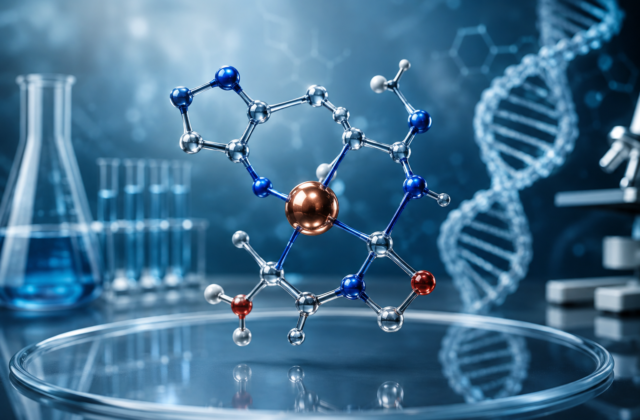
GHK-Cu is a tripeptide—three amino acids (glycine, histidine, and lysine) bound to a copper ion. It naturally occurs in human plasma, saliva, and urine, but here’s the catch: levels drop dramatically as you age.
At 20, you’ve got roughly 200 ng/mL circulating in your blood. By 60, that’s down to about 80 ng/mL. This decline tracks directly with slower tissue repair, reduced wound healing, and longer recovery times.
What sets GHK-Cu apart from other recovery compounds is its mechanism. Research shows it influences over 4,000 human genes—about 31% of the genome. It upregulates repair pathways while suppressing inflammatory and degenerative ones. That’s broad-spectrum action, not a single-target approach.
For athletes, three things stand out:
Genetic modulation: Instead of targeting one pathway, GHK-Cu creates comprehensive recovery effects—collagen synthesis, inflammation control, antioxidant activity, and cellular repair all at once.
Safety profile: Active concentrations occur in the nanomolar range with a safety margin 300-fold above therapeutic doses. Decades of clinical use show excellent tolerability.
Multiple tissue types: Unlike peptides that target specific tissues, GHK-Cu promotes repair in muscle, tendon, ligament, bone, skin, and neural tissue.
The compound was first isolated in 1973 by Dr. Loren Pickart, who noticed that aged liver tissue started producing proteins like younger tissue when exposed to it. Since then, over 40 years of research has validated its regenerative properties.
Athletic interest picked up when bodybuilders and powerlifters started noticing significant recovery improvements. CrossFit athletes, endurance competitors, and combat sports practitioners followed.
The Three Core Mechanisms
Understanding how GHK-Cu works helps you optimize protocols and set realistic expectations. Three primary mechanisms drive the recovery benefits.
Collagen Synthesis and Structural Protein Production
GHK-Cu stimulates collagen synthesis by up to 70% in controlled studies. This matters because collagen is the structural foundation of tendons, ligaments, cartilage, and muscle fascia. Every explosive movement, heavy lift, or impact load stresses these tissues.
The peptide increases expression of genes encoding Type I collagen (the primary structural protein in tendons and skin), Type III collagen (found in blood vessels and internal organs), and decorin (a proteoglycan that organizes collagen fibers). This coordinated upregulation creates proper tissue architecture rather than haphazard scar formation.
Wound healing studies show GHK-Cu reduces healing time by 30-50% compared to controls. While those studies use skin models, the underlying mechanisms apply to internal tissue repair after training stress.
Inflammation Modulation Through Multiple Pathways
Inflammation is both friend and enemy for athletes. Acute inflammation signals tissue damage and kicks off repair. Chronic inflammation degrades performance, impairs recovery, and increases injury risk.
GHK-Cu addresses inflammation through several mechanisms. It reduces TNF-alpha and IL-6 expression by suppressing NF-kappa B pathway activation. These pro-inflammatory cytokines drive much of the pain, swelling, and systemic inflammation you feel after hard training.
Research on COPD patients showed GHK-Cu treatment shifted expression of 127 genes from tissue destruction patterns to repair patterns. For athletes, this means moving from catabolic (breakdown) states to anabolic (building) states more efficiently.
The peptide also reduces fibrinogen beta chain expression by 475%. Elevated fibrinogen is a cardiovascular risk factor, but it also contributes to exercise-induced blood clotting and impaired microcirculation. Reducing it improves blood flow to working muscles and enhances nutrient delivery.
Antioxidant Protection and Cellular Defense
High-intensity training generates massive oxidative stress. Reactive oxygen species damage cellular components, impair mitochondrial function, and accelerate muscle fatigue. Some oxidative stress drives adaptation, but excessive ROS overwhelms cellular defenses.
GHK-Cu provides antioxidant protection through multiple mechanisms. It directly chelates free copper ions, preventing copper-catalyzed oxidative damage. It also upregulates genes encoding superoxide dismutase, catalase, and other endogenous antioxidant enzymes.
This protection extends to mitochondria—the cellular powerhouses generating ATP for muscle contractions. Studies show GHK-Cu preserves mitochondrial membrane integrity and maintains energy production under oxidative stress. For athletes, this translates to sustained performance during high-volume training blocks.
Tissue Repair: Where GHK-Cu Shines
Athletic performance depends on structural integrity. Tendons transmit force from muscle to bone. Ligaments stabilize joints through explosive movements. Fascia distributes mechanical loads across muscle groups. When these tissues fail to recover adequately, performance plateaus or regresses.
Tendon and Ligament Recovery
Tendons and ligaments heal slowly because of limited blood supply. These dense connective tissues receive nutrients through diffusion rather than direct vascular perfusion, creating recovery bottlenecks for athletes under constant mechanical stress.
Research using rat ACL reconstruction models shows GHK-Cu enhances healing outcomes when administered via intra-articular injection at 0.3 mg/ml. While human studies remain limited, athletes report subjective improvements in chronic tendon pain when using GHK-Cu protocols.
The mechanism involves upregulating genes encoding structural proteins while suppressing matrix metalloproteinases (MMPs) that degrade collagen. This shifts the balance from tissue breakdown to tissue building, allowing net collagen accumulation in damaged tendons.
Muscle Tissue Repair and Hypertrophy Support
Muscle damage from training creates the stimulus for hypertrophy, but the repair process determines whether you build new tissue or simply restore baseline function. GHK-Cu doesn’t directly stimulate muscle protein synthesis like leucine or mechanical tension, but it enhances the repair environment.
The peptide promotes satellite cell activation and proliferation. Satellite cells serve as muscle stem cells, fusing to existing fibers to add new myonuclei during hypertrophy. GHK-Cu also stimulates production of nerve growth factor (NGF), neurotrophin-3 (NT-3), and neurotrophin-4 (NT-4), supporting motor neuron function and neuromuscular junction health.
Athletes combining GHK-Cu with adequate protein intake and proper training stimulus report faster resolution of delayed onset muscle soreness (DOMS) and improved training capacity during high-volume phases.
Joint Health and Cartilage Protection
Cartilage damage accumulates insidiously. Unlike muscle or tendon, cartilage has essentially no regenerative capacity once damaged. Prevention becomes critical for athletic longevity.
GHK-Cu demonstrates chondroprotective effects by reducing inflammatory cytokines that degrade cartilage matrix. It also stimulates expression of aggrecan and other proteoglycans that maintain cartilage hydration and shock-absorbing properties.
For athletes in impact sports or those performing heavy loaded movements, GHK-Cu may provide long-term joint protection even if immediate performance benefits remain subtle.
Inflammation Control and Systemic Benefits
Chronic inflammation is one of the most underappreciated performance limiters. While acute inflammation initiates recovery, persistent low-grade inflammation impairs adaptation, reduces training capacity, and increases injury susceptibility.
GHK-Cu provides comprehensive anti-inflammatory effects without suppressing immune function or compromising adaptation signals.
Systemic vs. Local Inflammation
Athletes experience both local inflammation (specific joints, muscles, or tendons) and systemic inflammation (elevated circulating cytokines affecting the entire body). GHK-Cu addresses both.
For local inflammation, subcutaneous injection near affected areas delivers high concentrations while allowing systemic distribution. The peptide naturally migrates to sites of tissue damage, concentrating therapeutic effects where needed most.
Systemic inflammation shows measurable improvement through reduced C-reactive protein (CRP), TNF-alpha, and IL-6 levels. Athletes monitoring inflammatory markers often see significant improvements after 4-6 weeks of consistent GHK-Cu use.
Recovery Between Training Sessions
Training frequency matters enormously. Powerlifters might train a lift three times weekly. CrossFit athletes often train twice daily. Endurance athletes accumulate massive weekly volume. Without adequate recovery between sessions, performance degrades and overtraining risk escalates.
GHK-Cu accelerates the transition from catabolic to anabolic states following training. By reducing inflammatory cytokines and promoting tissue repair gene expression, the peptide shortens the recovery window.
Athletes report being able to maintain higher training frequencies without excessive fatigue accumulation. A powerlifter might progress from squatting heavy twice weekly to three times weekly. A CrossFit athlete might add an extra metcon without compromising the next day’s lifting session.
Sleep Quality and Neurological Recovery
Recovery happens primarily during sleep. GHK-Cu demonstrates anti-anxiety effects in rat studies at extremely low doses (0.0005 mg/kg). While human studies haven’t replicated these specific findings, athletes anecdotally report improved sleep quality when using GHK-Cu.
The mechanism likely involves modulation of stress hormones and inflammatory cytokines that disrupt sleep architecture. Reduced systemic inflammation correlates with deeper, more restorative sleep.
Some athletes use GHK-Cu specifically during high-stress training blocks or competition preparation when sleep quality typically suffers. The neurological benefits complement the physical recovery effects.
Practical Protocols: Dosing, Injection, and Cycling
Implementing GHK-Cu requires understanding dosing ranges, injection techniques, timing considerations, and cycle structure. Athletic protocols differ from anti-aging applications in dose, frequency, and duration.
Dosing Guidelines for Athletes
Standard athletic doses range from 1-3 mg daily, significantly higher than anti-aging protocols that often use 0.5-1 mg. The higher doses reflect greater tissue damage from training and desire for accelerated recovery.
Conservative approach: Start at 1 mg daily for the first week to assess tolerance and response. Most athletes experience no significant side effects, but individual variation exists.
Standard protocol: 2 mg daily provides robust effects for most athletes without excessive cost or injection volume. This dose demonstrates clear improvements in recovery markers and subjective assessments.
Aggressive protocol: 3 mg daily for athletes in extremely high-volume training blocks, during injury rehabilitation, or when stacking with other peptides. Doses above 3 mg show diminishing returns for most individuals.
Frequency matters less than total weekly dose. Some athletes prefer daily injections for stable blood levels. Others use every-other-day protocols to reduce injection frequency. Research suggests both approaches work, though daily dosing may provide slightly better results.
Injection Technique and Site Selection
GHK-Cu uses subcutaneous injection, the same technique as insulin administration. Common sites include abdominal fat (easiest and least painful), thigh (convenient for athletes), and upper arm (less common but effective).
For specific injuries, inject 1-2 inches away from the affected area, not directly into damaged tissue. The peptide naturally migrates to damage sites, so proximity helps without requiring precise anatomical injection.
Injection site rotation prevents tissue irritation and ensures consistent absorption. Athletes using daily protocols should use different sites each day, cycling through 5-7 locations.
Reconstitution and Storage
GHK-Cu arrives as lyophilized powder requiring reconstitution with bacteriostatic water. Standard 5 mg vials use 2-2.5 ml bacteriostatic water, creating approximately 2 mg/ml concentration.
Reconstituted GHK-Cu maintains potency for 30 days when refrigerated at 2-8 degrees Celsius and protected from light. Writing the reconstitution date on the vial prevents using degraded product.
Lyophilized powder remains stable for 2-3 years when stored at -20 degrees Celsius (freezer) or 12-24 months when refrigerated. Room temperature storage degrades the peptide and isn’t recommended for athletes maintaining consistent protocols.
Cycle Length and Off Periods
Most athletes cycle GHK-Cu in 8-12 week blocks followed by 4-6 weeks off. This approach balances therapeutic benefits against conservative long-term safety practices.
Acute injury protocols: 6-8 weeks during rehabilitation from specific injuries. Start immediately after injury occurs for maximum benefit.
Training block protocols: Use during high-volume accumulation phases when recovery demand peaks. Many athletes time GHK-Cu cycles with their most demanding training blocks, typically 8-12 weeks before competition.
Year-round protocols: Some athletes use continuous protocols with brief washout periods. Long-term safety data remains limited, so conservative approaches involve at least 4 weeks off every 12-16 weeks of use.
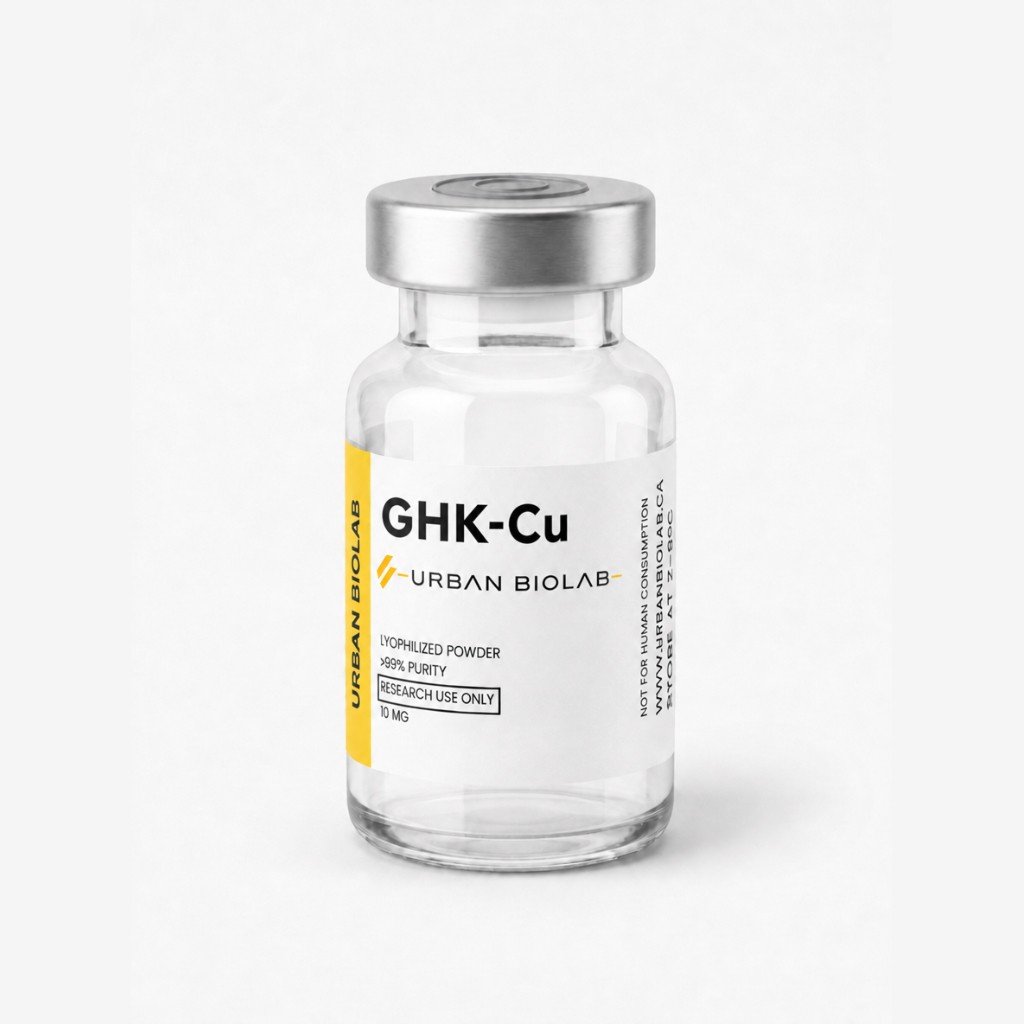
GHK-Cu 80MG
GHK-Cu 80mg is a copper-binding research peptide complex widely studied for its role in cellular signaling, tissue remodeling, and regenerative biology pathways. In laboratory research settings, GHK-Cu has attracted interest for investigations into wound-healing models, collagen synthesis pathways, and antioxidant activity, making it a valuable compound in skin, tissue, and cellular regeneration research.
The GLOW Stack: Combining GHK-Cu with BPC-157 and TB-500
Single peptides provide benefits, but strategic combinations create synergistic effects exceeding individual components. The GLOW stack represents the most popular and effective combination for athletic recovery.
What Is the GLOW Stack?
GLOW stands for GHK-Cu + BPC-157 + TB-500 (thymosin beta-4). Each peptide contributes unique mechanisms:
GHK-Cu drives collagen synthesis, inflammation control, and gene expression modulation as discussed extensively above.
BPC-157 (Body Protection Compound) promotes angiogenesis (new blood vessel formation), enhances growth hormone receptor activity, and demonstrates profound gut-healing properties. It migrates naturally to sites of tissue damage regardless of injection location.
TB-500 stimulates cell migration, supports blood vessel growth, reduces inflammation, and promotes tissue repair through distinct pathways from GHK-Cu. It particularly excels for tendon and ligament injuries.
Together, these three peptides address recovery from multiple angles: structural repair, vascular support, inflammation control, and cellular migration. Athletes consistently report that GLOW stack outcomes exceed expectations from any single peptide.
Standard GLOW Stack Dosing
Pre-mixed GLOW blends typically contain 50 mg GHK-Cu, 10 mg BPC-157, and 10 mg TB-500, totaling 70 mg per vial. Standard dosing uses 0.9-1.8 mg daily (combining all three peptides) for 6-8 weeks.
Calculate individual peptide doses from this ratio. A daily GLOW dose of 1.2 mg provides approximately:
- 0.85 mg GHK-Cu
- 0.17 mg BPC-157
- 0.17 mg TB-500
Athletes can also source peptides separately and mix manually for greater control over individual component doses. This approach costs less but requires more preparation work.
Separate dosing protocols:
- GHK-Cu: 2 mg daily
- BPC-157: 0.25-0.5 mg daily
- TB-500: 2-2.5 mg twice weekly (loading phase), then 2-3 mg weekly (maintenance)
When to Use GLOW Stack vs. GHK-Cu Alone
Cost and complexity considerations matter. The GLOW stack costs approximately 2-3 times more than GHK-Cu alone and requires managing three peptides or obtaining pre-mixed formulations.
Use GHK-Cu alone for: General recovery enhancement, mild chronic injuries, anti-inflammatory benefits during training blocks, and athletes on tight budgets.
Use GLOW stack for: Severe acute injuries, post-surgical recovery, chronic tendon/ligament problems not responding to other treatments, athletes in extremely high-volume training, and competitive athletes where recovery maximization justifies additional cost.
Many athletes start with GHK-Cu alone to assess response and tolerance, then progress to GLOW stack if results justify the increased investment.
Injection Timing for GLOW Protocols
All three peptides can be injected simultaneously or separately. No evidence suggests benefits from splitting injections throughout the day.
Most athletes inject GLOW stack once daily, typically in the evening to support overnight recovery. Some prefer morning injections before training to maximize acute anti-inflammatory effects.
For separate peptide dosing, common schedules include GHK-Cu and BPC-157 daily, TB-500 twice weekly (Monday and Thursday). This reduces total injection frequency while maintaining therapeutic levels of all components.
Sport-Specific Applications
Different sports create distinct recovery challenges. GHK-Cu protocols should reflect sport-specific demands and injury patterns.
Powerlifting and Strength Sports
Heavy loads create enormous tendon stress, particularly in elbows, shoulders, and knees. Patellar tendinopathy, biceps tendinitis, and rotator cuff issues plague competitive powerlifters.
GHK-Cu shines for powerlifters due to collagen synthesis and tendon repair mechanisms. Protocols typically run 8-12 weeks during volume phases when tendon stress peaks.
Canadian powerlifters competing in CPU (Canadian Powerlifting Union) should note that peptides fall into grey areas regarding competition rules. Always verify current regulations if competing in tested federations.
Dosing for powerlifters: 2-3 mg daily during accumulation blocks, 1-2 mg daily during intensity phases. Many lifters cycle GHK-Cu year-round with brief breaks, given the constant tendon stress from maximal and near-maximal loading.
CrossFit and High-Intensity Functional Training
CrossFit athletes face unique recovery challenges: high training frequency (often twice daily), diverse movement patterns stressing multiple joints, metabolic conditioning combined with strength work, and competitive seasons demanding peak performance.
GHK-Cu addresses multiple CrossFit recovery needs simultaneously. The combination of tissue repair, inflammation control, and systemic recovery support suits the varied demands of functional fitness.
GLOW stack proves particularly popular among competitive CrossFit athletes. The comprehensive recovery support allows maintaining high training volume during Open and Sanctionals preparation.
Timing considerations: Start GLOW protocols 12-16 weeks before major competitions. This allows 8-12 weeks of use followed by 4 weeks washout before competition, avoiding any potential complications.
Endurance Sports: Running, Cycling, Triathlon
Endurance athletes generate massive training volumes measured in hours rather than repetitions. Overuse injuries dominate the injury profile: runner’s knee, Achilles tendinopathy, IT band syndrome, and stress fractures.
GHK-Cu benefits endurance athletes through anti-inflammatory effects and tendon/ligament support. The peptide won’t directly improve VO2 max or lactate threshold, but improved recovery allows accumulating higher training volumes without breaking down.
Runners preparing for marathons or ultramarathons often use GHK-Cu during peak mileage weeks. A 16-week marathon build might include 8-10 weeks of GHK-Cu during the highest volume phase.
Cyclists and triathletes face similar applications. The combination of repetitive movement patterns and high training frequencies creates recovery bottlenecks that GHK-Cu helps address.
Combat Sports: MMA, Boxing, BJJ
Combat athletes endure incredible physical trauma: impact forces, joint manipulation, skin damage from mat burns and cuts, and extreme weight cutting stress.
GHK-Cu’s wound healing properties provide unique benefits for combat athletes. Faster healing of cuts, scrapes, and mat burns allows maintaining training frequency. Improved joint health supports grappling-intensive training camps.
Many combat athletes use GLOW stack during 8-12 week fight camps. The comprehensive recovery support becomes critical when training volume peaks while cutting weight.
Skin health considerations: Some fighters use topical GHK-Cu serums in addition to injectable protocols for accelerated skin healing. The combination of injectable systemic effects and topical wound healing provides comprehensive benefits.
Bodybuilding and Physique Sports
Bodybuilders focus primarily on muscle hypertrophy and body composition. GHK-Cu doesn’t directly build muscle like testosterone or growth hormone, but it supports the recovery environment enabling muscle growth.
Contest preparation presents particular challenges. Caloric deficits impair recovery while training volume must remain high to preserve muscle mass. GHK-Cu’s anti-inflammatory and tissue-protective effects help maintain training capacity during caloric restriction.
Many bodybuilders incorporate GHK-Cu during the final 8-12 weeks of contest prep. The skin health benefits also support achieving maximum conditioning and vascularity for stage presentation.
Training Cycle Integration and Timing
Strategic timing maximizes GHK-Cu benefits while minimizing cost and complexity. Align peptide cycles with training periodization for optimal results.
Periodization Basics
Most athletes follow periodized training: accumulation phases building volume and work capacity, intensification phases increasing load and specificity, realization phases peaking for competition, and deload/recovery phases allowing adaptation.
GHK-Cu provides maximum value during accumulation and intensification phases when training stress peaks and recovery demand exceeds baseline capacity.
Pre-Competition Timing
Start GHK-Cu protocols 12-16 weeks before major competitions. This allows 8-12 weeks of use followed by 4-6 weeks washout. The washout period ensures any potential side effects resolve before competition while allowing benefits from improved tissue quality to persist.
Competition week dosing: Most athletes discontinue GHK-Cu at least 2-4 weeks before competition. The tissue repair and inflammation control benefits remain present for several weeks after cessation.
Off-Season Protocols
Off-season training often involves highest volumes and most aggressive progression. This creates ideal timing for GHK-Cu cycles.
Athletes following traditional periodization might use GHK-Cu during 8-12 week hypertrophy or volume blocks, take 4-6 weeks off during strength phases, then return to GHK-Cu for the next accumulation cycle.
This approach aligns peptide use with recovery demand while providing regular washout periods for conservative long-term safety.
Injury Rehabilitation Integration
Acute injuries create immediate GHK-Cu applications regardless of training cycle. Start protocols as soon as possible after injury diagnosis for maximum benefit.
Rehabilitation timeline: Use GHK-Cu or GLOW stack throughout the rehabilitation period, typically 6-12 weeks depending on injury severity. Continue 2-4 weeks after returning to full training to support tissue remodeling under load.
Chronic overuse injuries benefit from longer cycles, often 12-16 weeks with conservative loading progressions allowing tissue adaptation while using peptide support.
Side Effects and Safety Considerations
GHK-Cu demonstrates excellent safety in clinical research, but athletes should understand potential side effects and monitoring strategies.
Common Side Effects
Injection site reactions occur most frequently. Redness, mild swelling, and tenderness at injection sites typically resolve within 24 hours. Rotating injection sites minimizes cumulative irritation.
Some athletes notice the characteristic blue-green color of copper peptides at injection sites. This cosmetic effect presents no health concern and fades within days.
Mild fatigue affects approximately 10-15% of users during the first 1-2 weeks. This typically resolves as the body adjusts. Starting at lower doses and gradually increasing can minimize this effect.
Headaches occur rarely but should prompt dose reduction if persistent. Most athletes report no significant systemic side effects beyond initial adjustment period.
Theoretical Concerns
Angiogenesis promotion raises theoretical cancer risk. New blood vessel formation could potentially support tumor growth if malignancy exists. No evidence links GHK-Cu to cancer development, but individuals with cancer history should avoid use.
Regular cancer screening appropriate for age and risk factors remains important for all athletes using angiogenic peptides. This includes GHK-Cu, BPC-157, and TB-500.
Long-term safety data doesn’t exist for athletic dosing protocols. Clinical studies use shorter durations and lower doses than aggressive athletic applications. Conservative approaches involve regular washout periods and avoiding year-round continuous use.
Drug Interactions
No significant drug interactions have been reported with GHK-Cu. The peptide doesn’t affect hormone levels or interact with common medications.
Athletes taking NSAIDs (ibuprofen, naproxen) may find reduced need for pain medication when using GHK-Cu. The anti-inflammatory effects can partially replace NSAID use, potentially reducing gastrointestinal and cardiovascular risks from chronic NSAID consumption.
Who Should Avoid GHK-Cu?
Individuals with active cancer or history of malignancy should avoid GHK-Cu due to angiogenesis concerns. Pregnant or breastfeeding women should avoid all research peptides given lack of safety data.
Athletes with copper metabolism disorders or Wilson’s disease should not use copper-containing peptides. While GHK-Cu chelates copper preventing free copper toxicity, individuals with copper handling problems should avoid additional copper exposure.
Anyone with known hypersensitivity to peptides should introduce GHK-Cu cautiously with low initial doses and careful monitoring for allergic reactions.
Sourcing and Quality Standards
Quality matters enormously for peptide efficacy and safety. Contaminated, underdosed, or incorrectly synthesized peptides waste money and potentially create health risks.
Regulatory Environment
Health Canada doesn’t approve peptides for human use outside specific medical applications. Research peptides exist in a regulatory grey area, sold for research purposes only.
Canadian athletes have access to research peptide suppliers operating legally under research chemical regulations. Quality varies significantly between suppliers.
Reputable suppliers provide certificates of analysis (CoA) from third-party laboratories verifying peptide purity and content. These documents confirm the quality and safety of peptides sold online.
Quality Standards
Look for suppliers who maintain strict quality standards for Canadian research peptide users. All products should undergo third-party testing verifying purity and peptide content.
GHK-Cu ships as lyophilized powder and needs to be reconstituted prior to use. Detailed reconstitution instructions and dosing calculators help individuals implement protocols safely and effectively.
Frequently Asked Questions
How quickly does GHK-Cu show results for athletic recovery?
Most athletes notice improvements in recovery markers within 2-3 weeks of consistent use. Reduced DOMS, faster between-session recovery, and improved training capacity appear first. Structural improvements in chronic tendon issues typically require 6-8 weeks minimum. Acute injuries show accelerated healing compared to natural recovery, but severe injuries still require months of rehabilitation regardless of peptide support.
Can I use GHK-Cu year-round or do I need to cycle?
Conservative approaches recommend cycling with 8-12 weeks on followed by 4-6 weeks off. This balances therapeutic benefits against limited long-term safety data at athletic doses. Some athletes use continuous protocols with brief washouts every 16 weeks. No evidence demonstrates tolerance development or receptor downregulation requiring cycling, but prudent long-term approaches involve regular breaks.
Does GHK-Cu build muscle directly like testosterone or growth hormone?
No. GHK-Cu doesn’t directly stimulate muscle protein synthesis or act as an anabolic agent. Instead, it creates an optimal recovery environment supporting muscle growth from training stimulus. Think of it as optimizing the recovery process rather than forcing muscle building through hormonal manipulation. Athletes seeking direct anabolic effects require different compounds.
Will GHK-Cu help with joint pain from arthritis or chronic wear?
GHK-Cu reduces inflammatory cytokines contributing to joint pain and demonstrates chondroprotective effects. Many athletes report reduced joint pain during 8-12 week cycles. However, advanced arthritis with significant cartilage loss won’t regenerate from GHK-Cu alone. The peptide works best for inflammation-driven pain and mild to moderate degenerative changes rather than severe structural damage.
Can I combine GHK-Cu with creatine, protein powder, and other supplements?
Yes. GHK-Cu doesn’t interact with standard sports supplements. Continue using proven supplements like creatine monohydrate, whey protein, and branched-chain amino acids. GHK-Cu complements these supplements by optimizing tissue repair while supplements provide raw materials and energy substrates. Combining peptides with quality nutrition and supplementation creates synergistic effects.
What’s the difference between GHK-Cu and BPC-157 for athletic recovery?
GHK-Cu excels at collagen synthesis, systemic inflammation control, and gene expression modulation. BPC-157 specializes in angiogenesis, gut healing, and localized tissue repair. Many athletes find BPC-157 more effective for acute injuries, while GHK-Cu provides better systemic recovery support. The GLOW stack combining both peptides leverages complementary mechanisms for comprehensive recovery.
Is subcutaneous or intramuscular injection better for GHK-Cu?
Subcutaneous injection works best for GHK-Cu. The peptide absorbs well subcutaneously with excellent bioavailability. Intramuscular injection offers no advantages while requiring longer needles and causing more discomfort. The peptide naturally migrates to tissue damage sites regardless of injection route, making precise injection location less critical.
Can female athletes use GHK-Cu safely?
Yes. GHK-Cu doesn’t affect hormone levels or cause virilization effects. Female athletes use identical protocols to males with similar benefits. The peptide doesn’t interfere with menstrual cycles or hormonal contraception. Pregnant or breastfeeding women should avoid all research peptides given lack of safety data.
What happens if I miss doses during my GHK-Cu cycle?
Missing occasional doses doesn’t significantly impact results. Simply resume normal dosing rather than doubling up. Consistency matters more for cumulative tissue repair effects than precise daily timing. Missing 2-3 doses in an 8-week cycle produces negligible impact. Missing multiple consecutive days may slow progress but doesn’t require restarting the cycle.
How long do GHK-Cu benefits persist after stopping?
Tissue quality improvements from enhanced collagen synthesis persist for weeks to months after discontinuation. Inflammation control effects diminish within 1-2 weeks as circulating peptide levels decrease. Structural improvements in tendons and ligaments provide lasting benefits supporting training capacity. Most athletes maintain some residual benefits for 4-8 weeks post-cycle before returning to baseline.
Can I use GHK-Cu to speed up post-surgical recovery?
Many athletes use GHK-Cu or GLOW stack for post-surgical recovery with anecdotal success. Start protocols once surgical wounds begin healing, typically 7-14 days post-surgery. Continue for 8-12 weeks supporting tissue remodeling. Always coordinate with your surgeon before implementing peptide protocols post-surgery. Some surgeons embrace peptide support while others remain skeptical.
Does GHK-Cu show up on standard drug tests?
GHK-Cu doesn’t appear on standard workplace or sports drug testing panels. The World Anti-Doping Agency (WADA) doesn’t specifically list GHK-Cu, though the broader category of peptide hormones and growth factors remains prohibited. Athletes competing in WADA-tested sports should verify current regulations and consider testing implications before use.
Glossary of Terms
Angiogenesis: Formation of new blood vessels from existing vascular networks. Critical for tissue repair by delivering oxygen and nutrients to damaged areas. GHK-Cu, BPC-157, and TB-500 all promote angiogenesis through different mechanisms.
Bacteriostatic Water: Sterile water containing 0.9% benzyl alcohol preventing bacterial growth. Used to reconstitute lyophilized peptides for injection. Allows multi-dose usage over 30 days when refrigerated.
BPC-157: Body Protection Compound, a pentadecapeptide derived from human gastric juice. Promotes tissue repair, reduces inflammation, and enhances angiogenesis. Common component of recovery stacks with GHK-Cu.
Collagen: Primary structural protein in connective tissues including tendons, ligaments, skin, and bone. Type I collagen dominates tendons and bone. Type III appears in blood vessels and internal organs. GHK-Cu stimulates both types.
Copper Peptide: Common name for GHK-Cu. The tripeptide sequence bound to copper ions. Naturally occurring in human plasma with concentrations declining with age. Multiple biological functions including tissue repair and gene regulation.
DOMS: Delayed Onset Muscle Soreness. Pain and stiffness occurring 24-72 hours after intense exercise. Results from muscle fiber damage and inflammatory response. GHK-Cu reduces DOMS duration and intensity through anti-inflammatory mechanisms.
Gene Expression: Process by which genetic information becomes functional proteins. GHK-Cu influences expression of over 4,000 genes, upregulating repair mechanisms while suppressing inflammatory and degenerative pathways.
GLOW Stack: Combination protocol using GHK-Cu + BPC-157 + TB-500. Most popular peptide stack for comprehensive athletic recovery. Leverages complementary mechanisms for enhanced tissue repair, inflammation control, and performance recovery.
IL-6: Interleukin-6, a pro-inflammatory cytokine. Elevated levels indicate systemic inflammation. GHK-Cu reduces IL-6 expression through NF-kappa B pathway suppression, contributing to anti-inflammatory effects.
Lyophilized: Freeze-dried powder form maximizing peptide stability. Requires reconstitution with bacteriostatic water before injection. Proper lyophilization produces fluffy powder, not clumped or sticky material indicating moisture exposure.
Matrikine: Peptide fragment released from extracellular matrix proteins during tissue injury. Acts as damage signal activating repair mechanisms. GHK naturally functions as matrikine, explaining its role in wound healing.
Microcirculation: Blood flow through smallest vessels (capillaries, arterioles, venules). Critical for tissue oxygen and nutrient delivery. GHK-Cu improves microcirculation through reduced fibrinogen and enhanced vascular integrity.
NF-kappa B: Nuclear factor kappa-light-chain-enhancer of activated B cells. Master regulator of inflammatory gene expression. GHK-Cu suppresses this pathway, reducing production of inflammatory cytokines.
Peptide: Short chain of amino acids linked by peptide bonds. Smaller than proteins, typically containing 2-50 amino acids. GHK-Cu contains three amino acids (glycine, histidine, lysine) making it a tripeptide.
Proteoglycan: Protein core with attached glycosaminoglycan chains. Major component of extracellular matrix providing structural support and hydration. Decorin and aggrecan are proteoglycans influenced by GHK-Cu, important for tendon and cartilage health.
Reconstitution: Process of adding bacteriostatic water to lyophilized peptide powder, creating injectable solution. Proper technique involves gentle swirling (not shaking) to dissolve powder without damaging peptide structure.
Subcutaneous Injection: Injection into fatty tissue layer between skin and muscle. Standard administration route for GHK-Cu and most peptides. Uses short needles (typically 28-31 gauge, 0.5 inch) and causes minimal discomfort.
TB-500: Synthetic version of thymosin beta-4, a naturally occurring peptide. Promotes cell migration, wound healing, and tissue repair. Popular component of athletic recovery stacks, particularly for tendon injuries.
Tendinopathy: Chronic tendon condition involving degeneration rather than inflammation. Common in athletes from repetitive stress. Distinguished from tendinitis (acute inflammation). GHK-Cu supports tendon repair through collagen synthesis and inflammation control.
TNF-alpha: Tumor Necrosis Factor alpha, a pro-inflammatory cytokine. Key mediator of systemic inflammation. Elevated levels impair recovery and contribute to chronic inflammation. GHK-Cu reduces TNF-alpha expression.
Conclusion: Strategic Recovery for Serious Athletes
GHK-Cu represents one of the most scientifically validated peptides for athletic recovery, backed by over 40 years of research demonstrating tissue repair, inflammation control, and comprehensive regenerative effects. For athletes seeking evidence-based recovery optimization, GHK-Cu provides measurable benefits without the side effect profile or hormonal disruption associated with other performance compounds.
The peptide works best within comprehensive recovery protocols including adequate sleep, proper nutrition, strategic training programming, and appropriate deload periods. GHK-Cu amplifies recovery capacity rather than replacing fundamental recovery practices.
Conservative implementation involves starting with GHK-Cu alone at 1-2 mg daily for 8 weeks, assessing response and tolerability before progressing to higher doses or combination protocols. Athletes with specific injury concerns or extreme training demands may benefit from GLOW stack applications, accepting increased cost for comprehensive recovery support.
Quality sourcing remains critical. Purchasing from reputable suppliers providing third-party testing ensures product quality and safety. The investment in quality peptides protects both health and financial resources.
As research continues and athletic applications expand, GHK-Cu will likely become standard practice for serious competitors across multiple sports. Early adopters gain competitive advantages through superior recovery capacity, injury resilience, and sustained training quality throughout demanding competitive seasons.
For athletes ready to optimize recovery and push performance boundaries, GHK-Cu provides scientifically sound, practically effective support for achieving athletic excellence.