
Gregory Johnson
Health and Wellness Researcher
Edmonton, Alberta, Canada
Last Updated: 2026-09-16
Quick Answer
Retatrutide stands out as the most effective weight loss peptide currently in development, with clinical trials showing an average 24.2% body weight reduction over 48 weeks.
This represents a significant improvement over existing options like Semaglutide (14.9%) and Tirzepatide (20.9%).
The triple receptor mechanism targeting GIP, GLP-1, and glucagon pathways simultaneously creates a synergistic effect that single and dual agonist peptides cannot match.
For Canadians looking for the best, Retatrutide offers the highest efficacy numbers ever recorded in obesity pharmacotherapy trials.
Phase 3 trials are currently underway, with FDA approval projected between late 2026 and early 2027. Health Canada is likely to approve it closer to 2028.
One Researcher’s Experience
My name’s Derek Mitchell from Saskatoon, Saskatchewan. Started at 218 pounds back in March. I’d tried other peptides before with mixed results, so I wasn’t expecting miracles when I began researching Retatrutide for myself.
The first few weeks were an adjustment period. Some stomach discomfort around week 3, nothing major. By month two, my appetite had shifted completely. Foods I used to crave stopped appealing to me. Down to 192 pounds by week 12.
My protocol: Started at 0.5mg weekly for the first month, moved to 2mg by week 5, then 4mg by week 9. Kept protein intake above 100g daily and walked 30 minutes most days. Nothing extreme.
Sitting at 174 pounds now after 32 weeks. That’s 44 pounds gone. Blood pressure normalized, energy levels feel consistent throughout the day, and my doctor says my metabolic markers look better than they have in years. Genuinely impressed with this compound.
Daniel Murry, Saskatoon, SK
Retatrutide 10mg
Triple-Action Peptide
Retatrutide for Canadians
GLP-1 / GIP / Glucagon Receptor Agonist
24.2% fat loss in clinical trials
Third-Party Tested | Ships from BC | 2-4 Day Delivery
Table of Contents
- What Is Retatrutide and How Does It Work?
- The Triple Agonist Advantage Explained
- Clinical Trial Results That Changed Everything
- Retatrutide vs Other Weight Loss Peptides
- Who Responds Best to Retatrutide?
- Dosing Protocols and Administration
- Side Effect Profile and Management
- Metabolic Benefits Beyond Weight Loss
- Weight Loss Timeline and Expectations
- Maintaining Results Long Term
- Accessing Retatrutide in Canada
- Quality and Purity Considerations
- Frequently Asked Questions
- Glossary of Terms
- References
What Is Retatrutide and How Does It Work?
Retatrutide represents the next evolution in weight management peptide therapy. Developed by Eli Lilly, this investigational compound has generated substantial interest within the research community due to its novel mechanism and unprecedented clinical results. Unlike previous generation peptides that target one or two metabolic pathways, Retatrutide simultaneously activates three distinct receptor systems involved in appetite regulation and energy metabolism.
The compound functions as what researchers call a “triple agonist” or “twincretin plus.” This terminology refers to its ability to mimic the effects of three naturally occurring hormones: glucose-dependent insulinotropic polypeptide (GIP), glucagon-like peptide-1 (GLP-1), and glucagon. Each of these hormones plays a specific role in how your body processes food, stores fat, and regulates hunger signals.
Key Takeaway
Retatrutide activates three metabolic pathways simultaneously, creating effects that compound on each other rather than simply adding together. This explains why its results exceed what researchers predicted based on single and dual agonist data.
When you eat, your gut naturally releases GIP and GLP-1 to help manage blood sugar and signal satiety to your brain. These are called incretin hormones. The pharmaceutical industry recognized their potential decades ago, leading to the development of GLP-1 receptor agonists like Semaglutide. Tirzepatide expanded on this by adding GIP receptor activation. Retatrutide takes the concept further by incorporating glucagon receptor activation into the mix.
Glucagon has traditionally been associated with raising blood sugar levels, which might seem counterproductive for weight management. However, when combined with GLP-1 activity, the glucagon component shifts its effects toward increased energy expenditure and enhanced fat oxidation. The body essentially becomes more efficient at burning stored fat while simultaneously reducing appetite and improving metabolic function.
The injectable form of Retatrutide offers several practical advantages for researchers and study participants. Subcutaneous administration allows for consistent absorption and predictable pharmacokinetics. The once-weekly dosing schedule maintains stable blood levels throughout the week without the peaks and troughs associated with daily medications.
The Triple Agonist Advantage Explained
Understanding why Retatrutide outperforms its predecessors requires examining each receptor system and how they interact. The science reveals a sophisticated interplay between three pathways that, when activated together, produce effects greater than the sum of their parts.
GLP-1 Receptor Activation
GLP-1 receptor agonism forms the foundation of modern weight management peptide therapy. When GLP-1 receptors in the brain receive stimulation, several things happen. The hypothalamus, which controls appetite, receives signals that reduce hunger. Gastric emptying slows down, meaning food stays in your stomach longer and you feel satisfied with smaller portions. Insulin secretion improves while glucagon secretion decreases, helping stabilize blood sugar levels throughout the day.
Semaglutide proved that GLP-1 activation alone could produce meaningful weight loss. Study participants lost an average of 14.9% of their body weight over 68 weeks using this single receptor approach. The limitation becomes apparent when considering receptor saturation. There exists a ceiling beyond which additional GLP-1 activity produces diminishing returns and increased side effects.
GIP Receptor Activation
Glucose-dependent insulinotropic polypeptide receptors add a second layer of metabolic influence. GIP activation enhances insulin secretion beyond what GLP-1 accomplishes alone. Perhaps more importantly for weight management, GIP appears to influence fat metabolism directly and may affect appetite through central nervous system pathways distinct from GLP-1.
Did You Know
GIP receptor activation may explain why Tirzepatide users often report less nausea than Semaglutide users despite superior weight loss results. The GIP component appears to counterbalance some of the gastrointestinal effects caused by GLP-1 alone.
Tirzepatide demonstrated that combining GIP and GLP-1 activation could push weight loss results to 20.9% over 72 weeks. This represented a 40% improvement over Semaglutide despite both compounds activating the GLP-1 pathway. The synergy between these two systems opened researchers’ eyes to the potential of multi-receptor approaches.
Glucagon Receptor Activation
The addition of glucagon receptor activation represents Retatrutide’s breakthrough innovation. Traditional thinking suggested glucagon would work against weight loss goals because it raises blood sugar. However, research revealed that glucagon also increases energy expenditure through thermogenesis and promotes the breakdown of fat stores.
When glucagon receptor activation combines with GLP-1 activity, something remarkable happens. The GLP-1 component prevents blood sugar from rising excessively while the glucagon component drives increased metabolic rate and fat oxidation. Study participants on Retatrutide didn’t just eat less. Their bodies actively burned more calories at rest compared to those on single or dual agonist therapies.
This third receptor explains the jump from 20.9% weight loss with Tirzepatide to 24.2% with Retatrutide. The glucagon component adds approximately 3-4 percentage points of additional efficacy while maintaining a comparable side effect profile. For someone weighing 200 pounds, that translates to roughly 7 extra pounds lost compared to the next best option.
Clinical Trial Results That Changed Everything
The Phase 2 clinical trial data published in 2023 sent shockwaves through the obesity medicine community. Researchers had hoped for modest improvements over existing therapies. What they got exceeded every projection and established Retatrutide as the most effective weight loss compound ever tested in rigorous clinical trials.
The Numbers That Matter
The trial enrolled 338 adults with obesity or overweight with at least one weight-related comorbidity. Participants received placebo or various doses of Retatrutide ranging from 1mg to 12mg weekly over 48 weeks. The results at each dose level painted a clear picture of dose-dependent efficacy:
| Dose | Weight Loss | Notes |
|---|---|---|
| 1mg | 8.7% | Entry-level dosing for initial tolerance assessment |
| 4mg | 15.2% | Comparable to maximum Semaglutide results |
| 8mg | 21.1% | Exceeds Tirzepatide maximum efficacy |
| 12mg | 24.2% | Highest recorded in obesity pharmacotherapy |
The average starting weight among participants was approximately 231 pounds. At the 12mg dose, the average participant lost 56 pounds over 48 weeks. Some individuals in the highest dose group achieved weight reductions approaching 30%, territory previously reserved for surgical interventions.
Personal Opinion
Having followed peptide research for years, these numbers feel like a genuine inflection point. We went from celebrating 15% weight loss with Semaglutide to treating 24% as the new benchmark in just a few years. The pace of improvement suggests we haven’t yet found the ceiling for what pharmaceutical approaches can achieve.
Response Rate Analysis
Beyond average weight loss, the response rate data proves equally impressive. At the 12mg dose, 91.7% of participants achieved at least 10% weight loss. This threshold matters clinically because 10% reduction typically produces measurable improvements in blood pressure, blood sugar control, and joint stress.
More than 75% of participants at the highest dose achieved at least 15% weight loss, and approximately 60% reached or exceeded 20% reduction. These response rates dwarf what earlier generation peptides achieved. Semaglutide’s 2.4mg dose saw only 68% of participants reach the 10% threshold.
The low non-responder rate suggests that Retatrutide’s triple mechanism captures individuals who might not respond adequately to single pathway activation. Someone who plateaus on a GLP-1 agonist alone might continue losing weight when GIP and glucagon pathways receive simultaneous stimulation.
Placebo-Subtracted Results
Clinical trials include placebo groups to account for weight loss that occurs simply from participating in a structured program with regular monitoring. The placebo group in the Retatrutide trial lost approximately 2.1% of body weight. Subtracting this from the active groups reveals the true pharmacological effect.
Placebo-subtracted, Retatrutide 12mg produced approximately 22% weight loss attributable to the medication itself. This calculation matters for realistic expectation setting. Participants in clinical trials often receive dietary counseling and regular follow-up that contributes to their results. Real-world outcomes may vary based on lifestyle factors.
Retatrutide vs Other Weight Loss Peptides
Choosing between available weight management peptides requires understanding the meaningful differences in efficacy, tolerability, and practical considerations. The comparison reveals why Retatrutide has generated such interest despite not yet reaching the market.
| Characteristic | Retatrutide | Tirzepatide | Semaglutide |
|---|---|---|---|
| Average Weight Loss | 24.2% | 20.9% | 14.9% |
| Mechanism Type | Triple Agonist | Dual Agonist | Single Agonist |
| Receptors Targeted | GIP + GLP-1 + Glucagon | GIP + GLP-1 | GLP-1 Only |
| Nausea Rate | 28% | 25% | 44% |
| Dosing Frequency | Weekly | Weekly | Weekly |
| Current Availability | Research Only | Prescription | Prescription |
Efficacy Comparison
The weight loss advantage Retatrutide holds over competitors is substantial. Compared to Semaglutide 2.4mg (marketed as Wegovy), Retatrutide 12mg produces 62% greater weight reduction. For a 220-pound individual, that translates to losing 53 pounds on Retatrutide versus 33 pounds on Semaglutide. Twenty extra pounds represents a meaningful difference in health outcomes and quality of life.
Against Tirzepatide (marketed as Mounjaro for diabetes and Zepbound for weight loss), Retatrutide’s advantage narrows but remains significant. The 3.3 percentage point difference equals approximately 7-8 additional pounds lost for someone starting at 220 pounds. While less dramatic than the Semaglutide comparison, this gap could determine whether someone reaches their goal weight or falls short.
Key Takeaway
Retatrutide’s efficacy advantage comes without a corresponding increase in side effects. The nausea rate at 28% sits well below Semaglutide’s 44%, making it potentially more tolerable despite superior results.
Tolerability Considerations
Side effect profiles across these compounds share common features rooted in their shared GLP-1 activity. Gastrointestinal symptoms including nausea, diarrhea, constipation, and vomiting appear most frequently. The key difference lies in severity and duration rather than presence or absence of symptoms.
Retatrutide’s 28% nausea rate at the 12mg dose represents a lower incidence than Semaglutide’s 44% despite activating additional receptor pathways. This seemingly paradoxical finding likely relates to the GIP component’s moderating effect on GLP-1-induced gastrointestinal distress. Tirzepatide shows similar patterns, with a 25% nausea rate slightly below Retatrutide but meaningfully below Semaglutide.
Discontinuation rates due to adverse events tell a more complete tolerability story. At the 12mg dose, 11.2% of Retatrutide participants stopped treatment due to side effects compared to 7% for Semaglutide and 9.1% for Tirzepatide. The higher discontinuation rate for Retatrutide likely reflects its position as the highest-dose compound tested rather than inherently worse tolerability.
Practical Differences
All three compounds share weekly subcutaneous injection as their administration route. This similarity means the practical experience of using them remains comparable. Injection technique, storage requirements, and the basic routine of weekly dosing apply equally across options.
The major practical difference lies in availability. Semaglutide and Tirzepatide have received regulatory approval and can be prescribed by licensed healthcare providers. Retatrutide remains in clinical development with Phase 3 trials ongoing. Canadian researchers interested in this compound must currently access it through research chemical suppliers rather than pharmaceutical channels.
Who Responds Best to Retatrutide?
Clinical trial subgroup analyses reveal patterns in who achieves the most dramatic results with Retatrutide. Understanding these patterns helps researchers predict outcomes and select appropriate candidates for study protocols.
Starting Weight and BMI
Higher baseline weight correlates with greater absolute weight loss on Retatrutide. This pattern appears consistent across all obesity medications and relates to simple mathematics. A 25% reduction in body weight represents more pounds when starting at 280 pounds versus 200 pounds. However, percentage weight loss remained relatively consistent across BMI categories in the trials.
Individuals with BMI above 35 showed slightly higher response rates to the maximum dose. This finding suggests that those with more severe obesity may benefit most from the intensive triple receptor approach. The additional metabolic pathways activated by Retatrutide appear particularly effective when baseline metabolic dysfunction is more pronounced.
Metabolic Health Status
Participants with type 2 diabetes showed remarkable weight loss alongside significant improvements in glycemic control. The A1C reduction averaged 2.02% in diabetic participants, a clinically meaningful improvement that often allows medication reduction. For researchers studying metabolic syndrome, Retatrutide offers the potential to address multiple components simultaneously.
Did You Know
Participants without diabetes lost slightly more weight than those with diabetes in the Phase 2 trial. This differs from patterns seen with earlier peptides and may indicate that Retatrutide’s mechanism overcomes some of the metabolic resistance that typically limits weight loss in diabetic populations.
Those with prediabetes or insulin resistance represent a particularly interesting group for Retatrutide research. The compound’s effects on glucagon signaling may provide benefits for glucose metabolism that extend beyond weight loss alone. Early data suggests potential for diabetes prevention in high-risk individuals.
Early Response Patterns
Week 12 results proved highly predictive of final outcomes in the clinical trial. Participants who achieved at least 5% weight loss by week 12 almost universally went on to achieve robust results by week 48. Conversely, those who hadn’t reached 5% by week 12 rarely caught up later in the study.
This pattern carries practical implications for researchers and study designers. The 12-week mark serves as a natural assessment point. Inadequate response by this timeframe suggests the need to consider dose adjustment or protocol modification rather than simply continuing unchanged and hoping for different results.
Demographic Factors
Age showed modest influence on outcomes, with younger participants trending toward slightly better response rates. This finding aligns with research showing that metabolic flexibility decreases with age, potentially limiting responsiveness to hormone-based interventions. However, meaningful weight loss occurred across all age groups studied.
Gender differences appeared minimal in the trial data. Both male and female participants achieved comparable percentage weight loss at equivalent doses. This contrasts with some earlier medications that showed gender-specific response patterns and simplifies protocol design for researchers working with mixed populations.
Dosing Protocols and Administration
Proper dosing strategy maximizes Retatrutide’s benefits while minimizing adverse events. The clinical trial protocols provide a framework that researchers have adapted based on individual tolerability and response patterns.
Starting Dose Considerations
The Phase 2 trial employed a gradual titration schedule starting at lower doses and increasing over several weeks. This approach allows the gastrointestinal system to adapt to GLP-1 receptor activation, reducing the incidence and severity of nausea, vomiting, and diarrhea that often accompany rapid dose escalation.
Most protocols begin at 0.5mg or 1mg weekly for the first 4 weeks. This conservative starting point produces modest weight loss but establishes baseline tolerance. Rushing through the initial phase to reach higher doses faster typically backfires through increased side effects and potential discontinuation.
Sample Titration Protocol
- Weeks 1-4: 0.5mg weekly
- Weeks 5-8: 2mg weekly
- Weeks 9-12: 4mg weekly
- Weeks 13-16: 8mg weekly
- Weeks 17+: 12mg weekly (maximum dose)
Note: Individual tolerance varies. Extend any phase if side effects warrant before proceeding to the next dose level.
Injection Technique
Subcutaneous injection into the abdomen, thigh, or upper arm provides reliable absorption. Rotation of injection sites prevents lipodystrophy and ensures consistent pharmacokinetics over extended use periods. The injection itself involves standard subcutaneous technique that any researcher familiar with peptide administration will recognize.
Timing of injections appears flexible. Clinical trials did not mandate specific times of day, and morning versus evening administration showed comparable results. Consistency matters more than timing. Picking a day and approximate time that works for your schedule and maintaining that routine produces the most stable blood levels.
Dose Optimization
Not everyone needs or tolerates the maximum 12mg dose to achieve their goals. The Phase 2 data showed meaningful weight loss at every dose level tested. An individual losing 21% of body weight at 8mg might reasonably decide against escalating to 12mg, particularly if side effects are minimal at the lower dose.
The decision to increase dose should balance efficacy desires against tolerability experiences. Someone achieving steady weight loss without significant side effects at 8mg might consider increasing to 12mg for faster results. Someone struggling with nausea at 8mg might benefit from stabilizing at that dose for several additional weeks before any further increase.
Personal Opinion
The pursuit of maximum dosing sometimes overshadows the reality that moderate doses produce excellent results for many people. An 8mg dose delivering 21% weight loss represents a transformative outcome that exceeds what any prior medication achieved at maximum dosing. Tolerability matters for long-term adherence.
Storage and Handling
Reconstituted Retatrutide requires refrigeration between 2-8 degrees Celsius. The peptide degrades faster at room temperature, potentially reducing efficacy over time. Most research-grade Retatrutide arrives as lyophilized powder requiring reconstitution with bacteriostatic water before injection.
Once reconstituted, the solution remains stable for approximately 4-6 weeks when properly refrigerated. Protecting the vial from light helps preserve potency. Researchers should note the reconstitution date and discard any remaining solution after the stability window closes.
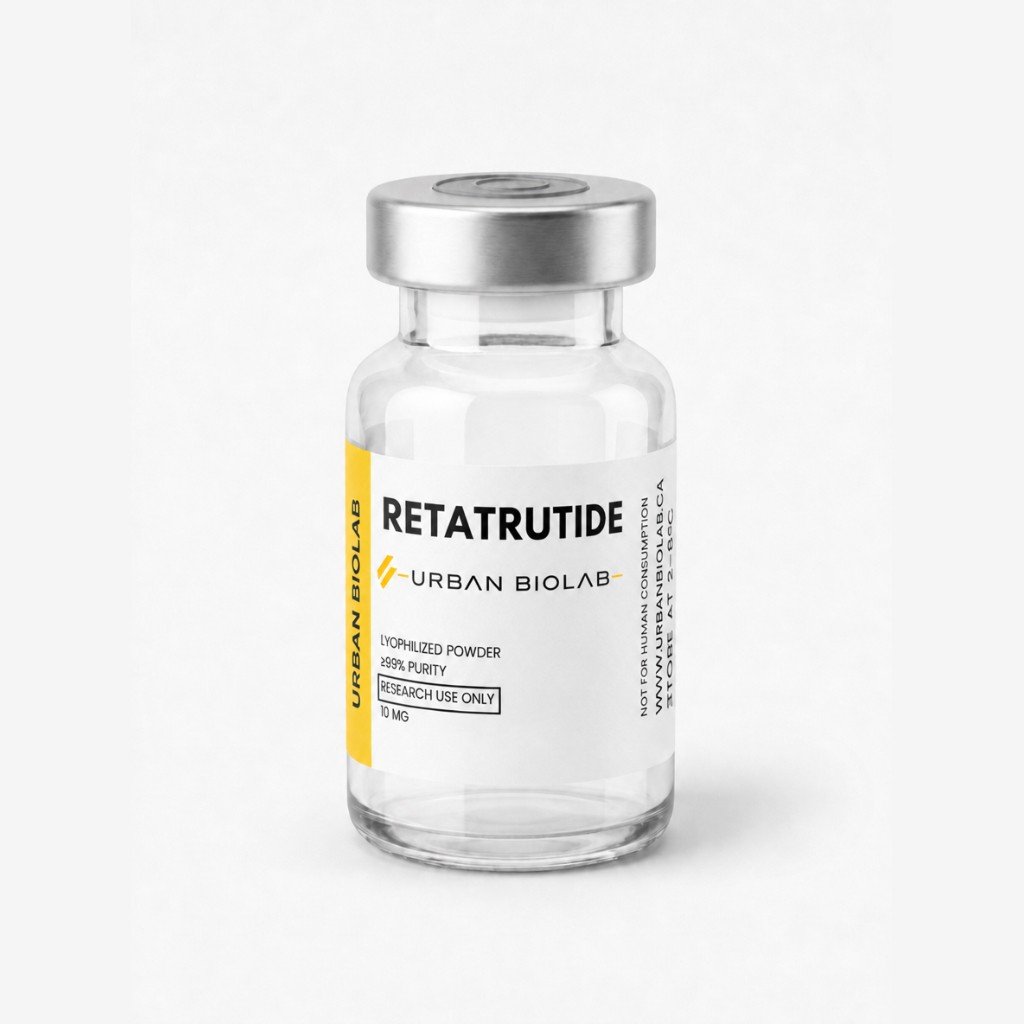
RT (Retatrutide) 10MG
RT10 is a cutting-edge investigational peptide designed for advanced scientific exploration in metabolic health and weight management research. Known for its unique mechanism as a triple agonist (GLP-1, GIP, and glucagon receptors), it has shown promising potential in preclinical studies related to appetite regulation, fat metabolism, and glycemic control.
Side Effect Profile and Management
Every effective weight loss intervention produces some side effects. Retatrutide’s profile shares characteristics with other incretin-based therapies while showing some distinct patterns related to its unique mechanism.
Gastrointestinal Effects
The most common side effects fall into the gastrointestinal category. At the 12mg dose in Phase 2 trials, participants reported nausea (28%), diarrhea (24%), constipation (21%), and vomiting (17%). These symptoms typically peak during the first 4-8 weeks of treatment, particularly during dose escalation periods, and tend to diminish as the body adapts.
The relatively lower nausea rate compared to Semaglutide (44%) represents a notable advantage. Nausea often proves the most troublesome symptom for peptide users, sometimes leading to discontinuation. Retatrutide’s GIP component may buffer some of the GLP-1-induced gastric effects, improving overall tolerability.
Managing GI Side Effects
- Eat smaller, more frequent meals rather than large portions
- Avoid fatty, greasy, or spicy foods during the first 8 weeks
- Stay well hydrated with water and clear fluids
- Ginger tea or supplements can help reduce nausea
- Cold foods often prove more tolerable than hot foods during peak nausea periods
- Consider extending titration phases if symptoms are moderate to severe
Injection Site Reactions
Mild injection site reactions occurred in approximately 5% of participants. Redness, itching, or slight swelling at the injection site typically resolves within 24-48 hours. Rotating injection sites prevents cumulative irritation and allows any minor reactions to heal before that site receives another injection.
Serious Adverse Events
Serious adverse events remained rare in the Phase 2 trial. No pattern of severe complications emerged that would suggest unique safety concerns beyond those established for the GLP-1 agonist class. The ongoing Phase 3 trials involve larger participant numbers and will provide more definitive safety data.
Based on class effects from related compounds, certain individuals should exercise caution or avoid Retatrutide entirely. Those with personal or family history of medullary thyroid carcinoma or multiple endocrine neoplasia syndrome type 2 represent absolute contraindications. History of pancreatitis warrants careful consideration given the theoretical risk with incretin-based therapies.
Key Takeaway
Most side effects associated with Retatrutide are temporary, manageable, and diminish with continued use. The symptom burden during the first 8 weeks should not be extrapolated to the entire treatment duration. By month 3, most users report minimal ongoing issues.
Discontinuation Rates
The 11.2% discontinuation rate due to adverse events at the 12mg dose provides context for real-world expectations. Roughly 1 in 9 participants found the side effects intolerable enough to stop treatment. This rate, while not negligible, means nearly 90% of those who started on the maximum dose were able to continue.
Lower doses showed correspondingly lower discontinuation rates. Researchers designing long-term protocols might consider whether the additional 3 percentage points of weight loss at 12mg versus 8mg justifies the higher dropout risk for their specific application.
Metabolic Benefits Beyond Weight Loss
Weight loss alone tells an incomplete story of Retatrutide’s effects. The metabolic improvements documented in clinical trials suggest benefits that extend well beyond the number on the scale.
Glycemic Control
Participants with type 2 diabetes experienced an average A1C reduction of 2.02% at the 12mg dose. This improvement rivals dedicated diabetes medications and often allows for reduction in concurrent diabetes treatments. The triple receptor mechanism appears particularly effective at normalizing blood sugar regulation.
For non-diabetic participants with elevated fasting glucose or prediabetes, the improvements proved similarly meaningful. Blood sugar levels normalized in many cases, potentially reducing or eliminating progression to frank diabetes. This preventive benefit may prove as valuable as the weight loss itself for long-term health outcomes.
Cardiovascular Markers
Blood pressure reductions averaged 6.8mmHg systolic at the highest dose. While partly attributable to weight loss, the magnitude suggests additional direct vascular effects. Blood pressure improvement reduces strain on the heart and decreases risk for stroke and heart attack over time.
Lipid profiles improved across multiple measures. Triglyceride levels dropped by 28%, LDL cholesterol by 12%, and the ratio of total cholesterol to HDL improved. These changes shift cardiovascular risk profiles favorably, complementing the direct benefits of weight reduction.
Did You Know
Liver fat content decreased by 44% in a subset of participants who underwent MRI imaging. Non-alcoholic fatty liver disease affects a significant portion of people with obesity, and this reduction suggests Retatrutide may address liver health independent of its weight loss effects.
Inflammatory Markers
C-reactive protein and other inflammatory markers showed reductions in trial participants. Chronic low-grade inflammation associated with obesity contributes to cardiovascular disease, diabetes complications, and potentially cancer risk. Reducing this inflammatory burden may produce health benefits that manifest years or decades later.
Body Composition
Weight loss with Retatrutide favors fat loss over muscle loss when adequate protein intake is maintained. DEXA scans in study participants showed that approximately 65-75% of weight lost came from fat mass with the remainder from lean mass. This ratio compares favorably to diet-only weight loss, which often sees equal or greater lean mass reduction.
Maintaining protein intake above 1.0g per pound of lean body mass helps preserve muscle during rapid weight loss. Resistance training further protects against muscle loss. Researchers designing comprehensive protocols should consider nutritional and exercise components alongside the pharmacological intervention.
Weight Loss Timeline and Expectations
Understanding the typical progression of weight loss on Retatrutide helps researchers set appropriate expectations and identify when responses fall outside normal patterns.
First Month Expectations
The first four weeks on Retatrutide typically produce modest weight loss as the body adjusts to the compound and doses remain conservative. Average weight loss during month one runs approximately 2-4% of starting body weight. For someone beginning at 220 pounds, this translates to roughly 4-9 pounds.
Side effects often peak during this period, particularly in weeks 2-4 as doses increase. The body needs time to adapt to GLP-1 receptor stimulation, and gastrointestinal symptoms reflect this adjustment period. Weight loss during month one comes partly from reduced food intake due to appetite suppression and partly from the side effects themselves.
Months Two Through Four
The most rapid weight loss occurs during months 2-4 for most individuals. Doses have typically reached therapeutic levels, tolerance to side effects has improved, and the compound’s full metabolic effects manifest. Monthly weight loss during this period often runs 4-6% of remaining body weight.
This acceleration explains why the week 12 assessment proves so predictive. By week 12, most people have experienced the peak weight loss velocity they will achieve. If results remain modest at this point, they are unlikely to dramatically improve with continued treatment at the same dose.
| Timeframe | Weight Loss | Notes |
|---|---|---|
| Weeks 1-4 | 2-4% Loss | Adjustment period, conservative dosing |
| Weeks 5-12 | 8-12% Loss | Rapid loss phase, reaching therapeutic doses |
| Weeks 13-24 | 16-20% Loss | Continued steady progress |
| Weeks 25-48 | 22-26% Loss | Approaching plateau, maintenance phase begins |
Plateau and Maintenance
Weight loss velocity naturally decreases over time. By week 40-44, most participants had reached or were approaching their plateau weight. This plateau does not represent medication failure but rather the establishment of a new metabolic equilibrium. The body adapts to the reduced caloric intake and altered energy expenditure.
Importantly, participants maintained their weight loss through week 48 with minimal regain. The average regain during the plateau phase was only 0.8kg, far less than the rapid rebounds seen with diet-only approaches. Continued treatment appears necessary to maintain results long term.
Maintaining Results Long Term
The question of long-term weight maintenance remains central to evaluating any weight loss intervention. Early data on Retatrutide, combined with experience from related compounds, provides some guidance for expectations.
Continued Treatment Requirements
Current evidence suggests that continued Retatrutide treatment is necessary to maintain weight loss. This pattern mirrors findings with Semaglutide and Tirzepatide, where discontinuation leads to weight regain in the majority of cases. The compound addresses metabolic and appetite regulation while active but does not produce permanent metabolic changes that persist after stopping.
Studies of earlier generation GLP-1 agonists show that approximately two-thirds of lost weight returns within one year of discontinuation for most individuals. Whether Retatrutide’s additional receptor pathways affect this pattern remains unknown pending longer-term data.
Personal Opinion
The framing of weight regain after stopping medication as “failure” misunderstands how these compounds work. Expecting weight loss to persist after stopping treatment makes as much sense as expecting blood pressure to stay low after stopping blood pressure medication. For many people, long-term or even lifelong treatment may be appropriate.
Dose Reduction Strategies
Some researchers explore whether maintenance doses lower than the weight loss dose can sustain results. Theoretically, less aggressive metabolic intervention might suffice once the weight is lost and new habits are established. Limited data exists on this approach with Retatrutide specifically.
Experience with related compounds suggests that some dose reduction is possible for many individuals without complete weight regain. Finding the minimum effective maintenance dose requires careful individual titration and monitoring.
Lifestyle Integration
Regardless of continued pharmacological treatment, lifestyle factors influence long-term outcomes. Those who establish sustainable dietary habits and regular physical activity during active weight loss maintain results better than those who rely solely on medication effects. The appetite reduction from Retatrutide provides an opportunity to develop healthier relationships with food that can persist even if medication is eventually reduced or stopped.
Protein intake, resistance training, and adequate sleep represent modifiable factors that support weight maintenance. Viewing medication as one component of a comprehensive approach rather than a standalone solution sets more realistic expectations for sustained success.
Accessing Retatrutide in Canada
Canadian researchers face unique considerations when seeking to work with Retatrutide. The regulatory landscape, supply chain dynamics, and quality assurance requirements all differ from the United States and other markets.
Current Regulatory Status
Retatrutide has not received approval from Health Canada or any other regulatory body worldwide. The compound remains in Phase 3 clinical development with Eli Lilly, meaning pharmaceutical-grade product is only available through participation in sponsored clinical trials. For research purposes outside these trials, Canadian investigators must source research-grade material from peptide suppliers.
Canadian law permits the importation of research chemicals for legitimate scientific purposes. The Personal Importation Policy allows individuals to import small quantities of unapproved medications for personal use, though this was designed with prescription medications in mind rather than research peptides.
Research Peptide Sources
Several suppliers serve the Canadian market with research-grade Retatrutide. Quality varies significantly between sources, making supplier selection critical. Key factors to evaluate include third-party testing documentation, purity certifications, proper storage and shipping conditions, and reputation within the research community.
Key Takeaway
When evaluating peptide suppliers, third-party testing with certificates of analysis showing 98%+ purity should be considered minimum requirements. HPLC and mass spectrometry testing confirms both identity and purity. Suppliers unable or unwilling to provide this documentation warrant skepticism.
Canadian Market Considerations
Canadian researchers benefit from domestic sourcing through faster delivery times, reduced risk of customs seizure, and recourse through Canadian consumer protection frameworks. International orders face longer transit times, potential customs delays, and limited options if problems arise.
Pricing in Canadian dollars and shipping from within Canada eliminates customs complications and currency conversion hassles. Domestic suppliers familiar with Canadian regulations can provide more relevant support than international companies.
Quality and Purity Considerations
Research peptide quality directly impacts experimental results and safety. Understanding what constitutes quality and how to verify it helps researchers avoid substandard products that could compromise their work.
Purity Standards
Research-grade peptides should demonstrate purity of 98% or higher as verified by independent testing. Lower purity products may contain synthesis byproducts, degradation products, or contaminants that affect experimental outcomes. For injectable peptides, impurities pose additional safety concerns.
High-performance liquid chromatography (HPLC) testing quantifies purity by separating and measuring the target peptide against total content. Mass spectrometry confirms molecular identity by measuring the exact mass and fragmentation pattern. Together, these tests provide confidence that the product is both pure and correctly identified.
Certificate of Analysis
Reputable suppliers provide certificates of analysis (COA) for each batch produced. The COA should include batch number for traceability, testing date, purity percentage from HPLC, mass spectrometry confirmation, appearance description, and moisture content. Reviewing the COA before use ensures the specific batch meets quality standards.
Evaluating Peptide Quality
- Request COA for the specific batch you are purchasing
- Verify testing was performed by an independent third-party lab
- Check that purity exceeds 98% by HPLC
- Confirm mass spectrometry results match expected molecular weight
- Ensure proper storage conditions during shipping (cold chain for sensitive peptides)
- Research supplier reputation through community forums and reviews
Storage and Stability
Peptide quality degrades over time, particularly with improper storage. Lyophilized (freeze-dried) peptides remain stable for extended periods when stored frozen or refrigerated in their original sealed containers. Once reconstituted, degradation accelerates significantly.
Exposure to heat, light, or oxygen speeds degradation. Researchers should store peptides according to supplier recommendations, protect from light during use, and note reconstitution dates. Using degraded peptide leads to unpredictable potency and potentially different experimental outcomes.
Sourcing in the Canadian Market
Canadian researchers have several options for obtaining research-grade Retatrutide. Domestic suppliers offer advantages including faster shipping times, reduced customs complications, and support familiar with Canadian regulations. International suppliers may offer lower prices but introduce variables around shipping conditions and delivery reliability.
When evaluating suppliers, consider their testing protocols, customer service responsiveness, shipping practices, and reputation within the research community. A slightly higher price from a reputable domestic supplier often proves worthwhile compared to uncertainty around product quality or delivery from unknown sources.
Did You Know
Peptide degradation can occur within hours if a reconstituted solution is left at room temperature. Proper cold chain management from manufacture through delivery and storage maintains potency and ensures consistent experimental results.
Reconstitution Best Practices
Proper reconstitution technique preserves peptide integrity. Add bacteriostatic water slowly to the vial wall, allowing it to run down gently rather than directly impacting the lyophilized powder. Aggressive mixing or shaking can damage peptide bonds and reduce potency.
Calculate the desired concentration before reconstituting. Adding 2mL of water to a 10mg vial creates a 5mg/mL solution, making dosing calculations straightforward. Document the reconstitution date and store refrigerated immediately after mixing. Most reconstituted peptides maintain acceptable potency for 4-6 weeks when properly stored.
Frequently Asked Questions
How much weight can I expect to lose on Retatrutide?
Clinical trials showed average weight loss of 24.2% at the 12mg dose over 48 weeks. For someone starting at 220 pounds, this translates to approximately 53 pounds. Individual results vary based on starting weight, adherence, lifestyle factors, and metabolic health. Approximately 91% of participants achieved at least 10% weight loss, and over 60% achieved 20% or greater reduction.
Is Retatrutide better than Ozempic or Mounjaro?
Based on Phase 2 clinical data, Retatrutide produces superior weight loss compared to both Semaglutide (Ozempic/Wegovy) and Tirzepatide (Mounjaro/Zepbound). Retatrutide’s 24.2% weight loss exceeds Tirzepatide’s 20.9% and Semaglutide’s 14.9%. Side effect profiles remain comparable across all three compounds, with Retatrutide showing lower nausea rates than Semaglutide.
What are the most common side effects?
Gastrointestinal side effects predominate. At the 12mg dose, participants reported nausea (28%), diarrhea (24%), constipation (21%), and vomiting (17%). These symptoms typically peak during weeks 4-8 and diminish as the body adapts. Most participants found side effects manageable, with 88.8% able to continue treatment at the highest dose.
When will Retatrutide be available by prescription?
Retatrutide is currently in Phase 3 clinical trials. Based on typical regulatory timelines for similar medications, FDA approval is projected between late 2026 and early 2027. Health Canada approval would likely follow within several months of FDA action. Until then, access is limited to clinical trial participation or research-grade material for investigational purposes.
How does the triple agonist mechanism work?
Retatrutide simultaneously activates three receptor types: GIP, GLP-1, and glucagon receptors. GLP-1 activation reduces appetite and slows gastric emptying. GIP activation enhances insulin secretion and may moderate GLP-1 side effects. Glucagon activation increases energy expenditure and fat burning. Together, these pathways produce synergistic effects that exceed what any single or dual pathway approach achieves.
What dosing schedule should I follow?
A typical titration protocol starts at 0.5mg weekly for the first month, increasing to 2mg in month two, 4mg in month three, 8mg in month four, and reaching the maximum 12mg dose by month five. This gradual approach allows the body to adapt and minimizes side effects. Faster titration may be possible for some individuals, while others may need extended periods at each dose level.
Will I regain weight if I stop taking Retatrutide?
Based on data from similar compounds, the majority of individuals regain a significant portion of lost weight after discontinuation. Studies of Semaglutide showed approximately two-thirds of weight regained within one year of stopping. Continued treatment appears necessary for most people to maintain results long term. Whether Retatrutide’s unique mechanism affects this pattern remains to be determined.
Can I use Retatrutide if I have type 2 diabetes?
Clinical trials included participants with type 2 diabetes who showed excellent results. Weight loss was substantial, and A1C reductions averaged 2.02%. However, blood sugar management requires careful monitoring, especially if you take other diabetes medications. The combination of Retatrutide with insulin or sulfonylureas could potentially cause low blood sugar. Work with a knowledgeable healthcare provider if you have diabetes.
How do I reconstitute and inject Retatrutide?
Reconstitute lyophilized Retatrutide with bacteriostatic water according to your desired concentration. Standard practice involves slowly adding water to the vial wall to avoid damaging the peptide. Gently swirl to dissolve completely. Inject subcutaneously into the abdomen, thigh, or upper arm, rotating sites with each injection. Store reconstituted solution refrigerated and use within 4-6 weeks.
What purity should I look for when purchasing?
Seek research-grade Retatrutide with purity of 98% or higher as verified by HPLC testing. Reputable suppliers provide certificates of analysis including both HPLC purity data and mass spectrometry confirmation of molecular identity. Avoid suppliers who cannot or will not provide third-party testing documentation. Quality directly impacts both safety and efficacy.
Glossary of Terms
Agonist
A substance that activates a receptor to produce a biological response. Retatrutide is an agonist at three different receptor types.
A1C (Hemoglobin A1C)
A blood test measuring average blood sugar levels over the previous 2-3 months. Used to diagnose and monitor diabetes.
BMI (Body Mass Index)
A calculation using height and weight to estimate body fat. BMI above 30 indicates obesity; 25-29.9 indicates overweight.
GIP (Glucose-dependent Insulinotropic Polypeptide)
A hormone released by the gut after eating that stimulates insulin secretion and influences fat metabolism.
GLP-1 (Glucagon-Like Peptide-1)
A hormone that reduces appetite, slows gastric emptying, and improves insulin secretion. The primary target of medications like Semaglutide.
Glucagon
A hormone that raises blood sugar by stimulating glucose release from the liver. Also increases energy expenditure and fat burning.
HPLC (High-Performance Liquid Chromatography)
A laboratory technique used to separate, identify, and quantify components in a mixture. Used to verify peptide purity.
Incretin
A group of metabolic hormones that stimulate insulin secretion in response to meals. GIP and GLP-1 are the two main incretins.
Lyophilized
Freeze-dried. A preservation method that removes water from a substance while frozen, creating a stable powder.
Subcutaneous
Under the skin. Subcutaneous injections deliver medication into the fatty tissue layer between the skin and muscle.
Thermogenesis
The production of heat by the body. Increased thermogenesis burns more calories and can aid weight loss.
Titration
The gradual adjustment of medication dosage to find the optimal amount that balances effectiveness with tolerability.
Triple Agonist
A compound that activates three different receptor types. Retatrutide activates GIP, GLP-1, and glucagon receptors simultaneously.
References
- Jastreboff AM, et al. Triple-Hormone-Receptor Agonist Retatrutide for Obesity. New England Journal of Medicine. 2023. https://www.nejm.org/doi/full/10.1056/NEJMoa2301972
- ClinicalTrials.gov. Retatrutide Phase 3 Clinical Trials. National Library of Medicine. https://clinicaltrials.gov/search?cond=Retatrutide
- Rosenstock J, et al. Tirzepatide vs Semaglutide Once Weekly for Weight Loss (SURMOUNT-5). New England Journal of Medicine. 2024. https://www.nejm.org/doi/full/10.1056/NEJMoa2416394