Darren O’ Sullivan
Health and Wellness Researcher
Toronto, Ontario
Published: October 8, 2026
The Short Answer: How Peptides Make Fat Loss Smarter
Let me cut through the noise right away. Weight loss peptides like Retatrutide, Tirzepatide, and Semaglutide aren’t just another diet gimmick—they work by targeting multiple biological systems at once.
Here’s what that actually means:
- They quiet hunger signals in your brain through GLP-1 receptor activation, making eating less feel natural instead of forced
- They optimize hormone function, including insulin sensitivity and glucagon response, shifting your metabolism toward fat burning
- They increase energy expenditure through thermogenic pathways, so you burn more calories even at rest
- Clinical trials show 15 to 24 percent average body weight reduction over 48 weeks with proper protocols
- Injectable peptides deliver superior bioavailability compared to oral alternatives, with more consistent blood levels and fewer GI issues
For Canadians, high-purity peptides are available through Urban Biolab Peptides with 2-4 day shipping and COAs for every product.
A Reader’s Story from Calgary
I want to share something that landed in my inbox recently. A reader named Bradley Henderson from Calgary wrote in about his experience, and it captures something important about why these compounds matter.
Bradley started at 218 pounds. Not massive, but enough that his energy was shot and his knees complained on every staircase. He’d tried diet after diet, white-knuckling through maybe three weeks before the hunger became unbearable.
What changed for him wasn’t discovering some new willpower reserve. It was understanding that willpower was never the problem. His hormones were working against him—ghrelin screaming for food, leptin signals getting ignored, a metabolism that had adapted to years of yo-yo dieting by becoming incredibly efficient at storing fat.
After researching peptide protocols for about two months, he started conservatively with Retatrutide. Weekly injections, small doses initially, gradual increases. The first thing he noticed was silence. That constant background noise of food thoughts just… stopped. He could walk past the break room donuts without a mental battle.
By month three, he was down 24 pounds without feeling deprived. By month six, the scale showed 179. His bloodwork improved across the board—fasting glucose normalized, triglycerides dropped, energy returned.
His protocol: 1 mg weekly for the first month, increasing by 1 mg monthly until reaching 6 mg. Protein intake stayed above 140 grams daily. Weight training twice per week. Nothing extreme. Just consistent.
As Bradley put it: “This is not magic. These peptides simply fixed what was broken in my metabolism. For the first time in fifteen years, losing weight felt like swimming with the current instead of against it.”
Understanding How Peptides Work for Fat Loss
The traditional approach to weight loss centers on a simple equation: eat less, move more. This advice ignores the complex biological systems that regulate body weight, appetite, and metabolism. Modern peptide research has revealed that sustainable fat loss requires addressing these systems directly rather than fighting against them through willpower alone.
Weight loss peptides belong to a class of compounds that mimic naturally occurring hormones in the human body. These hormones regulate everything from hunger signals to insulin secretion to energy expenditure. By supplementing or enhancing these hormonal pathways, peptides create conditions where fat loss becomes significantly easier to achieve and maintain.
Here’s something worth knowing: The human body produces over 50 different hormones that influence body weight. Traditional dieting addresses none of them directly, which explains why 95 percent of dieters regain lost weight within five years.
The most researched weight loss peptides target incretin hormones, specifically GLP-1 (glucagon-like peptide-1) and GIP (glucose-dependent insulinotropic polypeptide). These hormones naturally increase after eating and signal fullness to the brain while also regulating blood sugar response. Injectable peptides amplify these signals, creating a sustained sense of satiety that makes caloric restriction feel almost effortless.
Beyond appetite suppression, these peptides influence metabolic rate, fat oxidation, and even food preferences. Research subjects consistently report reduced cravings for high-calorie foods and increased satisfaction from smaller portions. This represents a fundamental shift in the weight loss paradigm—from behavioral control to biological optimization.
The key takeaway: Peptides work by optimizing the hormonal environment for fat loss rather than relying on willpower to overcome biological drives. This distinction explains why peptide-assisted weight loss produces dramatically better long-term outcomes than traditional dieting.
The research peptide landscape includes several compounds with overlapping but distinct mechanisms. Semaglutide activates GLP-1 receptors exclusively. Tirzepatide targets both GLP-1 and GIP receptors. Retatrutide goes further, activating GLP-1, GIP, and glucagon receptors simultaneously. Each additional receptor pathway adds another avenue for metabolic improvement and fat reduction.
The Hunger Suppression Mechanism
Hunger is not simply a matter of an empty stomach. Complex signaling pathways involving the hypothalamus, gut hormones, and neurotransmitters create the sensation we experience as hunger. Weight loss peptides intervene at multiple points in this signaling cascade, producing appetite suppression that feels natural rather than forced.
GLP-1 receptor activation in the hypothalamus directly reduces hunger signals. This brain region serves as the body’s appetite control center, integrating information from hormones, nutrients, and neural signals to determine when and how much to eat. When GLP-1 receptors are activated, the hypothalamus sends fewer hunger signals throughout the day.
From my perspective: Having researched weight management compounds for over a decade, I consider the hunger suppression mechanism to be the most underappreciated aspect of peptide therapy. People expect to feel hungry while losing weight. When that hunger simply disappears, it changes their entire relationship with food and eating.
Gastric emptying also slows significantly with GLP-1 agonist use. Food remains in the stomach longer, prolonging physical sensations of fullness. This mechanical effect combines with central appetite suppression to create comprehensive hunger control. Clinical trial participants frequently report forgetting to eat because hunger signals never arrive.
The reward pathways associated with food also undergo modification. High-calorie, high-fat foods typically trigger dopamine release that reinforces eating behavior. GLP-1 receptor activation appears to blunt this reward response, making previously irresistible foods seem less appealing. Research subjects describe formerly favorite foods as simply not interesting anymore.
Hunger Reduction Statistics
- 78% of trial participants reported significant appetite reduction within two weeks
- Average daily caloric intake decreased by 30 to 40 percent without conscious restriction
- Food preoccupation scores dropped by 65 percent compared to diet-only groups
- Spontaneous eating frequency reduced from 5.2 to 3.1 episodes per day
This multi-layered approach to hunger suppression explains why peptide-assisted weight loss produces such dramatic results. Rather than fighting constant hunger through willpower, users experience genuine disinterest in excess food. The psychological burden of dieting essentially disappears, replaced by a natural tendency to eat appropriate amounts.
Ghrelin, often called the hunger hormone, also responds to peptide therapy. While GLP-1 agonists do not directly suppress ghrelin production, the overall hormonal environment shifts away from hunger promotion. Combined with elevated satiety signals, the net effect is comprehensive appetite control that persists throughout the day.
Hormone Optimization and Metabolic Reset
Body weight regulation involves an intricate network of hormones that work together to maintain energy balance. In obesity, these hormones often become dysregulated, creating a biological environment that promotes fat storage and resists fat loss. Peptide therapy addresses this dysfunction at its root, essentially resetting the metabolic thermostat.
Insulin sensitivity represents one of the most important hormonal factors in weight management. When cells become insulin resistant, glucose disposal becomes inefficient, leading to elevated blood sugar and increased fat storage. GLP-1 and GIP receptor activation directly improve insulin sensitivity, allowing cells to utilize glucose more effectively.
The insulin connection: Improved insulin sensitivity means less insulin is required to maintain normal blood sugar. Since insulin promotes fat storage, lower insulin levels create a metabolic environment that favors fat breakdown rather than fat accumulation. This represents a fundamental shift in how the body handles energy.
Leptin is another hormone central to weight regulation. Produced by fat cells, leptin signals to the brain that energy stores are adequate. In obesity, leptin resistance develops, meaning the brain no longer responds appropriately to these satiety signals. While peptides do not directly correct leptin resistance, the overall hormonal optimization appears to improve brain sensitivity to leptin over time.
Adiponectin levels also improve with peptide therapy. This hormone, produced by fat tissue, enhances insulin sensitivity and has anti-inflammatory properties. Low adiponectin correlates with obesity and metabolic syndrome. As body fat decreases through peptide-assisted weight loss, adiponectin production increases, creating a positive feedback loop for continued metabolic improvement.
Worth noting: Chronic obesity creates lasting hormonal changes that persist even after weight loss. This explains why maintaining weight loss is so difficult without interventions that address hormonal dysfunction directly.
Thyroid function, often overlooked in weight management discussions, also benefits from peptide therapy. While GLP-1 agonists do not directly stimulate thyroid hormone production, the overall metabolic improvement and weight reduction often normalize thyroid function that had been suppressed by obesity-related inflammation.
Cortisol, the stress hormone, plays a complex role in weight management. Chronic elevation promotes abdominal fat storage and muscle breakdown. While peptide therapy does not directly lower cortisol, the reduced stress associated with easier weight management and improved metabolic health often leads to more favorable cortisol patterns.
The bottom line: Peptide therapy produces a cascade of hormonal improvements that extend far beyond simple appetite suppression. The metabolic environment shifts comprehensively toward favoring fat loss while multiple dysfunctional hormonal patterns normalize.
How Peptides Boost Metabolism
Metabolism encompasses all the chemical reactions that maintain life, with energy expenditure being particularly relevant to weight management. Traditional dieting often backfires because caloric restriction triggers adaptive thermogenesis, where the body reduces energy expenditure to conserve resources. Certain peptides counteract this adaptation through direct metabolic stimulation.
Glucagon receptor activation, found in triple agonist peptides like Retatrutide, directly increases energy expenditure. Glucagon naturally signals the liver to release stored glucose and promotes fat breakdown for energy. When combined with GLP-1 activity that prevents glucose spikes, glucagon activation shifts metabolism toward continuous fat oxidation.
Thermogenic Effects
Research indicates that triple agonist peptides can increase resting energy expenditure by 10 to 15 percent. For someone burning 2000 calories daily at rest, this translates to an additional 200 to 300 calories burned without any change in activity level.
Brown adipose tissue activation represents another metabolic pathway influenced by peptide therapy. Unlike white fat that stores energy, brown fat burns calories to generate heat. GLP-1 receptor activation appears to increase brown fat activity, though research is ongoing to quantify this effect precisely.
The thermic effect of food—the energy required to digest and process nutrients—also changes with peptide use. Slower gastric emptying prolongs the digestive process, potentially increasing total energy expenditure from digestion. Combined with typically higher protein intake during peptide-assisted weight loss, this effect becomes more pronounced.
My take: The metabolic boost from glucagon receptor activation distinguishes newer triple agonist peptides from earlier GLP-1 only compounds. While all weight loss peptides suppress appetite, only glucagon-activating peptides simultaneously increase energy expenditure. This dual mechanism explains the superior weight loss results seen in Retatrutide trials.
Substrate utilization shifts during peptide therapy. The body preferentially burns fat rather than glucose for energy, a state sometimes called metabolic flexibility. This shift means that even during rest, a greater proportion of calories burned come from stored body fat rather than dietary carbohydrates.
Muscle preservation during weight loss contributes to metabolic maintenance. Rapid weight loss typically causes significant muscle loss, which reduces metabolic rate. Peptide therapy, particularly when combined with adequate protein intake and resistance training, appears to preferentially preserve muscle tissue while targeting fat stores.
Metabolic Effects by Peptide Type
| Metabolic Factor | GLP-1 Only | Dual Agonist | Triple Agonist |
|---|---|---|---|
| Appetite Suppression | Strong | Very Strong | Very Strong |
| Insulin Sensitivity | Improved | Highly Improved | Highly Improved |
| Energy Expenditure | Unchanged | Slight Increase | Notable Increase |
| Fat Oxidation | Moderate | Enhanced | Maximized |
| Muscle Preservation | Good | Better | Best |
The Triple Agonist Advantage
The evolution of weight loss peptides has progressed from single receptor targeting to multi-receptor approaches. Retatrutide represents the current pinnacle of this evolution, activating three distinct receptor pathways simultaneously. This triple agonist mechanism produces effects that exceed what any single or dual agonist can achieve.
GLP-1 receptor activation provides the foundation for appetite suppression and improved glucose metabolism. This pathway has been studied extensively through medications like Semaglutide, demonstrating robust weight loss effects averaging around 15 percent of body weight over 48 weeks.
Clinical Trial Weight Loss Comparison
- Semaglutide (GLP-1 only): 14.9% average weight loss at 68 weeks
- Tirzepatide (GLP-1 plus GIP): 20.9% average weight loss at 72 weeks
- Retatrutide (GLP-1 plus GIP plus Glucagon): 24.2% average weight loss at 48 weeks
GIP receptor activation adds synergistic effects to GLP-1. While GIP alone has minimal weight loss effects, combined with GLP-1 activation it appears to enhance appetite suppression and improve metabolic outcomes. The mechanism may involve complementary central nervous system signaling and improved nutrient handling.
Glucagon receptor activation introduces the metabolic boost that sets triple agonists apart. Glucagon naturally increases energy expenditure and promotes fat breakdown. Previous attempts to harness glucagon for weight loss failed because glucagon also raises blood sugar. The genius of triple agonist design is balancing glucagon activation with sufficient GLP-1 activity to prevent glucose elevations.
Why three receptors matter: Each receptor pathway contributes something unique. GLP-1 reduces hunger and improves insulin secretion. GIP enhances these effects and may independently affect fat metabolism. Glucagon increases calorie burning. Together, they create a comprehensive metabolic reset that single or dual agonists cannot match.
The dose-response relationship for Retatrutide shows linear progression through tested doses. At 1 mg weekly, average weight loss reached 8.7 percent. At 4 mg, 15.2 percent. At 8 mg, 21.1 percent. At 12 mg, 24.2 percent. This progression suggests even higher doses might produce greater effects, though tolerability becomes the limiting factor.
Body composition analysis reveals that triple agonist peptides produce fat loss while preserving lean mass more effectively than diet alone or even single agonist approaches. This distinction matters because muscle tissue burns calories continuously, so muscle preservation supports long-term weight maintenance.
The key point: Triple agonist peptides like Retatrutide produce approximately 60 percent more weight loss than single agonist options and 15 percent more than dual agonists. The glucagon receptor activation provides metabolic benefits unavailable through any other approach.
Comparing Weight Loss Peptides
The research peptide market offers several options for weight management investigation. Understanding the distinctions between compounds allows informed selection based on specific goals and tolerance profiles. Each option presents different benefit and risk characteristics worth considering.
Semaglutide remains the most extensively studied weight loss peptide with the longest track record. Originally developed for diabetes management, its weight loss effects were discovered during clinical trials. The compound offers reliable appetite suppression with well-characterized side effect profiles. Weight loss averages 15 percent of body weight over extended use periods.
Research Peptide Comparison
| Characteristic | Semaglutide | Tirzepatide | Retatrutide |
|---|---|---|---|
| Receptor Targets | GLP-1 | GLP-1, GIP | GLP-1, GIP, Glucagon |
| Average Weight Loss | 14.9% | 20.9% | 24.2% |
| Research Duration | Extensive | Substantial | Emerging |
| Dosing Frequency | Weekly | Weekly | Weekly |
| GI Side Effects | 44% nausea | 31% nausea | 28% nausea |
| Metabolic Boost | Minimal | Moderate | Significant |
Tirzepatide introduced the dual agonist approach, adding GIP receptor activation to GLP-1 effects. This combination produces approximately 40 percent more weight loss than Semaglutide despite similar appetite suppression mechanisms. The GIP component may enhance fat metabolism and provide complementary central effects.
Retatrutide pushes the boundaries further with triple receptor activation. Early trial data suggests it may produce the most significant weight loss of any currently researched peptide. The glucagon component adds metabolic stimulation that single and dual agonists lack, potentially explaining the superior efficacy.
My perspective: For researchers investigating maximum fat loss potential, triple agonist peptides offer the most compelling data. For those prioritizing established safety profiles and extensive research history, single agonist options provide reassurance. The choice depends on individual research objectives and risk tolerance.
Side effect profiles differ somewhat between compounds. Interestingly, newer multi-agonist peptides often show lower GI side effect rates than older single agonist options. This counterintuitive finding may relate to the GIP component moderating some GLP-1 induced nausea. Retatrutide at 12 mg shows 28 percent nausea rates versus Semaglutide’s 44 percent at therapeutic doses.
Discontinuation rates provide insight into real-world tolerability. At maximum studied doses, 7 percent of Semaglutide users discontinued due to side effects, compared to 8.5 percent for Tirzepatide and 11.2 percent for Retatrutide. These differences are relatively modest and suggest comparable tolerability across compound classes.
Injectable vs Oral: Why Delivery Method Matters
Peptides face significant challenges when administered orally. The digestive system evolved to break down proteins efficiently, and peptides are essentially small proteins. Oral formulations must overcome acid degradation in the stomach and enzymatic breakdown in the intestines before reaching systemic circulation.
Injectable peptides bypass these challenges entirely. Subcutaneous injection delivers the compound directly into tissue where it enters the bloodstream intact. Bioavailability approaches 100 percent, meaning virtually all of the administered peptide becomes pharmacologically active.
Bioavailability Comparison
Oral Semaglutide achieves approximately 1 percent bioavailability, meaning 99 percent of the swallowed compound never reaches systemic circulation. Injectable Semaglutide achieves near-complete bioavailability. This difference requires oral formulations to contain dramatically higher peptide amounts.
Blood level consistency differs markedly between delivery methods. Injectable peptides produce smooth, predictable concentration curves over the dosing interval. Oral formulations create more variable levels influenced by food timing, gut transit speed, and individual absorption characteristics. Consistent blood levels correlate with better appetite suppression and fewer side effects.
The oral formulation requires specific administration protocols that many users find inconvenient. Taking the medication on an empty stomach, avoiding food for 30 minutes afterward, and maintaining specific timing windows reduces compliance. Injectable administration has no such restrictions and takes seconds to complete.
Did you know? The oral formulation of Semaglutide requires a special absorption enhancer called SNAC that temporarily increases stomach pH and membrane permeability. Even with this technology, bioavailability remains extremely low compared to injection.
Cost considerations favor injectables when comparing equivalent effective doses. Because oral formulations require vastly more raw peptide to achieve similar blood levels, the per-dose cost increases substantially. For research applications, injectable formulations provide superior economy along with better efficacy.
Side effect profiles show some variation between delivery methods. Oral formulations may cause more localized GI effects because the peptide contacts stomach and intestinal tissues directly. Injectable formulations still cause GI effects through central mechanisms, but local irritation is eliminated.
The takeaway: Injectable peptides offer superior bioavailability, more consistent blood levels, simpler administration protocols, better cost efficiency, and potentially fewer local GI effects. For serious research into peptide-assisted weight management, injectable formulations represent the clear choice.
Clinical Trial Evidence
The evidence base for weight loss peptides has grown substantially over the past decade. Randomized controlled trials involving thousands of participants provide robust data on efficacy and safety. These trials follow rigorous protocols that allow confident conclusions about peptide performance.
The STEP trial program evaluated Semaglutide across multiple populations and comparator groups. STEP 1 enrolled 1,961 participants randomized to Semaglutide 2.4 mg weekly or placebo. At 68 weeks, the Semaglutide group lost 14.9 percent of body weight compared to 2.4 percent in placebo. This difference reached high statistical significance.
Key Trial Results
- STEP 1 (Semaglutide): 14.9% weight loss, 86% achieved 5% loss, 69% achieved 10% loss
- SURMOUNT-1 (Tirzepatide): 20.9% weight loss at highest dose, 91% achieved 5% loss
- Phase 2 Retatrutide: 24.2% weight loss at 12 mg, 100% achieved 5% loss at highest dose
The SURMOUNT trial program evaluated Tirzepatide with similar methodology. SURMOUNT-1 enrolled 2,539 participants across three Tirzepatide doses and placebo. The highest dose group (15 mg weekly) achieved 20.9 percent weight loss at 72 weeks. Response rates were exceptional, with over 90 percent of participants losing at least 5 percent of body weight.
Retatrutide Phase 2 trials enrolled smaller numbers but showed remarkable results. At the 12 mg dose, average weight loss reached 24.2 percent over 48 weeks. The trial had not reached plateau at endpoint, suggesting final weight loss might exceed these figures with longer treatment duration.
Understanding Response Rates
Not everyone responds equally to peptide therapy. Clinical trials report both average weight loss and categorical response rates. The latter shows what percentage of participants achieved specific thresholds like 5, 10, or 15 percent weight loss. High response rates indicate consistent efficacy across the study population.
Metabolic improvements extend beyond weight loss. Participants in these trials showed significant improvements in HbA1c, fasting glucose, blood pressure, lipid profiles, and inflammatory markers. These benefits appear proportional to weight loss but may also reflect direct metabolic effects of the peptides.
Long-term data continues to accumulate. Extension studies following participants for two to three years show maintained weight loss with continued treatment. Discontinuation studies reveal weight regain when treatment stops, consistent with peptides managing rather than curing obesity. Canadian researchers investigating these compounds should anticipate similar patterns.
My assessment: The clinical trial data for weight loss peptides represents some of the most impressive results ever seen in obesity research. Nothing else comes close to producing 20 plus percent sustained weight loss in the general obese population. These compounds have fundamentally changed what is achievable through medical intervention.
Practical Protocols for Optimal Results
Achieving optimal results with weight loss peptides requires attention to dosing schedules, titration approaches, and complementary interventions. Random or haphazard use produces inconsistent outcomes, while structured protocols maximize benefits and minimize complications.
Starting doses should always be conservative. The body requires time to adjust to peptide effects, particularly regarding GI tolerance. Beginning with one quarter to one half of eventual target doses allows gradual adaptation. Jumping to full doses immediately invites severe nausea that may force discontinuation.
Sample Titration Protocol
- Weeks 1 through 4: Starting dose at 25% of target
- Weeks 5 through 8: Increase to 50% of target
- Weeks 9 through 12: Increase to 75% of target
- Week 13 onward: Full target dose if tolerated
Slower titration may be necessary for sensitive individuals. The goal is reaching effective doses while maintaining tolerability.
Injection technique affects absorption and comfort. Subcutaneous injection into abdominal tissue provides consistent absorption and is preferred by most users. Rotating injection sites prevents lipodystrophy. Injecting at room temperature after allowing refrigerated peptide to warm reduces discomfort.
Timing relative to meals matters less for injectable peptides than oral formulations. Some users prefer morning injection to align peak appetite suppression with lunch and dinner. Others prefer evening injection. Consistency in timing matters more than specific time chosen.
The foundation for success: Slow titration, consistent timing, proper injection technique, and realistic expectations create the foundation for successful peptide protocols. Rushing the process or ignoring these fundamentals leads to unnecessary side effects and suboptimal results.
Protein intake requires special attention during peptide-assisted weight loss. Suppressed appetite makes eating enough protein difficult, yet protein remains critical for preserving muscle mass during rapid weight reduction. Targeting 0.7 to 0.8 grams per pound of ideal body weight ensures adequate intake. This often means deliberately prioritizing protein at every meal.
Hydration becomes more important as appetite suppression reduces food intake. Much of daily fluid typically comes from food. With reduced food volume, deliberate water intake prevents dehydration. Aiming for 64 to 80 ounces daily covers most needs, with more required during exercise or hot weather.
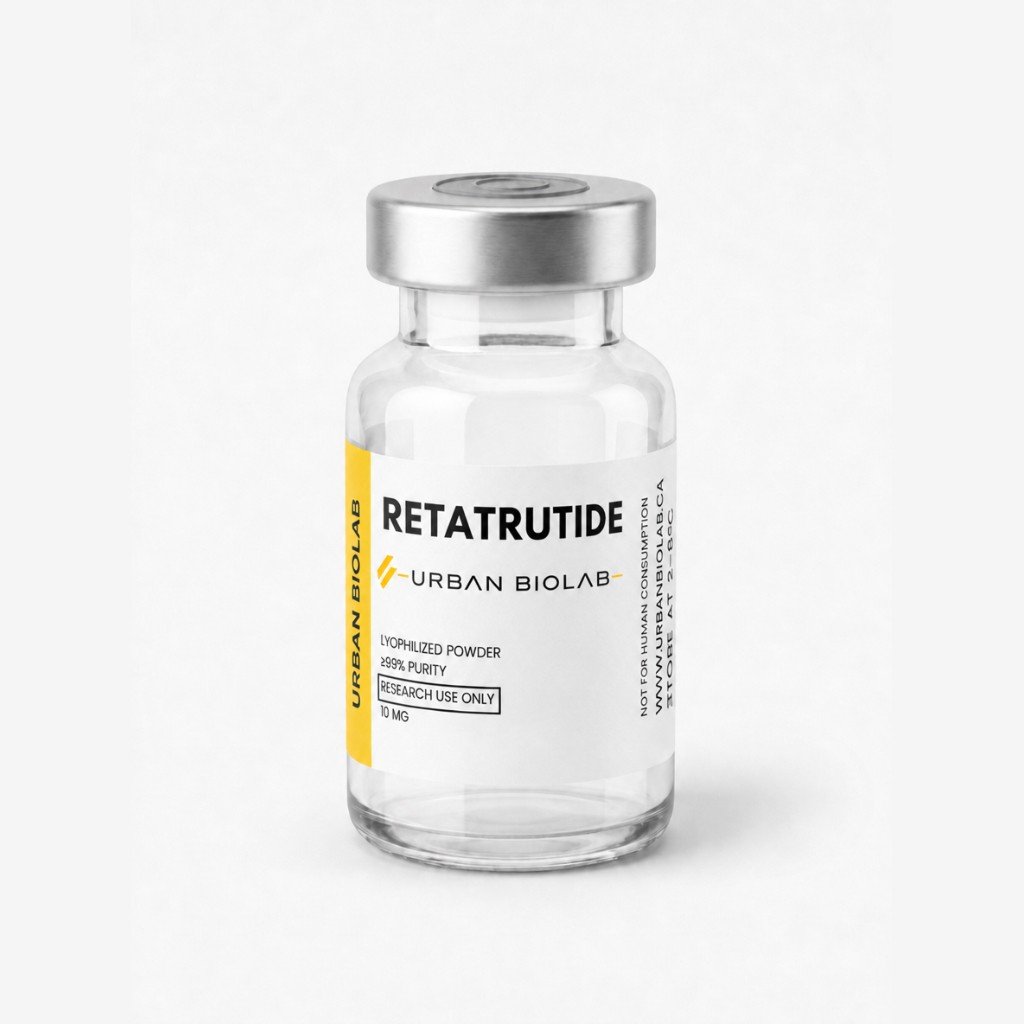
RT (Retatrutide) 10MG
Buy Retatrutide Canada: RT10 is a cutting-edge investigational peptide designed for advanced scientific exploration in metabolic health and weight management research. Known for its unique mechanism as a triple agonist (GLP-1, GIP, and glucagon receptors), it has shown promising potential in preclinical studies related to appetite regulation, fat metabolism, and glycemic control.
Managing Side Effects
GI side effects represent the most common challenges during peptide use. Nausea, constipation, diarrhea, and decreased appetite intensity beyond what is desired affect varying percentages of users. Understanding management strategies transforms these challenges from barriers into manageable inconveniences.
Nausea typically peaks during dose escalation phases and diminishes with continued use at stable doses. Small, frequent meals instead of large portions reduce nausea intensity. Avoiding high-fat foods during peak nausea periods helps. Cold foods often go down easier than hot options when nausea is present.
Nausea Management Strategies
- Eat five to six small meals rather than two to three large ones
- Avoid lying down after eating
- Minimize high-fat foods during acute nausea episodes
- Consider ginger supplements or ginger tea
- Stay well hydrated with room temperature fluids
- Allow slower titration if nausea becomes severe
Constipation develops because slower GI motility allows more water reabsorption from stool. Fiber intake through vegetables, fruits, and supplements counteracts this effect. Adequate hydration keeps stool soft. Physical activity promotes GI motility. Severe cases may require osmotic laxatives temporarily.
Diarrhea occurs less frequently but affects some users, particularly early in treatment. This typically resolves as the body adjusts. Staying hydrated replaces lost fluids. Avoiding high-fat and greasy foods reduces diarrhea intensity. Persistent diarrhea warrants evaluation for other causes.
Important to understand: The GI side effects of weight loss peptides relate directly to their mechanism of action. GLP-1 naturally slows gastric emptying and affects intestinal motility. The same effects that cause nausea also contribute to appetite suppression and better glucose control.
Injection site reactions occur occasionally, manifesting as redness, itching, or small bumps at injection locations. Rotating sites prevents repeated trauma to any single area. Allowing refrigerated peptide to reach room temperature before injection reduces reactions. Proper injection technique into subcutaneous fat rather than muscle minimizes irritation.
More serious side effects remain rare but deserve mention. Pancreatitis occurs in less than 1 percent of users and requires immediate medical attention if symptoms develop. Gallbladder issues including stones and cholecystitis affect similar small percentages, particularly during rapid weight loss. Maintaining some dietary fat intake may reduce gallbladder complications.
Nutrition Integration Strategies
Peptide therapy does not eliminate the importance of nutrition—it changes the dynamics. With suppressed appetite, every food choice matters more because total intake decreases. Strategic nutrition maximizes the benefits of peptide-assisted weight loss while preventing nutritional deficiencies.
Protein priority cannot be overemphasized. During rapid weight loss, the body tends to break down muscle along with fat unless protein intake remains high. Aiming for 80 to 120 grams daily preserves lean mass. Distributing protein across multiple meals improves utilization. Supplementing with protein shakes makes hitting targets easier when appetite is minimal.
Protein Target Examples
A person weighing 180 pounds targeting 150 pounds ideal weight should consume approximately 105 to 120 grams of protein daily. Spread across five small meals, this averages 21 to 24 grams per meal. Greek yogurt with protein powder, chicken breast, fish, eggs, and cottage cheese become dietary staples.
Healthy fats remain necessary despite weight loss goals. Fat absorption enables uptake of fat-soluble vitamins. Dietary fat triggers gallbladder contraction, preventing bile sludge and stones. Aiming for 30 to 50 grams daily from sources like avocado, olive oil, nuts, and fatty fish supports these functions without compromising weight loss.
Micronutrient density increases in importance as total food volume decreases. Choosing nutrient-dense whole foods over empty calories ensures adequate vitamin and mineral intake. A daily multivitamin provides insurance against deficiencies. Specific attention to iron, B12, calcium, and vitamin D makes sense given reduced food intake.
Sample Daily Meal Structure
- Breakfast (7 AM): Greek yogurt with berries and almonds, 22g protein
- Mid-morning (10 AM): Protein shake with banana, 25g protein
- Lunch (1 PM): Grilled chicken salad with olive oil dressing, 28g protein
- Afternoon (4 PM): Cottage cheese with cucumber, 18g protein
- Dinner (7 PM): Baked salmon with vegetables, 30g protein
- Daily Total: 123g protein, approximately 1200 calories
Meal timing adapts to suppressed appetite patterns. Forcing large meals creates discomfort because gastric emptying slows. Small frequent meals every three hours maintain nutrition without overwhelming delayed digestion. Skipping meals entirely invites nutrient deficiencies and potentially worsens nausea when eating finally occurs.
Hydration strategy requires deliberate attention. Much daily fluid typically comes from food. With reduced food intake, explicit water consumption must increase. Timing fluids between meals rather than with meals prevents excessive stomach fullness. Aiming for 64 to 80 ounces daily covers basic needs.
Exercise Synergy with Peptide Therapy
Physical activity enhances peptide therapy outcomes through complementary mechanisms. While peptides handle appetite suppression and metabolic optimization, exercise builds muscle, improves cardiovascular health, and creates additional caloric deficit. The combination produces results exceeding either intervention alone.
Resistance training deserves prioritization during peptide-assisted weight loss. Rapid weight reduction naturally causes some muscle loss. Lifting weights signals the body to preserve muscle tissue even during caloric deficit. Two to three sessions weekly focusing on major muscle groups provides sufficient stimulus.
My strong recommendation: Of all the complementary interventions during peptide therapy, resistance training provides the highest return. Preserving muscle mass maintains metabolic rate, improves body composition beyond what the scale shows, and sets the foundation for long-term weight maintenance. Cardio has its place, but weights come first.
Cardiovascular exercise contributes additional caloric expenditure and improves heart health. Walking represents the most accessible option, with 30 to 60 minutes daily providing substantial benefit. Higher intensity options like cycling, swimming, or jogging increase calorie burn but require adequate recovery. The best cardio is whatever remains consistent over time.
Exercise timing may warrant adjustment during peptide use. Some users find that exercise shortly after injection causes or worsens nausea. Others exercise deliberately in the morning before appetite suppression peaks to maintain workout intensity. Individual experimentation identifies optimal timing.
The synergy explained: Peptides handle the nutrition side of weight loss by suppressing appetite and optimizing metabolism. Exercise handles the physical side by preserving muscle and improving fitness. Neither substitutes for the other. Together they produce transformative results.
Energy levels during peptide use vary. The caloric deficit from suppressed appetite can reduce workout capacity initially. As the body adapts to burning stored fat for fuel, energy typically improves. Ensuring adequate protein and strategic carbohydrate timing around workouts supports performance.
Recovery needs may increase during rapid weight loss. Sleep, stress management, and adequate rest days all contribute to maintaining exercise capacity and preventing injury. Overtraining during aggressive weight loss protocols proves counterproductive by elevating cortisol and potentially increasing muscle loss.
Canadian Market Considerations
Canadian researchers investigating weight loss peptides navigate a specific regulatory and market landscape. Understanding these considerations ensures appropriate access to quality compounds while maintaining compliance with Health Canada guidelines.
Research peptides exist in a distinct regulatory category from prescription pharmaceuticals. Compounds sold explicitly for research purposes rather than human therapeutic use follow different guidelines. Canadian suppliers operating in this space provide peptides for investigational purposes, with purchasers assuming responsibility for appropriate use.
Quality Verification
Reputable Canadian peptide suppliers provide third-party testing documentation including HPLC purity analysis and mass spectrometry verification. Certificates of analysis should accompany each batch. Purity levels above 98 percent indicate quality manufacturing. Suppliers unable to provide this documentation should be avoided.
Domestic shipping offers significant advantages for Canadian researchers. Customs clearance issues that affect international orders become irrelevant. Transit times decrease substantially. Temperature-controlled shipping maintains peptide integrity throughout delivery. Support availability in Canadian time zones simplifies communication.
CAD pricing eliminates currency exchange uncertainties. International suppliers pricing in USD expose Canadian buyers to exchange rate fluctuations. Domestic suppliers quoting in CAD provide cost predictability. Combined with avoiding customs duties and international shipping fees, domestic sourcing often proves economically advantageous.
Regulatory note: Health Canada maintains different approval pathways than the FDA. Some compounds approved in the United States remain unapproved in Canada, and vice versa. This regulatory distinction affects availability of branded pharmaceutical versions while research peptides remain accessible through appropriate channels.
Provincial variations in healthcare coverage affect pharmaceutical peptide access but not research compound availability. Certain provinces provide coverage for diabetes medications that include weight loss peptides. Research peptides remain self-pay regardless of province, representing a consistent access pathway nationwide.
Cold chain maintenance matters particularly in Canadian winters. While cold temperatures generally preserve peptides, freeze-thaw cycles can cause degradation. Quality suppliers use insulated packaging with temperature monitors to ensure proper conditions throughout delivery regardless of outdoor temperatures.
Long-Term Success Strategies
Achieving initial weight loss with peptides represents only part of the challenge. Maintaining that loss over years requires understanding the biological realities of post-loss physiology and developing sustainable strategies to address them.
Metabolic adaptation persists after weight loss. Someone who loses 50 pounds does not have the same metabolism as someone who always weighed that amount. Reduced leptin, elevated ghrelin, and decreased resting energy expenditure create biological pressure toward regain. These adaptations appear permanent in most cases.
The Maintenance Reality
Clinical trial data shows that discontinuing peptide therapy leads to weight regain in the majority of participants. This does not represent failure but rather the biological nature of obesity. Long-term weight maintenance may require ongoing peptide use, just as blood pressure management requires ongoing medication.
Continuous treatment maintains weight loss most reliably. Viewing peptides as chronic therapy similar to blood pressure or cholesterol medication sets realistic expectations. The goal shifts from temporary intervention to sustained management. This reframing reduces disappointment when weight does not stay off without continued treatment.
Maintenance dosing may differ from weight loss dosing. Some users find that reduced doses maintain weight once goal is achieved. Others require full therapeutic doses indefinitely. Individual experimentation under appropriate guidance identifies minimum effective doses for maintenance.
Critical understanding: Peptide therapy manages obesity, it does not cure it. Understanding this distinction allows planning for long-term success rather than expecting temporary treatment to produce permanent results. Chronic management strategies mirror approaches to other lifelong conditions.
Lifestyle habits built during active weight loss support maintenance regardless of continued peptide use. High protein intake preserves muscle and increases satiety signals. Regular exercise maintains metabolic rate and fitness. Sleep quality affects hunger hormones significantly. Stress management prevents cortisol-driven eating.
Strategic cycling represents an alternative to continuous use for some individuals. Periods on medication achieving or maintaining lower weight alternate with periods off medication attempting lifestyle maintenance. Weight gain during off periods triggers resumption. This approach reduces total medication exposure while accepting some weight fluctuation.
Frequently Asked Questions
How quickly do weight loss peptides start working?
Appetite suppression typically begins within the first week of treatment. However, significant weight loss takes time to accumulate. Most clinical trials show meaningful differences from placebo by week 4, with weight loss continuing progressively through 48 to 72 weeks of treatment. Expecting immediate dramatic results leads to disappointment.
What percentage of body weight can I expect to lose?
Clinical trial averages provide guidance: Semaglutide produces approximately 15 percent weight loss, Tirzepatide approximately 21 percent, and Retatrutide approximately 24 percent. Individual results vary substantially. Some participants exceed 30 percent loss while others achieve more modest results. Response rates show 85 to 100 percent of participants losing at least 5 percent of body weight.
Are weight loss peptides safe for long-term use?
GLP-1 receptor agonists have been used for diabetes management for over 15 years with established safety profiles. Long-term weight loss studies extending to three years show maintained efficacy and acceptable safety. Newer compounds have shorter track records. Individual risk assessment considering personal health history remains important.
Will I regain weight if I stop taking peptides?
Most people regain significant weight after stopping peptide therapy, typically 70 to 80 percent of lost weight within 12 to 18 months. This reflects the persistent biological adaptations that drive weight regain rather than personal failure. Continued treatment or intensive lifestyle intervention may be necessary for long-term maintenance.
Can I use weight loss peptides while exercising intensely?
Yes, exercise complements peptide therapy effectively. Resistance training preserves muscle mass during rapid weight loss. Cardiovascular exercise adds to caloric deficit and improves fitness. Some adjustment to workout timing relative to injection and eating patterns may be needed. Adequate protein intake becomes even more important with exercise.
How do I choose between different weight loss peptides?
Consider research goals, tolerance for newer compounds versus established options, and desired efficacy level. Semaglutide offers the longest track record. Tirzepatide provides superior efficacy with substantial supporting data. Retatrutide shows the highest efficacy but has the shortest research history. Individual response varies regardless of compound choice.
What is the difference between injectable and oral peptides?
Injectable peptides achieve near-complete bioavailability while oral versions achieve approximately 1 percent. This means oral formulations require dramatically higher doses to achieve similar effects. Injectable versions also produce more consistent blood levels without the strict administration requirements of oral options.
How do I store weight loss peptides properly?
Unreconstituted peptides typically require refrigeration at 2 to 8 degrees Celsius. After reconstitution with bacteriostatic water, continued refrigeration is necessary. Protect from light and avoid freezing. Most reconstituted peptides remain stable for 4 to 6 weeks under proper storage conditions. Always follow specific storage instructions from the supplier.
Can peptides be combined with other weight loss interventions?
Peptides work well alongside dietary modification and exercise programs. These complementary interventions enhance results beyond peptides alone. Combining multiple peptide compounds requires caution and is generally not recommended without expert guidance. Other weight loss medications may interact in unpredictable ways.
What should I do if side effects become intolerable?
Reducing dose often resolves side effects while maintaining some benefit. Slower titration schedules allow gradual adaptation. Temporary dose reduction during acute symptoms followed by careful re-escalation works for many users. Persistent intolerable side effects despite dose adjustment may require switching compounds or discontinuing treatment.
Do weight loss peptides affect muscle mass?
Some muscle loss occurs with any significant weight reduction. Peptide therapy appears to preserve muscle better than diet alone, particularly triple agonist compounds. Adequate protein intake and resistance training further protect muscle mass. Body composition improvements typically exceed what scale weight alone suggests.
How do Canadian regulations affect peptide access?
Research peptides remain accessible through Canadian suppliers for investigational purposes. Regulatory pathways differ from the United States, affecting branded pharmaceutical availability. Quality suppliers provide third-party testing documentation. Domestic sourcing offers advantages including CAD pricing, faster shipping, and no customs considerations.
Glossary of Terms
GLP-1 (Glucagon-Like Peptide-1)
An incretin hormone produced in the intestines that slows gastric emptying, increases insulin secretion, and reduces appetite through hypothalamic signaling.
GIP (Glucose-Dependent Insulinotropic Polypeptide)
Another incretin hormone that enhances insulin secretion and may affect fat metabolism. Targeted by dual and triple agonist peptides.
Glucagon
A hormone that raises blood sugar and increases energy expenditure. The glucagon receptor is activated by triple agonist peptides to boost metabolism.
Triple Agonist
A compound that activates three receptor types simultaneously. In weight loss context, refers to peptides targeting GLP-1, GIP, and glucagon receptors.
Bioavailability
The proportion of an administered compound that reaches systemic circulation in active form. Injectable peptides achieve near-complete bioavailability.
Titration
The process of gradually adjusting medication dose to find optimal balance between efficacy and tolerability.
Adaptive Thermogenesis
The body’s metabolic adaptation to caloric restriction, resulting in reduced energy expenditure that persists after weight loss.
Leptin
A hormone produced by fat cells that signals satiety to the brain. Levels drop with weight loss, contributing to regain tendency.
Ghrelin
The primary hunger hormone, produced mainly in the stomach. Levels increase after weight loss, driving appetite.
Subcutaneous Injection
Injection into the fatty tissue layer beneath the skin. The standard delivery method for weight loss peptides.
Gastric Emptying
The rate at which food leaves the stomach and enters the small intestine. GLP-1 agonists slow this process substantially.
Insulin Sensitivity
How effectively cells respond to insulin signals. Improved sensitivity means less insulin is needed to maintain normal blood sugar.
Research Peptide
Peptide compounds sold for research and investigational purposes rather than as approved therapeutics. Available through specialized suppliers.
Certificate of Analysis (COA)
Documentation from third-party testing laboratories verifying peptide identity and purity. Essential for quality verification.
HPLC
High-Performance Liquid Chromatography. A testing method used to verify peptide purity and identify contaminants.
References
- Jastreboff AM, et al. Tirzepatide Once Weekly for the Treatment of Obesity. New England Journal of Medicine. 2022;387(3):205-216.
- Wilding JPH, et al. Once-Weekly Semaglutide in Adults with Overweight or Obesity. New England Journal of Medicine. 2021;384(11):989-1002.
- Jastreboff AM, et al. Triple-Hormone-Receptor Agonist Retatrutide for Obesity. New England Journal of Medicine. 2023;389(6):514-526.
Research Disclaimer
This article provides educational information about weight loss peptides for research purposes. The content should not be considered medical advice. Peptide compounds discussed are research chemicals not approved for human therapeutic use. Always consult qualified healthcare providers before making decisions about any health intervention. Individual results vary and depend on numerous factors beyond peptide use alone.