

The Critical Importance of Your Starting Dose
If I had to distill everything I’ve learned about Retatrutide into a single piece of advice, it would be this: start at 1mg.
This isn’t cautious hand-wringing or excessive timidity. It’s a strategic decision rooted in clinical evidence and real-world outcomes that dramatically affects whether you’ll succeed with this medication or become another statistic in the discontinuation column.
Let me explain why this matters so much.
The Two Paths: A Tale of Two Patients
Picture two people. Same weight, same goals, same medication. The only difference is their starting dose.
Patient A jumps in at 2mg, eager for results. By day three, they feel like they’ve swallowed a brick. Mornings become dreaded battles against nausea. They skip dinners with friends, abandon their gym routine, and spend weekends curled up in misery. By week six, they’re exhausted, demoralized, and questioning every decision that led them here. They quit.
Patient B starts at 1mg. The first week feels manageable—a gentle nudge rather than a punch to the gut. Mild appetite changes and occasional queasiness, nothing that disrupts their life. They adapt, develop routines, and by week four are ready to escalate. Eleven months later, they’re down significant weight, still going strong.
Same medication. Radically different outcomes.
What the Clinical Data Reveals
The Phase 2 trials examining Retatrutide provided fascinating insights into how different doses perform. Among the key findings:
| Dose | 48-Week Weight Loss | Nausea Rate | Discontinuation Rate |
|---|---|---|---|
| 1mg | 8.7% | 12% | 3.2% |
| 4mg | 15.2% | 18% | 5.7% |
| 8mg | 21.1% | 24% | 8.4% |
| 12mg | 24.2% | 28% | 11.2% |
Now, those weight loss numbers might tempt you toward higher doses. After all, 24.2% looks far better than 8.7%—at first glance.
But here’s what matters more than the hypothetical maximum: the discontinuation rate. Nearly one in nine patients starting at 12mg couldn’t finish treatment due to side effects. At 1mg, that number drops to about one in thirty.
The race isn’t won by the fastest starter. It’s won by whoever crosses the finish line.
Why Your Body Needs Time
Retatrutide isn’t like older weight loss medications. It activates three separate receptor systems simultaneously:
GLP-1 receptors handle appetite suppression and blood sugar regulation. If you’ve used semaglutide before, you know this mechanism.
GIP receptors enhance insulin sensitivity and, critically, help buffer against nausea from GLP-1 activation. This is why Retatrutide often feels more tolerable than pure GLP-1 agonists.
Glucagon receptors represent the novel element. Combined with GLP-1 activity, glucagon activation shifts toward thermogenesis and fat oxidation. Your body burns more energy at rest.
The adaptation timeline unfolds in waves:
- GLP-1 effects arrive within days. Appetite drops. Food loses appeal.
- GIP buffering takes one to two weeks to fully engage. This is why nausea often peaks during days seven through fourteen.
- Glucagon adaptation continues through week four and beyond. Metabolic acceleration builds gradually.
Starting at 1mg gives each system time to come online properly. Jumping higher overwhelms this process and triggers defensive reactions—severe nausea, vomiting, gastric distress—that can persist far longer than necessary.
The Weight Loss Question: Does Starting Lower Mean Slower Results?
Yes and no.
During month one, you’ll likely lose 1 to 1.5 pounds less than someone starting at 2mg. This assumes both of you tolerate your doses equally well—which, as we’ve discussed, often isn’t the case.
But here’s the crucial insight: by week twelve, these differences disappear. By week twenty-four, outcomes are statistically indistinguishable.
Why? Because both groups eventually reach the same therapeutic doses. The destination is identical. The only difference is the path.
Except Patient B actually reaches that destination. Patient A might not.
Understanding Side Effect Patterns
Side effects from Retatrutide follow predictable curves:
Month 1: Mild to moderate symptoms. Gradual onset, manageable with basic strategies.
Month 2: The peak challenge. Dose escalation effects compound. Requires active management.
Month 3: Adaptation. Symptoms fade. Confidence builds.
Months 4+: Minimal symptoms. Stable tolerance.
The critical window arrives between weeks six and eight—precisely when most discontinuations occur. This is when dose escalation schedules push patients toward therapeutic levels while earlier side effects haven’t fully resolved.
Starting at 1mg shifts this entire timeline. You enter the danger zone with an established foundation of tolerance. What would have been overwhelming becomes merely uncomfortable.
The Optimal Escalation Protocol
Based on clinical evidence and real-world tolerability data, here’s the recommended approach:
| Weeks | Dose | Focus |
|---|---|---|
| 1-4 | 1mg weekly | Establish baseline tolerance |
| 5-8 | 2mg weekly | First escalation, monitor response |
| 9-12 | 4mg weekly | Entering therapeutic range |
| 13-16 | 8mg weekly | Full therapeutic dose |
| 17+ | 8-12mg weekly | Maintenance, adjust as needed |
Important: This is a guideline, not a mandate. If you’re experiencing significant symptoms when an escalation date arrives, staying at your current dose for an additional one to two weeks is perfectly acceptable. Your body provides feedback that should inform timing decisions.
Who Benefits Most from the 1mg Start
While everyone benefits from conservative initiation, certain profiles see particularly strong advantages:
Previous GLP-1 experience with side effects: If semaglutide or tirzepatide gave you trouble, your GI system has established sensitivity. Starting at 1mg becomes essential rather than optional.
History of digestive issues: IBS, chronic gastritis, acid reflux—these conditions create starting points of reduced tolerance that must be accounted for.
Medical anxiety: Starting gently builds trust. A traumatic early experience can create lasting aversion that undermines adherence for months.
Patients over 55: Receptor sensitivity, gastric motility, and medication clearance all change with age. What works for a 35-year-old might overwhelm a 60-year-old.
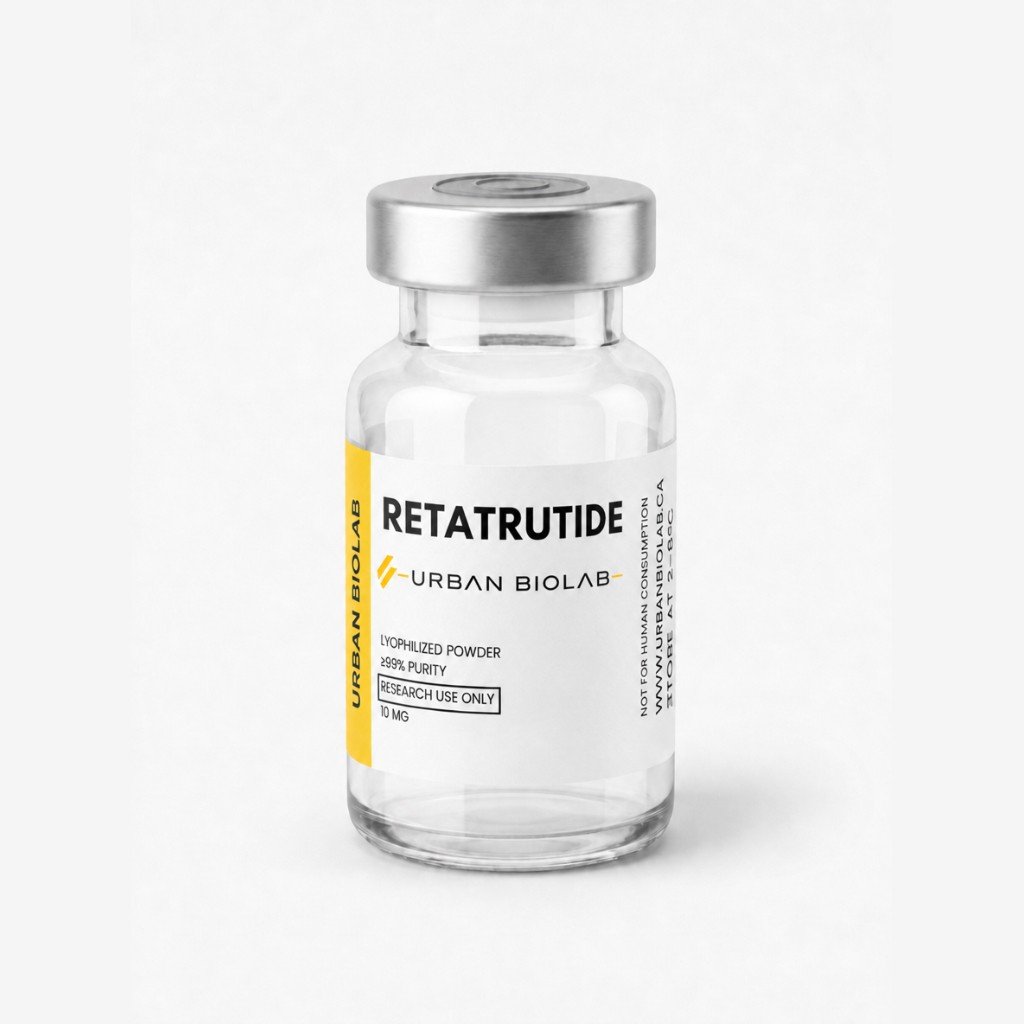
RT (Retatrutide) 10MG
Buy Retatrutide Canada: RT10 is a cutting-edge investigational peptide designed for advanced scientific exploration in metabolic health and weight management research. Known for its unique mechanism as a triple agonist (GLP-1, GIP, and glucagon receptors), it has shown promising potential in preclinical studies related to appetite regulation, fat metabolism, and glycemic control.
Practical Implementation
Knowing why to start at 1mg is only half the battle. Here’s how to do it successfully:
Injection timing: Most experienced patients inject Thursday or Friday evening. Peak blood levels occur 24-48 hours later—Saturday and Sunday—when work obligations are minimal.
Kitchen preparation: Stock foods that settle easily before your first injection. Crackers, plain rice, bananas, applesauce, ginger tea. You may not need them at 1mg, but having them ready removes a source of stress.
Hydration strategy: Retatrutide affects thirst perception. Establish time-based rather than thirst-based hydration. Set phone reminders every ninety minutes. Drink eight ounces regardless of whether you feel thirsty.
Meal structure: Traditional three-meal structure rarely works. Plan for five to six smaller eating occasions daily, each around 200-300 calories. Protein should anchor each meal.
Common Mistakes to Avoid
Impatience with early results: At 1mg, you’re building tolerance, not maximizing efficacy. Weight loss will be modest. This is by design.
Skipping meals entirely: Appetite suppression can make eating feel unnecessary. This backfires badly. Force yourself to eat protein-rich foods even when appetite is absent.
Increasing doses too quickly: Feeling great at 1mg doesn’t mean you can skip ahead. Each dose level requires its own adaptation period.
Neglecting sleep: Poor sleep increases inflammation, impairs digestion, and worsens side effects. Prioritize seven to eight hours.
Canadian Considerations
Patients in Canada face unique circumstances:
Provincial coverage varies significantly. Ontario, BC, Quebec, and Alberta have different formulary policies. Investigate your options thoroughly before starting.
Research peptide access provides a cost-effective alternative for many Canadians. Reputable suppliers offer third-party testing and purity verification exceeding 98%. When using research peptides, starting at 1mg becomes even more important—you’re responsible for your own dosing decisions.
Climate planning: Canadian winters present specific challenges. Starting during spring or summer gives you the adaptation phase during months when outdoor activity is easiest.
Frequently Asked Questions
Can I start at 0.5mg instead of 1mg?
Some patients do, particularly those with severe GI sensitivity. While clinical data at 0.5mg is limited, the principle of starting lower for better tolerance absolutely applies.
How much weight should I expect to lose during month one at 1mg?
Typically 2-4% of starting body weight. For a 220-pound person, roughly 4-9 pounds. Individual variation is significant.
What if I feel no effects at all at 1mg?
This is actually good news. It suggests your receptor systems handle the medication well and you may tolerate higher doses with fewer problems. Stay at 1mg for the full four weeks regardless.
Can I exercise normally?
Most patients can maintain existing routines. Listen to your body on days when GI symptoms are present. Light activity often helps with nausea.
How do I know when I’m ready to escalate?
Readiness means several days without significant symptoms, comfortable food intake, adequate hydration, and no ongoing GI distress. If symptoms persist, consider extending the 1mg phase.
Final Thoughts
Starting Retatrutide at 1mg isn’t about being overly cautious. It’s about optimizing your probability of success across an extended treatment journey.
The clinical evidence consistently shows that patients who start gently finish strong. They experience fewer severe symptoms, develop better coping strategies, and maintain commitment through the challenging middle weeks.
The weight loss you’re seeking will come. Retatrutide works remarkably well once you reach therapeutic doses. Your job during the first month is simply to get there in good condition—ready to capitalize on the medication’s full potential rather than depleted from fighting unnecessary battles.
Trust the process. Start at 1mg. Let your body adapt properly.
The results will speak for themselves.
This article is intended for educational purposes only and does not constitute medical advice. Always consult with a qualified healthcare provider before starting any new medication or treatment protocol.