
If you’re a woman exploring Retatrutide as a weight loss option, you’ve probably got questions. The good news? Clinical trial data gives us solid answers—and women may actually see slightly better results than men.
Let me break down what the research actually shows.
The Short Answer
Women can take Retatrutide safely and effectively. In Phase 2 trials, female participants achieved an average weight loss of 25.3% compared to 22.8% for men over 48 weeks at the highest dose.
Women made up 56% of the trial cohort at the 12mg dose—that’s 89 women compared to 68 men—so we have robust data specifically for female outcomes.
Side effects are comparable between genders, though women report slightly higher nausea rates (31% vs. 24%). The critical considerations include pregnancy contraindications, potential interactions with hormonal birth control, and timing around menstrual cycles.
What the Clinical Trials Show for Women
Eli Lilly’s Phase 2 trial enrolled 338 participants across multiple dosing groups. At the 12mg weekly dose, 157 participants were studied, with women comprising 56% of that group.
Here’s what the numbers look like for women:
| Dose | Women’s Average Weight Loss | Comparable To |
|---|---|---|
| 4mg weekly | 15.8% | Semaglutide (Wegovy) |
| 8mg weekly | 21.6% | Tirzepatide (Zepbound) |
| 12mg weekly | 25.3% | Gastric sleeve surgery |
Even at the lowest 4mg dose, women achieved weight loss comparable to maximum-dose Semaglutide. That’s significant flexibility for those who can’t tolerate higher doses.
The completion rate tells an equally important story: 87% of women at the 12mg dose completed the full 48-week trial, matching overall completion rates. The 13% who discontinued did so primarily during weeks 4-10 when gastrointestinal side effects peak.
Why Do Women Show Slightly Better Results?
Researchers haven’t definitively established causation, but several factors likely contribute:
- Women typically have higher baseline body fat percentages, creating more “substrate” for the medication’s metabolic effects
- Estrogen influences leptin sensitivity and ghrelin secretion differently than testosterone
- GIP receptor activation appears especially effective at mobilizing subcutaneous fat—the type women store more of
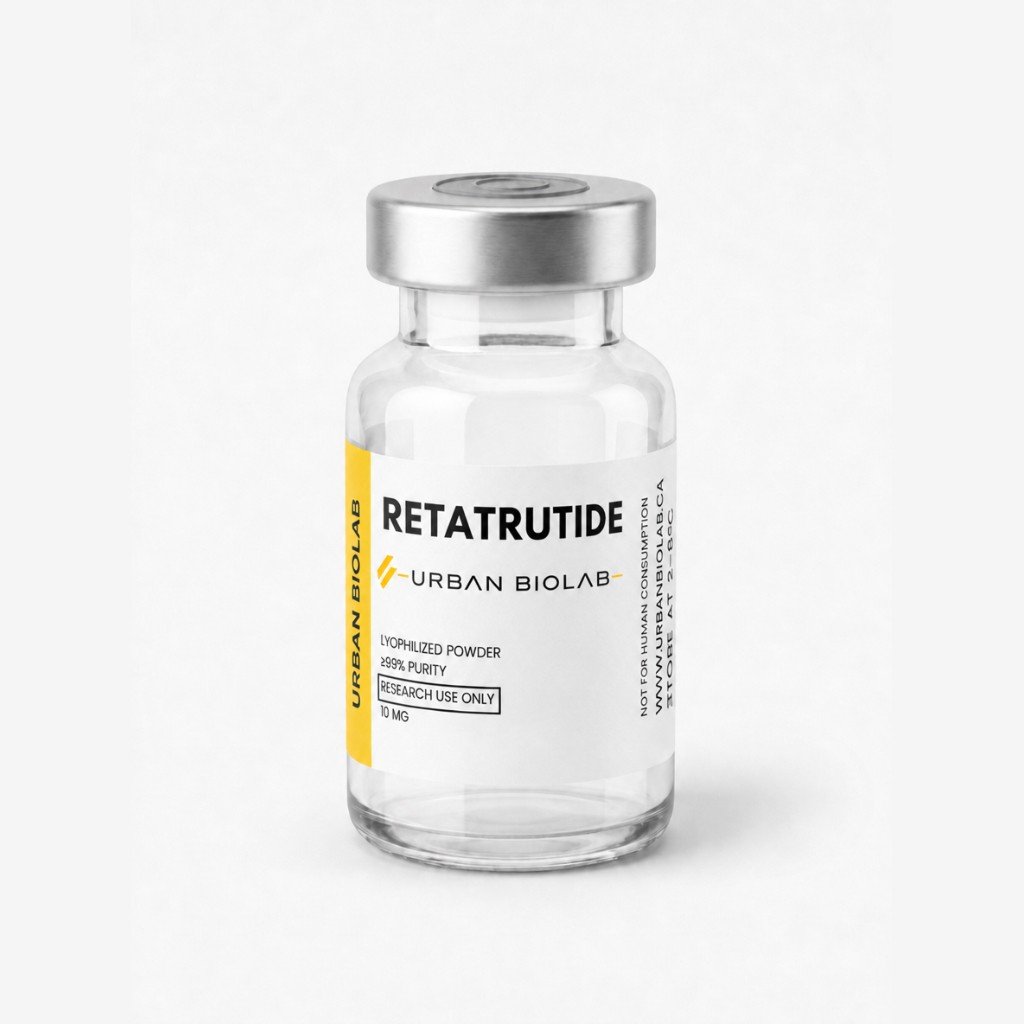
RT (Retatrutide) 10MG
Buy Retatrutide Canada: RT10 is a cutting-edge investigational peptide designed for advanced scientific exploration in metabolic health and weight management research. Known for its unique mechanism as a triple agonist (GLP-1, GIP, and glucagon receptors), it has shown promising potential in preclinical studies related to appetite regulation, fat metabolism, and glycemic control.
How Retatrutide Works in Female Bodies
Retatrutide is a triple agonist, meaning it activates three receptor types simultaneously: GLP-1, GIP, and glucagon receptors. Each contributes differently to the overall effect.
GLP-1 Receptor Activation
This reduces appetite through direct effects on hypothalamic hunger centers, slows gastric emptying, and improves blood sugar control by increasing insulin secretion while decreasing glucagon secretion.
A note for women: GLP-1 receptor density in the brain varies across the menstrual cycle. Some research suggests appetite suppression may be slightly stronger during the follicular phase (days 1-14) compared to the luteal phase (days 15-28). This doesn’t diminish overall efficacy but may explain why some women notice fluctuating appetite control throughout their cycles.
GIP Receptor Activation
GIP receptors in fat tissue influence how efficiently the body stores and releases fat. Women may particularly benefit here due to differences in fat distribution—female bodies typically store more subcutaneous fat, and GIP activation appears especially effective at mobilizing these stores.
Glucagon Receptor Activation
This is what distinguishes Retatrutide from all currently approved medications. When combined with GLP-1 activity, the glucagon effect shifts toward increasing energy expenditure rather than elevating glucose. Early data suggests resting metabolic rate increases by approximately 100-200 calories daily at maintenance doses—meaningful for women who often have lower baseline metabolic rates than men.
Side Effects Women Should Expect
Side effect profiles between genders show more similarities than differences, but some gender-specific patterns emerge.
The Primary Challenge: Nausea
Nausea is the most common complaint for both genders, but women report it more frequently. At the 12mg dose, 31% of women experienced nausea compared to 24% of men. Severity typically peaks during weeks 6-8 and resolves substantially by week 12 for most patients.
Typical timeline:
- Weeks 1-4: Mild nausea, often manageable without medication. Appetite noticeably decreasing.
- Weeks 5-8: Peak nausea period. Anti-nausea medication often helpful. Most challenging phase.
- Weeks 9-12: Gradual improvement. Body adapting.
- Weeks 13+: Minimal ongoing symptoms for most.
Why do women experience higher nausea rates? Several theories exist: hormonal fluctuations affect gastrointestinal motility and sensitivity; women have higher baseline rates of functional GI disorders; and slower gastric emptying may interact differently with female physiology.
Complete Side Effect Breakdown for Women
| Side Effect | Rate in Women | Notes |
|---|---|---|
| Nausea | 31% | Peaks weeks 6-8, usually resolves by week 12 |
| Diarrhea | 26% | Transient, typically 1-3 weeks |
| Constipation | 23% | Manageable with fiber and hydration |
| Fatigue | 15% | Often improves with adequate nutrition |
| Headache | 12% | Usually mild |
| Hair Thinning | 3-4% | Temporary, regrows after weight stabilizes |
Hair Loss: A Particular Concern
Although affecting only 3-4% of participants, hair thinning causes disproportionate distress for women. The mechanism is telogen effluvium—a stress response where rapid weight loss pushes hair follicles into a resting phase prematurely.
This typically appears 3-6 months after starting treatment and is temporary. Hair regrows fully 6-12 months after weight stabilizes. Prevention strategies include:
- Adequate protein intake (minimum 80-100g daily)
- Biotin supplementation (2,500-5,000mcg daily)
- Avoiding crash dieting on top of medication effects
- Ensuring sufficient iron and zinc intake
Hormonal Considerations and Menstrual Cycles
Significant weight loss affects hormonal balance, and many women report menstrual irregularities during the first 3-6 months of treatment.
Expected Changes
- Lighter periods (reduced estrogen from fat loss)
- Irregular cycle timing (metabolic stress response)
- Shorter or longer cycles than baseline
- Occasional skipped periods during active weight loss
These changes aren’t inherently concerning and usually normalize as weight stabilizes. The mechanism relates to body fat’s role in estrogen production—adipose tissue converts androgens to estrogens. Rapid fat loss temporarily lowers circulating estrogen levels, but the body typically compensates within several months.
When to Seek Medical Attention
Contact your healthcare provider if you experience:
- Complete absence of periods for 3+ months (if not menopausal)
- Very heavy bleeding requiring hourly pad changes
- Severe cramping beyond your normal pattern
- Intermenstrual bleeding persisting beyond the first few months
Optimizing Treatment Around Your Cycle
Some women find that coordinating injection timing with their menstrual cycle improves tolerability. Data from similar GLP-1 medications suggests nausea may be slightly worse during the luteal phase (days 15-28) when progesterone peaks and GI motility naturally slows.
Consider injecting during the follicular phase (days 1-14) if you find side effects correlate with your cycle. Track symptoms across 2-3 cycles before drawing conclusions—individual variation exceeds general patterns.
Birth Control Interactions: Critical Safety Information
This is essential: Retatrutide can reduce the effectiveness of oral contraceptives, creating potential for unintended pregnancy during treatment.
Why the Interaction Occurs
Two mechanisms are at play:
- Delayed gastric emptying changes how oral medications are absorbed
- Vomiting (if it occurs) can eliminate pills before absorption completes
Use backup non-hormonal contraception for at least the first 4 weeks after starting treatment and for 4 weeks after each dose increase.
Contraceptive Options by Safety Level
Unaffected by Retatrutide:
- Hormonal IUD (Mirena, Kyleena)
- Copper IUD (Paragard)
- Implant (Nexplanon)
- Injectable (Depo-Provera)
- Barrier methods (condoms, diaphragm)
Potentially Affected:
- Combined oral contraceptives
- Progestin-only pills (mini-pill)
- Vaginal ring (NuvaRing)
- Contraceptive patch
Non-oral hormonal methods like the patch and ring may also be affected because they rely on consistent absorption patterns that GI changes can alter. IUDs and implants deliver hormones directly into the body, bypassing the GI tract entirely, making them the safest hormonal options during treatment.
Pregnancy, Breastfeeding, and Fertility
Retatrutide is absolutely contraindicated during pregnancy. This is not a caution or relative contraindication—do not use this medication if pregnant, trying to become pregnant, or breastfeeding.
Pregnancy Risks
Animal studies have shown developmental abnormalities in offspring exposed to similar GLP-1 receptor agonists during pregnancy. While human data remains limited, the precautionary principle applies strongly here. No weight loss goal justifies potential fetal harm.
If you discover you’re pregnant while taking Retatrutide, stop immediately and contact your healthcare provider. Many early exposures result in healthy pregnancies, but discontinuation upon discovery is essential.
Planning for Pregnancy
The recommended washout period before attempting conception is minimum 2 months. Given Retatrutide’s longer half-life compared to earlier GLP-1 medications, some practitioners recommend 3 months for additional safety margin.
Ideal pregnancy planning timeline:
- Months 1-8: Active treatment and weight loss phase
- Months 9-10: Weight maintenance and medication taper
- Months 11-12: Washout period (2-3 months medication-free)
- Month 13+: Begin trying to conceive
Strategic timing can work in your favor. Weight loss before pregnancy improves fertility outcomes, reduces gestational diabetes risk, and decreases pregnancy complications.
Breastfeeding
No data exists on Retatrutide excretion into breast milk. Given this uncertainty and the importance of infant nutrition, avoid Retatrutide while breastfeeding.
Fertility Effects
For women struggling with obesity-related infertility, Retatrutide may actually improve fertility outcomes by reducing weight, improving insulin sensitivity, and normalizing hormonal balance. PCOS patients particularly benefit from these metabolic improvements. However, remember that improved fertility means increased pregnancy risk during treatment—use reliable contraception consistently.
Perimenopause and Menopause Considerations
Women in perimenopause and menopause face unique challenges with weight management. Hormonal shifts, metabolic slowdown, and body composition changes make weight loss increasingly difficult with each passing year.
Why Menopausal Weight Gain Is So Stubborn
The transition through menopause involves estrogen decline, which triggers several metabolic changes:
- Fat distribution shifts from hips and thighs toward the abdomen (visceral fat)
- Muscle mass decreases
- Resting metabolic rate drops by approximately 100-200 calories daily
Traditional diet and exercise approaches that worked in earlier decades often fail during this transition. The hormonal changes aren’t your fault and aren’t simply a matter of eating less or exercising more.
How Retatrutide May Help
The triple-agonist mechanism addresses several menopause-specific challenges:
- Thermogenic effect from glucagon activation helps offset metabolic slowdown
- Appetite suppression helps manage hormonal hunger fluctuations
- Blood sugar stabilization helps with insulin resistance that increases during menopause
- Metabolic effects target visceral fat effectively
Special Considerations for Older Women
Women over 65 were included in Retatrutide trials, with efficacy maintained across age groups. However:
- Slower dose titration may reduce side effects
- More aggressive protein intake protects against muscle loss
- Bone density monitoring may be advisable with rapid weight loss
- Hydration becomes more critical as thirst sensation diminishes with age
The benefits of treating obesity often outweigh age-related concerns. Weight loss can improve mobility, reduce medication burden, and enhance quality of life even in later decades.
PCOS and Insulin Resistance
Polycystic ovary syndrome affects 6-12% of women of reproductive age. The condition creates a frustrating cycle where insulin resistance promotes weight gain, and weight gain worsens insulin resistance and hormonal imbalance.
How PCOS Complicates Weight Management
PCOS involves chronic low-grade inflammation, elevated androgens, and significant insulin resistance. These factors create a metabolic environment where weight loss is genuinely harder. Caloric restriction alone often fails because insulin dysfunction prevents efficient fat mobilization.
Retatrutide’s Potential Benefits for PCOS
The medication’s effects on insulin sensitivity may provide particular benefit:
- GLP-1 agonism improves insulin secretion patterns
- GIP activation enhances insulin sensitivity in fat tissue
- Combined with weight loss, these effects can dramatically improve metabolic parameters
Women with PCOS may see improvements in menstrual regularity and androgen levels. Some may regain ovulatory function. Weight loss of just 5-10% can restore ovulatory cycles in many women with PCOS—with Retatrutide’s average weight loss exceeding 20%, fertility improvements may be substantial.
Monitoring Recommendations for PCOS Patients
- Track menstrual cycles closely as regularity may return
- Monitor for signs of ovulation if not using reliable contraception
- Consider checking androgen levels at baseline and after 3-6 months
- Watch for hypoglycemia symptoms if also taking metformin or other diabetes medications
Dosing Recommendations for Women
Standard Retatrutide dosing protocols apply to both genders, but women may benefit from modified approaches given slightly higher side effect rates.
Standard Titration Schedule
| Week | Dose | Expected Effects |
|---|---|---|
| 1-4 | 2mg | Initial adaptation, mild appetite reduction |
| 5-8 | 4mg | Noticeable appetite suppression, weight loss begins |
| 9-12 | 8mg | Strong effects, peak side effect period ending |
| 13+ | 12mg | Maximum dose, maintenance phase |
Modified Approaches for Sensitive Individuals
Women experiencing significant nausea may benefit from:
- Extended titration: Staying at each dose for 6-8 weeks instead of 4
- Lower maintenance doses: 8mg instead of 12mg still provides excellent results
- Splitting weekly doses: Twice-weekly injections may improve tolerability (discuss with your provider)
My recommendation: Slower titration in most women. The slightly longer timeline to reach maintenance dose is a worthwhile trade for better tolerability. Dropping out due to severe side effects means zero benefit. Reaching 8mg comfortably produces better outcomes than trying and failing to reach 12mg.
Injection Technique and Timing
Weekly injections can be administered any day at any time. Some women prefer injecting Friday evening, allowing the peak side effect window (24-72 hours post-injection) to occur over the weekend when they can rest if needed.
Rotate injection sites among the abdomen, thigh, and upper arm. Avoid areas with significant scar tissue or active skin conditions. Do not inject into muscle—subcutaneous fat provides the appropriate absorption environment.
Nutritional Needs During Treatment
Suppressed appetite is the medication’s intended effect, but it creates challenges for adequate nutrition. You must be intentional about meeting nutritional needs despite reduced hunger signals.
Protein: The Non-Negotiable Priority
Protein intake determines whether weight loss comes primarily from fat or includes significant muscle tissue. Aim for 0.8-1.0 grams of protein per pound of goal body weight daily. For a woman with a goal weight of 150 pounds, that means 120-150 grams of protein daily.
Sample daily protein plan (130g target):
- Breakfast: 2 eggs + Greek yogurt (30g)
- Lunch: Chicken breast salad (35g)
- Snack: Protein shake (25g)
- Dinner: Salmon with vegetables (35g)
- Evening: Cottage cheese (15g)
Essential Vitamins and Minerals
Reduced food intake means reduced micronutrient intake. Consider:
- Daily multivitamin formulated for women
- Vitamin D (2,000-4,000 IU daily—most Canadians are deficient)
- Calcium (1,000-1,200mg daily)
- Iron if menstruating (check levels first)
- B12 for energy support
- Magnesium for muscle function
Hydration
Every serious adverse event in clinical trials involved dehydration from vomiting or diarrhea. Aim for 64-80 ounces (2-2.5 liters) of fluid daily. Watch for dark urine, headache, dizziness, or fatigue as dehydration signs.
Preserving Muscle Mass During Weight Loss
Rapid weight loss inevitably includes some muscle tissue along with fat. Women naturally have less muscle mass than men, making preservation even more critical.
Resistance Training: Essential, Not Optional
Strength training signals your body to preserve muscle despite caloric deficit. Aim for 2-3 resistance sessions weekly, targeting all major muscle groups. Compound movements (squats, deadlifts, rows, presses) provide the most efficient stimulus.
Many women fear “getting bulky” from weight training. This concern is unfounded—building significant muscle mass requires testosterone levels and training intensity that most women will never achieve. What weight training actually produces is a toned, defined appearance as fat decreases and muscle becomes visible.
Protein Timing Around Exercise
Consuming protein within 2 hours of resistance training optimizes muscle protein synthesis. A shake or high-protein meal after workouts provides building blocks when your muscles are primed to use them.
Signs of Excessive Muscle Loss
- Unusual weakness beyond expected from caloric restriction
- Rapid strength decreases in your exercises
- Skin appearing loose disproportionately to weight lost
- Waist decreasing faster than hips (may indicate muscle loss)
If these signs appear, increase protein intake and resistance training intensity.
Body Image and Mental Health Considerations
Weight loss medications exist in complicated cultural context for women. Addressing the psychological aspects of treatment matters as much as the physical protocols.
Setting Healthy Expectations
Retatrutide will change your body significantly. It will not solve all problems you may attribute to your weight. Career challenges, relationship issues, self-worth struggles, and general life dissatisfaction may persist at your goal weight. Weight loss is a health intervention, not a magic solution for life’s complexities.
Rapid body changes can be psychologically destabilizing. Your self-image may lag behind your actual appearance. Compliments may feel uncomfortable. Attention from people who ignored you before can feel hurtful rather than flattering. These reactions are normal and typically resolve as you adjust.
I encourage considering therapy or counseling alongside weight loss treatment. Not because something is wrong with you, but because processing significant body changes benefits from professional support. The physical transformation is the easy part—the psychological adaptation often takes longer.
Disordered Eating History
Women with history of anorexia, bulimia, or binge eating disorder require careful consideration before starting Retatrutide. The extreme appetite suppression could trigger restrictive patterns in susceptible individuals. Discuss your complete history with a healthcare provider experienced in eating disorders.
Social Dynamics and Relationships
Your weight loss may affect relationships in unexpected ways. Some friends or family members may be less supportive than expected. Partners may react with concern, jealousy, or discomfort. These reactions usually reflect their own insecurities rather than genuine problems with your success.
Accessing Retatrutide in Canada
Retatrutide is not yet approved by Health Canada or the FDA. Current access requires either clinical trial participation or obtaining research peptides through Canadian suppliers.
Clinical Trial Participation
Phase 3 trials are recruiting across North America. Search ClinicalTrials.gov for “retatrutide Canada” to find studies with Canadian sites. Trial participation provides free medication and close medical monitoring. However, you may receive placebo (typically 20-25% of participants), and trials require significant time commitment.
Research Peptide Suppliers
Research peptides are legal to purchase in Canada for research purposes but are not approved for human consumption. This represents a personal decision about risk tolerance.
For Canadians choosing to explore research peptide options, quality verification is essential:
- Third-party lab testing with HPLC/MS verification
- Certificates of analysis showing 98%+ purity
- Proper sterile manufacturing protocols
- Detailed reconstitution and storage guidance
Expected Approval Timeline
Based on Phase 3 trial completion estimates and typical regulatory review timelines, FDA approval is projected for late 2026 to early 2027. Health Canada approval typically follows FDA approval by 6-18 months. Provincial drug plan coverage may take an additional 12-24 months.
Frequently Asked Questions
Is Retatrutide safe for women?
Yes, based on Phase 2 clinical trial data. Women made up 56% of trial participants and showed comparable safety profiles to men with slightly higher nausea rates (31% vs 24%). The 87% completion rate among women indicates good overall tolerability.
Do women lose more weight on Retatrutide than men?
Female participants averaged 25.3% weight loss compared to 22.8% for males at the 12mg dose over 48 weeks. The difference is statistically significant though practically modest.
Can I get pregnant while taking Retatrutide?
Pregnancy while taking Retatrutide is contraindicated due to potential fetal development risks. Use reliable contraception during treatment. If pregnancy occurs, stop the medication immediately and contact your healthcare provider.
Will Retatrutide affect my birth control pills?
Yes, potentially. Delayed gastric emptying can alter oral contraceptive absorption. Use backup contraception for the first 4 weeks after starting and after dose increases. Consider non-oral contraceptive methods for reliable protection.
Will my period change on Retatrutide?
Many women experience menstrual irregularities during the first 3-6 months. Lighter periods, irregular timing, and occasional missed cycles are common during active weight loss. These changes typically normalize as weight stabilizes.
Is Retatrutide safe for menopausal women?
Clinical trials included women up to age 75 with efficacy maintained across age groups. Menopausal women may particularly benefit from the metabolic effects that help offset menopause-related metabolic slowdown.
Will I lose my hair on Retatrutide?
Temporary hair thinning affects approximately 3-4% of users, typically appearing 3-6 months after starting treatment. Hair regrows fully 6-12 months after weight stabilizes. Adequate protein and biotin supplementation help minimize this risk.
Can I breastfeed while taking Retatrutide?
No. Whether Retatrutide passes into breast milk is unknown. Given this uncertainty and the importance of infant nutrition, avoid Retatrutide while breastfeeding.
How long before I see results?
Most women notice appetite suppression within the first 1-2 weeks. Measurable weight loss typically begins by weeks 3-4. Maximum weight loss velocity occurs between weeks 8-24. Plateau typically arrives around weeks 40-48.
Is Retatrutide available in Canada?
Retatrutide is not yet approved by Health Canada or the FDA. Current access options include clinical trial participation or obtaining research peptides from Canadian suppliers. Approval is expected in late 2026 to early 2027.
Glossary of Terms
Agonist: A substance that binds to a receptor and activates it. Retatrutide is a triple agonist, activating three different receptor types.
GLP-1 (Glucagon-Like Peptide-1): A hormone naturally produced in the gut that regulates appetite, slows gastric emptying, and influences insulin secretion.
GIP (Glucose-Dependent Insulinotropic Polypeptide): A hormone that enhances insulin secretion and influences fat metabolism.
Glucagon: A hormone that typically raises blood sugar. In Retatrutide’s triple mechanism, glucagon receptor activation increases energy expenditure rather than elevating glucose.
Telogen Effluvium: A temporary condition where hair follicles enter resting phase prematurely due to physiological stress, causing increased hair shedding.
Titration: The process of gradually increasing medication dose over time to allow the body to adapt and minimize side effects.
Subcutaneous: Beneath the skin. Retatrutide is administered via subcutaneous injection into the fatty tissue layer under the skin.
Washout Period: The time required for a medication to be completely eliminated from the body. For Retatrutide before pregnancy, minimum 2-3 months washout is recommended.
PCOS (Polycystic Ovary Syndrome): A hormonal disorder affecting 6-12% of women, characterized by irregular periods, elevated androgens, and often associated with insulin resistance.
Perimenopause: The transitional period before menopause, typically lasting 4-8 years, when hormone levels fluctuate and menstrual cycles become irregular.
RT (Retatrutide) 10MG
Buy Retatrutide Canada: RT10 is a cutting-edge investigational peptide designed for advanced scientific exploration in metabolic health and weight management research. Known for its unique mechanism as a triple agonist (GLP-1, GIP, and glucagon receptors), it has shown promising potential in preclinical studies related to appetite regulation, fat metabolism, and glycemic control.
References
- Jastreboff AM, et al. “Triple-Hormone-Receptor Agonist Retatrutide for Obesity: A Phase 2 Trial.” New England Journal of Medicine. 2023;389:514-526.
- ClinicalTrials.gov. “A Study of Retatrutide (LY3437943) in Participants With Obesity or Overweight.” U.S. National Library of Medicine.
- Rosenstock J, et al. “Efficacy and safety of a novel dual GIP and GLP-1 receptor agonist tirzepatide in patients with type 2 diabetes (SURPASS-1).” The Lancet. 2021;398(10295):143-155.
Medical Disclaimer: This article is for informational and educational purposes only. It does not constitute medical advice and should not be used to diagnose, treat, or prevent any medical condition. Retatrutide is not approved by Health Canada or the FDA for human use. Always consult with a qualified healthcare provider before beginning any weight loss treatment or making changes to your health regimen.