A Note From the Author
I’ve spent over a decade working in performance optimization and body composition, and I can tell you that the landscape has changed dramatically in recent years. The combination of Retatrutide and human growth hormone has become one of the most discussed protocols in body recomposition circles—and for good reason.
This guide breaks down everything you need to know about this approach: the science behind it, realistic expectations, proper protocols, and the critical safety considerations that too many people overlook.
The Short Version: What You Actually Need to Know
Retatrutide is a triple-agonist medication that targets GLP-1, GIP, and glucagon receptors simultaneously. In clinical trials, it produced an average body weight reduction of 24.2% over 48 weeks—results that exceed anything previously seen in obesity medicine.
Human growth hormone (HGH) adds lipolytic and anabolic support. It doesn’t cause weight loss directly, but it shifts the composition of the weight you lose toward fat and away from muscle.
The combination addresses both sides of the body composition equation: aggressive fat loss while preserving lean tissue.
Important caveat: This is not a beginner protocol. It requires medical supervision, regular bloodwork, and a solid foundation in nutrition and training. If you’re looking for a quick fix, this isn’t it.
Why This Protocol Has Gained Traction
Walk into any serious fitness forum or longevity clinic these days, and you’ll hear discussions about this protocol. It’s become something of an open secret among people pursuing aggressive body recomposition without the muscle-wasting drawbacks that typically accompany rapid weight loss.
The logic behind combining these specific compounds runs deeper than surface-level synergy. Each addresses a distinct physiological pathway, and together they create conditions that neither can achieve alone.
The Problem With Traditional Weight Loss
When you lose weight quickly through caloric restriction alone, your body doesn’t exclusively tap into fat stores. It also breaks down muscle protein for gluconeogenesis—converting amino acids into glucose to fuel essential functions. The faster the weight loss, the more muscle you typically sacrifice.
Research suggests that up to 25-30% of weight lost through standard dieting comes from lean body mass rather than fat. This muscle loss slows metabolism and makes long-term weight maintenance significantly harder.
How This Stack Addresses the Problem
Retatrutide creates the caloric deficit through multiple mechanisms: slowed gastric emptying, direct appetite suppression, and increased energy expenditure.
HGH exerts potent anabolic effects on muscle tissue while promoting lipolysis—the breakdown of stored fat.
The combination creates what researchers call a “partitioning effect.” Nutrients and energy are directed away from fat storage and toward muscle maintenance. The body preferentially burns fat for fuel while protecting muscle protein from breakdown.
Understanding Retatrutide: The Triple-Agonist Mechanism
Retatrutide represents the most advanced weight loss medication in development. Unlike earlier GLP-1 agonists like semaglutide (Ozempic, Wegovy) that target only one receptor, Retatrutide activates three distinct pathways simultaneously.
The Three Receptor Targets
GLP-1 (Glucagon-Like Peptide-1)
- Primary effect: Appetite suppression, delayed gastric emptying, improved insulin sensitivity
- Contribution: Reduces food intake by 30-40%, extends satiety between meals
GIP (Glucose-Dependent Insulinotropic Polypeptide)
- Primary effect: Enhanced insulin secretion, fat metabolism modulation
- Contribution: Improves metabolic flexibility, may reduce nausea compared to GLP-1 alone
Glucagon
- Primary effect: Increased energy expenditure, enhanced fat oxidation, thermogenesis
- Contribution: Burns additional 100-200 calories daily through metabolic upregulation
What This Means in Practice
The GLP-1 component works primarily through the gut-brain axis, signaling to the hypothalamus that you’re full even after eating smaller portions. Most people on GLP-1 agonists report a fundamental shift in their relationship with food. Cravings diminish. The constant background noise of hunger quiets. Eating becomes a conscious choice rather than an urgent compulsion.
GIP activation adds another dimension. This hormone influences how the body processes and stores nutrients, particularly fat. Research suggests that GIP may actually reduce some of the gastrointestinal side effects associated with pure GLP-1 agonists—which explains why Retatrutide causes less nausea (28%) than semaglutide (44%) despite being more potent for weight loss.
The glucagon receptor activation is what truly sets Retatrutide apart. Glucagon is traditionally viewed as a blood sugar-raising hormone—the opposite of insulin. However, when combined with GLP-1 activity that keeps blood sugar controlled, glucagon’s other effects come to the forefront: increased metabolic rate, enhanced breakdown of stored fat, and thermogenesis.
Think of it this way: GLP-1 reduces input (food consumed), GIP optimizes processing (nutrient partitioning), and glucagon increases output (energy expenditure). Attack the energy balance equation from all three angles simultaneously, and weight loss becomes nearly inevitable.
Clinical Trial Results
In the Phase 2 trial published in the New England Journal of Medicine, participants taking 12mg of Retatrutide weekly lost an average of 24.2% of their body weight over 48 weeks. For someone weighing 220 pounds at the start, that translates to approximately 53 pounds of weight loss.
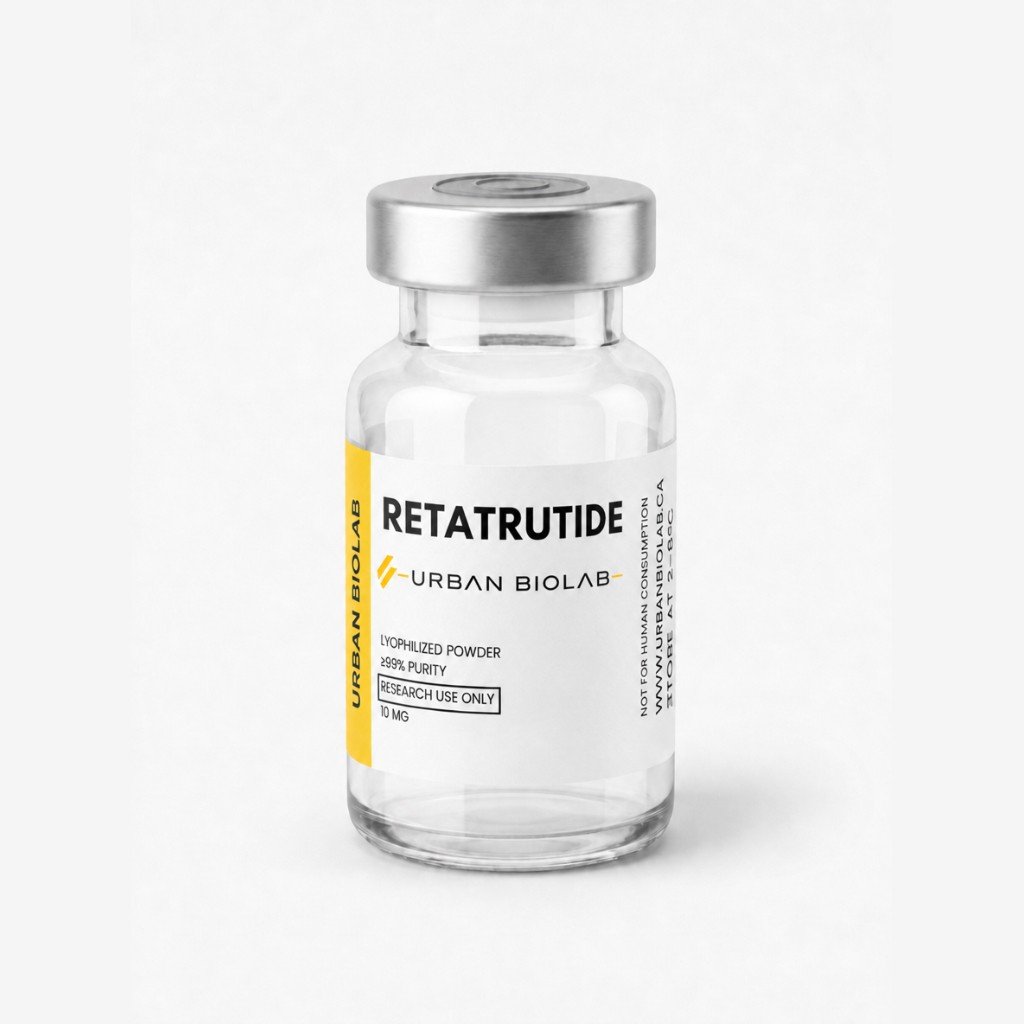
RT (Retatrutide) 10MG
Buy Retatrutide Canada: RT10 is a cutting-edge investigational peptide designed for advanced scientific exploration in metabolic health and weight management research. Known for its unique mechanism as a triple agonist (GLP-1, GIP, and glucagon receptors), it has shown promising potential in preclinical studies related to appetite regulation, fat metabolism, and glycemic control.
What HGH Brings to the Protocol
Human growth hormone has been studied for decades, and while its reputation has been complicated by misuse in sports and anti-aging marketing, the clinical data on its effects during caloric restriction is compelling.
HGH’s Role: Muscle Insurance
HGH doesn’t cause weight loss directly. What it does is shift the composition of whatever weight you lose dramatically toward fat and away from muscle.
When you inject exogenous HGH, several things happen:
- Lipolysis increases—stored fat is more readily released from fat cells into the bloodstream where it can be oxidized for energy
- Protein synthesis in muscle tissue increases—providing an anabolic signal that counteracts the catabolic environment created by caloric deficit
- Recovery from exercise improves—allowing more frequent and intense training sessions
The Research
A meta-analysis published in Nature Reviews Endocrinology examined multiple studies on HGH therapy in obese individuals. The researchers found that while HGH did not significantly affect total body weight, it consistently converted adipose tissue to lean body mass. In other words, people on HGH weighed about the same but had dramatically different body compositions—less fat and more muscle.
This finding is crucial for understanding HGH’s role in this stack. We’re not adding HGH to accelerate scale weight loss. Retatrutide handles that more than adequately. We add HGH to ensure that the weight lost is predominantly fat rather than a mix of fat and muscle.
Beyond Body Composition
HGH provides several quality-of-life benefits that become especially valuable during weight loss phases:
- Improved sleep quality
- Faster recovery from workouts
- Better preservation of skin elasticity during significant weight reduction
- Enhanced energy levels and cognitive function
The Natural Decline
Natural HGH production peaks during adolescence and declines by approximately 14% every decade after age 30. By age 60, most people produce only 20-25% of the HGH they produced in their twenties. This decline correlates with increased body fat, decreased muscle mass, and reduced bone density.
The Synergy Effect: Why Together Is Better
When Retatrutide and HGH are combined thoughtfully, they create conditions for body recomposition that neither could achieve independently. This synergy operates through complementary rather than overlapping mechanisms.
What Happens With Retatrutide Alone
During a typical Retatrutide-only weight loss phase:
- Appetite drops dramatically
- Food intake decreases by 30-40% or more
- The body enters a sustained caloric deficit
- Weight falls rapidly
- But without intervention to protect lean tissue, some portion of that weight loss comes from muscle
Expected Body Composition Outcomes
Retatrutide Alone (Based on Clinical Data)
- Weight loss: 20-27% of body weight over 48 weeks
- Fat mass loss: approximately 75-80% of total weight lost
- Lean mass loss: approximately 20-25% of total weight lost
Retatrutide Plus HGH (Based on Combined Protocol Reports)
- Weight loss: 18-25% of body weight over 48 weeks
- Fat mass loss: approximately 90-95% of total weight lost
- Lean mass loss: approximately 5-10% of total weight lost
Note: These numbers are not from head-to-head clinical trials, as those do not exist yet. They represent a synthesis of Retatrutide clinical data, HGH research on lean mass preservation during caloric restriction, and observational reports from clinics running combined protocols.
Why They Work Well Together
What makes this combination particularly elegant is that neither compound interferes with the other’s primary mechanism. Retatrutide works through incretin receptors and glucagon pathways. HGH works through growth hormone receptors and IGF-1 signaling. There is no competition for the same receptors or metabolic pathways. They simply operate in parallel, each doing its job.
Some practitioners also note that HGH may slightly moderate one of Retatrutide’s potential drawbacks: excessive weight loss velocity. Losing weight too quickly can overwhelm the body’s adaptive capacity, leading to gallbladder issues, loose skin, and metabolic downregulation. The anabolic effect of HGH appears to moderate the rate of tissue loss somewhat, potentially making the overall process more sustainable.
The Complete Protocol Breakdown
Running this stack effectively requires understanding not just what to take, but how each component is introduced, titrated, and adjusted over time. The following represents a commonly used protocol structure.
Important: This overview is for educational purposes only. Individual dosing must be determined by a qualified healthcare provider based on your specific medical history, current health status, bloodwork results, and response to treatment.
Phase 1: Retatrutide Introduction (Weeks 1-8)
During the initial phase, Retatrutide is introduced alone to assess tolerance and establish baseline response.
Weeks 1-4: 2mg Retatrutide weekly, subcutaneous injection
- Monitor for nausea, appetite changes, and injection site reactions
Weeks 5-8: 4mg Retatrutide weekly
- Appetite suppression typically becomes noticeable
- Weight loss begins in earnest
- Continue monitoring tolerance
Phase 2: HGH Introduction (Weeks 6-12)
Once Retatrutide tolerance is established, HGH is added to the protocol.
Weeks 6-8: Continue 4mg Retatrutide. Add HGH at 2 IU daily
- Administer subcutaneously in a fasted state upon waking
Weeks 9-12: Increase Retatrutide to 8mg weekly
- Maintain HGH at 2 IU daily or increase to 3 IU based on tolerance and bloodwork
Phase 3: Optimization (Weeks 13-24)
With both compounds established, the optimization phase focuses on dialing in effective doses.
Weeks 13-16: Increase Retatrutide to 12mg weekly (maximum dose from clinical trials)
- Maintain HGH at 3-4 IU daily
Weeks 17-24: Hold doses stable
- Focus on nutrition, training, and recovery optimization
- Regular bloodwork every 6-8 weeks
Phase 4: Maintenance (Week 25+)
Once target body composition is approached, the protocol shifts toward maintenance.
- Retatrutide may be reduced to 4-8mg weekly
- HGH may be cycled (5 days on, 2 days off) or reduced to 2 IU daily
- Continue training and nutrition habits established during active fat loss phase
Dosing Schedules and Timing
The timing of each injection can impact both effectiveness and side effect management.
Weekly Schedule
Daily (Morning, Fasted): HGH injection upon waking, at least 30 minutes before eating
Weekly (Consistent Day): Retatrutide injection
- Many users prefer Friday or Saturday, as gastrointestinal side effects (most common in the 24-48 hours post-injection) occur over the weekend
- Others prefer Monday morning to start the week with maximum appetite suppression
HGH Cycling Option: Inject Monday through Friday, rest Saturday and Sunday
Why Timing Matters
HGH timing matters more than Retatrutide timing. Growth hormone and insulin have an inverse relationship. When insulin is elevated (after eating), HGH effectiveness is blunted. This is why fasted administration is strongly preferred.
Most practitioners recommend injecting HGH immediately upon waking, then waiting at least 30-60 minutes before eating breakfast.
Some advanced protocols split the HGH dose, taking half in the morning and half before bed. The rationale is that natural HGH release peaks during deep sleep, and a bedtime dose may amplify this natural surge. However, evening HGH can cause vivid dreams or sleep disturbances in some individuals, so this approach requires experimentation.
What to Expect: Body Composition Results
Setting realistic expectations prevents disappointment and helps you recognize genuine progress.
Timeline of Changes
Weeks 1-4:
- Initial weight loss is often rapid: 8-15 pounds
- Much of this is water weight as glycogen stores deplete
- Some users report feeling “flat” in their muscles
- Fat loss has begun but is not yet visually obvious
Weeks 5-12:
- True fat loss accelerates
- Weight loss settles into a more consistent 2-4 pounds per week
- Clothes begin fitting differently
- Energy may fluctuate as the body adapts
- This is often the most challenging phase mentally
Weeks 13-24:
- Body composition changes become increasingly visible
- Muscle definition emerges as overlying fat decreases
- Weight loss may slow even as fat loss continues (because HGH-supported training is building or maintaining muscle)
- The scale becomes a less reliable indicator than mirror and measurements
Weeks 25-48:
- Weight loss typically slows as you approach a new equilibrium
- The body fights against further fat reduction through adaptive mechanisms
- This is normal and not a sign the protocol has stopped working
- Focus shifts from aggressive fat loss to maintaining results
Typical Results Timeline
| Timeframe | Weight Change | Body Fat Change | Visual Changes |
|---|---|---|---|
| Week 4 | -8 to -15 lbs | -1 to -2% | Slight reduction in bloating, face may appear thinner |
| Week 12 | -20 to -35 lbs | -4 to -6% | Noticeable changes in midsection, clothes fitting loosely |
| Week 24 | -35 to -55 lbs | -8 to -12% | Significant transformation, muscle definition visible |
| Week 48 | -45 to -75 lbs | -12 to -18% | Complete body recomposition |
A Practical Tip
Don’t weigh yourself daily. The combination of water fluctuations, muscle changes, and normal weight variability will drive you crazy. Weekly weigh-ins under consistent conditions (same day, same time, after using the bathroom, before eating) provide meaningful data. Monthly body composition testing via DEXA or bioelectrical impedance gives you the full picture that the scale cannot show.
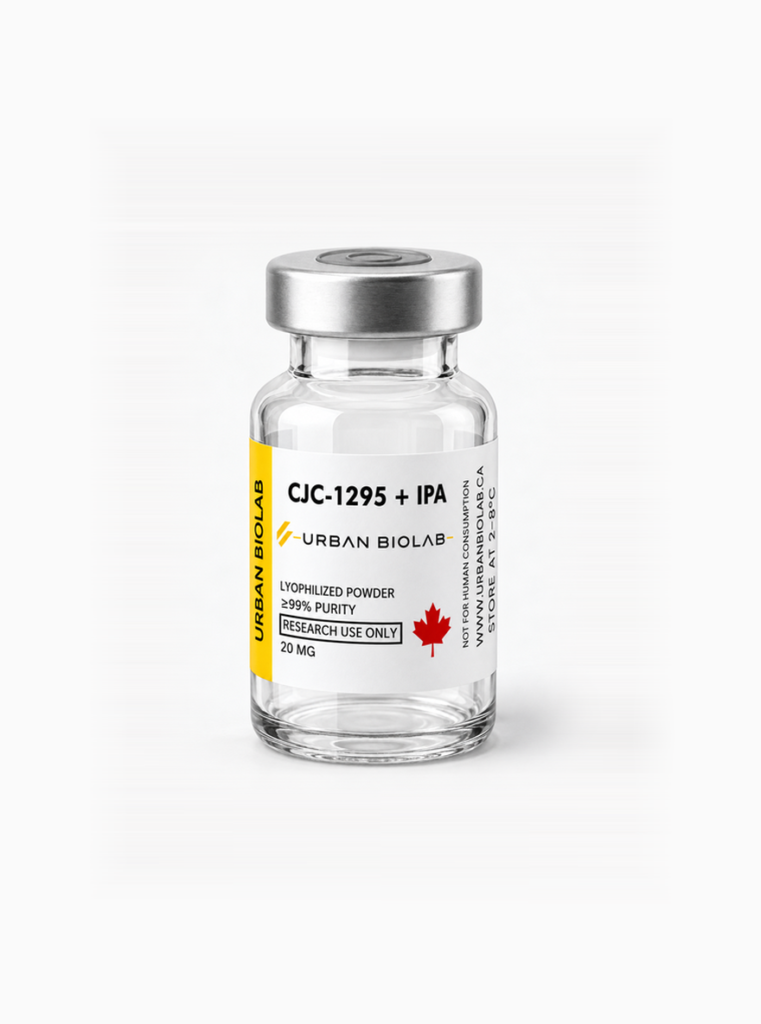
CJC 1295 + Ipamorelin 20MG
CJC-1295 / Ipamorelin Blend is a lyophilized peptide combination containing 10mg of CJC-1295 without DAC (also known as Mod GRF 1-29), a synthetic 29-amino acid growth hormone releasing hormone analog, and 10mg of Ipamorelin, a synthetic 5-amino acid pentapeptide. Molecular weights are 3367.9 g/mol (CJC-1295 no DAC) and 711.9 g/mol (Ipamorelin). Supplied with ≥98% purity per component. For in-vitro research use only. Not for human consumption.
Managing Side Effects
Both compounds carry potential side effects that require awareness and management.
Retatrutide Side Effects
Nausea (28% incidence)
- Most common in weeks 4-10 during dose escalation
- Typically resolves by week 12
- Management: smaller meals, avoid fatty foods, ginger tea or supplements, stay hydrated
Diarrhea (23% incidence)
- Often related to eating fatty foods the digestive system can no longer handle efficiently
- Management: reduce dietary fat temporarily, increase fiber gradually, stay near bathroom facilities during adjustment
Constipation (17% incidence)
- Reduced food intake means less fiber and bulk moving through the digestive system
- Management: fiber supplements, adequate water intake, magnesium supplementation
Injection Site Reactions (5% incidence)
- Redness, swelling, or itching at injection sites
- Management: rotate injection sites, ensure proper technique, allow alcohol to dry before injecting
HGH Side Effects
Water Retention
- Common initially as HGH causes fluid shifts
- May notice swelling in hands, feet, or face
- Management: reduce sodium intake, elevate extremities, be patient as the body adjusts
Joint Pain
- Fluid accumulation around joints can cause discomfort
- Management: reduce dose temporarily, anti-inflammatory supplements like fish oil or curcumin, gentle stretching
Carpal Tunnel Symptoms
- Numbness or tingling in hands, particularly at night
- Management: reduce dose, wrist splints during sleep, usually resolves with dose adjustment
Blood Sugar Changes
- HGH can reduce insulin sensitivity
- Monitor fasting glucose levels
- Management: regular bloodwork, carbohydrate moderation, potentially discuss metformin with physician if glucose rises significantly
The Critical Distinction
Most side effects are manageable and tend to resolve as the body adapts. The critical distinction is between uncomfortable-but-tolerable effects (nausea, water retention) and warning signs requiring immediate medical attention (severe abdominal pain, vision changes, persistent severe headaches). Know the difference and have a plan for each.
Nutrition and Training Integration
Compounds alone do not transform bodies. They create conditions under which proper nutrition and training produce exceptional results. Neglect these fundamentals, and you will get mediocre outcomes regardless of what you inject.
Protein Priority
During any weight loss phase, protein becomes non-negotiable. The combination of caloric deficit plus training demands places enormous stress on muscle tissue. Without adequate protein, even HGH cannot fully prevent muscle loss.
Target: 1 gram of protein per pound of goal body weight daily
For someone aiming to reach 180 pounds, that means 180 grams of protein spread across 4-6 eating occasions. This is challenging when appetite is suppressed by Retatrutide, which is why protein shakes and high-protein snacks become essential tools.
Daily Protein Targets by Goal Weight:
- 160 lbs goal: 160g protein daily (~27g per meal across 6 meals)
- 180 lbs goal: 180g protein daily (~30g per meal across 6 meals)
- 200 lbs goal: 200g protein daily (~33g per meal across 6 meals)
Training Approach
Resistance training is not optional on this protocol. It is essential for signaling muscle preservation. The combination of HGH, adequate protein, and progressive resistance training creates an environment where muscle tissue receives protection signals even during caloric deficit.
Recommendations:
- 3-4 resistance training sessions per week
- Focus on compound movements: squats, deadlifts, presses, rows, pull-ups
- Moderate weights with higher repetitions (8-12 reps) work well during caloric deficit
Cardio Considerations
Cardiovascular exercise supports fat loss and overall health but should not dominate the training program. Excessive cardio during caloric deficit accelerates muscle loss.
Recommendations:
- 2-3 moderate cardio sessions per week (20-30 minutes)
- Zone 2 cardio (where you can hold a conversation) preferentially burns fat while minimizing cortisol elevation
- Fasted cardio in the morning after HGH injection may enhance fat oxidation
- However, resistance training should not be performed fasted if preserving muscle is a priority
Essential Bloodwork and Monitoring
Running this protocol without regular bloodwork is irresponsible. Both compounds affect metabolic parameters that require monitoring to ensure safety and optimize results.
Recommended Bloodwork Panel
| Test | Purpose | Frequency |
|---|---|---|
| Complete Metabolic Panel | Kidney and liver function, electrolytes | Baseline, then every 8-12 weeks |
| Lipid Panel | Cholesterol and triglycerides | Baseline, then every 12 weeks |
| Fasting Glucose and HbA1c | Blood sugar control | Baseline, then every 8-12 weeks |
| IGF-1 | Marker of HGH activity | Baseline, 4 weeks after starting HGH, then quarterly |
| Thyroid Panel | Thyroid function during weight loss | Baseline, then every 12 weeks |
| Complete Blood Count | Overall health marker | Baseline, then every 12 weeks |
Understanding IGF-1
IGF-1 levels deserve special attention when using HGH. This marker indicates how much growth hormone is actually affecting tissues.
- Target range: Typically the upper quartile of the normal range for your age
- Levels too high: May indicate excessive dosing and increased risk of side effects
- Levels remaining low: May indicate poor quality product or absorption issues
Red Flag Values
Stop the protocol and consult your physician immediately if any of these occur:
- Fasting glucose consistently above 126 mg/dL
- Liver enzymes more than 3x upper limit of normal
- Symptoms of hypoglycemia
- Severe persistent abdominal pain (may indicate pancreatitis)
- Vision changes
- Unexplained severe headaches
Who Should Consider This Protocol
Not everyone is a good candidate for this combination.
Ideal Candidates
- Adults over 35-40 with significant weight to lose (30+ pounds) and declining natural hormone levels
- Individuals who have tried multiple conventional approaches without sustained success
- Those with metabolic syndrome or prediabetes seeking aggressive intervention
- People prioritizing body composition (muscle-to-fat ratio) over simple scale weight
- Patients willing to commit to regular bloodwork, medical supervision, and lifestyle modifications
Poor Candidates
- Anyone with personal or family history of medullary thyroid cancer or MEN2 syndrome
- Individuals with active cancer or history of hormone-sensitive cancers
- Those with severe kidney or liver disease
- Pregnant or breastfeeding women
- People seeking a “quick fix” without commitment to lifestyle change
- Anyone unwilling or unable to afford ongoing costs and monitoring
The Age Factor
Age matters more than most people realize with this protocol. Someone at 28 with excellent natural hormone production will see diminishing returns from HGH and faces more long-term risk. Someone at 48 with documented low IGF-1 levels is essentially replacing what the body no longer produces adequately. The risk-benefit calculation shifts significantly with age.
Accessing These Compounds in Canada
The regulatory landscape for these compounds in Canada differs from the United States and creates specific considerations for Canadian residents.
Retatrutide
Retatrutide is not yet approved by Health Canada or any regulatory agency. It remains an investigational compound undergoing Phase 3 clinical trials. Access is currently limited to:
- Clinical trial participation
- Research peptide suppliers
Canadians should be aware that purchasing research peptides exists in a legal grey zone. Products are not intended for human consumption according to their labeling.
Human Growth Hormone
HGH is a controlled substance in Canada, available legally only with a valid prescription for approved medical indications such as adult growth hormone deficiency. Obtaining HGH for weight loss or body composition purposes requires working with a physician willing to prescribe off-label, which may be challenging through conventional healthcare channels.
The Canadian Market
Research peptide suppliers operating in Canada or shipping to Canada provide an alternative access pathway. Quality verification through third-party testing (HPLC and mass spectrometry) is essential when sourcing from any non-pharmaceutical supplier.
For Canadians seeking legitimate medical supervision, anti-aging and hormone optimization clinics in major cities like Toronto, Vancouver, Calgary, and Montreal may be more receptive to these protocols than family physicians unfamiliar with the research. Telemedicine consultations with specialized providers have also become increasingly accessible.
Common Mistakes to Avoid
After observing hundreds of people attempt various peptide protocols, certain patterns of failure emerge repeatedly.
Mistake 1: Starting Too Aggressively
Jumping to high doses immediately guarantees severe side effects and poor compliance. The slow titration protocol exists because it works. Your eagerness to see results faster will backfire.
Mistake 2: Neglecting Protein
Appetite suppression makes eating feel like a chore. Many people simply eat less of everything, including protein. This guarantees muscle loss despite HGH. Force the protein down even when not hungry.
Mistake 3: Skipping Bloodwork
You cannot feel your IGF-1 level or fasting glucose rising. By the time symptoms appear, significant damage may have occurred. The cost of bloodwork is minimal compared to the cost of unmonitored use.
Mistake 4: Expecting Linear Progress
Weight loss stalls happen to everyone. The body adapts. Plateaus lasting 2-3 weeks are normal and not a sign of failure. Adjusting expectations prevents the despair that leads to abandoning the protocol.
Mistake 5: Stopping Abruptly
Both compounds require gradual discontinuation or transition to maintenance protocols. Stopping suddenly often triggers rapid weight regain as appetite normalizes without the metabolic support. Plan your exit strategy before you need it.
Frequently Asked Questions
How much does this protocol cost monthly?
Costs vary significantly based on sources and doses. Research peptide Retatrutide typically runs $200-400 CAD monthly. Pharmaceutical-grade HGH is considerably more expensive, ranging from $400-1000+ CAD monthly depending on brand and dose. Combined with bloodwork costs of $200-400 CAD per panel, expect total monthly expenses of $600-1500 CAD during active protocol phases.
Can women use this protocol?
Yes. Both Retatrutide and HGH are appropriate for women with similar dosing adjustments. Women typically use lower HGH doses (1-3 IU daily) and may be more sensitive to certain side effects. Retatrutide dosing follows the same escalation protocol regardless of sex. Women should not use this protocol during pregnancy or while breastfeeding.
How long should I run this protocol?
Typical active fat loss phases run 24-48 weeks. After reaching target body composition, transition to maintenance protocols with reduced doses. HGH can potentially be used long-term with appropriate monitoring, as it essentially replaces declining natural production. Retatrutide may require cycling or maintenance dosing strategies still being developed as the drug progresses through trials.
Will I regain weight if I stop?
Weight regain is common after stopping any weight loss medication if lifestyle habits have not changed. Studies on similar compounds show significant regain within 6-12 months of discontinuation. The goal is to use the protocol period to establish new eating patterns and exercise habits that can maintain results independently, or to continue on maintenance doses long-term.
What if I cannot tolerate Retatrutide’s side effects?
Slow the titration further. Some people require 6-8 weeks at each dose level before increasing. If GI effects remain intolerable despite slow titration, alternatives like tirzepatide or semaglutide may be better tolerated, though with somewhat less dramatic weight loss. HGH can still be used alongside these alternatives.
Can I use this protocol for bodybuilding purposes?
This combination is designed for fat loss with muscle preservation, not muscle building. While HGH supports anabolic processes, Retatrutide creates a caloric deficit incompatible with muscle gain. For bodybuilding cutting phases, the protocol may be useful. For bulking, you would need entirely different compounds and approaches.
Is this protocol legal in Canada?
HGH is legal with a valid prescription but controlled otherwise. Retatrutide is not approved for any use in Canada. Research peptides exist in a regulatory grey area. Possessing these compounds for personal use is generally not prosecuted, but selling them for human consumption violates Health Canada regulations. Work with a physician when possible and understand the legal landscape.
What is the minimum age for this protocol?
Most practitioners recommend a minimum age of 25-30, and preferably 35+. Younger individuals still produce adequate natural growth hormone and face greater long-term risk from exogenous administration. The risk-benefit ratio becomes more favorable with age as natural hormone production declines.
Can I drink alcohol on this protocol?
Alcohol is not absolutely contraindicated but creates several problems. It provides empty calories that slow fat loss. It impairs liver function needed for metabolizing these compounds. It disrupts sleep quality essential for HGH effectiveness. It dehydrates the body when hydration is already challenging. Minimize or eliminate alcohol during active fat loss phases.
How do I know if my research peptides are legitimate?
Legitimate suppliers provide third-party certificates of analysis (COA) showing purity testing via HPLC and mass spectrometry. The COA should be dated, reference specific batch numbers matching your product, and come from an independent laboratory. Avoid suppliers who cannot provide this documentation or whose testing seems generic.
Glossary of Terms
Body Recomposition: The process of simultaneously losing fat and maintaining or building muscle, resulting in improved body composition without necessarily significant changes in total body weight.
Caloric Deficit: A state where energy expenditure exceeds energy intake from food, forcing the body to utilize stored energy (ideally fat) to meet its needs.
GLP-1 (Glucagon-Like Peptide-1): A hormone produced in the intestines that suppresses appetite, slows gastric emptying, and improves insulin sensitivity.
GIP (Glucose-Dependent Insulinotropic Polypeptide): Another intestinal hormone that enhances insulin secretion and influences fat metabolism.
Glucagon: A hormone produced by the pancreas that raises blood sugar and increases energy expenditure.
HGH (Human Growth Hormone): A hormone produced by the pituitary gland that regulates growth, body composition, cell repair, and metabolism.
IGF-1 (Insulin-Like Growth Factor 1): A hormone produced primarily in the liver in response to growth hormone. Serves as a marker of HGH activity.
Lipolysis: The metabolic process by which stored fat is broken down into fatty acids and glycerol for energy.
Peptide: A short chain of amino acids linked by peptide bonds.
Subcutaneous Injection: An injection administered into the fatty tissue just beneath the skin.
Titration: The process of gradually increasing medication dosage over time to reach therapeutic levels while minimizing side effects.
Triple Agonist: A medication that activates three different receptor types simultaneously.
References and Further Reading
Jastreboff AM, et al. “Triple-Hormone-Receptor Agonist Retatrutide for Obesity – A Phase 2 Trial.” The New England Journal of Medicine. 2023;389:514-526.
Snyder PJ, et al. “Effects of Growth Hormone Administration on Body Composition During Dietary Restriction.” Journal of Clinical Endocrinology and Metabolism. 1990;70:1685-1690.
ClinicalTrials.gov. “Retatrutide Phase 3 Trials Registry.” U.S. National Library of Medicine. 2025.
Medical Disclaimer
This article is provided for educational and informational purposes only and does not constitute medical advice. Retatrutide is an investigational compound not approved by Health Canada or any regulatory agency for any use. Human growth hormone is a controlled substance requiring a valid prescription. The information presented here reflects research data and observational reports, not recommendations for specific treatments. Always consult with a qualified healthcare provider before beginning any new protocol involving prescription medications or research compounds. Individual responses to these compounds vary significantly, and medical supervision is essential for safety.