By Brandon Walker, B.Sc., CSCS
Peptide Research Specialist
Regina, Saskatchewan, Canada
Last Updated: November 2026
The Short Answer
If you’re looking at combining Retatrutide with the KLOW peptide blend, you’re essentially looking at one of the most thorough body recomposition and recovery protocols currently available.
Here’s the breakdown: Retatrutide drives an average of 24.2% weight loss over 48 weeks by activating three receptors simultaneously (GLP-1, GIP, and glucagon). KLOW complements this with 80mg of healing compounds designed to support your body through that transformation.
The KLOW blend contains:
- 50mg GHK-Cu – for collagen synthesis and gene modulation
- 10mg BPC-157 – for tissue repair
- 10mg TB-500 – for systemic healing
- 10mg KPV – for inflammation control
Why does this matter? Because the biggest concern with rapid weight loss isn’t the fat loss itself—it’s what happens to your skin, your connective tissues, and your overall recovery during that process.
A typical protocol looks like this: 4-6mg weekly of Retatrutide (starting at 1mg and escalating slowly) alongside 2-3mg of KLOW daily.
Most people notice improvements in skin quality within about 4 weeks. Enhanced recovery from the metabolic stress of caloric restriction typically becomes apparent by week 6.
One User’s Experience
“I started this combination back in March when I was sitting at 263 pounds and feeling pretty defeated about my health situation. My doctor had just told me my A1C was creeping into prediabetic territory and that was the wake-up call I needed.
I started with Retatrutide at 2mg weekly and added KLOW about three weeks in. The weight started coming off steadily—nothing dramatic at first, but by week 8 I was down almost 19 pounds. What surprised me was how my skin looked. My wife commented that my face looked tighter, not that saggy look you see in people who lose weight fast.
The nausea during weeks 5 through 7 was uncomfortable, not gonna lie. Felt queasy most mornings. But I pushed through because I could already see where this was heading. By month four, I was at 218 pounds and the discomfort was gone.
Currently sitting at 198 pounds as of last week. That’s 65 pounds total. My A1C is 5.4 now. The loose skin situation that I was dreading? Way better than expected. My trainer thinks the KLOW made a real difference there and I do too.”
— Josh Thompson, 42, Coburg, Ontario
His Protocol: Retatrutide 6mg weekly (after 12-week escalation) + KLOW 2.5mg daily subcutaneous
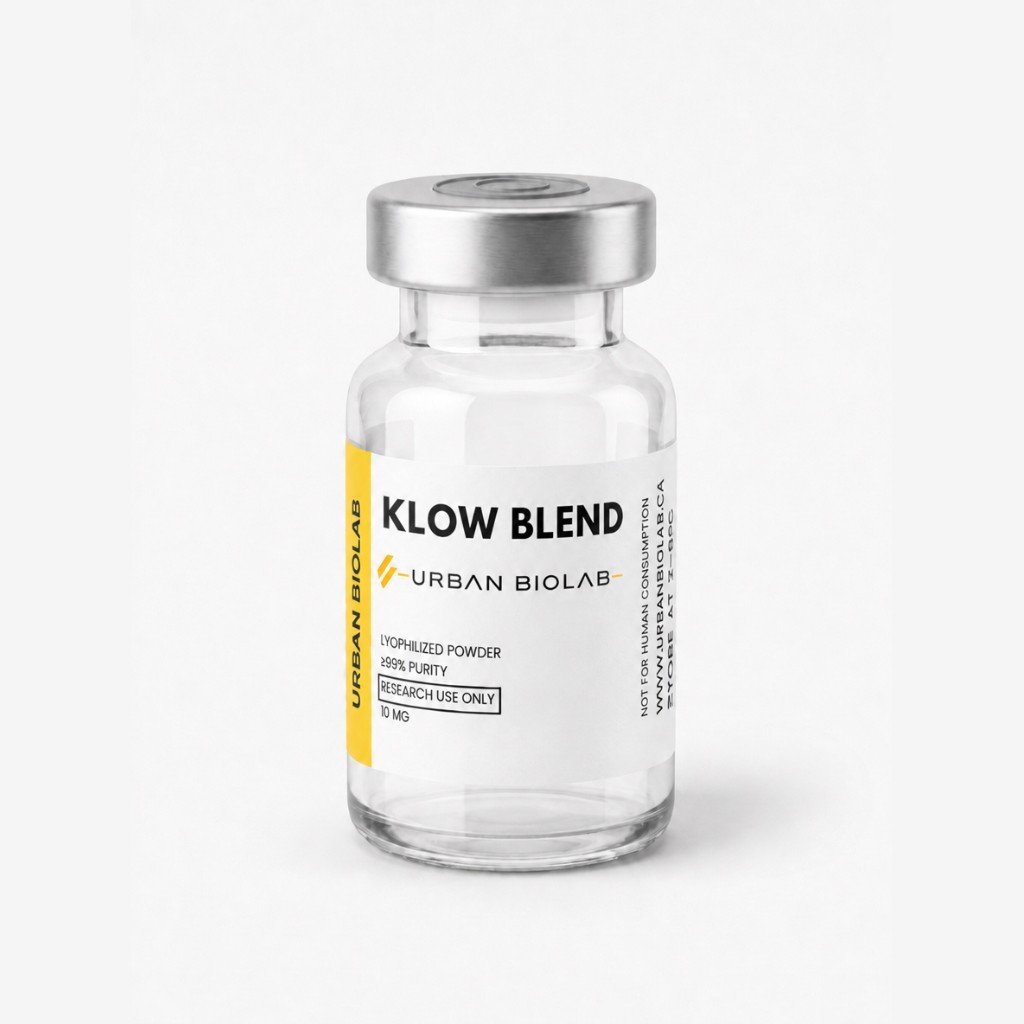
KLOW Blend 80MG
KLOW Blend is a multi-peptide research formulation combining BPC-157 (10mg), GHK-Cu (50mg), TB-500 (10mg), and KPV (10mg). It is studied for its role in cellular regeneration, tissue repair, inflammation modulation, and extracellular matrix pathways in controlled laboratory settings.
Table of Contents
- Understanding the Retatrutide + KLOW Combination
- What is KLOW? Breaking Down the 80mg Blend
- GHK-Cu: The 50mg Collagen Powerhouse
- BPC-157: 10mg of Tissue Repair Excellence
- TB-500: Systemic Healing at 10mg
- KPV: The 10mg Inflammation Controller
- The Science of Synergy: Why This Combination Works
- Complete Protocol Guide: Dosing and Timing
- Timeline Expectations: What to Expect Month by Month
- Managing Side Effects During Combined Use
- Addressing Skin Elasticity During Rapid Weight Loss
- Reconstitution and Storage Guidelines
- Who Benefits Most from This Combination
- Frequently Asked Questions
- Glossary of Terms
- References
Understanding the Retatrutide + KLOW Combination
When you lose weight at the level Retatrutide delivers, your body doesn’t simply burn stored fat and call it a day. The entire metabolic landscape shifts.
Skin that was stretched over excess adipose tissue needs to contract. Connective tissues throughout your body undergo remodeling. Your immune system responds to dramatic changes in energy balance with increased inflammatory signaling.
This is exactly where KLOW comes in.
Rather than leaving these secondary processes to chance, combining Retatrutide with a comprehensive healing blend addresses multiple physiological needs at once.
My Take on This
I’ve been following peptide research for over a decade, and the Retatrutide + KLOW combination represents something genuinely novel. We’re not just stacking compounds arbitrarily here. Each component addresses a specific limitation or side effect of aggressive weight loss. That kind of systematic thinking is rare in this space.
The rationale extends beyond simple addition. Retatrutide works through triple-receptor activation—simultaneously engaging GLP-1, GIP, and glucagon receptors. This creates more aggressive appetite suppression and metabolic effects than single or dual-receptor agonists. Phase 2 trials demonstrated 24.2% average weight loss at 48 weeks, with the 12mg dose producing up to 27.3% reduction in some participants.
Such rapid transformation places significant stress on biological systems that standard weight loss approaches don’t address. Your body is essentially in a constant state of tissue remodeling. Supporting that remodeling process with targeted peptides creates conditions for better outcomes across multiple measures: skin quality, recovery from exercise, joint health, and metabolic adaptation.
What is KLOW? Breaking Down the 80mg Blend
KLOW represents a carefully formulated blend of four distinct peptides, each selected for specific regenerative properties. The total formulation contains 80mg of active compounds distributed across complementary mechanisms of action.
KLOW Composition
| Component | Amount | Primary Function |
|---|---|---|
| GHK-Cu (Copper Peptide) | 50mg | Collagen synthesis, gene expression modulation, anti-aging |
| BPC-157 | 10mg | Tissue repair, gut healing, tendon and ligament recovery |
| TB-500 | 10mg | Systemic healing, cell migration, angiogenesis |
| KPV | 10mg | Anti-inflammatory activity, gut barrier support, immune modulation |
| Total | 80mg |
The formulation philosophy behind KLOW emphasizes complementary pathways. Rather than redundant mechanisms, each component addresses distinct biological processes:
- GHK-Cu handles extracellular matrix remodeling and collagen architecture
- BPC-157 focuses on localized tissue repair and gastrointestinal healing
- TB-500 provides systemic regenerative support through enhanced cell migration
- KPV manages inflammatory cascades that could otherwise impair healing
Did You Know?
GHK-Cu affects 31.2% of the entire human genome, modulating over 4,000 genes. Most of these changes shift expression patterns from diseased states toward healthy profiles. That’s why the 50mg dose represents the largest component of the KLOW blend.
GHK-Cu: The 50mg Collagen Powerhouse
GHK-Cu (glycyl-L-histidyl-L-lysine complexed with copper) stands as one of the most extensively researched regenerative peptides available. Originally discovered in 1973 by Dr. Loren Pickart, this tripeptide demonstrated the remarkable ability to make aged liver tissue synthesize proteins like younger tissue.
The Copper Binding Mechanism
What distinguishes GHK-Cu from other peptides is its copper binding mechanism. The copper ion sits in a square-planar pyramid configuration, creating an extraordinarily high binding affinity—approximately 10 million times higher than other tripeptides. This controlled copper delivery enables safe intracellular uptake without the toxic effects of free copper.
Benefits for Weight Loss Contexts
For individuals undergoing rapid weight loss with Retatrutide, GHK-Cu addresses several critical concerns:
Collagen Synthesis
Up to 70% increase in collagen I production at optimal concentrations. Collagen III and IV production also increases, with collagen IV showing 25.4-fold increase when combined with hyaluronic acid.
Skin Thickness
Clinical trials in 71 women showed increased skin density and thickness, reduced laxity, improved clarity, and reduced fine lines over 12 weeks of topical use.
Elastin Production
30% increase in elastin at all tested concentrations, providing the elastic properties necessary for skin to contract after fat loss.
Gene Modulation
Affects 31.2% of human genes, generally shifting expression patterns from diseased toward healthy states. Upregulates repair genes while downregulating inflammatory genes.
Why 50mg?
The 50mg dose in KLOW represents the dominant component specifically because skin elasticity concerns rank among the top worries for anyone pursuing significant weight loss. Loose, sagging skin following rapid fat reduction can undermine the psychological benefits of transformation. By supporting collagen and elastin production throughout the weight loss journey, GHK-Cu helps maintain skin integrity as the underlying fat stores diminish.
Key Takeaway
GHK-Cu naturally occurs in human plasma at approximately 200 ng/mL at age 20, declining to around 80 ng/mL by age 60. This natural decline correlates with decreased regenerative capacity. Supplementation essentially restores youthful tissue repair patterns regardless of chronological age.
Beyond skin concerns, GHK-Cu supports wound healing acceleration, reducing healing time by 30-50% across various wound types. For individuals increasing physical activity as part of their weight loss program, this translates to faster recovery from exercise-induced microtrauma. The peptide also demonstrates protective effects against UV damage without increasing photosensitivity, making it safe for daily use without concerns about sun exposure.
BPC-157: 10mg of Tissue Repair Excellence
BPC-157 (Body Protection Compound-157) is a synthetic 15-amino acid peptide derived from a naturally occurring gastric protective protein. Unlike GHK-Cu’s systemic gene modulation, BPC-157 specializes in localized tissue repair with particular affinity for tendons, ligaments, and gastrointestinal tissues.
GI Protection
Gastrointestinal protection stands as perhaps the most immediately relevant benefit for Retatrutide users. Retatrutide’s mechanism of action directly affects the GI tract. Nausea occurs in approximately 28% of users, with diarrhea affecting 24% and vomiting appearing in 17%. These side effects peak during weeks 5-8 of treatment—the dose escalation period.
BPC-157’s demonstrated ability to heal intestinal mucosal damage and protect against various forms of GI insult provides targeted support during this challenging phase.
Did You Know?
BPC-157 uniquely counteracts the negative effects of corticosteroids on tendons. This matters because systemic inflammation during rapid weight loss can trigger cortisol elevations. The peptide essentially provides insurance against cortisol-mediated tissue degradation.
Tendon and Ligament Support
Tendon and ligament support becomes increasingly important as weight loss progresses. Many individuals who carry excess weight develop joint issues that limit physical activity. As the weight comes off, these same individuals often dramatically increase exercise volume. The connective tissues need to adapt to new loading patterns while simultaneously dealing with reduced systemic inflammation and altered hormonal profiles.
BPC-157 works through the FAK-paxillin pathway to promote fibroblast migration into damaged areas. It also upregulates growth hormone receptors on tendon fibroblasts, making these cells more responsive to circulating growth factors. The practical result is accelerated healing from both acute injuries and chronic repetitive stress.
Research consistently shows BPC-157 producing noticeable improvement within 1-7 days when quality products are used for acute soft tissue injuries. For the chronic adaptations occurring during prolonged weight loss, the peptide supports ongoing tissue remodeling throughout the transformation period.
TB-500: Systemic Healing at 10mg
TB-500 (Thymosin Beta-4 fragment) complements BPC-157 by providing systemic rather than localized healing support. This 43-amino acid synthetic version of naturally occurring thymosin beta-4 distributes throughout the body regardless of injection site, reaching multiple areas of need simultaneously.
TB-500 vs. BPC-157: What’s the Difference?
| Characteristic | TB-500 | BPC-157 |
|---|---|---|
| Primary Action | Systemic distribution | Localized concentration |
| Best For | Muscle injuries, multiple sites | Tendons, ligaments, gut |
| Mechanism | Actin binding, cell migration | FAK-paxillin pathway |
| Half-Life | 24-48 hours | 4-6 hours |
| Angiogenesis | Via VEGF/HIF-1a | Via VEGFR2-Akt-eNOS |
TB-500’s ability to bind G-actin and facilitate cell migration creates conditions for enhanced tissue repair throughout the body. During aggressive weight loss, this systemic support addresses the widespread tissue remodeling occurring as fat stores deplete and lean tissue adapts to new metabolic demands.
The peptide demonstrates particular value for muscle healing. Individuals losing significant weight while maintaining or increasing physical activity place substantial demands on muscle tissue. TB-500’s documented ability to improve muscle fiber regeneration supports this adaptation process.
My Take
The TB-500 and BPC-157 combination within KLOW essentially creates the “Wolverine Stack” that has earned a strong reputation in the research community. Users consistently report approximately 60% better outcomes compared to either peptide alone. Having both in a single blend eliminates the complexity of sourcing and administering separate compounds.
Flexibility Enhancement
Flexibility enhancement represents another TB-500 benefit relevant to weight loss contexts. As mechanical stress on joints decreases with reduced body weight, improved flexibility allows greater range of motion during exercise. TB-500’s effects on cell migration and tissue remodeling support this adaptation.
KPV: The 10mg Inflammation Controller
KPV (Lysine-Proline-Valine) is a tripeptide fragment derived from alpha-melanocyte-stimulating hormone (alpha-MSH). Despite its small size, KPV delivers potent anti-inflammatory activity through mechanisms distinct from traditional anti-inflammatory drugs.
The Inflammation Challenge
The 10mg KPV component addresses a fundamental challenge of aggressive weight loss: inflammation management. Rapid fat mobilization releases stored inflammatory compounds. Adipose tissue functions as an endocrine organ, and its rapid reduction creates transient inflammatory signaling. Additionally, the increased physical activity accompanying most weight loss programs generates its own inflammatory load.
How KPV Works
KPV works by suppressing NF-kB, the master regulator of inflammatory gene expression. This pathway controls the survival, activation, and differentiation of inflammatory T cells. By downregulating NF-kB signaling, KPV reduces pro-inflammatory cytokine secretion without the immune suppression associated with corticosteroids or other pharmaceutical anti-inflammatories.
Did You Know?
Unlike most peptides that require injection, KPV demonstrates stability in the gastrointestinal tract and can be administered orally with retained activity. However, the injectable route in KLOW ensures maximum bioavailability and systemic distribution for addressing whole-body inflammation.
Gut Barrier Support
Gut barrier support provides particular relevance for Retatrutide users experiencing GI side effects. KPV has demonstrated ability to accelerate mucosal healing and alleviate inflammation in colitis models. The peptide essentially calms the intestinal lining while promoting epithelial repair, addressing both symptoms and underlying tissue integrity.
Research published in the Journal of Leukocyte Biology documented KPV’s antimicrobial effects against Staphylococcus aureus and Candida albicans. This matters because GI disruption during weight loss can alter the gut microbiome, potentially allowing opportunistic organisms to gain foothold. KPV’s dual anti-inflammatory and antimicrobial properties support healthy gut ecology during metabolic transformation.
Complete Coverage
The combination of KPV with the other KLOW components creates comprehensive coverage:
- GHK-Cu handles structural remodeling
- BPC-157 manages localized tissue repair
- TB-500 provides systemic healing support
- KPV controls the inflammatory environment in which all these processes occur
The Science of Synergy: Why This Combination Works
Understanding peptide synergy requires moving beyond simple addition. The KLOW components don’t merely stack effects—they create conditions where each component functions more effectively because of the others’ presence.
The Tissue Repair Cascade
Consider the tissue repair process. Damaged tissue first requires inflammatory signaling to recruit healing resources. Then immune cells clear debris. Next, fibroblasts migrate into the area and begin synthesizing new extracellular matrix. Finally, the new tissue remodels into functional architecture.
Each KLOW component supports different phases of this cascade:
- KPV modulates the initial inflammatory phase, preventing excessive signaling that could impair subsequent healing
- BPC-157 promotes fibroblast migration and accelerates the repair phase
- TB-500 enhances cell migration systemically and supports angiogenesis, ensuring adequate blood supply to healing tissues
- GHK-Cu then provides the raw materials and genetic signals for optimal extracellular matrix production during the remodeling phase
Key Takeaway
The peptides work through complementary mechanisms that address different phases of tissue repair. BPC-157 increases actin gene expression while TB-500 sequesters and organizes actin for cell movement. Both promote angiogenesis through different pathways. This mechanistic complementarity is why combined use produces results exceeding either peptide individually.
Copper’s Critical Role
The copper delivery from GHK-Cu deserves special mention. Copper serves as an essential cofactor for lysyl oxidase and lysyl hydroxylase—enzymes required for proper collagen cross-linking. Without adequate copper, collagen synthesis produces weak, unstable structures. The controlled copper delivery from GHK-Cu ensures these enzymes function optimally during the accelerated collagen production stimulated by the other components.
Complete Protocol Guide: Dosing and Timing
Implementing a Retatrutide + KLOW protocol requires attention to both compounds’ specific requirements. The following guidelines represent standard approaches based on available research and community experience.
Retatrutide Dosing Schedule
| Phase | Weeks | Dose |
|---|---|---|
| Escalation Phase 1 | 1-4 | 2mg once weekly |
| Escalation Phase 2 | 5-8 | 4mg once weekly |
| Escalation Phase 3 | 9-12 | 8mg once weekly |
| Maintenance | 13+ | 12mg once weekly |
Total escalation time spans 12 weeks—slower than some competitors but necessary given the triple-receptor mechanism.
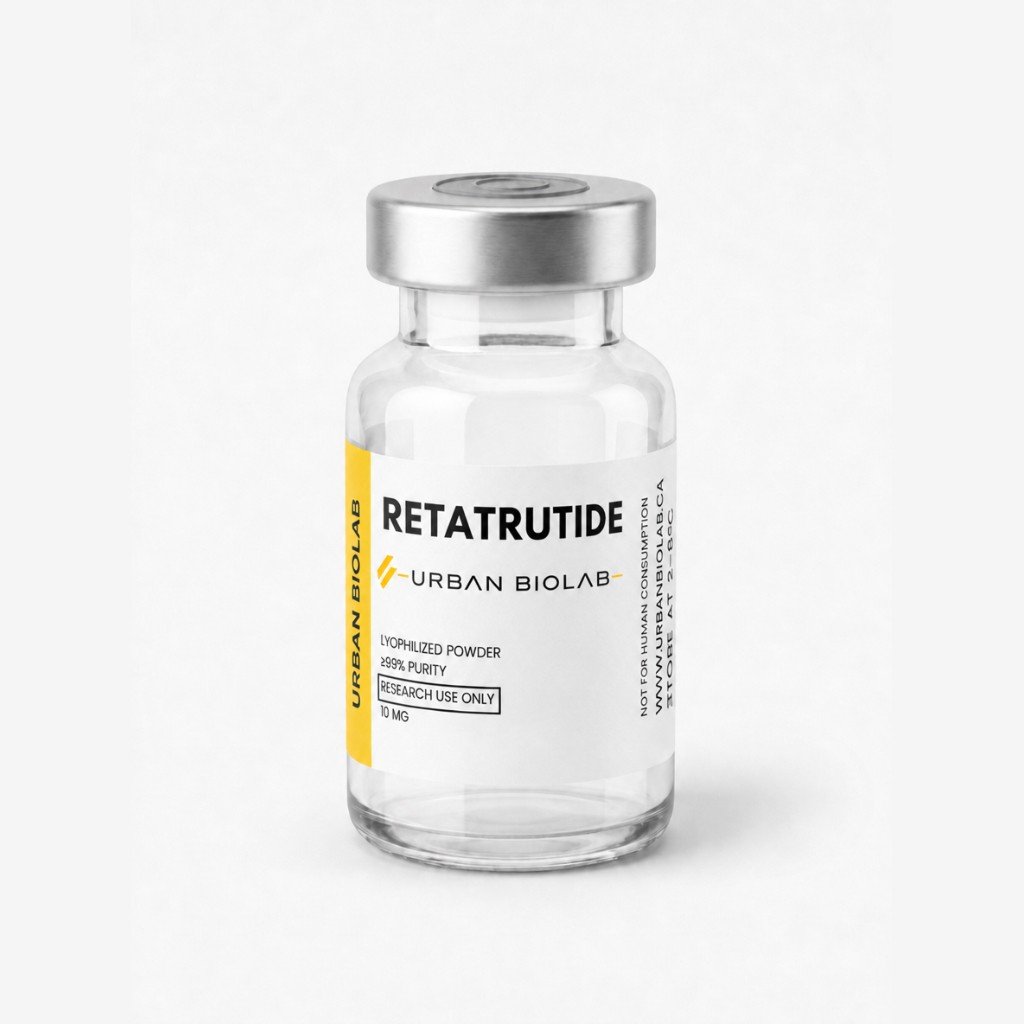
RT (Retatrutide) 10MG
Buy Retatrutide Canada: RT10 is a cutting-edge investigational peptide designed for advanced scientific exploration in metabolic health and weight management research. Known for its unique mechanism as a triple agonist (GLP-1, GIP, and glucagon receptors), it has shown promising potential in preclinical studies related to appetite regulation, fat metabolism, and glycemic control.
KLOW Administration
- Standard dose: 0.3ml daily subcutaneous injection
- Advanced dose: 0.5ml daily for intensive protocols
- Frequency: Once daily, preferably at consistent time
- Duration: 8-12 week cycles with 4-6 week breaks
Injection location can vary. Many users prefer abdominal subcutaneous injection for convenience. Since TB-500 distributes systemically regardless of injection site, and the other components also provide systemic benefits, precise location matters less than consistent technique.
My Take on Timing
Starting KLOW about 2-3 weeks into Retatrutide treatment makes strategic sense. This timing means the regenerative support is fully active before the peak side effect period (weeks 5-8). The GI-protective effects of BPC-157 and KPV are already established when nausea and digestive discomfort typically spike.
Injection Technique
Injection technique follows standard subcutaneous protocols:
- Clean the injection site with alcohol and allow to dry completely
- Pinch skin between fingers and insert the needle at a 45-90 degree angle depending on body composition
- Inject slowly over 5-10 seconds, then wait briefly before withdrawing
- Rotate injection sites systematically to prevent lipohypertrophy
Timing Coordination
- Retatrutide: Same day each week, many prefer morning administration
- KLOW: Daily, can be administered at any time but consistency helps with compliance
- Spacing: No specific interaction concerns; can be administered same day as Retatrutide
Some users separate Retatrutide and KLOW injections by 12 hours for practical reasons, though this is preference rather than requirement.
Timeline Expectations: What to Expect Month by Month
Setting realistic expectations improves adherence and reduces premature discontinuation. The following timeline reflects combined Retatrutide + KLOW outcomes based on the known progression of each component.
Month 1 (Weeks 1-4)
Weight: Early appetite suppression begins around week 3-4. Weight loss typically 3-5 pounds.
GI Status: Mild symptoms in approximately 40% of users. BPC-157 and KPV provide protective support.
Skin/Healing: GHK-Cu effects begin accumulating. Most users notice improved skin texture by week 3.
Priority: Establish consistent administration habits. Focus on small, frequent meals as appetite changes.
Month 2 (Weeks 5-8)
Weight: Acceleration phase begins. Expect 8-12 pounds additional loss during this period.
GI Status: Peak side effect period. Nausea affects approximately 28% of users. This is the hardest month. KLOW components provide critical support.
Skin/Healing: Collagen synthesis effects becoming measurable. Recovery from exercise noticeably improved.
Priority: Push through this challenging phase. Cold foods, ginger tea, small frequent meals. The discomfort is temporary.
Month 3 (Weeks 9-12)
Weight: Rapid improvement in side effects. Weight loss continues steadily. Total loss typically 15-18% by end of month 3.
GI Status: Most symptoms resolving. Morning-only residual nausea in some users.
Skin/Healing: Full KLOW benefits apparent. Skin elasticity noticeably better than expected for degree of weight loss.
Priority: Maintain protein intake (80-100g daily minimum). Increase physical activity as tolerance improves.
Months 4-6 (Weeks 13-24)
Weight: Fastest weight loss period. Approximately 0.8kg per week average. Total loss approaching 20% by month 6.
GI Status: Minimal side effects. Appetite suppression remains primary effect.
Skin/Healing: Continued support for tissue remodeling. Consider KLOW cycling if using extended protocols.
Priority: Prevent gallbladder issues with 30-50g healthy fats daily. Maintain hydration at 64-80oz.
Months 7-12 (Weeks 25-48)
Weight: Velocity slows as approaching new set point. Plateau typically around week 40-48. Final average loss 24%.
GI Status: Essentially no side effects beyond continued appetite suppression.
Skin/Healing: Ongoing KLOW support for final tissue remodeling. Skin quality results often exceed expectations at this point.
Priority: Managing plateau expectations. Planning long-term maintenance strategy.
Managing Side Effects During Combined Use
Understanding potential side effects from both Retatrutide and KLOW enables proactive management. The good news: KLOW components are generally well-tolerated with minimal adverse effects, and several directly address Retatrutide side effects.
Nausea (28%)
Source: Retatrutide
Peaks weeks 5-8. Cold foods reduce severity 35-40% compared to hot meals. Small frequent meals every 2.5-3 hours. Ginger tea or supplements. BPC-157 and KPV in KLOW provide GI protective effects that may reduce severity.
Diarrhea (24%)
Source: Retatrutide
Most common during dose escalation. Avoid high-fat meals initially. Stay hydrated with electrolytes. BRAT diet during acute episodes. KPV supports gut barrier integrity.
Injection Site Reactions
Source: Both
Mild redness or swelling resolves within hours. Rotate injection sites systematically. Allow alcohol to dry completely before injection. Room temperature product reduces discomfort.
Fatigue
Source: Both
May reflect rapid weight loss energy demands. Ensure adequate protein intake. Consider timing KLOW injection in evening if fatigue is prominent. TB-500 occasionally causes transient fatigue during first 1-2 weeks.
Key Takeaway
The side effect profile of KLOW is remarkably benign. Most users experience only mild injection site reactions that resolve quickly. The peptides do not affect hormonal axes, so there are no concerns about testosterone suppression or other endocrine disruption. Users can discontinue KLOW without tapering or recovery protocols.
A Note of Caution
One theoretical concern with TB-500 and BPC-157 relates to angiogenesis promotion. Since new blood vessel formation can theoretically supply nutrients to malignant tissues, individuals with cancer history, undiagnosed masses, or strong family history of aggressive cancers should discuss peptide use with healthcare providers. This concern remains theoretical rather than demonstrated, but caution is warranted.
Addressing Skin Elasticity During Rapid Weight Loss
Loose skin following major weight loss represents one of the most significant concerns affecting quality of life outcomes. Someone who loses 50+ pounds may find themselves trading one body image concern for another. The Retatrutide + KLOW combination specifically targets this issue through multiple mechanisms.
The Science of Skin Elasticity
Skin elasticity depends on the structural proteins collagen and elastin. During weight gain, skin stretches to accommodate increased volume. The extracellular matrix adapts, but often incompletely. When fat subsequently reduces, this damaged or altered matrix may not contract adequately, resulting in loose, sagging skin.
How KLOW Addresses This
GHK-Cu’s 50mg dose in KLOW directly addresses this by:
- Stimulating collagen synthesis up to 70% above baseline
- Increasing elastin production by 30%
- Regulating metalloproteinases (enzymes responsible for breaking down extracellular matrix proteins)
This creates optimal balance between synthesis and degradation, enabling damaged matrix to remodel into healthier architecture.
Did You Know?
Clinical research demonstrated GHK-Cu outperformed both vitamin C cream and retinoic acid for improving collagen production. In comparative analysis, 70% of women treated with GHK-Cu showed improved collagen production versus 50% with vitamin C and 40% with retinoic acid.
Factors Affecting Outcomes
Factors affecting skin elasticity outcomes include:
- Age: Younger individuals typically achieve better results
- Genetics: Some people naturally produce more collagen
- Smoking status: Smoking dramatically impairs collagen synthesis
- Hydration: Well-hydrated skin remodels more effectively
- Rate and total amount of weight loss
The combination approach addresses the rate factor specifically. By providing continuous regenerative support throughout the weight loss period, KLOW enables the skin to remodel progressively rather than playing catch-up after transformation is complete. Starting the healing support early in the Retatrutide protocol gives maximum time for skin adaptation to occur alongside fat reduction.
Additional Supportive Measures
- Maintain adequate hydration (64-80oz daily)
- Consume sufficient protein (0.8-1g per pound of lean body mass)
- Protect skin from UV damage
- Avoid smoking entirely
These factors work synergistically with KLOW’s peptide components to optimize outcomes.
Reconstitution and Storage Guidelines
Proper handling preserves peptide integrity and ensures consistent dosing. Both Retatrutide and KLOW require attention to reconstitution and storage protocols.
KLOW Reconstitution
KLOW typically arrives as lyophilized (freeze-dried) powder. Reconstitution requires bacteriostatic water (BAC water) containing 0.9% benzyl alcohol as antimicrobial preservative.
Step 1: Allow vial to reach room temperature (15-30 minutes) to prevent condensation.
Step 2: Disinfect rubber stopper with alcohol swab. Allow to dry completely.
Step 3: Draw calculated volume of bacteriostatic water into syringe.
Step 4: Insert needle through stopper at angle. Slowly inject water down the inside vial wall. Never squirt directly onto powder.
Step 5: Gently swirl or roll vial between palms. Never shake vigorously. Allow 10-20 minutes for complete dissolution.
Step 6: Verify solution is clear. Any cloudiness, discoloration, or particles indicates degradation requiring disposal.
Storage Requirements
| Form | Temperature | Stability |
|---|---|---|
| Lyophilized (unreconstituted) | -20°C or below | Extended periods |
| Reconstituted | 2-8°C (35.6-46.4°F) | Use within 30 days |
Critical: Never freeze reconstituted peptide solution. Freezing destroys peptide structure.
Light protection: Store in original container or wrap in foil to protect from light exposure.
Travel: Use insulated cooler bag with ice packs for transport. Avoid extended periods at room temperature.
Key Takeaway
The most common reconstitution error is injecting water directly onto the lyophilized powder. This creates localized high concentration that can denature the peptides. Always angle the needle and inject slowly down the vial wall, allowing water to gently contact the powder from below.
Who Benefits Most from This Combination
The Retatrutide + KLOW combination provides value across multiple user profiles, though certain individuals may experience particularly significant benefits.
Ideal Candidates
Significant weight to lose (50+ pounds): The greater the total weight loss, the more relevant skin elasticity support becomes. KLOW’s comprehensive regenerative support addresses the tissue remodeling demands of major transformation.
Age 40 and above: Natural GHK-Cu levels decline with age, reducing intrinsic regenerative capacity. Supplementation restores youthful tissue repair patterns, particularly important for skin elasticity.
History of GI sensitivity: Individuals prone to digestive issues may experience more pronounced Retatrutide side effects. BPC-157 and KPV provide targeted GI protection.
Active lifestyle goals: Those planning to increase physical activity substantially benefit from TB-500 and BPC-157’s tissue repair support. Enhanced recovery enables more consistent training.
Previous unsuccessful weight loss attempts: Individuals who have lost and regained weight multiple times often have compromised skin elasticity. The regenerative support may help achieve better outcomes than previous cycles.
Considerations for Caution
Cancer history: The angiogenesis promotion from TB-500 and BPC-157 creates theoretical concerns for individuals with cancer history or active malignancy. Discuss with healthcare providers.
Pregnancy or breastfeeding: Insufficient safety data exists for peptide use during pregnancy or lactation.
Wilson’s disease or copper metabolism disorders: GHK-Cu delivers copper intracellularly. Individuals with impaired copper handling should avoid this compound.
Autoimmune conditions: KPV modulates immune function. While this differs from immunosuppression, individuals with complex autoimmune situations should consult specialists.
Frequently Asked Questions
Can I use KLOW without Retatrutide?
Absolutely. KLOW provides regenerative benefits independent of weight loss medications. Many users implement KLOW for general tissue support, anti-aging effects, or recovery from injury. The combination with Retatrutide simply addresses specific concerns arising from rapid weight loss.
How long before I see results from KLOW?
Skin texture improvements typically become noticeable within 3-4 weeks. The anti-inflammatory effects of KPV may be apparent within days. Tissue repair benefits from BPC-157 and TB-500 can manifest within 1-2 weeks for acute injuries. Full collagen remodeling benefits require 8-12 weeks of consistent use.
Do I need to cycle KLOW or can I use it continuously?
Standard recommendations suggest 8-12 week cycles followed by 4-6 week breaks. This approach prevents potential receptor desensitization and maintains copper homeostasis. Some users implement continuous protocols under medical supervision, but cycling remains the conservative approach given limited long-term data.
What happens to my skin if I stop KLOW before reaching goal weight?
The collagen and elastin synthesis stimulated during KLOW use persists after discontinuation. The structural proteins produced remain in the skin. However, stopping KLOW removes ongoing regenerative support, so results may be less optimal than continuous support throughout the entire weight loss period.
Can I inject KLOW and Retatrutide in the same syringe?
No. Different peptides should never be combined in the same syringe. The compounds may interact chemically, reducing effectiveness. Administer each injection separately using fresh sterile syringes for each compound.
Is KLOW appropriate for someone only trying to lose 20 pounds?
KLOW can benefit anyone, though the skin elasticity concerns are less prominent with smaller weight loss. The GI protective benefits during Retatrutide’s side effect phase and general recovery support remain relevant regardless of total weight loss target.
How does KLOW compare to individual peptides purchased separately?
The pre-formulated blend offers convenience and eliminates the complexity of sourcing, reconstituting, and administering four separate compounds. The proportions in KLOW reflect research-supported ratios optimized for combined effects. Individual sourcing allows customization but requires more expertise.
Will KLOW prevent all loose skin from weight loss?
No intervention can guarantee complete prevention of loose skin, particularly with extreme weight loss, advanced age, or compromised baseline skin quality. KLOW supports optimal outcomes within individual biological constraints. Most users report significantly better skin quality than expected based on their weight loss magnitude.
Can I use topical products in addition to injectable KLOW?
Yes. Topical products containing GHK-Cu, retinoids, or vitamin C can complement injectable KLOW. The injectable provides systemic distribution while topicals deliver concentrated local effects. This combination approach may optimize skin outcomes.
What if I experience nausea from both Retatrutide AND KLOW injection?
KLOW rarely causes nausea independently. If nausea worsens after adding KLOW, consider separating the injections by several hours to identify the source. The GI-protective effects of BPC-157 and KPV typically reduce rather than increase nausea from Retatrutide.
Does KLOW affect blood sugar or interact with diabetes medications?
KLOW components do not directly affect blood glucose or interact with diabetes medications. However, Retatrutide significantly improves glycemic control. Individuals on diabetes medications should work with healthcare providers to adjust dosing as blood sugar improves during treatment.
How do I know if my KLOW has degraded?
Visual inspection reveals degradation. Clear, colorless solution indicates intact peptides. Cloudiness, discoloration, or visible particles indicate degradation requiring disposal. If stored properly and used within 30 days of reconstitution, degradation is unlikely.
Is there an oral version of KLOW available?
While KPV demonstrates oral stability, the other KLOW components (GHK-Cu, BPC-157, TB-500) require injection for optimal bioavailability. The injectable formulation ensures all four components reach systemic circulation effectively.
Can KLOW help with stretch marks from previous weight gain?
GHK-Cu demonstrates ability to remodel scar tissue through regulated metalloproteinase activity. While dramatic improvement of established stretch marks is unlikely, the collagen remodeling effects may improve their appearance over extended use. Prevention of new stretch marks during the weight loss process is more achievable than reversal of existing ones.
What is the cost comparison between KLOW and individual peptides?
Pre-formulated blends typically cost less than purchasing equivalent amounts of four separate peptides. Additionally, the convenience factor reduces the complexity and potential error involved in managing multiple reconstitutions and administrations. Total protocol cost varies by source and duration.
Should I start KLOW before or after beginning Retatrutide?
Starting KLOW 2-3 weeks into Retatrutide treatment allows initial adaptation to occur before adding another compound. This timing ensures KLOW benefits are fully active before the peak side effect period (weeks 5-8). Some users start both simultaneously without issues.
Can I exercise while using this combination?
Exercise is encouraged and enhances outcomes. The tissue repair support from KLOW improves recovery from training. Start conservatively during the first few weeks as your body adapts to reduced caloric intake, then progressively increase activity as tolerance improves.
How does KLOW affect hair during weight loss?
Rapid weight loss sometimes triggers temporary hair shedding (telogen effluvium). GHK-Cu demonstrates hair growth properties comparable to 5% minoxidil, potentially counteracting weight loss-related hair concerns. The peptide extends the anagen (growth) phase and may protect follicles from DHT damage.
Is KLOW appropriate for men and women equally?
Yes. The mechanisms of action are not sex-specific. Both men and women experience benefits from collagen synthesis, tissue repair, and inflammation modulation. Dosing does not require adjustment based on sex.
What happens if I miss a KLOW dose?
Missing occasional doses minimally impacts overall results. Simply resume normal dosing the following day. Do not double up doses to compensate for missed administrations. Consistent long-term use matters more than perfect adherence to every single dose.
KLOW Blend 80MG
KLOW Blend is a multi-peptide research formulation combining BPC-157 (10mg), GHK-Cu (50mg), TB-500 (10mg), and KPV (10mg). It is studied for its role in cellular regeneration, tissue repair, inflammation modulation, and extracellular matrix pathways in controlled laboratory settings.
Glossary of Terms
Angiogenesis
The formation of new blood vessels from existing vasculature. Critical for tissue repair as it delivers oxygen and nutrients to healing areas. Both TB-500 and BPC-157 promote angiogenesis through different molecular pathways.
Bacteriostatic Water
Sterile water containing 0.9% benzyl alcohol as an antimicrobial preservative. Used for reconstituting lyophilized peptides. The preservative allows multiple withdrawals from the same vial without contamination risk.
BPC-157
Body Protection Compound-157, a synthetic 15-amino acid peptide derived from gastric protective proteins. Specializes in tissue repair with particular affinity for tendons, ligaments, and gastrointestinal tissues.
Collagen
The most abundant protein in the human body, providing structural support to skin, tendons, ligaments, and other connective tissues. Multiple types exist; GHK-Cu stimulates production of types I, III, and IV.
Elastin
A structural protein providing elastic properties to tissues, allowing them to stretch and return to original shape. Critical for skin elasticity during weight fluctuation.
Extracellular Matrix (ECM)
The network of proteins and other molecules surrounding cells that provides structural support and biochemical signaling. Collagen, elastin, and glycosaminoglycans are major ECM components.
FAK-Paxillin Pathway
A cellular signaling pathway involved in cell migration and adhesion. BPC-157 activates this pathway to promote fibroblast movement into damaged tissue areas.
GHK-Cu
Glycyl-L-histidyl-L-lysine complexed with copper (II). A naturally occurring tripeptide that modulates gene expression and stimulates collagen synthesis. The largest component in KLOW at 50mg.
GIP (Glucose-dependent Insulinotropic Polypeptide)
A hormone that stimulates insulin release and has effects on fat metabolism. One of the three receptors activated by Retatrutide.
GLP-1 (Glucagon-Like Peptide-1)
A hormone that reduces appetite, slows gastric emptying, and improves blood sugar control. The primary mechanism of most modern weight loss medications including Retatrutide.
Glucagon Receptor
A receptor that, when activated, promotes fat burning and energy expenditure. Retatrutide uniquely activates this receptor in addition to GLP-1 and GIP, contributing to its enhanced efficacy.
KPV
Lysine-Proline-Valine, a tripeptide fragment of alpha-melanocyte-stimulating hormone. Provides potent anti-inflammatory effects through NF-kB suppression without melanotropic (skin darkening) effects.
Lyophilized
Freeze-dried. A preservation method that removes water from peptides while maintaining their structure and activity. Requires reconstitution with bacteriostatic water before use.
Metalloproteinases (MMPs)
Enzymes that break down extracellular matrix components. GHK-Cu regulates MMP activity to balance tissue breakdown and synthesis during remodeling.
NF-kB (Nuclear Factor kappa B)
A protein complex controlling DNA transcription and inflammation. KPV suppresses NF-kB to reduce inflammatory gene expression and cytokine production.
Retatrutide
A triple-receptor agonist (GLP-1, GIP, glucagon) in clinical development for obesity treatment. Demonstrated 24.2% average weight loss in Phase 2 trials, exceeding all existing medications.
Subcutaneous Injection
Injection into the fatty tissue layer beneath the skin. The standard administration route for peptides including KLOW and Retatrutide. Less invasive than intramuscular injection.
TB-500
A 43-amino acid synthetic version of thymosin beta-4. Provides systemic healing support through enhanced cell migration and angiogenesis. Distributes throughout the body regardless of injection site.
VEGF (Vascular Endothelial Growth Factor)
A signaling protein promoting blood vessel formation. TB-500 promotes angiogenesis partly through VEGF pathway activation.
References
- Jastreboff AM, et al. “Triple-Hormone-Receptor Agonist Retatrutide for Obesity – A Phase 2 Trial.” New England Journal of Medicine. 2023. https://www.nejm.org/doi/full/10.1056/NEJMoa2301972
- Pickart L, Margolina A. “Regenerative and Protective Actions of the GHK-Cu Peptide in the Light of the New Gene Data.” International Journal of Molecular Sciences. 2018. https://www.mdpi.com/1422-0067/19/7/1987
- Dalmasso G, et al. “PepT1-Mediated Tripeptide KPV Uptake Reduces Intestinal Inflammation.” Gastroenterology. 2008. https://pmc.ncbi.nlm.nih.gov/articles/PMC2431115/
Important Notice
This article is provided for educational and informational purposes only. The compounds discussed are sold strictly for research purposes and are not intended to diagnose, treat, cure, or prevent any disease. Always consult with a qualified healthcare provider before beginning any new protocol. Individual results vary based on numerous factors including genetics, lifestyle, and adherence to protocols. The information presented reflects current research understanding and may evolve as new data becomes available.