

The Bottom Line Up Front
When it comes to prescription weight loss medications, the numbers tell a compelling story. Retatrutide achieves an average of 24.2% body weight reduction at 48 weeks—significantly outperforming Zepbound’s 20.9% and Wegovy’s 14.9%.
For a 220-pound individual, this translates to:
- Retatrutide: ~53 pounds lost
- Zepbound: ~46 pounds lost
- Wegovy: ~33 pounds lost
The science behind these differences lies in receptor activation. Retatrutide targets three metabolic pathways simultaneously, while competitors activate only one or two.
Perhaps most surprising: Retatrutide demonstrates lower nausea rates (28%) compared to Wegovy (44%), despite delivering superior results.
Current Status: While Retatrutide awaits Health Canada and FDA approval (projected late 2026 to early 2027), Canadian researchers can access research-grade peptides through verified suppliers in the interim.
A Real-World Success Story
Bradley Foster, Ottawa, Ontario
Bradley began his weight loss journey in March 2024 at 263 pounds. After four months on Wegovy, he lost 31 pounds—encouraging progress that eventually stalled.
“My doctor suggested we might be hitting the ceiling for that medication,” Bradley recalls.
After researching the clinical trial data comparing triple agonist mechanisms to single-receptor approaches, he switched to Retatrutide. Initially skeptical, he quickly discovered the difference was real.
“By week 16, I was down another 38 pounds. The appetite suppression felt completely different—not just less hungry, but genuinely disinterested in food between meals. It’s hard to explain unless you’ve experienced it.”
Today, Bradley weighs 194 pounds. His blood pressure dropped from 142/94 to 118/76 without additional medications. His energy levels have transformed entirely.
His Protocol: Started at 2mg weekly, titrated to 6mg over 8 weeks. Maintained 6mg rather than escalating further since results exceeded expectations.
Understanding the Triple Agonist Advantage
Weight loss medications have evolved through three distinct generations:
| Generation | Mechanism | Example |
|---|---|---|
| First | GLP-1 only | Wegovy (semaglutide) |
| Second | GLP-1 + GIP | Zepbound (tirzepatide) |
| Third | GLP-1 + GIP + Glucagon | Retatrutide |
Think of it as upgrading from a single-cylinder engine to a V6. More cylinders working in concert produce more power. In metabolic terms, activating additional pathways creates more routes toward weight reduction simultaneously.
How Each Receptor Contributes
GLP-1 (Glucagon-Like Peptide-1):
- Reduces appetite through hypothalamic signaling
- Slows gastric emptying
- Improves insulin secretion
GIP (Glucose-Dependent Insulinotropic Polypeptide):
- Enhances insulin secretion
- Influences fat metabolism
- May buffer GLP-1 related nausea
Glucagon:
- Increases energy expenditure through thermogenesis
- Enhances fat oxidation
- Creates the “burn more calories at rest” effect
The glucagon component initially puzzled researchers. Since glucagon traditionally raises blood sugar, conventional wisdom suggested it would work against weight loss goals. Clinical data revealed otherwise: when combined with GLP-1 activity, glucagon shifts metabolic effects toward increased energy expenditure rather than hyperglycemia.
The Subjective Difference
Participants in Retatrutide trials consistently report something qualitatively different from standard appetite suppression. Rather than constantly fighting hunger, many describe a fundamental shift in their relationship with food—eating becomes purely functional rather than emotionally driven.
Head-to-Head Weight Loss Numbers
48-72 Week Clinical Trial Results
| Medication | Weight Loss % | Pounds Lost (220 lb) | Trial Duration |
|---|---|---|---|
| Retatrutide 12mg | 24.2% | 53 lbs | 48 weeks |
| Zepbound 15mg | 20.9% | 46 lbs | 72 weeks |
| Wegovy 2.4mg | 14.9% | 33 lbs | 68 weeks |
What these percentages mean in practice:
A 200-pound person losing 24% drops to 152 pounds. At 15%, they reach 170 pounds. Both represent significant change, but the gap between 152 and 170 often determines whether someone moves from obese to overweight—or from overweight to normal BMI categories.
Trial Insights
Phase 2 Retatrutide data showed remarkable consistency: once participants passed week 12 without discontinuing due to side effects, they had an 87% probability of achieving at least 15% total body weight reduction by week 48.
The 24.2% figure represents an average—meaning roughly half of participants exceeded it. Some individuals at 12mg reached 27% weight loss.
Context: For patients who have struggled with every diet and medication, these numbers represent genuine hope.
Mechanism Deep Dive
Wegovy: The GLP-1 Foundation
Semaglutide activates GLP-1 receptors concentrated in the gut and specific brain regions controlling appetite and satiety. Three primary effects emerge:
- Appetite suppression via hypothalamic signaling
- Slowed gastric emptying extending fullness
- Improved insulin secretion stabilizing blood sugar
The limitation: Single receptor targeting offers only so much metabolic influence before diminishing returns.
Zepbound: Adding GIP
Tirzepatide combines GLP-1 activation with GIP activity. The two hormones potentiate each other—enhanced insulin secretion from dual stimulation improves blood sugar control beyond what either achieves alone.
Key difference: GIP receptors exist in brain regions regulating food reward. Activating them appears to reduce the pleasurable response to eating, making it easier to stop when satisfied.
Notable observation: GIP co-activation may actually reduce GLP-1 related nausea for some patients. Zepbound shows lower nausea rates than Wegovy despite greater metabolic activity.
Retatrutide: The Triple Threat
Adding glucagon receptor activation introduces effects neither competitor can replicate:
- Increased basal metabolic rate (burning more calories at rest)
- Enhanced fat oxidation (liver processes fatty acids more aggressively)
- Dramatic liver fat reduction (up to 44% decrease measured by MRI)
The receptor binding profile shows roughly a 5:1:1 ratio favoring GIP over GLP-1 and glucagon—a balance optimized through extensive preclinical testing to maximize weight loss while maintaining tolerability.
Side Effect Reality Check
Side Effect Rates at Maximum Doses
| Side Effect | Retatrutide 12mg | Zepbound 15mg | Wegovy 2.4mg |
|---|---|---|---|
| Nausea | 28% | 25% | 44% |
| Diarrhea | 24% | 21% | 30% |
| Constipation | 21% | 16% | 24% |
| Vomiting | 17% | 10% | 24% |
| Discontinuation | 11.2% | 6% | 7% |
The unexpected finding: Wegovy shows the highest nausea rate (44%) despite being the least potent weight loss option. Retatrutide sits at 28%—considerably lower while delivering substantially better results. The GIP component appears to buffer gastrointestinal distress.
The Real Tolerability Story
Most side effects concentrate in weeks 4-10 during the body’s adaptation window. By week 12, the majority of participants report minimal ongoing symptoms.
Discontinuation rates tell the true tolerability story. At Retatrutide’s highest dose, 89% of participants completed the trial despite initial adjustment symptoms—a rate that compares favorably to many dietary interventions.
Serious side effects occur rarely:
- Pancreatitis: ~0.3% of participants
- Gallbladder issues: 1-2% (predictable with rapid weight loss)
Managing Common Side Effects
Practical strategies that work:
- Eat smaller, more frequent meals
- Avoid high-fat foods during adjustment
- Stay well hydrated
- Consider ginger supplements for nausea
- Slow down dose titration
Critical insight: Slower titration significantly reduces side effect intensity. Standard protocols allow 4-8 weeks between dose escalations specifically to improve tolerability.
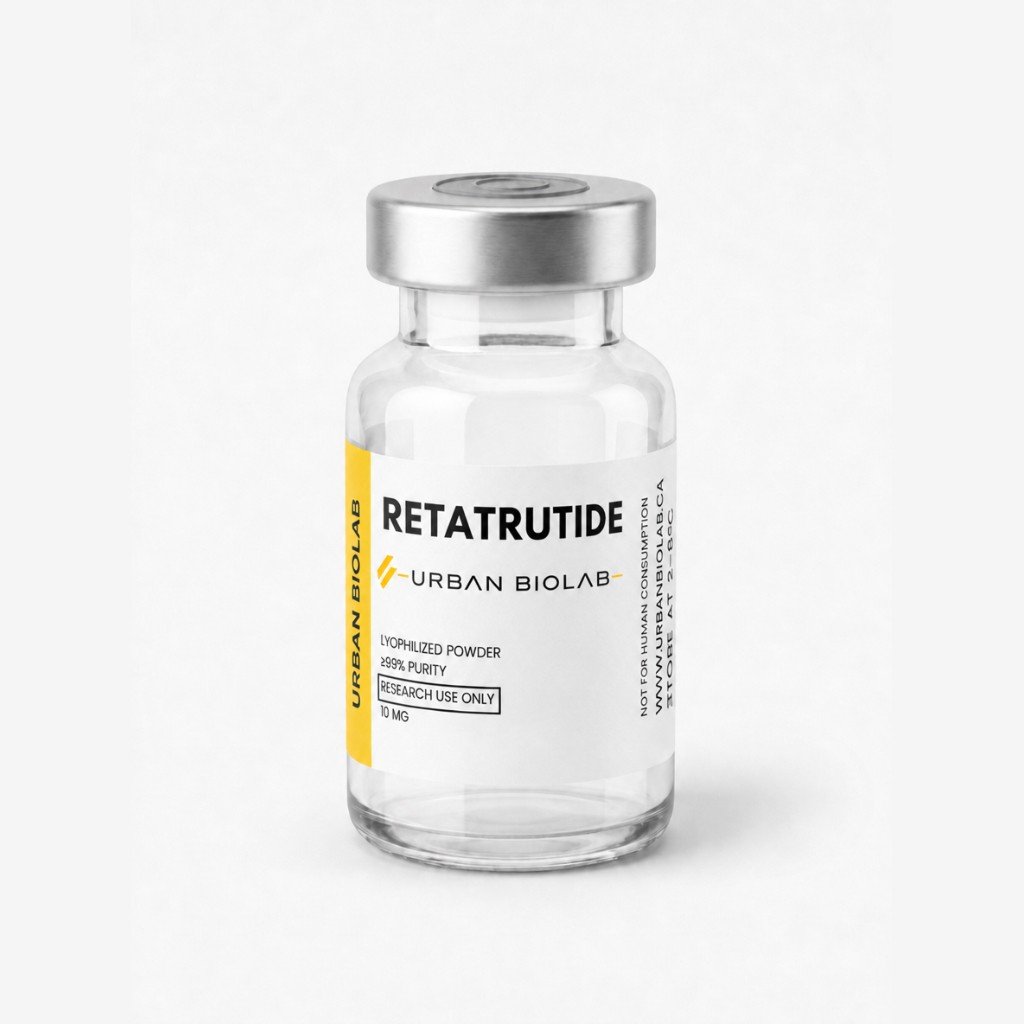
RT (Retatrutide) 10MG
Buy Retatrutide Canada: RT10 is a cutting-edge investigational peptide designed for advanced scientific exploration in metabolic health and weight management research. Known for its unique mechanism as a triple agonist (GLP-1, GIP, and glucagon receptors), it has shown promising potential in preclinical studies related to appetite regulation, fat metabolism, and glycemic control.
Dosing Protocols Compared
Retatrutide Titration
| Weeks | Dose |
|---|---|
| 1-4 | 2mg weekly |
| 5-8 | 4mg weekly |
| 9-12 | 8mg weekly |
| 13+ | 12mg weekly (or remain at 8mg if well tolerated) |
The 8mg vs 12mg decision: The 8mg dose delivers 21.1% weight loss while 12mg pushes to 24.2%. That extra 3 percentage points comes with increased side effect rates. For a 200-pound person, the difference amounts to approximately 6 additional pounds. Some find that worthwhile; others prefer better tolerability.
Zepbound Titration
| Weeks | Dose |
|---|---|
| 1-4 | 2.5mg weekly |
| 5-8 | 5mg weekly |
| 9-12 | 7.5mg weekly |
| 13-16 | 10mg weekly |
| 17+ | 12.5mg or 15mg weekly |
Wegovy Titration
| Weeks | Dose |
|---|---|
| 1-4 | 0.25mg weekly |
| 5-8 | 0.5mg weekly |
| 9-12 | 1mg weekly |
| 13-16 | 1.7mg weekly |
| 17+ | 2.4mg weekly |
Why Wegovy’s titration is slowest: The extended schedule reflects lessons learned from earlier GLP-1 medications. Nausea rates drop substantially with slower introduction.
Beyond Weight Loss: Metabolic Benefits
Scale weight captures only part of what these medications accomplish. Metabolic improvements often provide greater long-term benefit than pounds lost.
Blood Sugar Control
Retatrutide demonstrated 2.02% A1C reduction in diabetic participants—exceeding what most patients achieve by adding a second or third diabetes medication to their regimen.
Zepbound shows comparable glucose control (2.0% reduction at maximum doses). Wegovy achieves roughly 1.5% reduction.
Cardiovascular Markers
Retatrutide trial participants showed significant improvements:
- Triglycerides: 28% average reduction
- Systolic blood pressure: 6.8 mmHg decrease
- LDL cholesterol: 12% reduction
These improvements rival what dedicated medications achieve for cardiovascular risk reduction.
Liver Health
MRI imaging showed 44% reduction in liver fat content among Retatrutide participants—suggesting potential application for treating fatty liver disease specifically.
Zepbound demonstrates similar liver benefits and is currently in dedicated trials for metabolic dysfunction-associated steatohepatitis (MASH).
What to Expect: Week by Week
Weeks 1-4: Adjustment Phase
Appetite suppression typically begins within the first week, though some require 2-3 doses before effects become apparent.
Weight loss varies widely. Some drop 3-5 pounds quickly as water weight shifts. Others see minimal scale change while their relationship with food transforms. Neither pattern reliably predicts long-term results.
Timing tip: Many find Friday evening injections allow the most symptomatic days to fall on weekends.
Weeks 4-12: Acceleration Phase
Weight loss velocity increases substantially. Expect 1-2 pounds weekly on average.
By week 12, most participants report minimal ongoing gastrointestinal symptoms.
Decision point: If you haven’t lost at least 5% of body weight by week 12, clinical data suggests continuing at the same dose rarely produces better results.
Weeks 12-24: Peak Velocity
Weight loss reaches maximum speed. Retatrutide data shows approximately 0.8kg (1.76 pounds) weekly loss during this period.
73% of Retatrutide participants achieved at least 15% weight loss by week 24—a milestone representing clinically significant improvement.
Weeks 24-48: Progress and Plateau
Weight loss velocity slows but continues steadily. Expect approximately 0.5kg (1.1 pounds) weekly.
Many reach plateau around weeks 40-48. This doesn’t represent failure—the body finds a new equilibrium at a substantially lower weight. Maintenance becomes the goal rather than continued loss.
Who Responds Best to Each Option
Response by Starting BMI
People with BMI 30-35 showed the highest percentage weight loss on Retatrutide (26.8%). Those with BMI 35-40 achieved 24.1%; BMI over 40 produced 21.3% loss.
The paradox: While percentage loss is higher at lower starting weights, absolute pounds lost often favors higher starting weights. Someone at 310 pounds losing 21% drops 65 pounds; someone at 180 pounds losing 27% drops 49 pounds. Both achieve transformative results.
Diabetics vs Non-Diabetics
Participants without diabetes lost slightly more weight across all medications. Retatrutide showed 22.4% vs 19.7% respectively at the 8mg dose.
This likely reflects metabolic dysfunction making weight loss more difficult rather than reduced medication efficacy.
Prior Medication History
People who previously failed other weight loss medications respond well to newer options. The added receptor targets provide pathways for success where single-mechanism drugs plateaued.
Canadian Access and Availability
Current Health Canada Status
| Medication | Status |
|---|---|
| Wegovy | Approved 2022, available by prescription |
| Zepbound/Mounjaro | Approved 2023 (diabetes indication) |
| Retatrutide | Not yet submitted |
Retatrutide timeline: Based on FDA projections (late 2026-early 2027), Canadian availability through conventional channels will likely follow 12-18 months later.
Research Peptide Access
Canadian researchers can currently access Retatrutide through research peptide suppliers. This pathway operates outside Health Canada pharmaceutical regulation when compounds are used for research purposes.
Quality verification is essential. Reputable suppliers provide:
- Certificates of analysis with HPLC purity testing
- Mass spectrometry verification
- Batch documentation
- Third-party testing from independent laboratories
Important: Purity levels below 95% can produce inconsistent results and unexpected side effects. Always verify certificates of analysis.
Cost Considerations
| Source | Monthly Cost (CAD) |
|---|---|
| Wegovy (pharmacy) | $1,300-1,500 |
| Zepbound (pharmacy) | $1,100-1,200 |
| Research peptides | 40-60% lower |
Private insurance may cover 60-80% after deductibles. Provincial plans vary widely.
Switching Between Medications
General Principles
Direct transitions without washout periods work well for most people. After your last dose, wait one week, then begin the new medication at a moderate dose rather than starting from scratch.
Wegovy to Zepbound or Retatrutide
Someone transitioning from maintenance Wegovy (2.4mg) might start Zepbound at 5mg or 7.5mg rather than 2.5mg. The body has already adapted to GLP-1 activity.
Zepbound to Retatrutide
Someone on Zepbound 15mg might start Retatrutide at 4mg or 8mg rather than 2mg. The GIP and GLP-1 pathways are already engaged—only glucagon activity represents a new addition.
Expect some increased side effects during the first 2-4 weeks after switching. New receptor targets create additional adaptation needs.
Long-Term Maintenance Strategies
Protein Prioritization
Aim for 0.7-1.0 grams per pound of goal body weight daily. Someone targeting 160 pounds should consume 110-160 grams of protein daily.
These medications reduce appetite significantly. Without conscious attention, overall food intake drops but nutritional quality may suffer. Protein should represent the non-negotiable foundation.
Resistance Training
Two to three full-body sessions weekly helps maintain metabolic rate and physical function during rapid weight loss. The medication handles appetite; exercise handles body composition.
Hydration and Electrolytes
Symptoms like fatigue, headaches, and muscle cramps often trace to dehydration rather than medication side effects. Adequate water intake and occasional electrolyte supplementation address most issues.
Medication Duration
Current evidence suggests these medications work best as long-term or indefinite treatments. Weight typically returns when medication stops—similar to blood pressure returning to elevated levels when antihypertensive medication ends.
Injection Technique and Storage
Site Selection
The abdomen provides the most consistent absorption and tends to be least sensitive. Inject at least 2 inches from the navel. Rotate sites to prevent lipodystrophy (hardening of fatty tissue).
The front of the thighs works well as an alternative.
Step-by-Step Process
- Clean site with alcohol swab; let air dry completely
- Pinch a fold of skin to lift fatty layer from muscle
- Insert needle at 45-90 degrees (shallower for thinner individuals)
- Push plunger slowly and steadily
- Hold needle in place 5-10 seconds after injection
- Apply gentle pressure—avoid rubbing
Storage Requirements
- Unreconstituted peptides: Refrigerate at 36-46°F; stable for months
- Reconstituted peptides: Use within 4-6 weeks; keep refrigerated
- Never freeze reconstituted peptides—ice crystals damage molecular structure
Reconstitution Best Practices
Direct bacteriostatic water against the vial wall rather than onto the powder cake. Let gravity pull water down. Swirl gently—never shake vigorously. Wait for complete dissolution before drawing doses.
Common Mistakes to Avoid
1. Eating Too Little
The appetite suppression can be profound. Some eat barely 500-800 calories daily because they don’t feel hungry. This backfires spectacularly.
Extreme caloric restriction triggers metabolic adaptation. Your body downregulates energy expenditure to match reduced intake. When you eventually eat normally, weight rebounds faster than it left.
Minimum targets: 1200 calories daily for women, 1500 for men—focusing on nutrient-dense foods.
2. Skipping Strength Training
Weight loss from caloric restriction without exercise comes substantially from muscle mass. You end up lighter but flabbier, with slower metabolism and less functional strength.
Muscle is metabolically active tissue—each pound burns approximately 6-10 calories daily at rest.
3. Rushing Dose Escalation
More medication doesn’t necessarily mean faster results. It usually means worse side effects and sometimes worse outcomes.
4. Expecting Linear Progress
Weight loss occurs in waves. Focus on monthly trends rather than daily fluctuations.
5. Ignoring Micronutrients
Reduced food intake means reduced vitamin and mineral intake. A comprehensive multivitamin provides insurance against gaps.
6. Going It Alone
These medications work best with professional oversight. Periodic blood work monitors for unexpected changes. Dose adjustments benefit from clinical experience.
Setting Realistic Expectations
What to Expect
Most people lose 15-25% of starting body weight over 48-72 weeks. Individual results vary based on starting weight, dose tolerance, adherence, and lifestyle factors.
The first month typically shows the most dramatic scale movement—some represents water weight rather than fat loss. Don’t extrapolate first-month results.
Plateau periods lasting 2-4 weeks are normal and expected.
What Not to Expect
These medications don’t eliminate the need for healthy eating. They create an environment where eating less feels comfortable rather than torturous. You still choose what goes in your mouth.
Exercise remains necessary for optimal results and body composition.
Permanent results require permanent treatment for most people.
Frequently Asked Questions
How much weight can I realistically expect to lose on Retatrutide?
Average weight loss in trials was 24.2% at 48 weeks with the 12mg dose. Individual results ranged from 18-27% depending on starting weight, dose, and adherence.
Is Retatrutide stronger than Wegovy and Zepbound?
Clinical trial data shows Retatrutide produces 24.2% weight loss compared to Zepbound’s 20.9% and Wegovy’s 14.9%. The triple receptor mechanism provides additional metabolic pathways.
What are the worst side effects of Retatrutide?
Most common are gastrointestinal: nausea (28%), diarrhea (24%), constipation (21%), and vomiting (17%) at maximum doses. Most symptoms resolve by week 12.
When will Retatrutide be approved in Canada?
FDA approval is projected between late 2026 and early 2027. Health Canada typically follows with 12-18 month delays.
Can I switch from Ozempic or Wegovy to Retatrutide?
Yes. Direct transitions work well without washout periods. Wait one week after your last dose, then begin at a moderate dose.
Will I regain weight if I stop taking Retatrutide?
Most weight loss medications show weight regain after discontinuation. Current data suggests treating obesity as a chronic condition requiring ongoing management.
Is Retatrutide safe for people with diabetes?
Trial data shows excellent safety in diabetic participants with dramatic A1C improvements (2.02% reduction).
How often do you inject Retatrutide?
Once weekly via subcutaneous injection, the same frequency as Wegovy and Zepbound.
What makes the glucagon receptor important?
Glucagon receptor activation increases energy expenditure through thermogenesis—your body burns more calories at rest. This supplements appetite reduction, attacking excess weight from both sides.
Glossary of Key Terms
GLP-1 (Glucagon-Like Peptide-1): A hormone that signals satiety to the brain, slows stomach emptying, and improves insulin secretion.
GIP (Glucose-Dependent Insulinotropic Polypeptide): An incretin hormone that enhances insulin secretion and influences fat metabolism.
Glucagon: A hormone typically associated with raising blood sugar. When activated alongside GLP-1, it increases energy expenditure rather than blood glucose.
Triple Agonist: A medication activating three different hormone receptors simultaneously.
Dual Agonist: A medication activating two hormone receptors.
Titration: The process of gradually increasing medication dose over weeks to minimize side effects.
Subcutaneous Injection: An injection into the fatty tissue layer beneath the skin.
A1C: A blood test measuring average blood sugar over 2-3 months.
Thermogenesis: The production of heat by metabolic processes—burning more calories to maintain body temperature.
Gastric Emptying: The rate at which food leaves the stomach and enters the small intestine.
References
- Jastreboff AM, Kaplan LM, Frias JP, et al. Triple-Hormone-Receptor Agonist Retatrutide for Obesity – A Phase 2 Trial. New England Journal of Medicine. 2023.
- Jastreboff AM, Aronne LJ, Ahmad NN, et al. Tirzepatide Once Weekly for the Treatment of Obesity (SURMOUNT-1). New England Journal of Medicine. 2022;387(3):205-216.
- Wilding JPH, Batterham RL, Calanna S, et al. Once-Weekly Semaglutide in Adults with Overweight or Obesity (STEP-1). New England Journal of Medicine. 2021;384(11):989-1002.
Final Thoughts
The weight loss medication landscape continues evolving rapidly. Retatrutide represents the current frontier of what pharmaceutical intervention can achieve, but it won’t be the final word. Clinical experience with these medications grows daily, refining our understanding of optimal use.
For Canadian researchers interested in exploring Retatrutide before broader availability, quality sourcing and proper protocols make the difference between success and frustration. The science supports the compound. Individual results depend on implementation.
This article is for informational purposes only and does not constitute medical advice. Always consult with a qualified healthcare provider before starting any weight loss medication.