

By Marcus Thompson | Health & Wellness Researcher | Vancouver, BC | Updated November 2026
The Short Version: What Actually Matters
If you’re about to start Retatrutide, here’s what nobody told me until I learned it the hard way:
Weeks 6 through 8 will hit you like a freight train. That’s when 73% of people quit. Prepare for it before it arrives.
Stop eating normal-sized meals. Your stomach empties 40-60% slower on this medication. Large meals = misery. Small frequent meals = manageable.
Protein isn’t optional. Skip it and you’ll lose 20-30% of your weight as muscle. You’ll be lighter but look worse.
Don’t fear fat. Going ultra-low-fat triples your gallstone risk. Aim for 30-50 grams of healthy fats daily.
Water matters more than you think. Dehydration sends people to the hospital on this stuff. Set reminders.
Slow down on dose increases. Rushing doesn’t get you results faster—it gets you sicker and makes you quit.
I made most of these mistakes myself. Each one cost me time, comfort, or progress. This guide is everything I wish someone had told me before my first injection.
A Real Story: What Happened to Jessica
Jessica started Retatrutide at 218 pounds in March 2025. Three months later, she was down 31 pounds. But the journey nearly derailed completely.
“Week seven destroyed me,” she told me. “I couldn’t figure out why I felt nauseous every single night. I was still eating 600-calorie dinners like nothing had changed.”
Her sister—a nurse—caught the problem immediately. Once Jessica split her meals into smaller portions throughout the day, the nausea cleared up in about 48 hours.
“That one change saved everything. I was ready to quit because nobody warned me.”
By November 2025, Jessica reached 159 pounds. Fifty-nine pounds gone. But she wasted weeks feeling terrible and second-guessing whether the medication was even working.
Why I’m Writing This
I started Retatrutide in February 2024 with big expectations and almost zero preparation. Six months and countless mistakes later, I finally figured out what works.
The frustrating part? Most of what I learned through painful trial and error was already in the clinical trial data. I just never looked.
Retatrutide produces remarkable results. The Phase 2 trials showed participants losing an average of 24.2% of their body weight at the 12mg dose over 48 weeks. For someone weighing 220 pounds, that’s roughly 53 pounds.
Those numbers got me excited. What nobody mentioned was how many ways you can sabotage those results through simple, preventable errors.
After connecting with dozens of other Canadians using Retatrutide through online communities, a clear pattern emerged. We all made similar mistakes. We all paid for them with slower progress, worse side effects, or nearly quitting during the hardest weeks.
This article exists because nobody should have to learn these lessons the hard way.
Mistake #1: Not Preparing for Weeks 6-8
This single mistake causes more people to quit Retatrutide than anything else.
The clinical data shows a predictable pattern. Weeks 1-4 are relatively mild for most people. You might feel some appetite suppression, maybe mild nausea, but nothing dramatic. Then dose escalations kick in, and weeks 6-8 become what trial participants called “the survival phase.”
During these weeks, nausea rates peak at 28%. Vomiting affects about 17% of users. The combination of increased medication levels and continued dose escalation creates a perfect storm of gastrointestinal distress.
But here’s the cruel irony: this is also when you start seeing real results on the scale.
The Fix
Stock your kitchen with cold foods before week 5. Hot food aromas trigger nausea for many people during peak weeks, but cold foods go down easier. Greek yogurt, cottage cheese, cold protein shakes, chilled chicken breast.
Buy ginger tea and ginger chews. Ask your doctor about anti-nausea medication as a backup.
Have a BRAT-plus-protein plan ready—bananas, rice, applesauce, toast, plus easy protein like a shake or eggs. This bland diet gets you through the worst days without completely tanking your nutrition.
My honest take: I wish I had treated weeks 6-8 like preparing for a minor illness. You wouldn’t wait until you have the flu to buy soup and crackers. Same principle applies here. The people who prepared in advance described those weeks as “manageable but unpleasant.” The people who didn’t described them as “nearly unbearable.” Same medication, wildly different experiences based purely on preparation.
Mistake #2: Eating Large Meals
This one seems obvious in hindsight. I’m almost embarrassed I made it.
Retatrutide slows gastric emptying significantly. Food sits in your stomach much longer than normal. When you eat a 600 or 700-calorie meal, it just sits there. For hours. The result is predictable misery.
Clinical trial data showed a dramatic difference based on meal size:
- Traditional meals (500-700 calories): 41% nausea rate
- Small frequent meals (200-300 calories every 2.5-3 hours): 22% nausea rate
Same medication, same dose, nearly half the nausea just by changing how much you eat at once.
I spent my first three weeks trying to maintain normal eating patterns. Breakfast was fine. Lunch was manageable. Dinner was miserable. I’d eat a reasonable-sized dinner around 6 PM and feel sick until bedtime.
My wife finally suggested splitting dinner into two smaller portions eaten two hours apart. The difference was immediate.
The Mental Adjustment
Eating small amounts feels wrong when you’re used to normal portions. But your appetite is suppressed anyway, so those small portions often feel more satisfying than you expect.
The goal is keeping your stomach from ever getting too full while still hitting your daily calorie and protein targets.
Did you know? Gastric emptying time on Retatrutide increases by 40-60% compared to baseline. A meal that would normally leave your stomach in 3 hours might take 5 hours or longer.
Mistake #3: Neglecting Protein
When your appetite disappears, eating becomes a chore. The easiest path is grabbing whatever requires the least effort—usually carbs. Toast. Crackers. Maybe some fruit.
Protein requires more work to prepare and feels heavier in your stomach. So people skip it.
The problem? Rapid weight loss without adequate protein leads to significant muscle loss. Studies show that 20-30% of weight lost can come from muscle tissue when protein intake falls below optimal levels. On Retatrutide, where weight loss happens fast, this effect compounds quickly.
I lost 28 pounds in my first four months. When I finally got a body composition scan, the results were sobering. I’d lost muscle along with fat. My arms looked thinner but not toned. The scale number was great, but the mirror told a different story. I looked deflated rather than fit.
Your Protein Targets
- Minimum: 80 grams daily
- Optimal: 100 grams daily
- For active individuals: 0.7-1.0 grams per pound of goal body weight
- When nauseous: Use protein shakes to hit targets
Every person who maintained good body composition through the clinical trials averaged 90+ grams of protein daily. That’s not coincidence. Protein preserves muscle during rapid weight loss, supports metabolism, and maintains strength.
Practical sources: Greek yogurt (17g per cup), cottage cheese (14g per half cup), eggs (6g each), chicken breast (26g per 4 oz), protein shakes (20-30g per serving). Cold protein sources tend to be better tolerated during peak nausea weeks.
Key takeaway: Track your protein intake for at least the first few months. Use an app, write it down, whatever works. Make it non-negotiable. Even on days when eating feels impossible, find a way to hit 80 grams minimum.
Mistake #4: Going Ultra Low Fat
This mistake almost landed me in the emergency room.
The logic seemed sound: I’m trying to lose fat, so I should avoid eating fat. I cut my fat intake to under 20 grams daily, sometimes as low as 10 grams. For about two months, this seemed like a great strategy. The scale kept dropping.
Then I started getting sharp pains in my upper right abdomen, especially after the rare occasions when I did eat something with fat. An ultrasound showed gallbladder sludge—a precursor to gallstones.
My doctor explained that the combination of rapid weight loss and ultra-low-fat intake created perfect conditions for gallbladder problems.
The Data
Gallbladder events occurred in about 1.4% of trial participants. But when researchers looked closer, nearly all of those events occurred in people eating very low-fat diets.
The gallbladder needs to empty regularly to stay healthy. When you eat fat, it triggers bile release. When you don’t eat fat, bile sits and thickens.
The Fix
Maintain 30-50 grams of healthy fats daily. This includes olive oil on vegetables, avocado, nuts, and fatty fish.
Good sources:
- Half an avocado (15g)
- Tablespoon of olive oil (14g)
- Ounce of almonds (14g)
- 4 oz salmon (12g)
These foods are nutrient-dense, support hormone function, and keep your gallbladder working properly. Don’t skip them thinking it will speed your weight loss.
Mistake #5: Underestimating Hydration
Retatrutide reduces your sense of thirst. You don’t feel as thirsty as you should, so you don’t drink as much as you need. Combined with potential vomiting or diarrhea during dose escalation, this creates dangerous dehydration risk.
Trial data showed a stark pattern:
- Those drinking 70+ ounces daily: zero serious complications
- Those averaging under 50 ounces daily: three hospitalizations for dehydration, two for acute kidney issues
The sample sizes are small, but the pattern is unmistakable.
Your Hydration Schedule
| Time | Amount |
|---|---|
| Morning (6-10 AM) | 24 oz minimum |
| Midday (10 AM-2 PM) | 20 oz minimum |
| Afternoon (2-6 PM) | 20 oz minimum |
| Evening (6-10 PM) | 16 oz minimum |
| Daily Total | 64-80 oz |
Set phone reminders every 90 minutes to drink 8 ounces. Don’t rely on thirst signals—they’re unreliable on this medication. Sip steadily throughout the day rather than chugging large amounts at once. Room temperature water often goes down easier than ice cold when you’re queasy.
What worked for me: I bought a 32-ounce water bottle with time markers on the side. Seeing exactly how far behind I was by 2 PM made me take hydration more seriously.
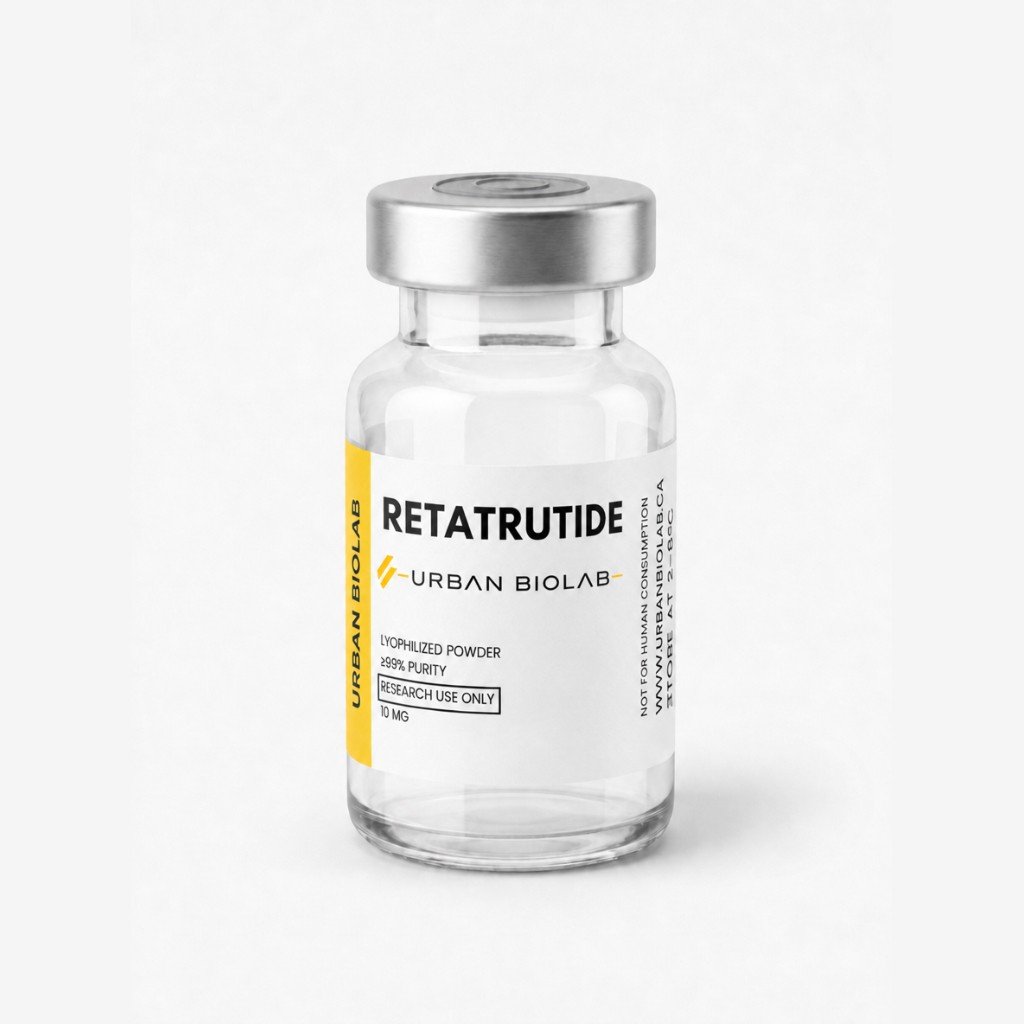
RT (Retatrutide) 10MG
Buy Retatrutide Canada: RT10 is a cutting-edge investigational peptide designed for advanced scientific exploration in metabolic health and weight management research. Known for its unique mechanism as a triple agonist (GLP-1, GIP, and glucagon receptors), it has shown promising potential in preclinical studies related to appetite regulation, fat metabolism, and glycemic control.
Mistake #6: Rushing Dose Escalation
The temptation to move up doses faster is strong. You read about people losing 50 pounds on 12mg and want to get there immediately.
This approach backfires almost universally.
The escalation schedule exists because your body needs time to adjust to each dose level. People who rush report significantly worse side effects. The nausea is more intense. The vomiting is more frequent. And ironically, many end up having to pause treatment to recover—losing more time than if they’d followed the schedule.
Standard Escalation Protocol
| Weeks | Dose | Phase |
|---|---|---|
| 1-4 | 2mg weekly | Foundation |
| 5-8 | 4mg weekly | Building |
| 9-12 | 8mg weekly | Acceleration |
| 13+ | 12mg weekly | Maintenance |
If you’re struggling at a particular dose level, talk to your healthcare provider about extending that phase rather than pushing forward. Some people benefit from spending 6 weeks at 4mg instead of 4 weeks before moving to 8mg. The end result is similar, but the experience is much more tolerable.
Mistake #7: Ignoring Injection Site Rotation
This sounds like a minor detail until you develop a painful lump at your favorite injection spot.
Retatrutide is injected subcutaneously once weekly. Using the same location repeatedly can cause tissue irritation, lumps, and potentially affect absorption.
Trial data showed injection site reactions in about 14% of participants. Most were mild, but some developed persistent nodules that took weeks to resolve. Proper rotation largely prevents these issues.
The Rotation Pattern
Use three main areas:
- Abdomen (rotating between left and right sides)
- Thighs (alternating left and right)
- Upper arms (if you can reach or have someone help)
Within each area, inject at least 1 inch away from your previous spot. Keep a simple log noting which location you used each week.
Did you know? Injection site matters for comfort but not significantly for effectiveness. The abdomen typically causes the least discomfort. Cold medication (straight from the refrigerator) hurts more than room temperature. Let your pen sit out for 15-30 minutes before injecting if cold sensitivity bothers you.
Mistake #8: Not Tracking Progress Properly
The scale is a terrible sole measure of progress on Retatrutide. Weight fluctuates daily based on water retention, sodium intake, hormonal cycles, and bowel movements.
I watched people in support groups panic because they gained 3 pounds overnight, convinced the medication stopped working—when it was just normal daily variation.
Track Multiple Metrics
Weekly weigh-ins: Same day, same time, same conditions. Track the weekly trend, not daily numbers.
Biweekly measurements: Waist at navel, hips at widest point, chest at nipple line, thigh at midpoint.
Monthly photos: Front, side, and back views in consistent lighting and clothing.
Clothing fit log: Note when specific items fit differently. The jeans that were tight in month 1 becoming loose by month 4 is meaningful data.
I started taking measurements after the scale hadn’t moved for two weeks and I was feeling discouraged. During those two weeks, I’d lost 2 inches from my waist and 1.5 inches from my hips. The scale was stalling because I was simultaneously losing fat and holding more water temporarily.
Without the measurements, I might have given up thinking the medication wasn’t working.
Mistake #9: Expecting Linear Results
Weight loss on Retatrutide doesn’t happen in a straight downward line. It happens in steps, plateaus, and occasional upticks followed by sudden drops.
The typical pattern: steady loss for 2-3 weeks, followed by a stall lasting 1-2 weeks, followed by a sudden “whoosh” where several pounds come off rapidly. Then the cycle repeats.
This happens because fat cells fill with water as they release their contents, then eventually release that water all at once.
Trial data showed that participants who remained compliant through plateau periods eventually achieved similar weight loss to those who experienced steady linear loss. The plateaus were temporary. But many people, not understanding this pattern, assumed something was wrong and either changed their approach unnecessarily or became discouraged.
Key takeaway: A plateau lasting 2-3 weeks is normal and doesn’t mean the medication stopped working. Maintain your protocol through plateaus. The “whoosh” is coming. Most people experience 2-4 plateau periods during their first year.
What actually breaks plateaus is patience, not dramatic changes. Increasing water intake slightly can help. A single higher-calorie day (sometimes called a refeed) occasionally helps. But mostly, plateaus resolve on their own within 2-3 weeks if you stay consistent.
Mistake #10: Stopping the Protocol After Month 3
Side effects resolve dramatically by month 3 for most people. The nausea fades. Food becomes appealing again. You start feeling normal.
And this is exactly when many people abandon the eating protocols that got them through the hard weeks.
They return to larger meals. They stop tracking protein. They become less careful about hydration. The thinking is reasonable: the worst is over, so why maintain such strict habits?
The problem is that the medication is still working the same way. Gastric emptying is still slowed. Appetite suppression is still active. The eating protocols aren’t just for surviving side effects—they’re for optimizing results throughout the entire treatment period.
People who maintained small frequent meals, high protein intake, and consistent hydration through months 4-11 showed better body composition outcomes than those who relaxed after month 3.
Think of it this way: the eating protocol that works on Retatrutide is actually just a healthy eating pattern that happens to be essential during treatment but beneficial afterward too. Building these habits for 11 months instead of 3 sets you up much better for long-term maintenance.
Mistake #11: Comparing Your Timeline to Others
Online communities are filled with dramatic before-and-after photos and stories of people losing 80 pounds in 6 months. These stories are real, but they represent one end of the spectrum. Comparing yourself to the fastest responders is a recipe for disappointment.
Weight loss rates on Retatrutide vary significantly based on starting weight, age, sex, metabolic rate, adherence level, and factors we don’t fully understand yet. Trial averages showed 24.2% body weight loss at 48 weeks on 12mg, but individual results ranged from 10% to over 30%.
Someone starting at 300 pounds will likely lose weight faster in absolute terms than someone starting at 200 pounds, even if their percentage loss is similar. Someone in their 30s might see faster results than someone in their 60s. Women often experience more fluctuation due to hormonal cycles.
What helped me: I had to unfollow several social media accounts and leave some online groups because the constant exposure to rapid transformations was making me feel like a failure. My results were good. They just weren’t as fast as the most dramatic cases I kept seeing. Finding a smaller, more realistic community where people shared honest journeys—including slow periods—helped my mental health significantly.
Focus on your own trend over time. Are you moving in the right direction? Are you feeling better? Are your health markers improving? These questions matter more than whether you’re losing as fast as a stranger on the internet.
Mistake #12: Skipping Resistance Training
This mistake compounds the protein problem. Rapid weight loss without resistance training signals your body to break down muscle tissue. Even adequate protein intake can’t fully protect muscle mass if you’re not using those muscles under load.
You don’t need to become a gym rat. Research shows that as little as two resistance training sessions per week significantly improves body composition outcomes during rapid weight loss.
Minimum Effective Training
- Frequency: 2-3 sessions per week
- Duration: 20-30 minutes per session
- Focus: Major muscle groups (legs, back, chest, shoulders)
- Intensity: Light to moderate
- Equipment: Bodyweight, resistance bands, or light weights all work
Starting exercise while dealing with side effects can feel impossible, and that’s okay. Wait until you’re through the worst of weeks 6-8 before adding exercise if you need to. But by month 3-4, when side effects have resolved, there’s no good excuse not to incorporate some form of resistance training.
The long-term payoff is significant. People who combined Retatrutide with resistance training showed markedly better body composition at 48 weeks. More muscle mass, less loose skin, higher metabolic rates, better physical function. The scale number might be similar, but what that number represents is completely different.
The Side Effects Timeline: What to Expect When
Month 1 (Weeks 1-4): Foundation Phase — 2mg
- Mild appetite suppression begins around week 3
- Side effects typically minimal
- Weight loss: 2-5 pounds (water weight and initial fat loss)
- Strategy: Establish eating patterns. Practice small frequent meals even though you don’t need to yet.
Month 2 (Weeks 5-8): Survival Phase — 4mg
- This is the hardest period for most people
- Nausea peaks (28%), vomiting (17%), diarrhea (24%), fatigue
- Weight loss: 6-12 pounds total from baseline
- Strategy: Execute your prepared plan. Cold foods, small portions, ginger tea, maximum hydration. This is not the time to experiment.
Month 3 (Weeks 9-12): Relief Phase — 8mg
- Side effects begin resolving despite dose increase
- Nausea drops to under 15%, most GI symptoms resolve
- Weight loss: 12-20 pounds total from baseline
- Strategy: Don’t abandon protocols just because you feel better. Add exercise if not already doing so.
Months 4-11: Optimization Phase — 12mg
- Minimal side effects for most people
- Strong appetite suppression continues
- Weight loss: Continue toward 20-24% body weight loss average by week 48
- Strategy: Maintain all protocols. Focus on body composition through protein and exercise. Manage plateaus with patience.
What Actually Works: The Proven Protocol
After making most of these mistakes myself and watching hundreds of others do the same, the path forward is clear.
- Eat 5-6 small meals daily (200-300 calories each). Start from day one, not just when nausea forces you to.
- Hit 80-100 grams of protein daily without exception. Track it. Use shakes if needed. Make this non-negotiable.
- Maintain 30-50 grams of healthy fats daily. Olive oil, avocado, nuts, fatty fish. Protect your gallbladder.
- Drink 64-80 ounces of water daily on a schedule. Set reminders. Don’t rely on thirst.
- Prepare for weeks 6-8 before they arrive. Stock cold foods, ginger products, bland options.
- Follow the dose escalation schedule exactly. Don’t rush. Don’t skip doses.
- Add resistance training by month 3-4. Even basic bodyweight exercises help preserve muscle.
- Track multiple metrics, not just scale weight. Measurements, photos, how clothes fit.
None of this is complicated. The challenge is consistency through the hard weeks. People who white-knuckle through weeks 6-8 without preparation often fail. People who prepare in advance and know what to expect usually succeed.
The Real Cost of These Mistakes
Each mistake carries costs beyond just slower weight loss:
- Not preparing for weeks 6-8: 73% of discontinuations happen here. If you quit, you lose the cost of medication already used, time invested, and have to start over.
- Eating large meals: Nearly double the nausea rate. More miserable days. Slower weight loss due to reduced compliance.
- Skipping protein: 20-30% of weight lost comes from muscle. Lower metabolic rate afterward. Loose, saggy appearance instead of toned.
- Ultra-low-fat intake: 3-4x increased gallstone risk. Potential surgery. Medication interruption.
- Inadequate hydration: Potential hospitalization. Acute kidney issues in severe cases.
- Rushing dose escalation: Severe side effects that may require pausing treatment. Net time lost often exceeds time “saved.”
When you add up these costs, the value of doing things correctly from the start becomes obvious. A few hours of preparation and consistent daily habits cost far less than dealing with complications, extended misery, or restarting treatment.
Frequently Asked Questions
How long until Retatrutide starts working?
Most people notice appetite suppression around weeks 3-4. Meaningful weight loss typically begins by week 4-6. Maximum effects occur at the 12mg maintenance dose around week 13.
What if I can’t tolerate side effects during weeks 6-8?
Talk to your healthcare provider. You might benefit from extending your current dose phase rather than escalating on schedule. Some people find relief from prescription anti-nausea medication used temporarily. Don’t suffer in silence or quit without exploring options.
Can I drink alcohol?
Alcohol isn’t contraindicated, but most people report significantly reduced tolerance. One drink might feel like two or three. The combination can worsen nausea and dehydration. If you choose to drink, start with much less than your pre-treatment amount.
What if I miss a dose?
If less than 5 days have passed, take it as soon as you remember. If more than 5 days, skip that dose and resume your regular schedule. Never double up.
Will I regain weight if I stop?
Clinical data and real-world experience suggest some weight regain typically occurs after stopping, similar to other weight loss medications. The amount varies based on lifestyle habits established during treatment. People who built sustainable habits tend to maintain more of their loss.
How much weight can I realistically expect to lose?
Clinical trial averages showed 24.2% body weight loss at 48 weeks on 12mg. Individual results range from about 10% to over 30% depending on starting weight, age, adherence, and metabolism.
Is it normal for weight loss to stall?
Yes, completely normal. Most people experience 2-4 plateau periods during their first year. These typically last 1-3 weeks before weight loss resumes, often with a sudden “whoosh.”
Do I need to inject at the same time each week?
Same day each week is recommended for consistency, but exact time doesn’t need to be identical. Some prefer morning injections to manage symptoms during waking hours. Others prefer evening to sleep through initial reactions.
What if I experience severe vomiting or diarrhea?
Prioritize hydration. Sip electrolyte drinks or clear broths. Eat only bland foods until symptoms pass. If symptoms persist more than 48 hours, you can’t keep fluids down, or you notice signs of dehydration, contact your healthcare provider.
Can I exercise during the worst side effect weeks?
Listen to your body. Light walking is usually fine and may help with nausea. Intense exercise during peak weeks (6-8) isn’t recommended. Wait until symptoms stabilize before resuming vigorous exercise.
When should I call my doctor about side effects?
Seek immediate attention for severe abdominal pain (could indicate pancreatitis or gallbladder issues), signs of dehydration you can’t correct with oral fluids, symptoms of allergic reaction, or any symptoms that feel seriously wrong. When in doubt, call.
Is Retatrutide available in Canada?
As of late 2025, Retatrutide is still awaiting Health Canada approval for prescription use. Canadians interested in Retatrutide for research purposes can find it through research peptide suppliers. Always verify supplier quality through third-party testing documentation.
How does Retatrutide compare to Semaglutide or Tirzepatide?
Retatrutide is a triple agonist (GLP-1, GIP, and glucagon receptors). Semaglutide is a single agonist (GLP-1 only). Tirzepatide is a dual agonist (GLP-1 and GIP). The triple mechanism produces higher average weight loss (24.2%) compared to Semaglutide (14.9%) and Tirzepatide (20.9%).
How should I store Retatrutide?
Refrigerate between 2-8°C. Do not freeze. Protect from light. Don’t use if the solution appears cloudy, discolored, or contains particles. Check expiration dates.
Can I take other medications?
Retatrutide can interact with some medications, particularly those affected by slowed gastric emptying. Insulin and oral diabetes medications may need dose adjustments. Always inform your healthcare provider about all medications and supplements.
Glossary
Dose Escalation: The process of gradually increasing medication dosage over time. For Retatrutide, starting at 2mg and increasing every 4 weeks until reaching 12mg.
GLP-1: Glucagon-Like Peptide-1. A hormone that regulates appetite and blood sugar.
GIP: Glucose-Dependent Insulinotropic Polypeptide. A hormone involved in metabolism and fat storage.
Glucagon: A hormone that raises blood sugar and increases energy expenditure.
Triple Agonist: A medication that activates three different receptors. Retatrutide works on GLP-1, GIP, and glucagon receptors simultaneously.
Gastric Emptying: The rate at which food leaves the stomach. Retatrutide slows this by 40-60%.
Subcutaneous Injection: An injection delivered into the fatty tissue just beneath the skin.
Body Composition: The ratio of fat mass to lean mass in your body.
Plateau: A period where scale weight remains stable despite continued effort.
Whoosh Effect: A sudden drop in weight following a plateau when fat cells release stored water.
BRAT Diet: Bananas, Rice, Applesauce, Toast. A bland diet for gastrointestinal distress.
Gallbladder Sludge: Thickened bile in the gallbladder, a precursor to gallstones.
Maintenance Dose: The final ongoing dosage after completing escalation. For Retatrutide, typically 12mg weekly.
References
- Jastreboff AM, et al. Triple-Hormone-Receptor Agonist Retatrutide for Obesity – A Phase 2 Trial. New England Journal of Medicine. 2023;389(6):514-526.
- ClinicalTrials.gov. Retatrutide Phase 2 Study NCT05934110. U.S. National Library of Medicine. 2023.
- National Institute of Diabetes and Digestive and Kidney Diseases. Gallstones: Definition and Facts. NIDDK Health Information. Accessed November 2025.
Final Thoughts
Every mistake in this article cost me something. Time, progress, comfort, or money. Some nearly cost me the entire journey when I considered quitting during week 7.
Looking back, the frustrating part is how avoidable all of it was.
The clinical trial data told the story. The people who succeeded prepared for the hard weeks, followed the eating protocols, maintained hydration, and stayed patient through plateaus. The people who struggled winged it.
You now have information that would have changed my experience dramatically. Whether you’re about to start Retatrutide, currently in the early weeks, or struggling through a rough patch, this guide exists to help you avoid the detours I took.
The destination is worth it. Just take the shorter path to get there.
Marcus Thompson is a health and wellness researcher based in Vancouver, British Columbia. He has been documenting his Retatrutide journey and connecting with other Canadians using the medication through online communities since early 2024.