
Updated: November 2025
Dr. Michael Weatherstone, PhD
Neuropharmacology | UBC | 10+ Years Clinical Research
The Short Version
Willpower isn’t the problem. Your brain’s dopamine system is running the show when it comes to hunger and cravings—and it’s been hijacked by modern food engineering.
New peptide therapies like GLP-1 and GIP receptor agonists work directly on these reward pathways. They don’t ask you to white-knuckle your way through cravings. Instead, they change how your brain responds to food at a neurological level.
The research is striking: these compounds can reduce activity in brain reward centers by up to 40% when you look at food cues. That’s not suppression—it’s a fundamental shift in how your brain processes eating triggers.
This explains why traditional diets fail and why peptide-based approaches produce results that willpower alone simply cannot match.
What Exactly Is the Dopamine Diet?
The Dopamine Diet isn’t about eating specific foods or counting macros. It’s an approach that targets your brain’s reward system to control hunger and cravings rather than fighting them with calorie restriction and sheer determination.
The method uses peptide therapies—GLP-1 and GIP receptor agonists—that directly modulate dopamine signaling in your brain’s reward centers. The result is a reduced neurological drive to overeat.
Here’s the key difference: traditional diets put you in a war against your own brain. The dopamine diet works with your neurobiology, normalizing how your brain responds to food cues and satiety signals.
In This Article
- The Dopamine-Hunger Connection Your Doctor Never Explained
- Why Willpower Fails: The Neuroscience of Self-Control Depletion
- How Your Brain’s Reward System Hijacks Eating Behavior
- Leptin, Ghrelin, and the Hormonal Orchestra of Appetite
- Peptides That Rewire Reward: GLP-1, GIP, and Beyond
- How Peptides Modulate Dopamine Without Addiction Risk
- Clinical Evidence: Brain Imaging Studies and Real Outcomes
- Practical Applications for Canadians Seeking Solutions
- The Future of Dopamine-Based Weight Management
- Frequently Asked Questions
- Glossary of Key Terms
- References
The Dopamine-Hunger Connection Your Doctor Never Explained
Every failed diet shares something in common, and it has nothing to do with food choices or exercise routines. The real culprit operates silently in the spaces between your neurons, flooding your brain with signals that override conscious decision-making.
That culprit is dopamine. Understanding its role in hunger changes everything about how we approach weight management.
Dopamine Isn’t About Pleasure
Dopamine earned its reputation as the “feel-good” neurotransmitter, but that label misses the point entirely. Dopamine isn’t primarily about pleasure—it drives motivation, craving, and the relentless pursuit of rewards your brain has learned to anticipate.
When you smell freshly baked cookies or see an advertisement for your favorite comfort food, dopamine neurons fire before you take a single bite. This anticipatory surge creates the wanting that precedes eating, and it operates largely outside your conscious awareness.
How Modern Food Exploits Your Biology
The modern food environment exploits this system with ruthless efficiency. Food manufacturers engineer products to trigger maximum dopamine response through precise combinations of sugar, fat, and salt.
Your ancestors evolved dopamine pathways to seek calorie-dense foods in an environment of scarcity. Now those same pathways work against you in a world of endless abundance. The mismatch creates a biological trap where your brain constantly signals for more food than your body needs.
What Brain Imaging Reveals
Research published in leading neuroscience journals shows that people with obesity have altered dopamine signaling in key brain regions. The ventral striatum—often called the brain’s reward center—responds differently to food cues in individuals who struggle with weight compared to those who maintain healthy weights effortlessly.
Some research suggests that reduced dopamine receptor availability may actually drive overeating as the brain attempts to compensate for diminished reward signals.
This neurological reality explains why telling someone to “just eat less” represents a fundamental misunderstanding of biology. The person receiving this advice may genuinely want to eat less, but their dopamine system creates overwhelming signals that make sustained restriction feel impossible.
The conflict between conscious intention and dopaminergic drive produces the guilt, shame, and repeated failure that characterizes most dieting experiences.
Why Willpower Fails: The Neuroscience of Self-Control Depletion
The concept of willpower as a renewable moral resource has dominated weight loss advice for generations. Eat less, move more, and summon the mental strength to resist temptation.
This framing places full responsibility on the individual while ignoring the neuroscience that makes sustained self-control extraordinarily difficult.
Your Prefrontal Cortex Has Limits
The prefrontal cortex, located behind your forehead, serves as your brain’s executive control center. This region handles impulse control, long-term planning, and the ability to override immediate desires in favor of future goals.
When you resist eating something you want, your prefrontal cortex works to suppress signals from reward-seeking brain regions. This suppression requires metabolic energy and creates what researchers call cognitive load.
The Ego Depletion Problem
Studies from the American Psychological Association reveal that the prefrontal cortex becomes less effective with repeated use throughout the day. Each decision requiring self-control—whether resisting that morning pastry or staying calm during a frustrating meeting—draws from the same neural resources.
By evening, when most people experience their strongest food cravings, the prefrontal cortex has already depleted much of its regulatory capacity.
This phenomenon, sometimes called ego depletion, explains common patterns in eating behavior. People often maintain dietary discipline during structured morning hours only to experience intense cravings and reduced control as the day progresses.
The collapse of evening willpower isn’t a character flaw—it’s a predictable consequence of how the brain allocates limited cognitive resources.
The Glucose Paradox
Glucose plays a central role in prefrontal cortex function. When blood sugar drops, the brain regions responsible for self-control become less effective, which creates a cruel paradox for people restricting calories.
The very act of dieting may compromise the neural machinery needed to maintain dietary restrictions. Research indicates that even mild fluctuations in blood glucose can impair impulse control, making rigid calorie restriction self-defeating over time.
Why Dopamine Makes It Worse
Dopamine intersects with this system through its role in motivation and goal-directed behavior. Low dopamine states reduce the drive to pursue long-term rewards, making immediate gratification more appealing.
People experiencing dopamine dysfunction—whether from genetics, chronic stress, or metabolic factors—face an uphill battle when relying on willpower alone. Their reward system pushes toward food while their control system lacks the resources to resist.
The dorsolateral prefrontal cortex shows reduced activity when people successfully resist temptation, but this activity correlates with subjective feelings of effort and fatigue. Using willpower doesn’t feel neutral; it feels like work.
Over weeks and months of constant dietary vigilance, this accumulated cognitive effort produces burnout that manifests as dramatic loss of control. The “falling off the wagon” that dieters describe reflects genuine neural exhaustion rather than moral weakness.
How Your Brain’s Reward System Hijacks Eating Behavior
The mesolimbic dopamine pathway runs from the ventral tegmental area in the midbrain to the nucleus accumbens in the striatum. This circuit evolved to reinforce behaviors essential for survival, including eating, reproduction, and social bonding.
When you consume food—particularly food high in calories and palatability—this pathway releases dopamine that creates positive associations with the eating experience.
The Learning and Anticipation Problem
What makes this system problematic for weight management is its capacity for learning and anticipation. After repeated exposure to certain foods, dopamine begins firing not during consumption but in response to cues that predict food availability.
The sight of golden arches, the smell of popcorn, or even the time of day when you typically snack can trigger dopamine release before any food enters your mouth. This anticipatory dopamine creates craving—the powerful urge to obtain and consume food regardless of actual hunger.
Food Activates Reward Centers Like Drugs
Brain imaging studies using functional MRI technology show that highly palatable foods activate reward regions with intensity comparable to drugs of abuse. The nucleus accumbens, caudate nucleus, and orbitofrontal cortex all show heightened activation when participants view images of calorie-dense foods.
These responses occur automatically and persist even when participants report no conscious desire to eat. Your brain’s reward system operates below the threshold of awareness, shaping behavior through mechanisms the conscious mind cannot directly observe.
The Orbitofrontal Cortex and Reward Valuation
The orbitofrontal cortex deserves particular attention because it integrates sensory information about food with reward value assignments. This region determines how appealing a food seems based on current physiological state, past experience, and contextual cues.
In obesity, the orbitofrontal cortex often shows heightened responses to high-calorie food images even in satiated states, suggesting that reward valuation becomes decoupled from actual energy needs.
The Insula and Internal Signals
The insula, another key structure, processes interoceptive signals from the body including gut sensations that contribute to hunger and fullness. Altered insula function in obesity may impair the ability to accurately perceive internal states, leading to eating that is disconnected from physiological hunger.
When the brain cannot accurately read the body’s signals, external cues like food availability and emotional triggers fill the decision-making vacuum.
Leptin Resistance Compounds the Problem
Leptin resistance compounds these problems by disrupting normal satiety signaling. Leptin, produced by fat cells, normally tells the hypothalamus when energy stores are sufficient. In obesity, chronically elevated leptin levels cause the brain to become less responsive to this satiety signal.
The hypothalamus—your brain’s weight regulation center—essentially stops hearing the message that you’ve eaten enough. Meanwhile, reward pathways continue driving food-seeking behavior, creating a dangerous imbalance between energy intake and expenditure.
Ghrelin: The Hunger Hormone
Ghrelin, often called the hunger hormone, adds another layer of complexity. Produced primarily by the stomach when empty, ghrelin rises before meals and signals the brain to seek food.
Research shows that ghrelin levels increase substantially after weight loss, sometimes remaining elevated for years. This persistent elevation explains why maintaining weight loss proves so difficult. Your body actively works to restore its previous weight by increasing hunger signals and decreasing satiety sensitivity.
The Set Point Phenomenon
The interplay between these systems creates what obesity researchers call the “set point” phenomenon. Your brain defends a particular body weight through coordinated hormonal and neurological responses that resist change.
When you lose weight, metabolic rate decreases beyond what body composition changes would predict, hunger hormones increase, and reward responses to food become more intense. Fighting this biological defense system through willpower alone is like trying to hold your breath indefinitely. Eventually, biology wins.
The Hypothalamic Defense System
Research from major academic medical centers has mapped these defense mechanisms in exquisite detail. The hypothalamic arcuate nucleus contains two populations of neurons with opposing functions:
One population, expressing neuropeptide Y and agouti-related peptide, promotes feeding and reduces energy expenditure. The other, expressing proopiomelanocortin, suppresses appetite and increases metabolic rate.
Weight loss activates the feeding-promoting neurons while inhibiting the satiety neurons, creating a coordinated push toward weight regain.
Understanding this biology removes the moral dimension from weight struggles. The person who regains weight after dieting isn’t weak-willed or lazy. They’re experiencing the predictable operation of systems designed to prevent starvation. In ancestral environments where famine was a constant threat, these mechanisms saved lives. In modern environments of food abundance, they contribute to chronic disease.
Leptin, Ghrelin, and the Hormonal Orchestra of Appetite
Understanding hunger requires moving beyond simple notions of stomach emptiness to appreciate the complex hormonal symphony that regulates appetite. Multiple signaling molecules coordinate to determine when you feel hungry, how much you eat, and when you feel satisfied.
Disruption of this orchestra underlies most cases of persistent weight problems.
Leptin: The Satiety Signal That Stops Working
Leptin deserves particular attention because its discovery reshaped obesity science. Scientists found that mice lacking the gene for leptin became massively obese, eating constantly without ever feeling full. Giving these mice leptin injections normalized their appetite and weight.
Early researchers hoped leptin might become a simple treatment for human obesity, but reality proved more complicated.
Most people with obesity don’t lack leptin. They actually produce abundant leptin in proportion to their fat stores. The problem is leptin resistance—where the brain fails to respond appropriately to leptin signals.
Studies published in major medical journals confirm that weight loss reduces leptin levels dramatically, often by 50% or more. This reduction signals the brain that the body is starving, triggering compensatory increases in hunger and decreases in metabolic rate that persist indefinitely.
Ghrelin: The Persistent Hunger Driver
Ghrelin operates on shorter timescales, rising before meals and falling after eating. However, weight loss produces persistent elevation of ghrelin that can last for years.
Research tracking individuals who lost significant weight found ghrelin levels 20-30% higher than baseline even 12 months later. This chronic elevation creates constant hunger signals that make weight maintenance exhausting.
Other Key Players
Peptide YY, produced by intestinal cells after eating, normally contributes to post-meal satiety. Like leptin, PYY levels remain suppressed after weight loss, weakening the signals that tell your brain you’ve eaten enough.
Glucagon-like peptide-1 (GLP-1) serves similar satiety functions and also slows gastric emptying to prolong feelings of fullness. Natural GLP-1 production doesn’t increase to compensate when other satiety signals are impaired.
The Hypothalamus as Master Regulator
The hypothalamus integrates all these signals to regulate appetite and energy expenditure. This brain region essentially sets a target weight that your body defends through multiple mechanisms.
After weight loss, the hypothalamus perceives a calorie deficit emergency and activates responses designed to restore lost weight. These responses include:
- Increased sensitivity to food cues
- Enhanced reward responses to eating
- Decreased metabolic rate
- Persistent hunger
How Dopamine Interacts with Hormones
Dopamine interacts with this hormonal system at multiple points. Leptin receptors exist on dopamine neurons, and leptin normally modulates reward responses to food. When leptin signaling fails due to resistance, dopamine-mediated food reward becomes dysregulated.
Ghrelin also influences dopamine release, increasing the rewarding properties of food during states of hunger. The hormonal and neurological systems governing appetite are deeply intertwined, which explains why targeting just one component rarely produces lasting results.
Peptides That Rewire Reward: GLP-1, GIP, and Beyond
The revolution in weight management began with recognizing that appetite-regulating peptides could be harnessed therapeutically. GLP-1 receptor agonists, originally developed for diabetes treatment, produced remarkable weight loss as a secondary effect.
Understanding why required looking beyond blood sugar regulation to the brain.
GLP-1 Receptors in the Brain
GLP-1 receptors exist throughout the nervous system, with particularly high concentrations in brain regions governing appetite and reward. The ventral tegmental area, nucleus accumbens, and lateral septum all express GLP-1 receptors.
When these receptors are activated by either natural GLP-1 or pharmaceutical agonists, they modulate dopamine signaling in ways that reduce food reward and craving.
What Patients Experience
Research demonstrates that GLP-1 receptor activation decreases the rewarding properties of palatable food without producing the anhedonia associated with dopamine depletion.
People taking GLP-1 agonists report that:
- Food simply seems less appealing
- They feel satisfied with smaller portions
- The constant preoccupation with eating fades
This qualitative change reflects genuine alteration in how the brain processes food-related information.
GIP: The Complementary Player
GIP, or glucose-dependent insulinotropic polypeptide, adds complementary effects when combined with GLP-1 activity. Dual agonists targeting both receptors produce greater weight loss than GLP-1 alone, suggesting synergistic effects on appetite regulation.
GIP receptor activation appears to enhance insulin sensitivity and may contribute additional central nervous system effects that research is still characterizing.
Triple Agonists: The Cutting Edge
Triple agonists that add glucagon receptor activation represent the cutting edge of peptide-based weight management. Glucagon traditionally increases blood sugar, but when combined with GLP-1 and GIP activity, it contributes to increased energy expenditure and enhanced fat metabolism.
The net effect is unprecedented weight loss, with some clinical trials showing average reductions exceeding 24% of body weight at optimal doses.
Dose-Response Relationships
The dose-response relationship for these compounds follows predictable patterns. Lower doses produce modest appetite suppression and weight loss, while higher doses achieve more dramatic effects.
Finding the optimal dose involves balancing efficacy against side effects—primarily gastrointestinal symptoms that tend to resolve over time. Most clinical protocols involve gradual dose escalation that allows the body to adapt while progressively increasing therapeutic benefit.
Treating the Cause, Not the Symptom
These peptide therapies work fundamentally differently from willpower-based approaches. Rather than asking the conscious mind to override dopamine-driven cravings, they alter the dopaminergic system itself.
Food becomes genuinely less rewarding at a neurological level. Cravings diminish because the brain no longer generates the same intense wanting signals in response to food cues. This represents treating the underlying cause rather than fighting symptoms.
The Mechanism Explained
The mechanism involves modulation of dopamine transporter activity in reward-related brain regions. GLP-1 receptor activation increases the expression of dopamine transporters on neuronal surfaces, which reduces the amount of free dopamine in synapses.
This dampens reward responses without eliminating them entirely. You can still enjoy food; you simply don’t feel compelled to seek it constantly.
How Peptides Modulate Dopamine Without Addiction Risk
Anything that affects dopamine systems raises immediate concerns about addiction potential. Drugs of abuse from cocaine to methamphetamine produce their effects largely through dopamine manipulation.
Why would peptide therapies that also target dopamine prove safe? Understanding this distinction is essential for anyone considering these compounds.
How Addiction Works
The dopamine system evolved to reinforce survival-promoting behaviors, and its hijacking by drugs of abuse represents one of addiction’s central mechanisms. When a substance produces rapid, intense dopamine surges, the brain adapts by reducing receptor sensitivity and baseline dopamine levels.
This adaptation creates tolerance—where increasing doses are needed for the same effect—and withdrawal, where stopping the substance produces profound dysphoria.
The Critical Difference
The critical difference lies in the mechanism of action. Drugs of abuse typically flood synapses with dopamine or block its reuptake, producing massive, rapid increases in dopaminergic transmission. This surge triggers adaptations that drive tolerance and dependence.
GLP-1 receptor agonists work through an entirely different mechanism. Rather than directly increasing dopamine release, they modulate how dopamine systems respond to stimuli. They dampen the anticipatory dopamine surge that occurs in response to food cues without blocking the dopamine release that accompanies actual reward consumption.
This preserves the ability to experience pleasure while reducing the craving that precedes it.
Evidence from Addiction Research
Research on GLP-1 effects on addiction-related behaviors supports this distinction. Studies in both animals and humans show that GLP-1 agonists reduce alcohol consumption, decrease response to nicotine, and attenuate drug-seeking behavior.
If these compounds caused dopamine dysfunction that promoted addiction, the opposite pattern would emerge. Instead, GLP-1 receptor activation appears to normalize reward processing in ways that reduce addictive behaviors across domains.
The Semaglutide Studies
The semaglutide studies provide compelling evidence. Researchers observed that the medication increased dopamine neuron activity during actual reward consumption while reducing activity during cue presentation.
This pattern suggests enhanced enjoyment of eating when it occurs, combined with reduced craving between meals. You feel more satisfied by the food you do eat while thinking about food less during the rest of your day.
Brain Imaging Confirmation
Brain imaging studies in humans confirm these effects. Patients taking GLP-1 agonists show reduced activation in the right insula, putamen, and caudate nucleus when viewing highly desirable food images.
These regions normally show hyperactivity in people with obesity, driving the intense cravings that undermine dietary efforts. Normalizing activity in these areas produces subjective experiences that patients describe as freedom from food obsession.
The Lateral Septum’s Role
The lateral septum may play a particularly important role. This brain region expresses GLP-1 receptors at higher levels than most other areas, and it appears to regulate reward-related behaviors through dopamine transporter modulation.
GLP-1 receptor activation in the lateral septum increases dopamine transporter expression, which reduces free dopamine in synapses and dampens reward anticipation. This mechanism is slow, stable, and self-limiting—unlike the explosive dopamine release produced by drugs of abuse.
Clinical Evidence: Brain Imaging Studies and Real Outcomes
Theory means nothing without evidence, and the evidence for peptide effects on brain reward systems comes from multiple converging sources. Functional neuroimaging studies, behavioral trials, and real-world outcome data all support the same conclusion.
These compounds fundamentally change how the brain processes food-related information.
The Evolution of Weight Loss Research
The evolution of weight loss research has moved from calorie-counting models to sophisticated neuroscience investigations. Modern clinical trials now routinely include brain imaging protocols that reveal what happens inside the skull when patients take these medications.
The consistency of findings across research groups and patient populations provides confidence that the observed effects represent genuine biological phenomena rather than placebo responses or measurement artifacts.
What fMRI Studies Show
Studies using functional MRI to examine brain responses in patients taking GLP-1 agonists reveal consistent patterns. Compared to placebo, treatment reduces activity in appetite and reward-related brain areas including the putamen, insula, and portions of the prefrontal cortex when participants view images of highly palatable foods.
The reduction correlates with decreased subjective hunger and reduced caloric intake during subsequent meals.
Short-Term vs. Long-Term Effects
Short-term treatment produces detectable changes within days. One study found that 10 days of liraglutide treatment increased activation in the right insula and caudate nucleus, regions involved in processing food reward.
However, after 12 weeks of treatment, these acute effects evolved into more stable patterns of reduced reward response. The brain adapts to the presence of the medication in ways that progressively normalize food-related processing.
Subjective Experience Matches Brain Changes
Hunger and appetite scores change in parallel with brain imaging findings. Patients report that food preoccupation diminishes, that they feel satisfied with smaller portions, and that the constant background noise of craving quiets.
These subjective reports align with objective measures showing reduced caloric intake and weight loss. The correspondence between brain changes, subjective experience, and behavioral outcomes strengthens confidence that we understand how these medications work.
Weight Loss Outcomes
Weight loss outcomes in clinical trials reach levels previously achievable only through bariatric surgery:
- Semaglutide at the 2.4 mg weekly dose produces average weight loss of approximately 15% of body weight
- Tirzepatide, which adds GIP receptor activation, achieves about 21% weight loss at maximum doses
- Triple agonists under investigation show even greater efficacy, with some participants losing over 24% of body weight during 48-week treatment periods
Addressing the Regain Problem
Perhaps most importantly, these medications appear to address the biological adaptations that cause weight regain. While willpower-based dieting triggers compensatory increases in hunger hormones and reward sensitivity, peptide therapy suppresses these responses.
Patients who lose weight on these medications report less hunger than expected, suggesting that the treatment counteracts the set point defense mechanisms that normally drive regain.
Canadian Patient Experiences
Canadian patients accessing these therapies through research peptide sources report similar experiences to clinical trial participants. The qualitative change in relationship to food emerges as a consistent theme.
Food loses its grip on attention and decision-making. The mental energy previously devoted to resisting cravings becomes available for other purposes. Weight loss follows naturally when the neurological drive to overeat resolves.
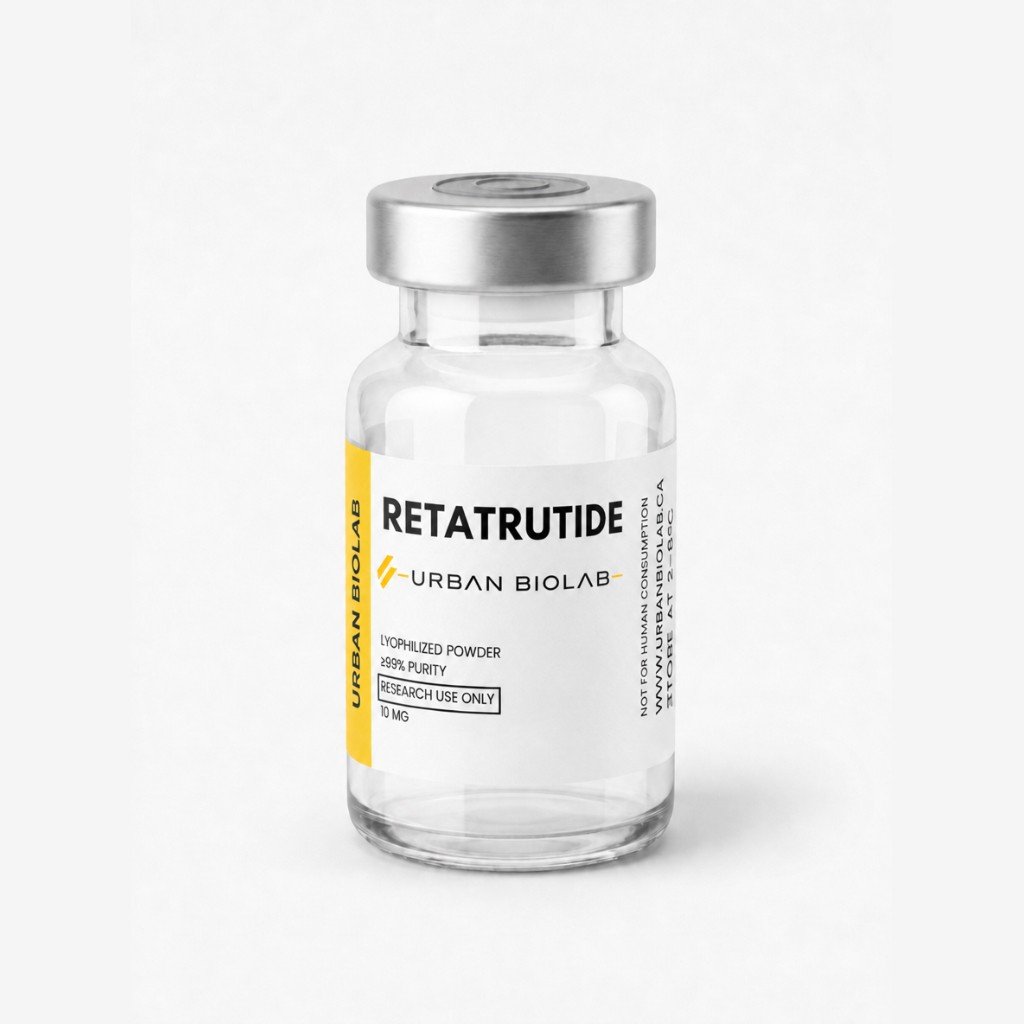
RT (Retatrutide) 10MG
RT10 is a cutting-edge investigational peptide designed for advanced scientific exploration in metabolic health and weight management research. Known for its unique mechanism as a triple agonist (GLP-1, GIP, and glucagon receptors), it has shown promising potential in preclinical studies related to appetite regulation, fat metabolism, and glycemic control.
Practical Applications for Canadians Seeking Solutions
Understanding the neuroscience of hunger provides a framework for evaluating weight management strategies. Approaches that work with dopamine and appetite regulation systems will succeed where willpower-dependent methods fail.
This principle applies whether pursuing peptide therapy or implementing lifestyle modifications designed to support neurological function.
Navigating the Canadian Healthcare Landscape
The Canadian healthcare landscape presents unique considerations for individuals exploring these options. While some peptide-based medications have received regulatory approval for specific indications, access through traditional healthcare channels often proves limited by cost, coverage restrictions, or prescribing hesitancy.
Research peptides offer an alternative pathway for informed individuals who understand both the potential benefits and the responsibilities of self-directed exploration.
Nutrition Strategies That Support Brain Chemistry
Protein intake influences both satiety hormones and dopamine precursor availability. High-protein meals suppress ghrelin more effectively than carbohydrate-heavy alternatives and provide the amino acid tyrosine needed for dopamine synthesis.
Aim for 1.5 to 2 grams of protein per kilogram of body weight to support both hormonal and neurological aspects of appetite regulation. Distributing protein across multiple smaller meals further optimizes satiety signaling.
Canadian dietary guidelines support increased protein intake, and local sources including wild-caught Pacific salmon, grass-fed Alberta beef, and Quebec dairy products provide high-quality options.
The Critical Role of Sleep
Sleep deprivation disrupts nearly every aspect of the appetite regulation system. Studies show that even one night of inadequate sleep increases ghrelin levels while decreasing leptin, creating a hormonal profile that promotes overeating.
Sleep restriction also impairs prefrontal cortex function, reducing the cognitive resources available for dietary self-control. Prioritizing 7-9 hours of quality sleep each night addresses multiple factors that drive weight gain.
Exercise Beyond Calorie Burning
Exercise influences dopamine systems in ways that may reduce food reward sensitivity over time. Regular physical activity increases dopamine receptor expression, potentially normalizing the reward processing that drives overeating.
Exercise also improves insulin sensitivity and may enhance leptin signaling, addressing hormonal aspects of appetite dysregulation. The benefits extend beyond calories burned to fundamental changes in how the brain processes reward.
Stress Management Matters
Stress management matters because chronic stress elevates cortisol, which promotes fat storage and increases reward-seeking behavior. Cortisol also impairs prefrontal cortex function, reducing self-control capacity when it may be most needed.
Practices that reduce stress—whether meditation, time in nature, or social connection—support the neurological infrastructure required for healthy eating patterns.
Setting Appropriate Expectations
For Canadians considering peptide therapy, understanding mechanism helps set appropriate expectations. These compounds don’t work through willpower enhancement or metabolic acceleration. They change how your brain responds to food at a fundamental level.
The experience is less about resisting temptation and more about temptation simply not arising with the same intensity. This represents genuine freedom rather than constant struggle.
Quality and Sourcing Considerations
Research peptides require careful attention to source quality and proper handling. Third-party testing and Certificates of Analysis provide assurance that products contain what they claim.
Canadian suppliers with domestic shipping offer advantages in terms of delivery speed and reduced customs concerns. Education about proper storage, reconstitution, and administration ensures that peptides retain their efficacy and safety.
The Future of Dopamine-Based Weight Management
Current peptide therapies represent early steps in what will likely become increasingly sophisticated interventions targeting the dopamine-appetite axis. Research directions suggest several promising developments for the coming years that may fundamentally reshape how we approach obesity treatment.
Shifting Perspectives on Obesity
The recognition that obesity involves neurological dysfunction rather than simple behavioral failure has already transformed medical and scientific perspectives. This shift carries implications for how society views weight struggles, how healthcare systems allocate resources, and how individuals understand their own experiences.
The stigma attached to obesity may gradually diminish as biological mechanisms receive wider recognition.
Personalized Medicine Approaches
Personalized medicine approaches aim to match individuals with treatments most likely to work for their specific neurological profiles. Genetic variations in dopamine receptor density, leptin sensitivity, and GLP-1 receptor function all influence treatment response.
As testing becomes more accessible, treatment selection may become more precise, improving outcomes while reducing trial and error.
Biomarker Development
Biomarker development could enable monitoring of neurological changes during treatment. Rather than relying solely on weight as an outcome measure, future protocols might track dopamine receptor availability, reward circuit activity patterns, or hormonal profiles to optimize dosing and predict long-term success.
This data-driven approach could identify non-responders early and guide treatment modifications before weight regain occurs.
Combination Therapies
Combination therapies that target multiple aspects of appetite regulation simultaneously show particular promise. Adding compounds that enhance dopamine receptor sensitivity or improve leptin signaling to existing GLP-1 agonists could produce even greater effects than current monotherapies.
The triple agonist approach already demonstrates this principle, and further combinations are under investigation.
Oral Formulations
Oral formulations of peptide therapies would remove barriers associated with injection administration. While technical challenges remain, progress toward oral GLP-1 agonists suggests that injection-free options may become available.
This development could substantially expand access, particularly for patients uncomfortable with self-injection.
The Gut-Brain Axis
Understanding the gut-brain axis continues to reveal new therapeutic targets. The connection between intestinal peptides and central dopamine systems involves multiple signaling pathways that remain incompletely characterized.
As research clarifies these relationships, novel interventions may emerge that target specific aspects of appetite dysregulation.
Broader Implications
The broader implication of this research extends beyond weight management. Recognizing that eating behavior reflects neurological function rather than moral character shifts responsibility from individual willpower to biological systems amenable to intervention.
This perspective reduces stigma while opening therapeutic possibilities that purely behavioral approaches cannot access.
Canadian Contributions
Canadian researchers contribute actively to this evolving field. Universities across the country investigate the neuroscience of appetite, and Canadian patients participate in clinical trials evaluating next-generation treatments.
The research peptide community serves as a bridge between academic investigation and practical application, allowing individuals to access compounds that may not yet have regulatory approval for obesity indications.
Frequently Asked Questions
How does dopamine actually cause overeating?
Dopamine creates craving by firing in anticipation of rewards rather than during reward consumption itself. When you see or smell food you’ve enjoyed before, dopamine neurons activate and create an urge to obtain that food.
This anticipatory surge occurs regardless of whether you’re actually hungry. The more palatable the food and the more frequently you’ve consumed it, the stronger the dopamine response to associated cues. This system evolved to motivate food-seeking in environments of scarcity but now drives overconsumption in settings of constant food availability.
Why does willpower work in the morning but fail at night?
The prefrontal cortex, which provides executive control over impulses, requires metabolic energy to function effectively. Each act of self-control throughout the day depletes available resources.
By evening, after hours of decision-making and impulse suppression in various life domains, the prefrontal cortex operates with reduced capacity. Meanwhile, dopamine systems driving food cravings remain active. The mismatch between depleted control and sustained craving explains why dietary adherence typically collapses during evening hours.
Do peptide therapies for weight loss cause addiction?
No. GLP-1 receptor agonists modulate dopamine systems through mechanisms entirely different from drugs of abuse. Rather than flooding synapses with dopamine, these peptides increase dopamine transporter expression, which actually reduces free dopamine in reward-related brain regions.
This dampens craving without producing euphoria or tolerance. Studies show GLP-1 agonists decrease addictive behaviors including alcohol consumption and drug-seeking—the opposite of what would occur with addiction-promoting compounds.
What role do leptin and ghrelin play in weight regain after dieting?
Leptin levels drop by 50% or more with significant weight loss, signaling the brain that the body is in a starvation state. Simultaneously, ghrelin rises 20-30% above baseline and remains elevated for years.
This hormonal shift creates persistent hunger that fights against weight maintenance. Research confirms these changes persist indefinitely, essentially creating a permanent biological drive toward weight regain that willpower alone cannot overcome.
How do triple agonist peptides differ from single-target GLP-1 medications?
Triple agonists activate GLP-1, GIP, and glucagon receptors simultaneously. While GLP-1 suppresses appetite and slows gastric emptying, GIP adds complementary effects on fat metabolism and insulin sensitivity. Glucagon receptor activation increases energy expenditure and enhances fat breakdown.
The combined effect produces greater weight loss than any single-receptor approach, with clinical trials showing average reductions exceeding 24% of body weight. The synergy between pathways exceeds what adding individual effects would predict.
Can lifestyle changes produce the same effects as peptide therapy?
Lifestyle modifications including high protein intake, adequate sleep, regular exercise, and stress management can support healthy dopamine and appetite hormone function.
However, for individuals with significant hormonal dysregulation or obesity, these measures typically prove insufficient on their own. The biological defense mechanisms that resist weight loss overwhelm lifestyle interventions in most cases. Peptide therapy provides pharmacological support for the neurological changes that lifestyle alone cannot achieve.
How long do brain changes from peptide therapy last after stopping treatment?
Unfortunately, the neurological benefits of peptide therapy generally reverse when treatment stops. Within weeks to months of discontinuation, hunger hormones return to their pre-treatment levels, and reward responses to food intensify.
Studies show that 70-85% of weight lost on these medications returns within 12-18 months after stopping. This reflects the persistent biological mechanisms that defend higher body weight and underscores why obesity increasingly is recognized as a chronic condition requiring ongoing management.
What brain regions are most affected by GLP-1 receptor activation?
GLP-1 receptors appear at high concentrations in several brain areas governing appetite and reward. The lateral septum shows particularly high expression and appears central to dopamine modulation effects.
The ventral tegmental area and nucleus accumbens, components of the mesolimbic reward pathway, also contain GLP-1 receptors. The hypothalamus, which integrates hunger and satiety signals, responds to GLP-1 as well. Brain imaging shows reduced activation in the insula, putamen, and orbitofrontal cortex during food cue exposure in treated patients.
Is the dopamine system the same in everyone, or do genetic differences matter?
Substantial genetic variation exists in dopamine receptor density, transporter efficiency, and related factors. Some individuals inherit configurations that predispose them to heightened reward sensitivity and stronger cravings, while others have naturally dampened reward responses.
These differences help explain why some people struggle intensely with weight while others maintain healthy weights effortlessly despite similar environments. As genetic testing becomes more accessible, treatment selection may increasingly account for individual neurological profiles.
How do these peptides affect enjoyment of food versus craving for food?
Research shows GLP-1 agonists increase dopamine neuron activity during actual food consumption while decreasing activity during cue presentation.
This means you may enjoy eating as much or more when you do eat, but you think about food less between meals. The distinction between “liking” (pleasure from consumption) and “wanting” (craving and seeking) reflects separate but related dopamine systems. Peptide therapy appears to reduce wanting while preserving liking, producing satisfaction without obsession.
Glossary of Key Terms
Dopamine
A neurotransmitter primarily involved in motivation, reward anticipation, and motor control. Dopamine drives the wanting of rewards rather than the pleasure from obtaining them. Food cues trigger dopamine release, creating craving before eating begins.
Prefrontal Cortex
The brain region behind the forehead responsible for executive functions including impulse control, decision-making, and long-term planning. This area allows conscious override of immediate desires but becomes less effective with repeated use and fatigue.
Nucleus Accumbens
A structure in the ventral striatum often called the brain’s reward center. It receives dopamine input and plays a central role in processing reward, motivation, and reinforcement learning. Highly palatable foods strongly activate this region.
Leptin
A hormone produced by fat cells that signals satiety to the brain. Leptin normally reduces appetite, but people with obesity often develop leptin resistance where the brain fails to respond appropriately to this signal.
Ghrelin
Often called the hunger hormone, ghrelin is produced primarily by the stomach when empty. It signals the brain to seek food. Ghrelin levels rise before meals and after weight loss, contributing to persistent hunger.
GLP-1 (Glucagon-Like Peptide-1)
A hormone produced in the intestines that slows gastric emptying, increases insulin secretion, and reduces appetite. GLP-1 receptors exist throughout the brain where they modulate reward and satiety signaling.
GIP (Glucose-Dependent Insulinotropic Polypeptide)
An incretin hormone that influences insulin secretion and fat metabolism. When combined with GLP-1 receptor activation, GIP appears to enhance weight loss effects synergistically.
Ventral Tegmental Area
A midbrain structure containing dopamine neurons that project to the nucleus accumbens and other reward-related regions. This area is central to the mesolimbic dopamine pathway that drives reward-seeking behavior.
Ego Depletion
The phenomenon where exerting self-control reduces the capacity for subsequent self-control. The prefrontal cortex becomes less effective with repeated use, explaining why willpower tends to fail after prolonged exertion.
Set Point
The concept that the body defends a particular weight through coordinated hormonal and neurological responses. After weight loss, multiple systems work to restore the previous weight, making maintenance difficult.
Lateral Septum
A brain region expressing high levels of GLP-1 receptors. This area appears central to how GLP-1 agonists modulate dopamine transporter activity and reduce reward-related behaviors.
Adaptive Thermogenesis
The reduction in metabolic rate that exceeds what body composition changes would predict following weight loss. This adaptation persists for years and contributes to the biological defense of higher body weight.
References
Klausen, M.K., et al. (2022). “The role of glucagon-like peptide 1 (GLP-1) in addictive disorders.” British Journal of Pharmacology, 179(4), 625-641.
Eren-Yazicioglu, C.Y., et al. (2021). “Can GLP-1 Be a Target for Reward System Related Disorders? A Qualitative Synthesis and Systematic Review Analysis of Studies on Palatable Food, Drugs of Abuse, and Alcohol.” Frontiers in Behavioral Neuroscience, 14, 614884.
American Psychological Association. “What You Need to Know About Willpower: The Psychological Science of Self-Control.” APA Reports.
Research Use Disclaimer: This article is provided for educational and informational purposes only. The peptides discussed are sold strictly for research purposes. They are not intended for human consumption, and no claims are made regarding their safety or efficacy for any specific medical condition. Always consult with a qualified healthcare professional before making decisions about your health. Red Fox Peptides is a Canadian research peptide supplier and does not provide medical advice.