By Brian Bergerone, M.Sc.
Clinical Research Coordinator | Metabolic Health Specialist
Calgary, Alberta, Canada
The Short Answer
When comparing tirzepatide and semaglutide head-to-head in clinical trials, tirzepatide consistently produces greater weight loss. The landmark SURMOUNT-5 trial demonstrated that participants taking tirzepatide lost 20.2% of their body weight compared to 13.7% with semaglutide over 72 weeks. For someone weighing 200 pounds, that’s roughly 40 pounds lost with tirzepatide versus 27 pounds with semaglutide.
Both medications share similar gastrointestinal side effects—nausea, vomiting, and diarrhea—though tirzepatide tends to cause fewer of these issues. The key difference lies in their mechanisms: tirzepatide works as a dual GIP/GLP-1 receptor agonist, while semaglutide activates only GLP-1 receptors. Both require weekly subcutaneous injections with gradual dose escalation over several months.
Understanding GLP-1 Agonists
GLP-1, or glucagon-like peptide-1, is a hormone your intestines naturally release after eating. It performs several critical metabolic functions: signaling your pancreas to release insulin, telling your liver to reduce glucose production, and communicating with your brain to suppress appetite. The challenge is that natural GLP-1 breaks down within minutes, limiting its effectiveness.
GLP-1 receptor agonists are synthetic versions designed to last much longer. Where natural GLP-1 survives for approximately 2 minutes, these medications remain active for days, enabling once-weekly dosing. This extended presence amplifies all the beneficial effects of the hormone.
A Bit of History: The first GLP-1 agonist, exenatide (Byetta), was developed from a compound found in Gila monster saliva. Researchers discovered that this venomous lizard’s saliva contained a molecule similar to human GLP-1 but with a much longer half-life.
These medications suppress appetite through multiple pathways. They slow gastric emptying, meaning food stays in your stomach longer and you feel full for extended periods. They also act directly on appetite centers in the brain, reducing hunger signals and food cravings. Many patients describe feeling satisfied with much smaller portions and losing interest in snacking between meals.
Both tirzepatide and semaglutide activate GLP-1 receptors, but tirzepatide goes further by also activating GIP (glucose-dependent insulinotropic polypeptide) receptors. This dual mechanism appears to enhance weight loss beyond what GLP-1 activation alone achieves.
How They Work: Single vs. Dual Receptor Action
The fundamental difference between these medications comes down to receptor activation. Semaglutide acts exclusively on GLP-1 receptors, while tirzepatide activates both GLP-1 and GIP receptors simultaneously. This distinction has proven clinically significant.
Semaglutide: The GLP-1 Specialist
Semaglutide mimics the action of native GLP-1 with three primary effects on metabolism. First, it enhances glucose-dependent insulin secretion from pancreatic beta cells. Second, it suppresses glucagon release when blood sugar levels are elevated. Third, it delays gastric emptying and reduces appetite through central nervous system signaling.
The foundation of GLP-1 therapy has been studied extensively since 2005, providing substantial long-term safety data. Semaglutide received FDA approval for type 2 diabetes in 2017 (as Ozempic) and for weight management in 2021 (as Wegovy).
Tirzepatide: The Dual-Action Approach
Tirzepatide combines GLP-1 activity with GIP receptor activation. GIP, the other major incretin hormone, provides complementary metabolic benefits. Research suggests GIP co-activation enhances insulin secretion, improves fat metabolism, and may even reduce some of the nausea associated with pure GLP-1 therapy.
The structural design of tirzepatide is primarily based on the GIP amino acid sequence rather than GLP-1. This unique approach allows for potent activation of both receptor types while maintaining a favorable side effect profile. Clinical data suggests the GIP component may actually buffer some gastrointestinal side effects that pure GLP-1 activation causes.
| Feature | Semaglutide | Tirzepatide |
|---|---|---|
| Receptor Targets | GLP-1 only | GLP-1 + GIP |
| Mechanism Type | Single agonist | Dual agonist |
| Primary Structure | GLP-1 based | GIP based |
| FDA Approval (Obesity) | 2021 | 2023 |
| Brand Names (Weight Loss) | Wegovy | Zepbound |
| Brand Names (Diabetes) | Ozempic | Mounjaro |
My Perspective: The dual mechanism of tirzepatide represents a genuine advancement in obesity pharmacotherapy. After reviewing the clinical data extensively, I believe the additional GIP activation creates a synergistic effect that explains the superior weight loss outcomes. This is not simply about using a higher dose of similar medication.
Clinical Trial Results: The Evidence
The most definitive comparison comes from the SURMOUNT-5 trial, published in the New England Journal of Medicine in May 2025. This phase 3b, open-label trial directly compared tirzepatide and semaglutide in 751 adults with obesity but without type 2 diabetes over 72 weeks.
SURMOUNT-5 Head-to-Head Results
Participants receiving tirzepatide achieved a mean weight reduction of 20.2% from baseline compared to 13.7% for those receiving semaglutide. For context, if you weigh 220 pounds at baseline, tirzepatide would result in approximately 44 pounds lost while semaglutide would produce about 30 pounds lost over the same period.
The differences extended to other meaningful outcomes as well. Waist circumference decreased by 18.4 cm (about 7.2 inches) with tirzepatide compared to 13.0 cm (about 5.1 inches) with semaglutide. Participants taking tirzepatide were also significantly more likely to achieve weight loss thresholds of 10%, 15%, 20%, and 25%.
Response Rates and Threshold Achievement
Looking at clinical response rates provides another perspective on effectiveness. In the SURMOUNT-1 trial studying tirzepatide alone, 89% of participants achieved at least 10% weight loss with the highest dose. Comparable semaglutide trials showed 68% of participants reaching this threshold with the standard 2.4 mg dose.
A 2025 meta-analysis examining both randomized controlled trials and real-world data confirmed tirzepatide’s superiority. The analysis found tirzepatide produces an additional 4.23% weight loss compared to semaglutide across all timepoints, with the difference increasing at higher doses and longer treatment durations.
Real-World Evidence
Clinical trials represent controlled environments that may not reflect typical patient experiences. Real-world studies published in JAMA Internal Medicine examined over 41,000 adults using either medication in clinical practice. After propensity score matching to ensure comparable groups, tirzepatide users were 76% more likely to achieve 5% weight loss, 154% more likely to reach 10% loss, and 224% more likely to hit 15% weight reduction compared to semaglutide users.
At 12 months of treatment in real-world settings, the difference between medications was 6.9 percentage points, closely matching the clinical trial findings. This consistency between controlled trials and everyday use strengthens confidence in the observed differences.
Side Effects and Tolerability
Both medications share a similar side effect profile dominated by gastrointestinal symptoms. These effects stem directly from their mechanism of action, particularly the delayed gastric emptying that helps reduce appetite. Most side effects occur during dose escalation and diminish as the body adjusts to treatment.
Understanding what to expect helps patients distinguish between normal adjustment symptoms and problems requiring medical attention. Most people experience some gastrointestinal effects, but the severity and duration vary significantly between individuals.
Common Gastrointestinal Effects
Nausea represents the most frequently reported side effect for both medications. However, the rates differ somewhat between treatments. In the SURMOUNT-5 trial, gastrointestinal adverse events were the most common in both groups, though most were mild to moderate in severity and occurred primarily during dose escalation phases.
The pattern of gastrointestinal symptoms follows a predictable course for most patients. Symptoms typically peak within the first few weeks of starting a new dose level, then gradually improve as the body adapts. By week 12 of treatment at a stable dose, most patients report significant improvement or complete resolution of initial symptoms.
Semaglutide Side Effects:
- Nausea: 44%
- Diarrhea: 30%
- Vomiting: 24%
- Constipation: 24%
Tirzepatide Side Effects:
- Nausea: 25-28%
- Diarrhea: 21-23%
- Vomiting: 10-12%
- Constipation: 16-17%
Interesting Finding: The GIP component of tirzepatide may actually reduce nausea compared to pure GLP-1 medications. Research suggests GIP receptor activation buffers some of the gastrointestinal distress that GLP-1 causes, which could explain why tirzepatide shows lower nausea rates despite producing greater weight loss.
Managing Gastrointestinal Side Effects
Several strategies can minimize gastrointestinal discomfort during treatment. Eating smaller, more frequent meals rather than large portions reduces the burden on a digestive system already slowed by medication effects. Avoiding high-fat, greasy, or heavily processed foods also helps, as these take longer to digest and are more likely to cause nausea.
Staying well hydrated is essential, especially if experiencing diarrhea or vomiting. Ginger in various forms (tea, candies, supplements) and peppermint can provide natural nausea relief. Some patients find that eating bland, easily digestible foods during symptomatic periods helps more than avoiding food altogether.
Timing of meals relative to injection can matter for some patients. Some find that injecting in the evening reduces daytime nausea, while others prefer morning injections to avoid overnight discomfort. Experimenting with timing under medical guidance can help optimize tolerability.
Discontinuation Rates
Treatment discontinuation due to adverse events provides an important tolerability measure. Semaglutide trials show approximately 11% of participants discontinue due to side effects, while tirzepatide trials report rates around 6-7%. This difference may reflect tirzepatide’s potentially better gastrointestinal tolerability profile.
The lower discontinuation rates with tirzepatide are particularly notable given its superior weight loss efficacy. Typically, more effective treatments come with trade-offs in tolerability. Tirzepatide appears to offer both better efficacy and better tolerability, which likely relates to the dual mechanism including GIP receptor activation.
Serious Adverse Events
Both medications carry warnings about potential serious risks that require monitoring. These include pancreatitis, gallbladder disease, and in patients with diabetes, potential worsening of diabetic retinopathy. Neither medication should be used in patients with a personal or family history of medullary thyroid carcinoma or Multiple Endocrine Neoplasia syndrome type 2.
Pancreatitis symptoms include severe abdominal pain that may radiate to the back, nausea, vomiting, and fever. If these symptoms occur, treatment should be stopped immediately and medical attention sought. While pancreatitis is uncommon, the consequences can be serious.
Rapid weight loss from any cause can increase gallstone risk, and both medications have been associated with increased rates of cholelithiasis. Semaglutide trials showed a 2.5-fold increased risk for gallbladder-related disorders, particularly gallstones. Tirzepatide’s risk profile for biliary events appears somewhat lower, though more long-term data is needed.
Acute kidney injury can occur, typically related to dehydration from gastrointestinal side effects. Maintaining adequate hydration and seeking medical attention for severe or prolonged vomiting or diarrhea helps prevent this complication.
Important Safety Note: Both tirzepatide and semaglutide can affect the absorption of oral medications due to delayed gastric emptying. Women using oral contraceptives should consider additional non-hormonal contraception, especially during the first 4 weeks after starting treatment and after dose increases. Discuss all current medications with your healthcare provider before starting treatment.
Long-Term Safety Considerations
Semaglutide has been available since 2017, providing several years of real-world safety data. Cardiovascular outcome trials have demonstrated safety and even potential benefit for heart-related events in patients with established cardiovascular disease. Tirzepatide has less long-term data available given its more recent approval, though ongoing cardiovascular outcome trials will provide additional safety information.
The thyroid tumor warnings on both medications derive from animal studies showing increased risk of thyroid C-cell tumors in rodents. While the relevance to humans remains uncertain, the precautionary approach excludes patients with personal or family history of medullary thyroid carcinoma from using these medications.
Dosing Schedules and Administration
Both medications use once-weekly subcutaneous injection and require gradual dose escalation to minimize gastrointestinal side effects. The titration schedules differ somewhat between the two drugs.
Semaglutide Dosing Protocol (Wegovy)
- Weeks 1-4: 0.25 mg weekly
- Weeks 5-8: 0.5 mg weekly
- Weeks 9-12: 1.0 mg weekly
- Weeks 13-16: 1.7 mg weekly
- Week 17+: 2.4 mg weekly (maintenance)
Tirzepatide Dosing Protocol (Zepbound)
- Weeks 1-4: 2.5 mg weekly
- Weeks 5-8: 5 mg weekly
- Weeks 9-12: 7.5 mg weekly
- Weeks 13-16: 10 mg weekly
- Weeks 17-20: 12.5 mg weekly
- Week 21+: 15 mg weekly (maximum)
My Perspective: The extended titration schedule for tirzepatide may actually be advantageous. The slower escalation gives your body more time to adapt, potentially reducing the intensity of gastrointestinal side effects. Many patients find the gradual approach more tolerable than rushing to maximum doses.
Administration Techniques
Both medications come in prefilled injection pens designed for self-administration. Injections should be given subcutaneously in the abdomen, thigh, or upper arm. Rotating injection sites with each dose helps prevent irritation or lipodystrophy at injection sites.
The injections can be given at any time of day, with or without food. Consistency in timing helps establish routine, though missing your usual time by a few hours has no significant impact on effectiveness.
Cost and Availability in Canada
Cost represents a significant factor in treatment decisions for many Canadians. Both medications carry substantial price tags, and insurance coverage varies considerably depending on indication and provider.
Current Canadian Pricing
Semaglutide in Canada typically costs between $200-300 for a four-week supply depending on dose and formulation. The annual drug cost for subcutaneous semaglutide at the 1 mg dose runs approximately $3,030. Higher doses for weight management may cost more.
Tirzepatide generally ranges from $300-450 for a four-week supply at lower doses. Annual costs escalate substantially at higher maintenance doses, with the 12.5-15 mg doses potentially exceeding $10,000 annually based on recent Eli Lilly pricing changes in Canada.
Insurance Coverage Considerations
Provincial drug plans in Canada generally cover semaglutide for type 2 diabetes under restricted criteria, but coverage for weight management indications remains limited. Tirzepatide is classified as a non-benefit under programs like BC PharmaCare.
Private insurance and employer benefit plans may provide better coverage, though weight loss is often considered an off-label use for tirzepatide in Canada, which can complicate reimbursement. Patients frequently need to demonstrate diabetes diagnosis or other approved indications to access coverage.
Looking Ahead: The Canadian patent for semaglutide is scheduled to expire in January 2026. Sandoz has already initiated approval processes for generic versions, which could substantially reduce costs for Canadian patients in the near future.
Access Options
For patients without adequate insurance coverage, manufacturer patient assistance programs may provide some relief. Eli Lilly offers savings programs for eligible patients with diabetes who are over 18. Direct-to-consumer sales channels have not yet launched in Canada for these medications.
Some Canadians access these medications through research peptide suppliers, though these sources are not FDA or Health Canada approved for medical treatment. Anyone considering such alternatives should discuss the risks and legal implications with their healthcare provider.
Who Should Consider Each Medication
Selecting between tirzepatide and semaglutide depends on individual factors including weight loss goals, tolerance for side effects, existing health conditions, and practical considerations like cost and availability.
Both medications work well for most people who qualify. The “best” choice depends on your specific situation, goals, and constraints. Working with a healthcare provider who understands your complete medical picture is essential for making an informed decision.
Tirzepatide May Be Preferred For:
- Patients with significant weight loss goals exceeding 15-20% of body weight
- Those who have tried semaglutide without achieving desired results
- Patients with type 2 diabetes seeking combined glycemic control and weight loss
- Individuals who experienced significant nausea on GLP-1 only medications
- Those with adequate financial resources or insurance coverage
The additional weight loss tirzepatide provides may be particularly valuable for patients with severe obesity (BMI over 40) or those with multiple obesity-related health conditions where maximum weight reduction offers the greatest health benefits. Every additional percentage point of weight loss translates to meaningful improvements in metabolic markers, joint stress, and overall health outcomes.
Semaglutide May Be Preferred For:
- Patients with moderate weight loss goals of 10-15% body weight
- Those seeking an oral option (Rybelsus available for diabetes)
- Patients concerned about cardiovascular outcomes (more long-term data available)
- Those with budget constraints requiring lower-cost options
- Patients who prefer medications with longer track records
Semaglutide’s longer market presence provides more real-world safety data and established cardiovascular benefits. For patients with established heart disease or high cardiovascular risk, this additional safety evidence may tip the balance toward semaglutide. The potential availability of generics in Canada by 2026 may also make semaglutide more accessible for cost-conscious patients.
Key Point: Neither medication represents a universally “better” choice. The optimal selection depends on balancing efficacy goals against practical constraints. Many patients achieve excellent results with semaglutide, while those needing maximum weight loss may benefit more from tirzepatide’s enhanced efficacy.
Special Populations
Older adults can use both medications safely, though slower dose escalation and closer monitoring may be appropriate. Protein intake becomes especially important in older populations to preserve muscle mass that supports mobility and independence.
Patients with type 2 diabetes benefit from both medications’ glucose-lowering effects. However, dose adjustments of other diabetes medications may be needed to prevent hypoglycemia, particularly for those taking insulin or sulfonylureas.
Those with kidney disease require careful monitoring, as both medications can increase dehydration risk from gastrointestinal side effects. Acute kidney injury has been reported, typically in the context of severe vomiting or diarrhea leading to volume depletion.
Contraindications for Both
Certain conditions preclude use of either medication. These include personal or family history of medullary thyroid carcinoma, Multiple Endocrine Neoplasia syndrome type 2, known hypersensitivity to the medication or its components, and pregnancy or plans to become pregnant. Both medications should be used cautiously in patients with a history of pancreatitis.
A history of eating disorders requires careful evaluation before starting these medications. While appetite suppression may seem helpful, the psychological complexity of disordered eating patterns can interact with medication effects in unpredictable ways. Mental health support should be part of treatment planning for these patients.
Active gallbladder disease may warrant treatment before starting either medication, given the increased cholelithiasis risk associated with rapid weight loss. Patients with a history of gallstones should discuss monitoring strategies with their healthcare provider.
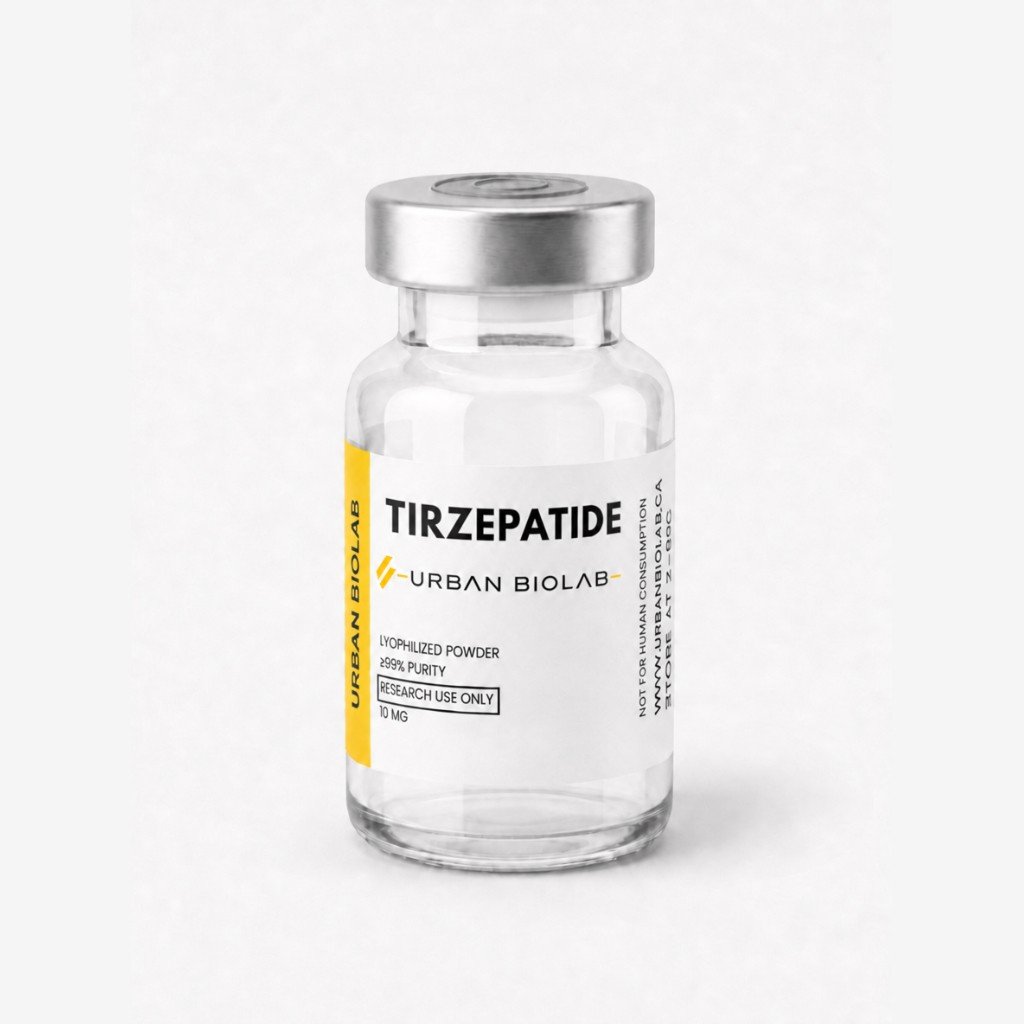
Tirzepatide 60MG
Tirzepatide 10mg is a synthetic research peptide classified as a dual GIP and GLP-1 receptor agonist, widely studied for its role in glucose metabolism, insulin signaling, and appetite regulation pathways. In laboratory research settings, Tirzepatide is of interest for investigations into metabolic regulation, energy balance, and endocrine system signaling.
Long-Term Weight Maintenance
Perhaps the most important consideration for anyone starting these medications is understanding the long-term commitment they require. Both tirzepatide and semaglutide are designed for chronic, ongoing use rather than short-term weight loss cycles.
The concept of weight “maintenance” takes on new meaning with these medications. Traditional diet approaches often frame maintenance as the phase after weight loss where you work to keep weight off through continued lifestyle efforts. With GLP-1 medications, maintenance typically means continued medication use at therapeutic doses, potentially for the rest of your life.
This reality should not discourage anyone from treatment. We accept lifelong medication for conditions like hypertension, type 2 diabetes, and high cholesterol. Obesity is similarly a chronic metabolic condition with biological drivers that extend far beyond willpower or lifestyle choices. The medications correct underlying hormonal and neurological imbalances that drive excess weight.
What Happens When You Stop
Clinical data consistently shows significant weight regain within 6-12 months of discontinuing either medication. The SURMOUNT-4 trial specifically examined this question for tirzepatide, finding that participants who stopped treatment after 36 weeks regained approximately two-thirds of their lost weight within the following year.
This pattern mirrors what happens after stopping semaglutide. The metabolic adaptations that made weight loss possible reverse when medication support is withdrawn. Appetite increases, energy expenditure decreases, and the body works to restore its previous weight set point.
The biological mechanisms driving regain are well understood. When you lose weight, your body interprets this as a potential famine situation and activates powerful compensatory responses. Ghrelin (the hunger hormone) increases, leptin (the satiety hormone) decreases, and your metabolic rate drops to conserve energy. These adaptations evolved to protect against starvation but work against modern weight loss efforts.
GLP-1 medications override these compensatory mechanisms while you take them. They suppress ghrelin’s effects, enhance leptin sensitivity, and maintain metabolic rate despite ongoing weight loss. Discontinuing the medication removes this override, allowing the body’s weight-regulating systems to push toward restoration of lost weight.
My Perspective: The weight regain data should not discourage anyone from starting treatment. We don’t criticize blood pressure medications for failing to permanently cure hypertension after stopping them. Obesity is similarly a chronic condition that requires ongoing management. Viewing these medications as long-term tools rather than temporary fixes sets appropriate expectations.
Maintenance Dosing Strategies
Some research suggests that lower maintenance doses may preserve weight loss for some patients after reaching their goals on maximum doses. However, individualized approaches under medical supervision are essential. Simply reducing doses without guidance frequently leads to weight regain.
The duration of treatment before considering dose reduction matters significantly. Patients who have maintained their new weight for extended periods may have established better metabolic adaptation, though definitive guidance on optimal maintenance protocols continues to evolve.
Lifestyle Factors for Success
While these medications provide powerful metabolic support, integrating sustainable lifestyle changes maximizes long-term outcomes. Patients who develop healthy eating habits, regular physical activity routines, and adequate sleep patterns during treatment often fare better if medications are eventually reduced or discontinued.
Switching Between Medications
Patients sometimes need or want to switch between tirzepatide and semaglutide. Common reasons include inadequate response, intolerable side effects, insurance changes, or supply availability issues. Transitions can be made safely under medical supervision.
Switching from Semaglutide to Tirzepatide
Most physicians recommend a direct transition without a washout period. After your last semaglutide dose, wait 7 days (your normal dosing interval), then begin tirzepatide at the lowest starting dose of 2.5 mg weekly. Follow the standard escalation schedule from there.
Patients switching for inadequate weight loss response often see improved results on tirzepatide. Those switching due to nausea may find the dual mechanism more tolerable. Regardless of the reason for switching, starting at the beginning of the tirzepatide escalation schedule helps ensure tolerability.
Switching from Tirzepatide to Semaglutide
Transition in this direction follows similar principles. Wait 7 days after your last tirzepatide dose, then begin semaglutide at the starting dose of 0.25 mg weekly. Some patients report increased nausea when switching in this direction, potentially due to losing the GIP-mediated tolerability benefits.
Important Note: Never attempt to switch between these medications without guidance from your healthcare provider. Dosing equivalencies are not straightforward, and individualized adjustments based on your response to previous treatment are essential for safe transitions.
What to Expect During Transition
Gastrointestinal symptoms often return during the initial weeks of a new medication, even if you tolerated the previous one well. Weight may fluctuate as your body adjusts to the different mechanism. Most patients stabilize within 4-8 weeks of consistent dosing on the new medication.
Lifestyle Factors That Impact Results
While these medications produce substantial weight loss even without major lifestyle changes, certain behaviors significantly influence outcomes. Patients who optimize these factors often achieve results at the higher end of clinical trial ranges.
The relationship between medication and lifestyle is synergistic rather than simply additive. The appetite suppression these drugs provide creates a window of opportunity for establishing healthier habits that were previously difficult or impossible to maintain. Many patients describe finally being able to make choices about food rather than feeling controlled by constant hunger.
Dietary Considerations
The appetite suppression these medications provide creates an opportunity to establish healthier eating patterns. Reduced hunger makes it easier to choose nutrient-dense foods, control portions, and avoid mindless snacking. Many patients naturally gravitate toward lighter meals that are easier to digest given the delayed gastric emptying.
Protein intake deserves special attention during rapid weight loss. Your body requires adequate protein to preserve lean muscle mass, which supports metabolic rate and functional capacity. Most experts recommend consuming at least 0.8 grams of protein per pound of body weight daily, focusing on complete protein sources like lean meats, fish, eggs, dairy, and legumes.
The type of food you eat matters more on these medications. High-fat, greasy, or heavily processed foods often trigger more severe gastrointestinal symptoms than lean proteins, vegetables, and whole grains. Many patients report their bodies reject foods they previously enjoyed, particularly fast food and highly processed options.
Practical Tips:
- Eat smaller, more frequent meals to reduce nausea
- Prioritize protein to preserve muscle mass during weight loss
- Avoid fatty, greasy, or heavily processed foods that worsen GI symptoms
- Stay well hydrated, especially if experiencing diarrhea
- Consider ginger or peppermint for nausea relief
- Stop eating at the first sign of fullness
- Chew food thoroughly and eat slowly
Physical Activity
Exercise remains important for overall health and helps preserve lean muscle mass during weight loss. As weight decreases, physical activity often becomes easier and more enjoyable. Resistance training is particularly valuable for maintaining muscle, which supports metabolic rate.
The approach to exercise should evolve throughout treatment. During initial dose escalation when energy levels may be low and gastrointestinal symptoms more prominent, gentle activity like walking is often most appropriate. As your body adjusts and weight drops, more intensive exercise becomes feasible and beneficial.
Resistance training deserves particular emphasis. When losing significant weight, some portion inevitably comes from lean tissue rather than fat alone. Clinical data suggests 25-40% of weight lost may come from lean mass without intervention. Regular resistance training can substantially reduce this loss.
Some patients experience reduced energy during the initial dose escalation phase. This typically resolves as the body adjusts. Listening to your body and gradually increasing activity levels rather than pushing through fatigue produces better long-term outcomes.
Hydration
Adequate hydration takes on increased importance while taking these medications. Gastrointestinal side effects like diarrhea and vomiting can deplete fluids rapidly. Additionally, reduced food intake often means less water consumed through food sources.
Most patients should aim for at least 64 ounces of water daily, with more needed during periods of increased side effects or physical activity. Signs of dehydration include dark urine, dizziness upon standing, fatigue, and headaches.
Alcohol Considerations
Alcohol is not contraindicated with either medication, but tolerance typically decreases significantly. Many patients report feeling intoxicated more quickly and experiencing worse hangovers. Alcohol can also worsen nausea and gastrointestinal side effects, particularly during dose escalation.
The reduced tolerance appears related to delayed gastric emptying, which slows alcohol absorption and alters blood alcohol curves. What previously felt like moderate drinking may produce much stronger effects on these medications.
Interesting Research: Studies suggest GLP-1 medications may reduce alcohol cravings and consumption in some patients. This unexpected benefit has sparked interest in studying these drugs for alcohol use disorder, with several clinical trials now underway. Some patients report simply losing interest in drinking after starting treatment.
Sleep and Stress
Adequate sleep supports weight loss through multiple mechanisms including hormone regulation, appetite control, and energy for physical activity. Patients with untreated sleep apnea often see improvement as weight decreases, creating a positive feedback loop.
Sleep quality often improves as weight decreases. Reduced body weight alleviates obstructive sleep apnea symptoms, reduces joint pain that can interfere with sleep positioning, and decreases gastroesophageal reflux that causes nighttime discomfort.
Chronic stress can undermine weight loss efforts through cortisol’s metabolic effects and stress-related eating behaviors. While these medications help control physical hunger, emotional eating patterns may require additional behavioral support to address effectively.
Developing stress management strategies that don’t involve food becomes particularly important. Many people have used eating as a coping mechanism for years, and removing that option without replacement strategies can feel destabilizing. Working with a therapist, joining support groups, or developing alternative stress relief practices supports overall success.
Making Your Decision: A Framework for Choosing
With all this information in mind, how do you actually choose between tirzepatide and semaglutide? The decision involves weighing multiple factors against your personal priorities and circumstances.
Start by clearly defining your weight loss goals. If you need to lose 15% or more of your body weight to reach a healthy range or address significant obesity-related health conditions, tirzepatide’s superior efficacy may be worth the additional cost and complexity. If more moderate weight loss would achieve your health goals, semaglutide may provide excellent results at potentially lower cost.
Consider your tolerance for uncertainty. Semaglutide has been on the market longer with more extensive safety data and established cardiovascular benefits. Some patients prefer this proven track record over tirzepatide’s newer but potentially more effective option. Others are comfortable accepting less long-term data in exchange for better weight loss results.
Evaluate practical constraints honestly. If cost represents a significant barrier and insurance coverage is limited, semaglutide may be more accessible, especially as generic options approach the Canadian market. If cost is not a primary concern, the decision can focus more purely on efficacy and tolerability.
Think about your history with previous weight loss attempts. Patients who have tried semaglutide or similar medications without adequate results may benefit from tirzepatide’s different mechanism. Those new to pharmaceutical weight loss support might do well starting with either option.
My Perspective: After reviewing all available evidence, I believe tirzepatide represents a genuine advancement for patients who need maximum weight loss support. However, semaglutide remains an excellent option that works well for many people. The “best” medication is the one you can access, afford, and tolerate well enough to use consistently. Don’t let perfect become the enemy of good.
Have an honest conversation with your healthcare provider about all these factors. Share your goals, concerns about side effects, financial constraints, and preferences. A collaborative decision-making process leads to better treatment adherence and outcomes than simply following a recommendation without understanding the rationale.
Remember that starting one medication does not commit you forever. Many patients switch between these medications based on response, tolerability, or changing circumstances. The goal is finding a sustainable treatment approach that supports your long-term health, not making a permanent decision under pressure.
Frequently Asked Questions
Which medication produces faster weight loss?
Tirzepatide shows faster initial weight loss velocity. Clinical data shows tirzepatide achieves 17.3% weight loss by week 24 compared to 10-11% for semaglutide at similar timepoints. However, both require 3-5 months of dose escalation before reaching maximum effect, so dramatic early results should not be expected with either medication.
Can I take these medications if I am over 65 years old?
Age alone does not contraindicate use of either medication. Clinical trials included patients up to age 75 with maintained efficacy across age groups. Older adults should start with the lowest doses and follow slower escalation schedules. Protein intake should be emphasized to preserve muscle mass, and more frequent medical follow-up during initial months is recommended.
Do these medications interact with birth control?
Yes, both medications can potentially reduce the effectiveness of oral contraceptives due to delayed gastric emptying and vomiting if it occurs. Use additional non-hormonal contraception for the first 4 weeks after starting medication and for 4 weeks after any dose increase. Consider switching to non-oral methods like IUD or implant, which are not affected by gastric changes.
Can I drink alcohol while taking these medications?
Alcohol is not contraindicated, but tolerance typically decreases significantly on GLP-1 medications. Many patients report feeling intoxicated more quickly and experiencing worse hangovers. Alcohol may also worsen nausea and gastrointestinal side effects, particularly during dose escalation phases.
How long do I need to stay on these medications?
These medications are designed for long-term chronic use, similar to blood pressure or cholesterol medications. Stopping either medication results in significant weight regain within 6-12 months as metabolic adaptations return. Plan for indefinite treatment unless your healthcare provider recommends otherwise based on your individual circumstances.
Can I switch from Ozempic to Mounjaro?
Yes, switching between these medications is common and generally safe under medical supervision. Most physicians recommend a direct transition without a washout period. After your last Ozempic dose, wait 7 days then start Mounjaro at the lowest dose (2.5 mg) and follow standard escalation. Your provider will adjust based on your previous dose and tolerance.
Will I lose muscle mass on these medications?
Rapid weight loss from any cause typically includes some lean mass loss. Studies suggest 25-40% of weight lost may come from lean tissue. Adequate protein intake (at least 0.8g per lb of body weight daily) and resistance training help preserve muscle. Some patients add creatine supplementation under medical guidance for additional muscle preservation support.
Are generic versions available in Canada?
Currently, no generic versions are available for either medication in Canada. However, the Canadian patent for semaglutide expires in January 2026. Sandoz has initiated approval processes for generic semaglutide, which could substantially reduce costs once approved. Generic tirzepatide remains further away as the medication is newer.
Can these medications affect blood pressure medications?
Yes, both medications can affect blood pressure medication needs. GLP-1 medications consistently lower blood pressure by 5-10 mmHg, which may cause hypotension symptoms if blood pressure medication doses are not adjusted. Check blood pressure weekly at home during the first 3 months and report consistent readings below 110/70 to your physician.
What happens if I miss a dose?
If you miss a dose, take it as soon as you remember if it is within 5 days of your scheduled dose (for tirzepatide) or within 2 days (for semaglutide). If more time has passed, skip the missed dose and resume your regular schedule. Do not take two doses at once to make up for a missed dose.
Is there an oral version available?
Semaglutide is available as an oral tablet under the brand name Rybelsus, though this is currently approved for type 2 diabetes rather than weight loss. An oral formulation of semaglutide 50 mg is under FDA review for obesity indication. There is no oral tirzepatide currently available or in late-stage development.
Can I use these if I have had bariatric surgery?
Both medications can be used after bariatric surgery, and research shows they effectively address weight regain post-surgery. However, the delayed gastric emptying effect may be more pronounced in post-surgical patients. Start with the lowest doses and escalate slowly under close medical supervision. Some absorption differences may occur depending on the type of surgery performed.
What should I do about nausea during treatment?
Nausea is most common during dose escalation and typically improves with time. Eat smaller meals, avoid fatty or greasy foods, stay hydrated, and try ginger or peppermint. If nausea is severe, your healthcare provider may slow down your dose escalation or temporarily reduce your dose. Do not skip doses without medical guidance.
Can I take these medications while breastfeeding?
Neither medication is recommended during breastfeeding. Limited data exists on whether these drugs pass into breast milk or affect nursing infants. If weight management is a priority, discuss timing with your healthcare provider and consider waiting until after weaning to begin treatment.
How do these medications affect fertility?
Weight loss can significantly improve fertility in people with obesity-related infertility. However, neither medication is approved during pregnancy, and both manufacturers recommend discontinuing treatment at least 2 months before planned conception. Use effective contraception during treatment and discuss family planning with your healthcare provider.
Will insurance cover these medications in Canada?
Coverage varies significantly. Provincial plans may cover semaglutide for type 2 diabetes under restricted criteria, but weight management indications often require private insurance. Tirzepatide is not covered by most provincial plans. Check with your specific insurance provider and consider manufacturer assistance programs if coverage is unavailable.
Glossary of Terms
GLP-1 (Glucagon-Like Peptide-1): A hormone produced in the intestines after eating that stimulates insulin release, suppresses glucagon, slows gastric emptying, and reduces appetite through brain signaling. Natural GLP-1 breaks down within minutes; synthetic versions last for days.
GIP (Glucose-Dependent Insulinotropic Polypeptide): Another incretin hormone released from the intestines after eating. It enhances insulin secretion, particularly after meals, and may improve fat metabolism. Tirzepatide activates GIP receptors in addition to GLP-1 receptors.
Incretin Mimetics: A class of medications that mimic the actions of natural incretin hormones (GLP-1 and GIP). These drugs enhance the body’s natural blood sugar regulation and appetite control mechanisms.
Receptor Agonist: A molecule that binds to and activates a specific receptor, triggering a biological response. Both tirzepatide and semaglutide are agonists that activate hormone receptors to produce metabolic effects.
Gastric Emptying: The process by which food moves from the stomach into the small intestine. GLP-1 medications slow this process, keeping food in the stomach longer and extending feelings of fullness.
Subcutaneous Injection: An injection given into the fatty tissue layer beneath the skin. Both tirzepatide and semaglutide are administered this way, typically in the abdomen, thigh, or upper arm.
Dose Escalation/Titration: The gradual increase of medication dose over time. Both medications start at low doses and increase every 4 weeks to minimize gastrointestinal side effects as the body adjusts to treatment.
BMI (Body Mass Index): A measure calculated from height and weight used to categorize body composition. A BMI of 30 or higher indicates obesity, while 27-29.9 with weight-related health conditions qualifies for these medications.
Pancreatitis: Inflammation of the pancreas that can cause severe abdominal pain, nausea, and vomiting. Both medications carry warnings about potential pancreatitis risk and should be discontinued if symptoms occur.
Cholelithiasis: The formation of gallstones. Rapid weight loss from any cause increases gallstone risk, and both medications have been associated with increased rates of this condition.
HbA1c: Hemoglobin A1c, a blood test measuring average blood sugar levels over the past 2-3 months. Both medications significantly reduce HbA1c in patients with type 2 diabetes.
Propensity Score Matching: A statistical technique used in observational studies to create comparable groups by matching patients based on characteristics that might affect outcomes. This method helps approximate randomized trial conditions in real-world data.
Satiety: The feeling of fullness and satisfaction after eating that signals the body to stop consuming food. GLP-1 medications enhance satiety signals, helping people feel satisfied with smaller portions.
Metabolic Rate: The rate at which your body burns calories to maintain basic functions. Weight loss typically reduces metabolic rate, but these medications may help preserve it better than diet alone.
Lean Mass: Body weight minus fat mass, primarily consisting of muscle, bone, and organs. Preserving lean mass during weight loss is important for maintaining metabolic rate and physical function.
Set Point Theory: The concept that the body has a biologically determined weight it tries to maintain through metabolic and hormonal adjustments. These medications appear to help reset or override this set point.
Phase 3 Clinical Trial: The final stage of drug testing before regulatory approval, involving large numbers of patients to confirm effectiveness and monitor side effects. Both medications completed extensive Phase 3 programs.
Open-Label Trial: A clinical trial where both participants and researchers know which treatment is being administered. The SURMOUNT-5 trial comparing tirzepatide to semaglutide was open-label.
References
- Aronne LJ, Bade Horn D, le Roux CW, et al. Tirzepatide as Compared with Semaglutide for the Treatment of Obesity. New England Journal of Medicine. 2025;393(1):26-36.
- Rodriguez PJ, Goodwin Cartwright BM, Gratzl S, et al. Semaglutide vs Tirzepatide for Weight Loss in Adults With Overweight or Obesity. JAMA Internal Medicine. 2024;184(9):1056-1064.
- Frias JP, Davies MJ, Rosenstock J, et al. Tirzepatide versus Semaglutide Once Weekly in Patients with Type 2 Diabetes. New England Journal of Medicine. 2021;385:503-515.