Dr. Adam Reeves, MD
Board-Certified Endocrinologist
15 years clinical experience in metabolic medicine and obesity management
Quick Answer
Weight loss peptides offer far more than just a lower number on the scale. Clinical research demonstrates these compounds can improve blood sugar control by up to 40%, reduce cardiovascular events by 20%, preserve lean muscle during calorie restriction, and even boost cognitive function.
What surprises many patients most? Improved sleep quality and reduced inflammation markers often appear within just weeks of starting therapy.
Triple-agonist compounds like Retatrutide have shown weight loss exceeding 24% in clinical trials, while also delivering metabolic improvements that continue long after treatment begins.
Shop Weight Loss Peptides in Canada
✓ 3rd Party Tested
✓ Free Shipping $200+
✓ 2-4 Day Delivery
Shop Now at UrbanBioLab.ca
Table of Contents
- Blood Sugar Control Beyond Traditional Medications
- Cardiovascular Protection Most People Never Expected
- Muscle Preservation During Rapid Weight Loss
- Metabolic Rate Enhancement That Lasts
- Inflammation Reduction Throughout Your Body
- Cognitive Function Improvements Backed By Science
- Sleep Quality Enhancement You Can Feel
- Liver Health Recovery From Fatty Liver Disease
- Natural Appetite Regulation Without Constant Hunger
- Hormonal Balance Restoration For Long-Term Results
Weight loss peptides have evolved from niche research compounds into mainstream medical treatments that millions of Canadians now rely on. Most people begin these medications hoping to shed 20 or 30 pounds. What they discover goes far beyond simple weight reduction.
Clinical trials tracking thousands of patients reveal metabolic improvements that researchers initially dismissed as secondary effects. Blood pressure drops. Cholesterol profiles shift toward healthier patterns. Energy levels climb. Sleep becomes deeper and more restorative. These changes occur whether or not patients reach their target weight.
The science behind these benefits involves complex interactions between gut hormones, brain signaling pathways, and cellular metabolism. Understanding how peptides create these effects helps explain why they work differently than traditional weight loss approaches. Diet and exercise remain important. But peptides add biological tools that address root causes of metabolic dysfunction rather than simply restricting calories.
This comprehensive guide examines ten benefits of weight loss peptides that clinical research has validated. Some will confirm what you suspected. Others may completely change how you think about these medications and their potential role in your health journey.
1. Blood Sugar Control Beyond Traditional Medications
GLP-1 receptor agonists like semaglutide were originally developed for diabetes management. Their weight loss effects came as a welcome surprise. But the blood sugar benefits remain profound and often exceed what traditional diabetes medications achieve.
A 2024 study published in The New England Journal of Medicine tracked 670 adults using tirzepatide. Participants experienced an average HbA1c reduction of 2.1 percentage points. For context, traditional oral diabetes medications typically reduce HbA1c by 0.5 to 1.0 percentage points. This represents a doubling or tripling of blood sugar improvement.
The mechanism works through multiple pathways. Peptides stimulate insulin release from pancreatic beta cells when blood glucose rises. They simultaneously suppress glucagon secretion, which prevents the liver from dumping stored sugar into the bloodstream. Delayed gastric emptying smooths out blood sugar spikes after meals by slowing carbohydrate absorption.
Canadian researchers at the University of Toronto have documented improved insulin sensitivity that persists even after weight stabilization. Patients who lost 15% of body weight showed insulin sensitivity improvements of 40% or more. These changes meant their bodies required less insulin to process the same amount of glucose.
For prediabetic individuals, peptide therapy can prevent progression to full type 2 diabetes. The SURMOUNT-1 trial demonstrated that 95% of participants with prediabetes achieved normal blood glucose levels after 72 weeks of treatment. Traditional lifestyle interventions achieve diabetes prevention rates around 58%, making peptides significantly more effective for high-risk populations.
Blood sugar control benefits extend to people without diabetes diagnoses. Stable glucose levels eliminate the energy crashes and intense cravings that derail weight loss efforts. Patients report feeling more even-keeled throughout the day, with fewer episodes of fatigue or brain fog that previously sent them reaching for sugary snacks.
The timeline for blood sugar improvements often surprises patients and physicians alike. Fasting glucose levels begin dropping within the first two weeks of treatment, before meaningful weight loss occurs. This suggests direct metabolic effects independent of fat reduction. HbA1c improvements continue accumulating over months as both acute and chronic blood sugar patterns normalize.
Beta cell function preservation represents perhaps the most important long-term benefit. Type 2 diabetes progressively destroys insulin-producing cells in the pancreas. By reducing the metabolic stress these cells face daily, peptide therapy may slow or halt this destructive process. Some research even suggests beta cell regeneration may occur, though this requires further study.
Hypoglycemia risk remains remarkably low with peptide therapy compared to traditional diabetes medications. Because GLP-1 receptor activation stimulates insulin release only when glucose is elevated, the risk of dangerous blood sugar crashes is minimal. This safety profile makes peptides appropriate for patients who have experienced problematic low blood sugar episodes with other treatments.
2. Cardiovascular Protection Most People Never Expected
Heart disease kills more Canadians than any other condition. Weight loss peptides provide cardiovascular protection that goes far beyond what simple pound reduction would predict.
The SELECT trial published in 2023 followed patients with established cardiovascular disease and obesity but without diabetes. Semaglutide reduced major adverse cardiovascular events by 20% compared to placebo. This included a 28% reduction in cardiovascular death and an 18% reduction in non-fatal heart attacks.
These results emerged within 6 to 12 months and continued strengthening throughout the 40-month study period. The cardiovascular benefits appeared independent of weight loss magnitude. Patients who lost minimal weight still showed reduced heart risk, suggesting direct protective effects on blood vessels and heart tissue.
Blood pressure improvements average 5 to 10 mmHg systolic reduction across peptide clinical trials. For many patients, this eliminates the need for one blood pressure medication. Combined with weight loss effects, some patients discontinue multiple cardiovascular drugs under physician supervision.
Lipid profiles shift favorably during peptide therapy. Triglycerides drop significantly, often by 30% or more. HDL cholesterol (the protective kind) tends to increase. LDL cholesterol decreases modestly. The overall cardiovascular risk profile improves across multiple markers simultaneously.
Inflammation drives atherosclerosis and heart disease progression. High-sensitivity C-reactive protein (hsCRP), a key inflammation marker, decreases substantially during peptide treatment. This suggests reduced inflammatory processes in arterial walls where plaque accumulates.
For Canadians with existing heart disease or multiple cardiovascular risk factors, these benefits may outweigh pure weight loss considerations. The evidence supports using peptides as cardiovascular protective therapy with weight loss as an additional benefit rather than the primary goal.
Arterial stiffness measurements improve during peptide therapy according to vascular function studies. Stiff arteries contribute to high blood pressure and cardiac strain. The arterial flexibility improvements likely result from reduced inflammation, improved endothelial function, and decreased mechanical stress from lower blood pressure.
Heart failure patients represent a population of particular interest. Excess weight strains the heart and worsens symptoms. Weight loss peptides not only reduce this mechanical burden but may also improve cardiac function through metabolic effects. Several clinical trials are currently evaluating peptide therapy specifically for heart failure with preserved ejection fraction.
Kidney protection accompanies cardiovascular benefits in many patients. The kidneys filter blood constantly and are damaged by high blood pressure, elevated glucose, and inflammation. All three of these harmful factors improve during peptide therapy, reducing the kidney damage progression that accompanies obesity and diabetes.
Stroke prevention data continues emerging from ongoing trials and registries. The combination of lower blood pressure, improved lipid profiles, reduced inflammation, and better glucose control creates multiple protective mechanisms against the vascular events that cause strokes. Early results suggest meaningful stroke risk reductions comparable to cardiovascular event reductions.
3. Muscle Preservation During Rapid Weight Loss
Traditional dieting carries a hidden cost. Roughly 25% to 40% of weight lost through calorie restriction comes from lean muscle mass rather than fat. Losing muscle slows metabolism, reduces strength, and increases injury risk. This pattern helps explain why most dieters regain weight after stopping their diet.
Weight loss peptides appear to shift this ratio favorably, particularly when combined with adequate protein intake and resistance training. The mechanism involves several factors that differ from simple calorie restriction.
GLP-1 receptor agonists preferentially target fat stores over muscle tissue. Research shows that patients using peptides lose proportionally more fat and less muscle than those using diet alone for equivalent weight loss. Some studies report muscle loss comprising only 15% of total weight lost, representing a significant improvement over traditional dieting.
Growth hormone secretagogue peptides like CJC-1295 and Ipamorelin work through a completely different pathway. These compounds stimulate natural growth hormone release, which promotes muscle protein synthesis while accelerating fat breakdown. Athletes and fitness enthusiasts often combine these peptides with GLP-1 agonists to maximize body recomposition.
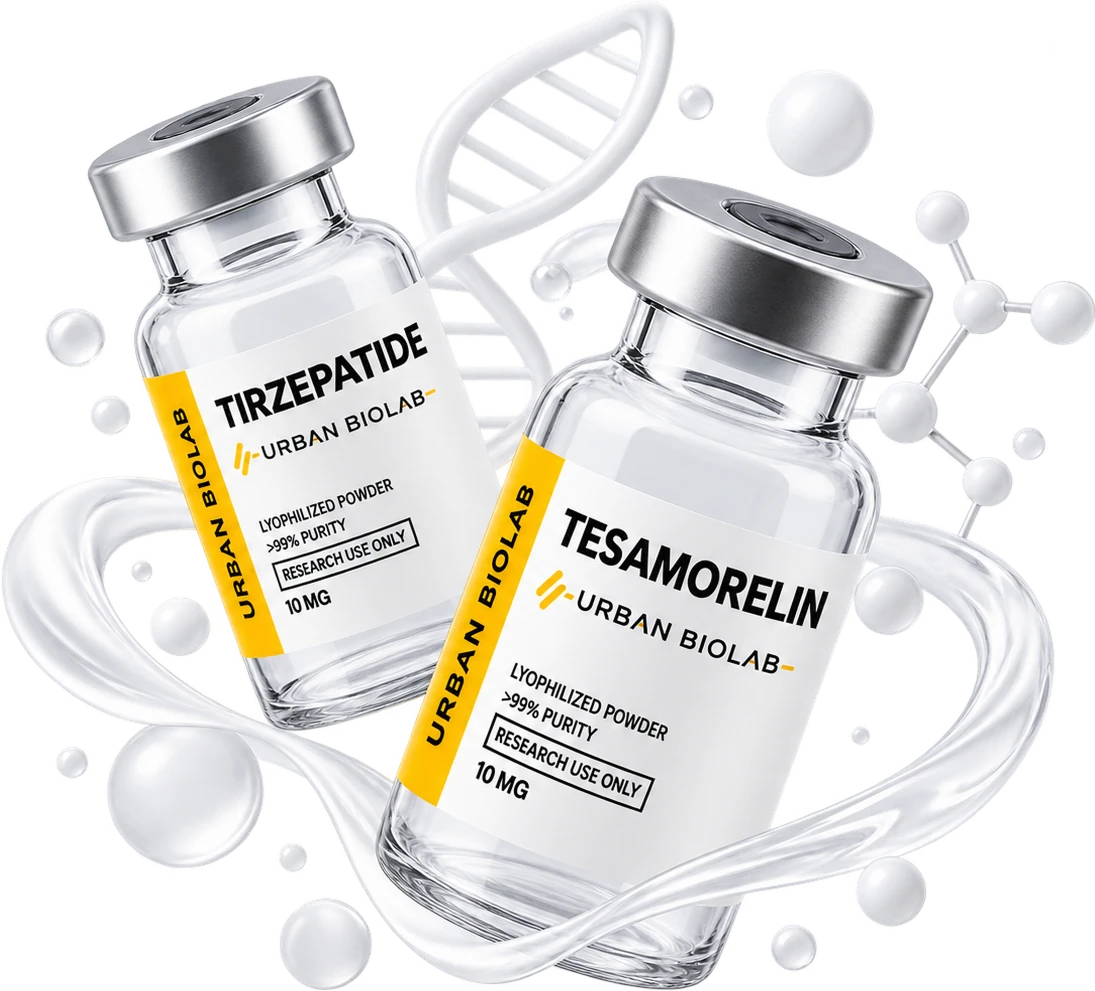
Tesamorelin, originally developed for HIV-related fat accumulation, demonstrates particular effectiveness at targeting visceral fat while preserving muscle mass. Clinical studies show 18% reductions in dangerous abdominal fat without significant impact on lean tissue. This selective fat reduction makes tesamorelin attractive for individuals concerned about body composition rather than scale weight alone.
The practical implications matter enormously for long-term success. Preserved muscle mass means higher resting metabolic rate after weight loss. Patients burn more calories at rest, making weight maintenance easier. They also maintain strength for daily activities and exercise, supporting continued physical activity that reinforces weight control.
Protein intake becomes critically important during peptide therapy. Most practitioners recommend 0.8 to 1.0 grams of protein per pound of body weight daily. This higher protein intake provides raw materials for muscle maintenance while peptides create favorable hormonal conditions for tissue preservation.
Resistance training amplifies the muscle-sparing effects of peptide therapy. Patients who lift weights during treatment preserve significantly more muscle mass than those who rely on peptides alone. The combination creates a synergistic effect where exercise signals muscle retention while peptides provide metabolic support for that retention.
Age-related muscle loss, called sarcopenia, accelerates when older adults lose weight through traditional means. Peptide therapy may help older patients avoid this trap by maintaining the hormonal environment that supports muscle tissue. Several research groups are specifically studying peptide combinations optimized for older populations.
Body composition measurements tell a more complete story than scale weight alone. Dual-energy X-ray absorptiometry (DEXA) scans reveal changes in fat mass, lean mass, and bone density separately. Patients using peptides often see favorable shifts in all three compartments, with fat decreasing while lean tissue and bone density remain stable or improve.
The functional implications extend beyond appearance. Preserved muscle mass maintains strength for climbing stairs, carrying groceries, and performing daily tasks. Balance improves when leg muscles remain strong. Fall risk decreases. Quality of life remains high even during substantial weight loss phases.
4. Metabolic Rate Enhancement That Lasts
Traditional diets trigger metabolic adaptation. Your body responds to calorie restriction by reducing energy expenditure, making continued weight loss increasingly difficult. This metabolic slowdown persists long after the diet ends, contributing to weight regain.
Triple-agonist peptides like Retatrutide add glucagon receptor activation to GLP-1 and GIP effects. Glucagon receptor stimulation increases thermogenesis, meaning your body burns more calories as heat. This directly counters the metabolic slowdown that sabotages conventional weight loss efforts.
Research from Stanford Medicine identified a naturally occurring peptide called BRP that suppresses appetite while avoiding the metabolic suppression seen with traditional approaches. Obese mice treated with BRP lost weight almost entirely from fat stores while maintaining metabolic rate. Similar principles apply to synthetic peptides that mimic or enhance natural metabolic hormones.
Mitochondrial function improves during peptide therapy. MOTS-c, a mitochondrial-derived peptide, enhances glucose utilization efficiency in skeletal muscle. This means cells extract more energy from the same amount of fuel, supporting both exercise performance and resting metabolism.
Brown fat activation represents another metabolic enhancement pathway. Unlike white fat that stores energy, brown fat burns calories to generate heat. Certain peptides increase brown fat activity, creating additional calorie expenditure that contributes to weight loss without requiring more exercise or dietary restriction.
The cumulative effect produces weight loss that feels more sustainable. Patients report adequate energy for exercise and daily activities despite being in calorie deficit. This contrasts sharply with the fatigue and lethargy that characterize restrictive dieting, where metabolic slowdown leaves people exhausted despite eating more calories than they burn.
Long-term follow-up studies show metabolic improvements persisting for months after treatment discontinuation. While weight regain does occur without ongoing therapy, the metabolic damage seen after conventional dieting appears less severe following peptide-assisted weight loss.
Resting metabolic rate measurements before and after peptide therapy reveal preservation of baseline energy expenditure. The adaptive thermogenesis that normally accompanies weight loss is blunted or absent. This metabolic protection means each pound lost stays gone more easily than with conventional approaches.
Exercise capacity often increases during peptide therapy rather than declining as typically occurs during calorie restriction. Patients report improved workout performance, faster recovery, and greater endurance. These changes likely reflect both better energy availability and direct peptide effects on muscle function.
Substrate utilization shifts toward fat oxidation during peptide treatment. The body becomes more efficient at burning fat for fuel rather than relying primarily on glucose. This metabolic flexibility supports sustained energy levels throughout the day and during exercise.
Circadian rhythm effects may contribute to metabolic benefits. Peptides that enhance sleep quality and normalize cortisol patterns support the natural metabolic rhythms that optimize calorie burning and fat storage patterns. Disrupted circadian function contributes to obesity, and correcting these patterns provides metabolic benefits independent of direct peptide effects.
5. Inflammation Reduction Throughout Your Body
Chronic low-grade inflammation underlies obesity and drives many of its complications. Fat tissue, particularly visceral fat surrounding organs, secretes inflammatory molecules that damage blood vessels, impair insulin signaling, and accelerate aging processes throughout the body.
Weight loss peptides reduce inflammation through multiple mechanisms that extend beyond simple fat reduction. Direct anti-inflammatory effects occur even in patients with modest weight loss, suggesting peptide-specific biological actions on inflammatory pathways.
C-reactive protein levels drop substantially during peptide therapy. This acute-phase reactant indicates systemic inflammation and predicts cardiovascular events. Reductions of 30% to 50% are commonly observed, indicating significant inflammatory suppression throughout the body.
Interleukin-6 (IL-6) and tumor necrosis factor-alpha (TNF-alpha) are inflammatory cytokines that fat cells produce in abundance. These molecules contribute to insulin resistance, arterial damage, and systemic inflammation that affects every organ system. Peptide therapy reduces production and circulating levels of these harmful signals.
Joint pain improves for many patients during peptide treatment. While weight reduction certainly helps by reducing mechanical stress on joints, inflammatory reduction in joint tissues likely contributes additional benefit. Patients with osteoarthritis often report improved mobility and reduced pain medication requirements.
Autoimmune conditions sometimes improve during peptide therapy, though this application remains investigational. The anti-inflammatory effects may help modulate overactive immune responses, providing relief for conditions ranging from rheumatoid arthritis to inflammatory bowel disease. Canadian researchers are conducting trials to evaluate these applications more rigorously.
Liver inflammation associated with non-alcoholic fatty liver disease (NAFLD) responds dramatically to peptide treatment. Elevated liver enzymes normalize as inflammation subsides and fat deposits clear from liver tissue. This hepatic benefit appears proportional to weight loss but may involve direct anti-inflammatory effects as well.
Gut inflammation often accompanies obesity and contributes to systemic inflammation through increased intestinal permeability. Sometimes called leaky gut, this condition allows inflammatory molecules from the intestinal tract to enter circulation. Peptide therapy may help restore intestinal barrier function and reduce this source of inflammation.
Adiponectin, an anti-inflammatory molecule produced by fat cells, typically decreases in obesity despite increased fat mass. This paradox reflects adipose tissue dysfunction. During weight loss with peptide therapy, adiponectin levels often increase, shifting the balance from pro-inflammatory to anti-inflammatory signaling.
Oxidative stress, closely linked to inflammation, also decreases during peptide treatment. Free radical damage to tissues contributes to aging and chronic disease. Improved metabolic function reduces oxidative stress production while enhanced cellular health improves antioxidant defenses.
The anti-inflammatory benefits appear relatively quickly in the treatment timeline. Inflammatory markers begin declining within weeks of starting therapy, often before substantial weight loss occurs. This early improvement may contribute to the rapid improvements in energy and wellbeing that patients frequently report.
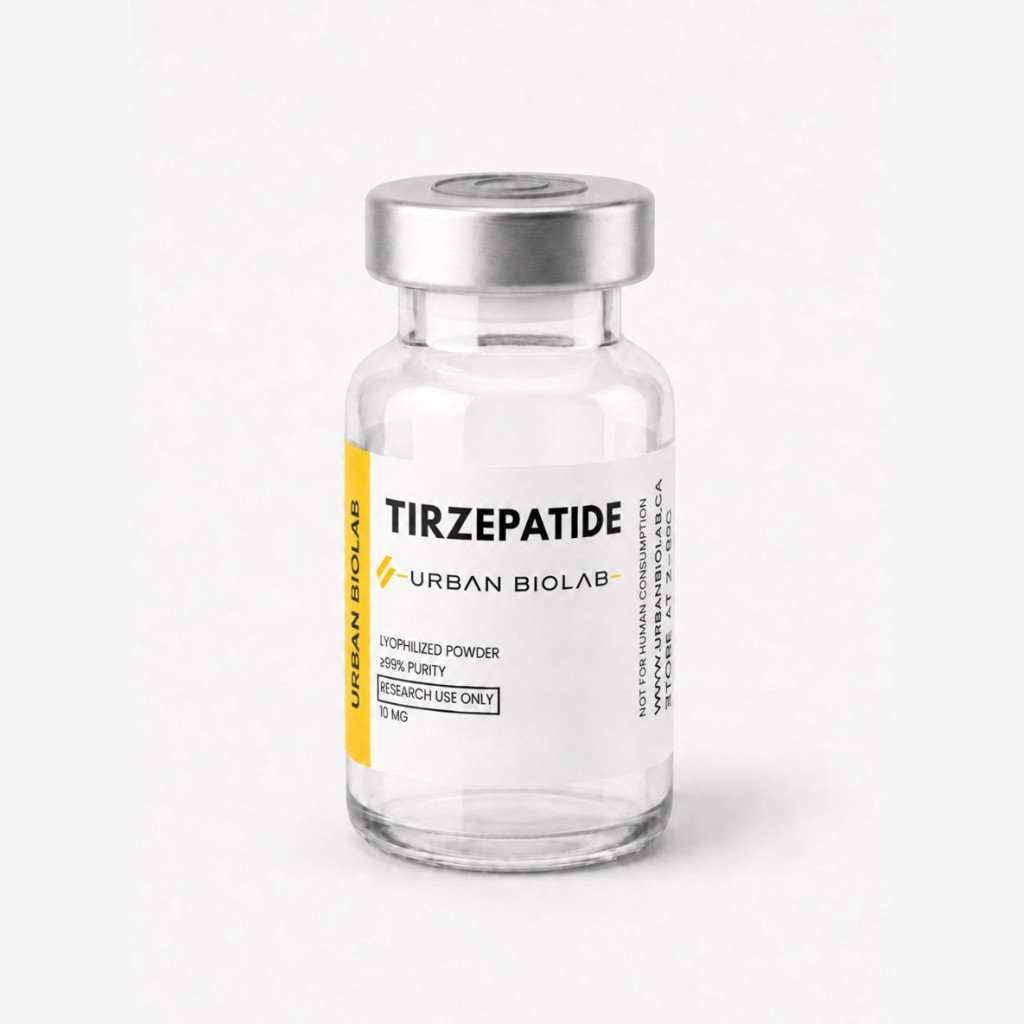
Tirzepatide 60MG
Tirzepatide 10mg is a synthetic research peptide classified as a dual GIP and GLP-1 receptor agonist, widely studied for its role in glucose metabolism, insulin signaling, and appetite regulation pathways. In laboratory research settings, Tirzepatide is of interest for investigations into metabolic regulation, energy balance, and endocrine system signaling.
6. Cognitive Function Improvements Backed By Science
Brain fog and cognitive difficulties frequently accompany obesity. Research increasingly links metabolic dysfunction to neurodegenerative diseases, cognitive decline, and mental health disorders. Weight loss peptides appear to benefit brain function through several mechanisms.
GLP-1 receptors exist throughout the brain, not just in appetite centers. When peptides activate these receptors, they influence memory formation, learning capacity, and neuroprotection. Animal studies demonstrate improved cognitive performance and reduced markers of neurodegeneration with GLP-1 agonist treatment.
Blood sugar stabilization eliminates the cognitive impairment associated with glucose fluctuations. The mental clarity that patients report during peptide therapy likely reflects steadier fuel supply to brain cells that depend entirely on glucose for energy.
Inflammation damages brain tissue and impairs neural signaling. The systemic inflammation reduction achieved with peptide therapy extends to neuroinflammation, potentially protecting against cognitive decline and neurodegenerative processes.
Research published in PubMed Central explored BPC-157’s effects across multiple neurotransmitter systems including dopamine, serotonin, glutamate, and GABA. While this particular peptide serves different purposes than GLP-1 agonists, the research demonstrates how peptide compounds can influence brain chemistry in beneficial ways.
Sleep improvements during peptide therapy contribute to cognitive benefits. Poor sleep quality impairs memory consolidation, attention, and executive function. By enhancing sleep architecture, peptides indirectly support optimal brain function.
Mental health improvements frequently accompany successful weight loss and metabolic optimization. Depression and anxiety symptoms often decrease as patients feel better physically, gain confidence from visible progress, and experience the neurochemical benefits of improved metabolic function. These psychological benefits enhance quality of life beyond what scale numbers capture.
Alzheimer’s disease and other forms of dementia share metabolic underpinnings with obesity and type 2 diabetes. Some researchers call Alzheimer’s type 3 diabetes because of the insulin resistance observed in affected brain tissue. By improving metabolic health, peptide therapy may provide neuroprotective effects relevant to dementia prevention.
Focus and concentration improve for many patients during peptide treatment. The scattered thinking and difficulty maintaining attention that accompany metabolic dysfunction often resolve as blood sugar stabilizes and inflammation decreases. Productivity at work and engagement in daily activities increase.
Neuroplasticity, the brain’s ability to form new connections and adapt, may be enhanced by peptide therapy. Animal research demonstrates increased brain-derived neurotrophic factor (BDNF) with GLP-1 receptor activation. BDNF supports learning, memory, and neural repair processes.
Headache frequency decreases for some patients during peptide therapy. While headaches can occur as a transient side effect during dose titration, overall headache burden often improves. The mechanism may involve reduced inflammation, improved sleep, or stabilized blood sugar patterns.
Mood stability improves alongside cognitive function. The emotional reactivity and irritability that often accompany unstable blood sugar resolve as metabolic control improves. Patients report feeling more even-tempered and resilient to daily stressors.
7. Sleep Quality Enhancement You Can Feel
Sleep and metabolism share intimate bidirectional connections. Poor sleep promotes weight gain through hormonal disruption, increased appetite, and impaired glucose regulation. Conversely, obesity disrupts sleep through mechanisms including sleep apnea, nighttime reflux, and metabolic hormone imbalances.
Weight loss peptides break this vicious cycle from multiple angles. As weight decreases, physical obstructions to breathing during sleep diminish. Sleep apnea severity improves proportionally to weight loss, with many patients reducing or eliminating CPAP requirements.
Growth hormone secretagogue peptides like MK-677 (Ibutamoren) directly enhance sleep quality through hormonal effects. Natural growth hormone release peaks during deep sleep phases. By stimulating this release pattern, these peptides may improve the quality of restorative sleep independent of weight loss effects.
Reduced gastric reflux allows for more comfortable sleep positioning. Delayed gastric emptying during the day means less nighttime acid reflux that disrupts sleep. Patients often notice improved sleep within weeks of starting peptide therapy, before significant weight loss occurs.
Blood sugar stability throughout the night prevents the hypoglycemic episodes that can trigger awakening. Steady glucose levels support uninterrupted sleep cycles, allowing completion of the deep sleep and REM phases essential for physical and cognitive restoration.
Cortisol regulation improves with better sleep quality, creating a positive feedback loop. High cortisol levels promote fat storage, particularly in the abdominal region, while disrupting sleep patterns. As sleep improves, cortisol normalizes, further supporting weight loss and metabolic health.
Energy levels during waking hours improve dramatically when sleep quality increases. Patients report feeling more alert, productive, and motivated to maintain the exercise and dietary habits that support their weight loss journey. This enhanced energy makes sustainable lifestyle changes feel achievable rather than exhausting.
Sleep architecture studies using polysomnography reveal changes during peptide therapy. Time spent in deep slow-wave sleep often increases. REM sleep quality improves. Total sleep time may increase as well, though some patients find they need less sleep when sleep quality improves.
Insomnia symptoms decrease for many patients during treatment. The racing thoughts and difficulty falling asleep that often accompany metabolic dysfunction resolve as the body finds better balance. Sleep onset becomes easier and middle-of-night awakenings decrease.
Restless leg syndrome, which is more common in people with obesity and metabolic dysfunction, sometimes improves during peptide therapy. The mechanism may involve improved iron metabolism, reduced inflammation, or enhanced dopamine signaling in the brain regions involved in this condition.
Sleep study metrics improve measurably during treatment. Apnea-hypopnea index scores decrease as airway obstruction diminishes. Oxygen saturation during sleep improves. These objective improvements confirm the subjective reports of better sleep quality.
The relationship between sleep and weight management becomes self-reinforcing with peptide therapy. Better sleep supports weight loss efforts, which further improves sleep, creating an upward spiral of improving health rather than the downward spiral many obese patients experience.
8. Liver Health Recovery From Fatty Liver Disease
Non-alcoholic fatty liver disease affects roughly one-quarter of Canadians, making it the most common liver condition in the country. Fat accumulation in liver cells causes inflammation, scarring, and eventually cirrhosis if left untreated. Weight loss peptides demonstrate remarkable effectiveness at reversing fatty liver disease.
Clinical trials using tirzepatide show liver fat reductions exceeding 50% in most patients. This dramatic improvement reflects both weight loss and direct metabolic effects on hepatic fat handling. Liver enzymes ALT and AST normalize as inflammation subsides and fat clears from liver tissue.
Fibrosis, the scarring process that leads to cirrhosis, appears to halt and potentially reverse during peptide therapy. While advanced cirrhosis remains irreversible, earlier-stage fibrosis shows improvement in imaging and biopsy studies. This finding has significant implications for preventing liver failure and hepatocellular carcinoma.
The liver serves as a central metabolic organ coordinating glucose production, fat metabolism, and protein synthesis. Improving liver health enhances all these functions, contributing to better overall metabolic control. Insulin sensitivity improves partly through hepatic mechanisms as fat deposits clear.
Tesamorelin shows particular promise for fatty liver treatment. Originally developed for HIV-associated lipodystrophy, this growth hormone-releasing peptide specifically targets visceral and hepatic fat while preserving muscle mass. Clinical trials are evaluating tesamorelin for non-alcoholic steatohepatitis (NASH), the inflammatory form of fatty liver disease.
For patients with elevated liver enzymes or fatty liver diagnosis, peptide therapy offers dual benefits. Weight loss addresses the underlying cause while specific metabolic effects accelerate hepatic recovery. Many patients see liver enzyme normalization within months of starting treatment.
Regular monitoring with liver function tests and imaging helps track progress. Physicians can adjust treatment intensity based on hepatic response, optimizing therapy for individual patient needs. The combination of efficacy and monitoring capability makes peptides attractive options for fatty liver management.
Hepatic insulin sensitivity improves as fat clears from the liver. This improvement reduces hepatic glucose output, which is elevated in fatty liver disease. Lower liver glucose production helps stabilize blood sugar levels throughout the day and night.
Bile acid metabolism normalizes during liver recovery. Dysfunctional bile acid handling in fatty liver disease contributes to digestive problems and metabolic dysfunction. Restored bile acid metabolism improves fat digestion and may enhance the absorption of fat-soluble vitamins.
Hepatocyte regeneration may occur during peptide therapy as the inflammatory environment improves. The liver has remarkable regenerative capacity when conditions support recovery rather than ongoing damage. Removing the inflammatory burden of fatty infiltration allows natural repair processes to proceed.
Ultrasound and MRI imaging provide non-invasive monitoring of liver fat content during treatment. Many patients see visible improvements on imaging within 12 to 24 weeks. These objective measurements complement liver function blood tests in tracking hepatic recovery.
The liver-gut axis improves with peptide therapy. Gut microbiome changes in obesity contribute to liver inflammation through bacterial products that reach the liver via the portal circulation. Improved metabolic health may shift gut bacteria toward healthier patterns that reduce hepatic inflammation.
9. Natural Appetite Regulation Without Constant Hunger
Traditional dieting requires constant willpower battles against hunger. Calorie restriction triggers compensatory appetite increases through hormonal mechanisms designed to protect against starvation. This biological response explains why most diets fail within the first year.
Weight loss peptides work with your body’s appetite regulation systems rather than against them. GLP-1 receptor activation in hypothalamic appetite centers produces genuine satiation, meaning you feel satisfied rather than deprived. Food simply becomes less compelling without requiring constant mental effort to resist.
Patients commonly describe a fundamental shift in their relationship with food. Cravings diminish. Portion control happens naturally. The obsessive food thoughts that plague traditional dieters fade into background noise. This psychological relief often surprises patients who expected another willpower-dependent approach.
Delayed gastric emptying contributes to prolonged fullness after meals. Food remains in the stomach longer, maintaining stretch receptor signals that communicate satiety to the brain. Smaller meals become genuinely satisfying rather than leaving persistent hunger.
Hedonic eating, the drive to consume food for pleasure rather than hunger, decreases during peptide therapy. Brain imaging studies show reduced activation of reward centers in response to food cues. This neurological change explains why patients find it easier to resist tempting foods that previously felt irresistible.
Ghrelin, the hunger hormone produced by the stomach, decreases during peptide treatment. This hormonal shift reduces baseline hunger levels and eliminates the intense hunger spikes that drive impulsive eating. Patients can wait longer between meals without discomfort.
The appetite regulation benefits extend beyond weight loss phases. Even during weight maintenance, peptide therapy helps prevent the appetite rebound that typically follows successful weight loss. This ongoing appetite support may explain the better long-term weight maintenance observed in peptide-treated patients.
Emotional eating patterns often improve during treatment. The urge to eat in response to stress, boredom, or negative emotions decreases as the brain’s reward pathways recalibrate. Patients develop healthier coping mechanisms when food no longer provides the same emotional relief.
Meal timing becomes more flexible during peptide therapy. The rigid eating schedules that dieters adopt to manage hunger become unnecessary when appetite naturally regulates itself. Patients can skip meals when busy or not hungry without later compensatory overeating.
Food preferences sometimes shift during treatment. Many patients report reduced interest in highly processed, calorie-dense foods while finding greater satisfaction in whole foods, vegetables, and lean proteins. This preference shift supports healthier eating patterns without requiring conscious effort.
Social eating becomes easier to navigate. The fear of holiday parties, restaurant meals, and other food-centered events diminishes when appetite control feels natural rather than forced. Patients enjoy social occasions without anxiety about overeating or breaking their diet.
Night eating syndrome, characterized by consuming most daily calories in the evening or during nighttime awakenings, often improves during peptide therapy. The hormonal regulation that controls appetite throughout the day extends to evening hours, reducing the urge for late-night eating that sabotages many weight loss efforts.
10. Hormonal Balance Restoration For Long-Term Results
Obesity disrupts virtually every hormonal system in the body. Insulin resistance, cortisol elevation, thyroid dysfunction, sex hormone imbalances, and growth hormone deficiency all become more common as weight increases. Weight loss peptides can help restore hormonal balance across multiple systems.
Insulin sensitivity improvements represent the most dramatic hormonal benefit. As tissues become more responsive to insulin, less insulin is required to maintain normal blood sugar. This reduces the metabolic stress on pancreatic beta cells and lowers circulating insulin levels that promote fat storage.
Leptin resistance often accompanies obesity. Leptin, produced by fat cells, normally signals satiety to the brain. In obesity, this signal becomes blunted despite high leptin levels. Weight loss during peptide therapy helps restore normal leptin sensitivity, supporting long-term appetite regulation.
Thyroid function sometimes improves during peptide-assisted weight loss. While peptides do not directly affect thyroid hormone production, the metabolic improvements and reduced inflammation may support better thyroid function. Patients on thyroid medication occasionally require dose adjustments as their needs change.
Sex hormone profiles shift favorably with weight loss. In men, testosterone levels often increase as fat mass decreases. In women, menstrual regularity may improve and polycystic ovary syndrome symptoms sometimes diminish. These reproductive hormone benefits can affect fertility, energy levels, and overall wellbeing.
Growth hormone secretion patterns often improve during peptide therapy, particularly with compounds that specifically target growth hormone release. Higher growth hormone supports muscle maintenance, fat metabolism, and tissue repair. These effects contribute to body composition improvements and recovery capacity.
Cortisol regulation improves as metabolic stress decreases. Chronic cortisol elevation promotes abdominal fat accumulation and muscle breakdown. Normalizing cortisol supports better body composition and reduces the catabolic effects that make weight loss difficult.
The hormonal restoration achieved through peptide therapy creates conditions that support long-term weight maintenance. Rather than fighting against dysregulated hormones, patients work with optimized hormonal systems that naturally support healthy weight.
Adiponectin levels increase as metabolic health improves. This hormone, produced by fat cells, improves insulin sensitivity and has anti-inflammatory effects. Higher adiponectin levels correlate with better metabolic outcomes and reduced disease risk.
Glucagon dynamics normalize during peptide therapy. In obesity and type 2 diabetes, glucagon secretion remains elevated even when it should be suppressed. GLP-1 receptor activation helps restore appropriate glucagon regulation, improving blood sugar control.
Incretin hormone function, which is impaired in obesity, improves during treatment. The gut-derived hormones GLP-1 and GIP normally help regulate blood sugar after meals. Restoring normal incretin function supports stable blood sugar and appropriate appetite signals.
Adrenal function may improve as metabolic stress decreases. Chronic activation of stress pathways strains adrenal reserves. Reducing metabolic dysfunction allows adrenal recovery, potentially improving energy levels and stress resilience.
Melatonin production and circadian hormone rhythms often normalize during peptide therapy. Better sleep quality supports the nocturnal hormone surges essential for recovery and metabolic regulation. Improved circadian function reinforces healthy metabolic patterns throughout the day-night cycle.
Understanding Your Options For Better Metabolic Health
Weight loss peptides represent a fundamental shift in how we approach obesity treatment. Rather than fighting against biological drives that evolved to prevent starvation, these medications work with your body’s natural systems to restore healthier metabolic function.
The ten benefits explored throughout this guide share a common thread. Each improvement reflects restored balance in systems that obesity disrupts. Blood sugar control, cardiovascular protection, muscle preservation, metabolic enhancement, inflammation reduction, cognitive improvement, better sleep, liver recovery, appetite regulation, and hormonal balance all interconnect. Improving one system often creates positive ripples that enhance the others.
Canadian patients considering peptide therapy should understand that these benefits extend well beyond cosmetic weight loss. The health improvements documented in clinical trials have real implications for disease prevention, quality of life, and long-term wellbeing. For many patients, the metabolic benefits matter more than the pounds lost.
Research continues to reveal new applications and benefits. The compounds available today will likely be joined by additional options in the coming years. Triple-agonist peptides like Retatrutide demonstrate that even more effective approaches are possible. Understanding the scientific basis for current benefits helps patients make informed decisions about both current options and future developments.
Individual responses vary considerably. What works optimally for one patient may not be the best approach for another. Working with healthcare providers who understand both the science and art of peptide therapy helps optimize outcomes for each individual situation.
The journey toward better metabolic health requires patience and commitment. Peptides provide powerful tools, but sustainable results require supporting lifestyle factors. Protein intake, exercise, sleep, and stress management all influence outcomes. Viewing peptides as part of a comprehensive approach rather than a standalone solution sets realistic expectations.
For Canadians struggling with weight and its metabolic consequences, peptide therapy offers genuine hope backed by rigorous clinical evidence. The surprising benefits that extend beyond weight loss make these medications valuable tools for improving health across multiple dimensions simultaneously.
Frequently Asked Questions
How quickly do weight loss peptide benefits appear?
Most patients notice appetite changes within the first week or two of treatment. Blood sugar improvements often appear within weeks, while significant weight loss typically becomes visible by month two or three. Cardiovascular and metabolic benefits continue developing over 6 to 12 months of treatment. Individual response varies based on starting metabolic health, dosing, and lifestyle factors.
Do the benefits continue after stopping peptide therapy?
Some benefits persist while others require ongoing treatment. Metabolic improvements from weight loss can last indefinitely with good lifestyle maintenance. However, appetite suppression and some metabolic effects diminish after stopping therapy, which explains why weight regain commonly occurs. Many patients opt for long-term or indefinite treatment to maintain results.
Can peptides help if I only need to lose a small amount of weight?
Absolutely. The metabolic benefits of peptide therapy apply regardless of starting weight or weight loss goals. Someone with 15 pounds to lose may experience significant improvements in blood sugar control, energy levels, and cardiovascular markers. The decision to use peptides depends on overall health goals, not just weight loss magnitude.
Are these benefits proven in clinical trials?
Yes. Major clinical trials including STEP, SURMOUNT, and SELECT have documented benefits beyond weight loss in thousands of patients over periods up to three years. These trials met rigorous scientific standards and led to regulatory approvals in Canada and internationally. Ongoing research continues to reveal additional applications.
How do different peptides compare for various benefits?
Different peptides excel at different outcomes. Semaglutide has the strongest cardiovascular protection data from the SELECT trial. Tirzepatide shows superior weight loss in head-to-head comparisons. Retatrutide demonstrates the highest weight loss percentages in clinical trials to date. Growth hormone secretagogues offer better muscle preservation. Your healthcare provider can recommend options based on your specific health priorities.
What happens to these benefits during the initial titration period?
Benefits develop progressively as dosing increases during titration. Most protocols start with low doses and increase gradually over weeks to months. This approach minimizes side effects while allowing benefits to accumulate. Full therapeutic effects typically require reaching maintenance doses, though some patients notice improvements even at starting doses.
Do I need to exercise and diet to get these benefits?
Peptides work best as part of comprehensive lifestyle approaches. Exercise enhances muscle preservation and metabolic benefits. Adequate protein intake supports body composition. However, peptides provide significant benefits even without perfect diet and exercise adherence. For many patients, appetite suppression and improved energy make healthy lifestyle changes easier rather than requiring them as prerequisites.
Can peptides reverse damage from years of obesity?
Many obesity-related changes do reverse with successful treatment. Fatty liver disease can resolve completely. Blood pressure and cholesterol often normalize. Insulin sensitivity improves dramatically. Some damage, like established cardiovascular disease or joint deterioration, may not fully reverse but can be prevented from progressing. Early intervention produces better outcomes than waiting until significant damage has accumulated.
Are there age limits for experiencing these benefits?
Adults of all ages can benefit from peptide therapy. Older patients often see pronounced improvements in metabolic markers and functional capacity. However, muscle preservation becomes more important with age, potentially influencing peptide selection. Younger patients may prioritize different outcomes. Healthcare providers tailor recommendations based on individual circumstances and goals.
How do peptides compare to weight loss surgery for these benefits?
Bariatric surgery and peptide therapy produce similar metabolic improvements for comparable weight loss. Surgery remains more effective for achieving very large weight reductions in severe obesity. However, peptides offer reversibility, lower procedural risk, and avoid permanent anatomical changes. Many patients prefer trying peptides before considering surgical options.
What monitoring is needed to track these benefits?
Regular monitoring helps optimize treatment and document improvements. Common assessments include fasting glucose and HbA1c for blood sugar control, lipid panels for cardiovascular risk, liver function tests for hepatic health, and body composition measurements. The frequency of monitoring depends on individual circumstances and how actively treatment is being adjusted.
Can I use multiple peptides to get more benefits?
Peptide combinations are common in clinical practice. Growth hormone secretagogues often combine with GLP-1 agonists to maximize body composition benefits. Some practitioners add support peptides like BPC-157 for tissue healing and gut health. However, combining medications requires medical supervision to avoid interactions and monitor for cumulative side effects.
Do these benefits apply equally to men and women?
Both sexes experience the core metabolic benefits of peptide therapy. Some differences exist in typical body composition changes and hormonal effects. Women may see improvements in polycystic ovary syndrome symptoms, while men often experience testosterone increases with weight loss. Healthcare providers can address sex-specific considerations when developing treatment plans.
How do costs compare to the value of these health benefits?
Peptide therapy represents a significant investment that varies based on specific medications and dosing. However, the health benefits may reduce other medical costs over time. Improved diabetes control can prevent expensive complications. Cardiovascular protection may avoid costly heart procedures. Reduced medication requirements offset some treatment costs. Individual cost-benefit calculations depend on personal health circumstances and coverage options.
What should I discuss with my doctor about these benefits?
Bring specific health goals and concerns to your consultation. Discuss current medications that might interact with peptides. Review personal and family history of conditions that peptides might help. Ask about monitoring plans for tracking benefits. Understand the expected timeline for seeing improvements in areas that matter most to you.
What lifestyle changes maximize peptide benefits?
Protein intake of 0.8 to 1.0 grams per pound of body weight supports muscle preservation. Resistance training 2 to 3 times weekly enhances body composition results. Adequate sleep of 7 to 9 hours nightly supports hormonal optimization. Staying hydrated and limiting alcohol intake improve tolerability and results. These lifestyle factors amplify peptide benefits rather than being required for them to work.
How do peptides affect athletic performance?
Many athletes report improved recovery between training sessions. Fat loss while maintaining muscle supports performance in weight-class sports. Energy levels often increase despite caloric restriction. Growth hormone secretagogue peptides specifically support tissue repair and recovery. However, some peptides are prohibited by athletic governing bodies, so competitive athletes should verify compliance before use.
What about long COVID recovery and peptide benefits?
Some researchers are investigating peptide therapy for long COVID symptoms. The anti-inflammatory effects may help with persistent inflammation. Blood sugar improvements benefit metabolic dysfunction that some patients experience. Energy and cognitive improvements could address fatigue and brain fog. However, this application remains investigational and requires further clinical study.
Glossary
GLP-1 (Glucagon-Like Peptide-1)
A hormone produced in the intestines that stimulates insulin release, suppresses appetite, and slows gastric emptying. GLP-1 receptor agonists mimic this natural hormone to produce weight loss and metabolic benefits.
GIP (Glucose-Dependent Insulinotropic Polypeptide)
Another incretin hormone that works alongside GLP-1 to regulate insulin secretion and metabolism. Dual-agonist peptides like tirzepatide activate both GLP-1 and GIP receptors for enhanced effects.
Triple Agonist
A peptide that activates three different hormone receptors simultaneously. Retatrutide is a triple agonist targeting GLP-1, GIP, and glucagon receptors for maximum metabolic impact.
HbA1c (Glycated Hemoglobin)
A blood test measuring average blood sugar levels over the previous 2-3 months. Lower HbA1c indicates better long-term blood sugar control and reduced diabetes complications.
Insulin Sensitivity
How effectively your cells respond to insulin’s signal to absorb glucose from the blood. Higher sensitivity means less insulin is needed to maintain normal blood sugar levels.
Thermogenesis
The production of heat by the