It’s 10pm. You’re standing in front of the fridge.
You’re not physically hungry—you ate dinner three hours ago. But there’s this pull, this mental static that won’t quiet down. The leftover pizza is calling your name.
You tell yourself you just need more discipline. More willpower. If you were stronger, you’d close that fridge door and walk away.
But here’s what’s actually happening: Your brain is receiving dozens of biological signals creating an intense drive to eat. Ghrelin levels. Blood sugar fluctuations. Dopamine anticipation. Neuropeptide cascades you’ve never heard of.
And you’re trying to override all of that with conscious willpower.
That’s not a fair fight.
For decades, we’ve framed weight management as a moral issue. A test of character. People who maintained lower weights had discipline. People who struggled lacked willpower.
But medications like retatrutide are revealing something fascinating. They’re giving us a window into what’s actually happening in the brain when we experience hunger and cravings.
And what they’re showing us is revolutionary: Appetite isn’t a character flaw you need to overcome. It’s a biological process that can be dysregulated, just like blood pressure or blood sugar.
This isn’t just about weight loss. It’s about fundamentally reframing how we understand food, bodies, and the biology of cravings.
What’s Actually Happening When You’re “Hungry”
Let’s start by unpacking what hunger really is. Because it’s way more complicated than your stomach growling.
Hunger Is a Biological Orchestra
When you feel hungry, your brain is processing input from dozens of different sources:
Your gut is talking:
- Ghrelin (the “hunger hormone”) rises when your stomach is empty
- Signals travel from your digestive tract to your brain
- This creates the physical sensation of emptiness
Your fat cells are weighing in:
- Leptin (the “fullness hormone”) sends long-term energy status updates
- Higher leptin should mean “we have enough stored energy”
- But in many people, the brain stops listening to leptin properly
Your blood sugar is fluctuating:
- Insulin responds to glucose levels
- When blood sugar drops, hunger signals increase
- The pancreas and brain are in constant communication
Brain chemicals are firing:
- Neuropeptide Y increases appetite
- Dopamine anticipates food reward
- Serotonin affects mood and satiety
- Dozens of other neurotransmitters play roles
All of this gets processed in your hypothalamus, a tiny region deep in your brain. Think of it as mission control for appetite. It’s integrating all these signals, moment by moment, and creating the subjective experience of “I’m hungry” or “I’m satisfied.”
The critical point: This is happening largely below your conscious awareness.
Your Brain Evolved to Make You Eat
Here’s where evolutionary biology matters.
Your brain evolved in environments where food was scarce. Finding calories meant survival. Storing fat was insurance against famine.
So your brain developed powerful systems to:
- Make eating pleasurable (dopamine rewards)
- Drive you to seek food when energy was low
- Store excess calories as fat efficiently
- Defend stored fat aggressively when threatened
This was adaptive for 99.9% of human history.
The problem? We’re now running this ancient software in a totally different environment.
We have:
- Constant food availability
- Hyperpalatable foods engineered to maximize reward
- Sedentary lifestyles
- Chronic stress affecting hormones
Our biology hasn’t caught up to this radical environmental shift.
The Myth of Pure Willpower
So what’s happening when you’re “resisting” that 10pm pizza?
Your prefrontal cortex (the rational, decision-making part of your brain) is trying to override your hypothalamus (the biological drive center).
It’s like holding your breath. You can do it for a while through conscious effort. But eventually, biology wins. You have to breathe.
When diets feel impossibly hard, there’s a reason.
Your body interprets calorie restriction as a threat. It responds by:
- Slowing metabolism to conserve energy
- Increasing hunger hormone production
- Amplifying the reward value of food
- Making you think about food constantly
- Reducing energy for other activities
This isn’t weakness. It’s your body doing exactly what it evolved to do: defend against perceived starvation.
The “willpower” approach asks you to consciously fight this biological defensive response indefinitely. For most people, that’s simply not sustainable.
What Retatrutide Does to Your Brain
Now let’s talk about what makes retatrutide so revealing about appetite biology.
The GLP-1 Effect: Rewriting Hunger Signals
GLP-1 (one of retatrutide’s three targets) works in specific regions of your brain that regulate appetite.
When it activates GLP-1 receptors, several things happen:
- Hunger signaling decreases
- Satiety signaling increases
- The reward value of food changes in your brain
What patients consistently report:
“The food noise just… stopped.”
“I don’t think about food constantly anymore.”
“I can eat a few bites and feel genuinely satisfied.”
“It’s like someone turned down the volume on cravings.”
This isn’t about suppressing appetite artificially. It’s about normalizing appetite signaling that had become dysregulated.
Think of it like this: If you have high blood pressure and take medication that brings it down to normal, you haven’t artificially suppressed your blood pressure. You’ve corrected a dysregulated system.
The Triple Effect: Three Pathways Working Together
Retatrutide doesn’t just hit one pathway. It activates three simultaneously:
GLP-1 pathway:
- Reduces hunger
- Increases feelings of fullness
- Slows gastric emptying so you feel satisfied longer
GIP pathway:
- Modulates reward pathways differently than GLP-1
- Affects how palatable food seems
- May reduce some side effects of GLP-1 alone
Glucagon pathway:
- Increases energy expenditure
- Promotes fat burning
- Helps preserve muscle mass during weight loss
The combination creates something more comprehensive than any single pathway could achieve.
You’re not just eating less. You’re wanting less food while your body burns more energy. Multiple systems shifting together.
Understanding “Food Noise”
This term has become common among people taking these medications, and it’s worth unpacking.
Food noise is:
- Constant mental chatter about food
- Planning your next meal while eating the current one
- Intrusive thoughts about specific foods
- Mental energy consumed by food-related decisions
- The feeling that food is taking up too much brain space
Many people don’t realize how much mental bandwidth their appetite is consuming until it quiets down.
One patient described it perfectly:
“I didn’t know other people weren’t thinking about food all the time. I thought everyone was just better at ignoring it than me. Turns out, their brains just weren’t screaming at them constantly.”
Retatrutide doesn’t achieve this through suppression. It normalizes the signaling so your brain isn’t constantly sending urgent “FIND FOOD” messages.
Cravings vs. Preferences: A Critical Distinction
There’s an important difference here that helps explain what’s happening.
Cravings are biological drives:
- Intense and urgent
- Feel almost compulsive
- Difficult to resist without significant effort
- Driven by hormonal and neurochemical signals
- The “I NEED this NOW” feeling
Preferences are choices:
- “I’d enjoy ice cream” rather than “I NEED ice cream”
- Can be deferred without distress
- Involve conscious decision-making
- Feel optional
Retatrutide shifts the balance from cravings toward preferences.
People still enjoy food. They still have foods they like better than others. But the urgent, driving, all-consuming quality diminishes.
The result? Making conscious choices about food becomes genuinely easier—not through willpower, but through biological change.
What This Reveals About “Personal Responsibility”
The biology we’re discovering has profound implications for how we think about weight and personal responsibility.
The Blame Game
For decades, our culture has moralized weight.
If you were heavy, you lacked:
- Discipline
- Self-control
- Willpower
- Good judgment
The prevailing advice was some version of “just eat less and move more.” As if people hadn’t thought of that. As if they weren’t trying.
This framework was not just ineffective. It was cruel.
It blamed people for struggling against powerful biological forces with willpower alone, then called their inevitable difficulties a personal failing.
Biology Is Real
Here’s what the science is showing us: People have meaningful biological differences that affect appetite regulation.
Variations include:
- Leptin sensitivity (how well your brain “hears” fullness signals)
- Ghrelin production (baseline hunger signaling)
- Dopamine receptor density (food reward intensity)
- Metabolic rate differences
- Gut microbiome composition
- Dozens of genetic variants affecting appetite
Some people naturally maintain lower weights more easily. Not because they’re more disciplined, but because their biology makes it less difficult.
This doesn’t mean biology is destiny. But it does mean biology is real and powerful.
Understanding this isn’t about removing personal agency. It’s about enabling better choices through better understanding.
When you know you’re working against strong biological currents, you can:
- Stop blaming yourself for finding it hard
- Seek solutions that work with biology (like medication)
- Use behavioral strategies more effectively
- Have realistic expectations
Reframing Success and Failure
Traditional diet culture celebrated suffering.
White-knuckling through hunger was virtuous. Feeling hungry all the time meant you were being “good.” If you regained weight, you’d “failed” and needed to try harder next time.
This framework was backwards.
Success isn’t about how much you can suffer. Success is finding sustainable approaches that work with your biology, not against it.
This might mean:
- Medication that normalizes appetite signaling
- Behavioral strategies that don’t require constant willpower
- Environmental changes that support healthy choices
- Combination approaches tailored to individual needs
The goal is finding what actually works for you, without moral judgment about what tools you use to get there.
The Compassion This Enables
Understanding appetite as biology rather than morality opens doors.
For individuals:
- Self-compassion instead of self-blame
- “My body is doing what bodies do” rather than “I’m weak”
- Opening to solutions without shame
- Recognizing when you need help
For society:
- Treating obesity as a medical condition, not a character flaw
- Supporting access to effective treatments
- Reducing stigma and discrimination
- Creating environments that support health
This shift is already happening. We’re watching it unfold in real time.
How This Changes Our Relationship With Food
The insights from retatrutide extend beyond weight loss to fundamental questions about how we relate to food and eating.
Appetite Can Be Regulated, Not Just Resisted
This is the key revelation.
If medication can normalize appetite, that means appetite was dysregulated in the first place.
This isn’t about artificially suppressing normal, healthy hunger signals. It’s about correcting signals that have gone awry.
What “normal” appetite actually feels like:
Patients on these medications often describe experiences that sound simple but were completely foreign to them:
- Eating when genuinely hungry
- Stopping when comfortably satisfied
- Not obsessing about food between meals
- Enjoying meals without feeling compelled to overeat
“I finally understand what people mean by ‘just eat until you’re full,'” one patient said. “I never actually felt full before. Or if I did, it lasted about five minutes.”
The Set Point Theory Gets New Support
Set point theory suggests your body defends a particular weight range through metabolic and hormonal adaptations.
When you lose weight through traditional dieting:
- Metabolism slows beyond what you’d expect for your new size
- Hunger hormones increase dramatically
- Your body fights to regain the lost weight
This is why weight regain is so common. You’re fighting against biology trying to restore what it perceives as your “correct” weight.
Retatrutide may actually shift set point.
By working through multiple hormonal pathways, it might help establish a new equilibrium rather than creating a constant state of biological resistance.
This is still being studied. But if true, it means weight maintenance might not require perpetual suffering and vigilance.
Moving Beyond Food Morality
When biology isn’t constantly screaming for food, something interesting happens to how people think about eating.
The intense categorization of foods as “good” or “bad” often softens. Food becomes more neutral.
Why this matters:
All-or-nothing thinking around food (I’ve been “good” all week, so I deserve to be “bad”) often drives problematic eating patterns.
When biological drives aren’t overwhelming:
- People can tune into actual physical hunger
- Emotional eating decreases because you’re not starving
- Food choices become less emotionally charged
- Moderation becomes genuinely achievable
The psychological liberation is real.
When you’re not constantly fighting urgent biological drives, you have more mental space for everything else in life. Hobbies. Relationships. Work. Creativity.
Food occupies the space it should: important for nourishment and enjoyment, but not all-consuming.
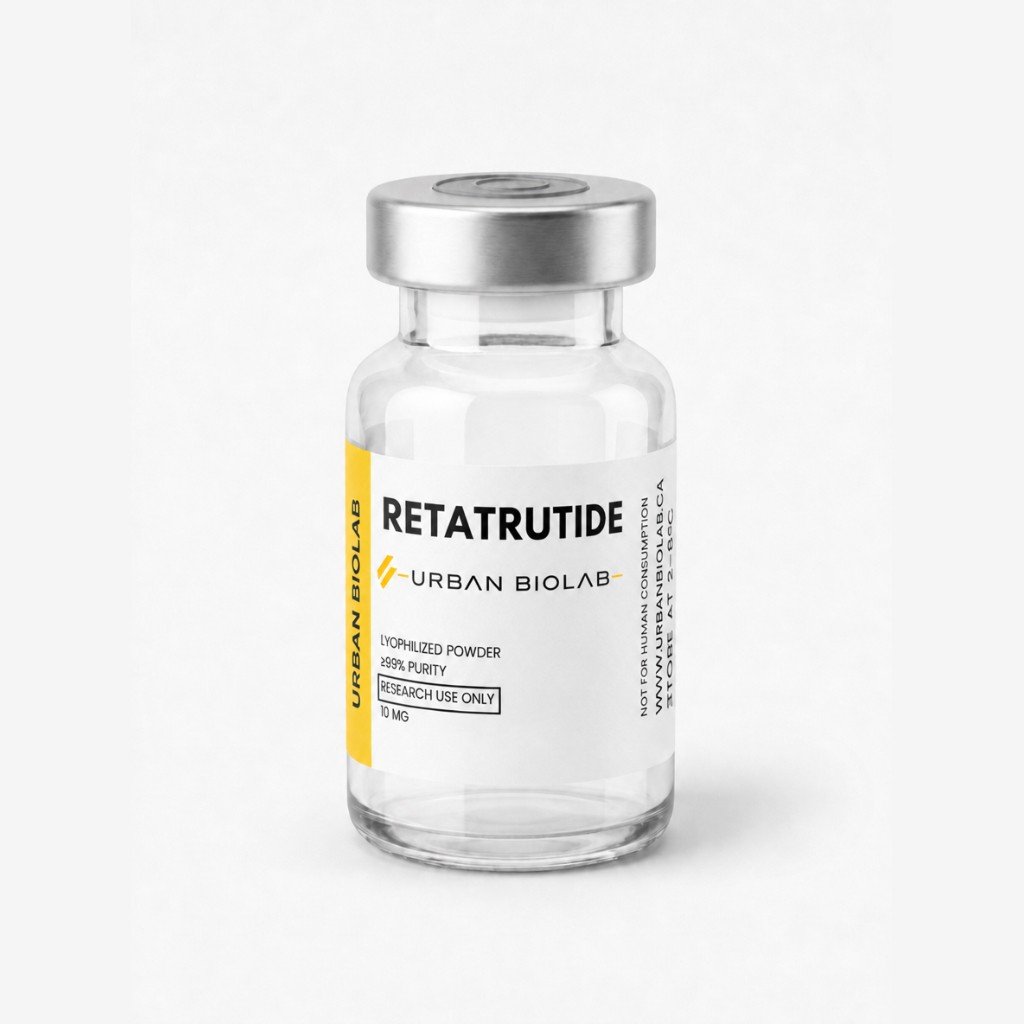
RT (Retatrutide) 10MG
RT10 is a cutting-edge investigational peptide designed for advanced scientific exploration in metabolic health and weight management research. Known for its unique mechanism as a triple agonist (GLP-1, GIP, and glucagon receptors), it has shown promising potential in preclinical studies related to appetite regulation, fat metabolism, and glycemic control.
What We’re Learning About Behavior Change
The biology of appetite also teaches us important lessons about behavior change more broadly.
Willpower Is Limited
Research consistently shows that self-control is a depletable resource.
Every time you resist a craving, you’re using up willpower reserves. By the end of the day, when you’re tired and stressed, those reserves are low.
This is why the advice to “just resist” doesn’t work well.
You’re asking people to make dozens or hundreds of food decisions per day, resisting biological drives each time, indefinitely.
That’s not sustainable for most humans.
Biology and Behavior Work Together
Here’s the exciting part: Medication doesn’t replace behavior change. It enables it.
When biological drives are normalized:
- Meal planning becomes easier because you’re not ravenous
- Healthy eating feels achievable rather than torturous
- You have energy for food prep instead of grabbing convenience food
- Exercise becomes more appealing
- Sleep improves, which further helps appetite regulation
The medication and behavioral changes create a positive feedback loop. Each makes the other more effective.
Removing Barriers vs. Building Willpower
Environmental psychology teaches us something important: Making healthy choices easier is more effective than trying to strengthen willpower.
The principle: Don’t rely on willpower. Design your environment so you need less of it.
This might mean:
- Not keeping tempting foods in the house
- Meal prepping so healthy options are convenient
- Creating social support systems
- Structuring your day to avoid decision fatigue
Medication works on a similar principle, but internally. It addresses your biological environment, making the healthy choice feel more natural.
Combined approach:
- Medication normalizes internal biological environment
- Life changes optimize external environment
- Willpower becomes less central to success
Individual Variation Matters
Not everyone responds identically to the same interventions.
Some people:
- Respond dramatically to medication
- Others have more modest responses
- Some do well with behavioral interventions alone
- Others need medication to make behavioral changes possible
The future is personalized.
We’re moving toward matching treatments to individual biology through:
- Genetic testing
- Metabolic profiling
- Response prediction algorithms
- Tailored combination approaches
The goal isn’t finding one solution for everyone. It’s finding what works for each person.
The Cultural Shift Happening Now
The revelations about appetite biology are driving broader cultural changes in real time.
From Moral Failure to Medical Condition
Effective medical treatments change how society views conditions.
When medications work, it validates that the condition is biological, not moral. This is already reducing stigma around obesity.
The conversation is shifting:
- Doctors offering medication earlier, without judgment
- Public discourse becoming more science-based, less moralizing
- People sharing their treatment experiences without shame
- Recognition that needing medication isn’t a failure
Redefining Self-Care
We’re expanding what “taking care of yourself” means.
We don’t tell people with diabetes to produce insulin through willpower. We don’t tell people with depression to “just think positively.” We recognize those conditions as biological and offer medical treatment.
The same logic applies to appetite regulation.
Using available tools to support your health isn’t cheating. It’s practical.
Comprehensive self-care might include:
- Medication when appropriate
- Behavioral strategies
- Environmental changes
- Social support
- Mental health care
- All of the above working together
What This Means for Future Generations
Kids growing up now are learning different messages about bodies and weight.
They’re hearing:
- Biology matters, not just behavior
- Bodies come in different sizes naturally
- Medical treatment is available when needed
- Health is more complex than weight alone
This generation may grow up with far less shame and stigma around bodies and eating. They’ll have better tools and better understanding.
The potential for prevention is real.
With earlier recognition and intervention, we might prevent the development of severe obesity and its complications before they start.
What Else Might We Discover?
The story doesn’t end with appetite regulation. We’re uncovering other biological influences constantly.
Other Factors Being Discovered
Gut microbiome:
- Bacteria in your intestines affect cravings
- They influence metabolism
- May partially determine what foods you crave
- Research is exploding in this area
Circadian rhythms:
- When you eat matters, not just what you eat
- Your body’s internal clock affects appetite
- Time-restricted eating may work through biological mechanisms
Stress and cortisol:
- Chronic stress dysregulates appetite hormones
- Cortisol promotes fat storage, especially abdominal fat
- Stress management isn’t just nice, it’s biological
Sleep:
- Poor sleep increases ghrelin (hunger)
- Decreases leptin (fullness)
- Affects food reward processing
- Makes unhealthy food more appealing
Implications Beyond Weight
These discoveries have applications far beyond obesity:
Addiction research:
- Similar brain pathways involved in substance cravings
- Insights might translate to addiction treatment
- Understanding biological drives vs. choice
Eating disorders:
- Biological components of binge eating
- Why restriction backfires
- More effective treatment approaches
General behavioral neuroscience:
- How much of behavior is biological vs. conscious?
- When are we truly choosing vs. responding to drives?
- What does this mean for free will debates?
The Personalized Medicine Future
We’re heading toward much more individualized approaches:
Genetic testing might identify:
- Which appetite pathways are dysregulated
- Who will respond to which medications
- Optimal intervention strategies
Metabolic profiling could reveal:
- Individual hormone patterns
- Microbiome composition
- Personalized nutrition recommendations
Preventive approaches could:
- Identify risk early
- Intervene before significant weight gain
- Maintain healthy regulation throughout life
Expanding Compassion
Understanding the biological basis of behavior extends beyond appetite.
We’re learning that many aspects of human behavior have biological components we didn’t fully appreciate:
- Mood and emotional regulation
- Impulse control and decision-making
- Stress responses
- Social behaviors
This doesn’t remove personal responsibility. But it does invite more nuanced understanding.
We’re biological creatures with conscious minds. Both aspects matter. Recognizing biological influences helps us work with our nature rather than against it.
The 10pm fridge moment isn’t a test of character. It’s a window into the complex biology that drives us—and a reminder that understanding that biology, rather than fighting it, might be the key to lasting change.