
Another day, another influencer posting dramatic before-and-after photos crediting their transformation to a drug called tirzepatide—sold under the brand name Mounjaro. This injectable medication has taken over medical discussions and social media feeds across Canada, and it’s not hard to see why people are paying attention.
Obesity is a growing crisis, with roughly one in three Canadian adults living with the condition. Diet and exercise remain important, but they don’t work for everyone. That gap has opened the door for pharmaceutical options that promise real, lasting weight loss.
So the question worth asking is simple: does tirzepatide actually deliver, or is it just the latest drug to get more attention than it deserves?
This breakdown looks at the science behind tirzepatide, who stands to benefit, what the clinical trials actually found, and what risks and costs come with it—so you can decide whether the hype matches reality.
What Kind of Drug Is Tirzepatide?
Tirzepatide belongs to a class of drugs called peptides. But unlike earlier weight loss peptides that act on a single target (GLP-1), tirzepatide hits two at once—GLP-1 and GIP. That dual action is what makes it stand out.
Two Receptors, One Drug
The medication works by switching on two hormone receptors: GIP and GLP-1. Both are involved in appetite control, blood sugar regulation, and how the body handles fat.
GLP-1 is the one most people have heard of. When activated, it:
- Causes insulin to be released when blood sugar rises
- Slows digestion so food stays in the stomach longer, keeping you full
- Signals the brain that you’ve had enough to eat
- Cuts down on glucose production in the liver
GIP is the less famous of the two, but it’s gaining attention. It boosts insulin release and seems to help the body store fat more efficiently. When both receptors are activated together, the results go beyond what either one could do alone.
Why It’s Different from Other Weight Loss Drugs
GLP-1 drugs like semaglutide were already a big step forward for obesity treatment. Tirzepatide goes a step further by adding GIP activation into the mix.
Head-to-head studies have shown the difference. Patients with type 2 diabetes in Canada saw bigger drops in HbA1c and lost more weight on tirzepatide than on single-target GLP-1 medications.
Across multiple trials, the pattern holds: people without diabetes lost more weight than expected from a single-receptor drug, and people with diabetes improved both their blood sugar and their body composition. The two pathways seem to amplify each other rather than just adding up.
How You Take Tirzepatide
Tirzepatide comes as a pre-filled pen or vial and is injected under the skin—usually in the belly, thigh, or upper arm—once a week or every other week. Self-injection is straightforward with the right insulin syringe, and most people find it nearly painless.
Why Weekly Dosing Works Well
A once-weekly or bi-weekly schedule has real advantages:
- Fewer needles: Far less hassle than daily injections
- Better adherence: One or two shots a week is easier to remember than daily dosing
- Steady levels: The drug stays consistent in your system without the ups and downs of oral medications
- Flexible timing: You can pick a day that fits your routine
The Injection Itself
Subcutaneous injections are quick and mild. Most users describe the sensation as barely noticeable—comparable to a minor bug bite.
What the Clinical Trials Show
The research on tirzepatide is genuinely impressive. It has consistently outperformed older weight loss medications in trial after trial.
Weight Loss
In the SURMOUNT-1 trial, participants without diabetes lost an average of 15–20% of their body weight over 72 weeks. For someone starting at 200 pounds, that’s 30–40 pounds. Some participants lost even more—up to 25%—which is the kind of result that turns heads.
Diabetes Control
The SURPASS trials focused on people with type 2 diabetes. Participants lost significant weight while also bringing their blood sugar under control—two goals at once.
Blood Sugar Impact
Tirzepatide’s effect on HbA1c is notable. Patients saw drops of 1.5–2.5 percentage points. That’s a big deal, because it can be the difference between managing diabetes with oral medication and needing insulin. Most diabetes drugs are considered successful if they achieve a 1% reduction.
Global Consistency
Studies in Japanese patients showed similar results, with tirzepatide beating traditional GLP-1 drugs on both weight and blood sugar measures. What stands out is how consistent these results are—across ethnicities, countries, starting weights, and whether or not participants had diabetes.
Why Targeting Two Receptors Matters
Tirzepatide doesn’t just do one job well—it does two at the same time. That dual-pathway approach is what separates it from other weight loss drugs.
Here’s what happens when both receptors are activated:
- GLP-1 handles appetite suppression, slower digestion, and insulin release when blood sugar rises
- GIP improves insulin sensitivity and may enhance how the body burns and stores fat
The two pathways don’t just coexist—they strengthen each other. One addresses hunger signals while the other improves how your body manages energy. The result is a more complete approach to weight and blood sugar control than either pathway could achieve alone.
Side Effects and Safety Considerations
Tirzepatide works well, but it’s not without side effects. Knowing what to expect can help you prepare.
Digestive Issues Are Common
Most side effects are gastrointestinal:
- Nausea: Common, especially in the first few weeks or after a dose increase
- Vomiting: Less common but possible
- Diarrhea: Can range from mild to disruptive
These symptoms often fade as the body adjusts, though some people need dose changes or have to stop treatment.
Other Things to Watch
Headaches are another frequent complaint. More importantly, there’s a risk of hypoglycemia—especially for people also taking insulin or sulfonylureas. When combined, blood sugar can drop too low, which can be dangerous, though it’s rare.
Some people should be especially cautious or avoid tirzepatide altogether:
- Anyone with a personal or family history of medullary thyroid cancer
- People with multiple endocrine neoplasia syndrome type 2
- Those who’ve had pancreatitis
If any of these apply to you—or if you’re in Canada and have free healthcare—talk to your doctor before starting treatment.
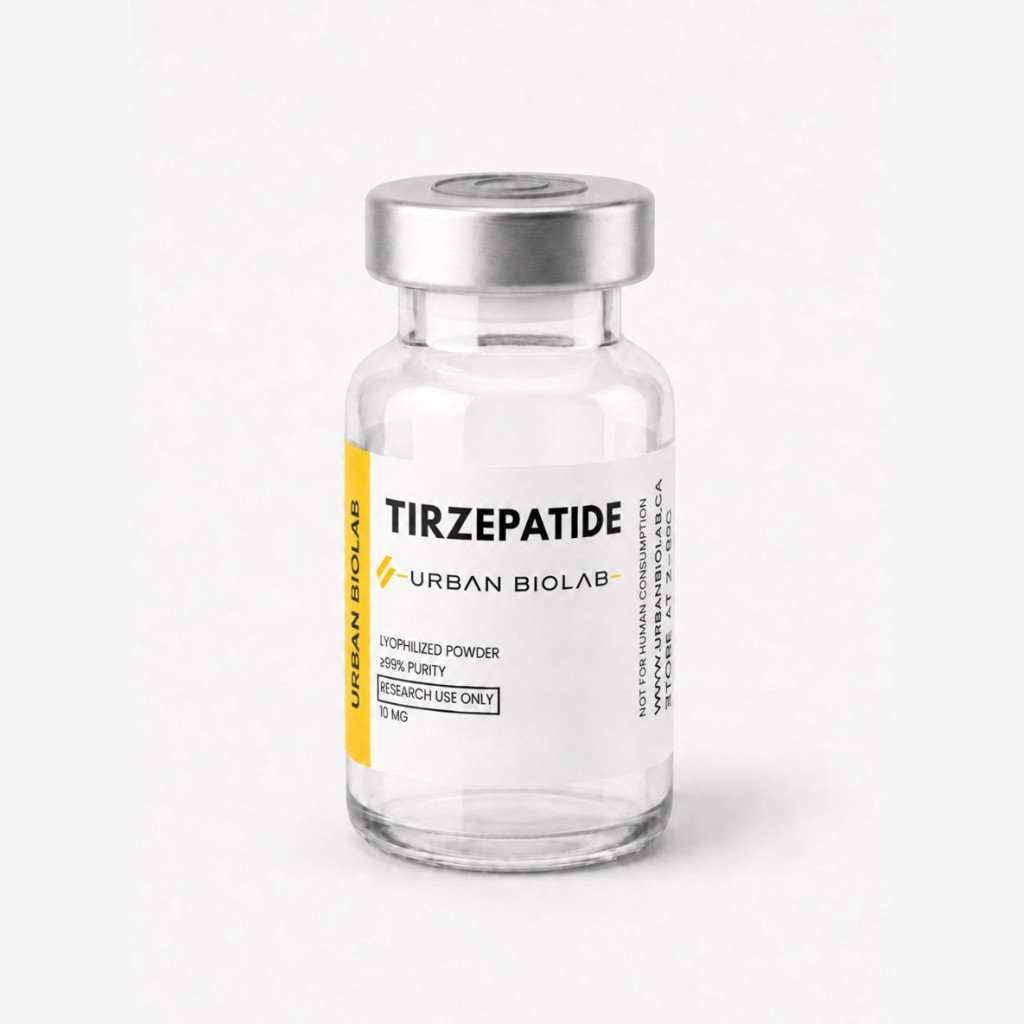
Tirzepatide 60MG
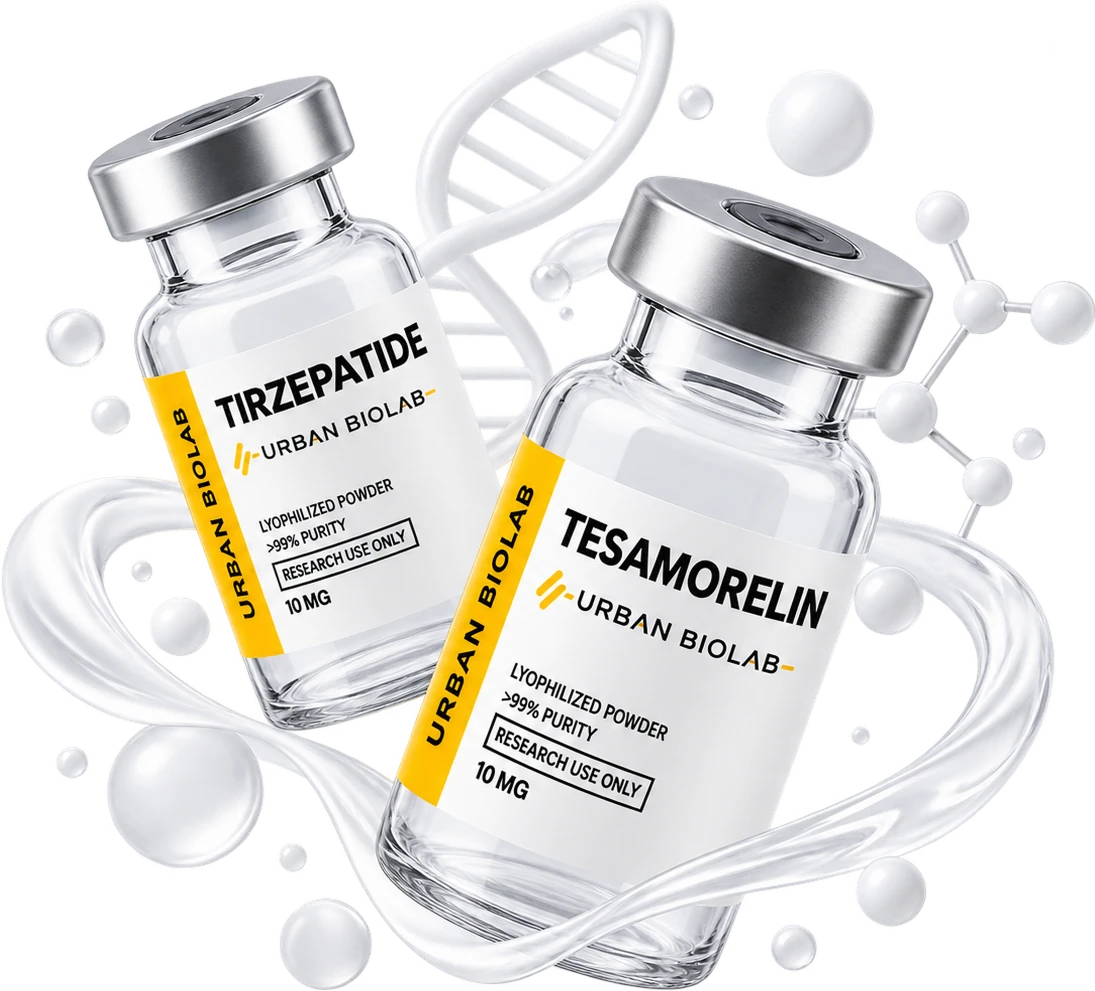
Tirzepatide 10mg is a synthetic research peptide classified as a dual GIP and GLP-1 receptor agonist, widely studied for its role in glucose metabolism, insulin signaling, and appetite regulation pathways. In laboratory research settings, Tirzepatide is of interest for investigations into metabolic regulation, energy balance, and endocrine system signaling.
Cost and Access: The Financial Reality
Effective medication doesn’t come cheap. Without insurance, tirzepatide can cost $900 to over $1,000 per month. Over a year, that’s more than $12,000—a number that puts it out of reach for many people.
The cost forces some patients into an impossible choice between their health and their finances.
Insurance Hurdles
Coverage varies widely depending on:
- Whether it’s prescribed for diabetes or weight loss
- Your plan’s formulary and policies
- Prior authorization requirements
- Step therapy rules that require trying cheaper options first
Many Canadian insurers still won’t cover tirzepatide for weight management, treating it as a lifestyle drug rather than a medical necessity. That view ignores both the health risks of obesity and the potential long-term savings from preventing related complications.
Assistance Programs
Manufacturer assistance programs can help some patients, but the process is slow and paperwork-heavy. Some people wait weeks or months only to be denied. For those who need it most, the drug often remains out of reach.
Where Tirzepatide Fits Among Weight Loss Peptides
Peptides are popular in weight management because they act as biological messengers—telling the body to burn fat, curb appetite, and regulate metabolism.
Other options include:
- Semaglutide (Wegovy, Ozempic): A single GLP-1 agonist
- Retatrutide: Another GLP-1 drug in Phase 3 trials
- AOD-9604: A synthetic fragment that mimics growth hormone’s fat-burning effects
- CJC-1295 and Ipamorelin: Growth hormone-releasing peptides, often paired together
Tirzepatide stands out because it targets two pathways instead of one. That dual approach may produce stronger results than single-target peptides. In the evolution of weight loss drugs, tirzepatide is less like a flip phone and more like a smartphone—same basic purpose, far more capability.
Hype vs. Reality
Social media has crowned tirzepatide a “miracle drug,” with transformation photos flooding feeds. But the science tells a more nuanced story.
What the Data Actually Shows
The results are strong—but they’re not magic. Participants lost 15–22% of their body weight over 72 weeks, but they also made dietary changes and lifestyle adjustments. The drug didn’t work while people sat on the couch eating pizza.
A few reality checks:
- Response varies: Some participants lost minimal weight
- It takes time: Meaningful results came after months, not weeks
- Lifestyle still matters: Those who ate well and exercised did better than those relying on the drug alone
Managing Expectations
Hoping to lose 50 pounds in a month will lead to disappointment. Tirzepatide works best as part of a broader weight management plan, not as a standalone fix.
Real-world success depends on sticking with the injection schedule, tolerating side effects, individual metabolism, and commitment to lifestyle changes. Some people stop treatment due to gastrointestinal issues before reaching their goals.
Tirzepatide is highly effective—arguably one of the best pharmacological options available—but calling it a miracle oversimplifies weight management and sets people up for frustration.
Making an Informed Choice
Tirzepatide is a promising medication with strong clinical backing. But it should be approached with clear eyes.
What it offers:
- Proven weight loss that beats many existing drugs
- Dual-action targeting of GIP and GLP-1 for stronger metabolic effects
- Once-weekly dosing that’s easy to stick with
- Benefits for both weight and type 2 diabetes
Researchers are still exploring what else tirzepatide might do. Future studies could uncover additional uses beyond weight and diabetes.
The bottom line: tirzepatide is a powerful tool, not a magic wand. Combined with lifestyle changes and medical supervision, it’s one of the most effective pharmaceutical options available today. That’s not hype—that’s science.
Frequently Asked Questions
What is tirzepatide and how does it work for weight loss?
Tirzepatide is a peptide medication sold as Mounjaro. It activates two receptors—GIP and GLP-1—that regulate metabolism and appetite. This dual action makes it more effective than drugs that target only GLP-1.
How is it administered?
It’s given as a once-weekly or bi-weekly subcutaneous injection. This schedule is convenient and supports better adherence than daily dosing.
What does the clinical evidence show?
Trials show significant weight loss in people with and without type 2 diabetes, plus meaningful reductions in HbA1c. This makes it effective for both weight management and blood sugar control.
Why does targeting both GIP and GLP-1 matter?
Activating both pathways produces stronger effects than targeting one alone. It addresses metabolism and appetite more comprehensively than single-target GLP-1 drugs.
What are the side effects?
Common side effects include nausea, vomiting, diarrhea, and headache. There’s also a rare risk of hypoglycemia. Talk to a healthcare provider to manage risks safely.
How do cost and access affect patients?
Tirzepatide is expensive, and insurance coverage is inconsistent. Many patients face affordability challenges and barriers to access. Assistance programs exist but can be difficult to navigate.