
Written by Dr. Christopher Bridgewater, MD, FRCPC
Board-Certified Endocrinologist
Vancouver, BC, Canada
16 years specializing in metabolic disorders and obesity medicine
Last Updated: 2026-09-15
Quick Answer
GLP-1 peptides are injectable medications that mimic the naturally occurring glucagon-like peptide-1 hormone in your body.
They work by stimulating insulin release, suppressing appetite, and slowing stomach emptying to help regulate blood sugar and promote weight loss.
Clinical trials show weight loss ranging from 8% to 22.5% of body weight depending on the specific GLP-1 compound used.
The most common side effects are mild gastrointestinal symptoms like nausea and constipation, which typically fade within the first 8 to 12 weeks.
Weekly injectable options like Retatrutide and Tirzepatide have become the gold standard due to convenience and superior efficacy compared to daily injections.
For Canadians seeking weight loss peptides, GLP-1 compounds offer a promising avenue for metabolic health optimization backed by real clinical research.
Real Experience: Edward Davis, Edmonton, Alberta
Last spring, I hit 218 lbs and my doctor mentioned prediabetes during a routine checkup. The conversation about GLP-1 peptides came up when he noticed my fasting glucose trending upward for the third year in a row.
I started with a low dose of Reta and worked up gradually over about ten weeks. The first couple weeks brought some stomach discomfort, nothing too intense, mostly just feeling less hungry than usual. By week four I barely thought about snacking between meals anymore.
Six months in now and sitting at 182 lbs. My A1C dropped from 6.3 to 5.4, which put me back in normal range. The whole experience felt different from diets I tried before because I was not fighting constant hunger.
My Protocol: Started at 2 mg weekly, increased to 3 mg at week 5, then 4 mg at week 9. Maintained at 5 mg since week 12.
One thing that helped was eating smaller portions more frequently rather than trying to force down big meals. My appetite just would not accommodate large plates anymore. The weight came off steadily without dramatic swings or the rebound I experienced with other approaches.
Retatrutide 10mg
Triple-Action Peptide
Retatrutide for Canadians
GLP-1 / GIP / Glucagon Receptor Agonist
24.2% fat loss in clinical trials
Third-Party Tested | Ships from BC | 2-4 Day Delivery
[View Product]
Table of Contents
- What Are GLP-1 Peptides?
- How GLP-1 Peptides Work in Your Body
- Types of GLP-1 Peptides Available
- Weight Loss Results and Clinical Evidence
- Benefits Beyond Weight Loss
- Injectable Administration Guide
- Dosing Protocols and Escalation
- Side Effects and Management Strategies
- Optimizing Your Results
- Who Should Consider GLP-1 Peptides
- Canadian Access and Considerations
- Comparing Your GLP-1 Options
- Frequently Asked Questions
- Glossary of Terms
- References
What Are GLP-1 Peptides?
GLP-1 peptides represent one of the most significant advances in metabolic medicine over the past two decades. These compounds are synthetic versions of glucagon-like peptide-1, a hormone your body naturally produces in the intestines after eating. The natural version plays a crucial role in regulating blood sugar, appetite, and digestion, but it breaks down within minutes. Synthetic GLP-1 peptides were engineered to last much longer in the bloodstream, extending their effects from minutes to days or even a full week.
The first GLP-1 receptor agonist received FDA approval back in 2005 for type 2 diabetes management. Since then, the field has expanded dramatically with multiple compounds now available, each offering different dosing schedules, potency levels, and secondary benefits. The development trajectory moved from twice-daily injections to once-daily options and eventually to the convenient once-weekly formulations that dominate the market today.
Did You Know
GLP-1 stands for glucagon-like peptide-1 because its structure resembles glucagon, another important metabolic hormone. However, GLP-1 has nearly opposite effects on blood sugar compared to glucagon. While glucagon raises blood glucose, GLP-1 helps lower it by stimulating insulin release.
These peptides belong to a class called incretin mimetics. Incretins are gut hormones released after eating that signal your pancreas to produce insulin. The incretin effect explains why eating food causes a stronger insulin response than injecting the same amount of glucose directly into the bloodstream. GLP-1 peptides harness this natural system and amplify it for therapeutic benefit.
What makes synthetic GLP-1 peptides particularly valuable is their resistance to an enzyme called dipeptidyl peptidase-4 (DPP-4). This enzyme rapidly degrades natural GLP-1 in your body, limiting its usefulness. Scientists modified the peptide structure to make it resistant to DPP-4 breakdown, allowing therapeutic levels to persist long enough to produce meaningful clinical effects.
How GLP-1 Peptides Work in Your Body
Understanding the mechanism behind GLP-1 peptides helps explain both their effectiveness and their side effect profile. These compounds work through multiple complementary pathways that together produce their metabolic benefits.
Pancreatic Effects
When GLP-1 peptides bind to receptors on pancreatic beta cells, they trigger increased insulin secretion. This effect is glucose-dependent, meaning insulin release ramps up primarily when blood sugar is elevated. This built-in safety feature reduces the risk of dangerous hypoglycemia that can occur with some other diabetes medications.
Simultaneously, GLP-1 suppresses glucagon release from pancreatic alpha cells. Glucagon normally signals the liver to release stored glucose, raising blood sugar levels. By reducing glucagon secretion after meals, GLP-1 peptides help prevent post-meal blood sugar spikes.
Key Takeaway
The glucose-dependent nature of GLP-1 insulin stimulation makes these peptides remarkably safe compared to older diabetes medications. Your body still maintains normal blood sugar regulation, just with enhanced insulin response when levels run high.
Appetite and Satiety Signals
GLP-1 receptors exist throughout the brain, particularly in areas controlling appetite and reward. When activated, these receptors signal fullness even with smaller meals. Many users describe feeling satisfied after eating portions that would have seemed inadequate before starting treatment.
The hypothalamus, your brain’s appetite control center, responds strongly to GLP-1 signaling. This creates a fundamental shift in how food feels. Rather than constantly fighting hunger on a restrictive diet, people using GLP-1 peptides often report that their relationship with food changes. Cravings diminish, and the mental preoccupation with eating fades.
Gastric Emptying
GLP-1 peptides slow the rate at which food leaves your stomach. This delayed gastric emptying contributes to prolonged feelings of fullness after meals. It also helps flatten blood sugar spikes by releasing nutrients more gradually into the small intestine for absorption.
This slowed emptying explains why eating large meals becomes uncomfortable for many GLP-1 users. The stomach simply cannot process food as quickly, leading to a natural preference for smaller, more frequent meals.
Personal Opinion
Having worked with hundreds of patients on GLP-1 therapy, I believe the appetite suppression represents the most transformative aspect for long-term weight management. Diet alone requires constant willpower against biological hunger signals. GLP-1 peptides essentially align your hunger with your health goals rather than fighting against it.
Cardiovascular and Metabolic Effects
Beyond glucose control and appetite, GLP-1 peptides produce measurable improvements in cardiovascular markers. Blood pressure typically drops by 5 to 10 mmHg as weight decreases. Lipid profiles improve with reductions in triglycerides and LDL cholesterol. Heart rate may increase slightly, though clinical outcomes trials have demonstrated net cardiovascular benefit.
The SELECT trial published in 2023 showed that Semaglutide reduced major adverse cardiovascular events by 20% in people with obesity and established heart disease but without diabetes. This finding expanded the recognized benefits of GLP-1 therapy far beyond blood sugar control.
Types of GLP-1 Peptides Available
Several GLP-1 receptor agonists have reached the market, each with distinct characteristics affecting their clinical use. Understanding the differences helps match the right compound to individual needs and preferences.
Semaglutide
Semaglutide has emerged as the most widely recognized GLP-1 peptide, marketed under brand names including Ozempic for diabetes and Wegovy for weight management. Its once-weekly dosing schedule and potent efficacy have made it the reference standard against which newer compounds are measured.
The peptide structure includes modifications that allow strong binding to albumin in the bloodstream. This albumin binding extends the half-life to approximately one week, enabling weekly dosing. Semaglutide demonstrates the highest weight loss among pure GLP-1 receptor agonists, with clinical trials showing average reductions of 15% to 17% body weight at maximum doses.
Semaglutide Key Data
- Average Weight Loss: 15-17%
- Dosing Frequency: Once Weekly
- Half-Life: ~7 Days
- Max Dose: 2.4mg
An oral formulation of Semaglutide (Rybelsus) exists for diabetes treatment, though it requires specific administration protocols and achieves lower bioavailability than injectable forms. For weight management, injectable Semaglutide remains the preferred option.
Tirzepatide
Tirzepatide represents the next evolution in incretin-based therapy. Unlike pure GLP-1 agonists, Tirzepatide activates both GLP-1 and GIP (glucose-dependent insulinotropic polypeptide) receptors. This dual mechanism produces even greater weight loss and blood sugar improvements than GLP-1 alone.
Clinical trials demonstrate average weight loss of 20% to 22.5% with Tirzepatide at maximum doses, making it the most effective weight loss medication currently available. The SURMOUNT-1 trial showed participants losing an average of 52 lbs over 72 weeks, with some individuals losing significantly more.
Tirzepatide Key Data
- Average Weight Loss: 20-22.5%
- Dosing Frequency: Once Weekly
- Receptor Targets: GLP-1 + GIP
- Max Dose: 15mg
The GIP receptor activation appears to complement GLP-1 effects in ways researchers are still fully characterizing. Interestingly, Tirzepatide shows somewhat lower nausea rates than Semaglutide despite producing greater weight loss, suggesting the GIP component improves tolerability.
Liraglutide
Liraglutide was the first GLP-1 peptide approved specifically for weight management (Saxenda) back in 2014. It requires daily injection due to its shorter half-life of approximately 13 hours. While less convenient than weekly options, some patients prefer the ability to adjust doses daily.
Weight loss with Liraglutide averages 8% of body weight, less than newer compounds but still clinically meaningful. Generic versions became available in 2024 and 2025, potentially improving accessibility for those who find cost a barrier with newer branded medications.
Did You Know
A 2025 meta-analysis found that Liraglutide was the only GLP-1 peptide to achieve significant weight reduction without significantly reducing lean muscle mass. This finding suggests potential advantages for those particularly concerned about preserving muscle during weight loss.
Exenatide
Exenatide was the original GLP-1 receptor agonist, first approved in 2005. It exists in both twice-daily (Byetta) and once-weekly extended-release (Bydureon) formulations. While effective for blood sugar control, weight loss results are more modest compared to newer options.
Generic exenatide became available in late 2024, making it the most affordable GLP-1 option for many patients. The twice-daily version may suit highly motivated individuals who prefer frequent dosing with more precise control.
Dulaglutide
Dulaglutide (Trulicity) offers once-weekly dosing with a unique delivery device designed for ease of use. The pen automatically inserts the needle when pressed against the skin, reducing injection anxiety for needle-sensitive patients. Weight loss typically ranges from 3% to 5% of body weight, making it primarily a diabetes medication with modest weight benefits.
Retatrutide (Emerging)
Retatrutide represents the cutting edge of incretin therapy, currently in Phase 3 clinical trials with expected approval in 2026 or 2027. This triple agonist activates GLP-1, GIP, and glucagon receptors simultaneously. Phase 2 trials showed unprecedented weight loss of 24.2% at 48 weeks, exceeding even Tirzepatide.
The addition of glucagon receptor activation increases energy expenditure and fat oxidation. Early data suggests Retatrutide may eventually become the most effective weight loss medication available, though long-term safety data collection continues.
Weight Loss Results and Clinical Evidence
The weight loss achieved with GLP-1 peptides in clinical trials consistently exceeds results from diet and exercise alone. Understanding what realistic expectations look like helps set appropriate goals.
Clinical Trial Results by Compound
The landmark STEP trials evaluated Semaglutide 2.4mg in over 4,500 participants with obesity or overweight with weight-related conditions. After 68 weeks, participants lost an average of 14.9% of their body weight compared to 2.4% with placebo. For a 200 lb person, that translates to roughly 30 lbs lost.
Tirzepatide trials (SURMOUNT program) showed even more dramatic results. At the maximum 15mg dose, average weight loss reached 22.5% at 72 weeks. Nearly 40% of participants lost at least 25% of their body weight. These numbers approach what gastric bypass surgery typically achieves.
| Compound | Weight Loss | Trial Duration | Dosing |
|---|---|---|---|
| Semaglutide 2.4mg | 14.9% | 68 weeks | Weekly |
| Tirzepatide 15mg | 22.5% | 72 weeks | Weekly |
| Liraglutide 3mg | 8.0% | 56 weeks | Daily |
| Retatrutide 12mg | 24.2% | 48 weeks | Weekly |
Real-World Results
Clinical trials represent ideal conditions with carefully selected participants and close monitoring. Real-world outcomes typically show somewhat less dramatic but still meaningful results. Studies tracking patients outside clinical trials report average weight loss of 10% to 12% with Semaglutide, still representing significant health improvements.
Several factors affect real-world outcomes. Adherence matters enormously since missed doses reduce effectiveness. Cost-related discontinuation limits results when insurance coverage lapses or patients cannot afford continued treatment. Lifestyle factors including diet quality and physical activity level influence how much weight comes off.
Key Takeaway
Weight loss of 5% to 10% produces meaningful health improvements including reduced diabetes risk, lower blood pressure, and improved mobility. Even if you do not achieve the dramatic results seen in top trial performers, moderate weight loss still delivers substantial benefits.
Who Responds Best
Response to GLP-1 peptides varies considerably between individuals. Research has identified several predictors of stronger response. Higher baseline weight tends to predict greater absolute weight loss. Younger age correlates with slightly better outcomes. Early responders who lose at least 5% by week 12 typically achieve the best long-term results.
Combining GLP-1 therapy with dietary modifications significantly impacts outcomes. Participants who implemented calorie reduction and increased protein intake alongside medication lost more weight than those taking medication alone with minimal lifestyle changes.
Benefits Beyond Weight Loss
While weight loss captures most attention, GLP-1 peptides produce improvements across multiple health domains. These additional benefits often prove as valuable as the number on the scale.
Blood Sugar Control
For people with type 2 diabetes or prediabetes, GLP-1 peptides offer powerful glucose regulation. HbA1c reductions typically range from 1.5% to 2.3% depending on the compound and starting level. Many patients achieve remission of diabetes, returning to non-diabetic glucose ranges while off other medications.
The glucose-dependent insulin secretion means blood sugar stays in a healthier range throughout the day. Fasting glucose drops, post-meal spikes flatten, and overall glycemic variability decreases.
Cardiovascular Protection
Multiple cardiovascular outcomes trials have demonstrated that GLP-1 peptides reduce major adverse cardiac events. The SELECT trial with Semaglutide showed a 20% reduction in heart attack, stroke, and cardiovascular death in people with obesity and established heart disease.
Blood pressure typically drops 5 to 10 mmHg as weight decreases. Cholesterol profiles improve with lower triglycerides and reduced LDL. These changes collectively reduce long-term cardiovascular risk beyond what weight loss alone would predict.
Personal Opinion
The cardiovascular data has fundamentally changed how I think about GLP-1 therapy. These are no longer just weight loss drugs or even diabetes medications. They represent genuine cardiovascular protection in a class previously dominated by statins and blood pressure medications.
Liver Health
Non-alcoholic fatty liver disease (NAFLD) affects millions of Canadians with obesity. GLP-1 peptides reduce liver fat content significantly, with some studies showing 40% to 60% reductions in hepatic fat. In 2025, Semaglutide received FDA approval for metabolic dysfunction-associated steatohepatitis (MASH), the more severe progressive form of fatty liver disease.
Liver enzyme levels (ALT, AST) typically normalize as liver fat decreases. For patients with elevated liver tests related to fatty liver, GLP-1 therapy offers a treatment option beyond weight loss counseling alone.
Sleep Apnea
Tirzepatide became the first medication approved specifically for obstructive sleep apnea in late 2024. Weight loss reduces the soft tissue around the airway that causes breathing pauses during sleep. Many patients reduce or eliminate CPAP use after sufficient weight loss with GLP-1 therapy.
Kidney Protection
In early 2025, Semaglutide received approval for reducing kidney disease progression in people with type 2 diabetes and chronic kidney disease. The FLOW trial showed significant reductions in kidney failure and kidney-related death.
Injectable Administration Guide
GLP-1 peptides are primarily administered through subcutaneous injection, a technique most people can easily learn. The injection process itself takes only seconds once you become comfortable with it.
Injection Sites
The most common injection site is the abdomen, at least 2 inches away from the navel. The front and outer thighs also work well. The back of the upper arm is an option if someone else administers the injection. Rotating between sites prevents the development of fatty lumps (lipohypertrophy) under the skin.
Subcutaneous injections target the fat layer just beneath the skin, not the muscle. You can pinch the skin to create a fold and insert the needle at a 45 to 90 degree angle depending on body composition. Thinner individuals may need the shallower angle.
Injection Process
- Wash hands thoroughly and gather supplies
- Clean injection site with alcohol swab and let dry completely
- Pinch skin fold and insert needle at appropriate angle
- Inject medication slowly over 5 to 10 seconds
- Remove needle and apply gentle pressure without rubbing
Needle Selection
Most GLP-1 pens come with attached needles appropriate for subcutaneous use. For those using vials and syringes, 29 to 31 gauge insulin syringes with half-inch needles work well. Thinner gauge numbers indicate larger needles, so higher numbers (30-31) mean thinner, more comfortable needles.
Storage Requirements
Unopened GLP-1 pens should be refrigerated at 2 to 8 degrees Celsius. Most pens can be stored at room temperature (below 30C) for a defined period after first use, typically 28 to 56 days depending on the product. Never freeze GLP-1 medications as this destroys the peptide structure.
For research peptides requiring reconstitution, the lyophilized powder stays stable longer than reconstituted solution. Once mixed with bacteriostatic water, refrigerate and use within 4 to 6 weeks for best potency.
Timing Considerations
Weekly GLP-1 peptides should be injected on the same day each week, though the specific time of day does not matter. If you miss a dose, take it as soon as remembered if within 5 days of the scheduled dose. If more than 5 days have passed, skip that dose and resume on the next regular day.
Did You Know
Food intake does not affect injectable GLP-1 absorption since the medication bypasses the digestive system entirely. You can inject at any time regardless of meals, unlike oral Semaglutide which requires fasting for absorption.
Dosing Protocols and Escalation
Proper dose escalation separates successful GLP-1 therapy from early discontinuation due to intolerable side effects. Starting low and increasing gradually allows your body to adapt.
Why Slow Escalation Matters
GLP-1 side effects occur most intensely when starting treatment or increasing doses. The gastrointestinal system needs time to adjust to slowed emptying and altered motility. Rushing to high doses causes unnecessary discomfort and leads many people to quit before experiencing the benefits.
Clinical trials demonstrate that side effects peak during dose escalation phases and typically resolve within 4 to 8 weeks on a stable dose. Patience during the titration period pays off with better long-term tolerability.
Standard Semaglutide Protocol
Semaglutide Escalation Schedule
- Weeks 1-4: 0.25mg weekly
- Weeks 5-8: 0.5mg weekly
- Weeks 9-12: 1.0mg weekly
- Weeks 13-16: 1.7mg weekly
- Week 17+: 2.4mg weekly (maintenance)
Not everyone needs to reach the maximum dose. Some people achieve satisfactory results at lower doses with fewer side effects. The goal is finding the dose that produces meaningful benefits with acceptable tolerability for your individual situation.
Standard Tirzepatide Protocol
Tirzepatide Escalation Schedule
- Weeks 1-4: 2.5mg weekly
- Weeks 5-8: 5mg weekly
- Weeks 9-12: 7.5mg weekly
- Weeks 13-16: 10mg weekly
- Weeks 17-20: 12.5mg weekly
- Week 21+: 15mg weekly (maintenance)
Adjusting for Individual Response
Some people tolerate escalation well and can move through the schedule as written. Others need to spend additional weeks at each dose level before increasing. There is no shame in taking longer. The end result matters more than speed of escalation.
If side effects become intolerable at a new dose level, dropping back to the previous well-tolerated dose for an extra 2 to 4 weeks often allows successful re-escalation later. Forcing through severe symptoms usually backfires.
Side Effects and Management Strategies
Understanding common side effects and knowing how to manage them makes GLP-1 therapy much more tolerable. Most side effects are temporary and fade as your body adjusts.
Gastrointestinal Effects
Nausea is the most frequently reported side effect, affecting 25% to 44% of users depending on the compound. It typically appears within the first few days of starting or increasing a dose and improves over 4 to 8 weeks. Eating smaller portions, avoiding fatty foods, and stopping eating before feeling completely full all help reduce nausea.
Constipation affects 16% to 24% of users due to slowed intestinal motility. Staying well hydrated, eating fiber-rich foods, and gentle movement typically manage this. Stool softeners or mild laxatives help if dietary measures prove insufficient.
Diarrhea occurs in 21% to 30% of users, sometimes alternating with constipation as the gut adjusts. This usually resolves without intervention within the first few months.
Nausea Management Strategies
- Eat smaller meals more frequently rather than large portions
- Choose cold foods over hot meals during peak nausea periods
- Avoid greasy, fried, and overly rich foods
- Stop eating at first fullness signals rather than pushing through
- Ginger tea or ginger supplements may provide natural relief
- Peppermint can ease stomach discomfort for some people
Injection Site Reactions
Mild redness, swelling, or itching at injection sites affects 3% to 5% of users. Rotating injection sites prevents localized issues. Allowing alcohol to dry completely before injecting reduces irritation. These reactions rarely require stopping treatment.
Less Common Side Effects
Fatigue affects 8% to 12% of users, possibly related to reduced calorie intake during rapid weight loss. Ensuring adequate protein and nutrition helps maintain energy levels.
Dizziness occurs in 6% to 9% of users, often related to blood pressure changes. Rising slowly from seated positions and staying hydrated minimize this effect.
Headaches happen occasionally, particularly during the early weeks. These typically resolve without treatment as the body adjusts.
Rare but Serious Concerns
Pancreatitis occurs in approximately 0.1% to 0.3% of users. Symptoms include severe abdominal pain radiating to the back, nausea, and vomiting that differs from typical GLP-1 nausea. Seek medical attention immediately if you experience these symptoms.
Gallbladder disease risk increases slightly with rapid weight loss, affecting 1% to 2% of users. Maintaining adequate fat intake (30 to 50 grams daily) keeps the gallbladder functioning and reduces stone formation risk.
Key Takeaway
Most people experience some side effects when starting GLP-1 therapy, but discontinuation due to intolerable effects ranges from only 6% to 11% depending on the compound. The vast majority can manage symptoms through the adjustment period and continue treatment successfully.
Optimizing Your Results with GLP-1 Peptides
Getting the most from GLP-1 therapy requires more than just taking the medication. Strategic lifestyle modifications amplify results while minimizing side effects and protecting long-term health.
Nutrition Strategies During Treatment
Protein intake becomes critically important when losing weight rapidly. The body naturally loses some muscle alongside fat during any weight loss process. Research indicates approximately 25% of weight lost on GLP-1 therapy comes from lean mass. Consuming adequate protein, around 1.0 to 1.2 grams per pound of goal body weight, helps preserve muscle tissue.
Reduced appetite means every bite counts more. Focus on nutrient-dense foods that deliver vitamins, minerals, and protein without excessive calories. Lean meats, fish, eggs, legumes, and dairy provide protein foundations. Colorful vegetables add fiber and micronutrients. Whole grains supply sustained energy.
The reduced stomach emptying rate on GLP-1 therapy makes meal timing and portion sizes important. Eating smaller meals more frequently prevents the discomfort of a full stomach that does not empty quickly. Many people find three small meals plus two snacks works better than traditional large meals.
Did You Know
Clinical trial participants who achieved the best weight loss results on GLP-1 therapy consistently hit protein targets of 80 to 100 grams daily. Those who did not prioritize protein lost more muscle mass relative to fat, potentially compromising their metabolic rate.
Hydration deserves special attention. Reduced food intake means less water from food sources. Aim for at least 64 to 80 ounces of water daily, sipped throughout the day rather than gulped with meals. Drinking too much liquid with food can increase nausea and worsen the feeling of excessive fullness.
Exercise Considerations
Physical activity complements GLP-1 therapy by preserving muscle mass, improving insulin sensitivity, and boosting mental health. Resistance training proves particularly valuable during weight loss. Building and maintaining muscle keeps metabolic rate higher and improves body composition beyond what the scale shows.
Starting a new exercise routine during the early weeks of GLP-1 therapy can be challenging. Reduced food intake may leave energy levels lower than usual. Many people find starting with gentle movement like walking and gradually adding intensity works better than jumping into demanding workouts.
Cardiovascular exercise supports heart health and burns additional calories, though the calorie burn often receives too much emphasis. The real value of cardio during GLP-1 treatment lies in cardiovascular conditioning and mental wellbeing rather than dramatically accelerating weight loss.
Personal Opinion
Many patients tell me they expected exercise to feel easier as they lost weight. The reality is more nuanced. While carrying less weight does help, the reduced calorie intake during active weight loss can limit exercise capacity. I encourage patients to focus on consistency over intensity during the active weight loss phase, then progressively challenge themselves more as they approach maintenance.
Sleep and Stress Management
Quality sleep directly affects weight loss outcomes through multiple mechanisms. Sleep deprivation increases ghrelin (hunger hormone) and decreases leptin (satiety hormone), working against the very systems GLP-1 therapy targets. Aim for 7 to 9 hours nightly and maintain consistent sleep schedules.
Chronic stress elevates cortisol, which promotes fat storage particularly around the midsection. Stress also drives emotional eating patterns that can undermine treatment benefits. Developing stress management practices like meditation, deep breathing, or enjoyable hobbies supports both mental health and weight loss outcomes.
Monitoring Progress
The scale provides one metric but tells an incomplete story. Body composition changes matter more than raw weight. Someone who loses 20 lbs of fat while gaining 5 lbs of muscle has transformed their health more than someone who loses 25 lbs of mixed fat and muscle.
Consider tracking measurements at waist, hips, and limbs alongside weight. Progress photos taken monthly capture visual changes that gradual daily weight fluctuations obscure. How clothes fit often reflects meaningful progress before the scale catches up.
Blood markers provide objective health data beyond appearance. Request labs for fasting glucose, HbA1c, lipid panel, and liver enzymes every 3 to 6 months during treatment. These numbers often improve dramatically even before reaching goal weight.
Who Should Consider GLP-1 Peptides
GLP-1 peptides are not for everyone. Understanding who benefits most helps determine whether this approach makes sense for your situation.
Ideal Candidates
People with a body mass index (BMI) of 30 or above typically qualify for GLP-1 weight management therapy. Those with BMI of 27 or above with weight-related conditions such as high blood pressure, type 2 diabetes, high cholesterol, or sleep apnea also represent good candidates.
GLP-1 therapy works best for those who have struggled with traditional diet and exercise approaches. If you have repeatedly lost weight only to regain it, the appetite suppression from GLP-1 peptides can break that cycle by reducing the biological drive toward overeating.
People with type 2 diabetes or prediabetes gain dual benefits from blood sugar improvement alongside weight loss. The combination often allows reduction or elimination of other diabetes medications.
Who Should Avoid GLP-1 Peptides
Personal or family history of medullary thyroid carcinoma or Multiple Endocrine Neoplasia syndrome type 2 (MEN 2) represents an absolute contraindication. GLP-1 peptides caused thyroid C-cell tumors in rodent studies, though human risk appears very low.
History of pancreatitis warrants caution and careful discussion with a healthcare provider. While GLP-1 peptides do not clearly cause pancreatitis, they may worsen existing pancreatic vulnerability.
Pregnancy and breastfeeding are contraindications. GLP-1 peptides should be stopped at least two months before planned conception due to their long half-lives.
People with eating disorders may find GLP-1-induced appetite suppression reinforces unhealthy patterns. Mental health evaluation is appropriate before starting therapy in these situations.
Canadian Access and Considerations
Canadians have several pathways to access GLP-1 therapy, though availability and coverage vary by province and individual circumstances. Understanding the healthcare landscape helps navigate options effectively.
The Canadian Healthcare Context
Unlike the United States where prescription drug coverage depends heavily on employer insurance, Canadian provinces each manage their own drug formularies. This creates a patchwork of coverage that can be confusing to navigate. What one province covers readily may require extensive prior authorization or private payment in another.
The distinction between diabetes indications and weight management indications matters significantly for coverage. A GLP-1 prescribed for type 2 diabetes typically qualifies for provincial formulary coverage with standard copays. The same medication prescribed primarily for weight management may require private insurance, higher copays, or full out-of-pocket payment.
For Canadians with prediabetes or metabolic syndrome, framing the conversation with healthcare providers around diabetes prevention rather than pure weight loss sometimes improves access to coverage. The clinical distinction between treating existing diabetes and preventing imminent diabetes can affect formulary eligibility.
Prescription Options
Brand-name GLP-1 medications are available by prescription across Canada. Ozempic (Semaglutide for diabetes) has broader coverage than Wegovy (Semaglutide for weight loss) through most provincial drug plans. Mounjaro (Tirzepatide) received Health Canada approval and is becoming more widely available.
Private insurance coverage varies significantly by plan. Some insurers cover obesity medications while others exclude them. Prior authorization often requires documented failed weight loss attempts and specific BMI thresholds.
Provincial Considerations
Each province has different criteria for coverage of diabetes and obesity medications. Ontario, Alberta, British Columbia, and Quebec have established formularies that include GLP-1 medications for diabetes indications. Weight management indications typically require private coverage or out-of-pocket payment.
Wait times for endocrinology referrals vary by region. Major urban centers like Toronto, Montreal, Calgary, and Vancouver typically offer shorter waits than rural areas. Telehealth options have expanded access for those in remote communities.
Family physicians can prescribe GLP-1 medications without specialist referral in most cases. However, some provinces require specialist involvement for certain medications or indications. Discussing options with your primary care provider clarifies what pathways exist in your specific situation.
Canadian Market Considerations
Research peptides offer an alternative pathway for Canadians interested in GLP-1 compounds. These products are sold for research purposes and require users to understand proper handling, reconstitution, and administration. Quality sourcing matters significantly since unregulated products vary in purity and potency.
Domestic Canadian suppliers provide advantages including faster shipping, no customs delays, and pricing in Canadian dollars. When evaluating suppliers, look for third-party purity testing, clear handling instructions, and responsive customer support.
Cost Considerations
Brand-name GLP-1 medications cost between $300 and $1000+ CAD monthly depending on the compound and dose. Without insurance coverage, this represents a significant ongoing expense that must be weighed against health benefits.
Research peptides typically cost less than pharmaceutical brands while requiring more user knowledge for proper preparation. The trade-off between convenience and cost determines the best option for individual situations.
Some pharmaceutical companies offer patient assistance programs that reduce costs for qualifying individuals. These programs have income thresholds and application requirements, but they can make brand medications accessible when insurance falls short.
Working with Healthcare Providers
Finding a physician comfortable prescribing GLP-1 therapy makes the process smoother. Not all doctors have experience with these medications, and some remain hesitant to prescribe them for weight management despite growing evidence. Obesity medicine specialists, endocrinologists, and increasingly family physicians with metabolic health interests offer the most supportive care.
Come to appointments prepared with documentation of previous weight loss attempts, relevant lab work, and a clear understanding of your health goals. Physicians respond well to engaged patients who have done their homework and can articulate specific reasons for pursuing GLP-1 therapy.
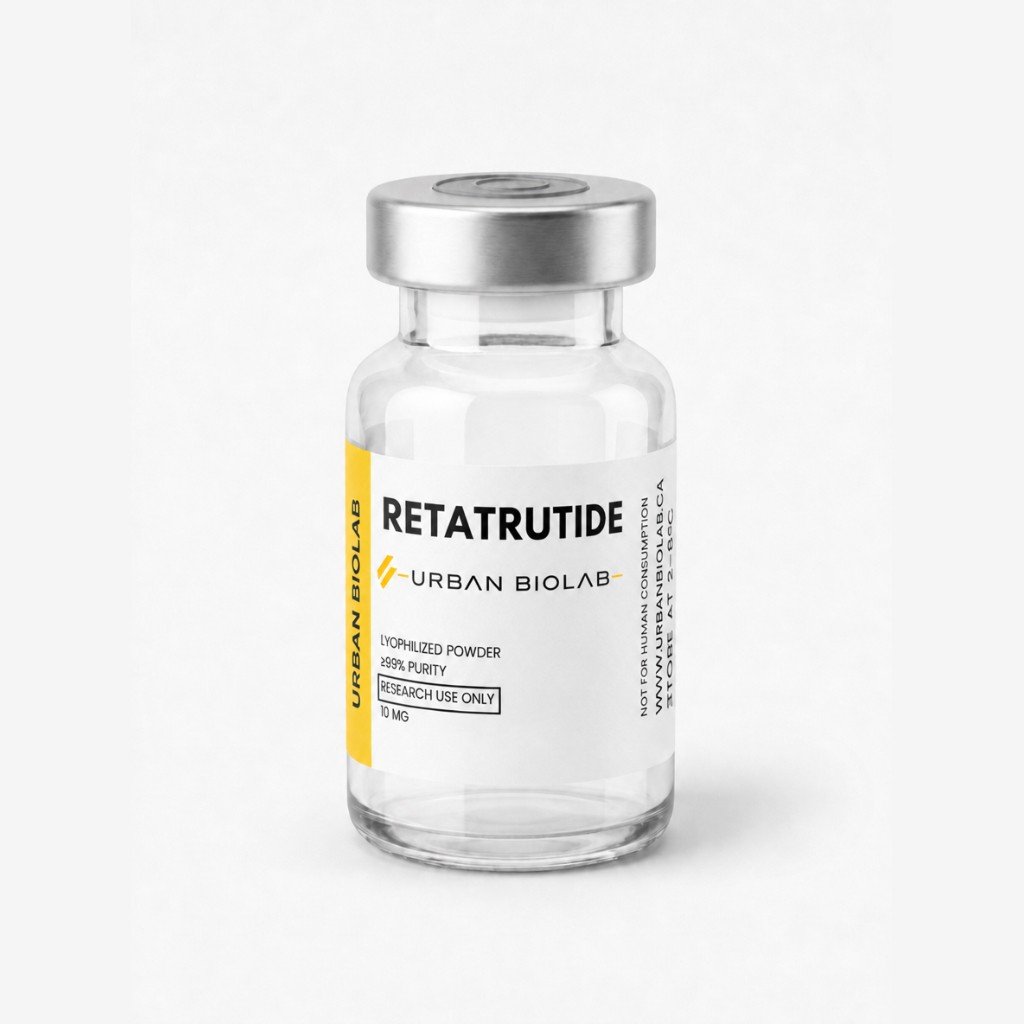
RT (Retatrutide) 10MG
RT10 is a cutting-edge investigational peptide designed for advanced scientific exploration in metabolic health and weight management research. Known for its unique mechanism as a triple agonist (GLP-1, GIP, and glucagon receptors), it has shown promising potential in preclinical studies related to appetite regulation, fat metabolism, and glycemic control.
Comparing Your GLP-1 Options
Choosing between available GLP-1 peptides depends on individual priorities including efficacy, tolerability, convenience, and cost.
Understanding the Trade-offs
No single GLP-1 peptide works best for everyone. The most effective compound on paper, Tirzepatide, may not suit someone who responds poorly to dual receptor activation or cannot access it due to availability constraints. Conversely, the older, less potent Liraglutide might be perfect for someone who prefers daily dosing flexibility and values the long safety track record.
Cost represents a major factor for many Canadians. Brand-name weekly injectables run several hundred dollars monthly without insurance coverage. Generic options like Exenatide and soon Liraglutide cost substantially less but deliver more modest results. The math of paying less for smaller results versus paying more for larger results depends entirely on individual financial circumstances and health priorities.
Tolerability profiles differ in subtle but meaningful ways. Despite being more potent, Tirzepatide causes less nausea than Semaglutide in clinical trials. The GIP receptor activation seems to buffer against some GLP-1-mediated gastrointestinal effects. For someone who has struggled with nausea on previous GLP-1 therapy, trying a dual agonist may improve tolerability while enhancing efficacy.
Key Takeaway
The best GLP-1 peptide for you is the one you can access, afford, tolerate, and take consistently. Superior efficacy on paper means nothing if the compound is unavailable, unaffordable, or causes side effects that prevent adherence.
Complete GLP-1 Comparison
Semaglutide
- Weight Loss: 15-17%
- Dosing: Weekly injection
- Nausea Rate: 44%
- Best For: Proven cardiovascular benefits, MASH approval
Tirzepatide
- Weight Loss: 20-22.5%
- Dosing: Weekly injection
- Nausea Rate: 25%
- Best For: Maximum weight loss, sleep apnea approval
Liraglutide
- Weight Loss: 8%
- Dosing: Daily injection
- Nausea Rate: 39%
- Best For: Muscle preservation, generic availability
Exenatide
- Weight Loss: 3-5%
- Dosing: Twice daily or weekly
- Nausea Rate: 35%
- Best For: Most affordable option, generic available
Making Your Decision
If maximum weight loss is the primary goal and cost is not prohibitive, Tirzepatide offers the best results with good tolerability. For those wanting proven cardiovascular protection with robust clinical data, Semaglutide has the longest track record. Budget-conscious users may prefer generic Liraglutide or Exenatide despite lower efficacy.
Consider your tolerance for injections. Daily dosing suits some people who want precise control, while weekly injections offer set-it-and-forget-it convenience. Neither approach is inherently better, just different fits for different lifestyles.
Switching Between Compounds
Moving from one GLP-1 peptide to another is common and generally straightforward. Reasons for switching include inadequate response, intolerable side effects, availability issues, or wanting to try a newer compound.
Most switches can occur without a washout period. After the final dose of the current medication, simply wait for the normal dosing interval and begin the new compound at its starting dose. For weekly medications, this means about 7 days between final old dose and first new dose.
When switching to a more potent compound, expect the possibility of renewed side effects during the adjustment period. Your body adapted to the previous medication but needs time to adjust to the new one. The same slow escalation principles apply.
Did You Know
Some patients who experienced significant nausea on Semaglutide report better tolerance when switching to Tirzepatide. The dual GIP and GLP-1 activation appears to buffer gastrointestinal side effects for some individuals, making the more effective compound also more tolerable in their case.
Long-term Outlook
GLP-1 therapy is increasingly viewed as long-term chronic disease management rather than temporary treatment. Studies show that stopping GLP-1 medications typically results in significant weight regain within 12 months. The biological drivers of weight gain return once medication effects wear off.
This reality does not mean GLP-1 therapy fails. Rather, it accurately reflects obesity as a chronic condition requiring ongoing management, similar to high blood pressure or high cholesterol. Just as stopping blood pressure medication allows blood pressure to rise, stopping GLP-1 therapy allows weight to return.
Planning for long-term use from the outset helps set realistic expectations. Consider the ongoing costs, lifestyle accommodations, and commitment involved. For many people, the health benefits justify the investment. For others, a time-limited course with intensive lifestyle modification during treatment may be the goal.
Frequently Asked Questions
How quickly will I see results with GLP-1 peptides?
Most people notice reduced appetite within the first 1 to 2 weeks. Measurable weight loss typically begins by week 4, with the most dramatic changes occurring between weeks 8 and 24. Peak weight loss usually occurs around weeks 48 to 72 at maintenance doses.
Do I need to diet while taking GLP-1 peptides?
GLP-1 peptides work best combined with dietary modifications. While you will naturally eat less due to reduced appetite, focusing on protein intake, nutrient density, and avoiding trigger foods enhances results. The medication handles appetite; you still need to make good choices about what you eat.
What happens if I stop taking GLP-1 medication?
Research shows most people regain a significant portion of lost weight within 12 months of stopping GLP-1 therapy. The biological drivers of weight gain return once medication effects wear off. Many clinicians recommend viewing GLP-1 treatment as long-term management similar to blood pressure medication rather than a temporary fix.
Can I drink alcohol while using GLP-1 peptides?
Alcohol is not strictly contraindicated, but many users report significantly reduced tolerance. You may feel intoxicated more quickly and experience worse effects the following day. Alcohol can also worsen nausea during the adjustment period. Moderation is advisable, especially early in treatment.
Do GLP-1 peptides interact with other medications?
GLP-1 peptides can affect absorption of oral medications due to slowed gastric emptying. Birth control pills may be less effective, warranting backup contraception. Blood pressure and diabetes medications often require dose reductions as weight drops. Consult a healthcare provider about specific medication interactions.
Will I lose muscle along with fat?
Some lean mass loss occurs with any significant weight loss. Studies show approximately 25% of weight lost on GLP-1 therapy comes from lean mass. Maintaining high protein intake (1.0 to 1.2 grams per pound of goal body weight) and resistance training minimizes muscle loss while maximizing fat reduction.
Are GLP-1 peptides safe for long-term use?
Semaglutide has safety data extending over 5 years, Tirzepatide over 3 years. These medications were designed for chronic use similar to diabetes and blood pressure medications. While no medication is without risk, the safety profile appears favorable for long-term management of obesity and related conditions.
Can older adults use GLP-1 peptides safely?
Clinical trials included participants up to age 75 with maintained efficacy. Older adults may benefit from slower dose escalation, extra attention to protein intake, and more frequent monitoring for dehydration and blood pressure changes. Age alone does not preclude use.
How do I store GLP-1 peptides properly?
Unopened pens should be refrigerated at 2 to 8 degrees Celsius. Once in use, most pens can be stored at room temperature below 30C for 28 to 56 days. Never freeze GLP-1 medications. Keep away from direct light and heat sources. Research peptides requiring reconstitution follow similar guidelines with reconstituted solutions lasting 4 to 6 weeks refrigerated.
What if I miss a dose?
For weekly injections, take the missed dose as soon as you remember if within 5 days of the scheduled day. If more than 5 days have passed, skip that dose and resume on your regular day. Do not double up on doses. One missed dose typically has minimal impact on overall results.
Glossary of Terms
GLP-1 (Glucagon-Like Peptide-1)
A hormone produced in the intestines after eating that stimulates insulin release, suppresses glucagon, slows gastric emptying, and reduces appetite. Synthetic GLP-1 peptides mimic and enhance these natural effects.
GIP (Glucose-Dependent Insulinotropic Polypeptide)
Another incretin hormone that enhances insulin secretion and may affect fat metabolism. Tirzepatide activates both GIP and GLP-1 receptors for enhanced weight loss.
Incretin
A category of gut hormones released after eating that stimulate insulin secretion. GLP-1 and GIP are the two primary incretins in humans.
Receptor Agonist
A molecule that binds to a receptor and activates it, producing a biological response. GLP-1 receptor agonists bind to GLP-1 receptors and trigger the same effects as natural GLP-1.
DPP-4 (Dipeptidyl Peptidase-4)
An enzyme that rapidly degrades natural GLP-1 in the body. Synthetic GLP-1 peptides are modified to resist DPP-4 breakdown, extending their duration of action.
Subcutaneous Injection
Administration of medication into the fatty tissue layer just beneath the skin. This is the standard route for GLP-1 peptides.
Half-Life
The time required for half of a medication to be eliminated from the body. Longer half-lives allow less frequent dosing.
Gastric Emptying
The process of food leaving the stomach and entering the small intestine. GLP-1 slows this process, prolonging feelings of fullness.
HbA1c
Hemoglobin A1c, a blood test measuring average blood sugar levels over the previous 2 to 3 months. Normal is below 5.7%, prediabetes is 5.7-6.4%, diabetes is 6.5% or higher.
Titration
The process of gradually adjusting medication dosage to find the optimal balance between efficacy and side effects.
Lyophilized
Freeze-dried. Research peptides often come as lyophilized powder requiring reconstitution with sterile water before injection.
Bacteriostatic Water
Sterile water containing 0.9% benzyl alcohol as a preservative. Used to reconstitute peptides for multi-dose use.
References
- Wilding JPH, Batterham RL, Calanna S, et al. Once-Weekly Semaglutide in Adults with Overweight or Obesity. New England Journal of Medicine. 2021;384(11):989-1002. Available at: https://www.nejm.org/doi/full/10.1056/NEJMoa2032183
- Jastreboff AM, Aronne LJ, Ahmad NN, et al. Tirzepatide Once Weekly for the Treatment of Obesity. New England Journal of Medicine. 2022;387(3):205-216. Available at: https://www.nejm.org/doi/full/10.1056/NEJMoa2206038
- National Center for Biotechnology Information. Glucagon-Like Peptide-1 Receptor Agonists. StatPearls. Updated February 2024. Available at: https://www.ncbi.nlm.nih.gov/books/NBK551568/