
Short answer: Yes. Several well-known figures have publicly said they used GLP-1 weight loss medications such as semaglutide (Ozempic/Wegovy) and tirzepatide (Mounjaro/Zepbound). Oprah Winfrey, Elon Musk, Charles Barkley, and Whoopi Goldberg are among those who confirmed use. These injectable drugs imitate gut hormones that control appetite, helping people feel full sooner and reducing cravings. Clinical trials show average losses of 15–20% of body weight over about a year. Results vary widely. Some celebrities stopped because of severe side effects, and many others have denied using the medications despite speculation.
What Are GLP-1 Weight Loss Medications?
GLP-1 receptor agonists are a class of injectable drugs that have changed obesity treatment. They were first developed for type 2 diabetes. During diabetes trials, patients lost significant weight as a side effect of better blood sugar control.
The best-known drugs are semaglutide, sold as Ozempic for diabetes and Wegovy for weight loss by Novo Nordisk, and tirzepatide, sold as Mounjaro for diabetes and Zepbound for obesity by Eli Lilly. They are given as weekly injections under the skin using pre-filled pens similar to insulin devices.
These drugs work differently from older weight loss treatments. Instead of just burning calories or blocking fat absorption, they change how the brain senses hunger. They slow stomach emptying so food stays longer in the stomach, and they act on brain areas that control appetite and reward. Many patients say the constant mental chatter about food finally quiets down.
Health Canada approved semaglutide for chronic weight management in 2021. Trials showed average weight loss of about 15% over 68 weeks—results once only achievable with bariatric surgery.
Celebrities Who Confirmed Using Weight Loss Peptides
The last few years have brought a wave of celebrity openness about pharmaceutical weight loss. Earlier generations often credited “smaller portions” and trainers. Now many stars are speaking directly about GLP-1 use.
Oprah Winfrey
Oprah has been a major voice in public health conversations about weight. Her struggles played out publicly for decades, including the 1988 episode where she wheeled out 67 pounds of fat to represent her liquid diet loss. In December 2023, she confirmed she had started a GLP-1 medication and had lost about 40 pounds.
On her podcast, she said the medication showed her that thin people were not simply using more willpower. They were not thinking about food constantly the way she had for 50 years. The drug quieted what she called “food noise.” Her March 2024 ABC special, “Shame, Blame and the Weight Loss Revolution,” brought the topic into mainstream discussion and framed these drugs as legitimate medical treatments for a chronic disease, not shortcuts.
Elon Musk
Musk helped make GLP-1 drugs viral. In October 2022, when a Twitter follower praised his appearance, he replied: “Fasting. And Wegovy.” He later said he lost about 35 pounds by combining intermittent fasting with the medication. In December 2024, he posted a Christmas photo captioned “Ozempic Santa,” then clarified he had actually used Mounjaro. His openness coincided with a measurable rise in semaglutide prescriptions, including research from Italy’s Lazio region.
Charles Barkley
The NBA Hall of Famer and broadcaster has been blunt about using Mounjaro. He said he gained 105 pounds after his playing career, reaching 355 pounds compared with his playing weight of 250. A friend sent him to a doctor who prescribed Mounjaro. Barkley lost 65 pounds in six months. He called it “amazing” and said his doctor preferred Mounjaro over Ozempic for him. After stopping, he regained about 12 pounds but wanted to resume to lose another 15. In 2025, he became a paid ambassador for Ro, a telehealth company that prescribes GLP-1s.
Whoopi Goldberg
The View co-host revealed her Mounjaro use on The Kelly Clarkson Show in 2024. She said she weighed nearly 300 pounds while filming “Till” and that a woman thought she was wearing a fat suit. That moment pushed her to get help. She has discussed the transformation on The View, crediting Mounjaro after years of steroid medications for health conditions contributed to weight gain.
Tracy Morgan
The comedian confirmed Ozempic use on Today with Hoda and Jenna in August 2023. He said he injected every Thursday and joked that the drug cut his appetite in half, so he only ate half a bag of Doritos. On The Tonight Show in March 2024, he joked he had gained 40 pounds by “learning to out-eat Ozempic.” He later told E! News he was joking and the medication had worked well.
Jon Gosselin
The Jon and Kate Plus 8 star told Page Six in April 2024 that he lost 32 pounds in two months using semaglutide injections plus testosterone replacement. His only regret was not starting ten years earlier.
Jonathan Van Ness
The Queer Eye star said in October 2025 that they began a GLP-1 after a 2023 health scare. A colonoscopy showed no serious problems, and they decided to start the medication. Combined with Pilates, Van Ness reported losing 70 pounds and said their body had never looked better. They emphasized body neutrality—appearance does not define worth.
Meghan Trainor
The singer said she and her husband, Daryl Sabara, both used Mounjaro after hearing positive experiences from friends and doctors. They added it to their weight management after completing the 75 Hard challenge.
Margaret Josephs
The Real Housewives of New Jersey star has been open about using GLP-1s. She said that after menopause, losing weight became extremely difficult regardless of diet or exercise. The medication quieted constant mental chatter about food.
Dolores Catania
Another Real Housewives of New Jersey personality, Catania confirmed using both Ozempic and Mounjaro under medical supervision. She said she was prescribed them for legitimate health reasons, including insulin resistance, pre-diabetes, and thyroid issues. Cost differences led her to switch between the two.
Stars Who Denied Using These Medications
For every celebrity who confirms use, others face persistent speculation. The “she must be on Ozempic” comment appears under almost any weight loss photo. Many stars have pushed back.
Khloé Kardashian
When Instagram commenters suggested her body came from Ozempic, Kardashian responded sharply. She asked people not to discredit her years of workouts and noted she gets up at 6 AM five days a week to train.
Kylie Jenner
Speaking to British Vogue, Jenner expressed frustration about the lack of empathy when she lost weight quickly after pregnancy. People accused her of drug use and posted side-by-side photos of her at three months postpartum. She reminded critics she gained 60 pounds during both pregnancies and was simply returning to her pre-pregnancy weight.
Ice Spice
The rapper addressed rumors during an X Spaces chat in early 2025. She wished people had never learned the word Ozempic and questioned what it even was. She attributed her weight changes to the gym, healthy eating, and a demanding world tour.
Lizzo
After fans accused her of using Ozempic, Lizzo posted an Instagram video addressing the claims. In June 2024, she revealed she had tried Ozempic and other GLP-1 drugs during her weight loss journey but found she could get similar results through diet discipline. She explained the medication works because you eat less, and if you can achieve that self-control independently, the outcome is similar.
Michelle Visage
The RuPaul’s Drag Race judge addressed weight loss comments in a TikTok video. She said if she had used Ozempic, she would say so. Her main reason for avoiding it was Hashimoto’s disease. Instead, she committed to gradual fitness, starting with five minutes of daily yoga on a towel in hotel rooms.
Heidi Montag
The Hills star said in December 2023 that she lost 22 pounds without Ozempic. She took a strong stance against shortcuts, saying she wanted something sustainable that requires hard work. She declined to name celebrities she believed were using the drug.
Ree Drummond
The Pioneer Woman star addressed speculation about her 50-pound weight loss in 2022 on her blog. She confirmed it was not due to Ozempic or similar medications and said she would never judge people who choose that path.
Celebrity Experiences: The Good, Bad, and Complicated
Not every celebrity experience is a simple success story. Outcomes mirror clinical practice: some thrive, some struggle with side effects, and some find the drugs do not work.
Amy Schumer: Stopped Due to Side Effects
Schumer tried Ozempic for about a year but stopped because of severe nausea. She said she was so sick she could not play with her son. When he threw a ball at her, she could not engage. Weight loss was happening, but the quality-of-life trade-off was unacceptable. She became an outspoken critic of celebrities who hide their use. She also invested in the companies making the drugs, recognizing that many people would eventually try them.
Sharon Osbourne: Lost Too Much Weight
Osbourne started Ozempic in late 2022 and lost 42 pounds in under a year. The problem was she could not stop losing. By late 2023, she warned others to be careful what they wish for, describing herself as too gaunt at under 100 pounds. Her body seemed unable to maintain or gain weight even after stopping. In early 2024, she said the effects continued off the injections and she hoped to gain some back.
James Corden: The Medication Did Not Work
Corden tried Ozempic but found it ineffective. He explained the drug makes you feel not hungry, but his eating was not about hunger. He described eating a king-size Dairy Milk bar in a car wash—not because he was hungry, but for another reason. For emotional eaters, appetite suppression misses the underlying issue.
Kandi Burruss: Saw No Results
The Real Housewives of Atlanta star tried weight loss injections after seeing others succeed. She lost no weight. Her doctor could not explain it, saying this pattern was not appearing in other patients. The experience left her depressed and wondering what was wrong with her.
Lottie Moss: Medical Emergency
Kate Moss’s sister shared a frightening experience on her Dream On podcast in September 2024. After taking a dose meant for someone around 220 pounds or more, she could not keep food or water down. She became so dehydrated that she had a seizure and ended up in the emergency room. She called it the worst decision she ever made.
Brooks Nader: Energy Trade-Off
The model admitted she took Ozempic when it first became popular, saying everyone was doing it. It made her nauseous, but she liked the results. When she began competing on Dancing with the Stars, she had to choose between the medication and having energy to perform. She stopped, noting she had lost motivation and strength to work out while on it.
Patti Stanger: Switched Medications
The Millionaire Matchmaker star tried semaglutide first but had severe acid reflux and malaise. She stopped after three weeks, waited, then tried Mounjaro on her doctor’s advice. The second medication worked without the same side effects, showing that individual responses can vary greatly between similar drugs.
How These Medications Actually Work
GLP-1 drugs are not simple appetite suppressants. They change the conversation between the gut and the brain about hunger and fullness.
GLP-1 is a hormone naturally made by L-cells in the small intestine after eating. It signals the pancreas to release insulin in a glucose-dependent way, helping regulate blood sugar after meals. It also communicates with the brainstem and hypothalamus, which control appetite and satiety.
When someone injects semaglutide or tirzepatide, they introduce a modified version of this hormone that resists the enzyme breakdown that normally degrades natural GLP-1 within minutes. The drug versions last for days, providing continuous signaling instead of a brief post-meal pulse.
Three mechanisms drive weight loss:
- Slowed gastric emptying. Food stays in the stomach longer, producing prolonged fullness from smaller portions. Patients often describe eating a few bites and feeling completely satisfied, sometimes uncomfortably so.
- Direct brain effects. Functional MRI studies show reduced activation in reward-related areas when patients view food images. Food becomes less interesting or appealing rather than something to resist through willpower.
- Improved blood sugar control. For people with type 2 diabetes or insulin resistance, stable glucose levels mean fewer hunger swings and cravings.
Tirzepatide adds another layer. It is a dual agonist, activating both GLP-1 and GIP (glucose-dependent insulinotropic polypeptide) receptors. This combination appears to enhance efficacy and may reduce some GLP-1-related side effects like nausea. Trials show tirzepatide produces about 20% weight loss on average, compared with 15% for semaglutide.
Typical Weight Loss Results and Timelines
Clinical trials provide the most reliable expectations, though individual results vary.
The STEP trials for semaglutide showed average weight loss of 14.9% over 68 weeks at the 2.4 mg obesity dose. For someone weighing 200 pounds, that is about 30 pounds.
Tirzepatide trials showed stronger results. The SURMOUNT-1 trial found 20.9% average weight loss over 72 weeks at the highest dose. About 90% of participants lost at least 5%, and about 57% lost 20% or more.
The timeline is fairly predictable. Most patients notice reduced appetite within two weeks. Visible weight loss usually begins by week four, with the steepest decline between months two and six. Loss slows and typically plateaus between weeks 40 and 52, though some continue losing.
Response varies by starting weight. Patients with Class 1 obesity (BMI 30–35) often see the highest percentage losses. Those with Class 3 obesity (BMI 40+) may show lower percentages but larger absolute pound losses. A 21% loss for someone starting at 310 pounds is nearly 65 pounds.
Type 2 diabetes slightly reduces weight loss—usually by 2–3 percentage points—but these patients still see significant metabolic benefits, including large A1C reductions.
Early response predicts long-term success. Patients who lose at least 5% by week 12 have an 87% probability of losing 15% or more by week 48. Those who do not respond early may need dose adjustments or a different medication.
Side Effects Celebrities Have Reported
Gastrointestinal side effects dominate the early weeks. Clinical trial data shows nausea in 25–44% of patients depending on the drug, vomiting in 17–24%, and diarrhea or constipation in roughly 20–24% each.
Side effects peak between weeks four and eight during dose escalation, then usually resolve by week 12 as the body adapts. Most celebrities who stopped cited these early weeks as intolerable. Amy Schumer described being unable to play with her child due to constant nausea.
Energy and motivation changes are less discussed in clinical literature but appear often in celebrity accounts. Brooks Nader noted losing workout motivation and chose to stop to keep her training intensity for Dancing with the Stars. This trade-off may affect active people differently than sedentary patients.
Sharon Osbourne’s experience highlights a less common but concerning pattern: continued weight loss after stopping, with difficulty regaining weight. This appears in a small subset of patients whose metabolic setpoints may shift in ways not fully understood.
Muscle loss is a growing concern. Weight loss from any method includes some muscle, but GLP-1 drugs may accelerate it because dramatically reduced appetite can lead to low protein intake. Guidelines now emphasize 0.8–1.0 grams of protein per pound of ideal body weight and resistance training to preserve muscle.
Lottie Moss’s ER visit underscores the importance of proper dosing and medical supervision. Taking doses meant for much heavier patients can cause severe dehydration from persistent vomiting, leading to seizures and other serious complications.
The “Ozempic Face” Phenomenon
Rapid weight loss from any cause can cause facial volume loss, but the catchy name comes from how common rapid loss is with these drugs. When patients lose 15–25% of body weight in under a year, the face loses fat from cheeks, under-eye areas, and along the jawline. The result can be a gaunt, aged look that some find distressing despite overall success.
Sharon Osbourne’s description of becoming “too gaunt” at under 100 pounds is an example. Facial aging can make successful weight loss patients look older than before treatment—an ironic outcome for those hoping to improve appearance.
Plastic surgeons report more demand for facial fillers specifically for GLP-1 patients. Some dermatologists now recommend proactive filler treatment alongside weight loss medication to maintain facial contours.
The phenomenon appears more pronounced in older patients with less facial fat and reduced skin elasticity. Younger patients and those with higher starting weights may see less noticeable facial change relative to their overall transformation.
Accessing These Medications in Canada
Canadian patients face a different landscape than Americans. Health Canada has approved semaglutide (Wegovy) and tirzepatide for obesity treatment, making them legally available by prescription.
Provincial coverage varies. Most provincial drug plans do not cover GLP-1s for weight loss, though some cover them for diabetes. Private insurance depends on the plan, with many requiring prior authorization and proof of failed diet and exercise efforts.
Out-of-pocket costs in Canada range from $300 to $500 CAD per month depending on the drug and dose. Supply shortages have affected availability at times, similar to global shortages as demand outpaces manufacturing.
Telehealth has expanded access for Canadians without obesity medicine specialists nearby. Several licensed Canadian telehealth platforms now offer GLP-1 prescriptions after virtual consultations, though quality varies.
Research peptide suppliers offer another route some Canadians pursue, though it falls outside the traditional medical system. These suppliers sell peptides for research purposes, and buyers assume responsibility for handling, reconstitution, and use. Third-party testing is essential for anyone considering this route.
Comparing Different GLP-1 Medications
| Medication | Brand Names | Mechanism | Avg Weight Loss | Nausea Rate |
|---|---|---|---|---|
| Semaglutide | Ozempic, Wegovy | GLP-1 only | 14.9% | 44% |
| Tirzepatide | Mounjaro, Zepbound | GLP-1 + GIP | 20.9% | 25% |
| Retatrutide | Not yet branded | GLP-1 + GIP + Glucagon | 24.2% | 28% |
Semaglutide remains the most prescribed globally, with the longest track record and most safety data. Its single-receptor mechanism gives reliable results, though the 44% nausea rate is a significant hurdle during initiation. It has been available since 2017 for diabetes and 2021 for obesity, providing over seven years of real-world evidence.
Tirzepatide offers better efficacy and tolerability for many patients. Dual receptor activation seems to produce synergistic weight loss, while the GIP component may reduce GLP-1-related nausea. Charles Barkley’s doctor preferred Mounjaro, and Patti Stanger found it tolerable after failing semaglutide.
The pattern of celebrities switching medications reflects clinical reality. Individual responses vary, and what causes severe side effects in one person may be well tolerated by another. Medical supervision allows adjustments based on individual response.
Next-Generation Options: Triple Agonists
Retatrutide is the next evolution. It adds glucagon receptor activation to the GLP-1 and GIP combination in tirzepatide. Phase 2 trials showed unprecedented results: average weight loss of 24.2% at 48 weeks for the highest dose. This approaches surgical levels of weight loss through weekly injections.
The triple mechanism increases both appetite suppression and energy expenditure. Glucagon activation promotes fat breakdown and raises metabolic rate in ways single and dual agonists cannot. The clinical implication is potentially closing the gap between pharmaceutical and surgical weight loss.
Retatrutide is in Phase 3 trials, with FDA approval expected between late 2026 and early 2027. Canadian approval would likely follow within 12–18 months of US approval. No celebrities have publicly discussed retatrutide, though research peptide availability means some may be accessing it outside trials.
The side effect profile appears manageable despite the extra mechanism. The 28% nausea rate at the highest dose is actually below semaglutide’s 44% while producing greater weight loss. Discontinuation rates are similar to existing drugs at around 11% for the highest dose.
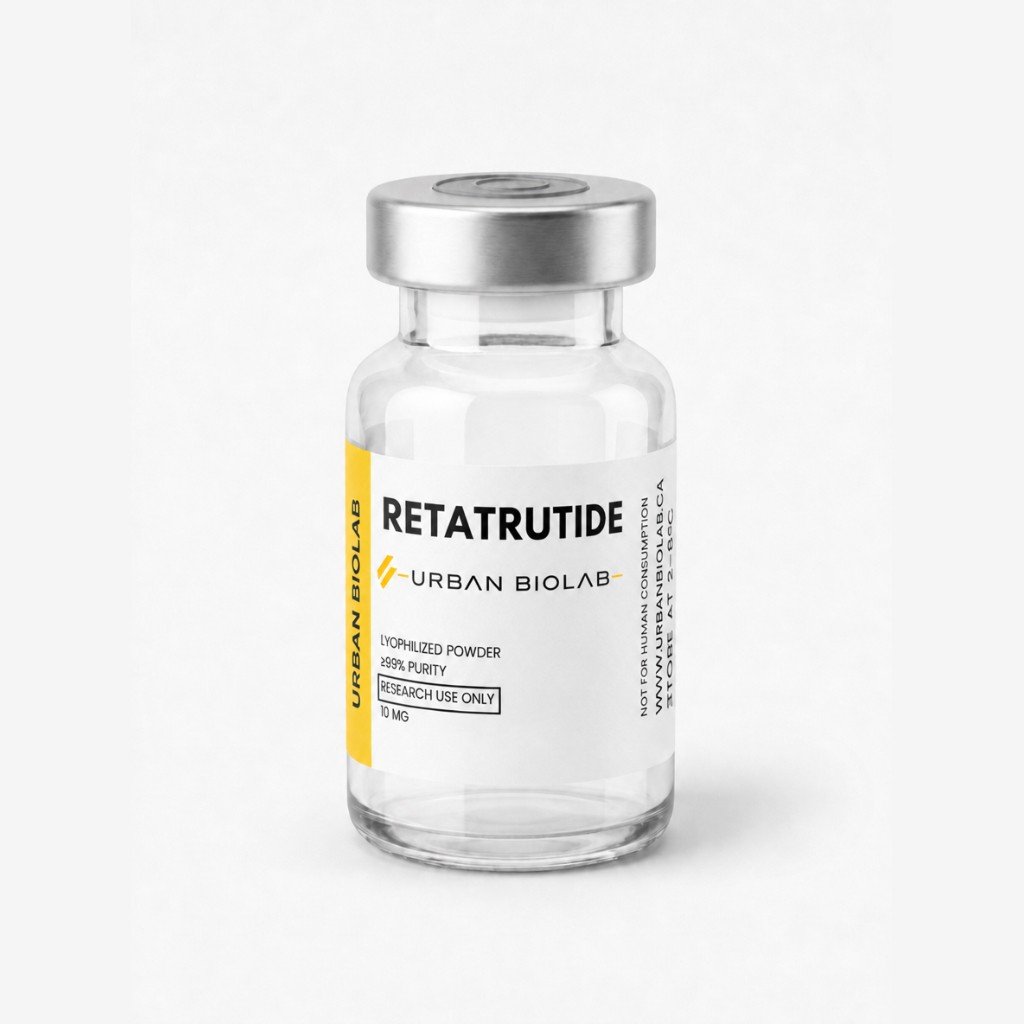
RT (Retatrutide) 10MG
RT10 is a cutting-edge investigational peptide designed for advanced scientific exploration in metabolic health and weight management research. Known for its unique mechanism as a triple agonist (GLP-1, GIP, and glucagon receptors), it has shown promising potential in preclinical studies related to appetite regulation, fat metabolism, and glycemic control.
Frequently Asked Questions
Which celebrities have confirmed using Ozempic or similar weight loss medications?
Confirmed users include Oprah Winfrey, Elon Musk, Charles Barkley, Whoopi Goldberg, Tracy Morgan, Jon Gosselin, Jonathan Van Ness, Meghan Trainor, Amy Schumer (who stopped), Sharon Osbourne, Rosie O’Donnell, Chrissy Teigen, Rebel Wilson, and Real Housewives cast members including Margaret Josephs and Dolores Catania. Many specify which drug they used, with preferences split between semaglutide products and tirzepatide products.
How much weight did Oprah Winfrey lose on weight loss medication?
Oprah lost about 40 pounds using a GLP-1, though she has not specified the brand. She confirmed use in December 2023 and hosted a prime-time special on the topic. She uses the medication as a tool to avoid yo-yoing and describes it as quieting “food noise” that occupied her brain for 50 years.
What medication does Charles Barkley take for weight loss?
Barkley uses Mounjaro (tirzepatide) and has lost 65 pounds from his peak of 355 pounds. His doctor specifically recommended Mounjaro over Ozempic. He has discussed it on his CNN show and became a paid ambassador for Ro, a telehealth company providing GLP-1 prescriptions, in 2025.
Why did Amy Schumer stop taking Ozempic?
Schumer stopped because severe nausea prevented normal functioning. She described being unable to play with her son because she felt so sick. She saw weight loss results, but the quality-of-life trade-off was unacceptable. She has been outspoken about encouraging other celebrities to be honest about their use.
Can you gain weight while taking Ozempic?
Yes. Some patients gain weight or see no results. Tracy Morgan joked about gaining 40 pounds by “learning to out-eat it,” though he later clarified it was humor. James Corden found it ineffective for emotional eating. Kandi Burruss lost no weight despite others succeeding. Individual responses vary significantly.
What is “Ozempic face”?
It refers to facial volume loss and sagging that can occur with rapid weight loss from GLP-1s. When patients lose 15–25% of body weight quickly, facial fat diminishes from cheeks, under-eye areas, and jawlines. Sharon Osbourne described becoming “too gaunt” after losing 42 pounds. It affects older patients more prominently and has increased demand for facial fillers.
How much do these medications cost in Canada?
GLP-1s typically cost $300–$500 CAD per month out-of-pocket in Canada. Provincial plans generally do not cover them for weight loss, though some cover diabetes prescriptions. Private insurance varies, often requiring prior authorization. Some Canadians access research peptides as a lower-cost alternative outside the medical system.
Are these medications safe for long-term use?
Semaglutide has over seven years of real-world safety data with no unexpected serious concerns in large populations. Common side effects are gastrointestinal and usually resolve within 12 weeks. Rare serious effects include pancreatitis and gallbladder issues in roughly 1–2% of patients. The drugs carry thyroid tumor warnings based on animal studies, though this has not been shown in humans. Long-term cardiovascular studies show reduced heart attack and stroke risk.
What happens when you stop taking these medications?
Most patients regain significant weight. Studies show about two-thirds of lost weight returns within a year of stopping. This happens because the biological adaptations that made weight loss difficult return. Charles Barkley regained 12 pounds in four months after stopping Mounjaro. Sharon Osbourne is an unusual case where weight continued dropping after stopping. Obesity medicine specialists increasingly view these as chronic medications, similar to blood pressure drugs, rather than temporary treatments.
Do these medications work for everyone?
No. While trials show 85–90% of patients lose at least 5%, roughly 10–15% see minimal or no results. Kandi Burruss lost no weight. James Corden found it ineffective for emotional eating. About 7–11% discontinue due to side effects. Some patients fail one medication but succeed on another, highlighting the importance of medical supervision and willingness to adjust treatment.
Glossary
GLP-1 (Glucagon-Like Peptide-1): A hormone made in the gut that regulates appetite, blood sugar, and digestion. Pharmaceutical GLP-1 agonists mimic its effects.
GLP-1 Receptor Agonist: A medication that activates GLP-1 receptors in the brain and gut, producing appetite suppression, slowed digestion, and improved blood sugar control. Examples include semaglutide and tirzepatide.
Semaglutide: The active ingredient in Ozempic (diabetes) and Wegovy (obesity). A GLP-1 receptor agonist given by weekly injection.
Tirzepatide: The active ingredient in Mounjaro (diabetes) and Zepbound (obesity). A dual agonist that activates both GLP-1 and GIP receptors, producing greater weight loss than GLP-1-only drugs.
GIP (Glucose-Dependent Insulinotropic Polypeptide): Another gut hormone that enhances insulin secretion and fat metabolism. Tirzepatide activates GIP receptors in addition to GLP-1 receptors.
Triple Agonist: A medication that activates three hormone receptors at once. Retatrutide targets GLP-1, GIP, and glucagon receptors for enhanced weight loss.
Gastric Emptying: The process of food leaving the stomach and entering the small intestine. GLP-1 drugs slow this process, prolonging fullness.
Food Noise: A colloquial term for constant thoughts about food, eating, and hunger. GLP-1 drugs are often described as quieting this mental chatter.
Ozempic Face: Facial volume loss and sagging that can occur with rapid weight loss from GLP-1 drugs. It results from fat loss in cheeks, under-eye areas, and along the jawline.
BMI (Body Mass Index): A measure of weight relative to height, calculated as weight in kilograms divided by height in meters squared. BMI 30 or higher indicates obesity; 25–29.9 indicates overweight.
References
- Wilding JPH, et al. Once-Weekly Semaglutide in Adults with Overweight or Obesity. New England Journal of Medicine. 2021;384:989-1002.
- Jastreboff AM, et al. Tirzepatide Once Weekly for the Treatment of Obesity. New England Journal of Medicine. 2022;387:205-216.
- Cleveland Clinic. GLP-1 Agonists: What They Are, How They Work & Side Effects. Cleveland Clinic Health Library. 2023.