Peptides are short chains of amino acids—smaller than full proteins, but still powerful. In the body, they act like molecular messengers, helping regulate tissue repair, muscle growth, immune function, and hormone production. That signaling role is why peptides have become such a hot topic in recovery and injury healing.
In Canada and the U.S., peptide therapy has grown popular among athletes, gym-goers, and people recovering from surgeries or chronic injuries. The idea is simple: instead of waiting for the body to heal on its own, you introduce specific peptides that may help speed up repair, lower inflammation, and support muscle recovery.
That said, peptides are not magic. They are tools with real risks, legal gray areas, and varying levels of scientific support. This guide breaks down the main peptides discussed for recovery, how they work, and what to consider before going further.
What Are Peptides?
Peptides are chains of amino acids linked by peptide bonds. Most contain between 2 and 50 amino acids. They are smaller and simpler than proteins but larger than single amino acids.
When you eat protein, your digestive system breaks it down into peptides and amino acids. Your body then uses those pieces for everything from building muscle to supporting immune function.
How Peptides Work in the Body
Peptides act as signaling molecules. They carry instructions between cells and tissues. That communication can influence hormone release, immune response, inflammation, and tissue repair.
When tissue is damaged, the body naturally releases certain peptides. These can trigger:
- Cellular signaling: Peptides bind to receptors on cells and start repair sequences.
- Protein synthesis: They help stimulate production of structural proteins needed for rebuilding tissue.
- Inflammation control: Some peptides help keep inflammation productive rather than chronic.
- Angiogenesis: Certain peptides encourage new blood vessel growth, which improves nutrient and oxygen delivery to injured areas.
What Is Peptide Therapy?
Peptide therapy introduces synthetic or bioidentical peptides into the body. These are designed to mimic or enhance natural healing signals.
The key is receptor binding. Each peptide has a specific shape that fits certain receptors, like a key in a lock. Once it binds, it can activate pathways related to tissue repair, muscle growth, or inflammation control. This targeted action is why peptides are often discussed as a more precise recovery tool.
Key Peptides for Injury Recovery
Two peptides dominate the injury-recovery conversation: BPC-157 and TB-500. They work differently, and many people combine them for complementary effects.
BPC-157: The Gut-Derived Healing Peptide
BPC-157 comes from a protective protein found in human gastric juice. Because it is naturally derived, the body already recognizes it to some degree.
It is often discussed for:
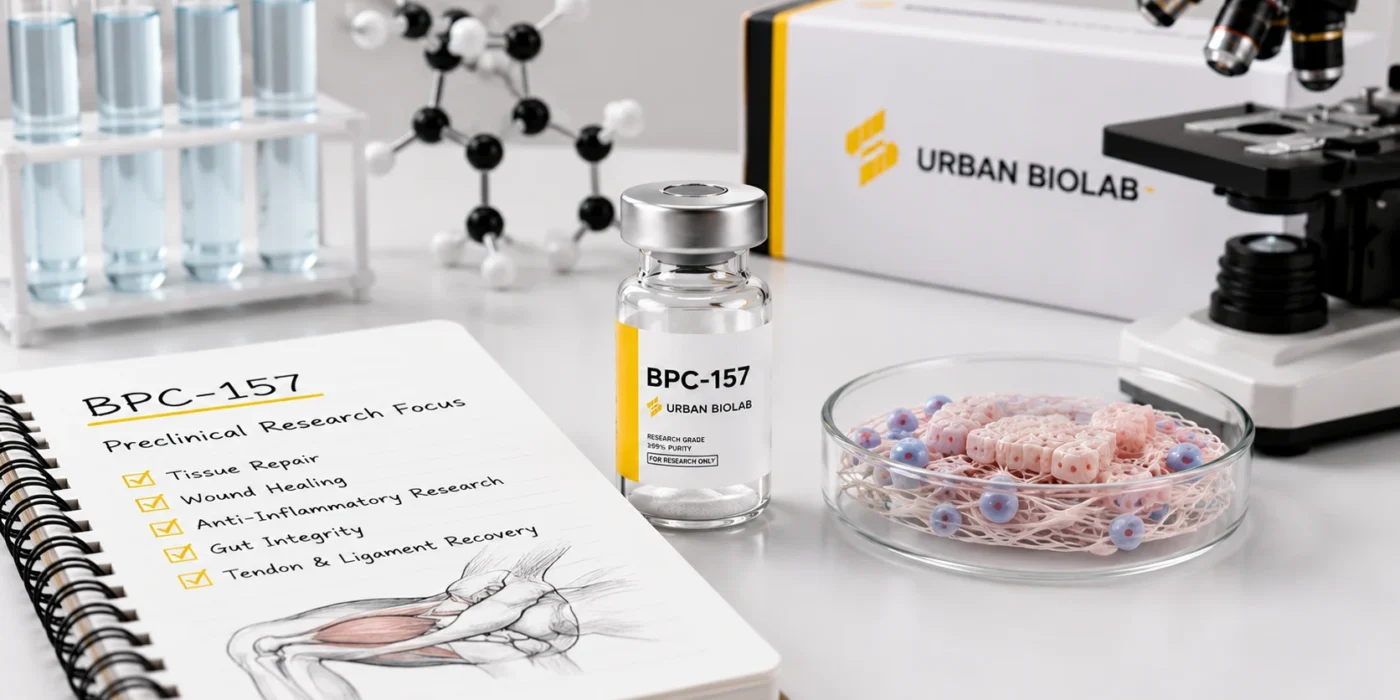
- Tendon and ligament repair: May help connective tissue injuries that usually take months to heal.
- Muscle regeneration: Supports faster recovery from strains and tears.
- Gut healing: May repair intestinal damage and reduce digestive inflammation.
- Blood vessel formation: Promotes angiogenesis to improve nutrient delivery to damaged tissue.
BPC-157 is often mentioned for chronic injuries that have not responded well to standard treatment. It appears to work by upregulating growth factor receptors and stabilizing cells during repair.
TB-500: The Cell Migration Peptide
TB-500, also known as Thymosin Beta-4, takes a different route. It regulates actin, a protein important for cell structure and movement.
Its main proposed benefits include:
- Enhanced cell migration: Helps repair cells reach damaged tissue.
- Angiogenesis: Supports new blood vessel formation.
- Anti-inflammatory effects: May reduce excessive inflammation that slows healing.
- Scar tissue reduction: May minimize fibrosis and improve tissue quality after injury.
BPC-157 vs. TB-500
BPC-157 tends to be associated with faster results for localized injuries, especially tendons and ligaments. Some users report noticing improvements within days. TB-500 works more systemically and is often discussed for whole-body inflammation and scar tissue prevention.
Many athletes combine both, hoping to get local and systemic benefits. Research is still catching up, but BPC-157 and TB-500 remain two of the most talked-about recovery peptides.
Growth Hormone-Releasing Peptides for Muscle Repair
Growth hormone peptides work indirectly. Instead of acting directly on damaged tissue, they stimulate the pituitary gland to release more growth hormone. That can create a better environment for healing and muscle development.
MK-677 (Ibutamoren)
MK-677 is unusual because it is orally active. It mimics ghrelin, the hunger hormone.
How it works:
- It binds to ghrelin receptors in the brain.
- That signals the pituitary gland to release growth hormone and IGF-1.
- Clinical studies suggest it can increase growth hormone levels significantly.
Potential benefits include:
- Increased muscle mass and fat oxidation
- Improved sleep quality, which matters for tissue repair
- More stable growth hormone pulses throughout the day
CJC-1295
CJC-1295 is a modified version of growth hormone-releasing hormone (GHRH). It lasts longer in the body than natural GHRH.
How it works:
- It binds to receptors on the pituitary gland.
- It stimulates natural growth hormone production.
- Its modified structure keeps it active for several days.
Potential benefits include:
- Better sleep architecture
- Faster cellular repair
- Improved fat metabolism
- Preservation of lean tissue during calorie deficits
Athletes often report better recovery between training sessions and improved body composition.
Ipamorelin
Ipamorelin is considered one of the most selective growth hormone secretagogues. It targets growth hormone release without significantly affecting cortisol or prolactin.
That selectivity matters because high cortisol can interfere with recovery.
Potential benefits include:
- Increased growth hormone release
- Minimal impact on cortisol and prolactin
- Improved recovery from injury or intense training
These peptides are often discussed together, but they are not casual supplements. They affect hormone pathways and should be used only under proper medical supervision.
IGF-1 LR3 for Anabolic Support
IGF-1 LR3 is a synthetic version of insulin-like growth factor. Its main advantage is its extended half-life—up to 20–30 hours, compared with natural IGF-1’s roughly 10-minute window.
It binds directly to receptors in muscle tissue and has reduced affinity for IGF-binding proteins, meaning more of it stays free and active.
How It Supports Muscle Repair
IGF-1 LR3 is associated with several anabolic processes:
- Satellite cell activation: Stimulates muscle stem cells to help form new fibers.
- Protein synthesis: Enhances the body’s ability to build muscle proteins.
- Muscle cell hyperplasia: May promote creation of new muscle cells, not just enlargement of existing ones.
It also improves glucose uptake, glycogen storage, and amino acid transport. That means better energy availability and more raw materials for repair. Nitrogen retention also improves, which is important for muscle tissue synthesis.
IGF-1 LR3 is potent and not something to experiment with casually. It affects growth and metabolism, so medical guidance is important.
Immune Support Peptides for Recovery
Heavy training and injury recovery can tax the immune system. When the body is busy repairing tissue, it may be more vulnerable to illness. Thymosin Alpha-1 is one of the main peptides discussed for immune support.
How Thymosin Alpha-1 Works
Thymosin Alpha-1 enhances T-cell activity. T-cells are white blood cells that identify and neutralize threats. During recovery, this peptide may help maintain immune surveillance so the body can focus on healing.
Benefits During Recovery
Thymosin Alpha-1 may help regulate inflammation. Some inflammation is necessary for healing, but too much can slow recovery.
Reported benefits include:
- Fewer illnesses during heavy training
- Faster recovery from intense workouts
- Better ability to train through minor injuries
- Improved overall recovery markers
Its ability to support immune balance without completely suppressing inflammation makes it a notable option in recovery discussions.
Other Specialized Recovery Peptides
Beyond the main names, several peptides target specific parts of recovery.
GHK-Cu: Wound Healing and Skin Repair
GHK-Cu is a copper-binding peptide found naturally in human plasma. It is often discussed for wound healing and skin regeneration.
It may help:
- Accelerate wound closure
- Reduce scar formation
- Promote healthy tissue regeneration
- Protect healing tissue from oxidative stress
DSIP: Sleep and Stress Support
DSIP is not a direct healing peptide, but it may support recovery through better sleep. Most tissue repair happens during deep sleep. DSIP may help improve sleep quality and reduce stress, which can lower cortisol interference with healing.
KPV: Targeted Anti-Inflammatory Support
KPV is a tripeptide with anti-inflammatory effects. It may help manage pain and swelling without completely shutting down the immune response. That balance is important because some inflammation is needed for proper healing.
LL-37: Antimicrobial Protection
LL-37 is derived from cathelicidin and acts as a natural antimicrobial defense. It may help prevent bacterial infections in wounds or surgical sites, supporting a smoother recovery.
Administration, Safety, and Legal Reality
Common Administration Routes
Peptides can be administered in several ways:
- Subcutaneous injections: Most common; peptides are injected into fatty tissue under the skin.
- Intramuscular injections: Delivered into muscle for faster absorption.
- Oral: Some peptides, like MK-677, are orally active, but bioavailability can vary.
- Nasal or sublingual: Emerging methods, but effectiveness depends on the peptide’s structure and size.
Possible Side Effects
Peptides are generally considered well tolerated, but they are not risk-free. Possible side effects include:
- Headaches
- Water retention or bloating
- Blood pressure changes
- Fatigue
- Injection site reactions
- Changes in insulin sensitivity
- Joint pain or stiffness
Individual responses vary widely. Some people may experience effects others do not. A qualified healthcare provider can monitor blood work and help identify complications.
Many side effects may be reduced by starting conservatively and increasing slowly, but this should be done with medical guidance—not guesswork.
FDA Status and Regulatory Landscape
Many peptides used for recovery are sold as research chemicals and are not FDA-approved for human use. Some peptides are approved for specific medical conditions, but that does not mean all peptides are safe or legal for general recovery use.
Quality is also a major issue. Online sources vary widely, and labels may not match contents. In Canada and the U.S., legality can depend on the specific peptide, its intended use, and whether it is sold for research only.
Anti-Doping Rules
Many performance-enhancing peptides are banned by the World Anti-Doping Agency (WADA). If you compete in tested sport, using these compounds can end your eligibility. Always check current anti-doping rules before considering any peptide.
Natural Alternatives Worth Trying First
Peptides are not the only route. For many people, basic recovery strategies should come first:
- Collagen supplementation: May support connective tissue repair.
- Omega-3 fatty acids: Can help reduce inflammation.
- Adequate protein: Provides amino acids for tissue rebuilding.
- Sleep: One of the most powerful recovery tools available.
- Hydration and nutrition: Supports overall healing.
- Physical therapy: Essential for many injuries.
These approaches are generally safer and more accessible than peptides. They may not be as dramatic, but they are a sensible starting point.
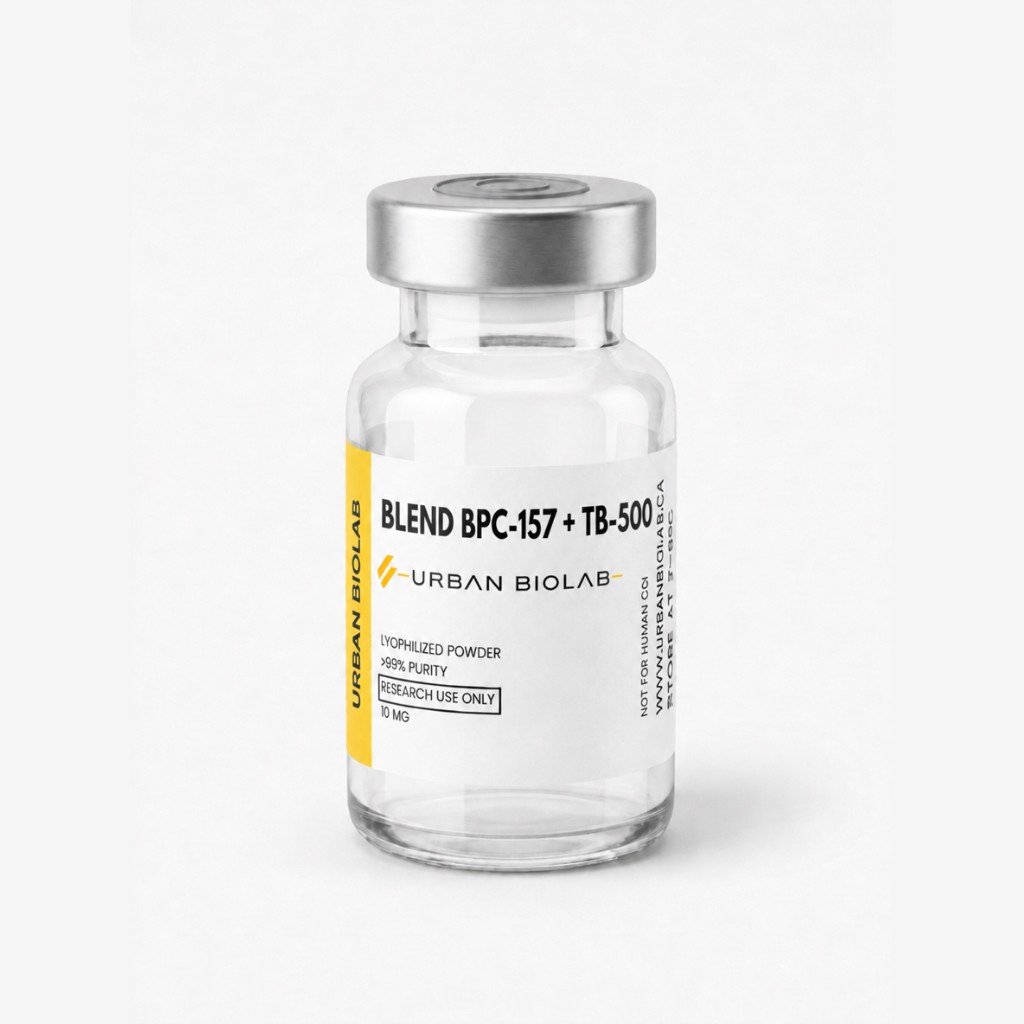
BPC-157 + TB-500 Blend 20MG
BPC-157 + TB-500 is a combined research peptide blend featuring two widely studied compounds known for their roles in tissue repair, cellular regeneration, and recovery-related signaling pathways. In laboratory research settings, this combination is of interest for investigations into connective tissue models, cell migration, angiogenesis, and regenerative biology, offering a complementary approach to studying complex repair mechanisms.
Conclusion
Peptides offer promising ways to support recovery, tissue repair, and muscle healing. BPC-157 and TB-500 are the most discussed for direct injury recovery. Growth hormone-releasing peptides like CJC-1295, Ipamorelin, and MK-677 may support overall recovery and body composition. IGF-1 LR3 is a potent anabolic option, while Thymosin Alpha-1 supports immune balance. Specialized peptides like GHK-Cu, DSIP, KPV, and LL-37 target wound healing, sleep, inflammation, and infection protection.
But none of this is risk-free. Many peptides are not approved for human use, quality can be questionable, and side effects are possible. If you compete, anti-doping rules may ban them. Natural recovery methods should come first for most people.
If you are considering peptide therapy, research thoroughly, understand the legal and health risks, and speak with a healthcare professional who understands peptides. The goal is not just faster recovery—it is smarter, safer recovery.
FAQs
What are peptides and how do they help with recovery?
Peptides are short amino acid chains that act as signaling molecules. They can help regulate tissue repair, inflammation, muscle growth, and immune function. Peptide therapy tries to enhance those natural processes.
Which peptides are most effective for injury recovery?
BPC-157 and TB-500 are the most widely discussed. BPC-157 is often associated with tendon, ligament, muscle, and gut repair. TB-500 is linked to cell migration, angiogenesis, inflammation reduction, and scar tissue control.
How do growth hormone-releasing peptides support recovery?
Peptides like MK-677, CJC-1295, and Ipamorelin stimulate natural growth hormone production or release. That may support muscle repair, fat loss, sleep quality, and cellular recovery.
What does IGF-1 LR3 do?
IGF-1 LR3 is a long-acting insulin-like growth factor. It may promote muscle fiber formation, protein synthesis, nutrient uptake, and nitrogen retention, making it relevant for anabolic recovery.
Are there immune-support peptides for recovery?
Yes. Thymosin Alpha-1 is often discussed for enhancing T-cell activity and regulating inflammation during recovery from injury or intense training.
Are peptides safe and legal?
Not necessarily. Many recovery peptides are research-only and not FDA-approved for human use. Side effects are possible, and many are banned by WADA. Always consult a doctor and check the legal status in your country before using peptides.
Disclaimer: This article is for educational purposes only and is not medical advice. Peptides can have side effects and many are not approved for human use. Talk with a qualified healthcare professional before using any peptide or recovery protocol.