By Dr. Talia Adeyemi-Beaumont, PharmD, BCPS
Clinical Pharmacologist | 13 Years Peptide Research | Vancouver, BC
Last Updated: November 27, 2025
What You Should Know
Peptides have become household names thanks to GLP-1 weight loss drugs, but that’s really just scratching the surface. The research world has moved far beyond simple body composition. Healing peptides like BPC-157 and TB-500 work at the cellular level to speed up tissue repair. Nootropic peptides like Semax sharpen cognitive function by boosting BDNF. Growth hormone secretagogues like CJC-1295 affect everything from how well you sleep to how elastic your skin feels.
Canadian researchers are increasingly looking at how these compounds interact with multiple biological systems at once. This guide digs into what the clinical evidence actually tells us about fat loss, cognitive enhancement, tissue regeneration, and metabolic optimization.
Urban Biolab
Buy Canadian Research Peptides
✓ 3rd Party Tested
✓ Free Shipping $200+
✓ 2-4 Day Delivery
✓ Price Match
Table of Contents
- Weight Loss Peptides: The GLP-1 Revolution and Beyond
- Brain-Boosting Peptides: Nootropics That Actually Work
- Tissue Repair Peptides: BPC-157, TB-500, and Recovery
- Growth Hormone Peptides: More Than Muscle Building
- Skin and Anti-Aging Peptides: GHK-Cu and Collagen
- Strategic Peptide Combinations: Stacking for Multiple Goals
- Canadian Access and Regulatory Considerations
- Frequently Asked Questions
- Glossary of Key Terms
- References
Looking Past Weight Loss Peptides
Weight loss has dominated the peptide conversation, and honestly, for good reason. Semaglutide and tirzepatide have achieved results that would have seemed impossible ten years ago. But if you only focus on GLP-1 medications, you’re missing an entire universe of compounds that address cognitive decline, speed up injury recovery, improve sleep quality, and support healthy aging.
Peptides are just short chains of amino acids that send signals to specific biological processes. Your body makes thousands of them naturally. Synthetic versions let researchers study what happens when you amplify or extend those signals. Some peptides tell your brain you’re full. Others tell damaged tissue to heal faster. A few can cross the blood-brain barrier and directly influence neurotransmitter systems.
The Canadian research community has paid special attention to this field because peptides occupy a fascinating regulatory space. They’re not traditional pharmaceuticals, but they’re way more targeted than supplements. For Canadians looking beyond conventional medicine, understanding what each peptide category actually does matters far more than marketing hype.
This guide breaks down the major peptide categories by function, examines what clinical research supports (and what’s still theoretical), and explains how experienced users actually approach these compounds.
Weight Loss Peptides: The GLP-1 Revolution and Beyond
The weight loss peptide category has exploded since Health Canada approved semaglutide for obesity management. These compounds work by mimicking hormones that regulate appetite and metabolism. The results have been genuinely impressive, but the mechanisms differ significantly between medications.
Semaglutide: The Single-Receptor Foundation
Semaglutide activates GLP-1 receptors and nothing else. This produces appetite suppression through hypothalamic signaling, delays gastric emptying so meals keep you satisfied longer, and improves insulin secretion. The STEP trials showed 14.9% average weight loss over 68 weeks at the 2.4mg dose. For someone weighing 200 pounds, that’s roughly 30 pounds lost.
The limitation of single-receptor activation becomes clear at higher doses. You can only push one biological pathway so far before side effects start increasing faster than benefits. Nausea rates hit 44% at standard doses—higher than any competing medication.
Tirzepatide: Adding GIP to the Equation
Tirzepatide combines GLP-1 activity with GIP (glucose-dependent insulinotropic polypeptide) receptor activation. This dual mechanism produces 20.9% average weight loss over 72 weeks. The additional receptor target doesn’t just add to the effect—it appears to multiply it. The SURMOUNT trials showed tirzepatide producing 40% more weight loss than semaglutide despite both activating GLP-1.
Interestingly, tirzepatide also demonstrates better tolerability. Nausea rates sit at 25% compared to semaglutide’s 44%. The GIP component may actually reduce GLP-1-related gastrointestinal symptoms while amplifying metabolic benefits.
Retatrutide: Triple Receptor Activation
Retatrutide represents the next generation, activating GIP, GLP-1, and glucagon receptors simultaneously. Phase 2 trials showed 24.2% average weight loss at 48 weeks. The glucagon component was initially considered counterproductive since glucagon raises blood sugar. However, when combined with GLP-1 activity, the glucagon effects shift toward increased energy expenditure rather than hyperglycemia.
This creates something genuinely new: a medication that suppresses appetite AND increases how many calories you burn at rest. The thermogenic effect from glucagon receptor activation addresses a major limitation of traditional dieting, where metabolic rate drops as weight decreases.
Retatrutide remains in Phase 3 trials with expected FDA approval in late 2026 or early 2027. Canadian approval typically follows 6-12 months after FDA decisions.
Weight Loss Peptide Comparison
| Peptide | Average Weight Loss | Mechanism |
|---|---|---|
| Semaglutide | 14.9% | Single receptor (GLP-1) |
| Tirzepatide | 20.9% | Dual receptor (GLP-1 + GIP) |
| Retatrutide | 24.2% | Triple receptor (GLP-1 + GIP + Glucagon) |
What Weight Loss Peptides Do Beyond the Scale
Researchers have observed benefits extending beyond body composition. Cardiovascular improvements appear independent of weight loss itself. Blood pressure typically drops 5-10 mmHg. Inflammatory markers decrease. Liver fat reduces significantly, with some patients seeing complete resolution of non-alcoholic fatty liver disease.
Mental clarity improvements reported by many users may relate to reduced systemic inflammation, better blood glucose stability, or direct CNS effects that haven’t been fully characterized yet. Sleep quality often improves as sleep apnea resolves with weight reduction.
The sustained appetite suppression creates space for establishing healthier eating patterns without constant hunger-driven decision fatigue. This psychological component deserves more attention than it typically receives.
Practical Considerations for Weight Loss Peptides
Starting any GLP-1 based medication requires understanding the adaptation period. The first 8-12 weeks typically present the most challenging side effects. Nausea peaks around weeks 6-8 before resolving for most users. This timeline remains consistent across semaglutide, tirzepatide, and early retatrutide data.
Dose escalation protocols exist for good reason. Starting at lower doses allows your body to adapt before increasing to therapeutic levels. Rushing this process almost always backfires with worse side effects and higher discontinuation rates. The standard titration for semaglutide spans 16-20 weeks before reaching the 2.4mg maintenance dose.
Protein intake becomes critical during rapid weight loss. Without adequate protein (0.7-1.0 grams per pound of ideal body weight), a significant portion of weight lost comes from muscle rather than fat. Resistance training at least twice weekly preserves muscle mass during the weight loss phase. Studies show trained individuals lose 95% fat compared to 75% fat in non-training controls, despite identical total weight loss.
Hydration requirements increase substantially. The delayed gastric emptying that reduces appetite also concentrates stomach contents. Many side effects attributed to the medication itself actually stem from inadequate fluid intake. Targeting 2-3 liters of water daily helps manage gastrointestinal symptoms.
The question of long-term use deserves honest discussion. Current evidence suggests these medications work best as chronic treatments rather than temporary interventions. Stopping typically results in weight regain within 12-18 months as appetite returns to baseline and metabolic adaptations that occurred during weight loss persist. Planning for ongoing use, including budgeting for medication costs, leads to better outcomes than viewing treatment as temporary.
Brain-Boosting Peptides: Nootropics That Actually Work
The nootropic peptide category receives less mainstream attention than weight loss compounds, but the research foundation is substantial. These peptides cross the blood-brain barrier and directly influence neurotransmitter systems, neurotrophic factors, and neural inflammation.
Semax: The Russian Cognitive Enhancer
Semax stands as possibly the most thoroughly researched nootropic peptide. Developed at the Institute of Molecular Genetics of the Russian Academy of Sciences, it received regulatory approval in Russia for stroke treatment and cognitive enhancement. The peptide derives from ACTH(4-7), a fragment of adrenocorticotropic hormone, modified with a Pro-Gly-Pro tail that dramatically extends its half-life and facilitates blood-brain barrier penetration.
The mechanism involves multiple overlapping pathways. Semax significantly upregulates BDNF (brain-derived neurotrophic factor) in the hippocampus and cortex, enhancing synaptic plasticity and memory consolidation. It modulates dopaminergic signaling without causing the depletion associated with stimulants, producing what users describe as “clean focus” without jitteriness or crash.
Clinical studies in stroke patients showed accelerated neurological recovery and improved scores on activities of daily living assessments. Functional MRI research demonstrated increased connectivity in the Default Mode Network, the brain region crucial for memory retrieval and self-referential thought.
For cognitive enhancement, the 0.1% solution delivers 100-200mcg per nostril, administered 1-2 times daily. Users typically cycle 2-4 weeks on, followed by a break, though pharmacological tolerance hasn’t been strongly evidenced in research.
Selank: The Anxiolytic Counterpart
Where Semax acts as an accelerator for cognitive processes, Selank functions as a stabilizer. Both peptides emerged from the same Russian institute and share the protective Pro-Gly-Pro tail, but they serve opposite ends of the arousal spectrum.
Selank derives from tuftsin, an immune peptide, rather than ACTH fragments. Its primary effects center on GABA modulation and serotonin turnover, producing anxiolytic effects without sedation or dependency potential. Unlike benzodiazepines, which enhance GABA activity directly and cause tolerance, Selank appears to normalize GABA transmission.
Research shows it reduces anxiety symptoms comparable to phenazepam (a benzodiazepine) without cognitive impairment or withdrawal effects. Users report reduced background mental noise, improved stress resilience, and better emotional regulation.
The combination of Semax and Selank has become popular for achieving what users describe as “calm focus,” leveraging both compounds’ PGP-mediated stability while balancing stimulation with anxiolysis.
BPC-157 and the Brain Connection
While BPC-157 is primarily known for tissue healing, 2024 research positioned it as a “cytoprotection mediator with neurotransmitter-like activity.” The peptide influences dopaminergic systems (resolving receptor supersensitivity and maintaining vesicle integrity), serotonergic pathways (increasing substantia nigra levels with antidepressant effects), glutamatergic transmission (counteracting ketamine effects), and GABAergic function (modulating tolerance).
The gut-brain axis connection proves particularly interesting. BPC-157 was originally isolated from gastric juice, and its effects on intestinal healing appear to translate into central nervous system benefits. For individuals dealing with brain fog, cognitive decline, or mood disturbances alongside gut issues, this bidirectional action may explain why some users report mental clarity improvements alongside physical healing.
Practical Implementation of Nootropic Peptides
Using cognitive peptides effectively requires understanding their distinct profiles. Semax provides stimulation without the dopamine depletion of traditional stimulants. This makes it suitable for sustained daily use without the tolerance buildup amphetamines cause. However, combining Semax with stimulant medications requires caution due to additive dopaminergic effects.
Selank works best for individuals whose cognitive difficulties stem from anxiety or stress. The GABA modulation reduces the mental noise that interferes with concentration without causing sedation. Many users find it particularly effective for high-stakes situations like presentations or examinations where performance anxiety typically impairs function.
Timing matters for nootropic peptides. Intranasal administration in the morning aligns with natural cognitive rhythms. Evening use of Semax can interfere with sleep for some users due to its mildly stimulating nature. Selank, with its calming properties, can be used later in the day without sleep disruption.
Cycling protocols vary based on individual response. Some users employ continuous use for extended periods without noticeable tolerance. Others prefer 3-4 weeks on followed by 1-2 weeks off. The lack of withdrawal symptoms with either peptide allows flexibility in scheduling.
Combining nootropic peptides with lifestyle factors amplifies effects. Quality sleep, regular exercise, and reduced alcohol consumption create the neural environment where these compounds work best. Expecting peptides to compensate for fundamentally unhealthy habits leads to disappointment.
Cognitive Peptide Selection Guide
- For focus and processing speed: Semax (0.1% solution, 2-4 drops per nostril daily)
- For anxiety and stress resilience: Selank (0.1% solution, similar dosing to Semax)
- For combined cognitive and physical recovery: BPC-157 (250-500mcg daily)
- For calm focus without stimulation: Semax + Selank combination
Tissue Repair Peptides: BPC-157, TB-500, and Recovery
The healing peptide category addresses a fundamental limitation of human biology: we heal slowly, and chronic injuries often fail to resolve completely. These peptides accelerate repair mechanisms at the cellular level, with applications ranging from athletic injuries to post-surgical recovery.
BPC-157: The Gastric Healing Peptide
Body Protection Compound-157 is a 15-amino-acid fragment derived from proteins in human gastric juice. Unlike most peptides that target single receptors, BPC-157 appears to coordinate multiple repair pathways simultaneously.
The primary mechanisms include VEGFR2-Akt-eNOS pathway activation (promoting blood vessel formation), FAK-paxillin signaling (driving fibroblast migration to injury sites), growth hormone receptor upregulation on tendon fibroblasts, and nitric oxide modulation for tissue perfusion. It also reduces inflammatory markers without suppressing immune function the way corticosteroids do.
Animal research shows dramatic results. Rats with completely severed Achilles tendons showed functional recovery within 14 days when treated with BPC-157. Bilateral carotid artery clamping (simulating stroke) resulted in complete behavioral recovery in treated animals, while controls showed permanent deficits. Gastrointestinal damage from NSAIDs healed significantly faster with BPC-157 than with conventional treatments.
The human evidence remains limited to case reports and community experience, but the consistency of positive outcomes across thousands of users suggests the animal research translates meaningfully. Tendon and ligament injuries respond particularly well because these tissues normally heal slowly due to poor blood supply, and BPC-157’s angiogenic effects address this directly.
Dosing typically ranges from 250-500mcg daily, administered via subcutaneous injection near the injury site. Oral administration maintains bioavailability for gastrointestinal issues specifically. Treatment courses run 4-6 weeks, with breaks between cycles.
TB-500: Systemic Regeneration
TB-500 is a synthetic version of Thymosin Beta-4, a 43-amino-acid peptide found in nearly all human cells. Where BPC-157 concentrates at injection sites, TB-500 distributes systemically throughout the body, supporting multiple injury sites simultaneously.
The mechanism centers on actin binding. By preventing G-actin from polymerizing into rigid structures, TB-500 enables cells to migrate toward damaged tissue. This chemotaxis effect allows stem cells, endothelial cells, and repair cells to reach injuries that would normally take months to address. The peptide also upregulates vascular endothelial growth factor through HIF-1a stabilization, promoting new blood vessel formation.
Anti-inflammatory effects occur through microRNA-146a upregulation, reducing TNF-alpha and IL-6 without suppressing immunity. TB-500 also enhances collagen production with proper fiber alignment, the difference between strong functional tissue and weak scar tissue.
Clinical research in humans remains limited, though a 73-participant study on venous stasis ulcers demonstrated 45% reduction in healing time compared to placebo. Veterinary use in racehorses predates human application by decades, with trainers reporting dramatically reduced injury recovery times and enhanced flexibility.
Standard protocols involve 2-2.5mg twice weekly during a 4-6 week loading phase, followed by 2mg every 7-14 days for maintenance. The 24-48 hour half-life allows for less frequent dosing than BPC-157.
Practical Application of Healing Peptides
Successful use of healing peptides requires understanding several practical factors. Injection technique matters, particularly for BPC-157 where localized administration near injury sites produces better results than distant injection. Subcutaneous injection using insulin syringes with 29-31 gauge needles minimizes discomfort. Rotating injection sites prevents tissue buildup.
Reconstitution requires care. Bacteriostatic water should be added slowly down the vial wall, never squirted directly onto the lyophilized powder. Gentle swirling, not shaking, dissolves the peptide without damaging molecular structure. Once reconstituted, refrigeration at 2-8 degrees Celsius maintains stability for 2-4 weeks depending on the specific peptide.
Timing of administration relative to injury affects outcomes. Fresh injuries (under 2 weeks old) typically respond faster than chronic conditions. However, even injuries that have persisted for months or years can show improvement with sustained treatment. Patience proves essential for long-standing issues.
Supporting factors influence results significantly. Adequate protein intake provides the amino acids needed for tissue synthesis. Vitamin C supports collagen formation. Adequate sleep allows growth hormone release that complements peptide effects. Continuing to aggravate injuries during treatment undermines healing regardless of what compounds you use.
Documentation helps track progress. Photos of visible injuries, range of motion measurements, and pain scale ratings at regular intervals provide objective feedback. Many users notice gradual improvement that’s hard to perceive day-to-day but becomes obvious when comparing current status to baseline.
BPC-157 vs TB-500: Complementary Rather Than Competitive
These peptides work through different mechanisms and excel at different applications. BPC-157 specializes in localized repair, especially tendons, ligaments, and gastrointestinal healing. Its unique ability to prevent corticosteroid-induced tendon damage and directly upregulate growth hormone receptors on tendon fibroblasts makes it superior for joint and connective tissue injuries.
TB-500 excels at systemic regeneration, muscle healing, and whole-body recovery. Its distribution throughout the bloodstream supports multiple injury sites simultaneously, making it ideal for complex injuries or general inflammation reduction.
The “Wolverine Stack” combines both peptides, leveraging complementary pathways. BPC-157’s FAK-paxillin activation for fibroblast movement pairs with TB-500’s actin-mediated cell migration. BPC-157’s VEGFR2 angiogenesis combines with TB-500’s VEGF/HIF-1a pathway. Users report synergistic effects exceeding either compound alone.
Important Considerations for Healing Peptides
These compounds remain unapproved for human use in Canada. Research chemical sourcing requires careful verification of purity through third-party testing. Neither peptide should replace professional medical evaluation of injuries. The theoretical concern about angiogenesis potentially supporting tumor growth means individuals with cancer history should exercise caution and consult oncologists before use.
Growth Hormone Peptides: More Than Muscle Building
Growth hormone secretagogues occupy a unique position in the peptide landscape. Rather than providing exogenous hormones directly, they stimulate your body’s natural growth hormone production through different mechanisms. The effects extend far beyond muscle building into sleep quality, skin health, fat metabolism, and recovery capacity.
CJC-1295: Extended GH Release
CJC-1295 is a synthetic analog of growth hormone-releasing hormone (GHRH) modified to resist enzymatic degradation. The DAC (Drug Affinity Complex) version binds to albumin in the bloodstream, extending half-life to 6-8 days and creating sustained, elevated growth hormone levels.
The non-DAC version (mod GRF 1-29) has a much shorter half-life of about 30 minutes, producing pulsatile GH release that more closely mimics natural secretion patterns. Most researchers prefer the non-DAC version to avoid continuously elevated levels that could desensitize receptors.
Effects include increased fat oxidation, enhanced recovery from exercise, improved sleep quality (particularly deep slow-wave sleep), and gradual improvements in skin texture and elasticity. These changes develop over weeks to months rather than days.
Ipamorelin: The Selective Secretagogue
Ipamorelin stimulates growth hormone release through ghrelin receptor activation rather than GHRH pathways. This produces potent GH release without affecting cortisol or prolactin levels, avoiding the side effects common to other secretagogues.
The selectivity makes ipamorelin particularly useful for individuals concerned about the appetite-stimulating effects of ghrelin receptor activation (which occur with GHRP-6) or the potential for elevated cortisol (which occurs with GHRP-2). Users report feeling hungry without the intense cravings other secretagogues can produce.
Sleep improvements often appear within the first week. Fat loss and recovery benefits typically manifest over 8-12 weeks of consistent use.
The CJC-1295/Ipamorelin Combination
Combining these peptides produces synergistic growth hormone release exceeding either alone. CJC-1295 (without DAC) extends the duration of GH elevation while ipamorelin provides the initial stimulus. The result is pulsatile release that maintains receptor sensitivity while producing meaningful increases in GH and IGF-1 levels.
Standard protocols involve 100-200mcg of each peptide, administered together 2-3 times daily. Pre-workout and before bed timing capitalizes on natural GH secretion patterns. Cycles typically run 8-12 weeks followed by equal off-periods.
What GH Peptides Actually Do
The marketing around growth hormone often emphasizes muscle building, but the practical effects are broader:
Sleep architecture improves significantly. Deep slow-wave sleep increases, REM quality enhances, and users report waking more refreshed. This alone impacts recovery, cognitive function, and metabolic health.
Fat metabolism shifts. Growth hormone mobilizes fatty acids from adipose tissue and promotes their oxidation for energy. The effect is gradual but consistent, particularly in stubborn areas that resist diet and exercise.
Recovery capacity increases. Training volume that previously required 72 hours of recovery might need only 48. Accumulated fatigue from demanding schedules clears faster.
Connective tissue and skin benefit from increased collagen synthesis. Joint comfort improves. Skin elasticity and texture show gradual enhancement over months.
Hair and nail growth often accelerate, reflecting the anabolic effects on keratinocytes.
Practical Implementation of GH Peptides
Timing significantly impacts GH peptide effectiveness. Growth hormone naturally peaks during deep sleep, so pre-bed administration aligns with physiological patterns. Fasted-state administration produces larger GH pulses because elevated blood sugar and insulin blunt the response. Many users administer peptides first thing in the morning (fasted) and again before bed.
Food timing around injections requires attention. Consuming meals within 30-60 minutes of GH peptide administration reduces effectiveness. The insulin spike from eating counteracts the growth hormone release. Allowing 60-90 minutes after injection before eating optimizes the response.
Realistic expectations prevent frustration. GH peptides don’t produce dramatic overnight changes. Benefits accumulate gradually over weeks to months. Users who track sleep quality, body composition, recovery capacity, and skin appearance at monthly intervals see clearer evidence of progress than those evaluating daily.
Side effects remain generally mild. Some users experience water retention, particularly during initial weeks. Occasional joint stiffness can occur, typically resolving as the body adapts. Numbness or tingling in extremities indicates elevated GH levels and usually resolves with continued use or slight dose reduction.
The cost-benefit calculation depends on individual goals. For anti-aging purposes, many users find the gradual improvements in sleep, skin, and recovery justify the expense and injection burden. For pure muscle building, the effects are subtle compared to anabolic steroids, making GH peptides better suited for general health optimization than dramatic physique transformation.
Skin and Anti-Aging Peptides: GHK-Cu and Collagen
The anti-aging peptide category has generated substantial research interest as scientists explore compounds that influence gene expression related to aging processes. GHK-Cu stands out for the breadth of its effects across multiple systems.
GHK-Cu: The Master Regulator
GHK-Cu (glycyl-L-histidyl-L-lysine-copper) is a tripeptide that naturally occurs in human plasma, with concentrations declining significantly with age. The copper binding creates a complex that influences over 4,000 genes, shifting expression patterns toward profiles characteristic of younger tissue.
Gene expression studies reveal remarkable modulation. TGF-beta superfamily genes (critical for tissue remodeling) show substantial changes. BDNF receives stimulation for nerve outgrowth. ANGPT1 (angiopoietin 1) increases nearly fivefold. BMP-2 (bone morphogenetic protein 2) upregulates for bone regeneration.
Inflammatory pathway suppression occurs through multiple mechanisms. The beta chain of fibrinogen decreases substantially, reducing cardiovascular risk (elevated fibrinogen represents one of the most powerful cardiovascular risk factors). TNF-alpha and IL-6 expression decrease through NF-kB pathway suppression.
Neuronal function genes show remarkable modulation with over 400 genes upregulated. Opioid receptor expression increases dramatically, correlating with observed anti-pain, anti-anxiety, and cognitive enhancement effects in animal studies at very low doses.
Practical Effects of GHK-Cu
The research translates into observable effects across multiple domains:
Skin remodeling occurs through increased collagen and elastin synthesis, reduced fine lines and wrinkles, improved skin thickness and elasticity, and accelerated wound healing with reduced scarring.
Hair follicle benefits include increased follicle size, stimulation of hair growth, and prevention of DHT-induced follicle miniaturization. Studies show it can reverse the miniaturization process that leads to pattern baldness.
Systemic anti-inflammatory effects manifest as reduced joint discomfort, improved markers of chronic inflammation, and protection against oxidative stress. The peptide achieves 60% reduction in reactive oxygen species in cells exposed to hydrogen peroxide.
Cognitive effects at very low doses (0.5 micrograms per kilogram in animals) include anti-anxiety activity within 12 minutes, decreased freeze reactions to stress, and increased exploration in novel environments. The human equivalent represents an extremely safe dosage with profound behavioral effects.
Administration Routes for GHK-Cu
Topical application in serums and creams provides localized skin benefits. Concentrations around 1% appear optimal for anti-aging applications. Higher concentrations don’t necessarily improve results and may cause irritation.
Injectable administration (subcutaneous) produces systemic effects including wound healing, anti-inflammatory benefits, and potentially cognitive effects. Typical dosing ranges from 1-3mg daily, though protocols vary.
The peptide pairs well with other compounds. Combined with BPC-157 and TB-500, it creates comprehensive healing protocols addressing tissue repair at multiple levels. With growth hormone secretagogues, it may enhance the collagen synthesis benefits of elevated GH.
Strategic Peptide Combinations: Stacking for Multiple Goals
Advanced peptide users rarely rely on single compounds. Strategic combinations leverage complementary mechanisms to produce effects exceeding what any individual peptide achieves alone. Understanding the rationale behind popular stacks helps determine what might suit specific goals.
The Recovery Stack
For injury recovery and tissue repair, the combination of BPC-157, TB-500, and GHK-Cu addresses healing at multiple levels:
- BPC-157 (250-500mcg daily) provides localized repair through VEGFR2 pathway activation and growth hormone receptor upregulation on fibroblasts
- TB-500 (2-2.5mg twice weekly) delivers systemic support through actin-mediated cell migration and microRNA-146a anti-inflammatory effects
- GHK-Cu (1-3mg daily or topical) enhances collagen synthesis and reduces scarring through gene expression modulation
This protocol suits post-surgical recovery, chronic tendon issues, persistent soft tissue injuries, and general accelerated healing needs.
The Cognitive Enhancement Stack
For mental performance optimization, Semax and Selank provide complementary effects:
- Semax (200-400mcg daily, intranasal) delivers focus, processing speed, and memory enhancement through BDNF upregulation and dopaminergic modulation
- Selank (200-400mcg daily, intranasal) provides anxiety reduction and stress resilience through GABA normalization without sedation
- BPC-157 (250mcg daily, subcutaneous or oral) can address the gut-brain connection if cognitive issues accompany digestive problems
The combination produces calm, sustained focus without stimulant side effects.
The Body Composition Stack
For fat loss beyond what GLP-1 medications alone achieve, growth hormone secretagogues add metabolic benefits:
- Semaglutide or tirzepatide (standard titration) provides appetite suppression and metabolic hormone optimization
- CJC-1295 no DAC plus Ipamorelin (100-200mcg each, 2-3 times daily) adds fat oxidation enhancement, sleep improvement, and recovery support
This combination addresses body composition from multiple angles: reduced intake through appetite suppression, increased expenditure through GH-mediated fat oxidation, and improved recovery capacity allowing more exercise volume.
The Anti-Aging Protocol
For comprehensive aging intervention, multiple peptide categories combine:
- GH secretagogues (CJC-1295/Ipamorelin) provide systemic anti-aging effects through growth hormone optimization
- GHK-Cu (topical and/or injectable) delivers gene expression modulation toward youthful patterns
- BPC-157 addresses accumulated tissue damage and inflammation
Adding epithalon (a telomerase activator peptide) extends this protocol further, though the evidence base for epithalon remains more limited than other compounds discussed here.
Popular Peptide Combinations Summary
| Focus Area | Combination |
|---|---|
| Recovery Focus | BPC-157 + TB-500 + GHK-Cu |
| Cognitive Focus | Semax + Selank (+/- BPC-157) |
| Body Composition | GLP-1 agonist + CJC/Ipamorelin |
| Anti-Aging | GH peptides + GHK-Cu + BPC-157 |
Canadian Access and Regulatory Considerations
The regulatory landscape for peptides in Canada differs from pharmaceuticals or supplements. Understanding the distinctions helps Canadians make informed decisions.
Prescription Peptides
Semaglutide (Ozempic, Wegovy) and tirzepatide (Mounjaro, Zepbound) are approved by Health Canada and available through prescription. Access requires documented medical necessity (obesity with BMI criteria or diabetes diagnosis) and physician oversight. Insurance coverage varies significantly between provincial plans and private insurers.
Wait times through the public healthcare system can extend months. Private clinics offering weight loss services typically provide faster access but at significant cost.
Research Peptides
Compounds like BPC-157, TB-500, Semax, GHK-Cu, and growth hormone secretagogues exist in a regulatory grey area. They’re classified as research chemicals, not approved for human use, and cannot legally be marketed for therapeutic purposes.
Canadian researchers and individuals can legally purchase these compounds for research purposes. The practical reality involves sourcing from specialized suppliers who provide documentation of purity through third-party testing.
Quality Considerations
The unregulated nature of research peptides means quality varies dramatically between suppliers. Key verification steps include:
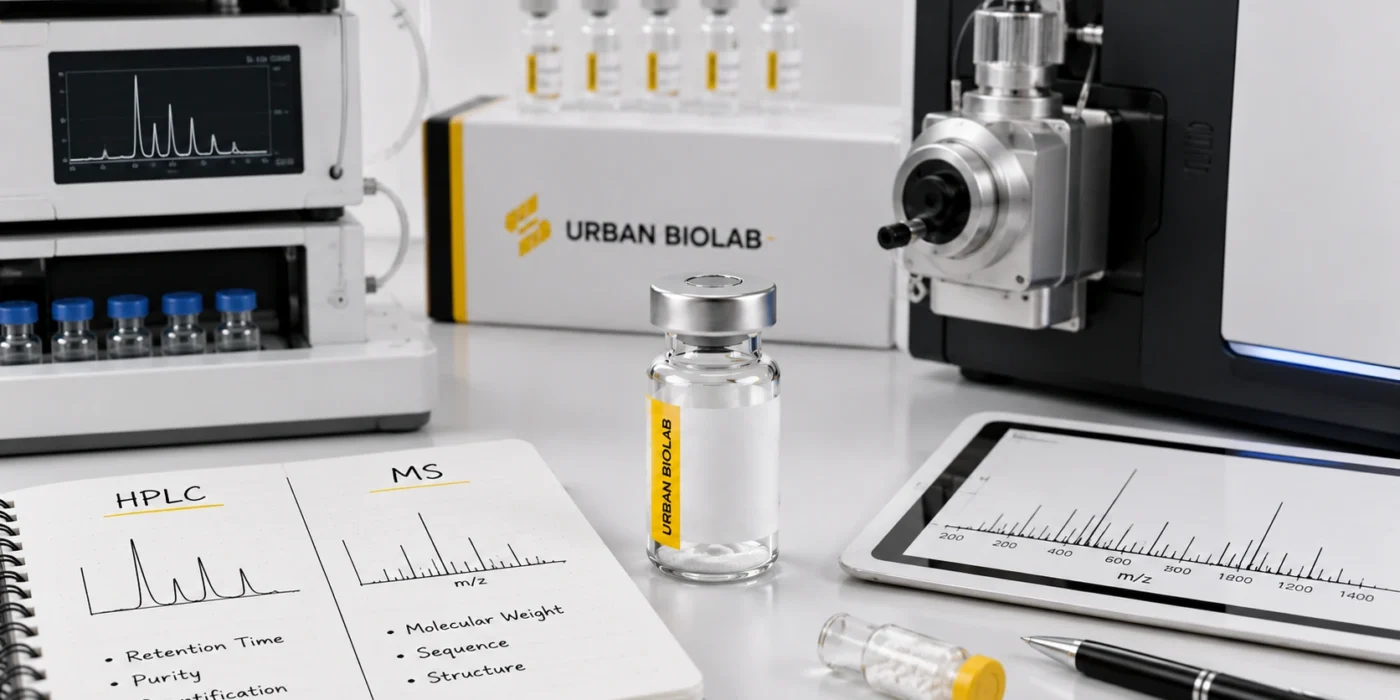
Certificates of Analysis (COA) should include HPLC-MS testing showing purity above 98%, amino acid sequencing confirmation, endotoxin testing, and batch-specific results (not generic certificates).
Red flags include prices significantly below market rates, no third-party testing documentation, unclear sourcing, and products sold with dosing instructions for human use (legitimate research suppliers won’t provide therapeutic recommendations).
Reputable Canadian-focused suppliers exist, though naming specific vendors falls outside the scope of this educational content. Research community forums provide current information on supplier reputation and testing verification.
Healthcare Integration
Discussing peptide use with healthcare providers presents challenges. Many physicians have limited familiarity with research peptides beyond prescription GLP-1 medications. However, the increasing mainstream acceptance of semaglutide has created more openness to discussing related compounds.
Framing conversations around specific symptoms or goals rather than requesting specific compounds often produces better results. A naturopath or integrative medicine practitioner may have more relevant knowledge than a general practitioner.
For Canadians pursuing peptide protocols, baseline blood work (comprehensive metabolic panel, hormone levels, inflammatory markers) before starting any protocol provides valuable comparison data. Follow-up testing helps verify expected effects and catch any adverse changes early.
Frequently Asked Questions
Are peptides safe for long-term use?
Safety depends entirely on which peptide, what dose, and the individual’s health status. Prescription GLP-1 medications like semaglutide have 7+ years of real-world safety data across millions of patients. Research peptides like BPC-157 and TB-500 have extensive animal safety data and widespread human use without documented serious adverse events, but lack formal long-term clinical trials. Theoretical concerns exist around any compound that promotes cell growth and angiogenesis, particularly for individuals with cancer history. Cycling protocols with breaks between use periods represent the standard approach for managing unknown long-term risks.
Can I take multiple peptides at the same time?
Many peptides work through complementary mechanisms and can be combined safely. BPC-157 and TB-500 are commonly stacked for healing. Semax and Selank combine well for cognitive effects. CJC-1295 and Ipamorelin are designed to work together. However, combining peptides amplifies both benefits and potential risks. Starting with single compounds to understand individual responses before stacking represents a conservative approach. Certain combinations require caution, particularly those affecting similar pathways (like multiple growth hormone secretagogues).
How quickly do peptides work?
Timelines vary dramatically by peptide and effect. Weight loss medications produce appetite suppression within days, with significant weight loss over weeks to months. Healing peptides like BPC-157 may show effects within 1-2 weeks for acute injuries, though chronic issues require longer treatment. Cognitive peptides like Semax often produce noticeable effects within hours to days. Growth hormone secretagogues improve sleep quality within a week but take 8-12 weeks for body composition changes. Anti-aging effects from GHK-Cu develop over months of consistent use.
Do peptides require injections?
Many peptides require injection because they would be destroyed in the digestive system. BPC-157 is an exception, maintaining oral bioavailability for gastrointestinal applications specifically. Nasal peptides like Semax and Selank are administered through intranasal drops. GHK-Cu works topically for skin applications though systemic benefits require injection. Injection protocols typically use insulin syringes with small-gauge needles, making the process relatively straightforward once learned.
What’s the difference between pharmaceutical peptides and research peptides?
Pharmaceutical peptides have completed clinical trials, received regulatory approval, are manufactured under strict GMP standards, and come with dosing guidelines and safety monitoring. Research peptides are sold as research chemicals without approved therapeutic uses, manufactured to varying quality standards depending on supplier, and come without official dosing recommendations. The active compounds may be identical, but quality assurance and legal status differ significantly.
Can peptides replace traditional medical treatment?
Peptides should complement rather than replace appropriate medical care. Serious injuries require professional evaluation. Chronic conditions need proper diagnosis. Weight loss medications work best with dietary and lifestyle modification. Cognitive issues may have underlying causes requiring investigation. That said, peptides can address gaps in conventional medicine, particularly for conditions like chronic tendon injuries where standard treatments often disappoint.
How do I store peptides properly?
Lyophilized (powder) peptides store in the refrigerator or freezer for months to years. Reconstituted peptides require refrigeration at 2-8 degrees Celsius and typically remain stable for 2-4 weeks depending on the specific compound. Bacteriostatic water for reconstitution prevents contamination. Never freeze reconstituted peptides as this damages molecular structure. Protect from light and temperature fluctuations during storage.
Are there peptides specifically for women?
Most peptides work similarly regardless of sex, though dosing may differ based on body weight. Some considerations are more relevant to women: BPC-157’s effects on gut health may help hormonal issues connected to gut dysfunction. Weight loss peptides should be avoided during pregnancy and breastfeeding. Hair-related effects of GHK-Cu may be particularly valued for thinning concerns. Menstrual cycle timing can influence response to growth hormone secretagogues. Research on sex-specific effects remains limited for most peptides.
What happens if I stop taking peptides?
Effects vary by peptide category. Weight loss peptides typically see gradual appetite return over 2-4 weeks, with weight regain common within 12-18 months without lifestyle changes. Healing peptides often produce structural tissue improvements that persist after cessation, though the rate of new healing slows. Cognitive peptide effects generally fade over days to weeks as the compounds clear. GH peptide benefits diminish gradually over weeks to months as hormone levels return to baseline. Most users don’t experience withdrawal symptoms with any peptide category.
Can peptides interact with my medications?
Drug interactions are possible and medication-specific. GLP-1 agonists can affect absorption of oral medications due to delayed gastric emptying. Growth hormone secretagogues may interact with diabetes medications by affecting blood glucose. Semax’s dopaminergic effects warrant caution with stimulants, antidepressants, or Parkinson’s medications. BPC-157’s cardiovascular effects may compound with blood pressure medications. Consulting with healthcare providers familiar with your medication profile is essential before adding peptides.
How do I know if my peptides are working?
Tracking depends on the peptide’s purpose. Weight loss peptides show obvious scale and measurement changes. Healing peptides benefit from baseline documentation (photos, pain scales, range of motion) for comparison. Cognitive peptides are harder to assess objectively; some users employ cognitive testing apps or track subjective focus ratings. GH peptides show changes in sleep quality, recovery time, and gradual body composition shifts. Blood work can confirm IGF-1 elevation with GH secretagogues. Setting clear baseline metrics before starting makes progress easier to identify.
Are peptides legal in Canada?
The legal status varies. Prescription peptides like semaglutide and tirzepatide are fully legal with a prescription from a licensed physician. Research peptides exist in a regulatory grey area; they can be legally purchased for research purposes but are not approved for human therapeutic use. Selling research peptides with therapeutic claims is illegal. Personal use occupies an ambiguous space where enforcement is minimal. The situation differs from controlled substances like anabolic steroids, which carry explicit criminal penalties.
What’s the difference between peptides and steroids?
Peptides are short amino acid chains that signal biological processes. Steroids are synthetic versions of testosterone or related hormones that directly activate androgen receptors. Peptides work through signaling pathways that trigger your body’s own responses. Steroids directly provide exogenous hormones that suppress natural production. Peptides generally have milder effects and fewer side effects than steroids. Steroids carry risks of testosterone suppression, liver stress, cardiovascular issues, and psychological changes that peptides largely avoid. The two serve different purposes and shouldn’t be conflated.
Glossary of Key Terms
GLP-1 (Glucagon-Like Peptide-1)
A hormone produced in the intestines that slows gastric emptying, increases insulin secretion, and reduces appetite. GLP-1 receptor agonists like semaglutide mimic this hormone to produce therapeutic effects.
GIP (Glucose-Dependent Insulinotropic Polypeptide)
Another incretin hormone that influences insulin secretion and may affect fat metabolism. Tirzepatide and retatrutide target GIP receptors in addition to GLP-1.
BDNF (Brain-Derived Neurotrophic Factor)
A protein that supports neuron survival, encourages growth of new neurons and synapses, and is crucial for learning and memory. Many nootropic peptides work by increasing BDNF expression.
VEGF (Vascular Endothelial Growth Factor)
A signaling protein that stimulates blood vessel formation (angiogenesis). Critical for healing as it improves blood supply to damaged tissue.
Angiogenesis
The formation of new blood vessels from existing vessels. Essential for healing and tissue regeneration but also a theoretical concern for tumor growth.
Chemotaxis
The movement of cells in response to chemical signals. TB-500 promotes chemotaxis, allowing repair cells to migrate toward injured tissue.
Growth Hormone Secretagogue
A compound that stimulates the pituitary gland to release growth hormone. Examples include CJC-1295 and ipamorelin.
Lyophilization
Freeze-drying process that removes water from peptides for stable storage. Lyophilized peptides require reconstitution with bacteriostatic water before use.
Half-Life
The time required for a substance’s concentration to decrease by half. Determines dosing frequency. Short half-life peptides require more frequent administration.
Subcutaneous Injection
Injection into the fatty tissue layer between skin and muscle. The most common administration route for peptides, typically using insulin syringes.
References
- Jastreboff AM, Aronne LJ, Ahmad NN, et al. Tirzepatide Once Weekly for the Treatment of Obesity. New England Journal of Medicine. 2022;387(3):205-216.
- Sikiric P, Seiwerth S, Rucman R, et al. Brain-gut axis and pentadecapeptide BPC 157: theoretical and practical implications. Current Neuropharmacology. 2016;14(8):857-865.
- Pickart L, Margolina A. Regenerative and Protective Actions of the GHK-Cu Peptide in the Light of the New Gene Data. International Journal of Molecular Sciences. 2018;19(7):1987.
Medical Disclaimer
This article is intended for educational and informational purposes only. The content does not constitute medical advice, diagnosis, or treatment recommendations. Research peptides discussed here are not approved by Health Canada for human therapeutic use. Always consult qualified healthcare professionals before starting any new treatment protocol. Individual responses to peptides vary significantly. The author and publisher assume no liability for decisions made based on this information.