
Joshua Williamson, BSc, CPT
Certified Personal Trainer & Metabolic Health Specialist
Edmonton, Alberta, Canada
Last Updated: 2026-10-06
Medical Review: Dr. Patricia Morrison, MD, FRCPC
The Short Version
Weight loss stalls occur because your body adjusts to reduced calories by slowing your metabolism and ramping up hunger signals.
Diet and exercise often can’t overcome these biological defenses on their own because your body actively resists sustained weight loss.
Injectable peptides such as Retatrutide, Tirzepatide, and Semaglutide operate differently than diets by hitting multiple metabolic targets at once.
Clinical research shows these peptides deliver 15-24% body weight reduction versus just 3-7% from lifestyle changes alone.
Retatrutide’s triple-action design tackles appetite, metabolism, and energy output simultaneously—something conventional methods simply cannot accomplish.
For Canadians who’ve hit a wall with traditional weight loss approaches, peptide therapy provides a scientifically supported alternative.
One Canadian’s Experience Breaking Through
I’m Ryan Mitchell from Mississauga, Ontario. For three years I kept losing and regaining the same 15 pounds, always stalling at 198 before my body put on the brakes. I did everything by the book: Sunday meal prep, gym five days weekly, meticulous macro tracking. Nothing got me past that 198 mark.
After discussing how my metabolism had basically learned to survive on fewer calories, my trainer mentioned peptide therapy. I started Retatrutide in March and everything shifted. The relentless food thoughts disappeared. Eating became about fuel rather than emotional comfort.
Eight months later, I’m at 169 pounds. That 198 barrier? Gone by week six. What makes this different from every other diet I’ve tried is that my body finally stopped working against me. No more desperate hunger. No more constant food obsession.
I’m not saying it was easy—I still train hard and watch my nutrition. But Retatrutide allowed my body to release weight it had been holding onto for years.
Ryan’s Approach
- Medication: Reta (weekly injection)
- Starting dose: 2.5 mg for 4 weeks
- Maintenance dose: 7.5 mg weekly
- Duration: 8 months and continuing
- Results: 29 pounds lost (14.6%)
- Ryan M., 41, Mississauga, Ontario
Retatrutide 10mg
Triple-Action Peptide
Retatrutide for Canadians
GLP-1 / GIP / Glucagon Receptor Agonist
24.2% fat loss in clinical trials
Third-Party Tested | Ships from BC | 2-4 Day Delivery
Table of Contents
- Understanding Why Weight Loss Plateaus Happen
- The Biology of Weight Loss Resistance
- Why Traditional Diets Eventually Fail
- How Injectable Peptides Work Differently
- The Science Behind Multi-Receptor Targeting
- Retatrutide: The Triple-Agonist Breakthrough
- Tirzepatide: The Dual-Action Alternative
- Semaglutide: The Established Foundation
- Clinical Results Comparison
- Who Benefits Most From Peptide Therapy
- Getting Started With Peptides in Canada
- Setting Realistic Expectations
- Combining Peptides With Lifestyle Changes
- Managing Potential Side Effects
- Long-Term Considerations
- Frequently Asked Questions
- Glossary
- References
Understanding Why Weight Loss Plateaus Happen
Anyone who’s seriously attempted weight loss knows the frustration. Those first weeks feel almost magical—the scale drops steadily, motivation is high, and the goal seems achievable. Then something changes. The numbers stop moving. Days become weeks at the same weight despite unchanged effort. Welcome to the plateau, a biological phenomenon that’s derailed countless weight loss attempts.
Weight loss plateaus aren’t about needing more willpower or stricter adherence. Your body has sophisticated survival mechanisms that developed over millions of years to protect against starvation. When you maintain a caloric deficit, your body reads this as a threat and activates multiple defensive responses designed to conserve energy and restore lost fat.
Key Takeaway
Plateaus represent your body’s protective response to perceived starvation, not a willpower failure. Understanding this biological reality transforms how we approach breaking through weight loss resistance.
The typical pattern is predictable. Most people lose weight steadily for 8 to 12 weeks before hitting their first significant plateau. How long this initial success lasts depends on starting weight, metabolic rate, and how aggressive the caloric deficit is. Larger individuals often see longer initial progress before adaptation kicks in.
Once the plateau hits, conventional wisdom says to eat less and move more. This works briefly before triggering even stronger adaptive responses. Your body becomes increasingly efficient at functioning on fewer calories, making each subsequent pound exponentially harder to lose.
The Biology of Weight Loss Resistance
Understanding what drives weight loss resistance reveals why simply trying harder rarely works. Multiple interconnected systems defend your body’s weight set point, making sustained fat loss remarkably difficult without hormonal intervention.
Metabolic Adaptation: The Efficiency Problem
When you cut calories, your body responds by becoming more metabolically efficient. This process, called adaptive thermogenesis, means you burn fewer calories doing the same activities. Research in major medical journals shows metabolic rate can drop by 15 to 25 percent beyond what weight loss alone would predict.
Consider the math: Someone who loses 40 pounds might expect their daily caloric needs to drop proportionally. Instead, their metabolism slows an additional 200 to 400 calories below predicted levels. This creates a moving target that makes maintenance increasingly difficult.
Did You Know
Contestants from weight loss television shows showed metabolic adaptations lasting at least six years after their initial weight loss. Some burned over 500 calories fewer per day than expected for their body size.
Hunger Hormone Hijacking
The hormonal changes during dieting extend far beyond metabolism. Ghrelin, often called the hunger hormone, increases dramatically during caloric restriction. This creates persistent hunger signals that can feel nearly impossible to ignore. Meanwhile, leptin, which signals fullness to your brain, decreases proportionally to fat loss.
This hormonal double punch means you feel hungrier while simultaneously feeling less satisfied after meals. Food becomes increasingly difficult to resist as your brain receives constant signals indicating starvation despite adequate nutrition.
The timeline of these changes mirrors the plateau timeline almost exactly. Ghrelin levels peak around weeks 8 through 12 of sustained dieting, precisely when most people hit their first major plateau. This is not coincidence but rather coordinated biological programming.
The Set Point Defense System
Your body maintains a defended weight range through mechanisms we still don’t fully understand. This set point appears to be influenced by genetics, early life nutrition, and the highest sustained weight you’ve reached. When weight drops below this defended range, your body activates multiple systems to restore the lost mass.
These protective mechanisms explain why weight regain statistics remain so discouraging. Studies consistently show that 80 to 95 percent of people who lose significant weight through diet and exercise alone regain it within two to five years. The body’s defense systems simply prove too powerful to overcome with willpower alone.
Personal Opinion
I spent fifteen years working with clients who blamed themselves for regaining weight after successful diets. The shame and self-criticism was painful to witness. Once we understand that biology drives these outcomes, we can approach weight management with appropriate tools rather than moral judgment.
Why Traditional Diets Eventually Fail
The diet industry generates billions annually by selling variations on the same fundamental approach: eat less, move more. While this advice contains truth at the caloric balance level, it fails to account for the adaptive systems described above. No diet protocol can override biology through meal timing or macronutrient manipulation alone.
Popular approaches like intermittent fasting, ketogenic diets, and plant-based eating all work through the same mechanism: creating caloric deficit. The packaging differs but the fundamental limitation remains. Your body responds to energy restriction regardless of whether the restriction comes from eliminating carbs, condensing eating windows, or cutting food groups entirely.
This explains why people often succeed with a new diet initially then plateau despite following the same protocol that produced early results. The diet worked until the body adapted. No amount of strictness or dedication can overcome the evolutionary programming designed to protect against perceived starvation.
The Caloric Restriction Trap
Aggressive caloric deficits produce rapid initial results that encourage continued restriction. But the steeper the deficit, the stronger the adaptive response. Someone eating 1,200 calories while exercising intensely triggers far more aggressive metabolic slowdown than someone eating 1,800 calories with moderate activity.
This creates a vicious cycle. Initial success reinforces the extreme approach. When progress stalls, the natural response is to cut calories further. Each restriction triggers additional adaptation until the person reaches unsustainably low intake levels while still failing to lose weight.
The mathematics become impossible. When metabolic adaptation reduces daily energy expenditure by 300 calories below expected levels, the person must eat 300 fewer calories just to maintain the deficit they started with. Compound this over months of dieting and the target intake drops to levels incompatible with adequate nutrition.
Exercise Compensation
Exercise provides numerous health benefits independent of weight loss, but its role in breaking plateaus is often overstated. The body compensates for increased activity through multiple mechanisms including increased hunger, decreased non-exercise movement, and improved caloric efficiency during the exercise itself.
Research tracking people who increased exercise duration found that most unconsciously decreased other daily movement, negating much of the caloric expenditure from their workouts. The person who adds an hour of cardio but then sits more throughout the day may burn no additional net calories.
Clinical Reality
Exercise alone produces average weight loss of only 2 to 3 percent of body weight in clinical trials. Combined with diet restriction, results improve but still plateau for most participants within 6 months.
Psychological Sustainability
Beyond the physiological challenges, traditional diets create psychological strain that limits long-term adherence. The constant cognitive effort required to restrict food intake depletes willpower resources and creates an adversarial relationship with eating. Food becomes the enemy rather than nourishment.
This psychological burden explains why most diets fail not during the restriction phase but during the maintenance phase. People can sustain extreme effort for weeks or months, but eventually the mental fatigue becomes overwhelming. The inevitable lapse triggers guilt and often abandonment of healthy behaviors entirely.
How Injectable Peptides Work Differently
Injectable weight loss peptides represent a fundamentally different approach to addressing obesity. Rather than asking patients to fight against their biology through willpower and restriction, these medications modify the biological signals driving weight gain. The distinction matters enormously for outcomes.
Targeting Root Causes
Weight loss peptides work by mimicking and amplifying natural hormones that regulate appetite, metabolism, and energy balance. Instead of fighting the hunger signals caused by dieting, these medications reduce hunger at the source by modifying the hormonal messages reaching your brain.
Think of traditional dieting as trying to swim upstream against a powerful current. You can make progress through enormous effort, but the moment you tire, the current sweeps you backward. Peptide therapy changes the direction of the current, making progress require far less effort while resistance decreases rather than increases over time.
Key Takeaway
Peptides don’t simply suppress appetite through stimulant effects. They modify the underlying hormonal patterns that drive hunger and metabolic adaptation, addressing the root causes of weight loss resistance.
The Injection Advantage
Injectable formulations offer significant advantages over oral medications for peptide delivery. The gastrointestinal tract degrades most peptide structures before they can reach the bloodstream, severely limiting oral bioavailability. Subcutaneous injection bypasses this barrier entirely.
Weekly injection schedules also improve adherence compared to daily oral medications. Many patients find that establishing a weekly injection routine requires less cognitive effort than remembering daily pills. The convenience factor translates directly to better long-term outcomes.
Injection technique is straightforward and requires minimal training. Most patients become comfortable self-administering within one or two attempts. The needles used are very thin, similar to those used for insulin, making the injection nearly painless for most people.
The Science Behind Multi-Receptor Targeting
Modern weight loss peptides target specific receptors in the gut and brain that regulate appetite and metabolism. Understanding how these receptors work explains why newer multi-receptor medications produce superior results compared to older single-target approaches.
GLP-1 Receptors: The Foundation
Glucagon-like peptide-1 receptors were the first target for injectable weight loss medications. When activated, these receptors slow gastric emptying, increase insulin secretion in response to meals, and send fullness signals to the brain. GLP-1 receptor agonists like Semaglutide demonstrated that pharmacological intervention could produce meaningful weight loss.
The limitation of single-receptor targeting became apparent over time. While effective, GLP-1 agonists reach a ceiling of roughly 15 percent average weight loss. Many patients desired greater results but could not achieve them with single-receptor medications regardless of dose increases.
GIP Receptors: The Enhancement
Glucose-dependent insulinotropic polypeptide receptors provide complementary effects to GLP-1 activation. Adding GIP targeting to GLP-1 agonism produced Tirzepatide, which demonstrated weight loss approaching 21 percent in clinical trials. The dual mechanism appears to provide synergistic rather than simply additive benefits.
Interestingly, GIP receptor activation may also reduce some of the gastrointestinal side effects associated with pure GLP-1 agonism. Patients on dual-agonist medications often report better tolerance than those on single-agonist alternatives.
Glucagon Receptors: The Multiplier
The addition of glucagon receptor agonism represents the latest advancement in peptide therapy. Glucagon naturally increases energy expenditure and promotes fat breakdown. When combined with GLP-1 and GIP agonism, glucagon activation pushes weight loss results beyond what dual-agonist medications can achieve.
Did You Know
Glucagon receptor activation was initially considered counterproductive for weight loss because glucagon raises blood sugar. Researchers discovered that combining glucagon with GLP-1 activity redirects glucagon’s effects toward energy expenditure rather than hyperglycemia.
Retatrutide: The Triple-Agonist Breakthrough
Retatrutide represents the current pinnacle of weight loss peptide development. By targeting GLP-1, GIP, and glucagon receptors simultaneously, this medication achieves weight loss results that surpass all previously available options. Clinical trial data positions Retatrutide as a potential game-changer for individuals who have failed other approaches.
Clinical Trial Results
Phase 2 clinical trials of Retatrutide produced remarkable outcomes. At the highest tested dose of 12 mg weekly, participants achieved average weight loss of 24.2 percent over 48 weeks. This represents unprecedented efficacy for a pharmaceutical weight loss intervention.
To put this in perspective: a person weighing 220 pounds at baseline would expect to lose approximately 53 pounds over 11 months. This approaches results typically seen only with bariatric surgery, but without the surgical risks, recovery time, or irreversibility.
Retatrutide by the Numbers
- 24.2% Average weight loss at 48 weeks
- 88.8% Patients who tolerated treatment
- 3 Receptor targets (triple agonist)
- Weekly Injection frequency
How Retatrutide Differs
The triple-agonist mechanism creates qualitatively different effects beyond simply adding more weight loss. Patients in clinical trials reported experiencing complete absence of food preoccupation rather than suppressed appetite. The distinction matters for long-term adherence and quality of life.
Metabolic benefits extend beyond weight loss itself. Retatrutide produced significant improvements in blood sugar control, triglyceride levels, and blood pressure independent of weight change. These cardiometabolic improvements suggest benefits for overall health beyond scale numbers.
Availability and Access
Retatrutide is currently in Phase 3 clinical trials and not yet approved by regulatory agencies. Expected FDA approval timeline falls between late 2026 and early 2027, with Health Canada approval following within months. Canadian researchers are participating in ongoing trials.
For Canadians seeking access before official approval, research peptide suppliers offer Retatrutide for investigational use. These products require careful sourcing from reputable suppliers who provide third-party testing verification. Quality and purity vary significantly between vendors.
Tirzepatide: The Dual-Action Alternative
Tirzepatide offers the most effective currently approved option for weight loss. As a dual GLP-1 and GIP receptor agonist, it represents the generation between single-agonist medications and the upcoming triple-agonist Retatrutide. For many Canadians, Tirzepatide provides excellent results available today rather than waiting for future approvals.
Efficacy Profile
Clinical trials demonstrated average weight loss of 20.9 percent with Tirzepatide at the highest approved dose. This exceeds Semaglutide by approximately 6 percentage points, a difference that translates to meaningful additional weight loss for most patients.
The SURMOUNT-1 trial published in the New England Journal of Medicine established Tirzepatide as the new standard for pharmaceutical weight loss. Over 72 weeks, participants experienced consistent weight reduction without the plateau patterns typical of lifestyle interventions.
Practical Translation
For a 200 pound individual, Tirzepatide produces average weight loss of approximately 42 pounds compared to 30 pounds with Semaglutide. Those 12 additional pounds often represent the difference between reaching goal weight and falling short.
Tolerability Advantages
Despite greater efficacy, Tirzepatide demonstrates comparable or better tolerability than Semaglutide. The nausea rate of 25 percent is lower than Semaglutide’s 44 percent, suggesting that GIP receptor activation provides some protective effect against gastrointestinal side effects.
Discontinuation rates due to side effects hover around 9 percent, indicating that most patients can tolerate treatment through the initial adjustment period. Side effects peak during weeks 4 through 8 and typically resolve substantially by week 12.
Current Access in Canada
Tirzepatide is approved by Health Canada under the brand name Mounjaro for type 2 diabetes and Zepbound for weight management. Prescription access depends on provincial formulary coverage and physician familiarity with the medication.
Research peptide versions of Tirzepatide are also available through Canadian suppliers for those who cannot access prescription versions or prefer to manage their own protocols. Quality verification through third-party testing remains essential regardless of source.
Semaglutide: The Established Foundation
Semaglutide was the first modern peptide to demonstrate truly significant weight loss in clinical trials. While newer medications have surpassed its efficacy, Semaglutide remains a solid option with extensive safety data and widespread availability.
Track Record and Data
The STEP trials established Semaglutide’s average weight loss at 14.9 percent over 68 weeks. Millions of people worldwide have now used Semaglutide, providing real-world data that confirms clinical trial findings while revealing patterns only visible in larger populations.
Long-term follow-up data shows sustained weight maintenance in patients who continue treatment. Discontinuation typically results in weight regain within 12 to 18 months, underscoring the chronic nature of obesity as a medical condition requiring ongoing management.
Post-marketing surveillance has identified rare adverse events not captured in original trials. Gastroparesis concerns have received attention, though incidence remains low and causality is not firmly established. The extensive safety database allows for informed risk-benefit decisions in ways newer medications cannot yet match.
Personal Opinion
Semaglutide changed the conversation around weight loss medications entirely. Before Wegovy and Ozempic, most people dismissed pharmaceutical approaches as ineffective or dangerous. The visible results achieved by Semaglutide users normalized the idea that medication can be part of responsible weight management.
When Semaglutide Makes Sense
For individuals seeking proven results with maximum safety data, Semaglutide offers the most extensively studied option. Patients concerned about trying newer medications may feel more comfortable starting with the established track record of GLP-1 agonism.
Cost considerations also favor Semaglutide in some cases. Greater availability of generic and compounded versions has brought prices down compared to newer alternatives. For budget-conscious Canadians, this accessibility matters significantly.
Starting with Semaglutide also provides baseline response data. Patients who respond well may be satisfied with results and see no need for more aggressive options. Those who plateau on Semaglutide have clear escalation paths to dual or triple agonist medications with reasonable expectation of additional benefit.
The injection technique and side effect management learned on Semaglutide transfers directly to other peptides. Building comfort with the process using a well-established medication reduces anxiety when transitioning to newer options later.
Clinical Results Comparison
Comparing these three medications requires examining multiple dimensions beyond weight loss percentage alone. Efficacy, tolerability, availability, and cost all factor into determining the best choice for individual circumstances.
Retatrutide
- Average Weight Loss: 24.2%
- Mechanism: Triple agonist (GLP-1/GIP/Glucagon)
- Nausea Rate: 28%
- Dosing: Weekly injection
- Availability: Research peptide only (Phase 3 trials)
- Best For: Maximum results, failed other options
Tirzepatide
- Average Weight Loss: 20.9%
- Mechanism: Dual agonist (GLP-1/GIP)
- Nausea Rate: 25%
- Dosing: Weekly injection
- Availability: Prescription (Mounjaro/Zepbound) or research
- Best For: Proven efficacy with current availability
Semaglutide
- Average Weight Loss: 14.9%
- Mechanism: Single agonist (GLP-1)
- Nausea Rate: 44%
- Dosing: Weekly injection
- Availability: Prescription (Wegovy/Ozempic) or research
- Best For: Established safety profile, cost-conscious
Interpreting the Numbers
Average weight loss percentages mask significant individual variation. Some patients exceed these averages substantially while others fall short. Response prediction remains imperfect, though higher baseline weight and younger age correlate with better outcomes across all three medications.
Early response serves as the best predictor of ultimate success. Patients achieving 5 percent weight loss by week 12 typically go on to reach or exceed average results. Those not responding by week 12 often benefit from dose escalation or switching medications rather than continuing an ineffective protocol.
Key Takeaway
The 3 to 5 percentage point differences between medications translate to meaningful real-world weight differences. For a 220 pound person, the gap between Semaglutide and Retatrutide represents approximately 20 additional pounds of weight loss.
Who Benefits Most From Peptide Therapy
Peptide therapy is not appropriate for everyone seeking weight loss. Understanding ideal candidacy helps set realistic expectations and ensures medications are used where they offer genuine benefit rather than as shortcuts around basic lifestyle factors.
Ideal Candidates
The best candidates for peptide therapy share several characteristics. They have typically attempted multiple diet and exercise programs with temporary success followed by regain. Their body mass index falls in the obese range or overweight range with weight-related health conditions. They demonstrate readiness to commit to long-term treatment.
Metabolic factors also influence candidacy. Individuals with insulin resistance, prediabetes, or type 2 diabetes often respond particularly well to GLP-1 based therapies. The improvements in glucose metabolism provide benefits independent of weight loss itself.
Who Should Consider Other Options
Peptide therapy may not suit individuals with minimal weight to lose, those seeking rapid results for a specific event, or anyone unwilling to continue long-term treatment. The medications work best as chronic disease management rather than temporary interventions.
Certain medical conditions require caution or contraindicate use entirely. Personal or family history of medullary thyroid carcinoma, multiple endocrine neoplasia syndrome, pancreatitis, or severe gastrointestinal disease may preclude peptide therapy. Consultation with a knowledgeable healthcare provider is essential.
Canadian Context
Approximately 27 percent of Canadian adults have obesity according to Statistics Canada data. Many of these individuals have attempted multiple weight loss approaches without lasting success. Peptide therapy offers a viable path forward for those who qualify.
Getting Started With Peptides in Canada
Canadian residents have multiple pathways to access weight loss peptides. The optimal route depends on individual circumstances, preferences, and available resources. Understanding the options allows for informed decision-making.
Prescription Access
The most straightforward path involves obtaining a prescription from a physician. Family doctors can prescribe weight loss medications, though some may refer to specialists like endocrinologists or obesity medicine physicians. Willingness to prescribe varies significantly between practitioners.
Preparing for the prescription conversation improves outcomes. Document previous weight loss attempts, current health conditions affected by weight, and specific reasons why pharmaceutical intervention seems appropriate. Physicians respond better to informed patients who understand both the benefits and limitations of medication.
Provincial formulary coverage determines out-of-pocket costs for prescription peptides. Some provinces cover these medications for diabetic patients while others require private payment regardless of indication. Private insurance coverage varies by plan and often requires documented failure of lifestyle interventions.
Telehealth options have expanded access significantly. Online clinics specializing in weight management offer virtual consultations with physicians experienced in prescribing these medications. This route often proves faster than waiting for specialist referrals through the traditional healthcare system.
Research Peptide Route
Research peptides provide an alternative for Canadians unable to access prescriptions or seeking compounds not yet approved. These products are legally available for research purposes, with individual responsibility for use decisions. Quality varies enormously between suppliers.
Evaluating research peptide suppliers requires attention to several factors. Third-party testing certificates should be available for every batch. Company reputation within the peptide community matters. Domestic Canadian sourcing eliminates customs concerns and ensures faster delivery.
Communication responsiveness indicates company professionalism. Reputable suppliers answer questions promptly and provide detailed product information. Evasiveness about testing, sourcing, or manufacturing raises red flags that should not be ignored.
Did You Know
Research peptide quality can vary by 30 percent or more in actual peptide content between suppliers. Third-party testing from accredited laboratories provides the only reliable verification of what you are receiving.
Starting Protocol Considerations
Regardless of access route, proper dosing protocols improve outcomes and minimize side effects. All GLP-1 based peptides require gradual dose escalation starting from the lowest available dose. Rushing this process increases side effect severity without improving results.
Typical escalation follows four-week intervals at each dose level before increasing. Some individuals tolerate faster escalation while others need extended time at lower doses. Listening to your body’s response guides optimal pacing.
Injection technique improves with practice but deserves attention from the start. Clean the injection site with alcohol. Pinch the skin to create a fold of fatty tissue. Insert the needle at a 45 to 90 degree angle depending on body composition. Inject slowly and hold briefly before withdrawing. Rotate sites between injections to prevent irritation.
Tracking progress systematically helps optimize treatment. Weekly weigh-ins at consistent times provide data while avoiding obsession over daily fluctuations. Measurements of waist, hips, and other sites capture body composition changes that the scale may miss. Photos at regular intervals document visible progress that incremental daily changes obscure.
Setting Realistic Expectations
Entering peptide therapy with appropriate expectations improves satisfaction and long-term adherence. Neither excessive optimism nor unwarranted pessimism serves patients well. Understanding typical timelines and patterns helps navigate the journey successfully.
Weight Loss Timeline
Initial weight loss often begins within the first two weeks of treatment, though meaningful results take longer to manifest. Most patients see the majority of their weight loss between weeks 12 and 40, with a gradual plateau developing around weeks 40 to 48 depending on the specific medication.
Monthly weight loss during the active phase typically ranges from 2 to 4 percent of body weight. Faster loss is possible but should not be expected or forced through excessive caloric restriction. The medication does heavy lifting; aggressive dieting on top often backfires.
Typical Progress Timeline
Weeks 1-4
Dose escalation begins. Appetite reduction noticeable. Weight loss typically 2-4% of starting weight.
Weeks 5-12
Side effects peak then diminish. Weight loss accelerates. 8-12% total loss common.
Weeks 13-24
Steady progress with minimal side effects. 15-18% total loss typical.
Weeks 25-48
Progress slows as plateau approaches. Final weight loss 18-24% depending on medication.
Beyond the Scale
Weight loss metrics capture only part of peptide therapy benefits. Many patients report improvements in energy levels, sleep quality, joint pain, and overall quality of life that exceed expectations based on pounds lost. The psychological relief from constant food preoccupation often proves most valuable.
Metabolic markers frequently improve before significant weight loss occurs. Blood sugar stabilization, reduced inflammation, and improved lipid profiles often appear within weeks of starting treatment. These health improvements provide motivation during periods when scale progress slows.
Combining Peptides With Lifestyle Changes
Peptide therapy produces optimal results when combined with supportive lifestyle modifications. The medications create physiological conditions that make healthy behaviors easier to maintain, but they cannot replace fundamentals entirely. Finding the right balance maximizes outcomes.
Nutrition During Peptide Therapy
Appetite suppression from peptides creates both opportunity and risk. The opportunity: dramatically reduced hunger makes it easy to eat less. The risk: eating too little compromises nutrition and may trigger muscle loss. Adequate protein intake becomes especially important.
Target protein intake of at least 80 to 100 grams daily protects muscle mass during weight loss. Many patients find this challenging given suppressed appetite and should prioritize protein-rich foods at every meal. Protein shakes or bars can help meet targets when solid food seems unappealing.
Personal Opinion
I have seen too many peptide users fall into extremely low calorie patterns because the medications make it so easy to skip meals. Short-term this accelerates weight loss. Long-term it triggers muscle loss and metabolic adaptation that undermines results. Eating enough matters even when you are not hungry.
Exercise Optimization
Resistance training deserves priority over cardio during peptide-assisted weight loss. The goal is preserving and building muscle while losing fat, improving body composition rather than simply reducing scale weight. Muscle mass also supports metabolic rate during and after weight loss.
Cardiovascular exercise provides health benefits but plays a smaller role in weight loss than commonly assumed. Moderate amounts support heart health and fitness without triggering compensatory hunger increases. Excessive cardio may actually slow progress through hormonal effects and fatigue.
Sleep and Stress Management
Adequate sleep supports weight loss through multiple mechanisms including hormone regulation, appetite control, and recovery from exercise. Poor sleep undermines peptide efficacy and increases cravings for high-calorie foods. Seven to nine hours nightly should be a priority.
Chronic stress elevates cortisol, which promotes fat storage and increases appetite for comfort foods. Stress management techniques like meditation, breathing exercises, or simply enjoyable activities support the weight loss process. Mental health deserves attention alongside physical health.
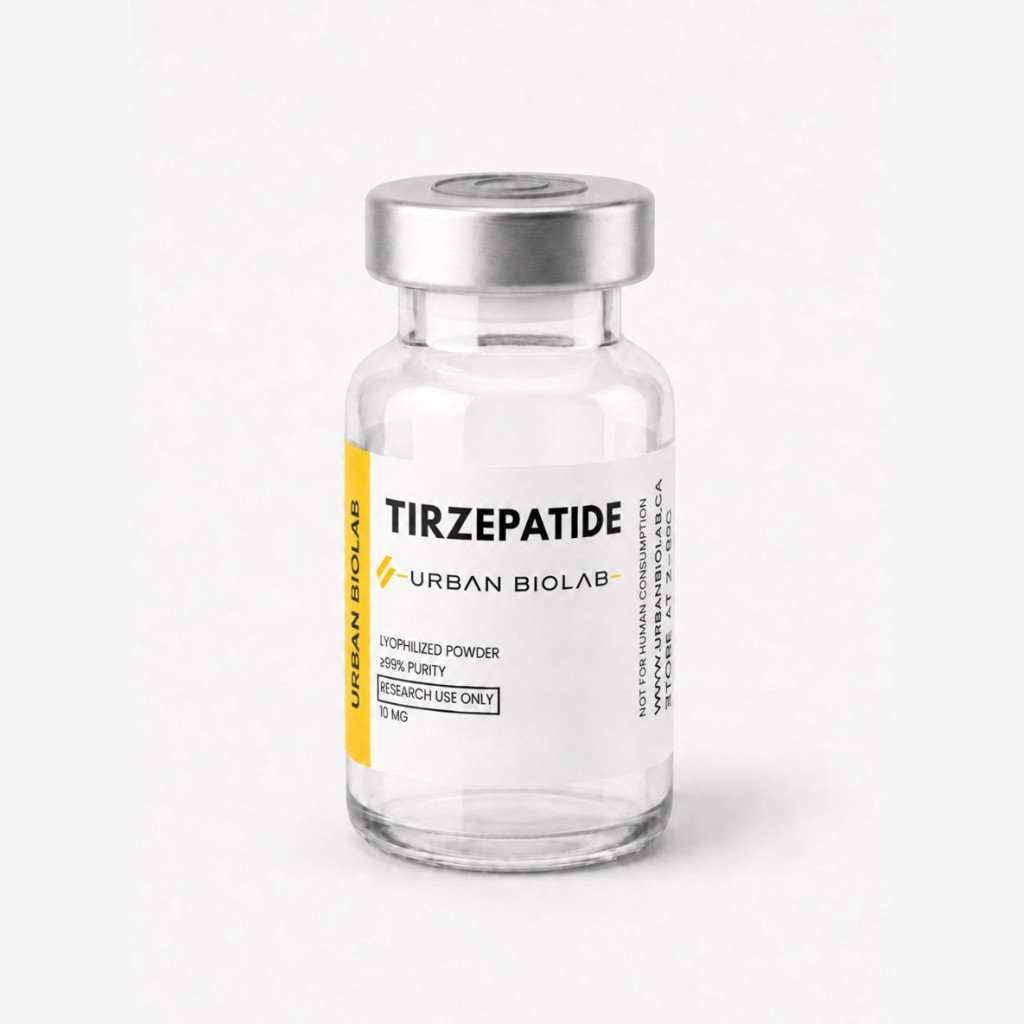
Tirzepatide 60MG
Tirzepatide 10mg is a synthetic research peptide classified as a dual GIP and GLP-1 receptor agonist, widely studied for its role in glucose metabolism, insulin signaling, and appetite regulation pathways. In laboratory research settings, Tirzepatide is of interest for investigations into metabolic regulation, energy balance, and endocrine system signaling.
Managing Potential Side Effects
All GLP-1 based peptides share a common side effect profile centered on gastrointestinal symptoms. Understanding what to expect and how to manage symptoms helps patients navigate the adjustment period successfully. Most side effects resolve within 8 to 12 weeks of starting treatment.
Common Side Effects
Nausea represents the most frequently reported side effect across all peptide medications. Incidence ranges from 25 to 44 percent depending on the specific compound. The sensation typically appears shortly after injection and may last several days, diminishing with subsequent doses.
Constipation and diarrhea both occur commonly, sometimes alternating in the same patient. These gastrointestinal changes reflect the medication’s effects on gut motility and hormone signaling. Dietary adjustments and over-the-counter remedies manage symptoms effectively for most people.
Reduced appetite extends beyond the therapeutic effect for some patients, making it difficult to eat adequate nutrition. This “over-suppression” typically resolves as the body adjusts but requires conscious attention to meeting minimum caloric and protein needs during the adjustment phase.
Side Effect Management Quick Guide
Nausea: Take injection at bedtime, eat smaller meals, avoid fatty foods, try ginger or peppermint, consider anti-nausea medication short-term
Constipation: Increase fiber intake gradually, stay well hydrated (64+ oz daily), consider magnesium supplementation, gentle movement helps
Diarrhea: Avoid fatty and greasy foods, BRAT diet during acute episodes, ensure adequate fluid replacement, usually resolves within days
Low appetite: Set meal alarms as reminders, prioritize protein at every eating occasion, keep easy protein options available, consider liquid nutrition
When to Seek Medical Attention
Certain symptoms require prompt medical evaluation. Severe persistent vomiting leading to dehydration, abdominal pain that is severe or does not resolve, signs of allergic reaction, or any symptoms that concern you warrant professional assessment.
Rare but serious complications include pancreatitis, gallbladder issues, and kidney problems. These occur in under 2 percent of patients but require awareness. Sudden severe abdominal pain, especially with vomiting, should prompt immediate evaluation.
Long-Term Considerations
Peptide therapy for weight management is typically a long-term or lifelong commitment. Understanding this reality from the outset helps patients plan appropriately and maintains realistic expectations about what treatment entails.
The Chronic Disease Model
Obesity increasingly is understood as a chronic disease rather than a behavioral failing. Like hypertension or diabetes, obesity often requires ongoing medical management to maintain health. Viewing peptide therapy through this lens normalizes long-term use.
The analogy to blood pressure medication proves instructive. Nobody expects to take antihypertensives temporarily until blood pressure normalizes, then stop medication and remain healthy. The underlying condition persists even when symptoms are controlled. Obesity follows similar patterns.
This reframing matters psychologically. Patients who view peptide use as temporary often struggle when facing the reality of lifelong treatment. Those who accept chronic disease management from the beginning make decisions aligned with sustainable outcomes rather than unrealistic timelines.
Discontinuation studies consistently show significant weight regain within 12 to 18 months of stopping medication. This is not treatment failure but rather confirmation that the underlying biology driving obesity remains even after weight loss. Ongoing medication maintains the new equilibrium.
Key Takeaway
Planning to use peptides temporarily until reaching goal weight then stopping sets up most patients for frustrating regain. Success requires accepting that maintenance will likely require ongoing treatment, whether continuous or cycled.
Cost Considerations
Long-term medication costs represent significant financial commitment. Prescription peptides through Canadian pharmacies can exceed $1,000 monthly depending on coverage. Research peptides typically cost less but still represent ongoing expense that must fit sustainable budgets.
Financial planning should happen before starting treatment rather than after weight loss has begun. Budgeting for 12 to 24 months of medication at minimum provides realistic framework. Understanding that costs may continue indefinitely prevents financial surprises that disrupt treatment.
Evaluating cost requires considering the broader picture. Health improvements may reduce other medical expenses. Quality of life improvements have value beyond dollars. Comparing costs to other weight loss approaches including surgery puts peptide therapy expense in perspective.
Some patients find that weight loss allows reduction in other medications, partially offsetting peptide costs. Improved mobility may reduce physiotherapy or joint care expenses. The financial calculation extends beyond the peptide prescription itself.
Maintenance Strategies
Several approaches to long-term management have emerged from clinical experience. Some patients maintain on the same dose indefinitely. Others reduce to a lower maintenance dose after reaching goal weight. Still others cycle between periods on and off medication.
Continuous treatment at full dose provides most consistent weight maintenance but represents highest ongoing cost and medication exposure. Patients comfortable with this approach and able to manage costs often prefer the simplicity and reliability.
Dose reduction after weight loss allows cost savings while maintaining some pharmaceutical support. The maintenance dose typically runs 40 to 60 percent of the active weight loss dose. Response to reduction varies between individuals with some maintaining easily and others experiencing gradual regain.
Strategic cycling involves alternating between periods on medication and periods attempting lifestyle-only maintenance. This approach reduces total medication exposure and cost but requires vigilant monitoring for weight trends and willingness to resume treatment promptly when regain begins.
The optimal long-term strategy remains an active area of research. Individual response guides decisions in partnership with healthcare providers or through careful self-experimentation. What works best varies significantly between people.
Frequently Asked Questions
Can peptides help if I have already tried Ozempic or Wegovy without success?
Yes. Patients who respond inadequately to Semaglutide often achieve better results with dual or triple agonist medications. The additional receptor targets provide mechanisms beyond GLP-1 alone. Switching to Tirzepatide or Retatrutide frequently produces additional weight loss in Semaglutide non-responders.
How long does it take to break through a plateau with peptides?
Most patients beginning peptide therapy after hitting a diet plateau see progress resume within 4 to 6 weeks. Initial response may be slower than starting from scratch as the body needs time to overcome adaptive changes from previous dieting. Patience during this adjustment period is important.
Are research peptides as effective as prescription versions?
Quality research peptides from reputable suppliers with third-party testing contain the same active compound as prescription medications. Effectiveness depends entirely on peptide quality and proper dosing protocol. Inferior products from unreliable sources may contain degraded peptide or incorrect concentrations.
Will I regain weight if I stop taking peptides?
Studies show most patients regain 70 to 85 percent of lost weight within 12 to 18 months of discontinuing medication without intensive lifestyle intervention. This reflects the chronic nature of obesity rather than medication failure. Long-term maintenance typically requires ongoing treatment.
Can I use peptides if I have thyroid problems?
Routine hypothyroidism treated with thyroid hormone replacement does not contraindicate peptide use. However, personal or family history of medullary thyroid carcinoma or multiple endocrine neoplasia syndrome type 2 absolutely contraindicates GLP-1 based medications. Discuss your thyroid history with a healthcare provider before starting.
How do injectable peptides compare to oral weight loss medications?
Injectable peptides produce substantially greater weight loss than oral alternatives. Older medications like phentermine or orlistat typically produce 5 to 10 percent weight loss compared to 15 to 24 percent with injectable peptides. The injectable route also provides more consistent absorption and predictable effects.
What is the best peptide for someone who has tried everything?
For individuals who have genuinely exhausted other options, Retatrutide’s triple agonist mechanism offers the greatest weight loss potential. The glucagon receptor activation provides effects beyond what dual or single agonist medications can achieve. Availability through research peptide suppliers allows access while awaiting regulatory approval.
Are peptide injections painful?
Most users report minimal discomfort from subcutaneous peptide injections. The needles are very thin, similar to insulin syringes. Injection technique improves with practice, and proper rotation of injection sites prevents any one area from becoming sensitive. Many patients say they barely feel the injection at all.
Can I drink alcohol while using weight loss peptides?
Moderate alcohol consumption is generally acceptable but may worsen gastrointestinal side effects, especially during the first few months. Alcohol also provides empty calories that slow progress. Many patients find their alcohol tolerance decreases on peptide therapy and their desire to drink diminishes naturally.
How do I store injectable peptides properly?
Unreconstituted peptides should be stored refrigerated at 2 to 8 degrees Celsius. Once reconstituted with bacteriostatic water, peptides should remain refrigerated and typically maintain potency for 4 to 8 weeks depending on the specific compound. Avoid freezing reconstituted peptides and protect from light exposure.
Is it safe to exercise intensely while using peptides?
Exercise is encouraged during peptide therapy with appropriate attention to nutrition. Ensure adequate caloric intake to support activity levels and prioritize protein for muscle preservation. Hydration becomes especially important given the gastrointestinal effects of these medications. Listen to your body and adjust intensity as needed.
What happens if I miss a dose?
If you miss a weekly dose, take it as soon as you remember if within 3 to 4 days of the scheduled time. If more than 4 days have passed, skip that dose and resume your regular schedule with the next injection. Do not double up doses to compensate for missed injections.
Glossary
Adaptive Thermogenesis
The body’s reduction in metabolic rate beyond what weight loss alone would predict. This adaptation persists long-term and contributes significantly to weight regain after dieting.
GLP-1 (Glucagon-Like Peptide-1)
A hormone produced in the intestines that slows stomach emptying, increases insulin release, and signals fullness to the brain. GLP-1 receptor agonists mimic this hormone for therapeutic effect.
GIP (Glucose-Dependent Insulinotropic Polypeptide)
An incretin hormone that affects insulin secretion and may influence fat metabolism. Combined GLP-1 and GIP receptor activation produces greater weight loss than GLP-1 alone.
Glucagon Receptor
A receptor targeted by Retatrutide that increases energy expenditure and promotes fat breakdown when combined with GLP-1 activation. This third target distinguishes triple agonist medications.
Ghrelin
The hunger hormone produced primarily in the stomach. Ghrelin levels increase during dieting and remain elevated after weight loss, driving appetite and contributing to regain.
Leptin
A satiety hormone produced by fat cells that signals fullness to the brain. Leptin decreases with weight loss and often does not fully recover, contributing to persistent hunger.
Retatrutide
A triple agonist peptide targeting GLP-1, GIP, and glucagon receptors. Currently in Phase 3 trials with projected approval in 2026-2027. Produces the highest weight loss of any medication studied.
Tirzepatide
A dual agonist peptide targeting GLP-1 and GIP receptors. Approved as Mounjaro for diabetes and Zepbound for weight loss. Produces approximately 21 percent average weight loss.
Semaglutide
A GLP-1 receptor agonist approved as Ozempic for diabetes and Wegovy for weight loss. The first modern peptide to demonstrate significant pharmaceutical weight loss at approximately 15 percent.
Set Point
The weight range your body defends through hormonal and metabolic mechanisms. The set point concept explains why the body actively resists sustained weight loss below its defended range.
Subcutaneous Injection
Injection into the fatty tissue just beneath the skin. All weight loss peptides use this route for administration, typically in the abdomen, thigh, or upper arm.
Dose Escalation
The practice of starting at the lowest medication dose and gradually increasing over time. Proper escalation minimizes side effects while allowing the body to adjust to treatment.
References
- Jastreboff AM, et al. (2023). Tirzepatide Once Weekly for the Treatment of Obesity. New England Journal of Medicine. https://www.nejm.org/doi/full/10.1056/NEJMoa2206038
- Wilding JPH, et al. (2021). Once-Weekly Semaglutide in Adults with Overweight or Obesity. New England Journal of Medicine. https://www.nejm.org/doi/full/10.1056/NEJMoa2032183
- Jastreboff AM, et al. (2023). Triple-Hormone-Receptor Agonist Retatrutide for Obesity: A Phase 2 Trial. New England Journal of Medicine. https://www.nejm.org/doi/full/10.1056/NEJMoa2301972
Research Disclaimer
This article is provided for educational and informational purposes only. The peptides discussed are intended for research use. This content does not constitute medical advice. Consult with a qualified healthcare provider before beginning any new treatment protocol. Individual results vary significantly based on numerous factors including genetics, adherence, and baseline health status.