
By Mark Delow, BScPharm, RPh
Clinical Pharmacist & Peptide Research Specialist
Updated: January 2026
The Short Answer:
Nausea is the most common side effect of Retatrutide, affecting about 28% of people at the 12mg dose. The good news is it’s almost always temporary. For most, it peaks around weeks 6-8 and then significantly improves by week 12 as your body gets used to the medication.
The most effective strategies include taking ginger, eating smaller meals, staying hydrated, and timing your injections strategically. Clinical trial data is very encouraging: 88.8% of participants successfully stuck with the treatment for 48 weeks, proving that nausea is a manageable hurdle.
This guide breaks down 11 proven strategies, organized by when they’re most useful, so you can build a plan that works for you from day one.
One User’s Story: Brandon’s Journey
Brandon Fitzgerald from Edmonton, Alberta, started Retatrutide in March at 218 pounds. He was nervous about the nausea warnings he’d seen online. Here’s his story.
“The first four weeks were pretty smooth. I had some mild queasiness in the mornings, but it didn’t stop me. I kept ginger chews at my desk, and they seemed to do the trick.
Week six was tougher. I remember one Saturday feeling like I was on a boat all day. I switched to eating five small meals instead of three big ones, and that made a huge difference. Cold foods became my go-to.
By week ten, the nausea was basically gone. Now, at week 28, I’m down to 176 pounds and can’t even remember the last time I felt sick from my injection. Looking back, those few uncomfortable weeks were a small price to pay.”
Brandon’s Protocol:
- Injection Timing: Friday evenings
- Ginger: 250mg capsules three times daily during weeks 4-10
- Meals: 5-6 small meals during peak weeks
- Hydration: At least 80oz of water daily
Why Does Retatrutide Cause Nausea?
Retatrutide is a “triple agonist,” meaning it activates three key receptors: GIP, GLP-1, and glucagon. This is what makes it so effective for weight loss, but it’s also why you might feel queasy at first.
The primary driver is the GLP-1 receptor. When activated, it slows down how quickly your stomach empties. Food sticks around longer, which helps you feel full and eat less—but it can also cause nausea as your digestive system adjusts to this new, slower pace.
A Silver Lining:
Interestingly, Retatrutide’s nausea rate (28%) is lower than Semaglutide’s (44%), even though it produces greater weight loss. The triple-receptor action seems to buffer some of the GI side effects you’d expect.
It’s helpful to reframe the nausea: it’s not a sign that something is wrong. It’s a sign the medication is actively working and your metabolism is shifting. Your body is incredibly adaptable. Within a few weeks, your digestive system recalibrates, and the discomfort fades while the benefits remain.
The Nausea Timeline: What to Expect Month by Month
Knowing what’s coming can make the journey much easier. Retatrutide follows a fairly predictable pattern.
Month 1: The Introduction (Weeks 1-4)
Most people have minimal issues here. The starting dose is low, giving your body time to adjust. You might feel mild queasiness, especially in the morning or after a large meal, but it’s usually brief.
Month 2: The Peak (Weeks 5-8)
This is typically the most challenging period. As the dose increases, side effects become more noticeable. Weeks 6-8 are often the most intense. This is the time to be proactive—don’t try to tough it out. Use every strategy in this guide to get through it.
Month 3: The Relief (Weeks 9-12)
By week 9, you should start feeling substantially better. Nausea becomes less frequent and less intense. By week 12, most users report minimal to no nausea. Your body has completed its adaptation.
Month 4 and Beyond: Maintenance
For the vast majority, nausea becomes a non-issue. Clinical data shows that after week 24, only 4.2% of people discontinue due to side effects. You might get a brief wave of mild nausea on injection day or after a very fatty meal, but it’s rare and manageable.
5 Proactive Strategies to Prevent Nausea
The best way to handle nausea is to stop it before it starts.
- Start Anti-Nausea Support Early: Don’t wait for symptoms to appear. Start taking ginger (250mg, 3x/day with meals) from week one. Ask your doctor for a prescription for Ondansetron (Zofran) to have on hand—just knowing you have a backup can reduce anxiety, which can itself worsen symptoms.
- Restructure Your Meals: Before you even escalate your dose, switch to 5-6 small meals of 200-300 calories each, spaced every 2-3 hours. This gets your digestive system used to smaller portions and prevents both hunger-nausea and overfull-nausea.
- Make Hydration Non-Negotiable: Dehydration makes nausea worse, period. Aim for 64-80 ounces of water daily. Because Retatrutide can reduce your thirst, use a time-based approach: set a reminder every 90 minutes to drink 8 ounces, whether you feel thirsty or not.
- Find Your Trigger Foods: Keep a simple food journal during your first month. You might discover that fatty, spicy, or dairy-heavy foods make your symptoms worse. Identifying these early lets you avoid them during the tougher weeks ahead.
- Prioritize Sleep: Fatigue amplifies nausea. Aim for 7-8 hours of quality sleep each night, especially during the first three months. Think of it as a core part of your treatment plan, not an optional extra.
6 Strategies for When Nausea Strikes
Even with the best prevention, you may still have rough moments. Here’s how to handle them.
- Try P6 Acupressure: This pressure point is on your inner wrist, about two inches below your palm. Applying firm pressure for a few minutes can provide surprisingly fast relief. Many users find acupressure wristbands (sold for motion sickness) to be lifesavers during peak weeks.
- Use Controlled Breathing: Slow, deep breathing calms your nervous system. Try this: inhale through your nose for 4 seconds, hold for 2, and exhale slowly through your mouth for 6. Repeat for a few minutes. This can often stop a nausea episode from escalating.
- Cool Down: A cold compress on your neck or forehead, or simply stepping into a cool room, can interrupt nausea signals. Sipping ice-cold water or sucking on ice chips can also be very soothing.
- Change Your Position: Lying flat can make nausea worse. Sit upright or recline at a 45-degree angle. If you need to lie down, try lying on your left side to use gravity to your advantage.
- Distract Yourself: Focusing on nausea makes it worse. Break the mental feedback loop by stepping outside, listening to engaging music, calling a friend, or watching something that captures your attention.
- Use Aromatherapy: Scents like peppermint and fresh lemon have anti-nausea properties. Keep a small bottle of peppermint essential oil to sniff, or cut a lemon and hold it near your face. Sucking on a lemon wedge can also help.
What to Eat (and What to Avoid)
Your diet is a powerful tool for managing nausea.
- The Cold Food Advantage: Cold or room-temperature foods often cause less nausea than hot foods because they release fewer triggering aromas. During peak weeks, opt for things like cold chicken, Greek yogurt, protein shakes, and pasta salad.
- The Modified BRAT Diet: On your worst days, the classic BRAT diet (Bananas, Rice, Applesauce, Toast) is a reliable fallback. However, it’s low in protein. Be sure to add plain Greek yogurt, a protein shake, or a piece of plain chicken to maintain your muscle mass.
- Foods to Avoid: Steer clear of fatty fried foods, heavy sauces, spicy dishes, and alcohol during peak weeks. These consistently worsen symptoms.
How to Eat: Eat small, frequent meals. Stop eating before you feel completely full, as the delayed stomach emptying will make you feel fuller 20-30 minutes later. Try not to let yourself get overly hungry either.
Timing Your Injections for Success
The 24-48 hours after your injection are when nausea is most likely. You can use this to your advantage.
- The Evening Injection: Injecting in the evening, especially on a Friday, is a popular strategy. This allows you to sleep through the initial peak effects. You then have the weekend to rest and manage any symptoms without work obligations.
- Avoid High-Stakes Days: Never inject before a major presentation, travel day, or social event. Give yourself a 48-hour buffer after each injection until you know your body’s pattern.
When to Ask for Prescription Help
If natural remedies and dietary changes aren’t enough, don’t hesitate to use medication.
- Ondansetron (Zofran): This is the gold standard. It’s highly effective and works by blocking serotonin receptors. Most doctors are happy to prescribe it for patients starting GLP-1 medications.
- Promethazine (Phenergan): An alternative that can be very effective, but it causes significant drowsiness, so it’s best for nighttime use.
- Metoclopramide (Reglan): This works by speeding up stomach emptying, directly counteracting Retatrutide’s effect. It’s reserved for when other options fail due to a higher risk of side effects.
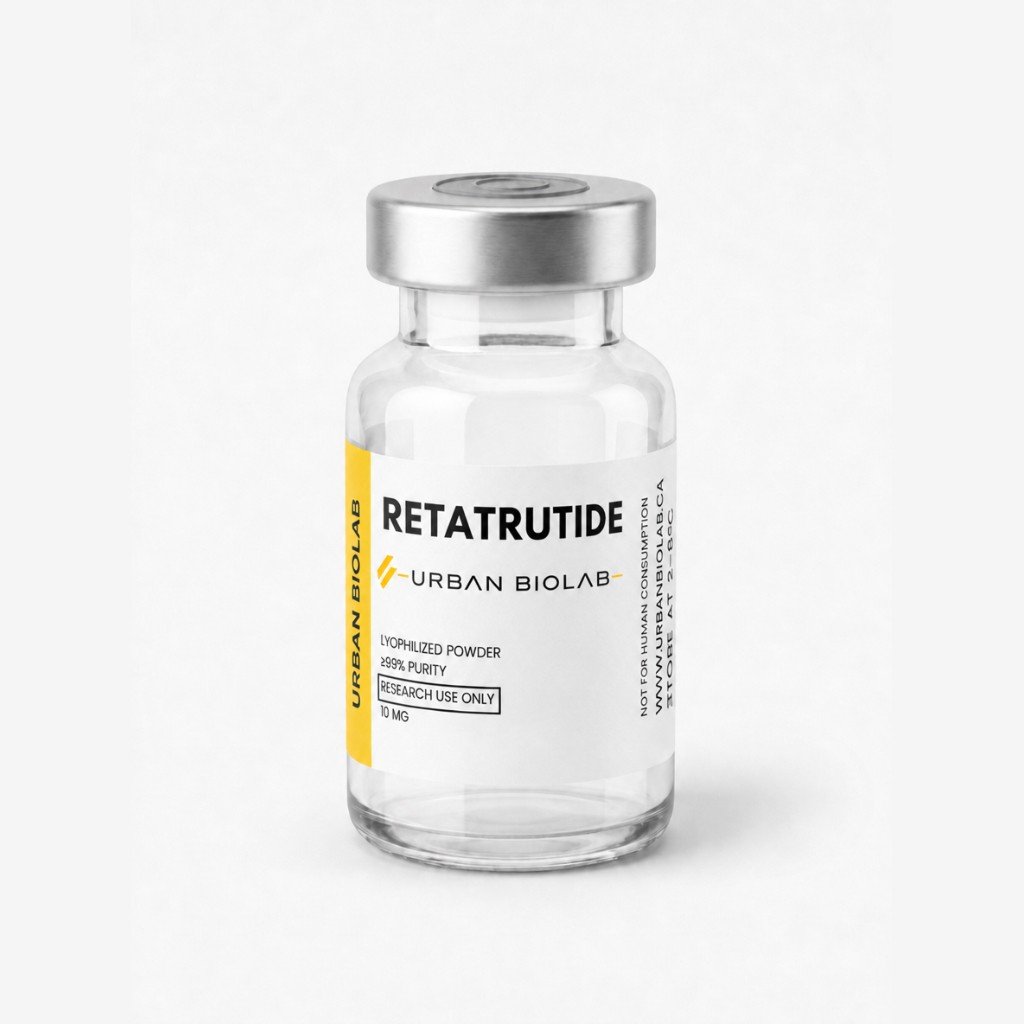
RT (Retatrutide) 10MG
Buy Retatrutide Canada: RT10 is a cutting-edge investigational peptide designed for advanced scientific exploration in metabolic health and weight management research. Known for its unique mechanism as a triple agonist (GLP-1, GIP, and glucagon receptors), it has shown promising potential in preclinical studies related to appetite regulation, fat metabolism, and glycemic control.
The Critical Importance of Hydration
This cannot be overstated. Dehydration is the most serious complication of nausea on Retatrutide. Because the medication can reduce your thirst, you must drink on a schedule, not by feel. Aim for 64-80 ounces of water daily. If water is difficult, electrolyte drinks, clear broths, and watery fruits like watermelon can help you stay hydrated.
Dose Management: You Have Options
You don’t have to white-knuckle your way through severe nausea. Talk to your doctor about your options.
- Lower Doses Work: The 4mg and 8mg doses still produce excellent weight loss (15.2% and 21.1% respectively) with lower rates of nausea.
- Slow Down the Escalation: Ask your doctor about a slower dose-escalation schedule. Taking 16-20 weeks instead of 12 to reach your target dose can improve tolerability.
- Temporary Dose Reduction: If a dose increase is too harsh, you can always drop back to the previous level for a few weeks before trying again. This is a much better option than stopping treatment altogether.
When to Call Your Doctor
Contact Your Provider Same Day If You Experience:
- Severe nausea that prevents you from eating or drinking for more than 24 hours.
- Vomiting more than three times in 24 hours.
- Signs of dehydration (dark urine, dizziness, rapid heartbeat).
Seek Immediate Medical Attention For:
- Severe abdominal pain, especially in the upper abdomen that radiates to your back (a potential sign of pancreatitis).
- Inability to keep any fluids down for more than 12 hours.
How Does Retatrutide Compare to Other GLP-1s?
Retatrutide’s nausea rate (28%) is lower than Semaglutide’s (44%) and slightly higher than Tirzepatide’s (25%). If you’ve tolerated other GLP-1 medications in the past, you’ll likely tolerate Retatrutide well. The management strategies are virtually identical across the entire drug class.
The Long-Term Outlook: It Gets Much Better
The first three months are an investment. After the initial adjustment period, most people experience a remarkably smooth journey. Nausea fades, and what’s left are the benefits: sustained appetite control, steady weight loss, and a transformed relationship with food. The temporary discomfort of the first few months is a small price to pay for the life-changing results that follow.
Frequently Asked Questions
How long does the nausea last?
For most, it peaks around weeks 6-8 and is substantially better by week 12. After that, it’s largely a non-issue.
Can I take Zofran (Ondansetron) with Retatrutide?
Yes, it’s commonly prescribed and safe to use together. It’s a very effective tool for managing nausea.
Should I stop Retatrutide if the nausea is severe?
No, don’t stop without talking to your doctor first. There are several options, like lowering your dose temporarily or trying a different anti-nausea medication. Stopping should be a last resort.
Does the nausea get worse with higher doses?
It can temporarily increase with each dose escalation, but your body adapts, and the adjustment periods typically get shorter each time.
Glossary
- GLP-1, GIP, Glucagon: The three hormone receptors that Retatrutide activates to produce its effects.
- Gastric Emptying: The process of food moving from your stomach to your intestines. Slowing this is a key mechanism of Retatrutide.
- Dose Escalation: The process of gradually increasing your medication dose to a therapeutic level.
- Triple Agonist: A drug that activates three different receptors at once (GIP, GLP-1, and glucagon).
- P6 Acupressure Point: A point on the inner wrist known to help reduce nausea.
- Subcutaneous Injection: An injection into the fatty tissue just under the skin.
References
- Jastreboff AM, et al. Triple-Hormone-Receptor Agonist Retatrutide for Obesity: A Phase 2 Trial. New England Journal of Medicine. 2023.
- National Institutes of Health. Ginger for Nausea and Vomiting: A Systematic Review and Meta-Analysis. PubMed Central. 2016.
- ClinicalTrials.gov. A Study of Retatrutide (LY3437943) in Participants With Obesity. Trial ID: NCT05934110.