My Research Perspective
After spending considerable time analyzing peptide protocols and reviewing the available research, I’ve compiled this guide to help you understand how various peptides may complement Tirzepatide therapy. This information is based on published studies, community experiences, and documented protocols.
The Quick Answer
The optimal peptide stack depends entirely on your individual goals during weight loss. Here’s my breakdown:
For preserving muscle mass: The combination of CJC-1295 and Ipamorelin stimulates natural growth hormone release, helping maintain lean tissue while you lose fat.
For digestive support: BPC-157 may help mitigate common gastrointestinal side effects while promoting tissue repair during your caloric deficit.
For skin elasticity: GHK-Cu stimulates collagen production, which can help address loose skin concerns following significant weight loss.
For recovery enhancement: TB-500 provides whole-body recovery support, reducing inflammation and improving flexibility during training.
Many individuals combine multiple peptides—a practice called “synergistic stacking”—to address weight loss, recovery, and cosmetic concerns simultaneously.
A Documented Experience
Sarah, 42, from outside Toronto, shared her experience:
“I started Tirzepatide in March at 215 pounds after years of failed diet attempts. By week eight, I’d lost nearly 18 pounds but felt drained and noticed my skin was already looking looser than I expected. After researching peptide protocols, I added BPC-157 and Ipamorelin to my routine.
Within three weeks, my post-workout recovery improved noticeably. The mild nausea I’d been experiencing from Tirzepatide became manageable. By August, I reached 168 pounds, and my skin has held up remarkably well compared to friends who lost similar amounts without peptide support.
My protocol:
- Tirzepatide: 5mg weekly
- BPC-157: 0.25mg twice daily
- Ipamorelin: 0.1mg before bed
- Duration: 20 weeks
Total loss: 47 pounds. I maintained most of my strength, which honestly surprised me. I’d recommend this approach to anyone starting their own journey.”
Understanding Why Stacking Matters
Tirzepatide represents a significant breakthrough in weight management. As a dual GIP/GLP-1 receptor agonist, it activates two metabolic pathways at once, producing average weight loss of approximately 21% in clinical trials. For someone starting at 220 pounds, that translates to roughly 46 pounds of total reduction.
The medication works through three primary mechanisms: appetite suppression, delayed gastric emptying, and improved insulin sensitivity. Most users experience dramatic reductions in hunger and “food noise” within the first few weeks.
The Challenges of Rapid Weight Loss
While Tirzepatide is remarkably effective for fat loss, rapid weight reduction creates several issues that strategic peptide use can address:
Muscle Loss: The caloric deficit necessary for significant fat loss creates conditions where muscle tissue becomes vulnerable to breakdown. Research indicates that without intervention, up to 25% of weight lost during aggressive dieting comes from lean muscle rather than fat.
Skin Elasticity: When you lose 40-50 pounds quickly, your skin may not retract at the same pace. Collagen production naturally declines with age, and rapid volume reduction can leave many people with loose, sagging skin.
Gastrointestinal Effects: Nausea occurs in approximately 25% of users during dose escalation. Constipation, diarrhea, and digestive discomfort are common.
Compromised Recovery: Operating in a caloric deficit means fewer resources for tissue repair, which can extend recovery times and increase injury risk.
Key Takeaway
Strategic peptide stacking addresses the four main challenges of Tirzepatide therapy: muscle preservation, skin elasticity, gut health, and recovery capacity. Rather than accepting these as inevitable, targeted peptide selection can optimize your experience.
Peptides for Muscle Preservation
Maintaining lean muscle mass during weight loss directly impacts long-term success. Muscle tissue burns more calories at rest than fat tissue, so preserving existing muscle helps maintain metabolic rate even as total body weight decreases.
Growth hormone plays a central role in muscle preservation and repair. As we age, natural GH production declines significantly. By age 40, most adults produce roughly half the growth hormone they produced at 20. This decline accelerates during caloric restriction, making the deficit state particularly catabolic.
CJC-1295: Extended Growth Hormone Support
CJC-1295 belongs to a class called growth hormone releasing hormone (GHRH) analogs. It stimulates your pituitary gland to produce and release more growth hormone through natural signaling pathways.
The peptide comes in two forms:
| Feature | CJC-1295 with DAC | CJC-1295 without DAC |
|---|---|---|
| Half-life | 6-8 days | ~30 minutes |
| Dosing frequency | 1-2x weekly | 2-3x daily |
| GH release pattern | Sustained elevation | Pulsatile (natural) |
| Typical dose | 2mg weekly | 0.1mg per injection |
| Best for stacking | Convenience | Optimal results |
For stacking with Tirzepatide, most protocols use the no-DAC version because it creates more physiological pulsatile GH release patterns.
Research indicates CJC-1295 can increase GH production by 200-300% above baseline levels. This elevated GH state promotes protein synthesis, enhances fat oxidation, and supports recovery.
Ipamorelin: Clean Growth Hormone Release
Ipamorelin represents one of the cleanest growth hormone secretagogues available. Unlike older peptides like GHRP-6, Ipamorelin does not significantly affect cortisol or prolactin levels. It also lacks the intense hunger stimulation that makes some GH secretagogues problematic during weight loss.
The peptide works by mimicking ghrelin at the pituitary gland, triggering GH release. However, unlike actual ghrelin, Ipamorelin does not activate hunger-promoting effects. This selectivity makes it ideal for combination with Tirzepatide.
My Assessment: In my analysis of peptide combinations, the CJC-1295 plus Ipamorelin stack produces the most noticeable muscle-sparing effects during aggressive weight loss. The combination feels natural in terms of energy and recovery. Most users report better sleep quality within the first week, followed by improved recovery and body composition changes over subsequent months.
Standard Ipamorelin dosing ranges from 0.1 to 0.3mg per injection, administered two to three times daily. Timing should avoid food intake, as elevated blood sugar blunts GH release.
The Synergy of Combined GHRH and GHRP
Using CJC-1295 (a GHRH analog) together with Ipamorelin (a GHRP) produces synergistic rather than merely additive effects. Research demonstrates this combination amplifies GH release significantly beyond what either peptide achieves alone.
The mechanism involves complementary pathways. CJC-1295 signals the pituitary to produce more growth hormone. Ipamorelin triggers the release of that stored hormone. Together, they both increase production and enhance release.
For Tirzepatide users specifically, this combination helps preserve lean mass while the primary medication handles fat reduction. Many researchers report maintaining strength levels throughout their weight loss journey—something that rarely occurs with diet alone.
Standard Muscle Preservation Protocol
- CJC-1295 no DAC: 0.1mg
- Ipamorelin: 0.1-0.2mg
- Combined injection: 2-3x daily on empty stomach
- Best timing: Upon waking and 30 minutes before bed
- Cycle length: 8-12 weeks, followed by 4-week break
BPC-157: Gut Health and Recovery Support
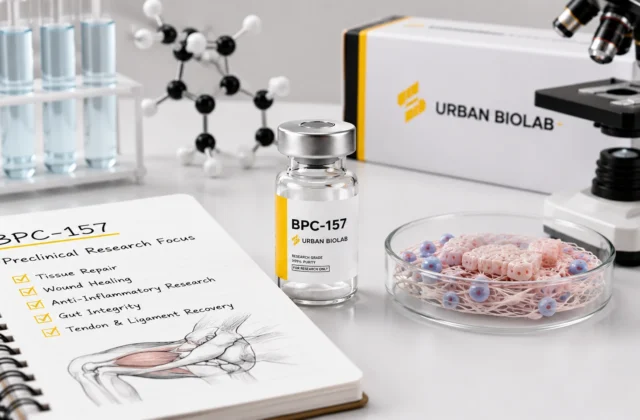
Body Protection Compound-157 stands as one of the most researched healing peptides available. Originally isolated from human gastric juice, BPC-157 demonstrates remarkable tissue repair properties across multiple body systems. For Tirzepatide users, its gut-protective effects make it particularly relevant.
The gastrointestinal side effects of GLP-1 agonists stem from their mechanism of action. Delayed gastric emptying, while beneficial for appetite suppression, can cause nausea, bloating, and discomfort. BPC-157 has shown protective effects on gastric mucosa and may help maintain healthy gut function during Tirzepatide therapy.
Mechanism of Action
BPC-157 works through several interconnected pathways:
- Promotes angiogenesis (new blood vessel formation), accelerating nutrient delivery to healing tissues
- Upregulates growth hormone receptors, particularly on tendon fibroblasts
- Activates the FAK-paxillin pathway, promoting fibroblast migration to injury sites
- Modulates nitric oxide production, supporting healthy blood flow
Notable Finding: BPC-157 can be administered orally with maintained effectiveness for gut-related applications. The peptide demonstrates remarkable stability in gastric acid, with arginate salt formulations achieving over 90% bioavailability through oral administration.
Benefits for Tirzepatide Users
Beyond gut protection, BPC-157 offers several advantages during weight loss:
- Connective tissue support: Tendon and ligament health often suffers during caloric restriction
- Injury prevention: Many individuals increase exercise intensity during weight loss, creating conditions for overuse injuries
- Anti-inflammatory effects: Chronic low-grade inflammation often accompanies obesity and can persist even as weight decreases
Key Takeaway
BPC-157 addresses multiple concerns simultaneously for Tirzepatide users. It may reduce GI discomfort, support connective tissue health during increased training, and provide systemic anti-inflammatory benefits. The peptide’s excellent safety profile and versatile administration options make it a foundational component of most stacking protocols.
Administration Guidelines
BPC-157 comes as lyophilized powder requiring reconstitution with bacteriostatic water. Standard dosing ranges from 0.25 to 0.5mg daily, either as a single injection or split into two doses. For gut-specific applications, some protocols use oral BPC-157 arginate at higher doses of 0.5 to 1mg daily.
The peptide’s short half-life of 4-6 hours means twice-daily dosing produces more consistent tissue levels than single daily administration.
Cycle length typically runs 4-8 weeks depending on goals.
GHK-Cu: Addressing Loose Skin Concerns
Loose skin represents one of the most frustrating outcomes of significant weight loss. You work hard to reduce body fat, achieve your target weight, and then find yourself dealing with sagging skin that obscures your results. GHK-Cu offers a scientifically supported approach to this common problem.
Glycyl-L-histidyl-L-lysine copper complex occurs naturally in human plasma. Discovered in 1973, this tripeptide has accumulated over 40 years of research demonstrating its regenerative properties. Blood levels peak around age 20 at approximately 200 ng/mL and decline to roughly 80 ng/mL by age 60, correlating with diminished skin elasticity.
Collagen Synthesis and Skin Architecture
GHK-Cu stimulates collagen production through multiple converging pathways. Research demonstrates:
- Up to 70% increase in type I collagen production in dermal fibroblasts
- 30% increase in elastin production
- Significant upregulation of decorin, a proteoglycan that regulates collagen organization
- Modulation of over 4,000 human genes (approximately 31% of the genome)
The copper component plays a critical role. Copper serves as a cofactor for lysyl oxidase and lysyl hydroxylase, enzymes essential for collagen cross-linking and structural integrity.
Clinical Evidence
Human clinical trials provide solid evidence for GHK-Cu’s skin benefits:
- A 12-week facial cream study involving 71 women with photoaging demonstrated increased skin density and thickness, reduced laxity, and significant improvement in fine lines and wrinkles
- An 8-week randomized double-blind trial showed 55.8% reduction in wrinkle volume versus control and 31.6% reduction versus the active comparator
My Assessment: GHK-Cu stands out as my top recommendation for addressing loose skin during weight loss. The research depth exceeds most other peptides, with decades of safety data supporting its use. Many individuals report visible skin tightening within 8-12 weeks of starting injectable protocols. For Tirzepatide users specifically, starting the peptide around the 15-20 pound loss mark allows time for collagen remodeling to keep pace with volume reduction.
Injectable Administration Protocol
- Dose: 1-2mg daily subcutaneous
- Optional topical: 0.5-2% solution to problem areas
- Timing: Any time of day, food intake does not affect absorption
- Cycle length: 8-12 weeks on, 4-6 weeks off
- When to start: After 15-20lb weight loss or preemptively
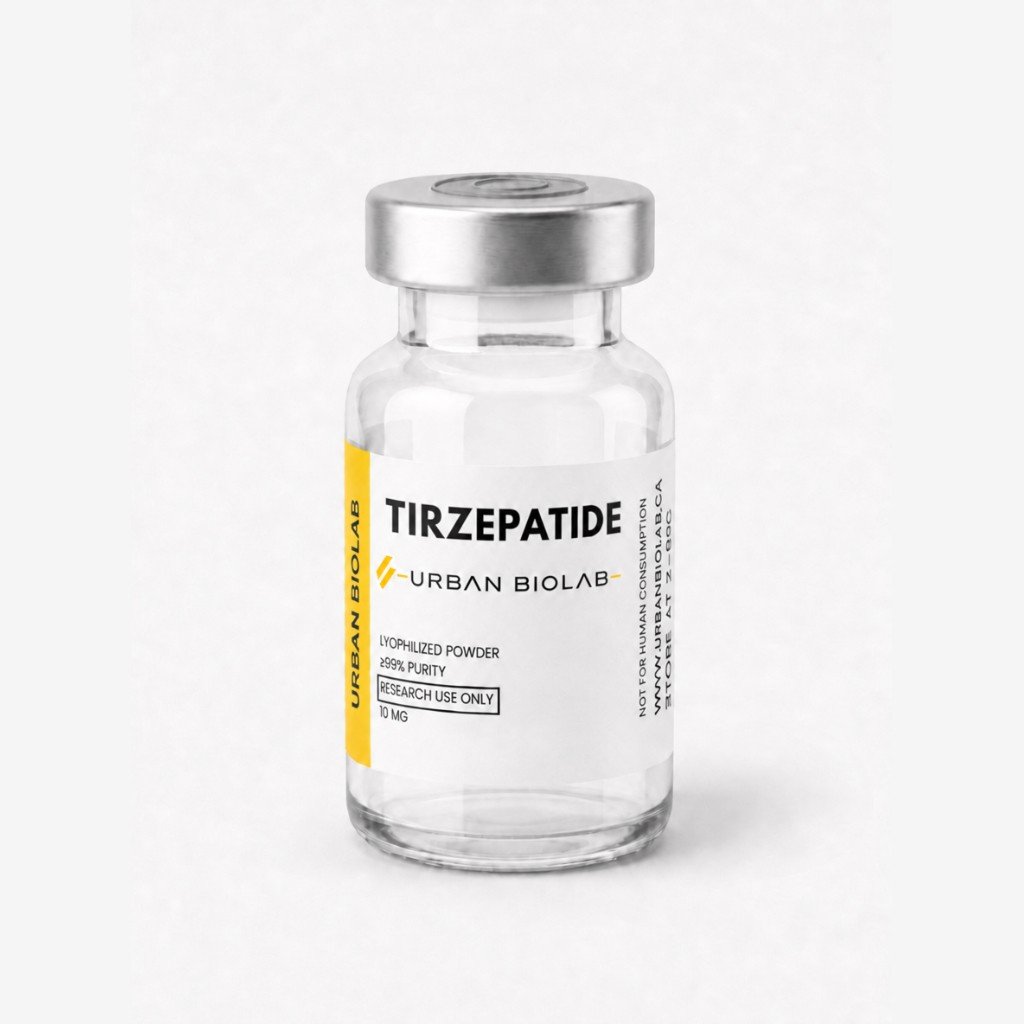
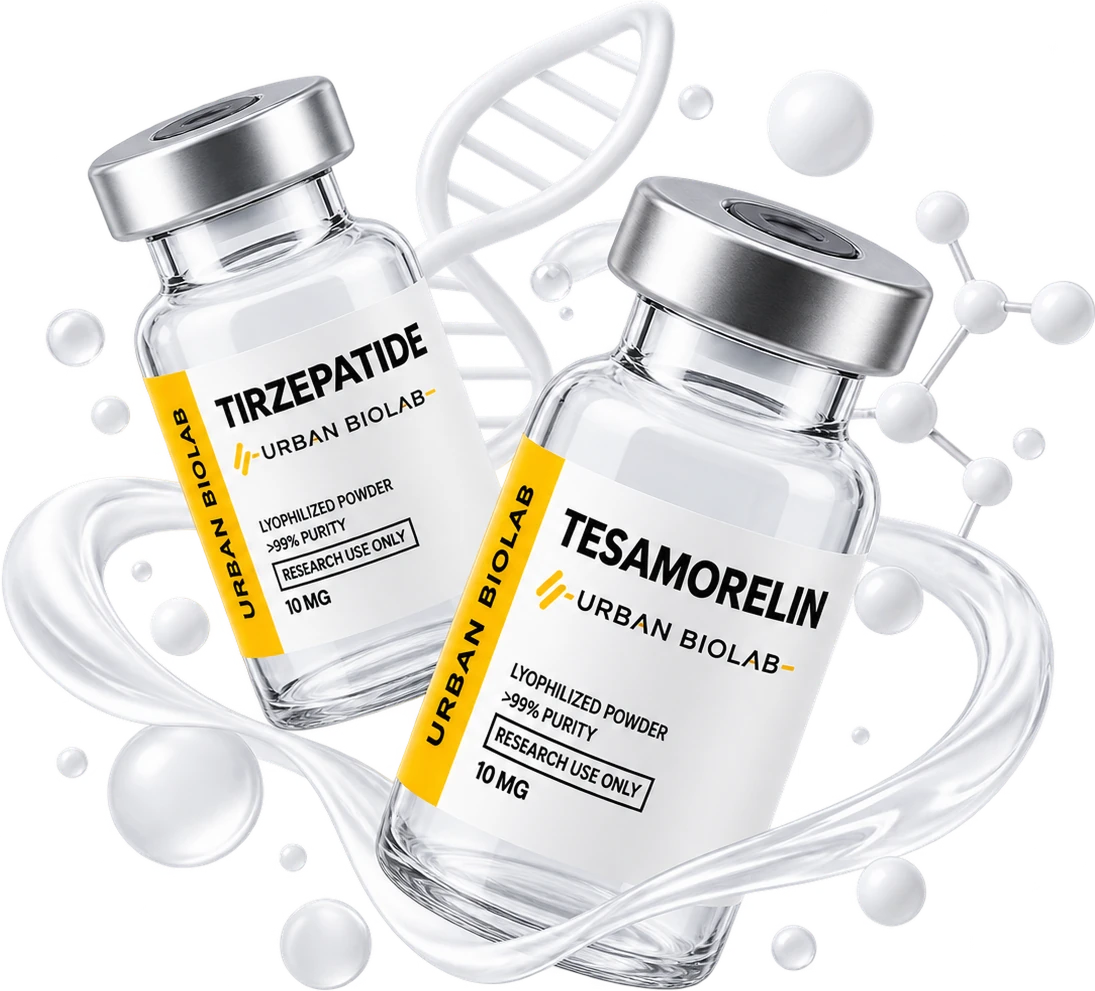
Tirzepatide 60MG
Tirzepatide 10mg is a synthetic research peptide classified as a dual GIP and GLP-1 receptor agonist, widely studied for its role in glucose metabolism, insulin signaling, and appetite regulation pathways. In laboratory research settings, Tirzepatide is of interest for investigations into metabolic regulation, energy balance, and endocrine system signaling.
TB-500: Systemic Recovery and Inflammation
Thymosin Beta-4 fragment, commonly known as TB-500, provides whole-body recovery support through mechanisms distinct from other healing peptides. Where BPC-157 concentrates effects at injection sites and migrates to damage, TB-500 distributes systemically from any injection location.
The peptide occurs naturally as part of thymosin beta-4, present in virtually all human and animal cells. TB-500 promotes cell migration, angiogenesis, and reduces inflammation through microRNA-146a upregulation.
Recovery Benefits During Weight Loss
Caloric restriction compromises recovery capacity. Your body has fewer resources available for tissue repair, inflammation resolution, and adaptation to training stress. TB-500 helps maintain recovery function even when operating in a deficit state.
Muscle healing represents a primary application. Research in various animal models demonstrates TB-500 improves muscle fiber regeneration. For individuals increasing exercise volume during weight loss, this translates to reduced soreness and faster return to productive training.
Flexibility improvements occur frequently with TB-500 use. The peptide’s effects on actin organization and cell migration appear to benefit connective tissue throughout the body.
The Wolverine Stack: TB-500 Plus BPC-157
Combining TB-500 with BPC-157 creates what the peptide community calls the Wolverine Stack. This combination produces synergistic healing effects exceeding either peptide individually by approximately 30% according to user reports.
The synergy stems from complementary mechanisms:
- TB-500 provides systemic support through whole-body angiogenesis and cell migration
- BPC-157 delivers targeted local repair with additional gut-protective effects
- BPC-157 increases actin gene expression while TB-500 sequesters and organizes actin for cell movement
Comparison: TB-500 vs BPC-157
| Feature | TB-500 | BPC-157 |
|---|---|---|
| Distribution | Systemic throughout body | Local + migration to damage |
| Half-life | 24-48 hours | 4-6 hours |
| Dosing frequency | 2x weekly | 1-2x daily |
| Primary strength | Muscle, flexibility, systemic | Tendons, gut, targeted |
| Injection location | Anywhere works equally | Near injury site optimal |
Standard TB-500 Protocol
TB-500 administration follows a loading and maintenance pattern:
- Loading phase: 2-2.5mg twice weekly for 4-6 weeks (totaling 4-5mg per week)
- Maintenance: 2mg once every 7-14 days
Wolverine Stack Protocol
- TB-500 loading: 2-2.5mg twice weekly (Monday/Thursday) for 4-6 weeks
- TB-500 maintenance: 2mg once weekly for 2-4 additional weeks
- BPC-157: 0.5mg daily (single dose or split 0.25mg twice daily)
- Total cycle: 6-10 weeks
- Critical: Never mix TB-500 and BPC-157 in the same syringe
Growth Hormone Secretagogues: The Foundation
Growth hormone secretagogues form the foundation of most advanced peptide protocols. They work by stimulating your body’s natural GH production rather than providing exogenous hormone directly.
MK-677 (Ibutamoren)
MK-677 differs from other GH secretagogues as an oral compound rather than injectable peptide. It mimics ghrelin signaling at the pituitary, triggering sustained growth hormone release.
For Tirzepatide users, MK-677 presents a trade-off. The appetite stimulation works against Tirzepatide’s suppressive effects, potentially reducing weight loss efficacy.
Standard dosing: 10-25mg daily, typically taken before bed.
My Assessment: For most Tirzepatide stacking protocols, I recommend injectable secretagogues like CJC-1295 and Ipamorelin over MK-677. The appetite stimulation from MK-677 works against your weight loss goals. If injection frequency is a concern, MK-677 remains viable, but expect to manage more food cravings.
GHRP-2 and GHRP-6
These older options produce potent GH release but also significantly stimulate hunger through ghrelin pathway activation. Neither matches Ipamorelin’s selectivity. Both affect cortisol and prolactin levels to some degree.
Hexarelin
Hexarelin produces the strongest GH release among commonly available secretagogues. However, it significantly elevates cortisol and prolactin, creating metabolic complications. The peptide also demonstrates rapid desensitization.
For Tirzepatide stacking, Hexarelin’s downsides outweigh its benefits. Most protocols avoid it in favor of better-tolerated options.
Key Takeaway
Ipamorelin combined with CJC-1295 no DAC represents the optimal growth hormone secretagogue stack for Tirzepatide users. This combination provides significant GH elevation without appetite stimulation, cortisol elevation, or prolactin increases.
Advanced Stacking Protocols
The Comprehensive Weight Loss Stack
This protocol addresses muscle preservation, recovery, gut health, and skin concerns within a single integrated approach:
Morning (Fasted)
- CJC-1295 no DAC: 0.1mg
- Ipamorelin: 0.15mg
Midday
- BPC-157: 0.25mg
- GHK-Cu: 1mg
Evening (30 min before bed)
- CJC-1295 no DAC: 0.1mg
- Ipamorelin: 0.15mg
- BPC-157: 0.25mg (optional second dose)
Twice Weekly (Mon/Thu)
- TB-500: 2.5mg during loading, 2mg maintenance
Weekly
- Tirzepatide: Per prescribed escalation schedule
The GLOW Protocol
The GLOW stack combines GHK-Cu, TB-500, and BPC-157 for comprehensive regeneration. Typical formulations contain approximately 27mg GHK-Cu, 10mg TB-500, and 5mg BPC-157 per vial.
Standard protocol uses 0.9 to 1.8mg of the blend daily for 6 weeks.
Recovery-Focused Stack for Active Individuals
For those maintaining intense training during weight loss:
- CJC-1295/Ipamorelin: 0.1mg/0.2mg combined, 3x daily
- BPC-157: 0.5mg near primary training stress areas
- TB-500: 5mg weekly (2.5mg twice weekly)
- Optional MK-677: 10mg before bed for sleep enhancement
- Cycle: 8-12 weeks during intense training phases
Timing and Administration Guidelines
GH Secretagogue Timing
CJC-1295 and Ipamorelin require administration on an empty stomach. Elevated blood sugar and insulin blunt GH release. Wait at least 2-3 hours after eating before injecting, and avoid food for 30-60 minutes afterward.
Optimal timing windows include first thing in the morning before breakfast and 30 minutes before bed.
Tirzepatide Coordination
Tirzepatide administration typically occurs once weekly. The long half-life means daily fluctuations do not matter. Simply administer it on your chosen day and continue other peptide protocols normally.
Healing Peptide Flexibility
BPC-157, TB-500, and GHK-Cu show flexible timing requirements. Food intake does not significantly affect their absorption or effectiveness.
Reconstitution and Storage
All injectable peptides require reconstitution from lyophilized powder. Use bacteriostatic water rather than sterile water to enable multi-dose use from single vials. Add water slowly down the inside wall of the vial.
Stability After Reconstitution:
| Peptide | Refrigerated Stability | Signs of Degradation |
|---|---|---|
| CJC-1295 | 28 days | Cloudiness, particles |
| Ipamorelin | 28 days | Color change, reduced effect |
| BPC-157 | 28-30 days | Cloudiness, odor |
| TB-500 | 28 days | Particles, discoloration |
| GHK-Cu | 30 days | Color change (from blue) |
Safety Considerations
Tirzepatide-Specific Concerns
Tirzepatide carries known risks that stacking does not eliminate:
- History of medullary thyroid carcinoma or MEN2 represents absolute contraindications
- History of pancreatitis requires careful evaluation
- Severe gastroparesis may worsen with GLP-1 agonist use
Growth Hormone Considerations
Elevated growth hormone carries theoretical risks:
- Individuals with active cancer or cancer history should avoid GH-elevating protocols
- The growth-promoting effects of GH and IGF-1 could theoretically accelerate malignant cell division
- Maintain age-appropriate cancer screening throughout any peptide protocol
BPC-157 and TB-500 Safety
Both healing peptides promote angiogenesis. While beneficial for tissue repair, this mechanism theoretically could support tumor growth if malignancy exists. The same caution regarding cancer history applies.
Canadian Regulatory Context
Research peptides occupy a regulatory grey area in Canada. They are legal to purchase for research purposes but not approved for human therapeutic use. Health Canada has not evaluated these compounds for safety or efficacy.
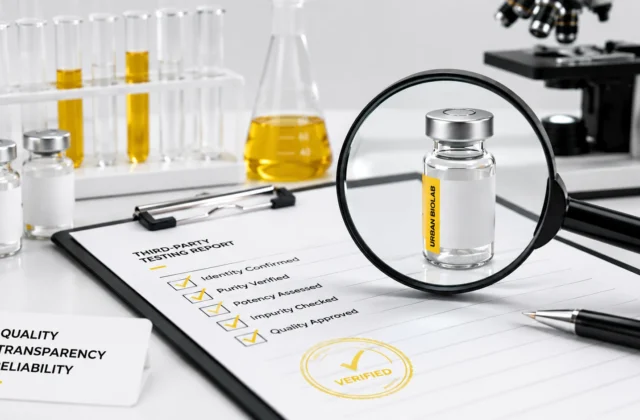
This regulatory status means no standardized quality requirements exist for research peptide suppliers. Quality varies enormously between vendors. Third-party testing and certificates of analysis become essential.
Sourcing Quality Peptides
Certificate of Analysis Requirements
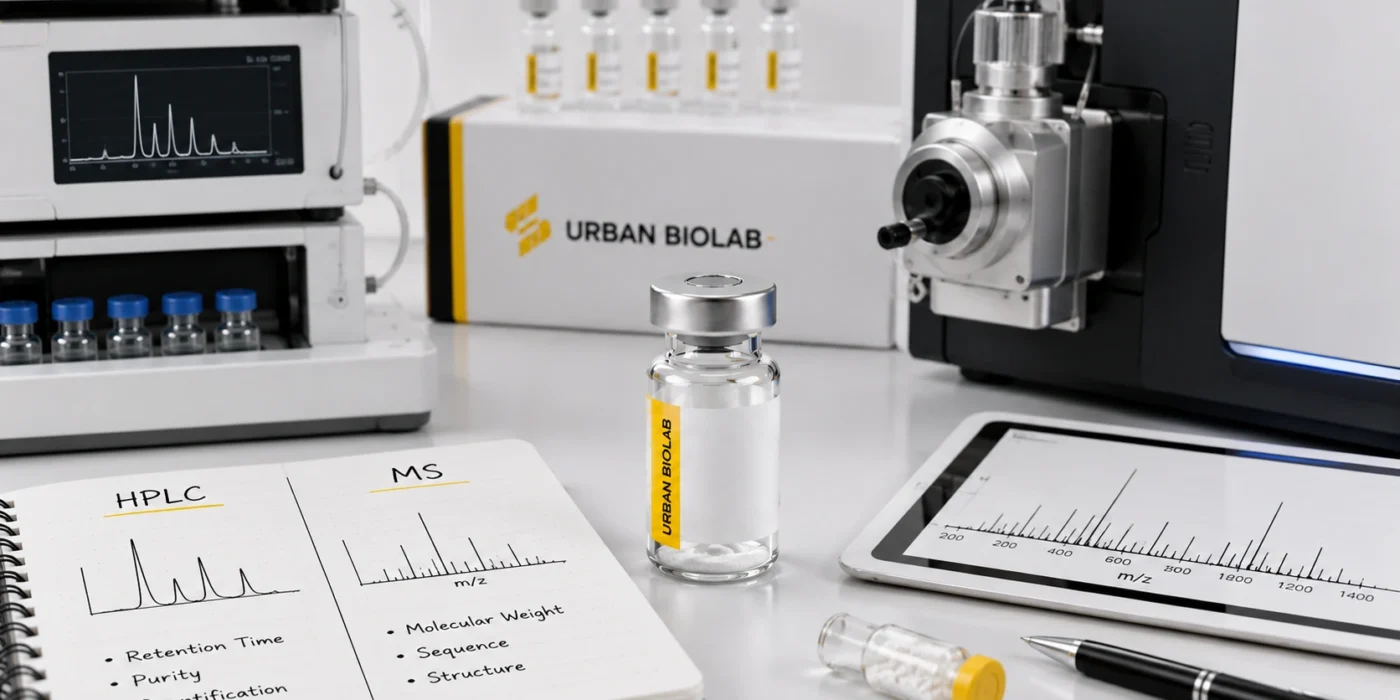
Every reputable peptide supplier provides Certificates of Analysis documenting:
- HPLC purity testing showing 98% or higher purity
- Mass spectrometry confirming correct molecular identity
- Endotoxin testing ensuring bacterial contamination remains within safe limits
Red Flags in Vendor Selection
Avoid suppliers who:
- Cannot provide testing documentation
- Offer prices substantially below market rates
- Make therapeutic claims about their products
- Ship without proper cold storage
- Lack established reputation in research communities
Canadian-Specific Considerations
Canadian researchers benefit from suppliers specifically serving the Canadian market:
- Domestic shipping avoids customs complications
- Ensures proper cold chain maintenance
- Canadian-dollar pricing eliminates currency exchange uncertainties
Expected Results Timeline
Growth hormone secretagogues: Sleep quality improvements within the first week. Better recovery by weeks two through four. Body composition changes develop over months.
BPC-157: Acute injury improvement often appears within days to one week. Chronic conditions require four to eight weeks minimum.
TB-500: Flexibility improvements and reduced stiffness become apparent during weeks two through four.
GHK-Cu: First skin texture improvements around week six to eight. Significant visible tightening typically requires twelve weeks or longer.
Frequently Asked Questions
Can I inject multiple peptides in the same syringe?
CJC-1295 and Ipamorelin can be combined. However, never mix TB-500 and BPC-157 together. GHK-Cu should generally be injected separately due to its copper content.
Will peptide stacking slow down my weight loss?
Growth hormone secretagogues and healing peptides do not reduce Tirzepatide’s weight loss effects. The exception is MK-677, which can stimulate appetite.
When should I start peptide stacking?
Many begin immediately when starting Tirzepatide. Others wait 4-6 weeks for GI side effects to stabilize. For skin-focused peptides, starting after 15-20 pounds of weight loss allows time to get ahead of loose skin development.
How long should I cycle peptides?
GH secretagogues: 8-12 weeks followed by 4 weeks off. Healing peptides: 6-10 week cycles with 2-4 week breaks. GHK-Cu: 8-12 weeks with 4-6 weeks off.
Are there peptides I should avoid?
GHRP-6 and other strongly ghrelin-mimetic peptides stimulate intense hunger. Insulin and IGF-1 combinations carry hypoglycemia risk.
Can women use the same stacks?
Yes, in most cases. Dosing may be reduced proportionally for lower body weight. Women who are pregnant, breastfeeding, or planning pregnancy should avoid all peptide protocols.
What is the cost of a comprehensive stack?
A basic CJC-1295 plus Ipamorelin stack typically runs $150-250 CAD monthly. Adding BPC-157 increases costs by $80-150 CAD per month. Full protocols can reach $400-600 CAD monthly during loading phases.
Do I need blood work?
Baseline blood work provides valuable reference points. Consider testing IGF-1 levels, comprehensive metabolic panel, thyroid function, and lipid panel before beginning. Retesting at 8-12 week intervals helps identify any changes.
Glossary of Terms
Angiogenesis: The formation of new blood vessels from existing vessels.
BPC-157: Body Protection Compound-157, a synthetic peptide derived from human gastric juice with healing properties.
Catabolism: The breakdown of complex molecules including muscle tissue for energy.
CJC-1295: A growth hormone releasing hormone analog that stimulates pituitary GH production.
DAC (Drug Affinity Complex): A modification that extends peptide half-life by binding to albumin.
GHK-Cu: Glycyl-L-histidyl-L-lysine copper complex, a peptide that stimulates collagen synthesis.
GIP: Glucose-dependent insulinotropic polypeptide, a hormone receptor targeted by Tirzepatide.
GLP-1: Glucagon-like peptide-1, a hormone that reduces appetite and improves insulin sensitivity.
GHRH: Growth hormone releasing hormone.
GHRP: Growth hormone releasing peptide.
Ipamorelin: A selective growth hormone secretagogue.
Lyophilized: Freeze-dried powder form requiring reconstitution.
MK-677 (Ibutamoren): An oral growth hormone secretagogue.
Reconstitution: Adding bacteriostatic water to lyophilized peptide powder.
Secretagogue: A substance that promotes secretion.
Subcutaneous: Injection into the fat layer beneath the skin.
TB-500: A synthetic fragment of thymosin beta-4 that promotes systemic healing.
Tirzepatide: A dual GIP/GLP-1 receptor agonist medication.
Wolverine Stack: The combination of TB-500 and BPC-157.
References
- Jastreboff AM, Aronne LJ, Ahmad NN, et al. Tirzepatide Once Weekly for the Treatment of Obesity. New England Journal of Medicine. 2022;387(3):205-216.
- Pickart L, Margolina A. Regenerative and Protective Actions of the GHK-Cu Peptide in the Light of the New Gene Data. International Journal of Molecular Sciences. 2018;19(7):1987.
- Sikiric P, et al. Stable gastric pentadecapeptide BPC 157: novel therapy in gastrointestinal tract. Current Pharmaceutical Design. 2011;17(16):1612-1632.
Research Disclaimer
This article is provided for educational and informational purposes only. The peptides discussed are sold as research chemicals and are not approved by Health Canada for human therapeutic use. This content does not constitute medical advice. Always consult qualified healthcare providers before beginning any research protocol. Individual results vary based on numerous factors including genetics, adherence, product quality, and overall health status.