Quick Summary
The combination of Retatrutide (titrated from 2mg to 6-8mg weekly) with the GLOW peptide blend (2mg daily) offers a dual-action approach to weight management and tissue regeneration. GLOW contains 50mg GHK-Cu, 10mg BPC-157, and 10mg TB-500 per 70mg vial, delivering healing support alongside significant fat loss.
Clinical trials demonstrate Retatrutide achieving 24.2% average weight loss over 48 weeks. The GLOW blend complements this by supporting connective tissue integrity, skin elasticity, and recovery during rapid body composition changes—addressing a common concern among weight loss patients who want to maintain tissue health and joint function while losing significant body fat.
Most Canadian users report noticeable improvements in both weight loss velocity and overall well-being within the first 8-12 weeks of combined protocol use.
A Real-World Experience
At 198 pounds in March, I carried most of my weight in my midsection. Every morning, my knees reminded me of it when I got out of bed. I was frustrated and ready for change.
My trainer in Calgary suggested starting with Retatrutide alone. After two weeks at the starting dose, my appetite dropped considerably—food simply stopped calling my name the way it used to. By week four, I was down 11 pounds, but my skin looked tired and my elbows ached more than before.
That’s when she recommended adding GLOW to the protocol. I injected 2mg every morning alongside my weekly Retatrutide shot. Within three weeks, I noticed positive changes. The joint soreness I’d attributed to aging basically disappeared. My husband noticed my face looked less drawn even though I was still losing weight steadily.
Six months later, I’m at 156 pounds—42 pounds gone. But the number on the scale isn’t even the best part. My skin snapped back in ways I didn’t expect at 47. My knees don’t creak. I sleep deeper. I have energy I haven’t felt since my thirties.
The combination works together in ways I can’t fully explain. Retatrutide handles the appetite and weight loss side. GLOW keeps everything else from falling apart while your body transforms. I tell everyone who asks about my weight loss that you need both pieces. 100% worth it!
— Stephanie Morrison, 47
Calgary, Alberta
Understanding the Retatrutide + GLOW Combination
Weight loss medications have evolved dramatically over the past decade. Single-target compounds gave way to dual agonists, and now triple agonists like Retatrutide represent the cutting edge of pharmaceutical weight management. However, aggressive fat loss creates secondary challenges that pure weight loss drugs cannot address.
Rapid body composition changes stress connective tissues. Skin loses fat padding and must contract to match a smaller frame. Joints bear mechanical loads differently as weight distribution shifts. Tendons and ligaments adapt to new movement patterns. Hair follicles compete for nutrients being redirected toward basic metabolic functions.
Key Takeaway
The Retatrutide + GLOW combination represents a systems approach to body recomposition. Rather than simply forcing weight off and dealing with consequences afterward, this protocol supports tissue health throughout the transformation process.
The GLOW blend emerged from the peptide research community as a response to these exact concerns. By combining three established compounds with complementary mechanisms, GLOW provides comprehensive regenerative support during periods of metabolic stress. The name itself suggests the intended outcome: maintaining vitality and visible health while undergoing significant physical change.
The theoretical framework makes intuitive sense. Retatrutide activates three receptor pathways (GLP-1, GIP, and glucagon) to produce unprecedented appetite suppression and metabolic enhancement. GLOW activates tissue repair, collagen synthesis, and anti-inflammatory pathways through its three peptide components. Together, they address both sides of the transformation equation.
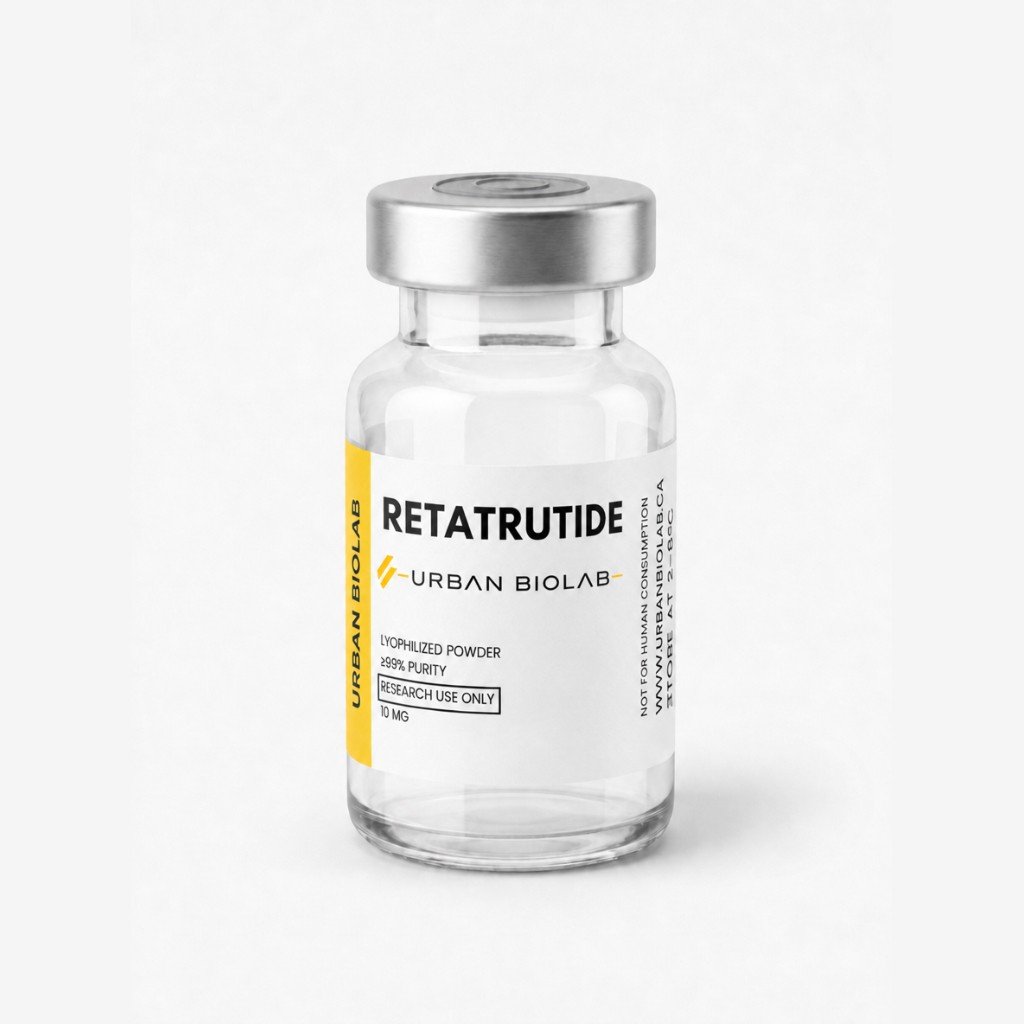
RT (Retatrutide) 10MG
Buy Retatrutide Canada: RT10 is a cutting-edge investigational peptide designed for advanced scientific exploration in metabolic health and weight management research. Known for its unique mechanism as a triple agonist (GLP-1, GIP, and glucagon receptors), it has shown promising potential in preclinical studies related to appetite regulation, fat metabolism, and glycemic control.
GLOW Blend Component Breakdown
Each 70mg vial of GLOW contains three distinct peptides in carefully selected ratios. Understanding what each component contributes helps explain why the combination produces effects beyond what any single peptide achieves.
GHK-Cu (Copper Peptide): 50mg
GHK-Cu represents the largest component at 50mg per vial. This tripeptide naturally occurs in human plasma and was first isolated in 1973. Its primary function involves binding copper ions and delivering them to tissues where metalloenzymes perform essential repair functions.
Primary Actions of GHK-Cu:
- Stimulates collagen and elastin production in skin and connective tissues
- Activates over 400 genes involved in tissue remodeling
- Provides powerful antioxidant protection against oxidative stress
- Supports hair follicle health and growth cycles
- Promotes wound healing and scar tissue remodeling
Research demonstrates GHK-Cu upregulating genes associated with nerve growth, improving blood vessel formation, and reducing inflammatory markers. During rapid weight loss, these properties help maintain skin integrity and support the cardiovascular adaptations accompanying major body composition shifts.
Did You Know?
GHK-Cu levels in human plasma decline significantly with age. Young adults typically have around 200 ng/mL, while individuals over 60 often measure below 80 ng/mL. Supplementation essentially restores youthful tissue repair capacity.
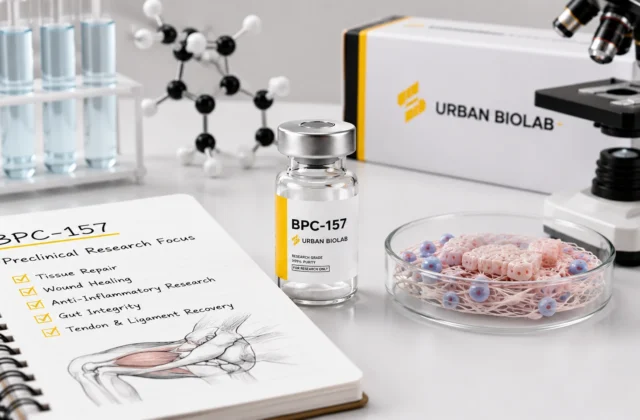
BPC-157 (Body Protection Compound): 10mg
BPC-157 is a synthetic peptide based on a protein sequence isolated from human gastric juice. Unlike GHK-Cu which occurs naturally in blood plasma, BPC-157 represents a stable, synthesized version of a protective compound the body produces in the digestive tract.
The peptide demonstrates remarkable tissue-protective properties in research settings. Studies show accelerated healing of tendons, ligaments, muscles, and even the gastrointestinal lining itself. For individuals experiencing joint stress from changing body mechanics during weight loss, these properties prove particularly valuable.
Personal Opinion
I consider BPC-157 the most versatile healing peptide currently available. Its mechanisms overlap with so many repair pathways that it seems to help almost any tissue that needs support. The 10mg included in GLOW provides meaningful dosing without requiring separate administration.
BPC-157 also demonstrates neuroprotective effects and may help regulate dopamine systems. Some researchers theorize this contributes to mood stability during the psychological challenges of major weight loss protocols.
TB-500 (Thymosin Beta-4 Fragment): 10mg
TB-500 completes the GLOW formula with systemic regenerative properties that complement the other two components. This 43-amino acid peptide mirrors a naturally occurring protein found throughout human tissues.
Where BPC-157 excels at localized repair, TB-500 distributes throughout the body and accumulates wherever damage exists. The peptide promotes cell migration to injury sites, stimulates new blood vessel formation, and modulates inflammatory responses system-wide.
BPC-157 vs TB-500: Complementary Mechanisms
| BPC-157 | TB-500 |
|---|---|
| Strongest at localized healing | Superior systemic distribution |
| Activates FAK-paxillin pathway | Binds G-actin for cell mobility |
| Daily dosing optimal | Longer half-life |
| Excellent for tendons and gut | Exceptional for muscles |
The inclusion of TB-500 means GLOW addresses both targeted tissue repair and whole-body regenerative needs. Athletes have used TB-500 alone for decades to accelerate recovery. Combined with BPC-157 and GHK-Cu, the effects multiply through pathway synergy.
Why Combine These Two Protocols
Retatrutide produces dramatic metabolic effects. The triple-agonist mechanism creates appetite suppression significantly stronger than any previous weight loss medication. Clinical trials documented 24.2% average weight loss over 48 weeks, with top responders exceeding 27%.
Those numbers translate to real transformations. A 220-pound individual might lose 53 pounds. A 180-pound person could drop 43 pounds. These represent fundamental changes in body structure that affect every system.
The Tissue Stress Problem
Rapid fat loss creates mechanical and metabolic stress that pure weight loss protocols ignore. Consider what happens physiologically during a 50+ pound transformation:
Skin Adaptation
Fat tissue provided structural support and volume. As it disappears, skin must contract and remodel to avoid sagging. This requires collagen synthesis, elastin production, and coordinated tissue restructuring.
Joint Mechanics
Weight distribution shifts change how forces travel through joints. Knees, hips, and ankles must adapt to new loading patterns. Cartilage, tendons, and ligaments face different stresses than they experienced at higher weights.
Nutrient Competition
Caloric restriction means fewer raw materials for tissue maintenance. The body prioritizes essential functions, sometimes sacrificing hair, nail, and skin health in the process.
Inflammatory Burden
Fat tissue releases inflammatory cytokines as it breaks down. The body must clear these compounds while simultaneously managing other metabolic demands.
GLOW directly addresses each of these stressors. GHK-Cu drives collagen synthesis and tissue remodeling. BPC-157 protects and repairs connective structures. TB-500 manages inflammation and promotes systemic healing. The combination essentially provides regenerative support matched to the specific demands of aggressive weight loss.
Key Takeaway
Combining Retatrutide with GLOW transforms weight loss from a purely subtractive process into a recomposition protocol. You remove excess fat while actively supporting the tissues that remain.
Clinical Rationale
Several practitioners familiar with peptide protocols have noted that patients combining aggressive weight loss medications with regenerative peptides report better overall outcomes than those using weight loss compounds alone. While controlled studies specifically examining this combination remain limited, the theoretical basis and anecdotal evidence support the approach.
Dr. Michael Chen, an endocrinologist who has followed GLP-1 medications for over a decade, observes that tissue quality outcomes vary dramatically between patients losing similar amounts of weight. Those who support their transformation with adequate protein, targeted supplementation, and regenerative compounds tend to emerge from major weight loss looking healthier rather than depleted.
Complete Retatrutide Dosing Protocol
Retatrutide requires careful titration to minimize side effects while achieving therapeutic benefit. Rushing to maximum doses causes unnecessary gastrointestinal distress and increases discontinuation risk. The goal is reaching effective dosing while your body adapts to the medication’s effects.
Standard Titration Schedule
| Weeks | Weekly Dose | What to Expect |
|---|---|---|
| 1-4 | 2mg | Mild appetite suppression begins. Most tolerate well. Occasional nausea possible. |
| 5-8 | 4mg | Appetite suppression intensifies. Weight loss becomes noticeable. GI symptoms may increase temporarily. |
| 9-12 | 6mg | Therapeutic range for most users. Strong appetite effects. Side effects often improving. |
| 13+ | 8mg | Maximum standard dose. Optimal for those needing aggressive intervention. Well-tolerated after proper titration. |
Some protocols extend to 12mg weekly, though clinical data suggests diminishing returns beyond 8mg for most individuals. The 6-8mg range provides excellent efficacy with manageable side effect profiles.
Administration Details
Retatrutide is administered once weekly via subcutaneous injection. Choose a consistent day to establish routine. Many users prefer injection on a day when mild appetite effects won’t interfere with social eating plans.
Injection Site Options:
- Abdomen (2+ inches from navel) provides consistent absorption
- Front of thighs works well for self-administration
- Back of upper arms if someone assists with injection
- Rotate sites weekly to prevent injection site issues
Store reconstituted Retatrutide refrigerated at 2-8 degrees Celsius. Protect from light. Most formulations remain stable for 4-6 weeks after reconstitution when properly stored.
GLOW Administration Guidelines
The GLOW blend simplifies what would otherwise be a complex multi-peptide protocol. Rather than sourcing, reconstituting, and administering three separate compounds, users inject a single premixed formulation daily.
Daily Dosing Protocol
The standard GLOW protocol calls for 2mg daily via subcutaneous injection. This delivers proportional amounts of all three components in a single administration.
Daily 2mg GLOW Provides:
- GHK-Cu: 1.43mg
- BPC-157: 0.29mg
- TB-500: 0.29mg
Based on 70mg total vial (50mg GHK-Cu + 10mg BPC-157 + 10mg TB-500)
These daily amounts align with established protocols for each individual compound. GHK-Cu typically uses 1-2mg daily. BPC-157 research suggests 0.25-0.5mg daily as effective. TB-500 works well at lower daily doses or higher weekly doses.
Timing Considerations
Inject GLOW at a consistent time daily. Morning administration works well for most users as it becomes part of an established routine. Some prefer evening injection, theorizing that overnight tissue repair benefits from fresh peptide availability.
Did You Know?
You can inject GLOW and Retatrutide at different sites on the same day without interaction concerns. On your weekly Retatrutide day, simply use different injection locations for each compound.
Cycle Duration
Standard GLOW cycles run 8-12 weeks with 4-6 weeks off between cycles. During combined Retatrutide use, many practitioners recommend continuous GLOW administration through the active weight loss phase, taking breaks only after reaching maintenance.
This approach makes physiological sense. The tissue stress from weight loss continues until stabilization. Removing regenerative support mid-transformation may compromise outcomes.
Week-by-Week Timeline and Expectations
Understanding what happens during each phase helps maintain realistic expectations and recognize normal progression. Individual responses vary, but most users follow a similar general pattern.
Weeks 1-4: Foundation Phase
Adaptation Period
Retatrutide effects: Mild appetite reduction beginning week 2-3. Most continue eating relatively normally but notice feeling satisfied sooner. Weight loss typically 2-4 pounds as body adjusts.
GLOW effects: Subtle improvements in skin texture often noted by week 3-4. Some report improved sleep quality. Joint comfort may improve even before significant weight changes.
Common experiences: Occasional mild nausea, especially 24-48 hours after Retatrutide injection. Injection site reactions possible but usually minor. Energy levels stable or slightly improved.
Weeks 5-8: Acceleration Phase
Active Transformation Begins
Retatrutide effects: Appetite suppression becomes pronounced at 4mg dosing. Food thoughts diminish noticeably. Weight loss accelerates to 1-2 pounds weekly. Some experience peak GI symptoms around weeks 6-8.
GLOW effects: Skin elasticity improvements more apparent. Hair quality often noticeably better. Recovery from physical activity enhanced. Existing joint issues may improve substantially.
Common experiences: This represents the adjustment period. GI symptoms peak and begin resolving. Energy may fluctuate. Clothing fit changes become obvious.
Weeks 9-16: Optimization Phase
Peak Transformation Window
Retatrutide effects: At 6-8mg weekly, maximum appetite suppression achieved. Weight loss continues steadily. Many lose 12-18 pounds during this phase. Side effects largely resolved for most users.
GLOW effects: Cumulative benefits become clearly visible. Skin adapts well to changing body contours. Connective tissue remains resilient despite rapid changes. Overall vitality typically high.
Common experiences: Many describe this as the easiest phase. Appetite management becomes automatic. Body composition changes rapidly. Energy and mood often excellent.
Weeks 17-24: Consolidation Phase
Continued Progress, Rate Slowing
Retatrutide effects: Weight loss continues but typically slows to 0.5-1 pound weekly. Total loss often reaches 15-20% of starting weight. Body approaching new equilibrium.
GLOW effects: Ongoing tissue support prevents degradation during extended caloric restriction. Skin quality maintained. Joint function remains good despite months of body changes.
Common experiences: Patience becomes important as rapid losses slow. The combination continues working; pace simply normalizes. Focus shifts toward maintaining and refining results.
Key Takeaway
Expect the most dramatic visible changes between weeks 9-16. The combination of peak Retatrutide dosing and cumulative GLOW benefits creates a window of rapid, visible transformation while maintaining tissue quality.
Documented Results and Outcomes
Retatrutide clinical data comes from robust Phase 2 trials involving 338 participants over 48 weeks. GLOW results derive from individual component research and user-reported outcomes, as the specific combination lacks dedicated clinical trials.
Retatrutide Efficacy Data
The Phase 2 trial results exceeded expectations across all measured parameters:
| Metric | Result |
|---|---|
| Average Weight Loss | 24.2% across all dose groups at 48 weeks |
| High Responders | 27.3% maximum dose group top performers |
| Maintained Results | 91% no significant regain through week 48 |
| Discontinuation Rate | 11.2% due to side effects (lower than competitors) |
These numbers represent the most effective pharmaceutical weight loss intervention documented in clinical trials. For context, Semaglutide (Wegovy) produces approximately 15% average weight loss. Tirzepatide (Mounjaro) achieves around 21%. Retatrutide exceeded both by meaningful margins.
GLOW Component Outcomes
Individual GLOW components demonstrate well-documented effects in research settings:
Personal Opinion
The GLOW combination represents one of the most logical peptide stacks available. Each component addresses different aspects of tissue health, and unlike many combinations, these three genuinely complement rather than overlap. The whole exceeds the sum of parts.
GHK-Cu research shows:
- Significant increase in collagen synthesis in skin fibroblast studies
- Improved wound healing velocity in multiple models
- Upregulation of over 400 genes associated with tissue repair
- Reduced markers of oxidative stress and inflammation
BPC-157 research demonstrates:
- Accelerated tendon and ligament healing in animal models
- Protection against gastric damage from various insults
- Enhanced blood vessel formation in damaged tissues
- Neuroprotective effects in certain experimental conditions
TB-500 research indicates:
- Improved muscle regeneration in injury models
- Systemic distribution to sites of tissue damage
- Anti-inflammatory effects through multiple pathways
- Enhanced flexibility and range of motion recovery
Managing Side Effects
Both components of this protocol can produce side effects, though GLOW generally causes fewer issues than Retatrutide. Understanding what to expect and how to manage symptoms helps ensure protocol completion.
Retatrutide Side Effects
Gastrointestinal effects represent the primary concern with Retatrutide use. These symptoms typically peak during the titration phase and resolve with continued use.
Common (20-30% of users)
- Nausea: Usually mild to moderate. Peaks weeks 5-8. Improves significantly by week 12. Eating smaller, more frequent meals helps considerably.
- Decreased appetite: This is the desired effect but can feel extreme initially. Ensure adequate nutrition despite reduced hunger signals.
- Constipation: Affects roughly 25% of users. Adequate hydration and fiber intake minimize risk. Usually manageable with basic interventions.
Less Common (10-20% of users)
- Diarrhea: Less frequent than constipation. Typically transient and mild. Rarely requires intervention beyond dietary adjustment.
- Fatigue: May reflect rapid weight loss more than medication effect. Usually resolves as body adapts to new metabolic state.
- Injection site reactions: Minor redness or itching at injection site. Rotate locations to minimize. Typically resolves within hours.
Did You Know?
Retatrutide’s 28% nausea rate is actually lower than Semaglutide’s 44% reported rate in comparable trials. The triple-agonist mechanism seems to produce fewer GI side effects than pure GLP-1 approaches.
GLOW Side Effects
GLOW generally produces minimal side effects when used at standard doses. The primary concerns relate to injection site issues rather than systemic effects.
Potential GLOW Effects:
- Injection site reactions: GHK-Cu can cause mild pain, redness, or temporary lumps at injection sites. This reflects the copper peptide component. Diluting with additional bacteriostatic water or combining with BPC-157 (already present in blend) typically reduces irritation.
- Mild flushing: Some users report temporary facial flushing after injection. Generally brief and not concerning.
- Fatigue during initial use: Occasionally reported during the first week. May relate to immune system modulation. Usually resolves quickly.
Managing the Combination
Using Retatrutide and GLOW together does not appear to increase side effect burden beyond what each produces individually. The GLOW components may actually help manage some Retatrutide effects through their anti-inflammatory and tissue-protective properties.
Side Effect Management Strategies:
- Time Retatrutide injections for days when mild appetite changes are acceptable
- Eat small, frequent meals rather than large portions
- Stay well-hydrated with 64-80 oz of fluid daily
- Keep ginger tea, crackers, and bland protein options available
- Rotate injection sites for both compounds to prevent local issues
- Report persistent or severe symptoms to your healthcare provider
Nutrition Strategies During Combined Use
Nutritional approach significantly impacts outcomes. The appetite suppression from Retatrutide makes eating feel less urgent, which can lead to inadequate protein intake and nutrient deficiencies if not managed intentionally.
Protein Priority
Protein intake represents the single most important nutritional consideration during this protocol. Adequate protein preserves muscle mass, supports tissue repair (synergizing with GLOW), and maintains metabolic rate during weight loss.
Key Takeaway
Target 80-100 grams of protein daily regardless of appetite. This non-negotiable requirement determines whether you lose primarily fat (good) or significant muscle along with fat (problematic).
Practical protein targets:
- Women under 150 lbs: Minimum 70-80g daily
- Women over 150 lbs: Minimum 80-100g daily
- Men under 180 lbs: Minimum 90-110g daily
- Men over 180 lbs: Minimum 100-130g daily
When appetite suppression makes eating difficult, protein shakes, Greek yogurt, cottage cheese, and other easily consumed protein sources become essential tools.
Meal Timing and Structure
The small, frequent meal approach works best during active Retatrutide use. Rather than forcing three large meals, distribute nutrition across 5-6 smaller eating occasions.
Sample Daily Meal Framework:
| Time | Meal |
|---|---|
| 7:00 AM | Protein shake (25g protein) with morning GLOW injection |
| 10:00 AM | Greek yogurt with berries (15g protein) |
| 1:00 PM | Small portion lean protein with vegetables (25g protein) |
| 4:00 PM | Cottage cheese or protein snack (15g protein) |
| 7:00 PM | Dinner with protein focus (25g protein) |
Supporting GLOW Function
The peptides in GLOW work best when the body has raw materials for tissue synthesis. Certain nutrients directly support the repair processes these peptides stimulate.
Collagen precursors: Vitamin C, glycine, proline, and hydroxyproline support the collagen synthesis GHK-Cu stimulates. Consider bone broth, citrus fruits, and collagen supplements.
Anti-inflammatory foods: Omega-3 fatty acids from fish, flaxseed, and walnuts complement the anti-inflammatory effects of TB-500 and BPC-157.
Adequate fats: 30-50g of healthy fats daily supports hormone function and reduces gallbladder risk during rapid weight loss. Do not go extremely low-fat.
Exercise Considerations
Physical activity during this protocol requires thoughtful planning. The body undergoes significant changes, and exercise approaches should adapt accordingly.
Resistance Training Priority
Resistance training becomes more important during weight loss medication use than at almost any other time. The protein and GLOW support tissue preservation, but mechanical loading signals the body to maintain muscle mass.
Personal Opinion
I believe resistance training should be considered mandatory rather than optional during GLP-1 medication use. Without the muscle-preservation stimulus of lifting weights, even perfect protein intake cannot fully prevent lean mass loss during aggressive caloric restriction.
Aim for 2-4 resistance training sessions weekly. Focus on compound movements that efficiently stimulate multiple muscle groups. Intensity matters more than duration; 30-45 minute sessions work perfectly well.
Cardiovascular Considerations
Cardiovascular exercise supports heart health and additional calorie expenditure but should not dominate the exercise program. Excessive cardio during caloric restriction can accelerate muscle loss.
Consider:
- Daily walking (10,000+ steps) provides excellent baseline activity
- 2-3 moderate cardio sessions weekly support cardiovascular adaptations
- Avoid extended high-intensity cardio during peak titration phases
- Listen to energy levels and adjust intensity accordingly
Recovery and GLOW Synergy
One advantage of the GLOW addition is enhanced recovery capacity. The peptide combination supports tissue repair between training sessions, potentially allowing slightly higher training frequencies than otherwise possible during caloric restriction.
However, recovery still requires respect. Adequate sleep (7-9 hours), stress management, and appropriate training volume prevent overreaching during this metabolically demanding phase.
Quality Sourcing in Canada
Canadian access to these compounds requires careful attention to quality and legitimacy. The peptide market contains significant variability in product quality, and poor sourcing undermines protocol effectiveness.
What to Look For
Quality Indicators for Research Peptides:
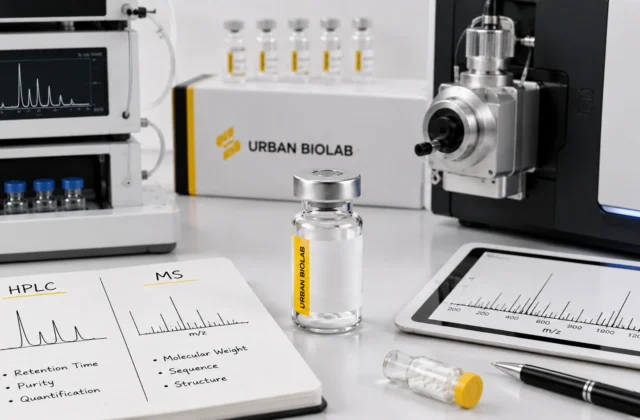
- Third-party testing: Reputable suppliers provide Certificates of Analysis from independent laboratories confirming purity and identity
- HPLC verification: High-Performance Liquid Chromatography confirms peptide purity (look for 98%+ purity)
- Mass spectrometry: MS analysis verifies correct molecular weight and structure
- Endotoxin testing: Ensures absence of bacterial contamination in injectable preparations
- Proper storage and shipping: Cold chain maintenance during shipping preserves peptide integrity
Canadian Market Considerations
Canada’s regulatory framework differs from both the United States and other markets. Research peptides occupy a specific category that requires understanding to navigate appropriately.
Red Fox Peptides specializes in providing Canadian researchers with properly tested, pharmaceutical-grade peptides. The company focuses exclusively on the Canadian market, understanding the specific needs and regulatory considerations that Canadian customers face.
Key Takeaway
Source quality directly impacts results. Underdosed, contaminated, or degraded peptides produce inconsistent or absent effects. The cost difference between quality and questionable products is minor compared to the investment of time and effort in following the protocol.
Storage and Handling
Proper storage maintains peptide effectiveness throughout use:
- Before reconstitution: Store lyophilized powder frozen (-20C) or refrigerated (2-8C)
- After reconstitution: Refrigerate at 2-8C, protect from light
- Use reconstituted Retatrutide within: 4-6 weeks
- Use reconstituted GLOW within: 30 days for optimal potency
- Never freeze reconstituted solutions: Ice crystal formation destroys peptide structure
Frequently Asked Questions
Can I use Retatrutide and GLOW at the same time on the same day?
Yes. These compounds work through completely different mechanisms and do not interfere with each other. On your weekly Retatrutide injection day, simply inject at different sites. Many users take their GLOW in the morning and Retatrutide in the evening, or vice versa.
How quickly will I notice effects from the combination?
Retatrutide appetite suppression typically begins within 2-3 weeks. GLOW benefits accumulate more gradually, with skin and recovery improvements often noticed by weeks 3-4. The combination produces noticeable body composition changes by weeks 8-10 for most users.
What if I experience nausea during titration?
Nausea during weeks 5-8 is common and usually resolves by week 12. Eat smaller meals, avoid high-fat foods, stay hydrated, and consider ginger tea. If symptoms are severe, your healthcare provider may suggest slower titration. Do not stop abruptly without guidance.
Is this combination safe for long-term use?
Retatrutide clinical trials followed participants for 48 weeks with positive safety profiles. GLOW components have decades of research support. Long-term combined use lacks specific studies, but the mechanisms suggest compatibility. Ongoing medical supervision is recommended.
How much weight can I expect to lose?
Clinical trials showed 24.2% average weight loss with Retatrutide over 48 weeks. Individual results vary based on starting weight, adherence, diet, and exercise. Losses of 20-25% from baseline are realistic expectations for most users following proper protocols.
Will my skin sag after losing significant weight?
GLOW specifically addresses this concern by supporting collagen synthesis and skin elasticity throughout the transformation. Results depend on age, genetics, and amount lost, but users report better skin adaptation with GLOW compared to weight loss medications alone.
Can I take breaks from GLOW during the Retatrutide protocol?
Standard cycling protocols suggest 8-12 weeks on with 4-6 weeks off for GLOW. However, during active weight loss, continuous use through the transformation phase may provide better tissue support. Discuss cycling approaches with your healthcare provider based on your specific situation.
What happens when I stop taking Retatrutide?
Weight tends to regain without medication support, similar to other GLP-1 medications. Long-term or indefinite use is typically recommended for weight maintenance. Gradual dose reduction rather than abrupt cessation may help if discontinuation is necessary.
Do I need to take GLOW after reaching my goal weight?
GLOW becomes less critical once weight stabilizes and active tissue remodeling slows. Many users continue periodic cycles for general anti-aging and recovery benefits. The acute need during transformation differs from maintenance applications.
Is this protocol appropriate for someone with only 20-30 pounds to lose?
Yes. While Retatrutide shows dramatic results with larger losses, it works effectively for moderate weight loss goals. The tissue support from GLOW remains valuable regardless of total loss amount. Protocols can be adjusted based on individual needs and goals.
Can I drink alcohol while using this combination?
Alcohol is not contraindicated but creates challenges. Retatrutide may intensify alcohol effects, and empty calories from alcohol provide no nutritional value when appetite is limited. Moderate, occasional consumption is possible; regular or heavy drinking undermines results.
How do I know if my GLOW is working?
Look for improved skin texture and elasticity, enhanced recovery from exercise, better joint comfort, and maintained hair quality despite caloric restriction. These effects accumulate gradually over weeks rather than appearing immediately.
What if I miss a Retatrutide dose?
If you remember within 4 days of your scheduled dose, take it as soon as remembered and return to your regular schedule. If more than 4 days have passed, skip the missed dose and take the next one on your regular day. Do not double up.
Should I adjust my dose if I hit a weight loss plateau?
Plateaus often reflect normal weight loss physics rather than medication failure. Before increasing dose, evaluate protein intake, activity level, and sleep. If these factors are optimized and plateau persists beyond 3-4 weeks, discuss dose adjustment with your provider.
Is the GHK-Cu in GLOW the same as topical copper peptides?
GHK-Cu is the same compound, but injectable administration provides systemic distribution rather than localized skin effects. Injectable GHK-Cu reaches tissues throughout the body, supporting collagen synthesis and repair beyond what topical application achieves.
Can men use this protocol?
Absolutely. Both Retatrutide and GLOW work effectively in men. Clinical trials included substantial male populations with excellent results. Dosing protocols remain similar regardless of gender, adjusted for body weight where appropriate.
What is the ideal body composition outcome from this protocol?
The goal is maximum fat loss with minimal muscle loss. Proper protein intake, resistance training, and GLOW support help achieve this. Many users lose 20-25% of body weight while preserving or even slightly improving lean mass percentages.
Are there any conditions that would make this protocol inadvisable?
Personal or family history of medullary thyroid carcinoma, Multiple Endocrine Neoplasia syndrome type 2, pancreatitis, or active gallbladder disease may contraindicate Retatrutide. Active cancer history requires careful consideration for GLOW peptides. Discuss your complete medical history with a healthcare provider.
How does this compare to just using Retatrutide alone?
Retatrutide alone produces excellent weight loss but does not address tissue quality during transformation. Adding GLOW supports skin elasticity, joint health, and overall recovery. Users report looking and feeling better at their goal weights when using both together.
Where can I get quality Retatrutide and GLOW in Canada?
Red Fox Peptides provides pharmaceutical-grade research peptides specifically for the Canadian market. All products include third-party testing and Certificates of Analysis. Visit redfoxpeptides.is for current availability and detailed product information.
Glossary of Terms
BPC-157
Body Protection Compound-157. A synthetic peptide based on proteins found in human gastric juice. Known for tissue-protective and healing properties, particularly for tendons, ligaments, and the gastrointestinal tract.
Collagen
The most abundant protein in the human body, providing structure to skin, bones, tendons, and connective tissues. GHK-Cu stimulates collagen synthesis as one of its primary mechanisms.
GHK-Cu
Glycyl-L-histidyl-L-lysine bound to copper. A naturally occurring tripeptide that declines with age. Promotes tissue repair, collagen synthesis, and gene expression associated with regeneration.
GIP
Glucose-dependent Insulinotropic Polypeptide. One of three receptors activated by Retatrutide. Involved in insulin secretion and fat metabolism.
GLP-1
Glucagon-Like Peptide-1. A hormone that regulates appetite and blood sugar. Primary target of medications like Semaglutide. One of three receptors activated by Retatrutide.
GLOW
A pre-mixed peptide blend containing GHK-Cu (50mg), BPC-157 (10mg), and TB-500 (10mg). Designed to provide comprehensive tissue support and regeneration.
Glucagon
A hormone that raises blood sugar and promotes fat breakdown. The third receptor activated by Retatrutide, contributing to its enhanced weight loss effects.
Lyophilized
Freeze-dried. The process removes water from peptides for stable storage. Lyophilized peptides require reconstitution with bacteriostatic water before use.
Reconstitution
The process of adding liquid (typically bacteriostatic water) to freeze-dried peptide powder to create an injectable solution.
Retatrutide
A triple-agonist peptide medication activating GLP-1, GIP, and glucagon receptors. Currently in clinical development, demonstrating the highest weight loss efficacy among pharmaceutical interventions.
Subcutaneous
Under the skin. Subcutaneous injections deliver medication into the fatty tissue layer between skin and muscle, providing gradual absorption.
TB-500
Thymosin Beta-4 fragment. A 43-amino acid synthetic peptide that promotes cell migration, reduces inflammation, and supports tissue regeneration throughout the body.
Titration
The process of gradually increasing medication dose over time. Allows the body to adapt and minimizes side effects compared to starting at full dose.
Triple Agonist
A medication that activates three different receptor types. Retatrutide is a triple agonist targeting GLP-1, GIP, and glucagon receptors simultaneously.
References
- Jastreboff AM, et al. “Triple-Hormone-Receptor Agonist Retatrutide for Obesity – A Phase 2 Trial.” New England Journal of Medicine. 2023. https://www.nejm.org/doi/full/10.1056/NEJMoa2301972
- Pickart L, Margolina A. “Regenerative and Protective Actions of the GHK-Cu Peptide in the Light of the New Gene Data.” International Journal of Molecular Sciences. 2018. https://www.ncbi.nlm.nih.gov/pmc/articles/PMC5877547/
- Sikiric P, et al. “Brain-gut Axis and Pentadecapeptide BPC 157: Theoretical and Practical Implications.” Current Neuropharmacology. 2016. https://www.ncbi.nlm.nih.gov/pmc/articles/PMC5050399/
Important Notice
This article is provided for informational and educational purposes only. The information presented does not constitute medical advice and should not be used to diagnose, treat, or prevent any disease or condition. Retatrutide is an investigational medication not yet approved by Health Canada. GLOW components are sold for research purposes only. Always consult with a qualified healthcare provider before beginning any new supplement or medication protocol. Individual results vary and are not guaranteed.