
By Dr. Daniel Rodriguez, PharmD
Clinical Pharmacology Researcher | Peptide Sciences Specialist
Edmonton, Alberta
Last Updated: September 24, 2026
The Short Version
These aren’t your grandmother’s diet pills.
Designer hormones are engineered peptides that work with your body instead of fighting against it. Think of them as precision instruments rather than sledgehammers. They activate specific receptors—leaving others alone—to create metabolic effects that older medications could only dream of.
The newest generation, triple agonists like Retatrutide, hit three receptors at once: GLP-1, GIP, and glucagon. The results speak for themselves—clinical trials show up to 24.2% weight reduction over 48 weeks.
And yes, they’re injections. But the needles are tiny, and the payoff is worth it.
Most people adjust to the mild stomach upset within a month or so.
One Man’s Story
I was 43, weighed 218 pounds at 5’9″, and my knees hated me every time I took the stairs. My doctor used the phrase “dangerously high blood pressure” and I decided something had to change.
A friend mentioned Retatrutide. I was skeptical—I’d tried keto, intermittent fasting, every diet that promised results and delivered disappointment.
Started with 1 mg weekly. The first couple weeks brought some queasiness, especially after meals. Nothing terrible, just uncomfortable. Then something shifted around week three. Food stopped dominating my thoughts. I’d sit down to eat and feel done after half my usual portion. Not because I was forcing myself—my body simply didn’t want more.
Week twelve: 186 pounds. Down 32 pounds without stepping foot in a gym. Blood pressure back to normal. My wife says I look like the guy she married.
What I did: 1 mg weeks 1-4, 2 mg weeks 5-8, 4 mg weeks 9-12. Shot every Sunday morning. Kept protein high, carbs moderate.
I was nervous about injecting myself at first. Turns out those tiny insulin needles barely register. All that worry seems silly now.
— Marcus Patterson, 43, Edmonton, Alberta
Retatrutide 10mg
Triple-Action Peptide | GLP-1 / GIP / Glucagon Receptor Agonist
24.2% fat loss in clinical trials | Third-Party Tested | Ships from BC | 2-4 Day Delivery
Table of Contents
- What Are Designer Hormones and Why Should You Care
- From Sledgehammers to Scalpels: The Evolution
- Triple Receptor Agonism: How It Works
- Why Injections Beat Everything Else
- Metabolic Reset: Reprogramming Fat Storage
- The Neuroscience of Appetite
- What Clinical Trials Actually Show
- Side Effects: Myth vs. Reality
- Dosing Strategies That Work
- Comparing the Options
- Access in Canada
- The Long Game
- FAQ
- Glossary
- References
What Are Designer Hormones and Why Should You Care
When most people hear “designer hormones,” they picture mad scientists cooking up artificial compounds in secret labs. The reality is far less sinister.
These peptides represent decades of research into how our bodies regulate weight, energy, and metabolism. Scientists didn’t invent new biology—they learned to speak the language our cells already understand.
Your body produces dozens of hormones controlling everything from hunger to fat storage to how many calories you burn at rest. Problems arise when these systems get out of whack. Chronic stress floods you with cortisol. Processed food spikes insulin repeatedly. Sitting all day tanks your metabolic rate. Eventually, the whole orchestra plays out of tune.
Did You Know?
GLP-1 was discovered in the 1980s when researchers noticed that nutrients in the gut triggered insulin release independently of blood sugar. That observation eventually led to medications like semaglutide and retatrutide.
Old-school hormone therapy took a brute force approach. Low testosterone? Inject testosterone. Thyroid problems? Take synthetic thyroid hormone. These methods work, but they create new problems. Flooding your system suppresses natural production. Side effects pile up. Your body’s feedback loops go haywire.
Designer hormones work differently. Instead of replacing your hormones, they activate the receptors those hormones target. It’s like having a key to the lock versus breaking down the door. Both get you inside—but one leaves everything intact for normal use afterward.
Peptide compounds are at the cutting edge of this approach. These short amino acid chains mimic natural signaling molecules precisely enough to trigger receptor activation, but differ enough to last longer. Natural GLP-1 survives about two minutes in your bloodstream. Synthetic versions last for days.
The Bottom Line: Designer hormones activate your existing biological systems rather than replacing them. This produces powerful effects while keeping your body’s natural regulation intact.
The implications go beyond weight loss. Research is uncovering connections between metabolic hormones and heart health, brain function, even longevity. Early evidence suggests improving metabolic health through targeted receptor activation may reduce risks across multiple disease categories at once.
From Sledgehammers to Scalpels: The Evolution
Hormone therapy has a checkered past. Early weight loss drugs included amphetamines in the 1940s and the notorious fen-phen combination in the 1990s. They worked—but caused serious harm. Amphetamines were addictive. Fenfluramine damaged heart valves. The field earned a reputation for dangerous shortcuts.
The GLP-1 era started cautiously. Exenatide, approved in 2005, came from Gila monster saliva and required twice-daily injections. It lowered blood sugar in diabetics but produced modest weight loss as a side effect. Researchers noticed patients losing weight without being told to diet. Something interesting was happening.
Liraglutide came next—once-daily dosing, better tolerability. Then semaglutide changed everything. Weekly dosing with significantly enhanced weight loss proved that incretin hormones could drive real body composition changes, not just blood sugar control.
My Take
Having watched this field for over a decade, the jump from exenatide to retatrutide is one of the most rapid and meaningful therapeutic advances I’ve seen. Each generation didn’t just improve slightly—each one redefined what we thought possible.
The conceptual shift matters as much as the pharmacology. Early weight loss drugs fought against the body. They artificially cranked up metabolic rate, blocked nutrient absorption, or suppressed appetite through non-physiological mechanisms. Side effects were inevitable because these approaches fundamentally opposed millions of years of evolution.
Modern designer hormones work with physiology. They amplify signals your body already produces. They extend natural satiety signals. They shift metabolic set points by speaking the body’s own molecular language. Side effects still happen, but they’re typically exaggerated versions of normal processes rather than foreign reactions.
Triple agonists like retatrutide represent the current frontier. By targeting three receptor systems simultaneously, these molecules create synergistic effects that exceed what any single-receptor approach can achieve. The glucagon receptor activation is particularly clever. Glucagon traditionally raises blood sugar—seemingly counterproductive for metabolic therapy. But combined with GLP-1 agonism, glucagon activity shifts toward increased energy expenditure and enhanced fat burning.
The Numbers
Phase 2 trials showed retatrutide at 12 mg achieved 24.2% average weight reduction over 48 weeks. That beats tirzepatide’s 20.9% and semaglutide’s 14.9% at their maximum approved doses.
Triple Receptor Agonism: How It Works
To understand why triple agonists work, you need to know what each receptor contributes.
GLP-1 receptors sit on cells throughout the gut, pancreas, and brain. Activation slows gastric emptying (food stays in your stomach longer), enhances insulin release when blood sugar rises, reduces glucagon secretion, and sends signals to your brain that reduce appetite and increase satisfaction after eating.
GIP receptors add complementary effects. Glucose-dependent insulinotropic peptide primarily enhances insulin secretion, but emerging research shows additional roles in fat metabolism and possibly in reducing the nausea that pure GLP-1 agonists often cause. Patients on dual agonists like tirzepatide report lower rates of GI side effects compared to GLP-1-only medications—despite achieving greater weight loss.
The glucagon receptor is what separates triple agonists from their predecessors. Glucagon traditionally opposes insulin, raising blood sugar by signaling the liver to release stored glucose. In isolation, that would be counterproductive. But when combined with GLP-1 and GIP agonism, the metabolic context changes entirely.
Did You Know?
The three hormones targeted by triple agonists—GLP-1, GIP, and glucagon—are all produced in the same tissue: your intestinal L-cells. Your body naturally releases them together in response to meals. Triple agonists recreate this coordinated signaling at enhanced, sustained levels.
With glucose already controlled by GLP-1 activity, glucagon’s other effects take center stage. Thermogenesis increases as the liver shifts from storing energy to burning it. Fat oxidation accelerates. Metabolic rate rises even as caloric intake falls—partially counteracting the adaptation that normally stalls weight loss.
The math of energy balance explains why this matters. When you diet, your body reduces metabolic rate to conserve energy. Someone who loses 50 pounds through caloric restriction alone may burn 200-400 fewer calories daily than someone who naturally weighs that amount. This metabolic adaptation makes maintaining weight loss nearly impossible without ongoing intervention.
Glucagon receptor activation directly addresses this problem. By maintaining or even increasing energy expenditure during weight loss, triple agonists prevent the metabolic slowdown that derails so many diet attempts. The weight comes off faster and stays off more easily because your body doesn’t fight the change as aggressively.
The Bottom Line: Triple agonists don’t just reduce appetite—they actively increase energy expenditure through glucagon receptor activation while controlling blood sugar through GLP-1 and GIP pathways. This coordinated approach produces results impossible with single-receptor medications.
Research keeps revealing additional benefits. Liver fat reduction appears substantial even before significant weight loss occurs. Cardiovascular markers improve. Early signals suggest potential benefits for cognitive function and even protection against neurodegenerative conditions—though these findings remain preliminary.
Why Injections Beat Everything Else
The question comes up constantly: why injections? Can’t these compounds be taken as pills?
The short answer is bioavailability. Peptides are proteins. Your digestive system exists specifically to break down proteins into amino acids for absorption. Any peptide you swallow faces an army of enzymes waiting to disassemble it before it reaches your bloodstream.
Oral semaglutide exists (sold as Rybelsus). It requires special formulation with absorption enhancers and produces significantly lower blood levels than the injectable version. Patients must take it daily on an empty stomach, wait 30 minutes before eating or drinking, and still achieve only a fraction of the exposure produced by weekly subcutaneous injection. Higher doses partially compensate, but the oral form remains less effective for weight loss.
Injectable delivery bypasses the digestive system entirely. The peptide enters subcutaneous tissue, absorbs into the bloodstream gradually, and reaches receptors throughout the body at predictable concentrations. Weekly dosing maintains steady levels without the peaks and troughs that daily dosing produces.
My Take
I understand the fear of needles. Most people imagine painful vaccinations and blood draws when they hear “injection.” Subcutaneous peptide administration feels nothing like that. The needles are tiny, the volume is small, and most users barely notice the actual injection after a few weeks.
Consistency matters for therapeutic outcomes. Peptide receptors function best when exposed to stable concentrations. Wild fluctuations can lead to receptor downregulation, tolerance, and inconsistent effects. The slow, steady absorption of subcutaneous injection produces ideal pharmacokinetics.
Technique matters less than you’d expect. Most users inject into abdominal fat, but thighs and upper arms work equally well. Rotating sites prevents skin irritation. The actual injection takes seconds—preparation adds maybe two minutes weekly.
Storage requirements vary by compound, but most research peptides maintain stability refrigerated for months after reconstitution. Room temperature exposure during preparation is fine. These molecules are more robust than their protein nature suggests, particularly when formulated with appropriate stabilizers.
The Numbers
Bioavailability studies show injectable semaglutide achieves approximately 89% systemic exposure compared to only 0.4-1% for the oral formulation. That dramatic difference explains why injectables produce stronger clinical effects despite using lower total doses.
The psychological barrier to self-injection fades faster than most people expect. First injection: anxiety. Second: mild concern. By the third or fourth: routine. For those genuinely unable to self-inject, auto-injector devices remove even the visual component—making the experience nearly identical to clicking a pen.
Metabolic Reset: Reprogramming Fat Storage
Weight gain isn’t simply about eating too much. Metabolic dysfunction creates an environment where your body preferentially stores rather than burns calories. Insulin resistance develops. Leptin signaling weakens. Fat cells become increasingly efficient at capturing energy while releasing it reluctantly. The system tilts progressively toward accumulation.
Designer hormones address this dysfunction at multiple points:
- Improved insulin sensitivity means glucose enters muscle cells for energy rather than being converted to fat
- Enhanced GLP-1 signaling reduces the liver’s tendency to produce new glucose
- Glucagon activity mobilizes stored fat and increases oxidation
Did You Know?
Liver fat responds particularly quickly to GLP-1 agonist therapy. Studies show significant reduction in hepatic steatosis (fatty liver) within 12 weeks—often before major changes in body weight become apparent. This suggests direct metabolic effects beyond simple caloric deficit.
The concept of a metabolic set point explains why weight loss is so hard to maintain through willpower alone. Your body regulates weight like a thermostat regulates temperature. When weight drops, hormonal changes drive increased hunger and decreased energy expenditure. The system actively works to restore previous levels.
Triple agonist therapy appears to lower the set point itself. Rather than fighting the thermostat, these compounds adjust the target temperature. Hunger decreases not through conscious suppression but through genuine satiety. Energy expenditure remains stable or increases despite reduced intake. The body stops defending the higher weight.
This reset takes time. Early treatment produces rapid weight loss as stored energy releases and appetite normalizes. Later phases show slower progress as the body establishes new equilibrium points. Most patients reach a plateau where the rate of loss stabilizes—typically at a weight significantly lower than their starting point.
The Bottom Line: Designer hormones don’t just reduce calories in and increase calories out. They fundamentally alter the metabolic set point your body defends—making weight loss sustainable rather than a constant battle against biology.
The composition of weight lost matters as much as the quantity. Studies tracking body composition during GLP-1 agonist therapy show preferential fat loss with relative preservation of lean mass. Some muscle loss is inevitable during any weight reduction, but the proportion appears lower with peptide therapy compared to diet alone. This preservation maintains metabolic rate and functional capacity.
The Neuroscience of Appetite
Willpower fails because appetite isn’t really about will. Hunger signals originate from complex neurochemical cascades involving dozens of hormones, neurotransmitters, and neural circuits. Telling someone to “just eat less” is like telling someone with clinical depression to “just cheer up.” The instruction ignores the underlying biology.
GLP-1 receptors exist in significant density within the hypothalamus—the brain region responsible for integrating appetite signals. When these receptors activate, the experience of hunger genuinely diminishes. Food still looks appetizing. Meals still taste good. But the drive to continue eating fades earlier in the meal. The constant mental presence of food thoughts quiets.
Users describe the experience in remarkably consistent terms: “food noise” disappears. The mental chatter about what to eat, when to eat, and how much to eat simply stops. Meals become fuel rather than obsession. Some report rediscovering enjoyment of food specifically because they’re no longer thinking about it constantly.
My Take
The “food noise” concept deserves more attention. Many people with weight issues spend enormous mental energy thinking about food throughout the day. This constant preoccupation exhausts willpower reserves and makes sustainable change nearly impossible. Silencing that noise may be the most valuable effect these medications provide.
Reward pathways also shift. Highly palatable foods normally trigger dopamine release that reinforces eating behavior. GLP-1 agonists appear to modulate this reward response—reducing the hedonic drive toward overconsumption without eliminating pleasure in eating. The change is subtle but significant. A smaller portion satisfies. Stopping before the plate clears becomes natural rather than forced.
These neurological effects help explain why behavior change becomes easier during treatment. People who previously couldn’t resist snacking find the impulse simply absent. Meal planning becomes straightforward when hunger doesn’t distort judgment. Exercise feels more appealing when the body isn’t constantly signaling for food.
The psychological benefits compound. Weight loss improves mood and self-image. Improved mood supports healthier choices. Success builds confidence that motivates continued effort. This positive feedback loop contrasts sharply with the negative spiral of failed dieting—where restriction leads to binge eating leads to guilt leads to more extreme restriction.
The Numbers
Patient-reported outcome measures show significant improvements in quality of life during GLP-1 agonist therapy. Scores on physical function, self-esteem, and public distress all improve substantially—often before reaching typical weight loss thresholds for these benefits.
What Clinical Trials Actually Show
Clinical trial data provides the foundation for understanding what these compounds accomplish under controlled conditions. Phase 2 trials of retatrutide demonstrated dose-dependent weight loss ranging from 8.7% at 1 mg to 24.2% at 12 mg over 48 weeks. These are averages—individual variation means some participants exceeded these numbers while others fell short.
Context helps interpret percentages. For someone weighing 220 pounds, a 24% reduction translates to approximately 53 pounds lost. For someone starting at 180 pounds, the same percentage represents about 43 pounds. Both are transformative changes that typically push individuals from obese to overweight categories or from overweight to normal weight ranges.
Peptide Compound Comparison
| Compound | Weight Loss | Receptors | Nausea Rate | Status |
|---|---|---|---|---|
| Semaglutide | ~15% | GLP-1 only | 44% | Longest safety record |
| Tirzepatide | ~21% | GLP-1 + GIP | 25% | FDA approved 2022 |
| Retatrutide | ~24% | GLP-1 + GIP + Glucagon | 28% | Expected 2026-2027 |
Discontinuation rates reveal tolerability more accurately than side effect incidence. Many patients experience nausea—but what matters is whether they continue treatment. At the 12 mg retatrutide dose, approximately 11% discontinued due to adverse events. That means nearly 9 in 10 participants tolerated the medication well enough to continue.
Metabolic improvements often exceed what weight loss alone would predict. Blood sugar normalization occurs rapidly—sometimes within weeks of starting treatment and before significant weight changes. Blood pressure improvements follow. Lipid panels shift toward healthier profiles. These changes suggest direct metabolic effects beyond simple energy balance.
Did You Know?
Trial participants receiving placebo injections also lose weight—typically 2-3% of body weight. This reflects the combined effects of regular monitoring, dietary counseling, and the psychological impact of clinical trial participation. Subtracting this placebo effect gives a truer measure of medication benefit.
Long-term data remains limited for newer compounds. Semaglutide extension studies now reach several years with maintained efficacy and no new safety signals. Tirzepatide data extends past three years with similar findings. Retatrutide, still in Phase 3 trials, has maximum exposure of 48 weeks in published data.
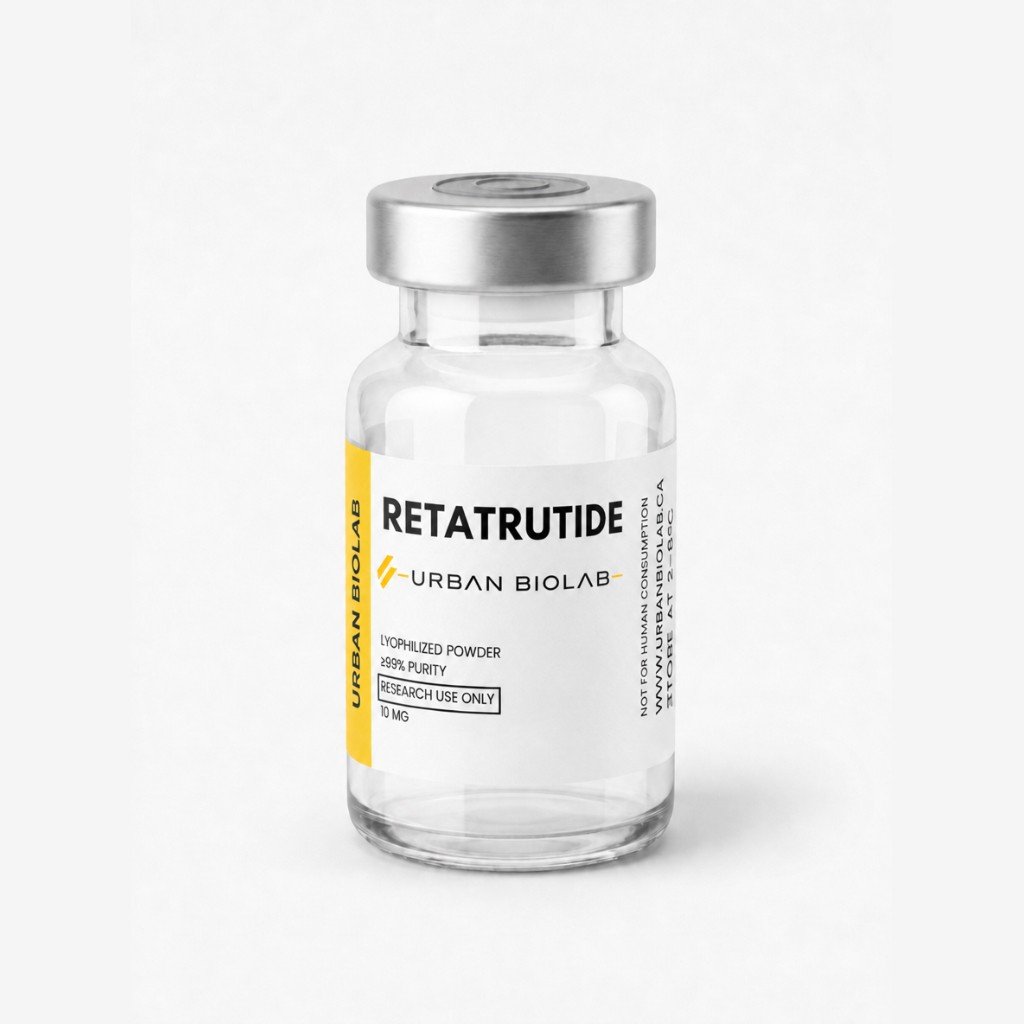
RT (Retatrutide) 10MG
RT10 is a cutting-edge investigational peptide designed for advanced scientific exploration in metabolic health and weight management research. Known for its unique mechanism as a triple agonist (GLP-1, GIP, and glucagon receptors), it has shown promising potential in preclinical studies related to appetite regulation, fat metabolism, and glycemic control.
Side Effects: Myth vs. Reality
Gastrointestinal symptoms dominate the side effect profile. Nausea affects roughly a quarter to half of users depending on the compound and dose. Constipation, diarrhea, and abdominal discomfort occur with similar frequency. These symptoms concentrate in the early weeks and during dose increases, then typically fade as the body adapts.
The mechanism is straightforward. GLP-1 receptor activation slows gastric emptying. Food sits in the stomach longer. If you eat the same sized meals you ate before treatment, that food has nowhere to go. Nausea results. The solution is eating smaller portions—which the reduced appetite makes easy for most users.
Severity matters more than incidence. Most users experiencing nausea describe it as mild to moderate and tolerable. Severe symptoms that interfere with daily function occur in a small minority. Dose adjustment and dietary modification resolve most problems. True intolerance requiring discontinuation affects perhaps 5-7% of patients.
The Bottom Line: Side effects are real but manageable for most users. Starting with low doses and titrating slowly minimizes symptoms. Eating smaller, more frequent meals helps the body adjust. Most discomfort resolves within the first month or two.
Injection site reactions occur but rarely cause significant problems. Mild redness, itching, or swelling typically resolves within hours to days. Rotating injection locations prevents accumulation of local irritation. Severe allergic reactions are extremely rare.
More serious potential side effects require mention:
- Pancreatitis has been reported with GLP-1 agonists, though the rate appears similar to that seen in untreated obese populations
- Gallbladder disease risk increases, likely related to rapid weight loss itself rather than the medication
- Thyroid concerns emerged from rodent studies showing C-cell tumors in rats receiving high-dose GLP-1 agonists. Human data after years of clinical use has not confirmed this risk translates to people
Any abdominal pain that persists or worsens warrants medical evaluation.
My Take
The side effect profile of these medications compares favorably to most prescription drugs people take routinely. Blood pressure medications cause dizziness. Statins cause muscle pain. Antibiotics cause GI upset. We accept these tradeoffs for therapeutic benefit. Weight loss medications deserve the same balanced evaluation rather than disproportionate scrutiny.
Dosing Strategies That Work
Successful peptide therapy requires understanding dosing principles rather than following rigid prescriptions. Individual responses vary substantially. Body composition, metabolic rate, receptor sensitivity, and genetic factors all influence how much peptide produces optimal effects. Starting low and titrating based on response remains the safest and most effective approach.
Typical initiation doses for research peptides begin at the lowest available increment. For retatrutide, this means starting around 1 mg weekly. This dose produces minimal weight loss in trials but establishes tolerability. If side effects remain manageable after two to four weeks, increasing to the next dose level makes sense.
Titration schedules vary by compound and individual tolerance. Conservative approaches increase doses every four weeks, allowing full adaptation before adding more. Aggressive protocols may increase every two weeks when side effects are minimal. Neither approach is universally correct. The goal is finding the dose that produces meaningful effects with acceptable side effects for each specific user.
Sample Titration Protocol
| Weeks | Dose | Notes |
|---|---|---|
| 1-4 | 1 mg weekly | Assess tolerability |
| 5-8 | 2.5 mg weekly | If 1 mg well tolerated |
| 9-12 | 5 mg weekly | If no significant side effects |
| 13-16 | 7.5 mg weekly | Monitoring response |
| 17+ | Consider 10-12 mg | If weight loss has plateaued |
Skip dose increases if current dose produces good results with minimal side effects.
Higher doses are not always better. Some users find their optimal balance at moderate doses where side effects remain minimal while weight loss continues steadily. Pushing to maximum doses risks increasing side effects without proportional improvement. Response curves flatten at higher doses for many individuals.
Timing of injection matters less than consistency. Most users inject once weekly on a chosen day. Morning versus evening shows no significant difference in studies. What matters is maintaining the weekly schedule to keep blood levels stable. Missed doses can be taken as soon as remembered—unless the next scheduled dose approaches closely.
Combining peptide therapy with lifestyle modifications enhances results. Protein intake deserves particular attention. During rapid weight loss, adequate protein prevents excessive muscle loss. Targeting at least 0.7 grams per pound of goal body weight provides a reasonable guideline. Physical activity accelerates fat loss while preserving lean mass and improving metabolic health markers.
The Numbers
Study participants who added structured exercise to GLP-1 agonist therapy showed approximately 2-3% additional weight loss compared to medication alone—with significantly better preservation of lean body mass. The combination produces outcomes exceeding what either approach achieves independently.
Comparing the Options
Choosing between available compounds requires weighing multiple factors beyond simple efficacy percentages. Access, cost, tolerance, and individual goals all influence the optimal choice. No single compound works best for everyone.
Semaglutide offers the longest track record. Years of post-market data confirm its safety profile. Availability is widespread. Familiarity among healthcare providers means easier access to support and guidance. For those prioritizing established safety data over maximum efficacy, semaglutide remains a reasonable choice.
Tirzepatide produces stronger weight loss with potentially better GI tolerability due to GIP receptor activity modulating the nausea that pure GLP-1 agonists often cause. FDA approval for both diabetes and obesity indications makes it accessible through conventional medical channels. Those seeking improved results over semaglutide with regulatory approval often gravitate here.
Retatrutide represents the current frontier. Maximum weight loss potential exceeds both predecessors. The triple receptor profile offers theoretical advantages for metabolic health beyond weight reduction. However, limited clinical exposure means unknown unknowns may exist. Those willing to accept this uncertainty in exchange for cutting-edge results find retatrutide compelling.
Did You Know?
Some researchers combine compounds in experimental protocols, though this remains outside standard practice. The theoretical rationale involves hitting different receptor profiles to address individual variations in response. Clinical data supporting such combinations is limited, and the approach introduces additional variables and potential interactions.
Other compounds deserve brief mention:
- Cagrilintide plus semaglutide (being developed as CagriSema) adds amylin receptor activation to GLP-1 agonism. Early data shows potential for further improvement over semaglutide alone.
- Orforglipron offers an oral option with improved bioavailability over existing oral semaglutide, potentially making daily pills a more viable option for those strongly averse to injection.
The pipeline continues expanding. Multiple pharmaceutical companies pursue novel combinations and delivery methods. Within the next several years, options will proliferate. Those starting therapy now may have the opportunity to transition to newer compounds as they become available—building on progress already achieved.
Access in Canada
Canadian regulations regarding research peptides differ somewhat from those in the United States. Health Canada oversees pharmaceutical approvals, and several GLP-1 agonists have received authorization for specific indications. Research compounds that lack approval occupy a regulatory grey zone that requires careful navigation.
Semaglutide (Ozempic, Wegovy) and tirzepatide (Mounjaro, Zepbound) have Health Canada approval and are available through physicians willing to prescribe. Coverage varies by province and individual insurance plans. Many Canadians pay out of pocket even for approved medications when insurance fails to cover obesity treatment.
Research peptides from specialized suppliers serve Canadians seeking access to compounds like retatrutide before regulatory approval. These fall under personal importation regulations that permit individuals to obtain substances for personal use under certain conditions. Quality verification through third-party testing becomes crucial when sourcing outside pharmaceutical supply chains.
The Bottom Line: Canadian buyers should prioritize suppliers that provide certificates of analysis from independent laboratories, maintain proper cold chain shipping, and have established reputations within the research community. Price alone should never drive purchasing decisions when compound quality directly impacts results and safety.
Provincial variations in healthcare coverage create uneven access across the country. Ontario, Quebec, and British Columbia each maintain separate drug formularies with different inclusion criteria. Some provinces cover GLP-1 agonists for diabetes but not obesity. Others have expanded coverage but impose strict eligibility requirements.
Telehealth has expanded access for many Canadians. Online consultations with physicians willing to prescribe obesity medications remove geographic barriers that previously limited rural and remote populations. Several telehealth platforms specialize in metabolic health and weight management, offering support from physicians experienced with these medications.
The Long Game
The question everyone asks: what happens when you stop?
Current evidence provides a clear if unwelcome answer. Weight returns when treatment ends. Not immediately and not completely for everyone—but substantially and consistently across studies.
This reality reflects the nature of obesity as a chronic condition rather than an acute problem with a cure. Blood pressure medications don’t cure hypertension. You take them indefinitely to maintain normal readings. Obesity medications function similarly. They manage a chronic metabolic dysregulation rather than fixing it permanently.
My Take
I think the framing matters here. We don’t criticize diabetics for needing ongoing medication to manage blood sugar. We shouldn’t criticize those with obesity for needing ongoing medication to manage weight. Both are chronic conditions requiring chronic treatment. The stigma around weight loss medication reflects cultural biases more than medical reality.
Some users attempt maintenance at reduced doses. Anecdotal reports suggest that lower doses than those required for initial weight loss may suffice to prevent regain. Clinical data on optimal maintenance strategies remains limited. Trials designed specifically to address maintenance dosing are ongoing.
Lifestyle modifications established during treatment provide partial protection. Those who develop sustainable eating patterns and regular exercise habits during the weight loss phase may retain more of their progress. The metabolic changes produced by the medication seem to create a window where behavior change is easier to implement and sustain.
Cycling represents another approach some users attempt. Periods on medication for active weight loss alternate with periods off medication to test sustainability. This requires careful monitoring and willingness to restart treatment if regain begins. The psychological toll of watching weight return can be significant.
Cost considerations influence long-term planning. Monthly expenses for peptide therapy range from modest to substantial depending on the compound, source, and dosing requirements. Budgeting for indefinite use rather than a fixed treatment period provides more realistic expectations.
The Numbers
Extension studies following patients who discontinued semaglutide after achieving weight loss showed approximately two-thirds of lost weight returning within one year. Metabolic markers that had improved during treatment also reverted toward baseline values. These findings underscore the need for ongoing therapy in most patients.
The pharmaceutical pipeline offers hope for improved long-term solutions. Research into peptides that more permanently reset metabolic set points continues. Combination approaches that address multiple aspects of weight regulation may prove more durable. Gene therapies targeting obesity pathways remain experimental but represent possible future options.
For now, those achieving success with designer hormone therapy should plan for ongoing treatment in some form. This may mean continuous use of the same compound, transitions to newer options as they become available, or alternating treatment cycles. What it does not mean is a short-term intervention followed by permanent resolution. That’s not how metabolic medicine currently works.
Frequently Asked Questions
What makes designer hormones different from older weight loss drugs?
Designer hormones work with your body’s natural signaling systems rather than against them. Older medications like amphetamines or fen-phen artificially forced metabolic changes through non-physiological mechanisms. Modern peptides activate receptors your body already uses for appetite and metabolism regulation. This produces effects through natural pathways—resulting in better tolerability and more sustainable outcomes.
How long does it take to see results with triple agonist therapy?
Most users notice appetite changes within the first one to two weeks. Weight loss typically becomes measurable by week four. The rate accelerates as doses increase during titration. Clinical trial data shows average weight loss of 8-10% by week 12 and 20-24% by week 48 at optimal doses. Individual results vary based on starting weight, metabolic factors, diet adherence, and activity levels.
Are injectable peptides painful to administer?
The injection itself causes minimal discomfort for most users. Subcutaneous injection uses small gauge needles similar to those diabetics use for insulin. The needle enters only the fatty tissue beneath the skin—avoiding muscle and nerve-dense areas. Most users describe the sensation as a brief pinch that becomes barely noticeable after a few weeks of practice. Those with severe needle phobia can use auto-injector devices that hide the needle from view.
Can I take designer hormone peptides with other medications?
GLP-1 agonists slow gastric emptying, which can affect absorption of oral medications. Drugs that require specific timing relative to meals may need adjustment. Blood sugar medications often require dose reduction to prevent hypoglycemia as metabolic health improves. Anyone taking prescription medications should discuss potential interactions before starting peptide therapy. This is particularly important for those on diabetes medications, blood thinners, or medications with narrow therapeutic windows.
What happens if I miss a weekly dose?
Missing a single dose typically causes minimal disruption. Take the missed dose as soon as you remember—unless the next scheduled dose is within a day or two. In that case, skip the missed dose and resume your normal schedule. Avoid doubling up doses to compensate. Consistent weekly administration produces the best results, but occasional missed doses do not require restarting the titration process from the beginning.
How do I store research peptides properly?
Unreconstituted peptides typically store best refrigerated, though some maintain stability at room temperature depending on formulation. Once reconstituted with bacteriostatic water, refrigeration becomes essential. Most reconstituted peptides remain stable for 4-6 weeks when kept cold. Avoid freezing reconstituted solutions. Keep peptides away from direct light. Use within the manufacturer’s specified timeframe for optimal potency.
Will I regain weight if I stop taking the medication?
Current evidence indicates that most people regain a significant portion of lost weight when they discontinue treatment. Studies show approximately 60-70% of weight loss reverting within one year of stopping. This reflects obesity’s nature as a chronic condition requiring ongoing management. Some users maintain at reduced doses or implement cycling strategies—though clinical data on optimal maintenance approaches remains limited.
Are designer hormones safe for long-term use?
Long-term safety data varies by compound. Semaglutide has over seven years of post-market surveillance with acceptable safety profiles in millions of users. Tirzepatide has approximately three years of widespread use with no new concerning signals. Retatrutide remains in clinical trials with maximum exposure of 48 weeks. No medication is without risks, but the available evidence supports acceptable safety for compounds with established track records.
How do I know if peptide therapy is working for me?
Effective response typically manifests as reduced appetite and food cravings, gradual weight loss (0.5-2 pounds per week is typical), improved energy levels, and better blood sugar control if monitoring. Some users notice “food noise” quieting before scale changes occur. If appetite remains unchanged after four weeks at escalating doses, or if intolerable side effects persist, the compound may not be optimal for your physiology. Different compounds or approaches may prove more effective.
What dietary changes should accompany peptide therapy?
Prioritize protein intake to preserve muscle mass during weight loss. Aim for at least 0.7 grams per pound of goal body weight daily. Reduce meal sizes to match decreased appetite—eating normal portions on a suppressed stomach often triggers nausea. Focus on nutrient-dense foods since total caloric intake decreases. Stay well hydrated. Some users find that fatty or very sweet foods cause more GI discomfort than leaner options. Allow your appetite to guide portions rather than cleaning your plate out of habit.
Glossary
GLP-1 (Glucagon-Like Peptide-1)
A hormone produced in the intestines after eating that signals satiety to the brain, slows gastric emptying, and enhances insulin release. GLP-1 receptor agonists mimic this hormone at sustained levels.
GIP (Glucose-Dependent Insulinotropic Peptide)
An incretin hormone that enhances insulin secretion and may modulate fat metabolism. Dual and triple agonists target GIP receptors alongside GLP-1 for enhanced effects.
Triple Agonist
A compound that activates three distinct receptor types simultaneously. In metabolic therapy, this typically refers to drugs like retatrutide that target GLP-1, GIP, and glucagon receptors.
Subcutaneous Injection
Administration of medication into the fatty tissue layer beneath the skin. This method provides slow, steady absorption and is used for most peptide hormones.
Titration
The process of gradually increasing medication dose over time to achieve optimal effects while minimizing side effects. Most peptide protocols start at low doses and increase at regular intervals.
Metabolic Set Point
The weight range that your body defends through hormonal and behavioral adaptations. When weight drops below this point, the body increases hunger and decreases metabolism to restore previous levels.
Bioavailability
The proportion of a drug that enters circulation and is available for therapeutic effect. Injectable peptides have high bioavailability compared to oral forms that face digestive degradation.
Incretin Hormones
Gut hormones released in response to food intake that enhance insulin secretion and regulate metabolism. GLP-1 and GIP are the two main incretin hormones.
Gastric Emptying
The rate at which food leaves the stomach and enters the small intestine. GLP-1 agonists slow this process, contributing to prolonged feelings of fullness after meals.
Receptor Downregulation
A decrease in the number or sensitivity of receptors in response to prolonged activation. This can reduce medication effectiveness over time if not managed through proper dosing strategies.
References
- Jastreboff AM, Kaplan LM, Frias JP, et al. Triple-Hormone-Receptor Agonist Retatrutide for Obesity. New England Journal of Medicine. 2023;389(6):514-526.
- Wilding JPH, Batterham RL, Calanna S, et al. Once-Weekly Semaglutide in Adults with Overweight or Obesity. New England Journal of Medicine. 2021;384(11):989-1002.
- Jastreboff AM, Aronne LJ, Ahmad NN, et al. Tirzepatide Once Weekly for the Treatment of Obesity. New England Journal of Medicine. 2022;387(3):205-216.
This article is for informational purposes only and does not constitute medical advice. Consult with a qualified healthcare provider before starting any new treatment regimen.