Research peptides have exploded in popularity across Canada
Research peptides have exploded in popularity across Canada and the United States for good reason. They can naturally boost growth hormone production, accelerate recovery, and improve body composition without the harsh side effects that come with traditional performance enhancers.
Peptides like BPC-157 and TB-500 are transforming how athletes approach injury recovery, while growth hormone secretagogues such as CJC-1295 and ipamorelin are changing the game for muscle building. For fat loss, compounds like AOD9604 specifically target stubborn body fat while preserving lean muscle mass.
This guide breaks down the science behind peptides, highlights the most effective options for your specific goals, and shows you how to achieve optimal results through proper dosing, administration, and integration with your training and nutrition plans.
You’ll learn which peptides actually deliver results, how to use them safely, and what legal considerations you need to understand before starting. We’ll also explore how these compounds are reshaping athletic performance in Canada and beyond.
Understanding Peptides and How They Work
Peptides are short chains of amino acids linked by peptide bonds. Think of them as smaller versions of proteins. While proteins can contain hundreds or thousands of amino acids, peptides typically have between 2 and 50. This compact structure allows them to act as precise signaling molecules, delivering specific instructions to cells and tissues throughout your body.
The real power of peptides lies in their ability to bind to specific receptors on cell surfaces. When a peptide attaches to its target receptor, it triggers a cascade of biological responses inside the cell. This mechanism works like a key fitting into a lock. Each peptide has a unique structure that allows it to interact with particular receptors. Through this process, peptides influence everything from hormone production to tissue repair to metabolic activity.
The Role of Growth Hormone Secretagogues
Growth hormone secretagogues (GHS) are specialized peptides that directly affect your body’s production of human growth hormone (HGH). These compounds work by binding to ghrelin receptors in your pituitary gland, the small organ at the base of your brain responsible for regulating hormone production.
When GHS peptides activate these receptors, they signal your pituitary gland to increase its natural production and release of HGH. This approach differs significantly from directly injecting synthetic HGH. Instead, you’re stimulating your body’s own hormone production system. The result is a more natural release pattern that mimics how your body typically secretes growth hormone.
The Connection Between HGH and Muscle Growth
The relationship between HGH release and physical transformation involves two main processes.
First, higher HGH levels stimulate your liver to produce insulin-like growth factor 1 (IGF-1), an anabolic hormone that directly promotes muscle protein synthesis. This increase in protein synthesis lays the groundwork for muscle hypertrophy, the actual growth and enlargement of muscle fibers.
Second, HGH significantly impacts fat metabolism by promoting lipolysis, the breakdown of stored fat for energy. Your body becomes more efficient at using fat stores while simultaneously preserving lean muscle tissue. This dual action explains why so many athletes and bodybuilders turn to GHS peptides.
Key Research Peptides for Muscle Growth and Fat Loss
When you’re looking to maximize your gains, understanding which peptides deliver specific results becomes critical. The landscape of peptides for muscle growth includes several powerhouse compounds that have gained significant attention in the bodybuilding community.
Peptides for Muscle Growth
CJC-1295: This modified growth hormone-releasing hormone analog extends the half-life of growth hormone pulses, keeping your HGH levels elevated for extended periods. You’ll find two variants: CJC-1295 DAC (Drug Affinity Complex) and CJC-1295 without DAC. The DAC version provides sustained HGH release over several days, while the non-DAC version offers more frequent, pulsatile releases that mimic your body’s natural rhythm.
Ipamorelin: This peptide complements CJC-1295 perfectly by stimulating growth hormone release without significantly affecting cortisol or prolactin levels. This selective action means you get the muscle-building benefits without unwanted hormonal disruptions. The combination of CJC-1295 and ipamorelin has become a gold standard stack among athletes seeking lean muscle gains and improved recovery.
GHRP variants: Growth Hormone Releasing Peptides like GHRP-2 and GHRP-6 are also potent stimulators of HGH secretion. GHRP-2 produces strong growth hormone pulses with moderate appetite stimulation, while GHRP-6 triggers more pronounced hunger, a characteristic you might leverage during bulking phases. These peptides work by binding to ghrelin receptors in the pituitary gland, initiating a cascade that results in substantial HGH release.
Peptides for Fat Loss
For targeted fat loss, AOD9604 deserves special attention. This modified fragment of human growth hormone specifically targets fat metabolism without affecting blood sugar levels or promoting tissue growth. AOD9604 works by mimicking the way natural growth hormone regulates fat metabolism, stimulating lipolysis (the breakdown of fat) while inhibiting lipogenesis (the formation of fatty acids). You can use this peptide to shed stubborn body fat while maintaining your hard-earned muscle mass.
Exploring Other Promising Peptides for Performance Enhancement
Beyond growth hormone secretagogues, several specialized peptides focus on recovery and tissue repair. These factors are crucial for your ability to train harder and more often.
BPC-157 and TB-500: The Regenerative Powerhouses
BPC-157 is a synthetic peptide derived from a protective protein found in gastric juice. It has gained attention for its remarkable ability to accelerate healing across multiple tissue types. When injected, BPC-157 promotes the formation of new blood vessels (angiogenesis), which delivers more nutrients and oxygen to damaged areas. Athletes have reported faster recovery from muscle tears, tendon injuries, and ligament damage.
TB-500, a synthetic version of Thymosin Beta-4, works through similar pathways but with distinct mechanisms. This peptide increases the production of actin, a protein essential for cell movement and tissue regeneration. TB-500 is particularly effective for chronic injuries that have been slow to heal through conventional methods.
Both peptides demonstrate strong anti-inflammatory properties. By reducing inflammation at injury sites, they create an optimal environment for tissue repair. This action leads to less downtime between intense training sessions, a crucial advantage when you’re striving for maximum gains. Recovery isn’t just about healing injuries; it’s also about your body’s ability to adapt to training stress and build new muscle tissue.
GHK-Cu: The Collagen Catalyst
The copper peptide GHK-Cu works differently than regenerative peptides. It binds copper ions and delivers them to tissues where they stimulate the production of collagen and elastin. By using GHK-Cu, you’re essentially providing your body with the necessary components for repairing connective tissue.
The benefits go beyond joint and tendon health. Many users have reported improvements in skin elasticity and wound healing, making this peptide valuable for both performance and aesthetic goals.
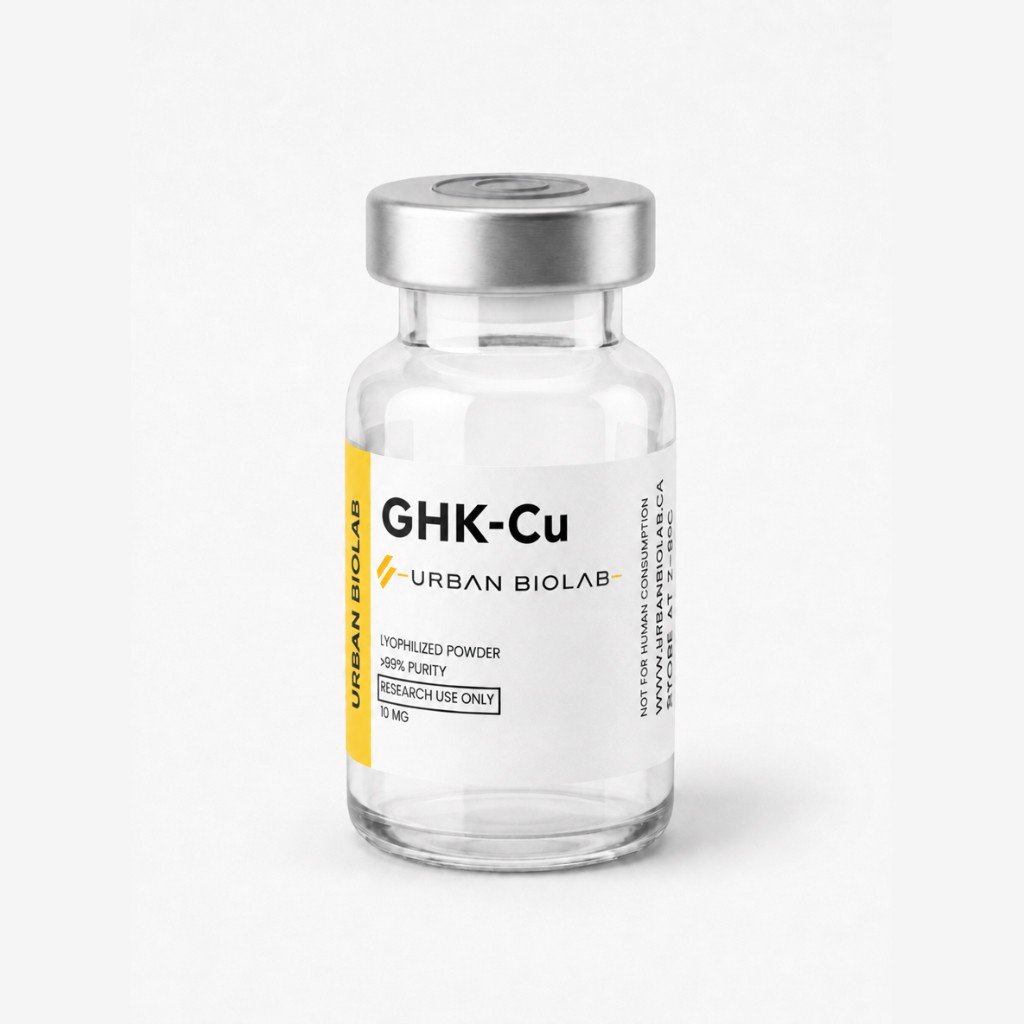
GHK-Cu 80MG
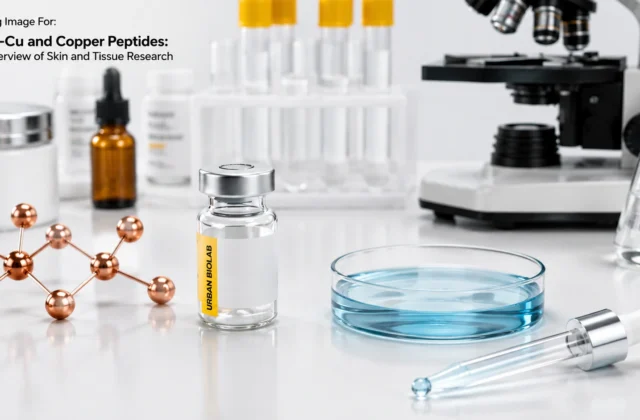
GHK-Cu 80mg is a copper-binding research peptide complex widely studied for its role in cellular signaling, tissue remodeling, and regenerative biology pathways. In laboratory research settings, GHK-Cu has attracted interest for investigations into wound-healing models, collagen synthesis pathways, and antioxidant activity, making it a valuable compound in skin, tissue, and cellular regeneration research.
IGF-1 LR3: Extended Anabolic Action
IGF-1 LR3 is a modified version of insulin-like growth factor with an extended half-life of approximately 20-30 hours. This peptide binds to receptors on muscle cells, enhancing their ability to absorb glucose and amino acids, key nutrients for muscle growth.
Unlike other forms of IGF-1 that have a short duration of action, IGF-1 LR3 provides sustained anabolic effects over an extended period. This makes it particularly beneficial for individuals looking to maximize their muscle-building potential.
By incorporating these peptides into your recovery regimen, you can optimize your body’s natural healing processes and support your training goals. However, it’s important to remember that these compounds should be used responsibly and in conjunction with proper nutrition, exercise, and rest.
Benefits Beyond Muscle Gains: Enhanced Recovery, Fat Loss, and More
Research peptides offer a wide range of benefits that go beyond just building muscle. By including these compounds in your training routine, you can tap into various ways to improve your physical abilities.
Primary Performance Benefits
Increased muscle mass stands as the most sought-after benefit. Peptides enhance protein synthesis at the cellular level, allowing your muscles to utilize amino acids more efficiently. This translates to faster gains in both size and strength. You’ll notice your lifts progressing more consistently, and your physique developing with greater definition.
The fat metabolism advantages work simultaneously with muscle building. Growth hormone secretagogues trigger lipolysis, the breakdown of stored fat for energy, while protecting your hard-earned lean tissue. You can achieve body recomposition: losing fat and gaining muscle at the same time, something traditionally difficult to accomplish naturally.
Improved recovery might be the most underrated benefit. Your muscles repair faster between training sessions, allowing you to increase training frequency and volume. Injuries that typically sideline you for weeks heal in shorter timeframes. This accelerated recovery creates a compounding effect on your gains over time.
Secondary Health and Performance Enhancements
The benefits extend to multiple systems in your body:
- Endurance and stamina improve as your cardiovascular efficiency increases
- Sleep quality deepens, providing the restorative rest your body needs for optimal hormone production
- Mood stabilization occurs through balanced neurotransmitter activity
- Immune function strengthens, reducing illness-related training interruptions
- Skin elasticity and hair health improve through enhanced collagen production
These secondary benefits create an environment where your body operates at peak efficiency. You’re not just building muscle, you’re optimizing every system that supports athletic performance and physical development. The combined effects set you up for steady progress in your fitness journey over time.
Using Research Peptides Safely and Effectively
Dosage Considerations and Administration Methods
Subcutaneous injections remain the primary delivery method for research peptides. You’ll inject into the fatty tissue layer between your skin and muscle, typically in areas like your abdomen, thighs, or upper arms. This route ensures consistent absorption and bioavailability compared to oral administration, which would break down the peptide chains in your digestive system.
The injection process requires sterile technique. You’ll need insulin syringes (typically 0.5ml to 1ml), bacteriostatic water for reconstitution, and alcohol swabs. Rotate injection sites to prevent tissue damage and maintain absorption efficiency.
Dosage Protocols
Dosage protocols vary significantly based on your specific goals:
For Muscle Growth:
- CJC-1295: 0.1-0.2 mg per injection, 2-3 times weekly
- Ipamorelin: 0.2-0.3 mg per dose, 2-3 times daily
- IGF-1 LR3: 0.02-0.05 mg daily, post-workout
For Fat Loss:
- AOD9604: 0.3 mg daily, split into morning and evening doses
- CJC-1295/Ipamorelin combination: Standard muscle-building doses with adjusted timing around fasted cardio
For Recovery:
- BPC-157: 0.25-0.5 mg daily, near injury site when possible
- TB-500: 2-2.5 mg twice weekly for loading phase, then maintenance doses
You’ll need to adjust these ranges based on your body weight, experience level, and response to treatment. Starting at lower doses allows you to assess tolerance before scaling up.
Navigating the Legal Landscape
Peptides occupy a complex legal territory that you need to understand before incorporating them into your training regimen. Most peptides used for muscle growth and fat loss fall under off-label use, meaning they’re administered for purposes not officially approved by regulatory agencies like the FDA. Bodybuilders and athletes commonly obtain these compounds through research chemical suppliers or specialized clinics, operating in a gray area where peptides are sold “for research purposes only.”
The Stance of Sports Organizations
The athletic world takes a stricter stance. The World Anti-Doping Agency (WADA) explicitly prohibits growth hormone secretagogues and most performance-enhancing peptides in competitive sports. Professional organizations including:
- The International Olympic Committee (IOC)
- Major League Baseball (MLB)
- The National Football League (NFL)
- The UFC and other combat sports federations
- Both US and Canadian athletic governing bodies
All maintain comprehensive banned substance lists that include CJC-1295, ipamorelin, GHRP variants, and similar compounds. Athletes who test positive face suspensions, stripped titles, and damaged reputations.
The Risks of Peptide Testing
You should know that peptide testing has become increasingly sophisticated. Modern drug screening can detect peptide metabolites weeks after administration, making it nearly impossible to cycle off before competition testing. If you compete at any sanctioned level, using research peptides puts your athletic career at serious risk. The legal consequences extend beyond sports; some jurisdictions classify certain peptides as controlled substances, potentially leading to legal ramifications for possession or distribution.
Maximizing Your Results with a Holistic Approach
Peptides work best when you support them with a solid foundation of proper training and nutrition optimization. You can’t inject your way to gains without putting in the work at the gym and the kitchen.
Nutrition Guidelines
Your protein intake becomes even more critical when using peptides. The enhanced growth hormone production stimulates protein synthesis, but your body needs adequate amino acids to build new muscle tissue. Aim for 1.6-2.2 grams of protein per kilogram of body weight daily. Without sufficient protein, you’re essentially wasting the anabolic signals peptides provide.
Calorie balance matters just as much. If you’re using peptides for muscle growth, you need a slight caloric surplus to fuel tissue building. For fat loss peptides like AOD9604, maintaining a moderate deficit while keeping protein high preserves lean mass while shedding fat. Track your intake consistently to ensure you’re supporting your specific goals.
Hydration deserves special attention during peptide cycles. Water supports every metabolic process your body performs, from nutrient transport to waste removal. Peptides that increase HGH production can affect fluid balance and electrolyte levels. Drink at least 3-4 liters of water daily, more if you’re training intensely or in hot conditions.
Training Recommendations
Your training program should emphasize progressive overload with compound movements. Peptides enhance recovery, allowing you to train harder and more frequently, but you still need structured programming. Focus on strength training 4-5 times per week, incorporating adequate rest days.
Recovery Strategies
Sleep quality directly impacts peptide effectiveness. Growth hormone naturally peaks during deep sleep, and peptides amplify this effect. Prioritize 7-9 hours of quality sleep nightly to maximize your results.
Final Thoughts
Research peptides represent a powerful tool for athletes and fitness enthusiasts looking to accelerate their progress. Whether your goal is building lean muscle, shedding stubborn fat, or recovering from injuries faster, the right peptide protocol can make a significant difference.
The key lies in understanding the science, choosing the right compounds for your specific goals, and supporting your peptide use with proper nutrition, training, and recovery practices. Always prioritize safety, follow appropriate dosing protocols, and be aware of the legal considerations if you compete in sanctioned sports.
When used responsibly and strategically, research peptides can help you break through plateaus and achieve the physique you’ve been working toward.