Melanotan II has gained significant attention in recent years as a synthetic peptide that promises a tan without sun exposure—along with some unexpected side effects like increased libido and reduced appetite. But before jumping on this trend, it’s important to understand what this compound actually does, what the research shows, and why regulatory bodies remain cautious.
Understanding Melanotan II
Melanotan II (MT-II) is a synthetic version of alpha-melanocyte-stimulating hormone (α-MSH), a naturally occurring hormone in your body that regulates skin pigmentation. When injected, MT-II binds to melanocortin receptors—particularly MC1R—triggering your skin cells to produce more melanin, the pigment responsible for skin, hair, and eye color.
The peptide is typically administered through subcutaneous injection. Once in the bloodstream, it reaches melanocytes (specialized skin cells) and stimulates them to produce and release melanin, gradually darkening the skin over time. This mimics what happens with sun exposure, but without the UV radiation.
What makes MT-II particularly interesting is that it doesn’t just affect pigmentation. It also binds to other melanocortin receptors like MC3R and MC4R, which play roles in appetite regulation, metabolism, and sexual function. This explains why users report effects beyond tanning—both the desirable ones and the unwanted side effects.
Claimed Benefits
Sunless Tanning
The primary appeal of Melanotan II is achieving a tan without UV exposure. For fair-skinned individuals or those at higher risk for skin cancer, this offers a potentially safer alternative to tanning beds or prolonged sunbathing. By stimulating melanin production internally, users can develop a tan with minimal UV exposure, reducing risks of photoaging and skin damage.
Increased Libido
Perhaps the most surprising reported benefit is enhanced sexual arousal, particularly in men. This occurs because MT-II activates MC4R, a receptor involved in sexual behavior and arousal pathways in the brain. Some studies have shown that MT-II can produce erectile responses even in men with sexual dysfunction, making it a subject of interest for potential therapeutic applications.
Appetite Reduction
Melanotan II may also influence weight management through its effects on MC3R and MC4R, both involved in appetite regulation. Some users report decreased hunger and eating less without conscious effort, though long-term effectiveness remains unclear.
The Risks You Should Know About
Despite its popularity, Melanotan II is not FDA-approved and carries significant risks:
Gastrointestinal issues: Nausea, vomiting, and stomach cramps are commonly reported, especially during early use. These effects tend to be dose-dependent and may lessen as the body adjusts.
Skin changes: Because MT-II stimulates melanin production indiscriminately, it can darken moles, freckles, and skin lesions. This is particularly concerning because it could complicate monitoring for malignant changes like melanoma, potentially delaying diagnosis.
Cardiovascular effects: Some users experience increased blood pressure, heart rate, and flushing—effects that could be dangerous for those with existing heart conditions.
Unregulated products: Since MT-II isn’t approved for medical use in most countries, it’s often sold through unregulated online markets. This means inconsistent quality, potential contamination, and improper dosing are real concerns.
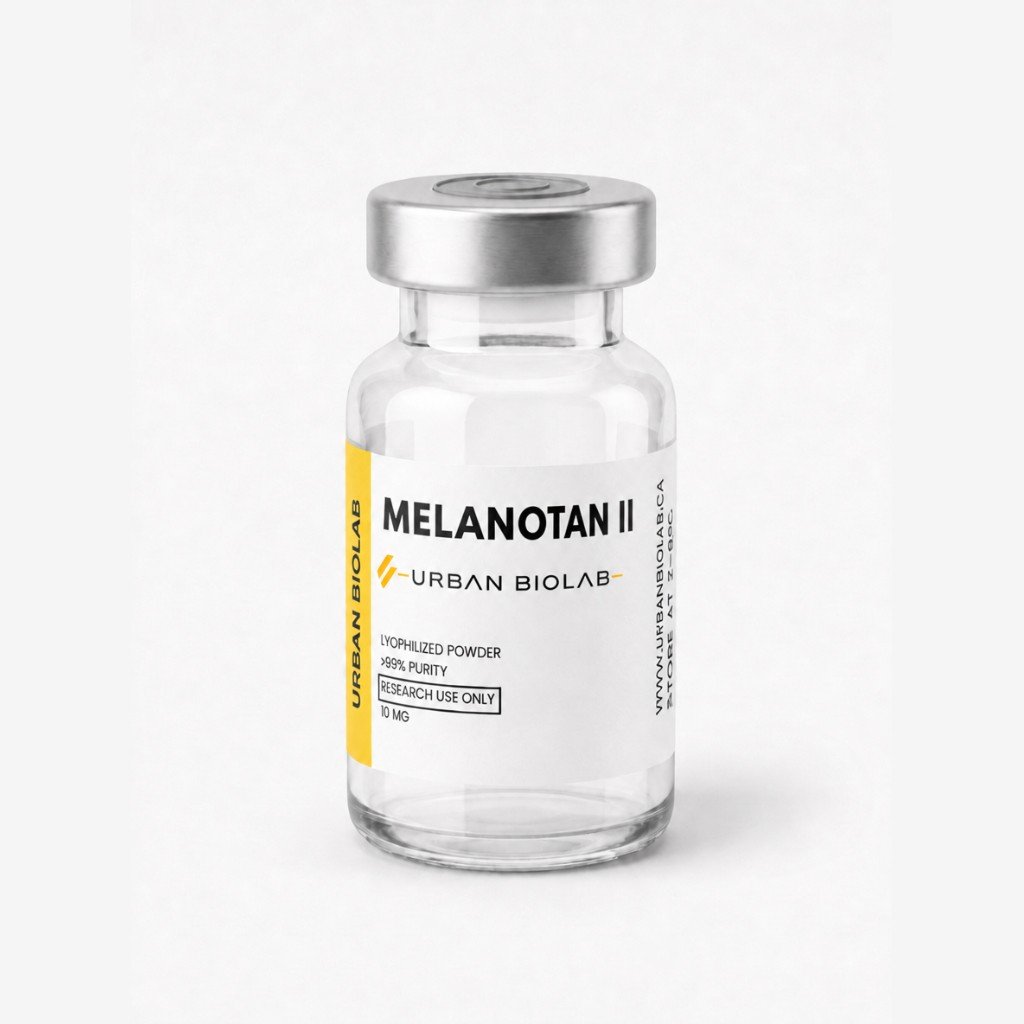
MT-2 (Melanotan-2 Acetate) 10MG
MT-2 (Melanotan-2 Acetate) 10mg is a melanocortin receptor analog research peptide studied for its role in pigmentation pathways, melanin synthesis, and neuroendocrine signaling. In laboratory settings, MT-2 is widely explored in research focused on melanocortin activity, CNS pathways, and hormonal response models.
How It Compares to Natural Tanning
Traditional tanning relies on UV radiation to trigger melanin production, but UV exposure carries well-documented risks: premature aging, sunburn, hyperpigmentation, and increased skin cancer risk. The World Health Organization classifies UV tanning devices as Group 1 carcinogens—the same category as tobacco.
Melanotan II allows tanning with minimal UV exposure, though a small amount of sunlight may still be needed to fully activate the melanin. However, unlike natural tanning, MT-II comes with additional physiological effects that complicate its safety profile.
Legal Status Around the World
The legality of Melanotan II varies significantly:
- United States: Not FDA-approved for any use. Sold through unregulated online vendors without oversight.
- European Union: Generally prohibited for sale or distribution, though still accessible through black-market websites.
- Australia: Classified as a Schedule 4 prescription-only medicine, meaning it requires a licensed healthcare provider. The TGA has seized large amounts of illegal imports.
This patchwork of regulations highlights the importance of understanding your local laws before considering MT-II.
What Users Report
Online forums and bodybuilding communities are full of anecdotal reports. Positive experiences typically mention achieving a natural-looking tan with minimal UV exposure, increased libido, and mild appetite suppression.
Negative reports include nausea, changes in mole pigmentation, elevated heart rate, and inconsistent results—likely due to variations in product quality from unregulated sources.
It’s worth noting that testimonials on forums can be subject to confirmation bias and should be evaluated critically, especially for unapproved substances that alter skin appearance or systemic function.
Dosing and Administration
For those who choose to use Melanotan II despite the risks, typical protocols include:
Starting dose: 0.25 mg daily for first-time users
Maintenance: Titrate up to 0.5–1 mg per day based on tolerance
Timing: Evening administration to reduce nausea
Storage: Store lyophilized powder in a cool, dark place; refrigerate reconstituted peptide and use within 30–60 days
Proper sterile technique and sourcing from reputable suppliers are essential, though quality remains uncertain given the lack of regulation.
The Bottom Line
Melanotan II offers a unique combination of aesthetic and physiological effects—sunless tanning, appetite suppression, and enhanced sexual function. However, the lack of regulatory approval, potential side effects, and risks associated with unregulated products mean it should be approached with significant caution.
Anyone considering MT-II should consult with a healthcare professional, understand proper dosing protocols, and recognize that sourcing from unregulated markets carries inherent risks. The long-term effects of chronic use remain largely unknown, and the potential for complications—particularly regarding skin monitoring and cardiovascular health—warrants serious consideration.
For those seeking a tan, safer alternatives exist. And for those intrigued by the peptide’s other effects, waiting for proper clinical research and regulatory approval would be the prudent choice.