Let’s Be Real About Peptides
Walking into a supplement store these days feels like stepping into a chemistry lab that’s also somehow a fitness cult. Everyone’s tossing around words like “peptides” like they just discovered fire. And if you’re confused, you’re not alone.
I spent three years nodding along to conversations about peptides while secretly having no clue what anyone was talking about. “Amino acid chains”? “Receptor agonists”? My gym buddy might as well have been speaking Klingon.
So here’s the deal—this is peptides explained like we’re having coffee, not like you’re studying for a biochemistry exam. We’ll cover what they actually are, why people are losing their minds over them, and what you need to know if you’re in Canada and thinking about giving them a shot (pun absolutely intended).
What We’re Covering
- What peptides actually are (zero jargon, I promise)
- How they work in your body (it’s simpler than you think)
- The different types and what they do
- Weight loss peptides—the ones everyone’s talking about
- Muscle building and recovery
- Anti-aging stuff
- How to use them (including the needle part)
- Side effects you should know about
- The Canadian legal situation (it’s weird)
- Why cheap peptides are a terrible idea
- How to start safely
What Peptides Actually Are (For Real People)
Okay, here’s the simple version: peptides are tiny pieces of protein. That’s it. Not some sci-fi compound cooked up in a lab by mad scientists.
Your body already makes thousands of them naturally. They’re basically messengers running around telling different parts of your body what to do. One peptide tells your muscles to grow. Another tells your fat cells to release their storage. Some help you sleep, others help you heal.
The science-y definition says peptides are chains of 2 to 50 amino acids. Amino acids are the building blocks of protein. If you string more than 50 together, it becomes a full protein. But honestly? You don’t need to remember any of that.
What matters is this: peptides are natural substances your body already uses to run the show. The ones people buy are synthetic versions of those natural messengers—basically giving your body a little extra help in areas where it might be slacking off.
Real-world example: Insulin is a peptide. Diabetics inject it because their bodies can’t make enough on their own. Therapeutic peptides work the same way, just for different functions.
How Peptides Actually Work
Think of peptides like keys and your cells like locks. When the right peptide finds the right receptor on a cell, it triggers a specific response.
Here’s a dumbed-down version: imagine your body is a giant office building. Peptides are like emails sent to different departments.
- Send one to the muscle department → they start building more muscle
- Send one to fat burning → metabolism kicks up a notch
- Send one to healing → injuries recover faster
The peptide itself doesn’t do the work. It just delivers the message. Your body does the heavy lifting based on the instructions it receives.
This is why peptides can be so effective—they’re not forcing your body to do anything unnatural. They’re just using your existing communication systems to encourage helpful responses.
Why this actually matters: As you age, your body produces fewer of certain peptides. A 50-year-old makes less growth hormone-releasing peptides than a 20-year-old. That’s part of why getting older makes everything harder—building muscle, losing fat, recovering from injuries, even sleeping well.
Supplementing with peptides can help restore some of those declining signals. You’re essentially reminding your body how to do things it used to do naturally when you were younger.
Different Types of Peptides and What They Do
There are hundreds of peptides out there, but most fall into a few main categories based on what they help your body accomplish.
Growth Hormone Peptides
These tell your pituitary gland to release more growth hormone. Growth hormone helps build muscle, burn fat, improve sleep, and speed up recovery. Common ones include CJC-1295, Ipamorelin, and GHRP-6.
Think of these as the “turn back the clock” peptides. They help your body act more like it did when you were younger and pumping out growth hormone naturally at higher levels.
Weight Loss Peptides
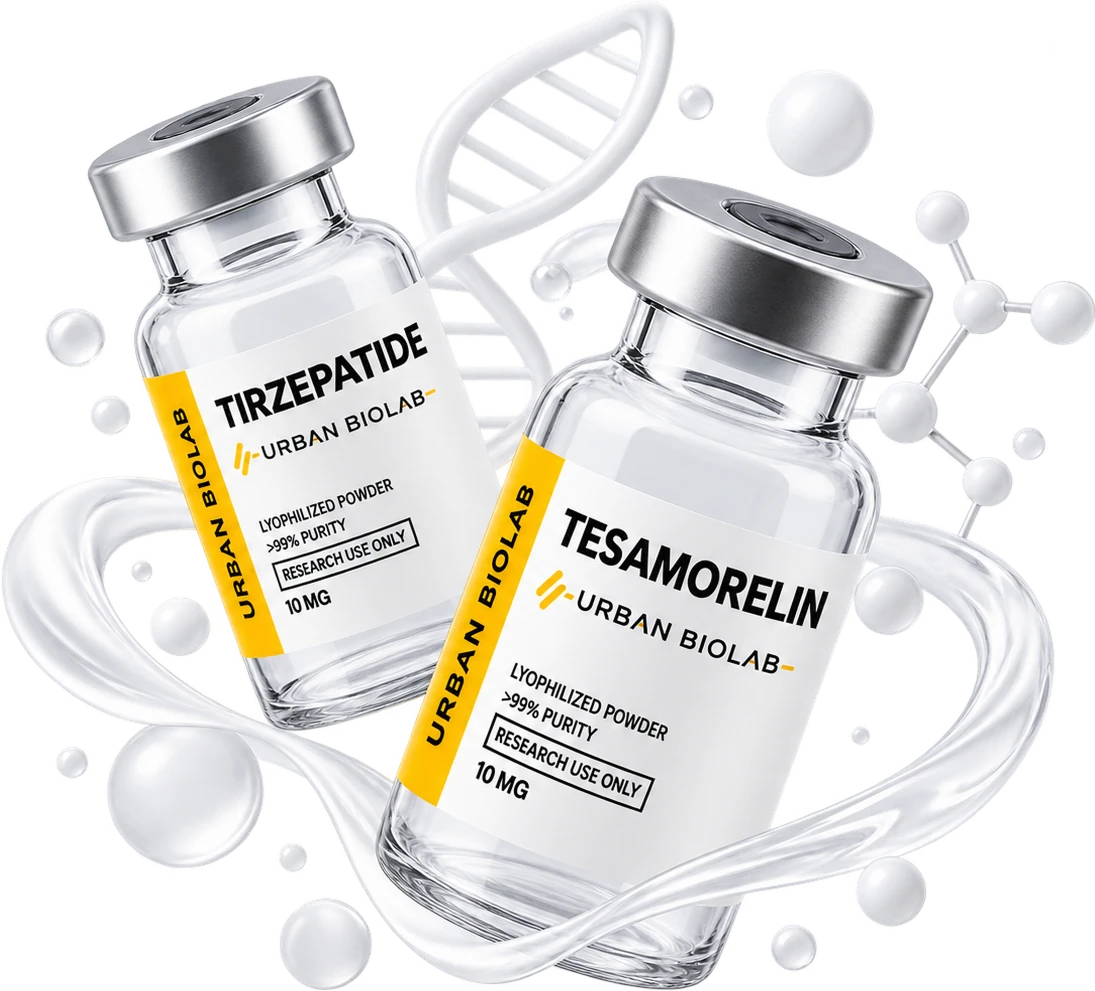
These work by reducing appetite, increasing feelings of fullness, or helping your body burn more calories. The ones getting all the buzz in Canada right now are Semaglutide, Tirzepatide, and Retatrutide.
Unlike stimulant-based weight loss drugs, these don’t make your heart race or leave you feeling jittery. They just make you less hungry and help you feel satisfied with smaller portions.
Healing and Recovery Peptides
BPC-157 and TB-500 are the heavy hitters here. They help injuries heal faster by increasing blood flow to damaged areas and promoting tissue repair. Athletes love these for everything from tendon issues to muscle tears to joint problems.
These won’t make you Wolverine, but they can help your body heal more efficiently—like how you bounced back quickly as a kid.
Skin and Anti-Aging Peptides
Peptides like Matrixyl and copper peptides stimulate collagen production to improve skin appearance. You’ll find these in skincare products applied topically rather than injected.
Some people also use injectable peptides like Epitalon or Thymalin specifically for their potential anti-aging effects at the cellular level.
Performance and Muscle Building Peptides
These help build muscle mass, increase strength, or improve endurance. Examples include IGF-1 LR3 and various growth hormone secretagogues. Bodybuilders and serious athletes often explore these options.
They work by enhancing your body’s natural muscle-building processes—not by creating muscle from thin air.
Weight Loss Peptides: The Ones Everyone’s Talking About
Weight loss peptides have exploded in popularity across Canada over the past couple years. You’ve probably heard about Ozempic in the news or seen people posting about their dramatic results online.
These peptides belong to a class called GLP-1 agonists (and newer variations). Don’t worry about the technical name—here’s what you actually need to know about how they work.
How They Actually Work
These peptides mimic hormones your gut naturally produces when you eat. They:
- Slow down how quickly food leaves your stomach → you feel full longer
- Reduce appetite by acting on hunger centers in your brain
- Help regulate blood sugar → fewer cravings
- May slightly increase how many calories you burn
The result is simple: you eat less without feeling like you’re starving. Food becomes less interesting. Those constant thoughts about your next meal fade away.
The Main Players
Semaglutide (Ozempic, Wegovy): Average weight loss of about 15% of body weight over 16 months. For a 200-pound person, that’s around 30 pounds.
Tirzepatide (Mounjaro, Zepbound): Works even better—about 21% weight loss over the same timeframe. Same 200-pound person would lose about 42 pounds.
Retatrutide: The newest option, still in clinical trials but showing results around 24% weight loss. Not widely available yet except in research form, but likely hitting Canadian pharmacies sometime in 2026 or early 2027.
What People Actually Experience
Most people notice reduced appetite within the first week or two. Food doesn’t have the same pull it used to. Large portions become unappealing.
The downside? Nausea. About 1 in 4 people experience significant nausea, especially during the first few months. This usually improves as your body adjusts. Some people also deal with constipation, diarrhea, or stomach discomfort.
Weight comes off slowly but steadily—most people lose 1 to 2 pounds per week once they reach their target dose. The loss happens fastest between months 3 and 9 of treatment.
The Catch Nobody Talks About
When you stop taking these peptides, the weight typically comes back. Studies show most people regain about two-thirds of their lost weight within a year of stopping.
This isn’t because the peptides “damaged your metabolism.” It’s because obesity is a chronic condition. These medications treat the symptoms but don’t cure the underlying biology that defends your higher weight.
Think of it like blood pressure medication. It works great while you take it, but your blood pressure goes back up when you stop. Weight loss peptides work the same way.
Peptides for Muscle Growth and Recovery
Bodybuilders and athletes have used peptides for decades to help build muscle and recover from intense training. These are different from anabolic steroids, though people often confuse them.
Growth Hormone Releasing Peptides
Your body naturally releases growth hormone in pulses throughout the day, with the biggest release happening during deep sleep. Growth hormone helps build muscle, burn fat, strengthen bones, and improve recovery.
Production declines as you age. By age 40, you produce about half the growth hormone you made at age 20. By age 60, it’s dropped by 75%.
Peptides like CJC-1295, Ipamorelin, and GHRP-2 trigger your body to release more growth hormone. They don’t contain growth hormone themselves—they just send the signal to your pituitary gland to produce and release more.
What to Actually Expect
These peptides won’t transform you into a bodybuilder overnight. The effects are subtle but meaningful:
- Slightly faster muscle growth when combined with training
- Better sleep quality, especially deeper sleep phases
- Faster recovery between workouts
- Modest improvements in body composition (less fat, more muscle)
- Better skin quality and appearance
People typically notice improved sleep first, usually within the first week. Muscle and body composition changes take 2 to 3 months to become obvious.
Healing Peptides
BPC-157 and TB-500 help injuries heal faster by:
- Increasing blood flow to injured areas
- Promoting new blood vessel formation
- Reducing inflammation
- Accelerating tissue repair
Athletes use these for everything from tendon injuries to muscle tears to joint problems. The research is mostly from animal studies, but anecdotal reports from users are consistently positive.
A typical experience: you tweak your shoulder doing overhead press. Normally it would take 6 weeks to fully heal. With BPC-157, you might be back to full training in 3 to 4 weeks with less pain along the way.
The Muscle Building Reality Check
Peptides help, but they’re not magic. You still need to train hard, eat enough protein, and sleep well. The peptides might give you a 10% to 20% boost compared to doing everything else right naturally.
For serious athletes competing at high levels, that 10% to 20% improvement is huge. For someone just trying to get in shape, focusing on consistent training and good nutrition will deliver bigger results than adding peptides.
Anti-Aging and Longevity Peptides
The anti-aging peptide space is filled with wild claims and limited solid evidence. Some peptides show genuine promise. Others are mostly hype.
What We Know Actually Works
Growth hormone releasing peptides improve several markers of aging. Better sleep quality, improved skin elasticity, increased muscle mass, and better bone density all contribute to healthy aging.
These peptides won’t necessarily make you live longer, but they may help you maintain physical function and vitality as you age. The difference between being frail at 70 versus being active and independent is significant.
Peptides with Interesting Potential
Epithalon is researched in Russia for its potential effects on telomeres (the protective caps on your chromosomes that shorten with age). The research is intriguing but not yet validated by Western scientific standards.
Thymalin and Thymosin Alpha-1 support immune system function, which tends to decline with age. These might help older adults maintain better immune responses.
NAD+ boosters (some peptides increase NAD+ levels, a molecule involved in cellular energy) show promise in animal studies. Human evidence is still limited.
The Honest Truth About Anti-Aging
No peptide will stop aging or reverse it dramatically. The human body is far too complex for a single compound to “turn back the clock.”
What peptides might do is help you age better. Maintaining muscle mass, bone density, good sleep, and metabolic health as you get older improves quality of life substantially.
The proven anti-aging interventions remain boring: regular exercise, good nutrition, adequate sleep, stress management, maintaining social connections, and avoiding smoking. Peptides might supplement these fundamentals but can’t replace them.
How to Actually Use Peptides
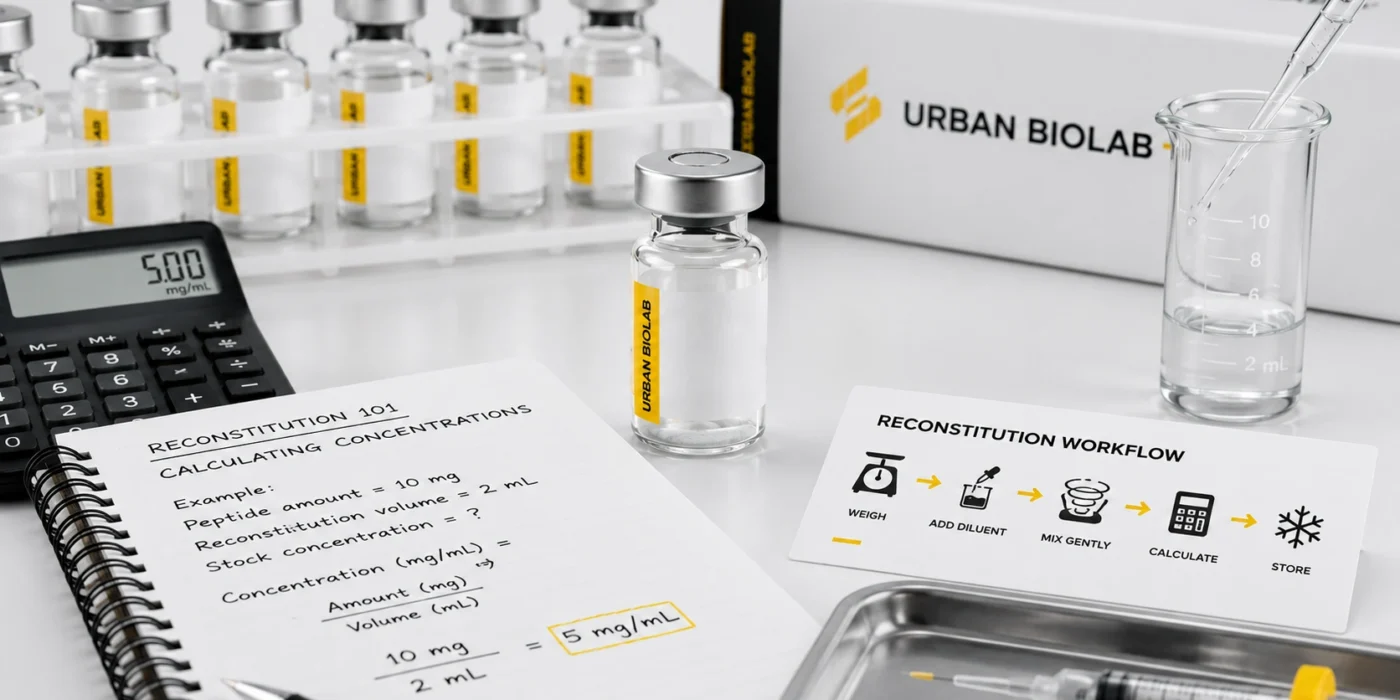
Most peptides come as freeze-dried powder that you need to reconstitute before injecting. The process intimidates many people at first, but it becomes routine quickly.
Basic Preparation Steps
The peptide arrives as white powder in a small glass vial. You’ll also need:
- Bacteriostatic water (sterile water with a preservative)
- Insulin syringes (typically 0.5mL or 1mL)
- Alcohol swabs
- A sharps container for used needles
You inject the bacteriostatic water into the peptide vial, dissolving the powder. Gently roll the vial to mix—don’t shake, as this can damage some peptides. Once mixed, the peptide stays good for about 2 to 4 weeks when stored in the refrigerator.
How to Inject
Most peptides are injected subcutaneously, meaning into the fat layer just under your skin. Common injection sites include:
- Abdomen (most common)
- Thigh
- Upper arm
The process is the same as how diabetics inject insulin. Clean the injection site with an alcohol swab. Pinch a fold of skin and fat. Insert the needle at a 45-degree angle. Push the plunger slowly. Remove the needle and dispose of it properly.
The needles are tiny. Most people say the injection feels like a small pinch or mosquito bite. After the first few times, it becomes no big deal.
Dosing and Timing
Different peptides have different dosing schedules. Some are injected once daily. Others are taken twice daily. Some only need to be administered weekly.
Growth hormone releasing peptides are typically injected before bed or first thing in the morning on an empty stomach. Weight loss peptides like semaglutide are injected once weekly, usually on the same day each week.
Start with the lowest recommended dose and increase slowly. This minimizes side effects and lets your body adjust to the peptide.
What About Oral Peptides?
Most peptides break down in your digestive system, which is why injection is the standard method. However, some newer formulations are designed to survive digestion.
Oral semaglutide (Rybelsus) exists but requires taking a high dose because most of it gets destroyed in your stomach. It’s less convenient and more expensive than the injectable version.
Nasal sprays and sublingual (under the tongue) options exist for certain peptides. These can work but generally provide less reliable absorption than injections.
What Can Go Wrong (Side Effects)
Every substance you put in your body carries risks. Peptides are generally well-tolerated, but side effects do occur.
Common Side Effects by Type
Weight Loss Peptides:
- Nausea (the most common complaint, affects about 25% to 45% of users)
- Diarrhea or constipation
- Stomach pain or discomfort
- Reduced appetite (partly the goal but can be too strong for some)
- Fatigue, especially in the first few weeks
Growth Hormone Peptides:
- Water retention, causing temporary bloating
- Joint pain or stiffness
- Increased hunger (especially with GHRP-6)
- Tingling or numbness in extremities
- Headaches
Healing Peptides:
- Generally well-tolerated with minimal side effects
- Occasional headaches
- Temporary tiredness
Injection Site Reactions
Redness, swelling, or mild pain at injection sites is common when starting any injectable peptide. This usually resolves within a few hours and becomes less frequent as you develop better injection technique.
Rotating injection sites helps prevent these issues. Don’t inject in the same spot two days in a row.
Serious Side Effects to Watch For
Rare but serious side effects include:
- Pancreatitis (inflammation of the pancreas) with weight loss peptides. Symptoms include severe abdominal pain that doesn’t go away.
- Gallbladder problems, more common during rapid weight loss
- Kidney issues, especially if you become dehydrated
- Allergic reactions, though these are uncommon
If you experience severe abdominal pain, difficulty breathing, rapid heartbeat, or other concerning symptoms, stop the peptide immediately and seek medical attention.
Long-Term Safety Concerns
Most peptides haven’t been studied long-term. We have good safety data for 1 to 2 years of use for many peptides, but data beyond 5 years is limited.
This doesn’t mean they’re unsafe long-term. It just means we don’t have decades of data like we do with older medications.
For weight loss peptides specifically, we’re starting to see good 4-year safety data showing no major issues with continued use in people who tolerate them initially.
The Legal Situation in Canada
The legal status of peptides in Canada sits in a gray area that confuses most people. Understanding the actual rules helps you make informed decisions.
FDA-Approved Peptides
Several peptides are approved as prescription medications in Canada:
- Insulin (for diabetes)
- Semaglutide as Ozempic (for diabetes) and Wegovy (for weight loss)
- Tirzepatide as Mounjaro (for diabetes) and potentially Zepbound (for weight loss, approval pending)
- Various other hormone peptides used in medical treatment
These are legal to use with a valid prescription from a licensed physician. Many doctors in Canada prescribe these for approved indications.
Getting a prescription for off-label use (using an approved drug for a non-approved purpose) is legal and common. A doctor might prescribe Ozempic for weight loss even though it’s only officially approved for diabetes in Canada.
Research Peptides
Many peptides are sold as “research chemicals” or “research peptides.” They’re legally sold for research purposes only.
Purchasing these peptides for personal use exists in a legal gray area. Technically, they’re sold for research. What you do with them after purchase is between you and your understanding of the risks involved.
Health Canada doesn’t actively go after individuals purchasing small quantities of research peptides for personal use. In fact, they’ll never even know what you decide to do with them.
And that’s a good thing, as we should all be able to make our own decisions without the government telling us what’s good for us (they get it wrong more than half the time anyway).
Importing Peptides
It is not recommended to order peptides from overseas. Beyond the fact that quality becomes spotty, delivery can take upwards of a month or more. And to further complicate the issue, Canadian customs could potentially seize your order.
Many Canadians purchase from domestic suppliers to avoid import issues altogether. If you decide to order, order from a source that ships from within Canada and provides third-party testing.
The Practical Reality
Tens of thousands of Canadians use research peptides and law enforcement is not concerned with individuals using peptides personally.
This could change. Regulations could tighten. For now, the situation remains relatively relaxed for personal use.
Why Quality Matters More Than You Think
Not all peptides are created equal. Quality varies dramatically between suppliers, and using low-quality peptides is both dangerous and wasteful.
What Determines Peptide Quality
Purity is the most important factor. A high-quality peptide should be at least 95% pure. Lower purity means the vial contains more contamination and less actual peptide.
Pharmaceutical-grade peptides used in prescription medications are typically 98% to 99% pure. Growth hormone peptides typically contain a few percent less. This is normal, even at pharmaceutical grade levels.
Sterility matters for injectable products. Contaminated peptides can cause infections. Proper manufacturing in sterile conditions is essential but not all research peptide suppliers maintain these standards.
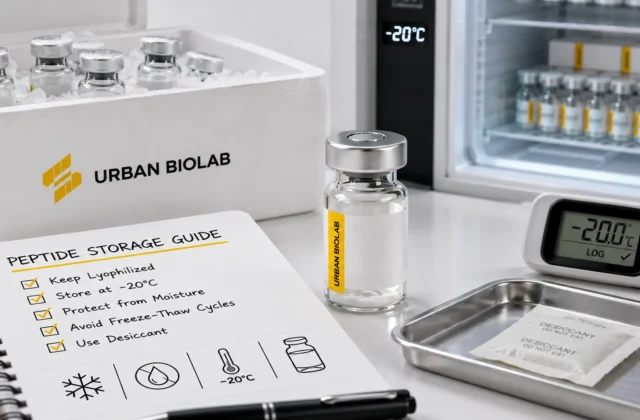
Proper storage: Peptides are fragile. Exposure to excess heat or light can degrade or destroy them. It’s vital to order from a supplier that takes precautions when it comes to storage.
How to Identify Quality Suppliers
Look for these signs of a reliable supplier:
- Third-party testing: Quality suppliers provide certificates of analysis from independent labs showing purity levels
- HPLC testing: High-performance liquid chromatography testing verifies the actual peptide content and purity
- Mass spectrometry results: This confirms you’re getting the right peptide, not some other substance
- Proper packaging: Peptides should arrive in sterile vials with rubber stoppers, not cheap plastic containers
- Clear reconstitution instructions: Legitimate suppliers provide detailed information about proper preparation
- Reasonable pricing: If it’s half the price of everywhere else, question why
Red Flags to Avoid
Stay away from suppliers who:
- Can’t or won’t provide testing documentation
- Operate through social media only with no real website
- Ship from overseas with no quality guarantees
- Sell pre-mixed peptides (these degrade quickly and indicate poor practices)
The Cost of Cheap Peptides
Using under-dosed or contaminated peptides means you’re injecting something into your body that might not work and could potentially harm you. You’re also wasting money on a product that won’t deliver results.
Quality peptides cost more because proper synthesis, testing, and storage cost money.
One batch of contaminated peptide leading to an infection will cost you far more in medical bills and lost time than you saved buying untested product overseas.
Getting Started Safely
Deciding to try peptides requires more consideration than ordering a vitamin supplement. Doing it safely minimizes risks and maximizes the chance of positive results.
Step 1: Get Clear on Your Goals
Different peptides serve different purposes. Be specific about what you want to achieve:
- Weight loss of 30+ pounds
- Better recovery from training
- Healing a specific injury
- Improving sleep quality
- Building muscle more efficiently
Your goal determines which peptides make sense to explore.
Step 2: Consider Medical Supervision
Several types of physicians in Canada work with peptides:
- Endocrinologists for hormonal peptides and metabolic issues
- Sports medicine doctors for performance and recovery peptides
- Anti-aging or longevity clinics specializing in peptide therapy
- Naturopathic doctors (in provinces where they’re regulated) who work with peptides
Medical supervision provides:
- Proper dosing guidance based on your health status
- Monitoring through blood work and physical exams
- Professional advice on managing side effects
The downside is cost. Doctors and clinics charge consultation fees. Pharmaceutical peptides through prescriptions are more expensive than research peptides.
Step 3: Do Your Own Research
Don’t rely only on marketing materials or random forum posts. Look for:
- Published clinical trials in peer-reviewed journals
- Mechanism of action information explaining how the peptide works
- Known side effects from actual studies, not just testimonials
- Proper dosing protocols from clinical research
PubMed is a free database of medical research papers. Search for the peptide name and read actual studies. They’re often technical, but even just reading the abstract gives you better information than most online articles.
Step 4: Start with Baseline Measurements
Before starting any peptide, document where you’re starting from:
- Weight loss peptides: Weight, body measurements, photos, blood glucose levels
- Performance peptides: Training weights, recovery time, sleep quality, photos
- Healing peptides: Pain levels, range of motion, functional limitations
Without baseline data, you won’t know if the peptide is working. You need something to compare against after 4 to 8 weeks.
Step 5: Start Low and Go Slow
Always begin with the lowest recommended dose. This minimizes side effects and lets you assess tolerance before committing to higher doses.
Increase doses gradually following established protocols. Jumping to high doses immediately increases side effects and doesn’t provide better results faster.
For weight loss peptides specifically, proper dose escalation over 12 to 16 weeks is crucial. Going too fast leads to intolerable nausea that causes many people to quit.
Step 6: Keep Detailed Records
Track everything during your peptide cycle:
- Dose and timing of each injection
- Any side effects experienced
- Changes in the primary metrics you’re tracking
- How you feel generally
This information helps you adjust doses, manage side effects, and determine if the peptide is working for you.
Step 7: Plan Your Exit Strategy
Before starting, know your plan for stopping:
- How long will you run this cycle?
- What determines success or failure?
- What’s your plan if it doesn’t work?
- How will you transition off?
For weight loss peptides, understand that stopping leads to weight regain for most people. You need a maintenance plan whether that’s transitioning to lifestyle changes, staying on the peptide long-term, or accepting some regain.
Red Flags That Mean Stop Immediately
Stop the peptide and seek medical attention if you experience:
- Severe abdominal pain that doesn’t improve
- Difficulty breathing or swallowing
- Severe allergic reactions (hives, swelling, etc.)
- Signs of pancreatitis (severe pain, fever, vomiting)
- Vision changes or severe headaches
- Chest pain or irregular heartbeat
Most side effects are manageable and temporary. The serious ones listed above require immediate medical evaluation.
Final Thoughts
Peptides aren’t magic. They’re tools that can help your body work more efficiently in specific ways. Used correctly with realistic expectations, they can provide meaningful benefits.
The hype around peptides often oversells the reality. You won’t transform your body overnight. You won’t reverse aging dramatically. You won’t bypass the need for proper nutrition, training, and sleep.
What peptides can do is provide an edge. They can make weight loss more achievable for people struggling despite their best efforts. They can help athletes recover faster and train more effectively. They can support better aging and quality of life.
Success with peptides requires the same things as success with anything else: clear goals, realistic expectations, consistency, attention to detail, and willingness to adjust based on results.
If you’re considering peptides, start by getting clear on exactly what you want to achieve. Then research which peptides might help with that specific goal. Consider working with a qualified medical professional if possible. Start conservatively, track your results carefully, and adjust based on what the data tells you.
The peptide space will continue evolving. New compounds are in development. Regulations may change. What works today might be outdated in five years. Stay informed, stay safe, and make decisions based on good information rather than hype.