By Dr. Stephen Calloway, PharmD
Clinical Pharmacist & Metabolic Health Researcher
Canada
Last Updated: 2026-09-08
The Short Answer
If you’re looking for the most effective pharmaceutical tool for weight management right now, it’s a class of drugs called GLP-1 receptor agonists. Period.
The data is hard to ignore. Injectable Semaglutide helps people lose an average of 12 to 15 percent of their total body weight. Tirzepatide, a newer dual-action version, pushes that number even higher, with average losses hitting 18 to 21 percent.
They work by hijacking your body’s natural appetite regulation system. These drugs mimic a gut hormone that tells your brain you’re full, slows down how fast your stomach empties, and helps your body use insulin more effectively. The side effects—mostly nausea and stomach upset—are usually manageable and fade after the first couple of months. Most people start seeing a real difference on the scale within the first month, with peak results usually arriving between months 9 and 18.
One Person’s Experience: Rachel’s Story
I’m Rachel Whitmore, from Edmonton, Alberta. Two years ago, I was 198 pounds and felt like I had tried everything. Keto? The cravings broke me in six weeks. Weight Watchers? I lost 12 pounds and found them again three months later.
A friend mentioned GLP-1 peptides, and I got curious. The science clicked for me because it targeted the one thing no diet ever had: that relentless, gnawing hunger. The voice in my head that screamed about food even when I knew I shouldn’t be eating.
Two weeks after my first shot of Semaglutide, the noise stopped. Food lost its power over me. I could eat half a sandwich and be genuinely done. I wasn’t in a constant battle with myself anymore.
Six months later, I was 162 pounds. Thirty-six pounds gone. But honestly, the scale wasn’t the best part. I had energy again. I started hiking, something I’d given up because it was just too miserable with the extra weight.
The first few weeks did bring some mild nausea, and I learned quickly that overeating came with a price. But it passed. What remained was a sense of control I hadn’t felt in decades.
My Routine: I started at 0.25 mg weekly, slowly worked my way up to 1.7 mg, and now I just do a single injection every Sunday evening.
– Alex Whitmore, Ontario
The Science: How GLP-1s Actually Work in Your Body
To understand why these medications are so effective, you have to understand the hormone they’re based on. GLP-1 (Glucagon-like peptide-1) is a natural hormone your gut releases after you eat. It’s a key messenger in your body’s system for managing energy.
Here’s the problem: Your body produces natural GLP-1 that breaks down within minutes. It’s a fleeting signal. The medications we’re talking about—GLP-1 receptor agonists—are engineered to be super-resilient. They stick around in your system for days, not minutes. That sustained activity is what creates the powerful, long-lasting appetite suppression and metabolic benefits.
They operate through several distinct pathways:
1. Quieting the Brain’s Hunger Alarm
The hypothalamus is your brain’s command center for hunger. GLP-1 receptors are packed into this area. When the medication binds to them, it creates a profound sense of satiety. It’s not a stimulant buzz or an artificial feeling of being stuffed. Users describe it as a “quiet satisfaction.” The constant, nagging thought of food just fades. You’re satisfied with less, and it doesn’t feel like a constant exercise in willpower.
2. Slowing the Digestive Conveyor Belt
GLP-1 puts the brakes on gastric emptying—the rate at which food leaves your stomach. This means you feel physically full for much longer after a normal meal. It also smooths out the blood sugar spikes that normally follow eating, which is a big part of why it was first developed for diabetes.
3. Smarter Insulin, Less Glucagon
These meds help your pancreas release insulin when your blood sugar is high (and only when it’s high, minimizing the risk of dangerous lows). They also suppress glucagon, a hormone that tells your liver to dump sugar into your bloodstream. This creates a more stable metabolic environment, reducing the energy crashes that trigger cravings.
My Take: The reason these drugs are so much better than anything before them is that they work with your biology, not against it. Old weight-loss pills often relied on stimulants or blocking fat absorption. GLP-1s are more like a key that fits into a lock your body already has.
Your Options: A Breakdown of the Big Players
The field is moving fast. Here’s the current landscape of injectable options.
Semaglutide (Brand names: Ozempic, Wegovy)
This is the current gold standard for a single-action GLP-1. It’s a once-weekly shot. While Ozempic is technically for diabetes, its weight-loss sibling, Wegovy, is specifically approved for obesity. Expect average losses of 12–15% of body weight.
Tirzepatide (Brand names: Mounjaro, Zepbound)
This is the next generation. It’s a “dual-agonist,” meaning it activates both GLP-1 and another hormone receptor called GIP. This one-two punch delivers significantly more weight loss, averaging 18–21% of body weight, with a similar (and in some cases, better) side effect profile. It’s also a once-weekly injection.
Liraglutide (Brand names: Victoza, Saxenda)
This was the pioneer. It works but is less convenient (daily injections) and less effective (5–8% average weight loss). With the arrival of Semaglutide and Tirzepatide, it’s become a less common choice.
Retatrutide (Investigational)
This is the one to watch. It’s a “triple-agonist” that hits GLP-1, GIP, and a third receptor for glucagon. Early trial data is stunning, showing weight loss of up to 24%. It’s currently in Phase 3 trials, with a potential approval in late 2026 or 2027. This could be the next leap forward.
The Proof: What the Data Shows
The evidence for these drugs is not anecdotal. It comes from massive, rigorous clinical trials.
- The STEP Trials (Semaglutide): In the landmark STEP 1 trial, participants on the highest dose of semaglutide lost an average of 14.9% of their body weight over 68 weeks, compared to just 2.4% for the placebo group. More than half of the people on the drug lost at least 15% of their body weight.
- The SURMOUNT Trials (Tirzepatide): The results here were even more dramatic. In the SURMOUNT-1 trial, people on the highest dose of tirzepatide lost an average of 20.9% of their body weight. A staggering 36% of those participants achieved weight loss of 25% or more. That is a figure previously reserved for bariatric surgery.
And it’s not just in the lab. Large real-world studies of patient data consistently confirm that tirzepatide outperforms semaglutide, and that the results hold up outside of a controlled trial setting.
Setting Your Expectations: The Timeline
Knowing what to expect can make the journey much smoother.
- The First Month: This is mostly about getting your body used to the drug. Doses start low. You’ll likely feel the appetite suppression early on. Average weight loss is variable, often 4-8 pounds.
- Months 2-6: This is the “golden period.” You’re now at a therapeutic dose and weight loss is most consistent, often averaging 1-2 pounds per week. A 200-pound person might be down 25-35 pounds by the six-month mark on semaglutide, and more on tirzepatide.
- Months 6-12: The pace slows down. You might lose 0.5-1 pound a week. Plateaus are normal and are not a sign of failure. By one year, most people have achieved 80-90% of their total loss.
- Beyond a Year: Maximum weight loss is usually achieved between 15 and 18 months. After that, the medication is primarily for maintenance.
Important Perspective: It’s crucial to think of this as a long-term therapy, like a medication for blood pressure. Obesity is a chronic condition. If you stop the medication, the biological forces that caused the weight gain will push you to regain it.
Side Effects: What to Expect and How to Cope
The most common side effects are gastrointestinal, but they are generally temporary and manageable.
- Nausea: The big one. It affects 25-44% of users, mostly in the first few weeks. The key is to eat smaller meals and avoid rich, fatty foods. Ginger tea or supplements can help.
- Constipation: The slowdown in digestion can back things up. Stay hydrated and increase fiber. Some people find magnesium helpful.
- Diarrhea & Fatigue: These are also common early on and usually resolve as your body adjusts.
My Advice: Do not rush the dose escalation. The entire point of starting low and going slow is to minimize these side effects. Trying to speed up the process for faster results almost always backfires.
Who Stands to Benefit the Most?
While these drugs can help a wide range of people, they are particularly transformative for:
- Individuals with a BMI over 30 (obesity).
- People with a BMI over 27 who also have weight-related issues like high blood pressure or pre-diabetes.
- Anyone who has repeatedly lost and regained weight through diet alone. These medications directly address the biological mechanisms that defeat most diets.
- People who struggle with emotional or binge eating. By quieting the physical sensation of hunger and reducing the reward response to food, these drugs provide the mental space to build healthier habits.
Access in Canada: A Two-Track System
This is where it gets complicated for Canadians.
1. The Prescription Path: Health Canada has approved semaglutide (Wegovy) and tirzepatide (Zepbound) for weight loss. The hurdle is cost and coverage. Without private insurance, expect to pay $300–$500 CAD per month. Provincial plans often cover the diabetes versions (Ozempic, Mounjaro) but not the weight-loss ones, and private insurance is a patchwork.
2. The Research Peptide Path: A growing number of Canadians are turning to domestic suppliers of “research peptides.” These suppliers sell the same compounds (like Semaglutide and Tirzepatide) for “research purposes only” at a fraction of the cost. This creates a far more financially accessible option, but it’s a gray area that requires the buyer to be diligent about finding a supplier that provides third-party purity testing.
Making It Work: Lifestyle is Still the Foundation
These drugs are powerful, but they’re not a magic wand. Your habits will determine the quality of your results and your long-term health.
- Prioritize Protein: When you’re eating less, it’s vital to protect your muscle mass. Aim for 0.7–1 gram of protein per pound of your target body weight daily.
- Move Your Body: You don’t need to run marathons. A combination of strength training (2-3x a week to preserve muscle) and regular walking or other cardio (150 minutes a week) is a powerful booster.
- Hydrate, Hydrate, Hydrate: Since you’re eating less, you’re also getting less water from food. Dehydration can worsen side effects like nausea, constipation, and headaches.
- Sleep and Stress: Don’t underestimate these. Poor sleep and chronic stress actively work against your metabolism and appetite control. The medication gives you a huge advantage, but good sleep and stress management help you keep it.
The Bottom Line
GLP-1 receptor agonists are a genuine paradigm shift in medicine. They offer a level of efficacy that was unthinkable just a decade ago. They aren’t a shortcut; they are a sophisticated tool that corrects a biological dysfunction. For people who have struggled for years, they offer not just weight loss, but a chance at a different life.
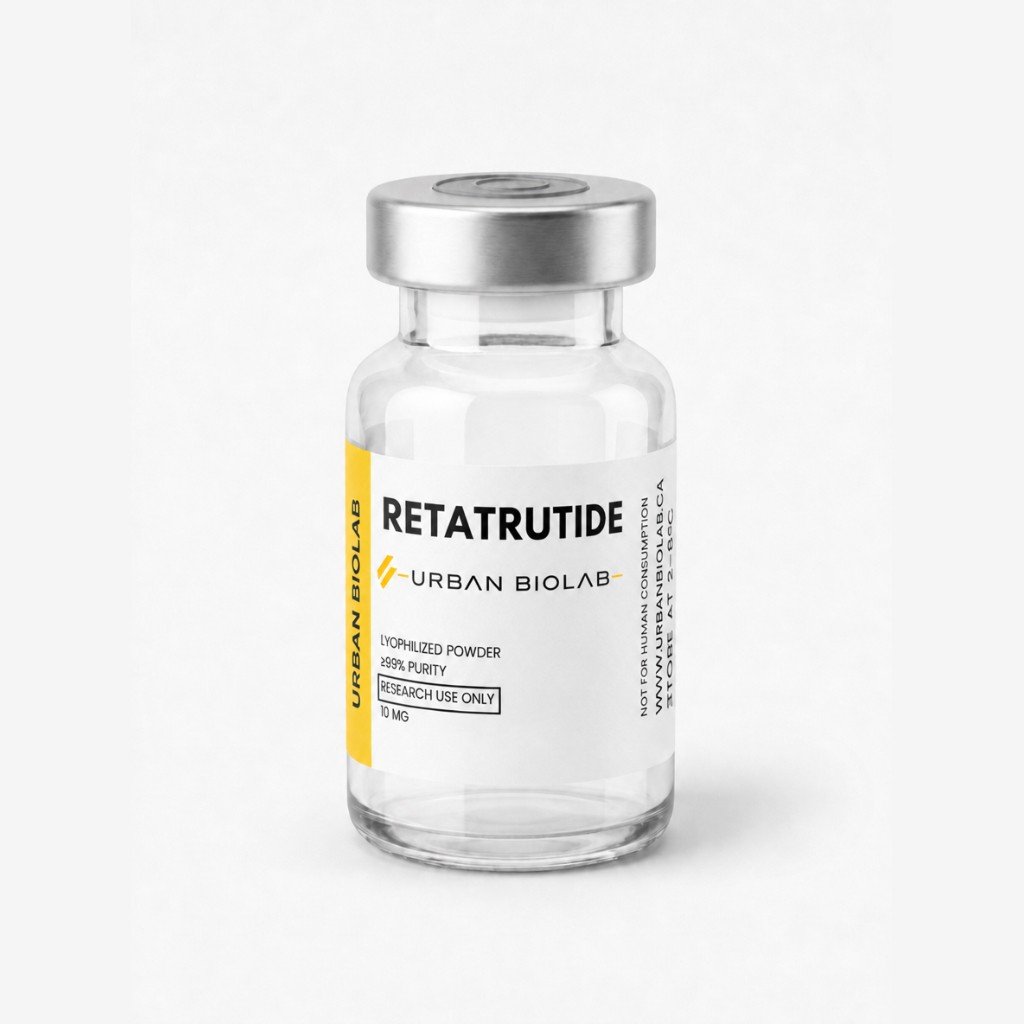
RT (Retatrutide) 10MG
RT10 is a cutting-edge investigational peptide designed for advanced scientific exploration in metabolic health and weight management research. Known for its unique mechanism as a triple agonist (GLP-1, GIP, and glucagon receptors), it has shown promising potential in preclinical studies related to appetite regulation, fat metabolism, and glycemic control.
Frequently Asked Questions (Abbreviated)
How fast will I see results?
Most people notice a change in appetite within 1-2 weeks and see visible weight loss in the first month.
What if I stop taking it?
Research is clear: most people regain a significant portion of the weight (60-70%) within a year. This is a long-term treatment, not a short-term fix.
Can I use it if I don’t have diabetes?
Yes. Semaglutide (Wegovy) and Tirzepatide (Zepbound) are specifically approved for weight loss in people without diabetes.
What’s the difference between Ozempic and Wegovy?
They are the exact same drug (semaglutide). Ozempic is approved for diabetes, Wegovy for weight loss. Wegovy comes in a slightly higher maximum dose.
Are research peptides the same as prescription meds?
They contain the same active compound, but are sold for “research purposes only.” Quality suppliers provide purity testing, but they are not approved by Health Canada for human use.
What if I miss a dose?
If it’s been less than 5 days since your missed dose, take it. If it’s been more than 5 days, skip it and take your next scheduled dose. Never double-dose.
Glossary (Abbreviated)
- GLP-1: A natural gut hormone that regulates appetite and blood sugar.
- GIP: Another gut hormone that works synergistically with GLP-1.
- Agonist: A substance that mimics a natural hormone by binding to and activating its receptor.
- Dual Agonist: A drug that activates two receptors (e.g., Tirzepatide targets GLP-1 and GIP).
- Gastric Emptying: The rate at which food leaves the stomach.
- Dose Escalation: The process of gradually increasing a medication dose to minimize side effects.
References (Condensed)
- Jastreboff AM, et al. New England Journal of Medicine. 2022. (SURMOUNT-1 Trial for Tirzepatide)
- Rodriguez PJ, et al. Diabetes Therapy. 2024. (Real-world effectiveness of Tirzepatide vs. Semaglutide)
- Ghusn W, et al. Obesity Medicine. 2024. (Review of GLP-1 agonists for obesity)
Disclaimer
This article is for educational purposes only and does not constitute medical advice. Always consult with a qualified healthcare provider before starting any new treatment. Research peptides are sold strictly for research purposes and are not intended for human consumption. Individual results may vary.