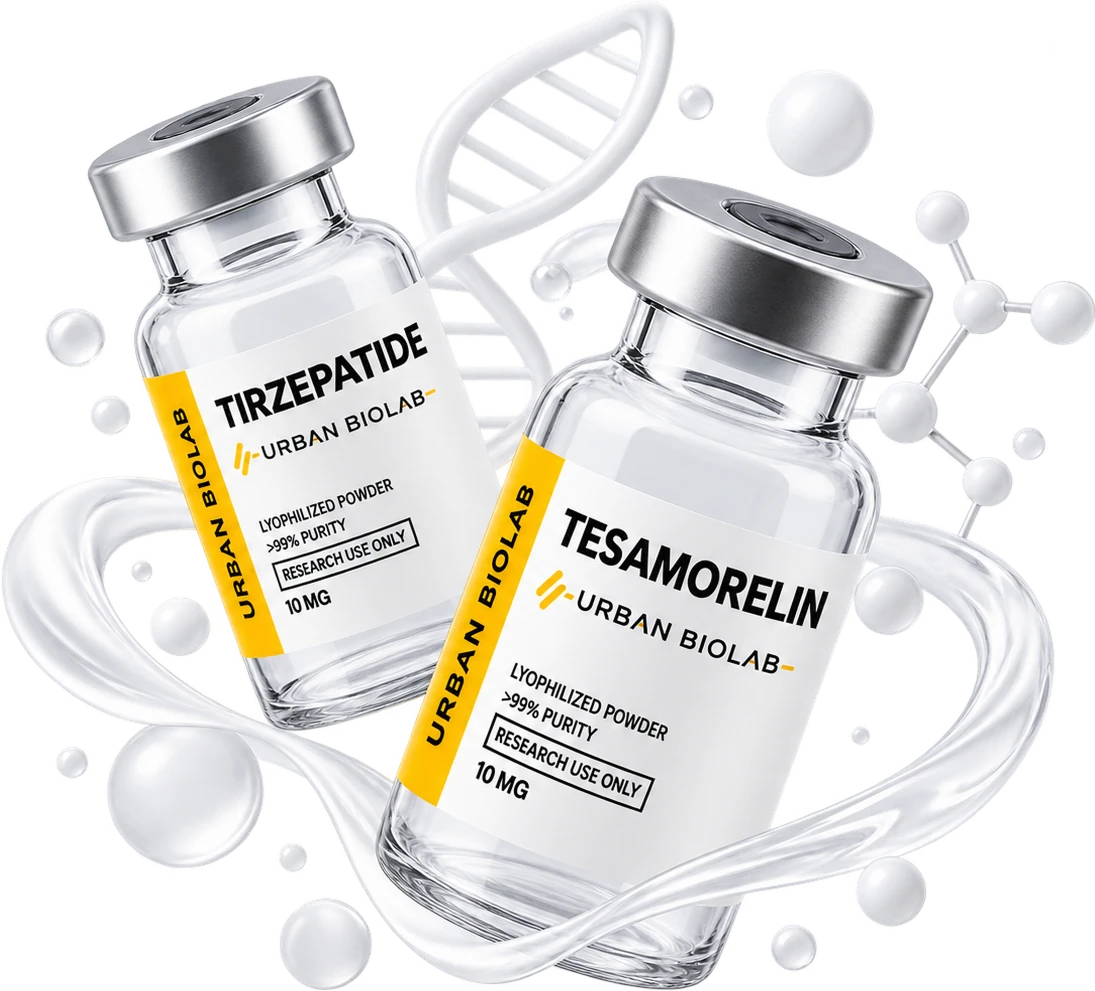
Peptides are tiny but mighty molecules that your body relies on for countless biological tasks. These short chains of amino acids serve as both building blocks and signaling messengers, keeping your cells running smoothly. Lately, they’ve become a hot topic in longevity research—especially because of how they influence autophagy, your body’s built-in recycling system for cellular cleanup.
What Exactly Is Autophagy?
Think of autophagy as your cells’ version of a recycling program. It’s the process where damaged proteins, worn-out organelles, and other cellular junk get broken down and either recycled or eliminated. This matters a lot as we age, because our natural ability to manage cellular waste tends to slow down over time.
How Peptides Factor Into Autophagy
Longevity peptides are specialized peptides that zero in on autophagy pathways and give them a boost. By doing this, they may help slow aging and support a longer, healthier life.
Why Autophagy Matters for Aging
Studies on everything from yeast to mice have shown that ramping up autophagy through various methods—including peptide interventions—can meaningfully change aging patterns. This hints that enhancing autophagy could be a solid strategy for extending lifespan.
For Canadians looking for evidence-based approaches to healthy aging, understanding how peptides regulate cellular cleanup offers valuable insight into emerging longevity strategies.
One approach involves human growth hormone (HGH), a peptide that’s shown promise in boosting autophagy and supporting overall well-being as we age.
Here’s what we’ll cover in this article:
- The different forms of autophagy and how they keep cells healthy
- The specific ways peptides influence autophagic mechanisms
- Why autophagy declines with age and what that means for longevity
- Current methods for enhancing autophagy to extend lifespan
- The regulatory landscape for longevity peptides in Canada
- Future possibilities for peptide-based interventions in healthy aging
Understanding Autophagy and Its Types
Autophagy allows cells to recycle and remove damaged components. It maintains balance between energy production and waste removal, keeping cells functioning properly.
There are three main types of autophagy, each with its own method for cleaning up cells:
1. Macroautophagy
Macroautophagy is the most well-known form. During this process, structures called autophagosomes form around cellular materials that need to be degraded. These autophagosomes then merge with lysosomes—compartments containing enzymes that break down substances. The resulting structure, called an autolysosome, is where targeted material gets broken down into basic building blocks. These blocks can then be reused for functions like making new proteins or producing energy.
2. Microautophagy
Microautophagy takes a different approach. Instead of forming separate vesicles, lysosomes or late endosomes directly engulf small portions of cytoplasm containing materials that need degradation. The lysosomal membrane folds inward to capture cargo through protrusions or invaginations. This process is more immediate and handles smaller-scale degradation tasks compared to macroautophagy.
3. Chaperone-Mediated Autophagy (CMA)
Chaperone-mediated autophagy (CMA) is unique because it selectively targets specific proteins for degradation. This pathway recognizes proteins with particular sequences called pentapeptide motifs (related to KFERQ). A chaperone protein called HSPA8 binds to these motifs and transports tagged proteins directly to the lysosomal membrane receptor LAMP2A. Unlike other forms of autophagy, CMA doesn’t require vesicle formation; instead, proteins unfold and pass through the lysosomal membrane into the organelle where they’re broken down.
Each type of autophagy plays an important role in maintaining cellular health by regulating protein turnover and responding to changes in nutrient availability or stress conditions. Macroautophagy has been extensively studied for its implications in various diseases and potential therapeutic applications.
The Important Role of Peptides in Autophagy
Peptides are essential to autophagy, serving two main purposes: acting as cargo receptors and signaling molecules. Their primary function is facilitating the selective breakdown of cellular components. These short amino acid chains serve as identification markers, guiding specific proteins and organelles toward lysosomal degradation pathways. In simpler terms, peptides are how cells communicate which parts need to be eliminated during autophagy.
How Peptides Work in Autophagy
Peptides contribute to autophagy by performing these functions:
Cargo Receptor Function: Peptides act as bridges between substrates that need degradation and the machinery responsible for carrying out autophagy. These specialized peptides have specific sequences that can bind both to cargo (substances targeted for destruction) and to proteins involved in autophagy, ensuring accurate delivery of damaged or unnecessary cellular materials.
Signaling Role: Peptides also function as signaling molecules, conveying information about which components should be removed from the cell. They do this by interacting with other proteins and signaling pathways involved in autophagy, influencing the overall process.
Selective Autophagy and the Importance of Peptide Recognition
One area where peptides are particularly active is selective autophagy. This type of autophagy requires cells to differentiate between healthy and dysfunctional components with great precision.
In these cases, peptides serve as recognition signals that help cells identify which specific proteins or organelles should be targeted for degradation. This is crucial because indiscriminate destruction of cellular parts can harm cell function.
Example: KFERQ-like Peptide Motifs in Chaperone-Mediated Autophagy
One fascinating example of how peptides contribute to selectivity in autophagy involves KFERQ-like peptide motifs. These motifs are short sequences (typically five amino acids long) found within certain proteins.
The presence of these KFERQ-like sequences acts as a signal for chaperone-mediated autophagy (CMA), a specific pathway through which proteins are degraded by lysosomes. When a protein contains this motif or its biochemical variants, it becomes a target for CMA-mediated degradation.
The chaperone protein HSPA8 plays a key role here by recognizing these KFERQ-like sequences, binding to them, and escorting tagged proteins directly to lysosomal membranes where they’re broken down.
Maintaining Protein Turnover through Peptide-Mediated Selectivity
The ability of cells to maintain control over protein turnover is vital for overall health and functionality. By utilizing peptide-based recognition systems like KFERQ-like motifs, cells can selectively degrade specific proteins based on their needs or environmental conditions.
For example:
- During times of stress or nutrient deprivation, cells may rely on this selective system to eliminate unnecessary or damaged proteins while conserving resources.
- Oxidative damage can lead to accumulation of dysfunctional proteins that need removal to restore cellular homeostasis.
This level of discrimination achieved through peptide-mediated selectivity is something bulk autophagy processes can’t accomplish effectively. Bulk autophagy refers to a non-specific form of degradation where larger portions of cellular material are engulfed and destroyed without regard for individual components’ status or function.
By targeting oxidized, misfolded, or otherwise damaged proteins specifically via peptide signals while leaving intact functional cellular parts untouched, organisms can ensure proper maintenance and repair mechanisms are upheld within their cells.
Molecular Regulators Involving Peptides That Control Autophagy
Autophagy is regulated by a complex network of molecules, including peptides and protein complexes, that work together. At the center of this regulation is mTOR (mechanistic target of rapamycin), an enzyme that acts as a master inhibitor of autophagy. When plenty of nutrients are available, mTOR sends signals to suppress the ULK1 complex, preventing autophagy from starting. This mechanism ensures cells only activate their cleanup systems when they really need to.
On the other hand, AMPK (AMP-activated protein kinase) acts as a counterbalance to mTOR. AMPK is activated during times of energy stress and triggers autophagy in response. When cellular ATP levels drop, AMPK directly activates ULK1 and also inhibits mTOR at the same time. This dual action creates a powerful signal for inducing autophagy during metabolic stress.
The Role of the ULK1 Complex
The ULK1 complex plays a crucial role in initiating autophagy. It’s made up of several proteins, including ULK1, ATG13, FIP200, and ATG101. Each protein has specific regions that allow them to interact with each other and undergo regulatory changes. Once the ULK1 complex is activated, it sends signals to other proteins involved in forming autophagosomes.
The Importance of the ATG Conjugation System
Another important mechanism for expanding autophagosomes involves peptides called ATGs (autophagy-related proteins). There are two main pathways in this system:
- The ATG12-ATG5-ATG16L1 complex, which acts as a scaffold for elongating membranes
- The LC3 lipidation pathway, where LC3-I is converted into membrane-bound LC3-II through various enzymes
The Function of LC3 Proteins
LC3 proteins (microtubule-associated protein 1 light chain 3) have specific sequences targeted by certain enzymes for modification. These modifications include cutting and attaching lipid molecules to LC3. As a result, LC3-II becomes part of the membranes surrounding autophagosomes and serves two purposes: providing structural support and serving as a docking site for other proteins involved in fusion with lysosomes or degradation processes.
Age-Related Decline in Autophagic Activity and Its Impact on Longevity
As you get older, your cells face a significant challenge: autophagy becomes less efficient. This decline happens for several reasons:
- Reduced expression of essential autophagy genes: Genes responsible for regulating autophagy aren’t as active as they used to be.
- Decreased lysosomal enzyme activity: Lysosomes are the cellular structures that break down waste materials. With age, the enzymes in lysosomes may not work as effectively.
- Impaired formation of autophagosomes: Autophagosomes are structures that engulf damaged components and transport them to lysosomes for degradation. Their formation may be disrupted with age.
Consequences of Declining Autophagy
When autophagy becomes less effective, several problems arise:
- Accumulation of damaged proteins: Proteins that are misfolded or oxidized can’t be cleared away efficiently, leading to buildup within cells.
- Dysfunctional organelles: Mitochondria, the energy-producing structures in cells, may become dysfunctional and unable to generate sufficient energy.
- Impaired clearance of other cellular components such as lipids and organelles.
These issues contribute to what researchers call “cellular garbage”—the accumulation of damaged materials that disrupts normal cellular functions.
Impact on Proteostasis
Proteostasis refers to the delicate balance between protein synthesis, folding, and degradation processes in cells. When autophagy weakens, proteostasis is significantly affected:
- Toxic protein aggregates: Impaired protein quality control leads to formation of aggregates that can harm cells.
- Decreased energy production: Reduced clearance of damaged mitochondria (mitophagy) results in lower energy output from these organelles.
- Cellular dysfunction: Accumulation of lipofuscin, an age-related pigment associated with cellular dysfunction, indicates compromised proteostasis.
- Impaired protein synthesis: Compromised endoplasmic reticulum function affects production of new proteins.
Effects Beyond Individual Cells
The consequences of declining autophagy extend beyond individual cells:
- Chronic disease development: Reduced organelle quality control contributes to onset of chronic diseases such as neurodegenerative conditions (e.g., Alzheimer’s and Parkinson’s disease) where protein aggregates play central roles.
- Damage to cardiovascular system
- Negative impact on metabolic health
- Impairment of immune function
Evidence from Studies
Research shows that cells from older organisms have a significantly reduced capacity for autophagy compared to younger ones—by about 40-50%. This decline creates a vicious cycle:
- Accumulation of damaged cellular components occurs due to ineffective clearance mechanisms.
- Oxidative stress is generated as a result of this accumulation.
- Further impairment occurs in autophagy due to oxidative stress.
This cycle accelerates the aging process itself.
The Hallmark of Biological Aging
One key characteristic of biological aging is the inability to maintain cellular balance through efficient autophagy. As we age, our bodies struggle more and more with keeping cells clean and functioning optimally—a process crucial for overall health and longevity.
Enhancing Autophagy for Lifespan Extension: Genetic and Pharmacological Approaches
Scientists have developed multiple strategies to counteract age-related autophagic decline, targeting both genetic pathways and pharmacological interventions. These approaches aim to restore cellular cleanup mechanisms that naturally deteriorate over time.
Genetic Enhancement Strategies
Researchers have successfully extended lifespan in model organisms by manipulating genes directly involved in autophagy regulation. Overexpression of autophagy-related genes (ATGs) in yeast, worms, and flies has demonstrated significant longevity benefits. Similar effects occur when scientists reduce insulin/IGF1 signaling pathways, which naturally suppresses autophagy. These genetic modifications essentially reprogram cells to maintain youthful levels of cellular cleanup throughout the organism’s life.
Caloric restriction mimetics represent another genetic approach, activating the same molecular pathways triggered by reduced food intake without requiring actual dietary changes. This method stimulates AMPK and inhibits mTOR—two key regulators that control autophagic activity at the cellular level.
Pharmacological Agents for Autophagy Activation
Several naturally occurring compounds have shown remarkable potential for lifespan extension through autophagy enhancement:
Spermidine stands out as one of the most promising pharmacological agents. This polyamine naturally present in aged cheese, mushrooms, and legumes has extended lifespan in yeast, flies, worms, and mice by up to 25% in some studies. Spermidine works by inhibiting histone acetyltransferases, which triggers autophagy induction and improves cardiac function in aging animals.
Resveratrol, found in red wine and grapes, activates SIRT1 proteins that promote autophagy while reducing oxidative stress. Clinical trials have shown resveratrol improves metabolic markers associated with healthy aging, though its bioavailability remains a challenge for therapeutic applications.
Rapamycin directly inhibits mTOR, the master regulator that suppresses autophagy when nutrients are abundant. Despite concerns about immune suppression at high doses, intermittent rapamycin treatment has extended lifespan in mice without significant adverse effects.
Additionally, certain dietary interventions such as specific nutrient intakes can play a crucial role in enhancing autophagy and promoting longevity.
Chaperone-Mediated Autophagy (CMA) Specifics and Longevity Implications
Chaperone-mediated autophagy operates through a highly selective mechanism that distinguishes it from other autophagic pathways. The process begins when the HSPA8 chaperone protein (also known as HSC70) recognizes substrate proteins containing KFERQ-like pentapeptide motifs. This molecular recognition system allows CMA to target specific proteins for degradation rather than engulfing cellular contents indiscriminately.
How CMA Works
Here’s a breakdown of how chaperone-mediated autophagy (CMA) works:
- Recognition: The HSPA8 chaperone protein identifies substrate proteins with specific motifs.
- Binding: The targeted protein-chaperone complex attaches to LAMP2A at the lysosomal membrane.
- Multimerization: LAMP2A molecules come together to form a translocation complex.
- Translocation: The unfolded substrate crosses into the lysosomal lumen for degradation.
Importance of LAMP2A in CMA Regulation
LAMP2A plays a crucial role in regulating CMA. It acts as both a receptor and translocation channel, determining the efficiency of the process. The stability and levels of LAMP2A directly influence CMA activity.
During times of cellular stress or nutrient deprivation, cells respond by upregulating LAMP2A. This adaptive mechanism increases protein degradation capacity, allowing cells to cope with challenging conditions.
The Connection Between CMA and Aging
The relationship between CMA and aging becomes evident when we look at LAMP2A stability throughout an organism’s life. As organisms age, there’s a significant decline in LAMP2A levels due to several factors:
- Decreased transcription of the LAMP2A gene
- Reduced stability of LAMP2A protein at the lysosomal membrane
- Impaired trafficking and delivery of newly synthesized LAMP2A
- Increased degradation of existing LAMP2A molecules
This age-related decline in CMA creates a vicious cycle where damaged proteins accumulate because the cell can’t efficiently remove them. The buildup of oxidized and misfolded proteins contributes to cellular dysfunction, metabolic imbalance, and development of age-related diseases.
Potential Solutions: Targeting CMA for Longevity
Research into longevity peptides offers hope for combating this decline in CMA activity. These peptides have the potential to stabilize LAMP2A or enhance HSPA8 recognition efficiency, thereby maintaining proper protein turnover even in aging cells.
By targeting the underlying mechanisms of CMA regulation, scientists aim to develop interventions that promote healthy aging and mitigate age-associated diseases.
Understanding these intricate connections between cellular processes like autophagy and longevity opens up new avenues for therapeutic strategies aimed at promoting lifespan extension while preserving overall healthspan.
Practical Insights into Longevity Peptides in Canada’s Context
The landscape for longevity peptides in Canada presents unique opportunities and challenges for those seeking to harness these compounds for healthy aging. Canadian consumers currently access peptide-based products through several channels, though the regulatory framework shapes what’s available and how these therapies reach the market.
Understanding Peptide Classification in Canada
Health Canada classifies peptides based on their intended use and claims. Products marketed as natural health products (NHPs) must obtain a Natural Product Number (NPN) or Homeopathic Medicine Number (DIN-HM) before sale. This classification affects many peptide therapies’ availability in the Canadian marketplace, as manufacturers must demonstrate safety and efficacy through clinical evidence or traditional use documentation.
The Role of Regulatory Framework
The regulatory landscape in Canada distinguishes between:
- Prescription peptide therapies requiring physician oversight and pharmacy dispensing
- Natural health products containing peptide ingredients with approved health claims
- Research-grade compounds available through specialized compounding pharmacies
- Cosmetic products incorporating peptides for topical application
Compounding pharmacies play a significant role in peptide accessibility, preparing customized formulations under prescription. These facilities operate under provincial pharmacy regulations and must adhere to strict quality standards outlined by the National Association of Pharmacy Regulatory Authorities (NAPRA).
Implications for Consumers
The distinction between therapeutic peptides and supplements creates practical implications for consumers. Peptides claiming to treat, prevent, or cure age-related diseases require prescription status and undergo rigorous evaluation. Products positioned as supplements supporting general wellness face less stringent requirements but cannot make disease-specific claims.
For instance, NAD+ is a popular longevity peptide that has gained traction among Canadians seeking anti-aging solutions. Similarly, Epitalon, a peptide known for its potential in reversing aging, has been subject to much interest. However, it’s crucial to discern between genuine therapeutic benefits and marketing hype—an aspect thoroughly examined in articles like this one on the secrets of Epitalon.
Considerations for Healthcare Practitioners
Canadian healthcare practitioners prescribing peptide therapies must consider provincial regulations governing off-label use and patient consent. The College of Physicians and Surgeons in each province provides guidance on emerging therapies, including peptide-based interventions for aging-related conditions.
Navigating Import Regulations
Import regulations add another layer of complexity. Canadians ordering peptides internationally face potential customs seizures if products lack proper authorization. Health Canada’s Border Integrity Program monitors shipments containing therapeutic substances, including peptides marketed for anti-aging purposes.
Exploring Additional Options
In addition to these challenges, there are specific avenues such as purchasing HGH kits which are also part of the longevity peptide spectrum available in Canada.
Future Directions: Exploring the Potential of Longevity Peptides for Healthy Aging
The world of longevity peptides is at an exciting point. New technologies like AI-driven peptide design are making it possible to create highly specific molecules that target individual autophagic pathways with unprecedented precision. In the next ten years, we can expect to see personalized peptide therapies designed specifically for you, based on your unique genetic profile and aging markers.
Promising Areas for Future Research
Here are some potential areas for future research:
- Development of oral bioavailable peptides that maintain stability through digestive processes
- Combination therapies pairing peptides with existing autophagy activators like spermidine
- Tissue-specific delivery systems ensuring peptides reach target organs efficiently
- Long-term human clinical trials establishing safety profiles and efficacy metrics
Canadian research institutions have a great opportunity to lead this effort. The country’s strong healthcare system and focus on evidence-based medicine make it an ideal place for rigorous peptide studies. You can help support this progress by advocating for more funding toward aging research and participating in clinical trials when appropriate.
The Importance of Collaboration and Transparency
It’s important that researchers, clinicians, and regulatory bodies work together to explore these compounds responsibly. You deserve access to therapies backed by solid scientific evidence rather than marketing hype. As the field develops, being open about both the benefits and limitations will be crucial in integrating longevity peptides into mainstream healthcare approaches that truly promote healthy aging.
FAQs (Frequently Asked Questions)
What is autophagy and why is it important for healthy aging?
Autophagy is a conserved catabolic process that maintains cellular homeostasis by degrading and recycling damaged proteins and organelles. Enhancing autophagy plays a crucial role in promoting healthy aging and extending lifespan by preventing the accumulation of cellular damage.
How do peptides contribute to the regulation of autophagy?
Peptides function as cargo receptors and signaling molecules within autophagic pathways. Notably, KFERQ-like peptide motifs facilitate selective degradation during chaperone-mediated autophagy (CMA), while peptides also interact with molecular regulators such as mTOR and AMPK to modulate autophagic activity.
What are the main types of autophagy and their roles?
The three main types of autophagy are macroautophagy, microautophagy, and chaperone-mediated autophagy (CMA). Macroautophagy involves the formation of autophagosomes to engulf cellular debris, microautophagy directly engulfs cytoplasmic components via lysosomal membrane invagination, and CMA selectively degrades proteins containing specific peptide motifs—all contributing to cellular cleanup and longevity.
How does aging affect autophagic activity and what are the consequences?
Autophagic efficiency declines with age, leading to the accumulation of damaged proteins and cellular aging markers. This reduction in proteostasis impairs organelle quality control and increases the risk of chronic diseases, negatively impacting longevity.
What genetic and pharmacological approaches exist to enhance autophagy for lifespan extension?
Experimental strategies include genetic enhancements targeting key autophagy regulators like ULK1 and ATG proteins, as well as pharmacological agents such as spermidine and resveratrol that activate autophagy pathways. These approaches aim to boost autophagic activity to promote healthy aging and extend lifespan.
What is the current status of longevity peptide therapies in Canada?
Longevity peptide treatments and supplements are available in Canada, but their use is subject to regulatory considerations specific to the Canadian healthcare system. Ongoing research and responsible exploration are encouraged to ensure safe and effective application of peptide-based therapies for aging-related conditions.