
The Short Version
Retatrutide is a triple-receptor agonist targeting GIP, GLP-1, and glucagon receptors that delivered 24.2% average weight loss in Phase 2 trials—outperforming both tirzepatide (20.9%) and semaglutide (14.9%). For someone weighing 200 pounds, that’s roughly 48 pounds lost over 48 weeks. The drug activates three metabolic pathways instead of one or two, achieving unprecedented results while maintaining a side effect profile comparable to existing treatments. FDA approval is expected late 2026 to early 2027, pending Phase 3 trial completion. Canadian researchers are particularly engaged with retatrutide’s potential to address obesity across all provinces.
Table of Contents
- The Evolution From Ozempic to Retatrutide
- Understanding Triple-Receptor Agonism
- Clinical Trial Data Analysis
- Head-to-Head Comparison
- How Retatrutide Works in the Body
- Side Effect Profile and Management
- Who Benefits Most From Retatrutide
- Dosing Protocols and Administration
- Beyond Weight Loss: Metabolic Benefits
- FDA Approval Timeline and Access
- Canadian Research Context
- The Future of Obesity Treatment
- Frequently Asked Questions
- Glossary of Terms
- References
The Evolution From Ozempic to Retatrutide
The obesity medication landscape has undergone a dramatic transformation since semaglutide first proved that pharmaceutical intervention could produce meaningful, sustained weight loss. What started as a single-receptor approach targeting GLP-1 has evolved into increasingly sophisticated multi-receptor strategies. Retatrutide sits at the cutting edge of this evolution, and researchers worldwide—including many across Canada—are paying close attention to its unprecedented clinical results.
Semaglutide, sold as Ozempic for diabetes and Wegovy for weight loss, reshaped public perception of obesity treatment when it achieved 14.9% average weight loss in the landmark STEP-1 trial published in the New England Journal of Medicine. For the first time, a medication approached the effectiveness of bariatric surgery without requiring invasive procedures. Patients who had struggled for decades with diet and exercise finally had a pharmaceutical option that produced visible, measurable results.
Then tirzepatide arrived. By adding GIP receptor activation to GLP-1, Eli Lilly created a dual agonist that pushed weight loss to 20.9% in the SURMOUNT-1 trial. The improvement was significant enough that tirzepatide (branded as Mounjaro for diabetes and Zepbound for obesity) quickly captured market share from semaglutide products. Patients and physicians recognized that targeting two metabolic pathways produced better outcomes than targeting one.
The logical question became obvious: what happens when you add a third receptor to the mix?
The Research Pipeline Evolution
The development path from single to dual to triple agonism reflects a broader trend in pharmaceutical research toward increasingly sophisticated molecular design. Early GLP-1 agonists like exenatide and liraglutide proved the concept that incretin-based therapy could produce meaningful metabolic benefits. Each successive generation built upon this foundation with enhanced receptor targeting.
Eli Lilly, having developed tirzepatide, recognized that the dual agonist still left room for improvement. Internal research programs explored additional receptor targets that might complement GIP and GLP-1. The glucagon receptor emerged as the most promising candidate, despite initial skepticism about its role in a weight loss medication.
The retatrutide development program represents years of molecular optimization. Researchers tested numerous peptide variants before identifying the combination that produced optimal receptor binding characteristics. The final molecule balances potency across all three targets while maintaining the pharmacokinetic profile needed for once-weekly dosing.
This iterative approach to medication development mirrors progress in other therapeutic areas. Cancer treatment, for example, has evolved from single-agent chemotherapy to combination regimens targeting multiple pathways. Obesity treatment appears to be following a similar trajectory toward multi-targeted therapies.
Understanding Triple-Receptor Agonism
Retatrutide answers that question definitively. Developed by Eli Lilly as a follow-up to tirzepatide, this peptide activates three distinct receptor types simultaneously:
- GIP receptor: Improves insulin secretion and may enhance fat metabolism
- GLP-1 receptor: Suppresses appetite, delays gastric emptying, and provides the foundation that made earlier medications successful
- Glucagon receptor: Increases energy expenditure and promotes fat oxidation
The glucagon component initially seemed counterintuitive to many researchers. Glucagon raises blood glucose levels, which appears problematic for a medication often used in diabetic populations. However, when combined with GLP-1 activation, something interesting happens. The GLP-1 component offsets glucagon’s hyperglycemic effects while preserving its metabolic benefits. The net result is increased thermogenesis and enhanced fat breakdown without dangerous blood sugar spikes.
Think of it like a three-cylinder engine versus a two-cylinder or single-cylinder design. Each additional cylinder adds power and efficiency. Retatrutide’s triple mechanism creates metabolic effects that compound rather than simply add together. Patients report not just reduced appetite, which GLP-1 provides, but genuine disinterest in food combined with increased energy levels. That qualitative difference suggests the glucagon receptor contributes something distinct from simple appetite suppression.
Canadian researchers at institutions including the University of Toronto and McGill University have published commentary noting that triple agonism may represent a new paradigm in metabolic medicine. The approach addresses obesity from multiple angles simultaneously, much like combination therapy revolutionized treatment for conditions like HIV and hypertension.
Clinical Trial Data Analysis
The Phase 2 trial results that established retatrutide’s potential enrolled over 300 participants with obesity or overweight with comorbidities. Participants were randomized to receive either placebo or one of four retatrutide doses: 1mg, 4mg, 8mg, or 12mg weekly. The trial lasted 48 weeks with a dietary intervention of 500 kcal daily deficit.
24.2% Average Weight Loss at 12mg Dose Over 48 Weeks
The results exceeded expectations across all active treatment arms:
| Dose | Average Weight Loss |
|---|---|
| 1mg | 8.7% |
| 4mg | 15.2% |
| 8mg | 21.1% |
| 12mg | 24.2% |
For context, consider what these percentages mean in practical terms. A person weighing 220 lb at baseline who received the 12mg dose would lose approximately 53 lb over 48 weeks. That same person on maximum-dose semaglutide would lose around 33 lb, while tirzepatide would produce roughly 46 lb of loss. The 7 to 20 lb difference between medications is clinically meaningful and visible.
Perhaps more striking than the averages were the response rates. Among 12mg recipients who completed the trial, 87% achieved at least 15% weight loss. Over half exceeded 25% reduction. These numbers approach bariatric surgery outcomes without the surgical risks, recovery time, or anatomical alterations.
The dose-response relationship followed a remarkably clean linear pattern. Each dose increase from 1mg to 12mg added approximately 3 to 4 percentage points of additional weight loss. This predictability helps clinicians and patients set realistic expectations and allows for individualized dosing based on treatment goals and tolerability.
Weight loss velocity also deserves attention. Participants on retatrutide showed faster initial weight loss compared to semaglutide or tirzepatide at equivalent timepoints. By week 24, the 12mg group had already achieved 17.3% reduction. The trajectory suggests that patients could see motivating results earlier in treatment, potentially improving long-term adherence.
Response Rate Analysis
Beyond averages, response rates paint a more complete picture of what patients can realistically expect. The proportion of participants achieving clinically meaningful thresholds tells physicians and patients whether a medication works broadly or only for select responders.
At the 12mg dose, 63% of retatrutide participants achieved at least 20% weight loss. Compare this to 36.5% of tirzepatide participants in SURMOUNT-1 and just 15% of semaglutide participants in STEP-1 reaching the same threshold. The distribution shifts dramatically toward higher weight loss outcomes with the triple-agonist approach.
Looking at the 15% threshold commonly used as a marker of clinically significant weight loss, 87% of retatrutide completers at 12mg achieved this goal. The consistency is remarkable. If a patient tolerates the titration period and reaches maintenance dosing, they have an overwhelming probability of achieving meaningful results.
Weight Loss Velocity and Trajectory
The speed of weight loss affects patient motivation and adherence. Retatrutide demonstrates faster initial velocity compared to competitor medications at equivalent timepoints.
By week 12, the 12mg group had already achieved 8.7% average weight loss. At week 24, this increased to 17.3%. The trajectory remained steep until approximately weeks 40 to 44, when most participants approached their plateau. This rapid early progress provides visible results that reinforce patient commitment to continued treatment.
Semaglutide, by comparison, typically shows 6 to 7% weight loss at week 12 and 10 to 11% at week 24. Tirzepatide falls between the two, with approximately 8% at week 12 and 12 to 15% at week 24. The head start that retatrutide provides matters psychologically. Patients who see results quickly are more likely to persist through the challenging titration period.
Plateau Considerations
Every obesity medication eventually reaches a plateau where weight loss stabilizes. Understanding when this occurs helps set appropriate expectations and prevents premature discontinuation when progress slows.
Retatrutide participants generally plateaued between weeks 40 and 48. The 48-week trial duration may not have captured maximum potential weight loss for all participants. Longer-term data from ongoing Phase 3 trials will clarify whether some patients continue losing weight beyond one year or whether the plateau represents a true ceiling.
Importantly, the plateau is not failure. Maintaining a 24% weight reduction represents substantial success. The goal shifts from continued loss to preservation of achieved results. Patients expecting endless weight loss will feel disappointed, while those who understand the natural trajectory can celebrate stabilization at a dramatically improved weight.
Head-to-Head Comparison: Retatrutide vs Tirzepatide vs Semaglutide
Comparing these three medications requires examining multiple factors beyond weight loss percentages. Each represents a different generation of incretin-based therapy with distinct characteristics that matter for patient selection.
| Metric | Retatrutide | Tirzepatide | Semaglutide |
|---|---|---|---|
| Average Weight Loss | 24.2% | 20.9% | 14.9% |
| Mechanism | Triple Agonist | Dual Agonist | Single Agonist |
| Nausea Rate | 28% | 25% | 44% |
| Discontinuation Rate | 7% | 6% | 11% |
| FDA Status | Phase 3 Trials | Approved | Approved |
| Injection Frequency | Weekly | Weekly | Weekly |
The efficacy gap between retatrutide and its predecessors is substantial. Retatrutide achieves 16% greater weight loss than tirzepatide and 62% greater than semaglutide when comparing maximum doses. Translated to a 200 lb starting weight, that means 48 lb lost on retatrutide versus 42 lb on tirzepatide or 30 lb on semaglutide.
Side effect profiles show interesting patterns. Despite adding a third receptor target, retatrutide does not produce dramatically worse tolerability. The nausea rate of 28% at the 12mg dose actually falls below semaglutide’s 44% rate. This counterintuitive finding may relate to GIP receptor activation, which appears to moderate GLP-1-related gastrointestinal distress.
Discontinuation rates due to adverse events tell the most important tolerability story. At maximum dose, 7% of retatrutide patients stopped treatment due to side effects, compared to 6% for tirzepatide and 11% for semaglutide. These numbers suggest that most patients who start retatrutide can complete treatment despite its more aggressive metabolic effects.
One critical distinction remains availability. Semaglutide and tirzepatide are FDA-approved and available by prescription today. Retatrutide is still completing Phase 3 trials with approval projected for 2026 or 2027. Patients seeking treatment now must choose between available options, while those willing to wait may benefit from the next-generation compound.
Cost Projections and Economic Considerations
While retatrutide pricing remains unannounced, existing obesity medications provide reference points. Semaglutide (Wegovy) carries a list price of approximately $1,300 CAD monthly. Tirzepatide (Zepbound) lists at roughly $1,100 CAD monthly. Manufacturer discount programs and insurance coverage substantially reduce out-of-pocket costs for many patients.
Economic analyses of obesity medications increasingly demonstrate value despite high prices. The cost per quality-adjusted life year gained compares favorably to treatments for other chronic conditions. As retatrutide produces greater weight loss, its cost-effectiveness ratio may prove even more favorable, supporting coverage decisions by insurers and government programs.
The Canadian market presents unique economic considerations. Drug price negotiations through the Pan-Canadian Pharmaceutical Alliance typically produce lower prices than American markets. However, coverage decisions vary by province, creating a patchwork of access that depends heavily on patient location and insurance status.
Patient Preference and Selection Factors
Choosing among available and future obesity medications involves more than comparing efficacy numbers. Patient-specific factors including medical history, lifestyle, financial situation, and personal preferences all influence optimal medication selection.
Patients with established cardiovascular disease currently benefit from semaglutide’s proven cardiovascular risk reduction, demonstrated in the SELECT trial. Until retatrutide cardiovascular outcome data becomes available, high-risk cardiac patients may prefer the known protective effects of semaglutide despite its lower weight loss efficacy.
Tolerability concerns may favor tirzepatide, which shows the lowest nausea rates among the three medications. Patients who previously discontinued semaglutide due to gastrointestinal side effects often tolerate tirzepatide better. Retatrutide’s intermediate nausea profile suggests similar tolerability to tirzepatide, though individual responses vary.
For patients prioritizing maximum weight loss and willing to wait for FDA approval, retatrutide represents the most promising option currently in late-stage development. The 3 to 4 percentage point efficacy advantage over tirzepatide translates to meaningful additional weight loss for most patients.
How Retatrutide Works in the Body
Understanding retatrutide’s mechanism requires examining each receptor target individually before considering their combined effects.
GLP-1 Receptor Activation
The GLP-1 receptor, located throughout the gut and brain, forms the foundation of modern obesity pharmacotherapy. When activated, it triggers multiple downstream effects. Appetite decreases as hypothalamic signaling tells the brain that the body has received adequate nutrition. Gastric emptying slows dramatically, extending feelings of fullness after meals. Insulin secretion improves in a glucose-dependent manner, meaning the body produces more insulin when blood sugar rises but not at inappropriate times.
GLP-1 also appears to affect reward pathways in the brain. Patients on GLP-1 agonists frequently report reduced interest in alcohol and decreased cravings for highly palatable foods. These effects extend beyond simple appetite suppression to influence the psychological relationship with eating.
GIP Receptor Activation
The GIP receptor adds dimensions that pure GLP-1 agonists lack. GIP, or glucose-dependent insulinotropic polypeptide, enhances insulin secretion through mechanisms that complement GLP-1. More importantly for weight loss, GIP appears to influence fat metabolism directly and may improve the brain’s response to satiety signals.
GIP activation also seems to moderate GLP-1-related nausea. Dual agonists like tirzepatide consistently show lower nausea rates than pure GLP-1 agonists at equivalent efficacy levels. This tolerability advantage allows patients to reach and maintain higher effective doses.
Glucagon Receptor Activation
The glucagon component distinguishes retatrutide from all competitors. Glucagon naturally increases hepatic glucose production and promotes fat breakdown through lipolysis. In isolation, these effects would raise blood sugar and might seem problematic. Combined with GLP-1, however, the hyperglycemic effect is neutralized while the metabolic benefits remain.
Glucagon receptor activation increases resting energy expenditure through enhanced thermogenesis. Patients essentially burn more calories at rest. This addresses a fundamental challenge in weight loss: metabolic adaptation. As people lose weight, their bodies typically reduce energy expenditure to conserve resources. Glucagon activation may partially offset this adaptation, allowing continued weight loss where other approaches plateau.
Synergistic Effects
The three receptors do not merely add their effects together. They create feedback loops and interactions that produce outcomes exceeding what any combination of the individual effects would predict. Researchers describe this as synergy rather than simple additivity.
Consider appetite regulation. GLP-1 reduces appetite centrally. GIP enhances satiety signaling. Glucagon increases energy expenditure. Together, patients eat less, feel satisfied sooner, and burn more of what they do consume. The metabolic arithmetic shifts dramatically in favor of weight loss.
Receptor Binding Dynamics
The molecular design of retatrutide optimizes binding to all three receptor targets. The peptide structure allows simultaneous engagement with GIP, GLP-1, and glucagon receptors in proportions that maximize therapeutic benefit while minimizing opposing effects.
Eli Lilly’s medicinal chemistry team spent years refining the amino acid sequence to achieve optimal receptor selectivity and activation strength. The glucagon receptor, in particular, required careful calibration. Too much glucagon activity would raise blood glucose problematically. Too little would forfeit the metabolic benefits that distinguish retatrutide from dual agonists.
The final molecule achieves what researchers call “balanced agonism.” Each receptor receives appropriate activation relative to the others. This balance produces the clinical results observed in trials without the hyperglycemia that might result from unbalanced glucagon activity.
Pharmacokinetic Profile
Retatrutide’s half-life supports once-weekly dosing. After subcutaneous injection, the peptide absorbs gradually and maintains therapeutic blood levels throughout the seven-day dosing interval. This pharmacokinetic profile mirrors tirzepatide and semaglutide, making the dosing schedule familiar to patients transitioning from other medications.
Peak plasma concentrations occur approximately 8 to 12 hours after injection. Steady-state levels are reached after 4 to 5 weekly doses. The gradual titration protocol ensures that patients reach steady state at each dose level before increasing, reducing the likelihood of adverse effects from sudden concentration spikes.
Side Effect Profile and Management
Every effective medication carries potential adverse effects. Retatrutide’s side effect profile resembles other incretin-based therapies, dominated by gastrointestinal symptoms that typically improve with time and proper management.
Gastrointestinal Effects
Nausea affects approximately 28% of patients at the 12mg dose. This symptom tends to peak during weeks 4 through 8, coinciding with dose escalation periods, then resolves for most patients by week 12. The nausea is generally mild to moderate in severity and rarely leads to discontinuation when managed appropriately.
Diarrhea occurs in about 24% of patients, typically presenting as loose stools rather than urgent or debilitating episodes. Constipation affects 21%, an apparent paradox explained by different mechanisms affecting different patients. Vomiting rates run around 12% at maximum dose.
Management Strategy
Slow dose titration over 3 to 5 months dramatically reduces gastrointestinal side effects. Starting at the lowest dose and increasing gradually allows the body to adapt. Patients should eat smaller, more frequent meals, avoid high-fat foods during the titration period, and stay well-hydrated.
Serious but Rare Events
Pancreatitis occurred in 0.3% of trial participants, similar to rates observed with semaglutide and tirzepatide. All cases resolved with medication discontinuation. Patients with a history of pancreatitis should discuss this risk with their healthcare provider before starting treatment.
Gallbladder events, including cholecystitis and gallstones, affected 1.4% of participants. Rapid weight loss from any cause increases gallbladder disease risk, so this finding is not unique to retatrutide. Some patients may benefit from prophylactic measures during treatment.
Thyroid Considerations
Like all GLP-1 agonists, retatrutide carries a warning about medullary thyroid carcinoma based on rodent studies. This risk has not been confirmed in humans, but patients with personal or family history of medullary thyroid cancer or Multiple Endocrine Neoplasia syndrome type 2 should not use these medications.
Cardiovascular Monitoring
Incretin-based therapies typically produce modest increases in heart rate of 2 to 4 beats per minute. This effect appears related to GLP-1 receptor activation and has not been associated with adverse cardiovascular outcomes in available data. In fact, cardiovascular outcome trials for semaglutide demonstrated reduced major adverse cardiovascular events in high-risk populations.
Retatrutide cardiovascular outcome trials are ongoing. Until results are available, the medication should be used with appropriate monitoring in patients with significant cardiovascular disease. Blood pressure typically decreases with weight loss, but individual responses vary.
Contraindications and Precautions
Certain populations should not receive retatrutide based on trial exclusion criteria and pharmacological principles:
- Personal or family history of medullary thyroid carcinoma (absolute contraindication)
- Multiple Endocrine Neoplasia syndrome type 2
- History of pancreatitis (requires careful consideration)
- Pregnancy and breastfeeding
- Severe gastrointestinal disease, particularly gastroparesis
Who Benefits Most From Retatrutide
Subgroup analyses from the Phase 2 trial reveal which patient populations respond best to retatrutide treatment.
Higher Baseline BMI
Patients with higher starting BMI showed greater absolute weight loss in pounds, though similar percentage reductions. A patient starting at 300 lb lost more total weight than someone starting at 200 lb, even when both achieved similar percentage improvements. This pattern suggests retatrutide remains effective across the obesity spectrum.
Type 2 Diabetes
Participants with type 2 diabetes achieved 19.7% average weight loss at the 8mg dose while also reducing hemoglobin A1C by 2.02 percentage points. The dual benefit of weight loss and glycemic control makes retatrutide particularly attractive for diabetic populations. Notably, 87% of diabetic participants achieved A1C levels below 7.0%, the standard diabetes control target.
Plateau on Other Medications
Patients who have reached a weight loss plateau on semaglutide or tirzepatide represent strong candidates for future retatrutide treatment. The additional glucagon receptor activation provides a new metabolic lever that previous medications did not address.
Those Seeking Alternatives to Surgery
Retatrutide’s 24% weight loss approaches the 25% to 30% typically achieved with gastric sleeve surgery. For patients who cannot undergo surgery due to medical contraindications, personal preference, or other factors, retatrutide may offer comparable outcomes through pharmaceutical intervention.
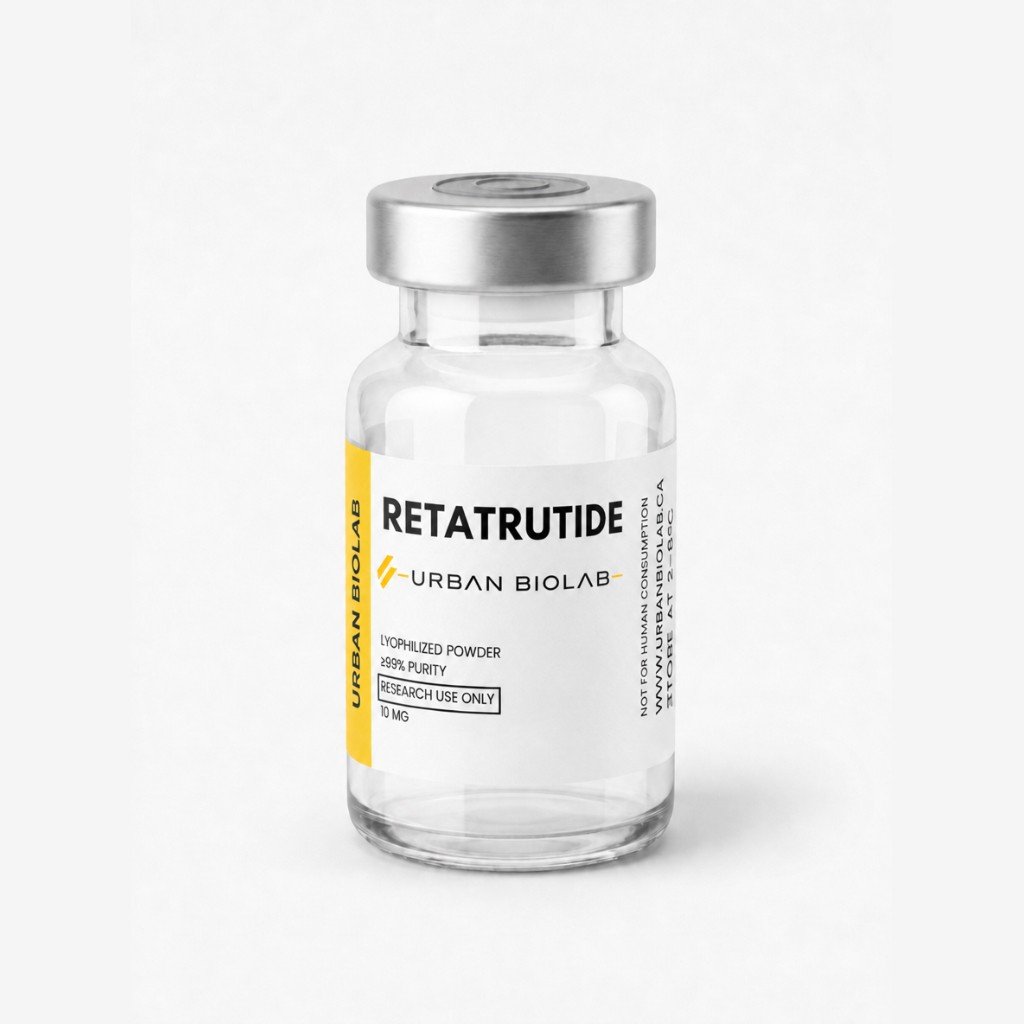
RT (Retatrutide) 10MG
RT10 is a cutting-edge investigational peptide designed for advanced scientific exploration in metabolic health and weight management research. Known for its unique mechanism as a triple agonist (GLP-1, GIP, and glucagon receptors), it has shown promising potential in preclinical studies related to appetite regulation, fat metabolism, and glycemic control.
Dosing Protocols and Administration
Retatrutide is administered as a once-weekly subcutaneous injection, following the same dosing schedule that made semaglutide and tirzepatide convenient for patients.
Titration Schedule
Clinical trials used a gradual titration protocol starting at 2mg weekly and increasing over several months to the target maintenance dose. The typical escalation follows this pattern:
| Weeks | Dose |
|---|---|
| 1-4 | 2mg weekly |
| 5-8 | 4mg weekly |
| 9-12 | 8mg weekly |
| 13+ | 12mg weekly (maintenance) |
This gradual approach allows the gastrointestinal system to adapt, minimizing side effects that cause early discontinuation. Patients who experience significant nausea or other symptoms at a given dose may benefit from extended time at that level before increasing.
Injection Sites and Technique
Subcutaneous injection sites include the abdomen, thigh, or upper arm. Rotating sites between injections helps prevent lipodystrophy or injection site reactions. The medication should be stored refrigerated and brought to room temperature before injection to reduce discomfort.
Missed Dose Guidance
If a dose is missed, patients should take it as soon as remembered if within 48 hours of the scheduled dose. If more than 48 hours have passed, skip the missed dose and resume the regular schedule with the next injection. Do not double doses to compensate for missed injections.
Consistent dosing maximizes therapeutic benefit. Setting reminders and establishing a routine injection day helps maintain adherence. Some patients find that linking the injection to a specific weekly activity creates a reliable reminder system.
Storage Requirements
Retatrutide requires refrigeration at 2 to 8 degrees Celsius until first use. After first use, pens may be stored at room temperature up to 30 degrees Celsius or refrigerated for the duration of use. Protect from light and do not freeze. Frozen medication should not be used even if subsequently thawed.
When traveling, insulated carriers with cold packs maintain appropriate temperatures. Airport security typically permits medications with proper labeling. Extended travel in hot climates requires careful planning to ensure medication integrity throughout the trip.
Combination Considerations
Retatrutide should not be combined with other GLP-1, GIP, or glucagon receptor agonists. The overlapping mechanisms create excessive receptor stimulation and increase adverse effect risk without proportionate efficacy gains. Patients currently on semaglutide or tirzepatide must discontinue before starting retatrutide.
Interaction with insulin requires dose adjustment. The blood glucose lowering effects of both medications can cause hypoglycemia when combined. Diabetic patients starting retatrutide typically reduce insulin doses by 20 to 30% initially, with further adjustments based on glucose monitoring.
Oral medications may be affected by delayed gastric emptying. Drugs requiring rapid absorption may show altered pharmacokinetics. Patients on narrow therapeutic index medications should discuss timing and potential interactions with their healthcare provider.
Beyond Weight Loss: Metabolic Benefits
Weight loss alone does not capture retatrutide’s full therapeutic potential. The medication produces metabolic improvements that extend beyond pounds lost on the scale.
Glycemic Control
Even in non-diabetic participants, retatrutide improved fasting glucose and insulin sensitivity. For prediabetic individuals, these effects may prevent or delay progression to type 2 diabetes. The triple-agonist mechanism addresses glucose regulation from multiple angles simultaneously.
Lipid Improvements
Trial participants showed reductions in triglycerides and improvements in HDL cholesterol that exceeded what weight loss alone would predict. These changes reduce cardiovascular risk independent of body weight changes.
Blood Pressure Reduction
Both systolic and diastolic blood pressure decreased in treatment groups. While some reduction correlates with weight loss, the magnitude suggests direct effects on vascular function or fluid balance.
Liver Health
Markers of liver health improved significantly in participants with elevated baseline values. Given the association between obesity and non-alcoholic fatty liver disease, this finding has substantial clinical relevance. Some researchers speculate that retatrutide may eventually find use in NAFLD treatment specifically.
Liver enzyme elevations that commonly accompany obesity and metabolic syndrome decreased during treatment. ALT and AST values normalized in many participants who began treatment with elevated levels. These improvements correlate with but may exceed what weight loss alone would predict, suggesting direct hepatoprotective effects.
Non-alcoholic steatohepatitis trials are under consideration. If retatrutide demonstrates efficacy in this population, the indication could expand substantially. Liver disease currently lacks effective pharmaceutical treatment options, creating significant unmet medical need.
Inflammatory Markers
Obesity is associated with chronic low-grade inflammation that contributes to cardiovascular disease, insulin resistance, and other complications. C-reactive protein and other inflammatory markers decreased during retatrutide treatment.
The anti-inflammatory effects likely result from multiple mechanisms. Weight loss itself reduces inflammatory burden. Direct effects on adipose tissue may alter cytokine production. Improved metabolic parameters reduce the inflammatory stress of dysregulated glucose and lipid metabolism.
Sleep Apnea and Respiratory Function
Obstructive sleep apnea affects a substantial proportion of obese individuals. Weight loss from retatrutide treatment would be expected to improve apnea-hypopnea index scores, though specific respiratory data has not been published from current trials.
Anecdotal reports from trial participants mention improved sleep quality and reduced daytime somnolence. As weight decreases, airway obstruction diminishes. Some patients may eventually discontinue CPAP therapy, though this decision requires evaluation through repeat sleep studies.
Quality of Life Improvements
Beyond measurable biomarkers, patients report subjective quality of life improvements that impact daily functioning. Physical mobility increases as joint stress decreases. Energy levels improve despite reduced caloric intake. Self-confidence and social comfort often increase as body composition changes.
Mental health outcomes show mixed results across obesity medication trials. Some patients report improved mood and reduced anxiety as weight decreases. Others experience challenges with changing body image or social dynamics. Psychological support during treatment helps patients navigate these transitions.
FDA Approval Timeline and Access
Retatrutide currently progresses through Phase 3 clinical trials, the final stage before potential FDA approval. Understanding this timeline helps patients and clinicians plan appropriately.
Current Status
Multiple Phase 3 trials are underway evaluating retatrutide in different populations including adults with obesity, adults with type 2 diabetes, and special populations. These large-scale trials will confirm the Phase 2 findings in broader, more diverse groups and identify any rare adverse events that smaller trials might miss.
Projected Timeline
Based on typical FDA review processes and announced trial completion dates, approval could arrive between late 2026 and early 2027. Following approval, pharmacy availability typically follows within 3 to 6 months as manufacturing scales and distribution networks are established.
Current Access Options
Until FDA approval, options for accessing retatrutide remain limited. Clinical trial participation offers one pathway for eligible patients. Searches on ClinicalTrials.gov reveal ongoing studies accepting participants. Trial enrollment provides free medication but requires significant time commitment for monitoring visits and carries the possibility of placebo assignment.
Research peptide suppliers represent another access point in certain jurisdictions. These products are sold for research purposes and are not approved for human use. Quality varies significantly between suppliers, making verification of purity and sterility essential for anyone considering this route.
When evaluating research peptide sources, look for suppliers providing comprehensive quality documentation including third-party HPLC/MS testing results and certificates of analysis confirming 98%+ purity. Red Fox Peptides provides Canadian researchers with access to verified peptides shipped domestically within 2 to 4 days from British Columbia.
Canadian Research Context
Canadian researchers and healthcare institutions have shown particular interest in retatrutide’s development. The obesity epidemic affects Canadians across all provinces, with rates continuing to climb despite public health interventions.
Health Canada will conduct its own regulatory review following FDA approval, though the timeline typically runs 6 to 12 months behind American authorization. Provincial drug plans will then negotiate coverage, a process that varies significantly between provinces.
Research institutions including the University of British Columbia, University of Toronto, and McGill University maintain active metabolic research programs monitoring developments in multi-agonist therapies. Canadian physicians who specialize in obesity medicine increasingly view triple agonists as the next standard of care once they become available.
For Canadian researchers studying these compounds, domestic suppliers eliminate the delays and customs complications associated with international shipping. Research-grade peptides sourced within Canada reach laboratories faster and maintain cold chain integrity throughout transit.
Provincial Considerations
Each Canadian province manages its own drug formulary and coverage decisions. British Columbia, Ontario, and Quebec typically lead in adopting new obesity medications, while smaller provinces may lag in coverage decisions. Private insurance plans often provide coverage before provincial plans for novel therapies.
Out-of-pocket costs for obesity medications remain substantial for patients without coverage. The absence of universal pharmacare in Canada creates access disparities based on employment status, insurance coverage, and provincial residence. Advocacy groups continue pushing for improved obesity treatment coverage across all jurisdictions.
Canadian Clinical Trial Participation
Several Canadian sites participate in ongoing retatrutide Phase 3 trials. Patients interested in early access through clinical research can search ClinicalTrials.gov for Canadian locations. Major academic medical centers in Toronto, Vancouver, Montreal, and Calgary frequently host metabolic medication trials.
Trial participation offers free medication and close medical monitoring. The trade-offs include time commitment for study visits, possibility of placebo assignment, and restrictions on concurrent treatments. For patients who cannot wait for commercial availability and meet eligibility criteria, trials represent a legitimate access pathway.
The Future of Obesity Treatment
Retatrutide likely represents a waypoint rather than a destination in obesity pharmacotherapy. Several trends suggest even more effective treatments may follow.
Beyond Triple Agonism
Pharmaceutical companies are already investigating quad-agonist compounds that add amylin receptor activation to the GIP/GLP-1/glucagon combination. Each additional target potentially increases efficacy, though complexity and side effect profiles must be carefully balanced.
Amylin, co-secreted with insulin from pancreatic beta cells, contributes to satiety signaling and glucose regulation. Adding this fourth receptor could push weight loss beyond what triple agonists achieve. Early preclinical data suggests the approach has merit, though human trials remain years away.
Oral Formulations
Injectable medications create barriers for some patients. Oral GLP-1 agonists already exist, and oral formulations of multi-agonists may follow. Eliminating the need for self-injection would expand the patient population willing to use these treatments.
The technical challenges are substantial. Peptide molecules typically degrade in the gastrointestinal tract before reaching systemic circulation. Semaglutide’s oral formulation uses permeation enhancers that protect the peptide and facilitate absorption. Similar technologies could eventually enable oral retatrutide or its successors.
Personalized Medicine
Genetic and metabolic profiling may eventually allow clinicians to predict which patients will respond best to specific medications. Rather than trial and error, treatment selection could become targeted from the start.
Research into pharmacogenomics of obesity medications is ongoing. Certain genetic variants may influence receptor sensitivity, metabolic response, or side effect susceptibility. As this science matures, blood tests before treatment initiation could guide medication selection and dosing.
Combination Approaches
Some researchers advocate combining pharmaceutical treatment with intensive lifestyle intervention for maximal results. Others explore adding medications with complementary mechanisms, such as SGLT2 inhibitors or other metabolic modulators.
The concept of medication plus surgery also warrants investigation. Some patients may achieve better outcomes with lower bariatric procedure intensity combined with pharmaceutical support. This hybrid approach could reduce surgical risk while preserving efficacy.
Long-Term Maintenance Strategies
The greatest challenge in obesity treatment remains long-term weight maintenance. Medications produce impressive initial results, but biology pushes toward weight regain when treatment stops. Developing strategies for sustainable long-term management represents the next frontier.
Options under investigation include maintenance dosing protocols at reduced levels, cycling on and off medications, and combining pharmaceutical treatment with behavioral interventions designed for the maintenance phase. The goal is breaking the cycle of weight loss followed by regain that has characterized obesity treatment historically.
Insurance and Healthcare System Adaptation
As highly effective obesity medications become available, healthcare systems must adapt coverage policies. Currently, many insurers treat obesity differently from other chronic diseases, denying coverage for treatments they would approve for diabetes or cardiovascular disease.
The economic argument for coverage is strong. Obesity drives enormous healthcare costs through its associated conditions. Effective treatment that reduces diabetes incidence, cardiovascular events, and joint replacement surgeries should ultimately save money even considering medication costs. Policy advocacy continues working toward equitable coverage.
Frequently Asked Questions
How much weight can I expect to lose on retatrutide?
Clinical trial data shows average weight loss of 24.2% at the 12mg dose over 48 weeks. For a person weighing 200 lb, that translates to approximately 48 lb. Individual results vary based on baseline weight, adherence to treatment, dietary modifications, and other factors. Some participants exceeded 25% reduction while others achieved more modest results.
Is retatrutide better than Ozempic or Mounjaro?
Based on Phase 2 clinical data, retatrutide produces greater weight loss than both semaglutide (Ozempic/Wegovy) at 14.9% and tirzepatide (Mounjaro/Zepbound) at 20.9%. Side effect profiles are comparable. However, retatrutide is not yet FDA approved, meaning patients seeking treatment today must choose between currently available options.
What are the most common side effects of retatrutide?
Gastrointestinal side effects dominate the profile. Nausea affects 28% of patients at the 12mg dose, diarrhea occurs in 24%, constipation in 21%, and vomiting in 12%. Most symptoms peak during weeks 4 through 8 and resolve by week 12 with proper management including slow dose titration and dietary adjustments.
When will retatrutide be available?
Retatrutide is currently in Phase 3 clinical trials. Based on typical FDA review timelines, approval is projected between late 2026 and early 2027. Pharmacy availability typically follows 3 to 6 months after approval. Canadian availability through Health Canada approval usually runs 6 to 12 months behind FDA authorization.
How does retatrutide work differently from other weight loss medications?
Retatrutide is a triple agonist that activates GIP, GLP-1, and glucagon receptors simultaneously. Semaglutide activates only GLP-1, while tirzepatide activates both GIP and GLP-1. The additional glucagon receptor activation in retatrutide increases energy expenditure and fat oxidation, contributing to its superior weight loss efficacy.
Who should not take retatrutide?
Based on trial exclusion criteria and similar medications, retatrutide should be avoided by people with personal or family history of medullary thyroid cancer, Multiple Endocrine Neoplasia syndrome type 2, history of pancreatitis, severe gastrointestinal disease, or those who are pregnant or breastfeeding. A complete medical history discussion with a healthcare provider is essential before starting treatment.
Can I take retatrutide if I am already on Ozempic or Mounjaro?
No. Retatrutide should not be combined with other GLP-1 or GIP agonist medications due to overlapping mechanisms and increased side effect risk. When retatrutide becomes available, patients may switch from existing medications under physician supervision, but combination use is not recommended.
What happens to my weight if I stop taking retatrutide?
While specific discontinuation data for retatrutide is limited, experience with similar medications shows that most patients regain significant weight within 6 to 12 months of stopping treatment. Obesity is a chronic condition, and these medications typically require ongoing use to maintain weight loss. Lifestyle modifications during treatment may help preserve some benefits after discontinuation.
Does retatrutide help with diabetes?
Yes. In trial subgroups with type 2 diabetes, retatrutide achieved 19.7% average weight loss while reducing hemoglobin A1C by 2.02 percentage points. Additionally, 87% of diabetic participants reached A1C levels below 7.0%, the standard diabetes control target. The triple-agonist mechanism provides robust glycemic control alongside weight loss.
How long does it take to see results with retatrutide?
Most patients experience noticeable appetite suppression within 3 to 4 weeks of starting treatment. Average weight loss reached 8.7% by week 12, 17.3% by week 24, and 24.2% by week 48 at the 12mg dose. Weight typically plateaus around weeks 40 to 44, after which the focus shifts to maintaining achieved results.
Glossary of Terms
GLP-1 (Glucagon-Like Peptide-1)
A hormone produced in the intestines that slows gastric emptying, increases insulin secretion, and reduces appetite. GLP-1 receptor agonists mimic this hormone to produce therapeutic effects for weight loss and diabetes management.
GIP (Glucose-Dependent Insulinotropic Polypeptide)
An incretin hormone that influences insulin secretion and may affect fat metabolism. GIP receptor activation in medications like tirzepatide and retatrutide enhances their metabolic effects and may improve gastrointestinal tolerability.
Glucagon Receptor
A receptor that, when activated, increases energy expenditure and fat metabolism through thermogenesis. Retatrutide’s glucagon receptor activation distinguishes it from dual-agonist competitors and contributes to its superior efficacy.
Triple Agonist
A medication that simultaneously activates three distinct receptor types. Retatrutide is a triple agonist targeting GIP, GLP-1, and glucagon receptors for comprehensive metabolic effects.
Thermogenesis
The production of heat by the body through metabolic processes. Increased thermogenesis burns additional calories and contributes to weight loss. Glucagon receptor activation enhances thermogenesis.
Incretin
A class of hormones released by the gut in response to food intake that stimulate insulin secretion. GLP-1 and GIP are the two primary incretins. Medications targeting these hormones are called incretin-based therapies.
Subcutaneous Injection
An injection delivered into the fatty tissue layer beneath the skin. Retatrutide and similar peptide medications are administered this way, typically in the abdomen, thigh, or upper arm.
Dose Titration
The gradual adjustment of medication dosage over time to reach an effective level while minimizing side effects. Retatrutide protocols typically involve starting at lower doses and increasing monthly.
Phase 3 Clinical Trial
The final stage of clinical testing before FDA approval, involving large patient populations to confirm efficacy and identify rare adverse events. Retatrutide is currently in Phase 3 trials.
A1C (Hemoglobin A1C)
A blood test measuring average blood sugar levels over the past 2 to 3 months. Used to diagnose and monitor diabetes. Values below 7.0% indicate good diabetes control in most patients.
References
- Jastreboff AM, Kaplan LM, Frias JP, et al. Triple-Hormone-Receptor Agonist Retatrutide for Obesity: A Phase 2 Trial. New England Journal of Medicine. 2023;389(6):514-526. Available at: https://www.nejm.org/doi/full/10.1056/NEJMoa2301972
- ClinicalTrials.gov. Studies on Retatrutide. National Library of Medicine. Accessed November 2025. Available at: https://clinicaltrials.gov/search?cond=Retatrutide
- Wilding JPH, Batterham RL, Calanna S, et al. Once-Weekly Semaglutide in Adults with Overweight or Obesity. New England Journal of Medicine. 2021;384(11):989-1002. Available at: https://www.nejm.org/doi/full/10.1056/NEJMoa2032183
Important Disclaimer
This article provides educational information based on clinical trial data and should not replace personalized medical advice. Retatrutide is not approved for human use and is available only through clinical trials or for research purposes. All medication decisions require evaluation by a qualified healthcare provider who can assess your complete medical history, contraindications, and individual circumstances. Research peptides are sold for laboratory research only. Always consult a physician before considering any weight management intervention.