By John Thomson | Independent Peptide Researcher & Health Optimization Writer
Quick Answer
Retatrutide delivers strong weight-loss results on its own, but strategic stacking can address gaps it leaves behind. For the peptides Canada research community, the most discussed additions are BPC-157 for gut health and tissue repair, TB-500 for systemic recovery, GHK-Cu for skin tightening and collagen support, and Tesamorelin for stubborn visceral fat.
Most peptides Canada protocols run 8 to 12 weeks, with healing peptides cycled to prevent receptor desensitization while Retatrutide continues throughout. This guide covers dosing, timing, cycling, side-effect management, and sourcing quality peptides Canada researchers can verify.
A Canadian Researcher’s Experience
When I started Retatrutide about nine months ago, I weighed 238 pounds. The weight came off steadily—over 40 pounds by month four. But something unexpected happened: my skin looked loose, especially around my midsection and arms. The rapid fat loss left visible signs that bothered me more than I expected.
A colleague mentioned the GLOW protocol, so I started researching BPC-157 and GHK-Cu alongside Retatrutide. I added 0.25 mg BPC-157 daily and GHK-Cu at 0.1 mg three times weekly while continuing Retatrutide at 8 mg.
After eight weeks, the difference was noticeable. My skin felt tighter, and the loose areas around my stomach started improving. The combination also seemed to help with minor GI discomfort during Retatrutide dose escalation. At 185 pounds now, I feel the stack addressed weak points Retatrutide alone could not handle.
— Stephanie Walker, Hamilton, Ontario
Why Stack Peptides With Retatrutide?
Retatrutide is one of the most potent weight-loss peptides available, delivering an average 24.2% body-weight reduction in clinical trials. It targets GLP-1, GIP, and glucagon receptors simultaneously, creating appetite suppression and metabolic enhancement that single-receptor medications cannot match.
But for all its power, Retatrutide leaves certain physiological needs unaddressed. That is where complementary peptides Canada researchers increasingly focus.
Rapid weight loss creates specific challenges:
- Skin elasticity loss. Fat disappears faster than skin can contract, leaving loose tissue.
- Connective tissue stress. Tendons, ligaments, and joints may weaken as body composition changes.
- Gastrointestinal distress. Nausea, diarrhea, and constipation are common at higher doses.
- Metabolic demand. Glucagon receptor activation increases energy expenditure and fat oxidation, placing extra demands on the body.
The key point: stacking is not about amplifying weight loss. It is about supporting the systems that rapid fat reduction stresses—skin integrity, gut health, and tissue repair. In the peptides Canada research space, this distinction matters because many users want support without unnecessary complexity.
Top Peptides for Stacking With Retatrutide
Not every peptide pairs well with Retatrutide. Some create overlapping effects that waste resources. Others may theoretically conflict with metabolic pathways already being modulated. The strongest peptides Canada stacking candidates are:
| Peptide | Primary Benefit | Typical Dose | Synergy Level |
|---|---|---|---|
| BPC-157 | Gut healing, tendon repair | 0.25–0.5 mg daily | Excellent |
| TB-500 | Systemic healing, flexibility | 2–2.5 mg twice weekly | Excellent |
| GHK-Cu | Skin tightening, collagen | 0.1–0.2 mg 3x weekly | High |
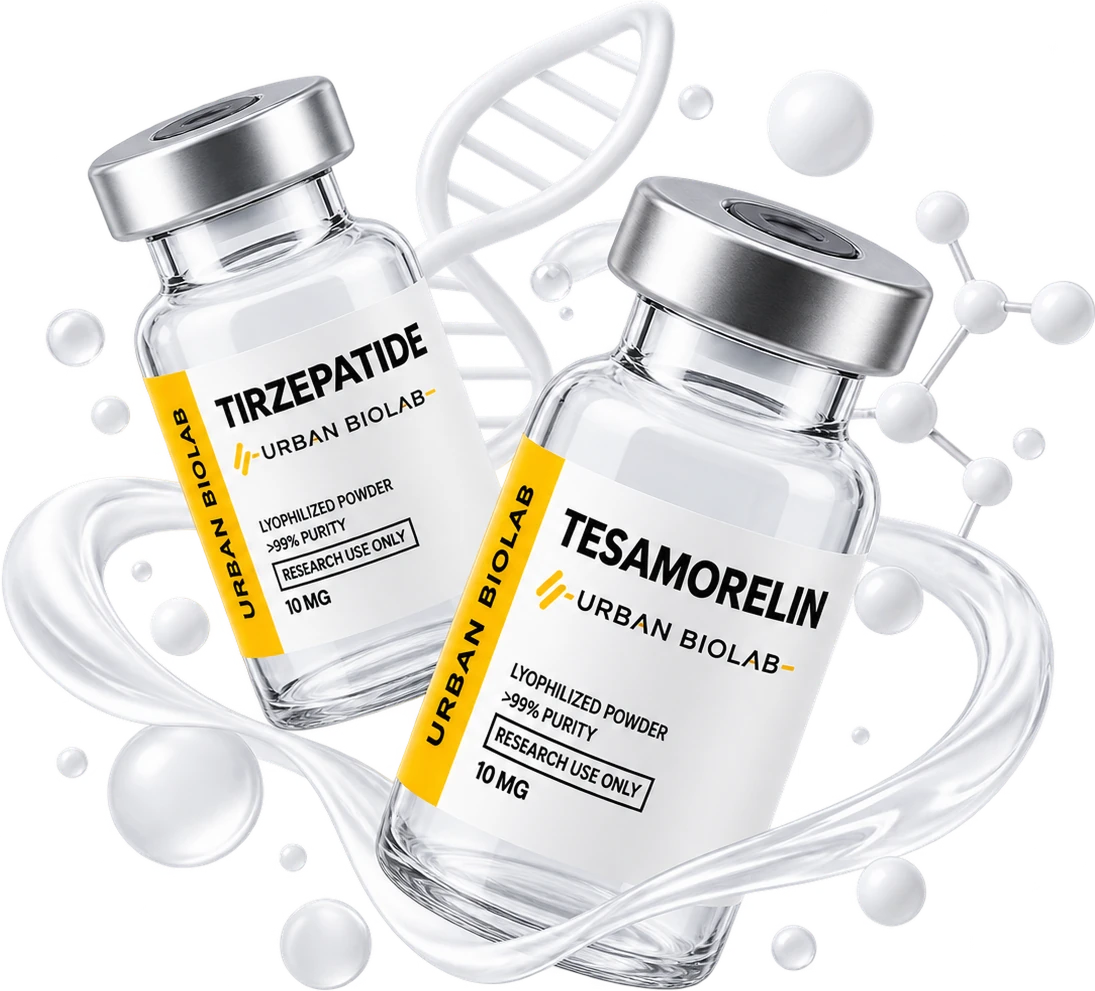
| Tesamorelin | Visceral fat reduction | 2 mg daily | Moderate |
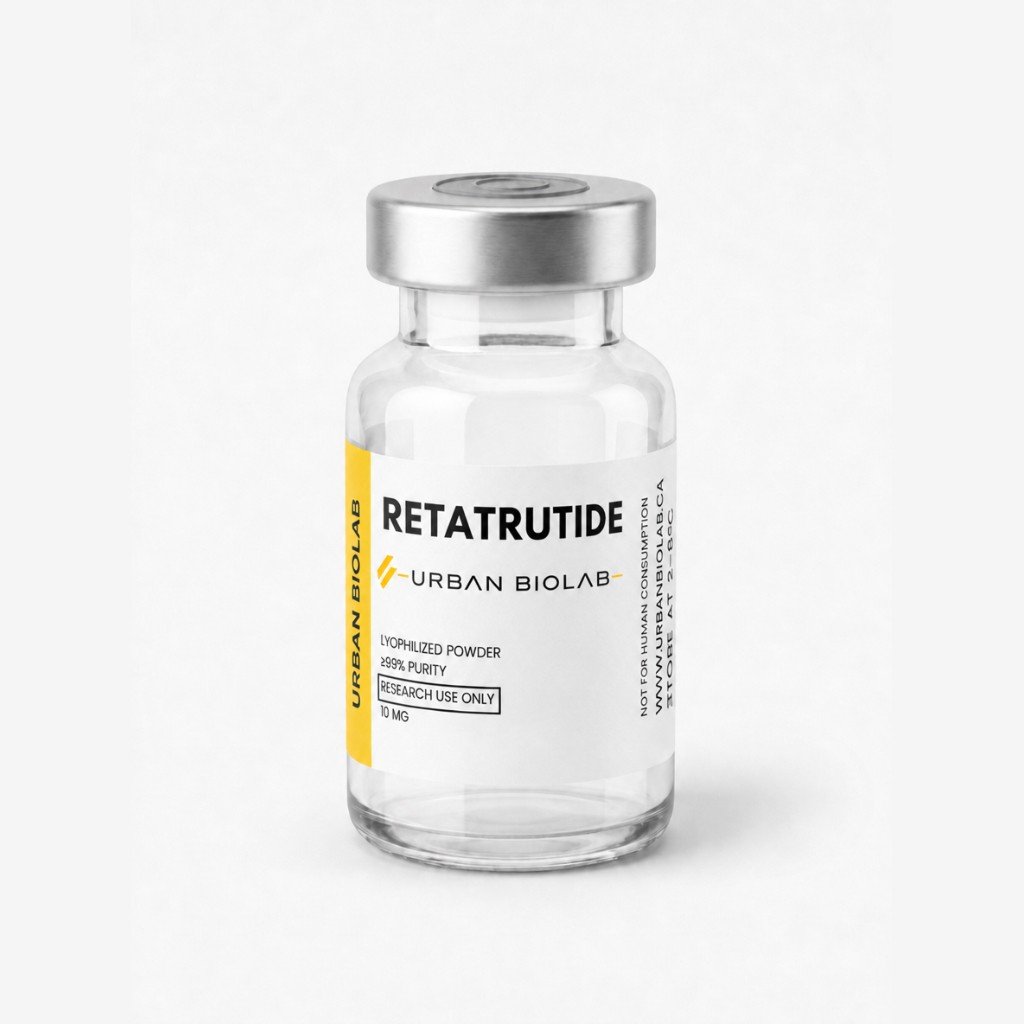
RT (Retatrutide) 10MG
Buy Retatrutide Canada: RT10 is a cutting-edge investigational peptide designed for advanced scientific exploration in metabolic health and weight management research. Known for its unique mechanism as a triple agonist (GLP-1, GIP, and glucagon receptors), it has shown promising potential in preclinical studies related to appetite regulation, fat metabolism, and glycemic control.
BPC-157: The Gut Healer
BPC-157 is the most frequently combined peptide with GLP-1 medications, and for good reason. This pentadecapeptide derived from human gastric juice proteins addresses the most common complaint among Retatrutide users: gastrointestinal distress.
BPC-157 works through pathways that complement rather than overlap with Retatrutide. It modulates the VEGFR2 pathway to promote angiogenesis, activates the FAK-paxillin system to enhance cell migration toward injury sites, and influences nitric oxide production for improved blood flow. None of these mechanisms interfere with GLP-1, GIP, or glucagon signaling.
Gut Protection During Retatrutide Use
Research shows BPC-157 protects and repairs the gut lining, accelerates healing of gastric ulcers, and reduces inflammation throughout the digestive tract. For users experiencing GI side effects, this support can make the difference between tolerating treatment and discontinuing.
Beyond gut protection, BPC-157 supports connective tissue. Tendon and ligament strength matters more as body composition shifts, and BPC-157 upregulates growth hormone receptors on tendon fibroblasts.
BPC-157 Protocol
- Starting dose: 0.25 mg once daily
- Optimal dose: 0.25–0.5 mg daily, with option to split
- Administration: Subcutaneous injection, abdomen preferred
- Timing: Morning, at least 2 hours from Retatrutide
- Duration: 4–8 week cycles with 2–4 weeks off
What Users Report
In peptides Canada community discussions, users consistently highlight reduced GI symptoms when BPC-157 is added during dose escalation. Many report that the peptide does not eliminate side effects entirely, but it reduces severity enough to reach therapeutic Retatrutide doses.
Injury recovery is another frequently cited benefit. As bodies change during weight loss, some users increase physical activity and encounter strains. BPC-157’s tissue-repair capabilities support faster recovery. Some users also note improvements in mood and sleep quality.
My take: If I could only add one peptide to a Retatrutide protocol, BPC-157 would be my choice. The gut protection alone justifies inclusion, and the broader healing benefits support the body through a demanding transformation.
TB-500: Systemic Recovery Support
TB-500, a synthetic version of naturally occurring Thymosin Beta-4, takes a different approach than BPC-157. Where BPC-157 excels at localized repair and gut protection, TB-500 distributes throughout the body to provide systemic support.
The 43-amino-acid peptide binds to actin proteins that influence cell shape and movement, promoting tissue regeneration across multiple systems. This systemic distribution makes it valuable during weight-loss transformations, when stress affects muscles, joints, and connective tissues beyond any single location.
Anti-Inflammatory Benefits
Chronic low-grade inflammation often accompanies obesity. While weight loss generally improves inflammatory markers, the process itself can temporarily increase certain inflammatory responses. TB-500 addresses inflammation through microRNA-146a upregulation—a mechanism separate from Retatrutide’s metabolic pathways.
Users frequently report improved flexibility, reduced joint stiffness, and better range of motion. Since exercise contributes to long-term success, this indirect benefit compounds over time.
TB-500 Dosing
TB-500 requires less frequent dosing than BPC-157 due to its longer half-life.
- Loading phase, weeks 1–4: 2–2.5 mg twice weekly, Monday/Thursday
- Maintenance phase, weeks 5+: 2 mg every 7–14 days
- Administration: Subcutaneous injection, location flexible
- Total cycle: 8–12 weeks with 4–8 weeks off
Important: TB-500 promotes angiogenesis, which raises theoretical concerns for individuals with cancer history or risk factors. Anyone in that category should consult a healthcare provider before considering TB-500. This caution applies broadly to peptides Canada research, not just TB-500.
GHK-Cu: Skin Tightening and Anti-Aging
Loose skin is one of the most common concerns after significant weight loss, and GHK-Cu addresses this directly. This copper-binding tripeptide naturally occurs in human plasma, though levels decline with age—from roughly 200 ng/ml at age 20 to about 80 ng/ml by age 60.
GHK-Cu stimulates collagen production by up to 70% in some research models while activating enzymes that break down damaged collagen. This dual action remodels skin from within rather than simply adding new material on top of degraded structures.
Collagen and Skin Elasticity
Collagen gives skin its firmness and elasticity. Rapid fat loss removes volume beneath the skin faster than skin can contract, leading to sagging. GHK-Cu’s ability to stimulate new collagen while promoting turnover of damaged fibers helps skin adapt to changing body contours.
GHK-Cu also influences gene expression related to tissue remodeling, antioxidant responses, inflammatory processes, and cellular repair. For peptides Canada users focused on cosmetic outcomes, this is one of the most relevant stacking options.
Application Methods
GHK-Cu offers flexibility other peptides lack. Subcutaneous injection provides systemic distribution, while topical application targets specific areas. Many users combine both.
- Injectable dose: 0.1–0.2 mg three times weekly
- Topical option: Apply serum to target areas twice daily
- Combined approach: Injectable 3x weekly plus topical to specific areas
- Duration: 8–12 weeks, can extend longer due to favorable safety profile
Timing matters: Starting GHK-Cu early in a Retatrutide protocol—before substantial weight loss—may provide better skin outcomes than waiting until loose skin develops.
Tesamorelin: Enhanced Fat Metabolism
Tesamorelin occupies a unique position among peptides Canada stacking options. Unlike healing peptides, it directly influences fat metabolism through growth hormone releasing hormone receptor activation. This complements Retatrutide’s appetite suppression with targeted visceral fat reduction.
Tesamorelin has received Health Canada and FDA approval for HIV-associated lipodystrophy, giving it a more established safety and efficacy profile than unregulated peptides.
Targeting Visceral Fat
Visceral fat wraps around internal organs and presents greater health risks than subcutaneous fat. While Retatrutide reduces overall body fat effectively, some users find visceral deposits stubborn. Tesamorelin specifically targets visceral adipose tissue.
Growth hormone stimulation also supports lean muscle preservation during caloric restriction. As Retatrutide suppresses appetite, maintaining muscle mass becomes challenging. Enhanced growth hormone signaling helps preserve metabolically active tissue.
Protocol Considerations
Adding Tesamorelin is more aggressive than healing-peptide stacks. The metabolic amplification may increase both benefits and side effects. Users typically reserve this combination for stubborn visceral fat or specific growth hormone support goals.
- Dose: 2 mg daily, subcutaneously
- Timing: Evening, before bed to align with natural GH release
- Monitoring: Blood glucose checks recommended
- Duration: 8–12 weeks with assessment of visceral fat changes
The Wolverine Stack: BPC-157 + TB-500
The combination of BPC-157 and TB-500 is the most popular and well-documented peptide stack, earning its nickname from the healing acceleration users report. Adding this duo to Retatrutide creates a three-pronged approach: metabolic transformation from the triple agonist, localized repair from BPC-157, and systemic healing from TB-500.
Why the Combination Works
Research and user reports suggest the Wolverine Stack produces effects approximately 60% greater than either peptide alone. The molecular explanation involves synergistic pathways:
- BPC-157 increases actin gene expression while TB-500 organizes actin for cell movement.
- BPC-157 upregulates growth hormone receptors on fibroblasts while TB-500 enhances receptor activity.
- Both promote angiogenesis through different pathways that compound rather than compete.
Timing differences also contribute. BPC-157’s shorter half-life creates concentrated bursts of local activity. TB-500’s longer half-life maintains consistent systemic support between doses.
Mechanism Comparison
| Aspect | BPC-157 | TB-500 |
|---|---|---|
| Distribution | Localized + migration to injury | Systemic throughout body |
| Primary Target | Tendons, gut, specific injuries | Muscles, joints, inflammation |
| Dosing Frequency | Daily | Twice weekly during loading |
| Angiogenesis Pathway | VEGFR2-Akt-eNOS | VEGF/HIF-1α |
| Anti-inflammatory | erg-1 transcription factor | microRNA-146a |
Critical Administration Note
Never combine BPC-157 and TB-500 in the same syringe or vial. The peptides lose stability and potency when mixed. Always reconstitute and inject separately, even on the same day. This is one of the most repeated safety points in peptides Canada research forums.
Complete Wolverine Stack Protocol
- Retatrutide: Weekly injection per standard escalation protocol
- BPC-157: 0.25–0.5 mg daily, subcutaneous
- TB-500 loading, weeks 1–4: 2.5 mg Monday and Thursday
- TB-500 maintenance, weeks 5+: 2 mg every 7–14 days
- Total duration: 6–8 weeks with 4 weeks off before repeating
The GLOW Protocol: Triple Healing Power
The GLOW protocol extends the Wolverine Stack by adding GHK-Cu, creating a comprehensive regeneration stack addressing healing, inflammation, and skin health simultaneously. For peptides Canada researchers looking for full-body support during rapid weight loss, it is the most comprehensive option discussed here.
Synergistic Tissue Remodeling
- BPC-157 handles soft tissue repair and gut protection.
- TB-500 provides systemic healing and flexibility support.
- GHK-Cu stimulates collagen synthesis and skin remodeling.
The three peptides address different phases of healing. Acute inflammation is managed early by BPC-157 and TB-500. Tissue regeneration follows, supported by all three. Remodeling shapes healed tissue into functional form, where GHK-Cu’s collagen effects are most valuable.
By targeting multiple phases simultaneously, the GLOW protocol reduces bottlenecks that can limit single-peptide approaches.
GLOW Protocol With Retatrutide
- Retatrutide: Maintained at established dose, typically 8–12 mg weekly
- BPC-157: 0.25 mg daily
- TB-500: 2.5 mg twice weekly during loading, or 2 mg weekly during maintenance
- GHK-Cu: 0.1–0.2 mg three times weekly
- Duration: 8–12 weeks maximum, with a 30-day minimum break between cycles
A typical week might involve Retatrutide on Sunday, TB-500 on Monday and Thursday, BPC-157 daily, and GHK-Cu on Tuesday, Thursday, and Saturday. Spreading injections reduces tissue stress at any single site.
Dosing and Timing Strategies
Reconstitution Best Practices
All peptides arrive as lyophilized powder requiring reconstitution with bacteriostatic water. Proper technique preserves peptide integrity:
- Allow vials to reach room temperature before opening, 15–30 minutes.
- Disinfect rubber stoppers with alcohol and allow complete evaporation.
- Inject bacteriostatic water slowly down the vial wall—never directly onto powder.
- Swirl gently to dissolve; never shake vigorously.
- Store reconstituted peptides refrigerated at 2–8°C.
- Use reconstituted BPC-157 and GHK-Cu within 4 weeks.
- Use reconstituted TB-500 within 7–14 days for best potency.
Standard Reconstitution Examples
- BPC-157: 5 mg vial + 2 ml BAC water = 2.5 mg/ml. For 0.25 mg, draw 10 units on an insulin syringe.
- TB-500: 5 mg vial + 2 ml BAC water = 2.5 mg/ml. For 2.5 mg, draw 100 units.
- GHK-Cu: 50 mg vial + 2 ml BAC water = 25 mg/ml. For 0.2 mg, draw 0.8 units.
Timing Relative to Retatrutide
Most protocols separate Retatrutide from healing peptides by at least several hours, though no direct interaction mechanism is documented. The separation provides clearer attribution if unexpected effects occur.
Morning administration works well for BPC-157. TB-500’s twice-weekly schedule often aligns with Monday and Thursday mornings. GHK-Cu timing matters less for systemic effects, though evening administration may support overnight regeneration.
Cycling Protocols for Long-Term Use
Extended peptide use requires cycling to prevent receptor desensitization, allow natural recovery, and reduce theoretical risks from prolonged administration. This is a standard consideration across peptides Canada research protocols.
Why Cycling Matters
Receptor desensitization occurs when constant peptide exposure downregulates receptor sensitivity. The body adapts and requires higher doses for the same effect. Cycling allows receptors to return to baseline sensitivity.
Cycling also helps identify which peptides contribute most to individual outcomes. Removing one peptide while maintaining others can reveal its specific value.
Suggested Cycling Patterns
Retatrutide typically continues throughout weight loss and maintenance without cycling. Healing peptides benefit from periodic breaks.
| Peptide | On Period | Off Period |
|---|---|---|
| BPC-157 | 4–6 weeks | 2–4 weeks |
| TB-500 | 6–8 weeks | 4–8 weeks |
| GHK-Cu | 8–12 weeks | 15+ days minimum |
| GLOW Stack | 8–12 weeks max | 30 days minimum |
Staggered Implementation
Rather than starting all peptides simultaneously, staggered implementation allows assessment of individual contributions:
- Begin with Retatrutide alone for 4–8 weeks.
- Add BPC-157 during dose escalation when GI symptoms peak.
- Introduce TB-500 after reaching maintenance Retatrutide doses.
- Add GHK-Cu when significant weight loss begins affecting skin appearance.
This gradual approach provides clearer feedback about which additions matter for your individual circumstances. It also helps peptides Canada users manage cost, since running multiple peptides simultaneously is expensive.
Managing Side Effects in Combined Protocols
Combining multiple peptides with Retatrutide creates potential for additive benefits and compounded side effects. Healing peptides generally carry benign safety profiles compared with the primary medication.
Retatrutide-Specific Side Effects
The triple agonist produces most side effects in combined protocols:
- Nausea: about 28% at the 12 mg dose
- Diarrhea: about 24%
- Constipation: about 21%
- Vomiting: about 17%
These GI effects typically peak during weeks 4–8 and resolve by week 12 for most users. BPC-157 often helps manage these symptoms rather than adding to them.
Healing Peptide Side Effects
Common experiences include:
- Injection site reactions: redness, minor swelling, tenderness, usually resolving within hours
- Transient fatigue: mild tiredness during the first 1–2 weeks, especially with TB-500
- Headaches: occasional and mild in early use
- Vivid dreams: some users report more memorable dreams
- Temporary water retention: minor and resolves with continued use
Serious adverse events remain rare. The main theoretical concern involves angiogenesis promotion from TB-500 and BPC-157, which could theoretically support tumor growth in people with undiagnosed or existing cancers.
When Problems Arise
If an unexpected effect occurs with multiple peptides, discontinue all additions while maintaining Retatrutide, then reintroduce peptides one at a time to identify the source.
Sourcing Quality Peptides Canada
Peptide quality varies dramatically across suppliers, and that variation directly affects outcomes. For peptides Canada sourcing, quality documentation and domestic shipping reliability are both important.
Quality Indicators
Third-party testing through Certificates of Analysis provides the most reliable quality indicator. Look for:
- Purity levels at 98% minimum, with 99%+ preferred
- Endotoxin testing below safe thresholds
- HPLC-MS verification
- Clear storage and expiration information
- Consistent community reputation
Quality Red Flags
- No Certificate of Analysis available
- Prices dramatically below market averages
- Unclear peptide sequences or synthesis methods
- No verifiable reviews or established reputation
- Vague purity claims without documentation
Canadian Regulatory Context
Health Canada regulates peptides differently than the US FDA, though both agencies generally treat research peptides outside approved pharmaceutical frameworks. Purchasing peptides for research purposes is generally legal in Canada, but clinical use without a prescription falls into regulatory gray areas.
Domestic peptides Canada suppliers can reduce customs complications and often provide faster delivery. Researchers should still verify testing documentation before ordering.
Storage and Handling
Lyophilized peptides remain stable refrigerated for 12–24 months or frozen for years. Once reconstituted, most peptides require refrigeration and use within 4 weeks, with TB-500 preferably used within 7–14 days.
Frequently Asked Questions
Can I mix BPC-157 and TB-500 in the same syringe?
No. These peptides should never be combined in the same vial or syringe. Mixing degrades potency and stability. Always reconstitute and inject separately.
Will adding peptides increase Retatrutide side effects?
The healing peptides work through different mechanisms and should not amplify Retatrutide’s side effects. BPC-157 may actually reduce GI symptoms. The main additional effects are mild injection-site reactions.
When should I start adding peptides?
For GI symptom management, add BPC-157 during dose escalation. For skin support, start GHK-Cu before significant weight loss. For general healing, introduce the Wolverine Stack after reaching stable Retatrutide maintenance doses.
How long do peptide stacks take to show results?
BPC-157 effects on GI symptoms often appear within 1–2 weeks. TB-500 benefits typically emerge over 2–4 weeks. GHK-Cu skin improvements develop over 6–12 weeks. The Wolverine Stack usually shows noticeable recovery enhancement within 2–3 weeks.
Can I use peptides if I have a history of cancer?
TB-500 and BPC-157 promote angiogenesis, which theoretically could support tumor growth. Anyone with cancer history should consult a healthcare provider before considering these peptides.
Do I need to cycle Retatrutide?
Retatrutide typically continues without cycling throughout weight loss and maintenance. Healing peptides require cycling, but Retatrutide’s mechanism as a continuous therapy differs. Stopping generally leads to weight regain.
What is the minimum effective stack for someone just starting?
BPC-157 alone is the minimum addition for GI side effects. For skin concerns, GHK-Cu alone addresses collagen support. The Wolverine Stack provides broader healing support without full GLOW protocol complexity.
Are there peptides I should avoid combining with Retatrutide?
Avoid other GLP-1 or GIP agonists such as semaglutide or tirzepatide due to overlapping mechanisms. GHRH analogs require more careful consideration. Insulin-sensitizing peptides warrant caution given Retatrutide’s glucose effects.
Glossary
Angiogenesis: Formation of new blood vessels from existing vessels. Important for tissue healing but a concern in cancer contexts.
Bacteriostatic Water: Sterile water containing 0.9% benzyl alcohol as an antimicrobial preservative. Standard reconstitution fluid for peptides.
BPC-157: Body Protective Compound-157, a pentadecapeptide derived from human gastric juice proteins.
Certificate of Analysis: Laboratory documentation showing peptide purity, typically via HPLC-MS methods.
Cycling: Alternating periods of peptide use with rest periods to prevent receptor desensitization.
GHK-Cu: Glycyl-L-histidyl-L-lysine copper complex, a tripeptide that stimulates collagen production.
GLOW Protocol: A three-peptide stack combining BPC-157, TB-500, and GHK-Cu for comprehensive tissue regeneration.
Loading Phase: Initial higher-frequency dosing designed to build tissue concentrations quickly.
Lyophilized: Freeze-dried. Peptides arrive as powder and require reconstitution.
Receptor Desensitization: Decreased receptor sensitivity after prolonged agonist exposure.
Subcutaneous Injection: Injection into the fatty tissue layer beneath the skin.
TB-500: A synthetic version of Thymosin Beta-4, used for systemic healing support.
Triple Agonist: A medication targeting three receptors simultaneously. Retatrutide acts on GIP, GLP-1, and glucagon receptors.
Wolverine Stack: The combination of BPC-157 and TB-500, named for reported healing acceleration.
References
- Jastreboff AM, Kaplan LM, Frias JP, et al. Triple-Hormone-Receptor Agonist Retatrutide for Obesity: A Phase 2 Trial. New England Journal of Medicine. 2023;389:514–526.
- Sikiric P, Seiwerth S, Rucman R, et al. Stable gastric pentadecapeptide BPC 157: novel therapy in gastrointestinal tract. Current Pharmaceutical Design. 2011;17(16):1612–1632.
- Pickart L, Margolina A. Regenerative and Protective Actions of the GHK-Cu Peptide in the Light of the New Gene Data. International Journal of Molecular Sciences. 2018;19(7):1987.
This article is for informational purposes only and does not constitute medical advice. Always consult with qualified healthcare providers before starting any peptide protocol.